Springer's Dottyback
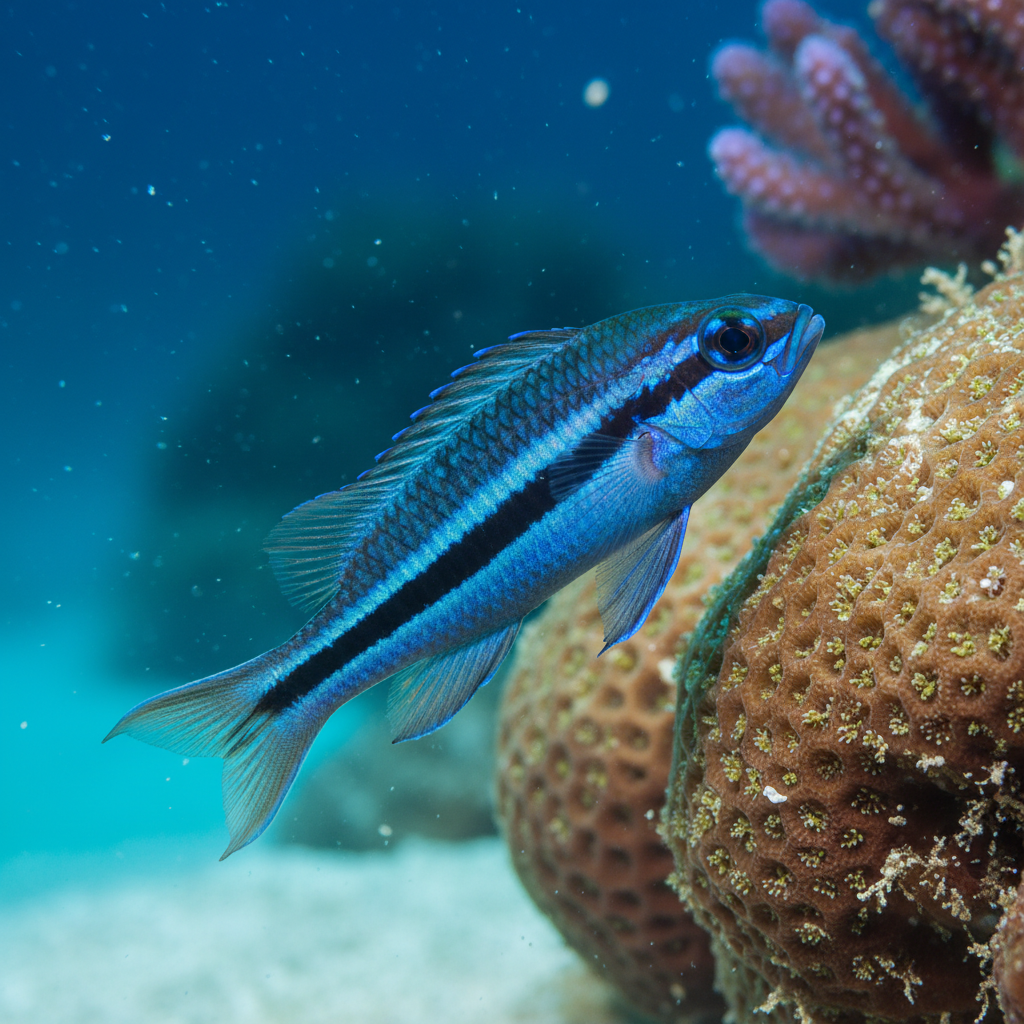
A 6cm deep-blue dottyback that eats bristleworms. Hardy and reef safe, but territorial — one per tank unless it is a large system.
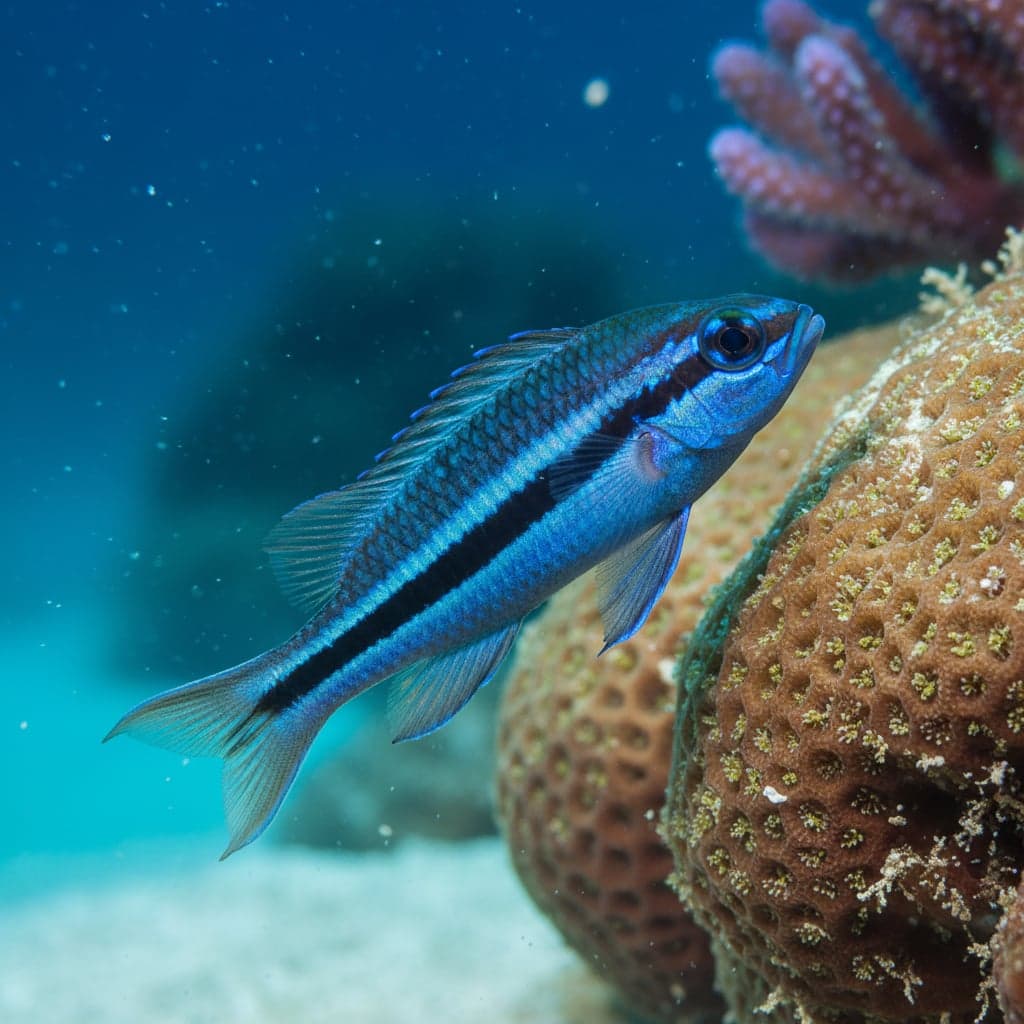
Springer's Dottyback
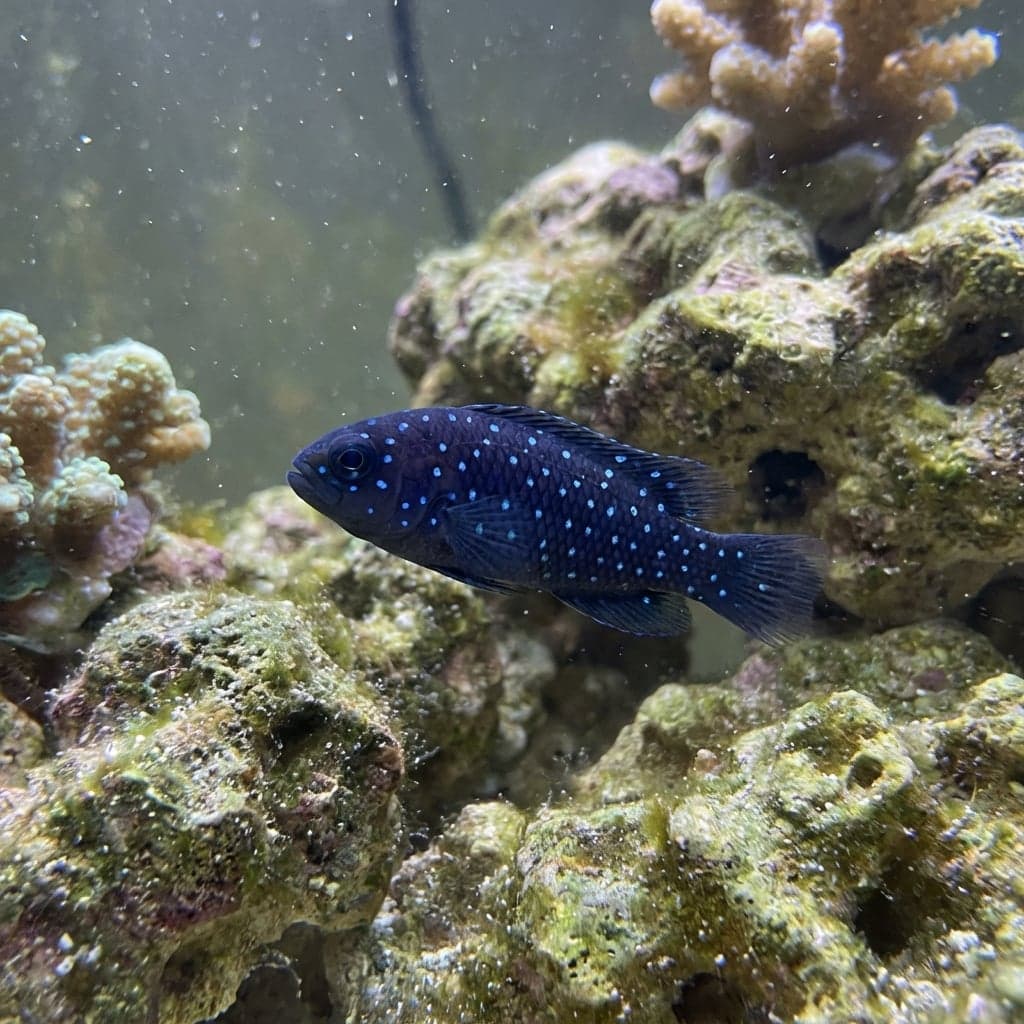
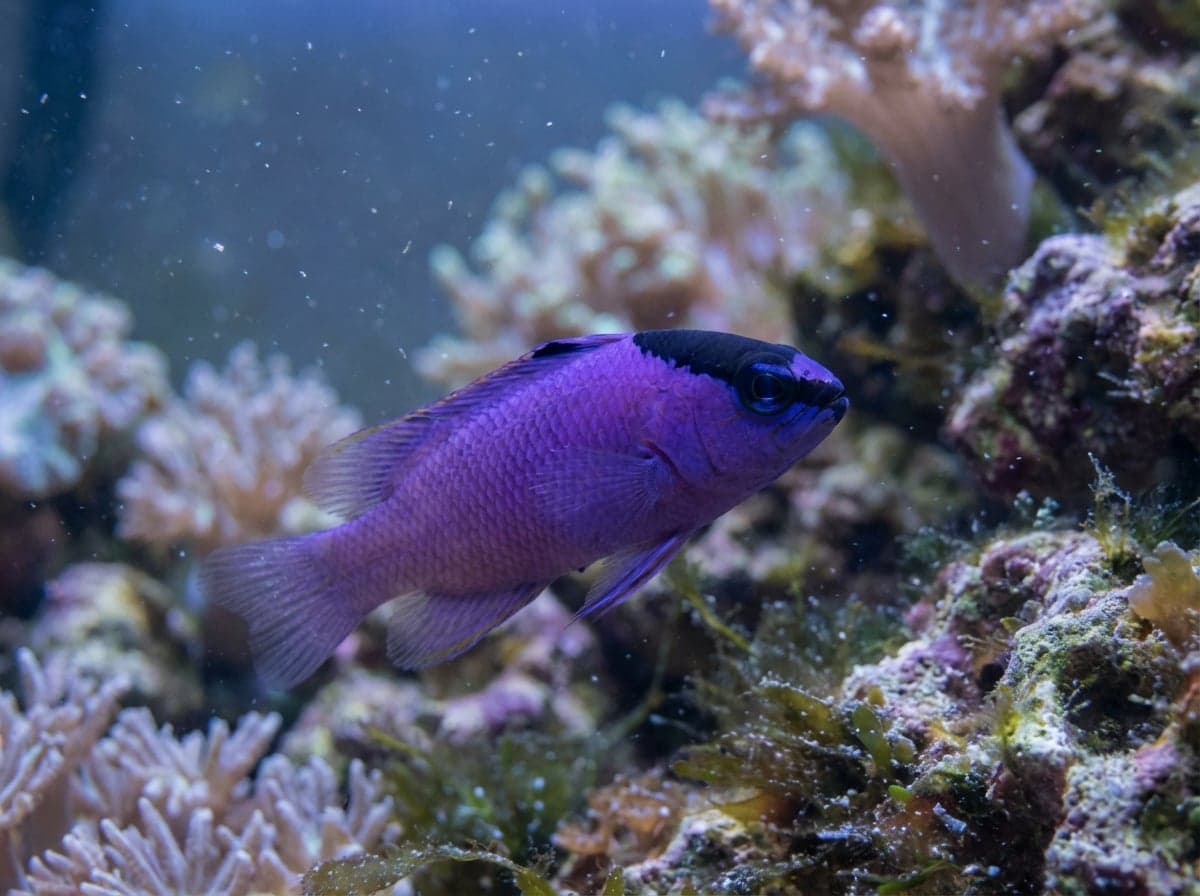
Springer's Dottyback, scientifically known as Pseudochromis springeri, is a vibrant and captivating species that has gained popularity in the aquarium hobby for its striking coloration and unique behavior. This stunning fish showcases a brilliant combination of deep purples, blues, and yellows that can enhance any reef tank. With an impressive length of up to 3 inches, Springer's Dottyback stands out in any aquatic setting, thanks to its elongated body shape and vibrant hues. As a semi-aggressive species, it exudes personality, often claiming its territory within the tank, making it a fascinating subject for both novice and experienced aquarists alike.
In addition to its visual appeal, Springer's Dottyback plays a significant role in maintaining the ecological balance of its natural habitat. In the wild, this species feeds on small invertebrates and zooplankton, contributing to the dynamic food web of coral reefs. Moreover, it exhibits interesting behavioral traits, such as establishing territories and interacting with other reef inhabitants. By including Springer's Dottyback in an aquarium setting, enthusiasts not only enjoy its beauty but also replicate an essential piece of the reef ecosystem, thus promoting responsible aquarium practices.
Natural Habitat & Origin
Springer's Dottyback is endemic to the warm waters of the Indo-Pacific region, particularly found around the coral reefs of the Solomon Islands, Fiji, and Tonga. This species typically inhabits the sheltered areas of reefs, where it can find an abundance of hiding spots among the coral structures. The water in which these fish reside is generally characterized as clear, with excellent visibility and a high level of biodiversity. The natural habitat's structure is crucial for their survival, as these fish rely on complex environments that offer shelter and protection from predators.
In their natural environment, the water temperature ranges from 75°F to 82°F (24°C to 28°C) in moderately saline conditions, with a salinity level of around 1.020 to 1.025 specific gravity. The pH levels are usually between 8.1 and 8.4, reflecting the alkaline nature of most reef waters. Understanding these conditions can help aquarists create a conducive environment that mimics their natural habitat, promoting the health and well-being of Springer's Dottyback in captivity.
Care Requirements
To care for a Springer's Dottyback, it is essential to establish optimal water parameters to ensure their health and longevity. The ideal pH range for these fish is between 8.1 and 8.4, with a specific gravity of 1.020 to 1.025 and a water temperature maintained between 75°F and 82°F (24°C to 28°C). The water hardness should be kept in a range of 8 to 12 dGH, which imitates the fish's natural saltwater environment. Regular water changes and appropriate filtration systems are vital for maintaining water quality.
When setting up a tank for Springer's Dottyback, a minimum tank size of 120 litres (30 gallons) is recommended for this 6cm Pseudochromis springeri — territorial habits mean it needs swimming space and rockwork to claim, not a nano footprint. The substrate should consist of fine sand or crushed coral, which allows for natural behaviors like burrowing and foraging. Including plenty of live rock and various hiding spots is essential, as this species thrives in environments that offer both security and places to explore. Moderate lighting is ideal, as Springer's Dottybacks are typically found in well-lit reefs. Incorporating hardy aquatic plants and corals can enhance the tank's aesthetic appeal while providing necessary shelter.
Diet & Feeding
Springer's Dottyback is classified as an omnivore, with a diet primarily consisting of small invertebrates and zooplankton in the wild. In captivity, a varied diet that includes high-quality flakes, pellets, and frozen or live foods is crucial for their overall health. It is recommended to feed them a mix of protein-rich sources such as brine shrimp, mysis shrimp, and other meaty foods, supplemented with vegetable matter like spirulina or algae wafers to promote optimal nutrition. Providing a varied diet will not only ensure proper growth but will also enhance their coloration and vitality.
Feeding should be done multiple times a day, offering small amounts that can be consumed in a few minutes. Overfeeding should be avoided, as it can lead to poor water quality and health issues. Monitoring their feeding habits will provide insights into their health and well-being. Establishing a consistent feeding routine will encourage Springer's Dottybacks to thrive in captivity.
Behavior & Temperament
Springer's Dottyback exhibits a wide range of behavioral traits that make it an engaging addition to any aquarium. Although they can display territorial aggression, especially during breeding seasons or when establishing themselves in a new tank, their behavior tends to be less aggressive compared to other dottybacks. They are generally nocturnal and prefer to establish a home near the bottom to mid-level areas of the aquarium, where they can hide among rocks and corals.
In terms of social behavior, Springer's Dottybacks are not noted for forming schools; they thrive better when kept in pairs or small groups, but care should be taken to ensure territories are established. Owners often report individual personalities emerging among their fish, which can lead to interesting interactions with their tank mates. Providing ample hiding spaces and visual barriers in the tank can help reduce aggression and increase harmony among different species.
Tank Mates
When selecting tank mates for Springer's Dottyback, compatibility is crucial to ensure a harmonious aquarium environment. Suitable tank mates include smaller, peaceful reef fish such as clownfish, gobies, damselfish, and blennies. These fish typically share similar habitat requirements and can coexist well with Springer's Dottyback. It is also advisable to include invertebrates like shrimp and snails, which can help maintain the tank’s ecosystem.
However, certain species should be avoided to minimize aggression and territorial disputes. Larger or more aggressive fish, such as triggers and some wrasses, may pose a threat to the Springer's Dottyback, leading to stress or injury. Additionally, it is recommended to avoid keeping multiple dottybacks of the same species unless in a significantly spacious tank, as they can be territorial with one another.
Breeding
Breeding Springer's Dottyback in captivity can be a rewarding experience for dedicated aquarists. This species is a mouthbrooder, meaning that the female lays eggs in a hidden location, often among the rocks or coral, and the male fertilizes them. For successful breeding, it is essential to maintain stable water parameters, mimic their natural environment, and provide adequate hiding spots to encourage spawning behaviors.
Creating a dedicated breeding tank can increase the chances of success, ensuring optimal conditions for both the male and female. The female typically lays a clutch of eggs that she guards closely, while the male aggressively protects their territory. After several days, the eggs will hatch, and the fry will require infusoria or finely crushed foods for their initial diet. Careful monitoring of both the parents and the fry is crucial during this delicate period to ensure the best chances of survival.
Common Health Issues
Springer's Dottyback can be prone to several health issues commonly seen in aquarium fish. One of the most prevalent concerns is ich (Cryptocaryon irritans), a parasitic infection that manifests as white spots on the fish's body. To prevent this, it's crucial to maintain stable water parameters, strong filtration, and a quarantine protocol for new livestock. Marine velvet and bacterial infections can also appear after shipping stress or sudden salinity swings. Watch for white spots, rapid breathing, or faded colour, and treat promptly with reef-safe options when invertebrates are present. A varied diet and low aggression from tank mates help Springer's Dottybacks stay healthy and vivid.