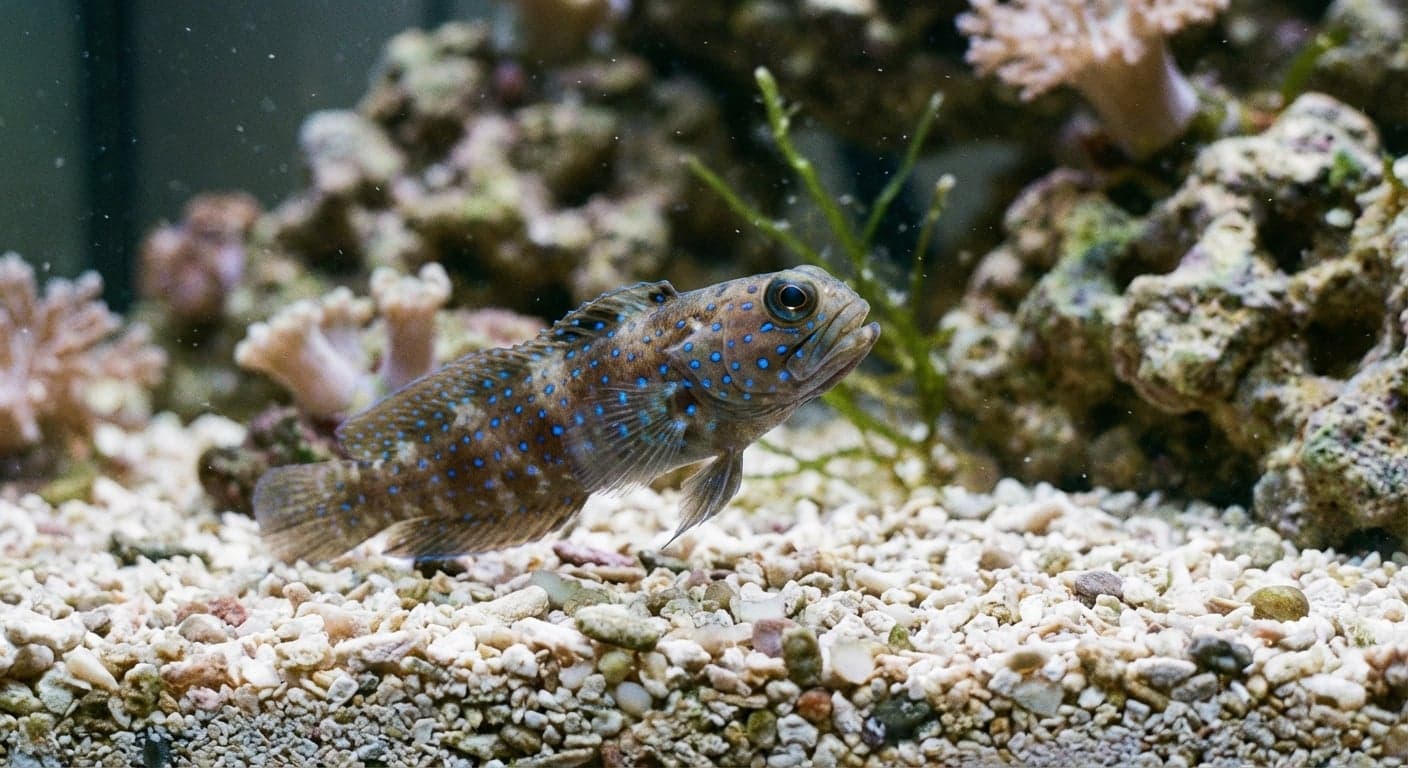
Starry Blenny
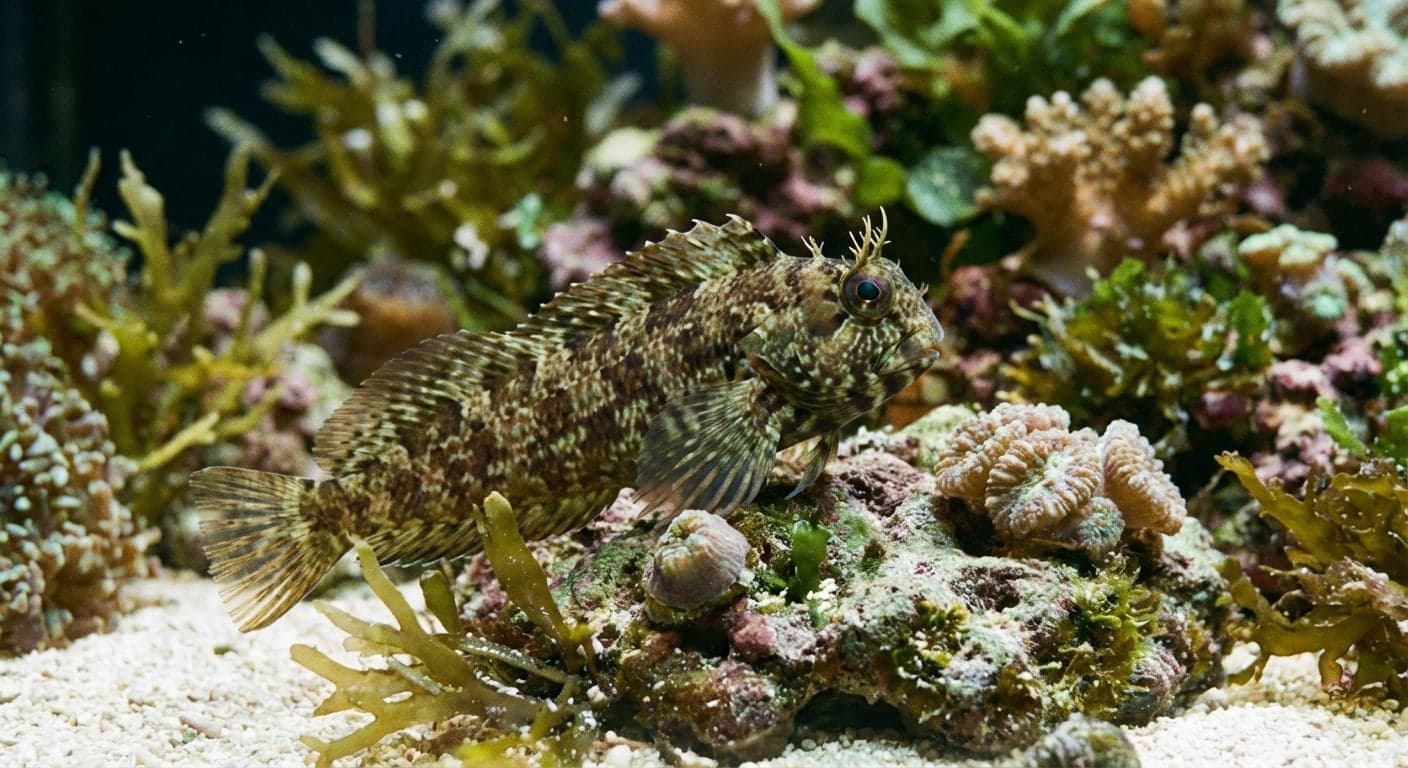
A 14cm blenny that grazes film algae off rock and glass. Needs mature live rock to graze, and a lid — it perches, then jumps.
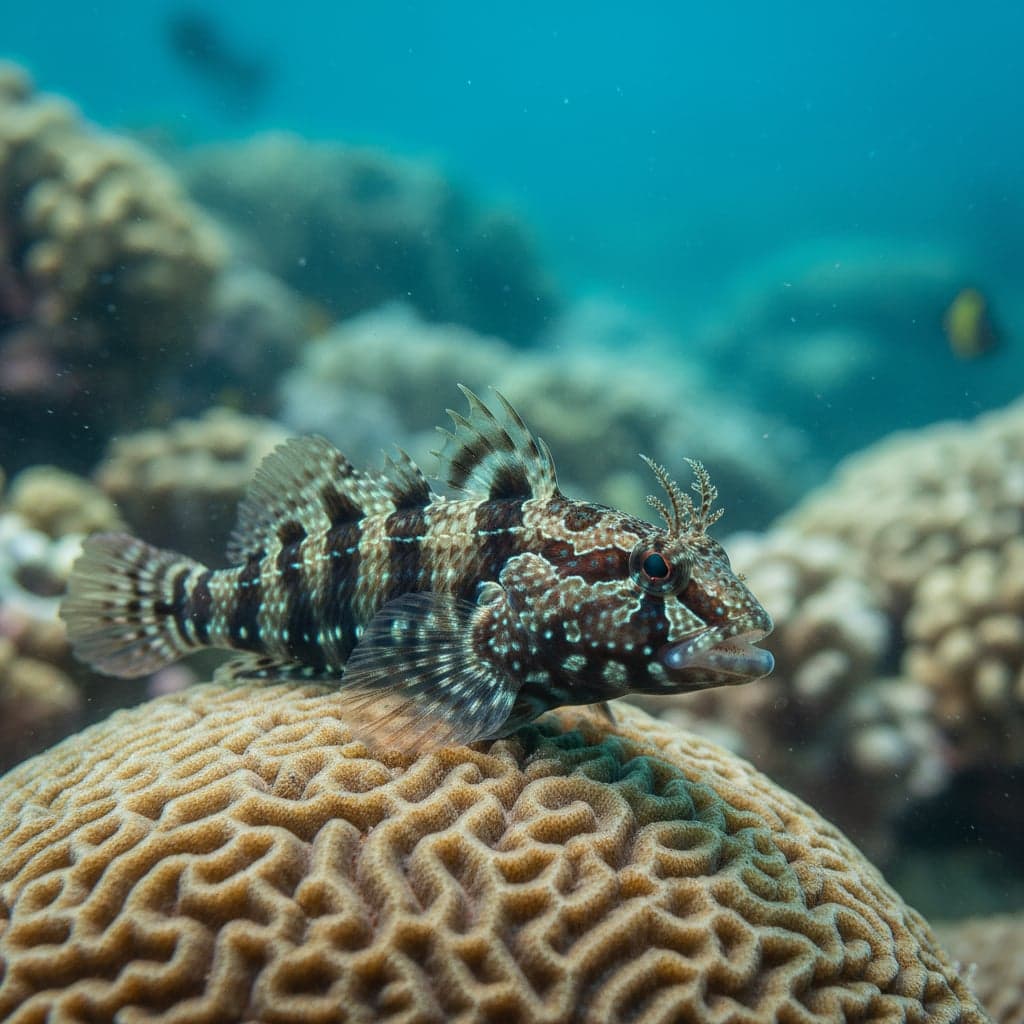
Starry Blenny
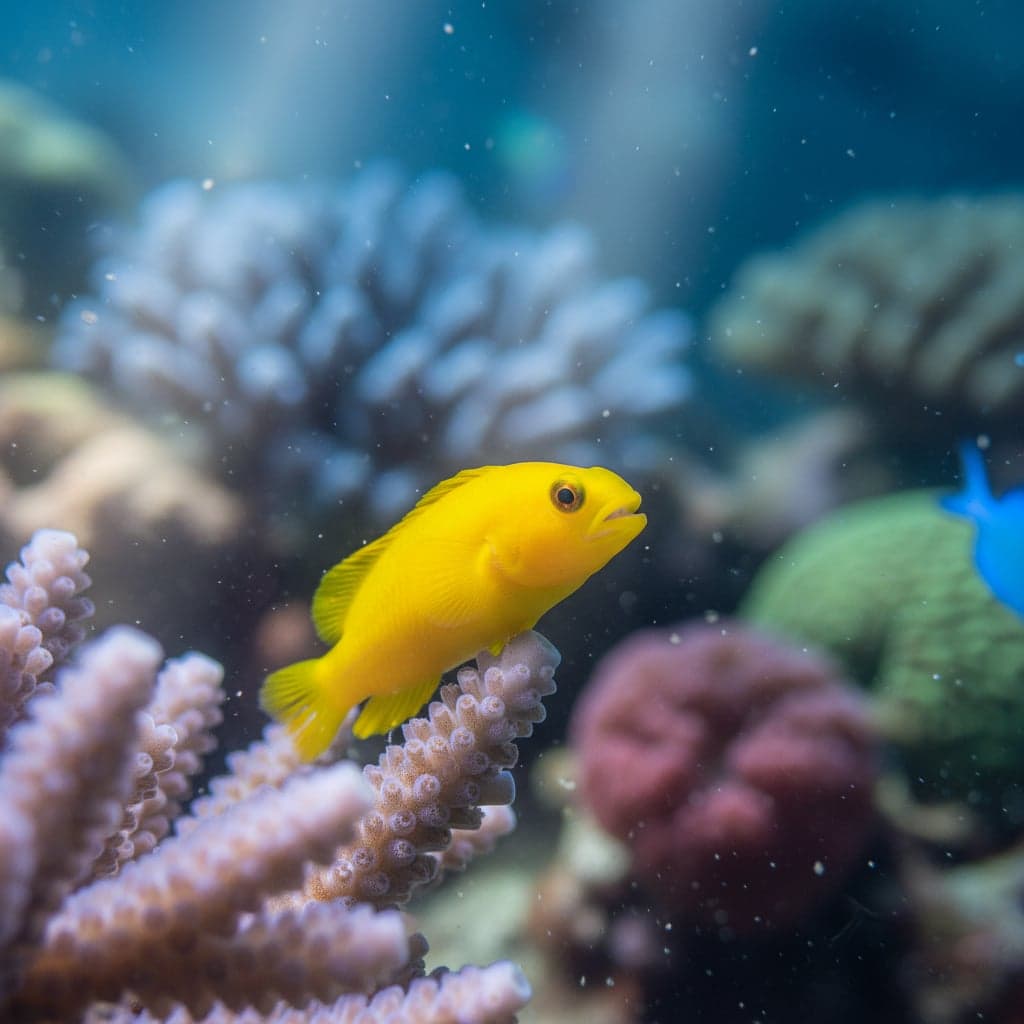
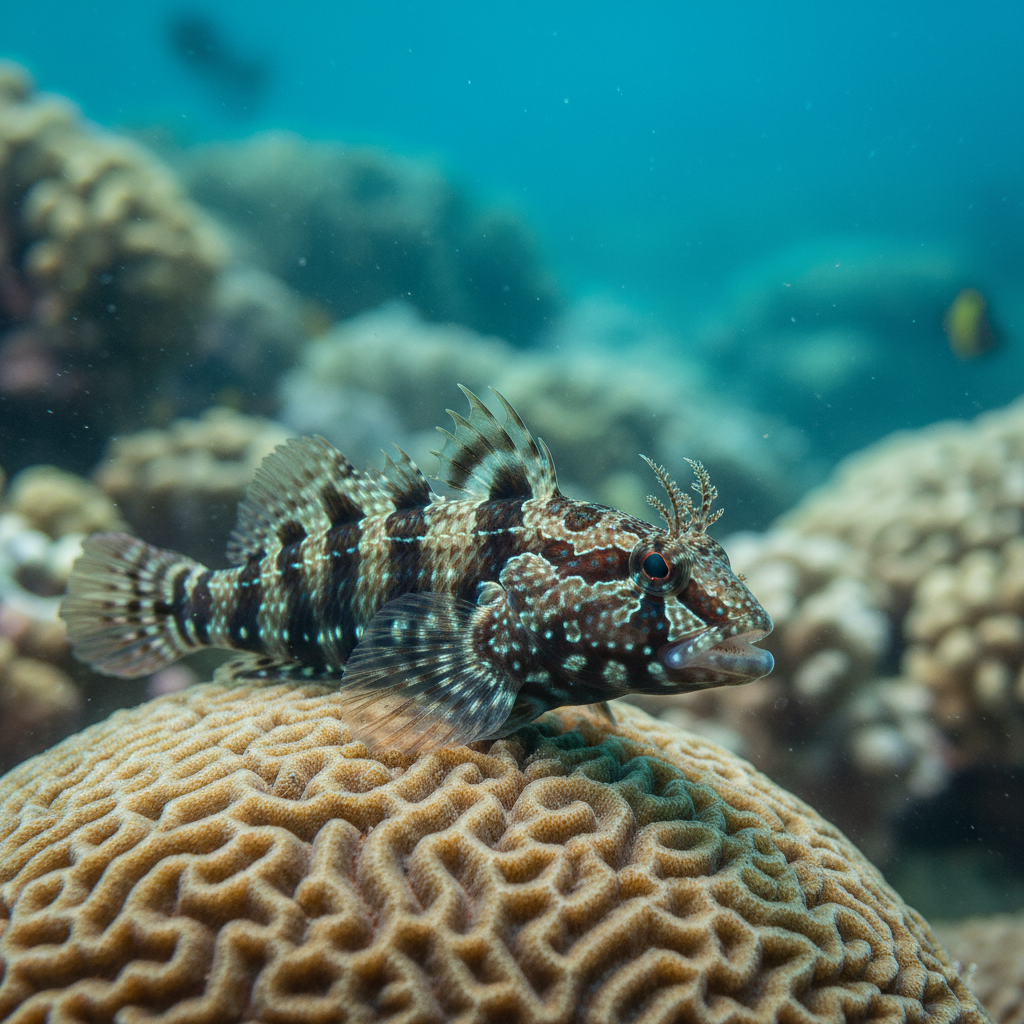
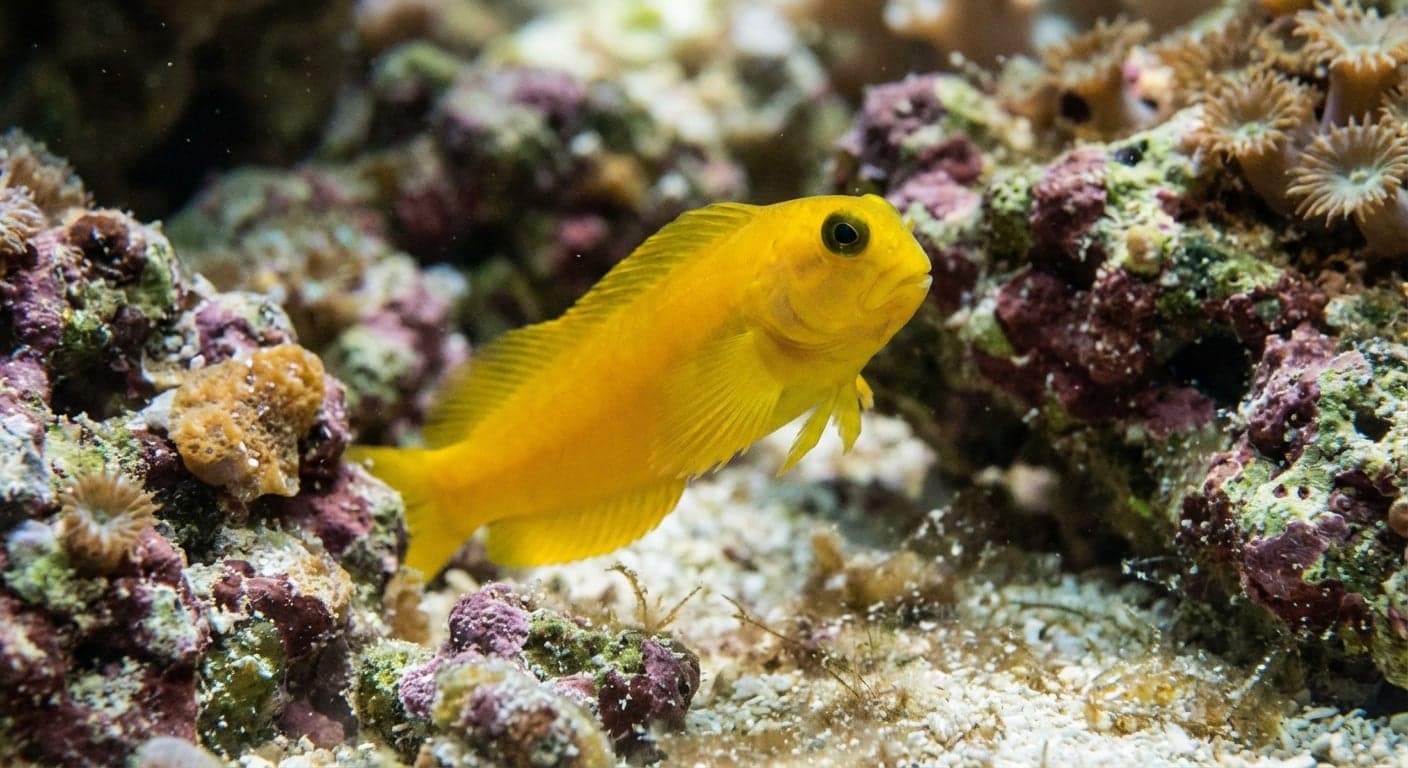
The Starry Blenny, scientifically known as Salarias ramosus, is a captivating marine fish that has garnered significant popularity among aquarium enthusiasts. Recognizable for its striking appearance, this small fish boasts a rich palette of colors, primarily featuring a dominantly yellowish body adorned with vivid blue spots that glisten like stars. These markings not only enhance its aesthetic appeal but also serve as a form of communication with potential mates and rivals in the wild. The unique morphology of the Starry Blenny includes a flattened body and a pronounced dorsal fin that adds to its visual charm, making it a fascinating addition to reef and saltwater aquariums.
In the aquarium hobby, the Starry Blenny is significant due to its hardiness and relatively peaceful nature, making it suitable for both novice and experienced aquarists. Its natural behavior of grazing algae off rocks and surfaces contributes positively to maintaining tank cleanliness, turning this fish into a beneficial inhabitant of any marine ecosystem. Moreover, the Starry Blenny’s ability to adapt to various environments and its captivating displays make it a prized species for aquarists looking to add flair and character to their underwater displays.
Natural Habitat & Origin
The Starry Blenny is native to the coral reefs and rocky substrates of the Indo-Pacific region, with a distribution range that includes areas such as the Red Sea, the Philippines, and around the Great Barrier Reef. This fish typically inhabits shallow waters, often found at depths of 1 to 30 meters (3 to 100 feet), where it thrives among coral rubble, rock crevices, and algae-covered surfaces. The environmental context is vital, as these habitats are usually home to a diverse array of marine life, providing ample opportunities for feeding and hiding from predators.
In terms of water conditions, the Starry Blenny prefers clear, warm waters with stable temperatures ranging between 24°C to 28°C (75°F to 82°F). They thrive in salinity levels of 1.020 to 1.025 specific gravity. The fish typically enjoys slightly alkaline to neutral pH levels around 7.8 to 8.4 and moderate to high levels of water movement, which replicate their natural habitat and promote a healthy, vibrant lifestyle.
Care Requirements
Caring for a Starry Blenny requires attention to specific water parameters to ensure its health and well-being. It is crucial to maintain a stable temperature between 24°C to 28°C (75°F to 82°F) and a salinity level in the range of 1.020 to 1.025 specific gravity. The pH level should ideally fall between 7.8 and 8.4, and the hardness of the water should generally be kept around 8 to 12 dKH for optimal health.
When setting up their aquarium, a minimum tank size of 200 litres (55 gallons) is recommended, and the limiting factor is grazing area rather than swimming space: a 14cm algae grazer strips film algae from mature live rock faster than a small system can regrow it. The substrate should consist of fine sand or small gravel, allowing the fish to dig and explore. Natural rock formations and live rock provide essential hiding spots and grazing areas, where the Starry Blenny can scour for algae. A moderate lighting setup is ideal, mimicking its natural environment, and incorporating live plants and coral is encouraged to create a dynamic and aesthetically pleasing habitat.
Diet & Feeding
The Starry Blenny is primarily an herbivorous fish, though it can also exhibit omnivorous tendencies, feeding on various types of organic matter. In a captive environment, it is essential to offer a diverse diet consisting of high-quality algae-based flakes, pellets, and frozen foods. Spirulina-based foods are particularly beneficial for their dietary needs, promoting overall health and vibrancy. Additionally, supplementing their diet with small amounts of live foods such as brine shrimp or mysis shrimp can encourage natural foraging behavior and enhance their overall vitality.
To maintain health and well-being, it is advisable to feed the Starry Blenny multiple small meals throughout the day rather than one large feeding. This mimics their natural grazing habits and keeps their metabolism active. Providing a consistent supply of algae in the tank will also help support their dietary needs, as they naturally graze on it throughout the day.
Behavior & Temperament
The behavioral disposition of the Starry Blenny is mostly peaceful and inquisitive, making it a suitable addition to community tanks. They exhibit a unique territorial nature, often claiming small areas within the tank as their own and displaying aggressive behavior towards intruders of the same species, especially males. However, they tend to coexist peacefully with various other community fish, including other bottom dwellers, as long as their territories are not contested.
In terms of tank positioning, the Starry Blenny generally prefers the bottom and middle regions of the aquarium. They are often seen perched on rocks or hiding within crevices, watching their surroundings. Their fascinating movements and grazing along the substrate add irresistible charm to their behavior, making them a delightful species to observe in a well-set aquarium.
Tank Mates
When selecting tank mates for the Starry Blenny, compatibility is crucial. Suitable companion species include soft-coral reef fish, such as Clownfish, Gobies, and various wrasse species that occupy different levels of the water column and do not provoke territorial disputes. Other peaceful species, such as smaller Tangs and Anthias, can also coexist harmoniously with the Starry Blenny.
Conversely, it is advisable to avoid aggressive or highly territorial species such as large Cichlids, aggressive Tangs, or Triggerfish, which may harass or outcompete the Starry Blenny for food and space. Implementing a diverse bioactive community ensures a healthy balance and minimizes conflicts, allowing each species to thrive in a shared environment.
Breeding
Breeding the Starry Blenny in captivity can be challenging but is achievable with the right conditions. Spawning typically occurs once the fish reach sexual maturity, which can take around 6-12 months. In the breeding process, males will establish territories and court females, demonstrating displays of color and fin movements to attract them.
To successfully breed the Starry Blenny in a home aquarium, a separate breeding tank is recommended, with ample hiding spaces created by rock formations and algae. Maintaining optimal water conditions (temperature around 26°C or 79°F, pH of 8.2, and salinity of 1.022) helps facilitate spawning. After the female lays eggs, the male will guard and aerate the clutch, making it pivotal to minimize disturbances during this sensitive period.
Common Health Issues
Starry Blennies may be prone to specific health issues common among marine species, including ich (ichthyophthirius multifiliis), fin rot, and marine velvet. Ensuring a clean and stable environment plays a crucial role in prevention. Regular water testing and changes, along with good filtration and a balanced diet, contribute significantly to their health.
In addition to maintaining a clean environment, providing stress-free living conditions by avoiding overcrowding and maintaining suitable tank mates can help prevent health challenges. To effectively treat any health issues, sudden outbreaks should be quickly addressed with appropriate treatments while isolating infected individuals to protect the overall tank inhabitants. Regular monitoring and attention to their habits and physical condition can help ensure a healthy and vibrant Starry Blenny population.