Steindachner's Dwarf Cichlid: Apistogramma steindachneri
An 8cm Apistogramma-type dwarf cichlid. Wants soft acidic water, leaf litter and a cave, and the female guards fry fiercely.

Steindachner's Dwarf Cichlid
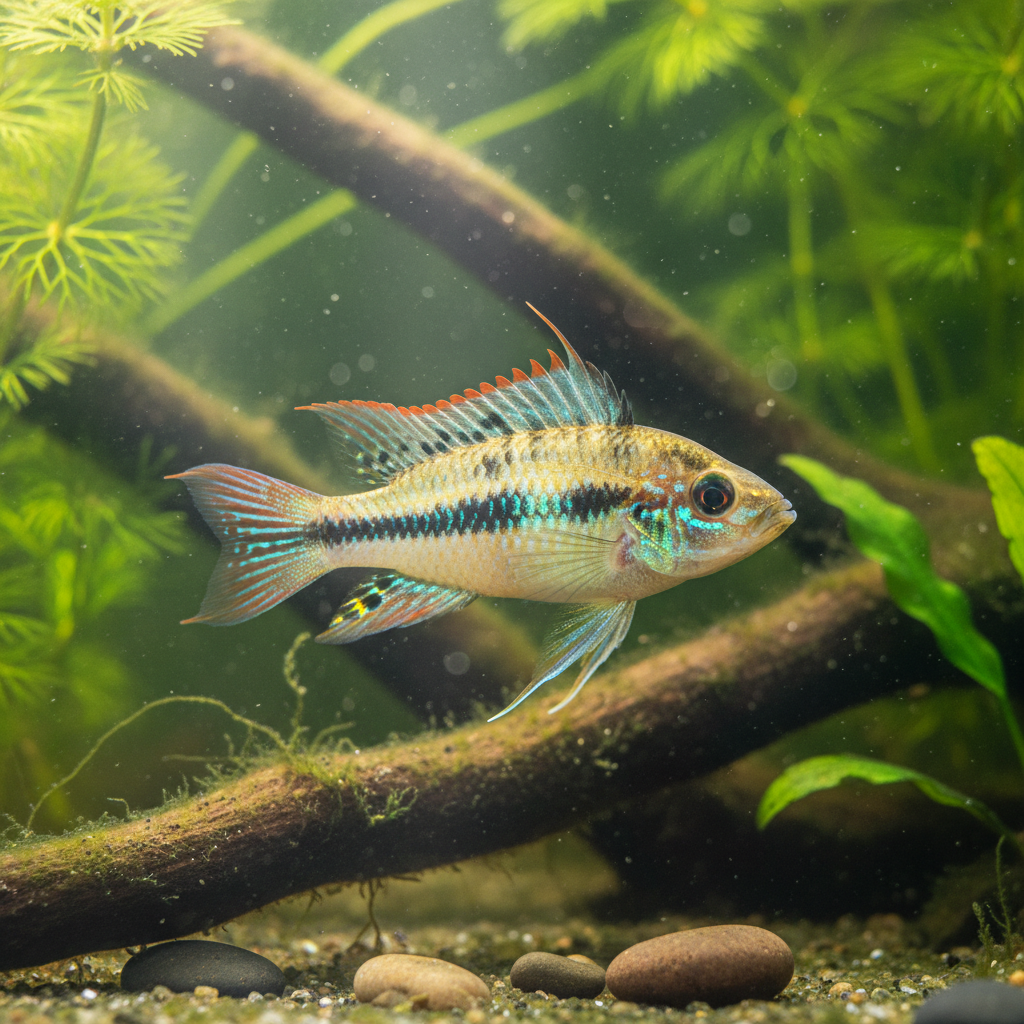
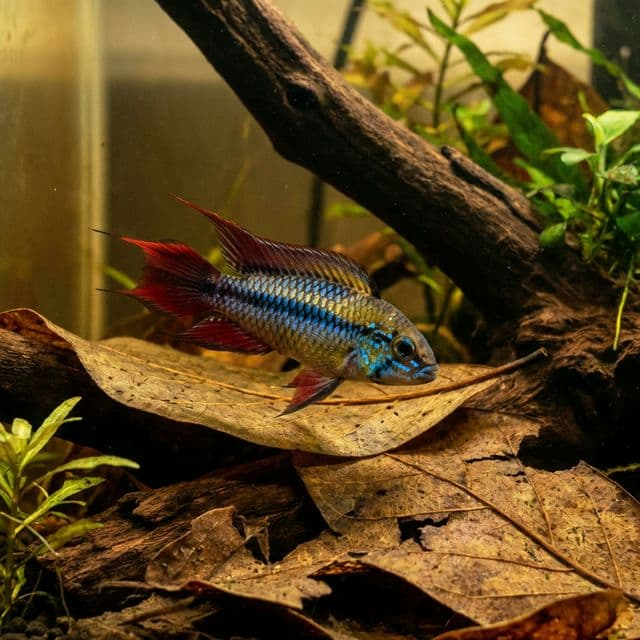
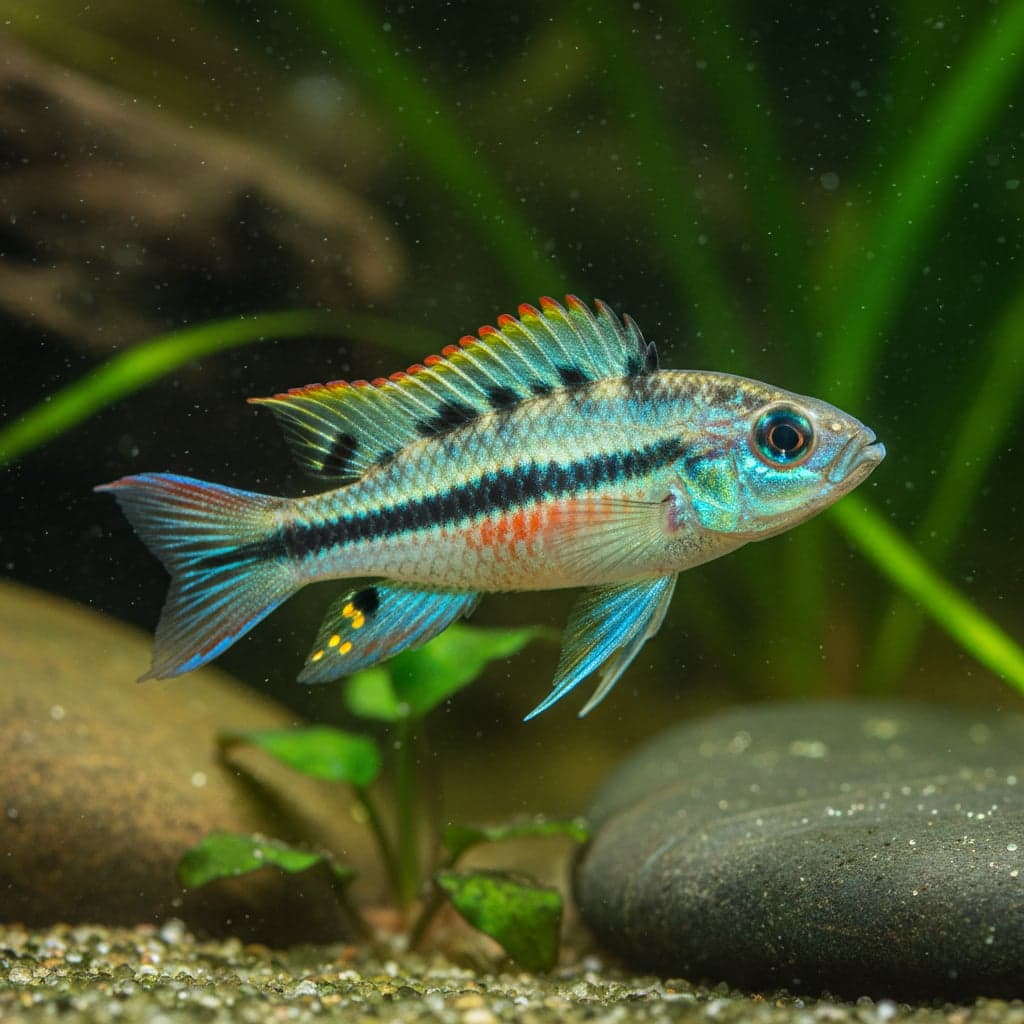
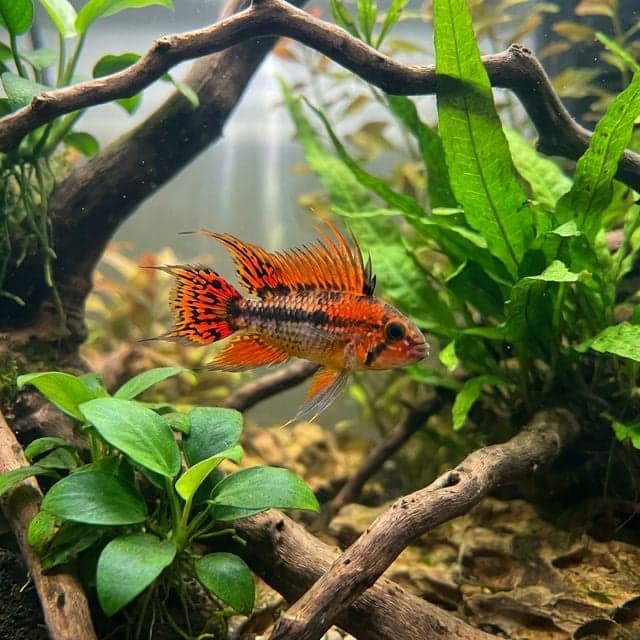
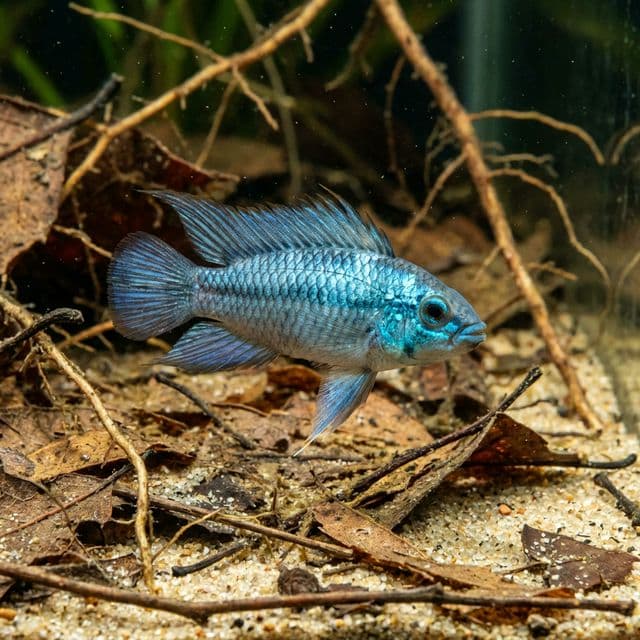
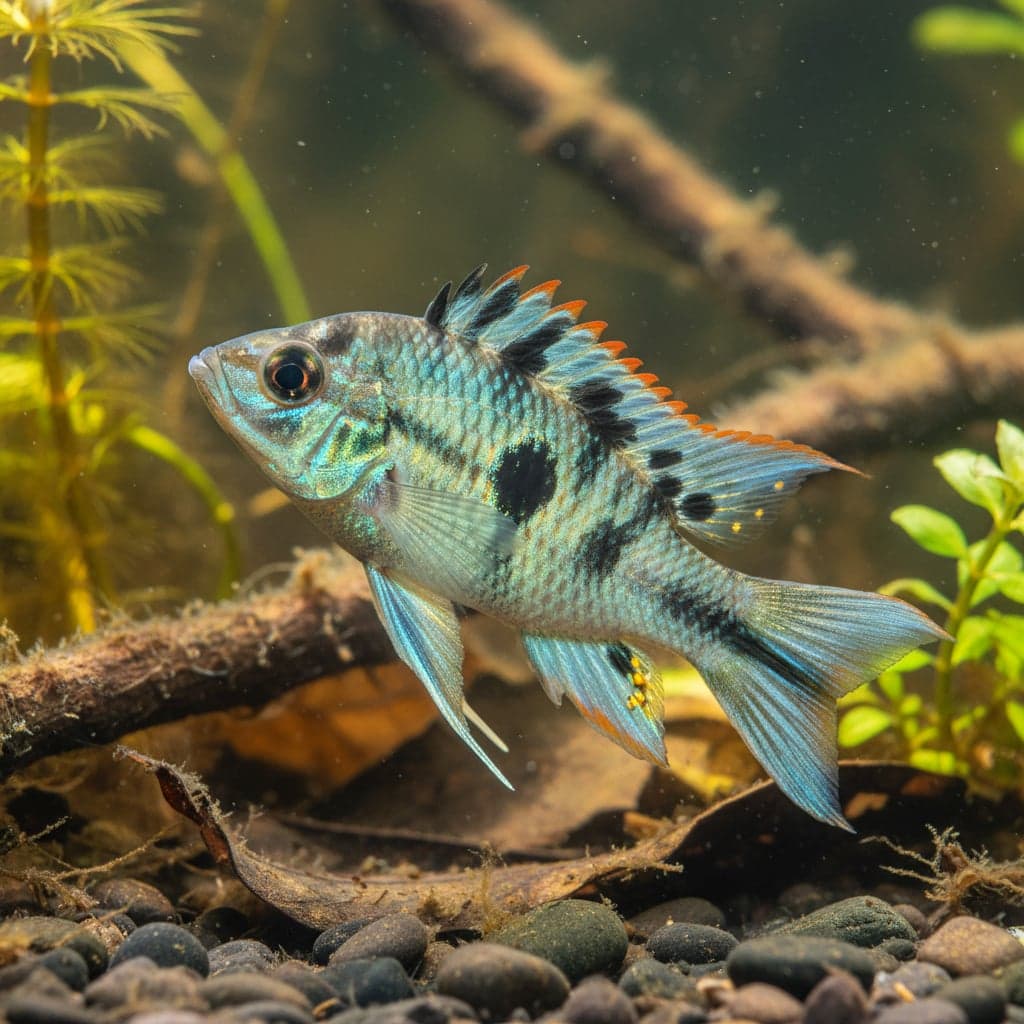
Steindachner's Dwarf Cichlid, scientifically known as Apistogramma steindachneri, is a captivating freshwater fish that enchants aquarists with its vibrant colors and intricate behaviors. With a petite size typically ranging from 2 to 3 inches in length, these fish exhibit a stunning array of hues, including shades of yellow, blue, and orange, often highlighted by distinctive dark markings. The males tend to display more vivid coloration and larger fins compared to the females, making them particularly appealing for aquarium enthusiasts. Their charm lies not only in their aesthetic appeal but also in their engaging personality, which adds a layer of intrigue to community tanks or species-specific setups.
In the aquarium hobby, Steindachner's Dwarf Cichlid has gained popularity due to its peaceful yet intriguing disposition and relatively manageable care requirements. This species is often a favorite among both novice and experienced aquarists, as observing their behaviors—such as territory marking and courtship displays—can be highly rewarding. The presence of Steindachner's Dwarf Cichlids adds diversity and dynamism to aquarium settings, enhancing the overall aquatic experience. Their significance extends beyond aesthetics, as they play an educational role in fostering interest in cichlid species and conservation initiatives within their natural habitats.
Natural Habitat & Origin
Steindachner's Dwarf Cichlid originates from the Amazon River basin, specifically inhabiting the blackwater rivers and tributaries of eastern Peru. These environments are characterized by soft, acidic waters that are often stained dark brown due to decomposing organic matter. The fish thrive in densely vegetated areas, often found among floating plants, fallen leaves, and submerged wood that provides them with ample hiding spots and breeding sites. The lush and complex structure of their habitat is essential for their survival and behavior, as it allows them to establish territories and seek refuge from potential predators.
The unique blackwater ecosystem not only supports the diverse flora and fauna found in the region but also influences the required water parameters for these fish in captivity. Mimicking the conditions of their natural habitat—for instance, replicating the low pH and soft water—can significantly enhance their overall health and vitality in aquarium settings.
Care Requirements
For Steindachner's Dwarf Cichlid, maintaining specific water parameters is crucial for their well-being. The ideal pH should range from 6.0 to 7.5, with a temperature between 75°F and 82°F (24°C - 28°C). Soft to moderately hard water (around 2 to 10 dGH) is recommended to mimic their natural habitat effectively.
When setting up their tank, it's advisable to incorporate a minimum size of 20 gallons, allowing ample space for territorial behavior while providing hiding spots. A sandy substrate is preferable, as it resembles their natural environment and is gentle on their delicate bodies during foraging. The lighting should be subdued, ideally emulating a shaded environment with the aid of floating plants and driftwood, which also encourage natural behaviors. The inclusion of live plants will not only enhance aesthetics but also improve water quality by aiding in nutrient uptake.
Diet & Feeding
Steindachner's Dwarf Cichlid is an omnivore, thriving on a varied diet that includes both protein-rich foods and plant matter. In captivity, this species benefits from a diet consisting of high-quality flakes, micro pellets, and freeze-dried or frozen foods such as bloodworms and brine shrimp. Supplementing their diet with occasional live foods can promote vibrancy and health. It’s essential to ensure that their food is appropriately sized, especially for smaller individuals, to prevent any feeding difficulties.
Providing a balanced diet helps maintain the fish's vibrant colors and supports overall health. Dedicating specific feeding times and varying their diet can also encourage natural foraging behavior, reducing stress and promoting a more engaging aquarium environment.
Behavior & Temperament
Steindachner's Dwarf Cichlid exhibits a largely peaceful temperament, although males can display territorial behaviors, particularly during breeding periods. They are generally not schooling fish but do benefit from being kept in small groups, where females can socialize without significant aggression from males. Like many cichlids, they may establish territories, especially in a breeding context, so it's important to provide adequate space in the tank.
In terms of vertical placement, these fish typically inhabit the mid to lower levels of the tank. They are also known for their lively interactions, often darting about their environment but quickly retreating to cover when startled. Observing their behavior can reveal their social dynamics, especially when it comes to establishing hierarchies and engaging in courtship rituals.
Tank Mates
Steindachner's Dwarf Cichlid can be kept with various peaceful species, making them suitable for community tanks. Some compatible tank mates include smaller tetras (such as Neon or Ember Tetras), Corydoras catfish, and other peaceful dwarf cichlids like Apistogramma cacatuoides. Avoid keeping them with aggressive species or larger fish such as cichlids that might stress or bully them.
Additionally, it’s advisable to refrain from housing them with fin-nipping species like certain barbs, which could cause undue stress and injury. The ideal companions are those that occupy different levels of the tank and share compatible requirements in terms of water conditions, ensuring a harmonious community within the aquarium.
Breeding
Breeding Steindachner's Dwarf Cichlid in captivity can be a rewarding endeavor, provided the right conditions are met. These fish typically exhibit interesting courtship behaviors; males will display their colors and engage in elaborate dances to attract females. Mating usually occurs in a designated territory, often among flat surfaces or nestled in caves created by driftwood.
To encourage successful spawning, maintain water temperatures around 78°F to 82°F (26°C - 28°C) and ensure slightly acidic conditions. After laying eggs, the female takes on the primary role in protecting and nurturing the fry, usually guarding them until they are free-swimming. Utilizing a separate breeding tank can yield higher survival rates, along with providing abundant hiding spaces to safeguard the fry from potential threats.
Common Health Issues
Steindachner's Dwarf Cichlid can be prone to certain health issues, including freshwater ich (Ichthyophthirius multifiliis), fin rot, and various parasitic infections. Maintaining a stable and clean tank environment is crucial to preventing these ailments. Regular water changes and proper filtration can significantly reduce stress and enhance overall health.
Preventative measures include quarantining new fish before introducing them to the main tank and ensuring that water parameters are within the recommended range. Keeping an eye on behavior and feeding patterns can help detect problems early, allowing for timely intervention and treatment if necessary. Healthy living conditions and a varied diet are vital in promoting resilience against common diseases.