Strawberry Leporinus: Leporinus granti
A 25cm South American characin that eats plants and jumps well. Needs a long tank, a tight lid, and no soft plants you care about.

Strawberry Leporinus
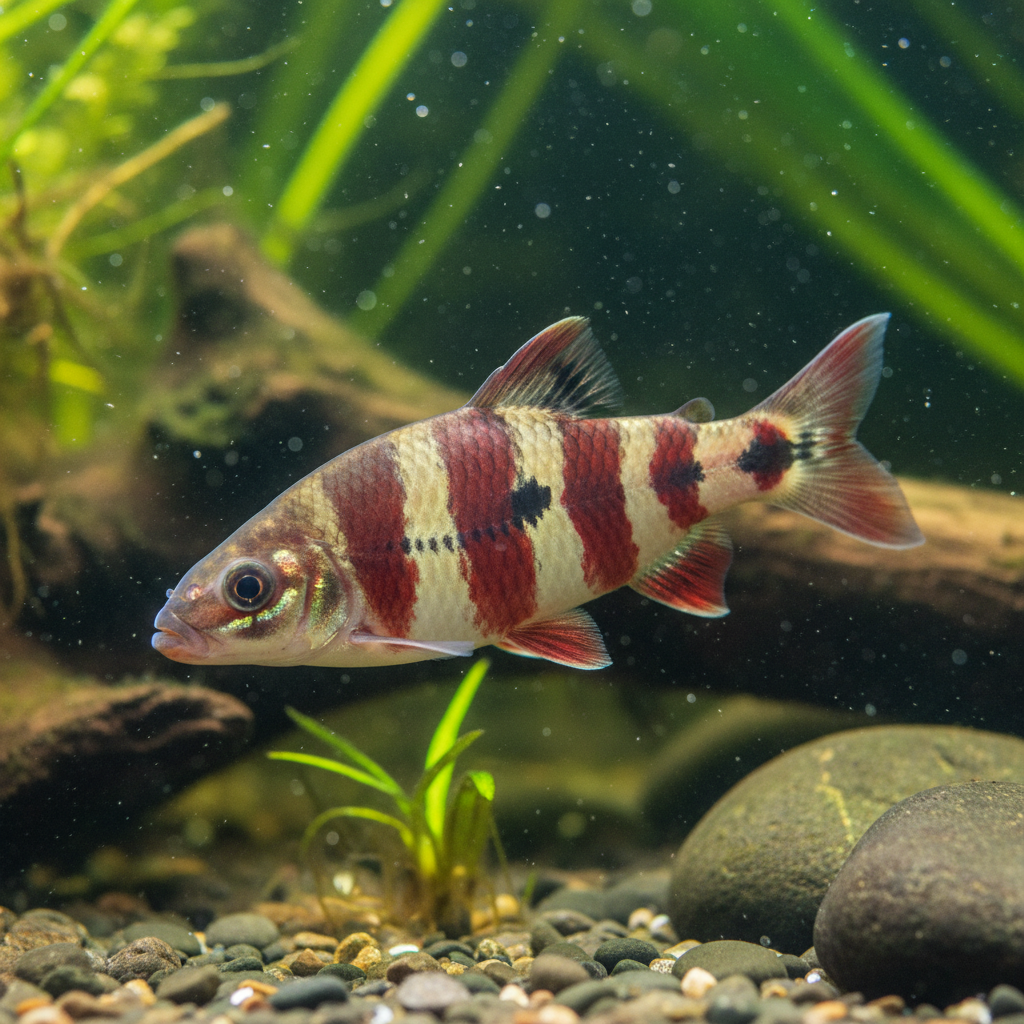
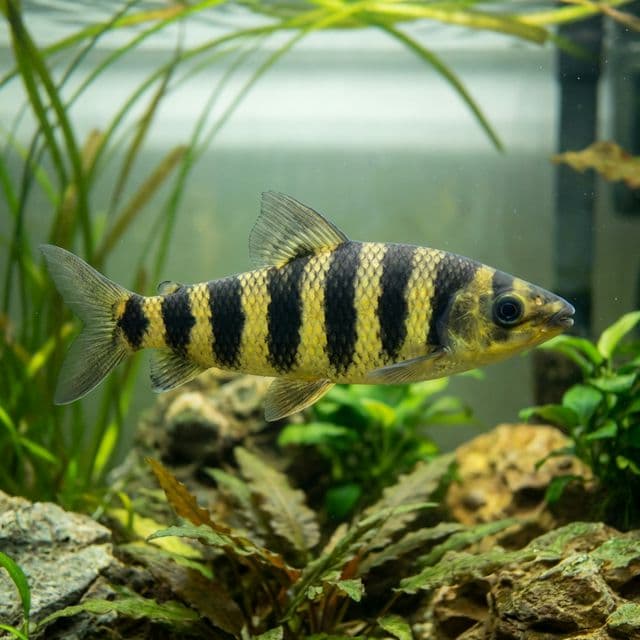
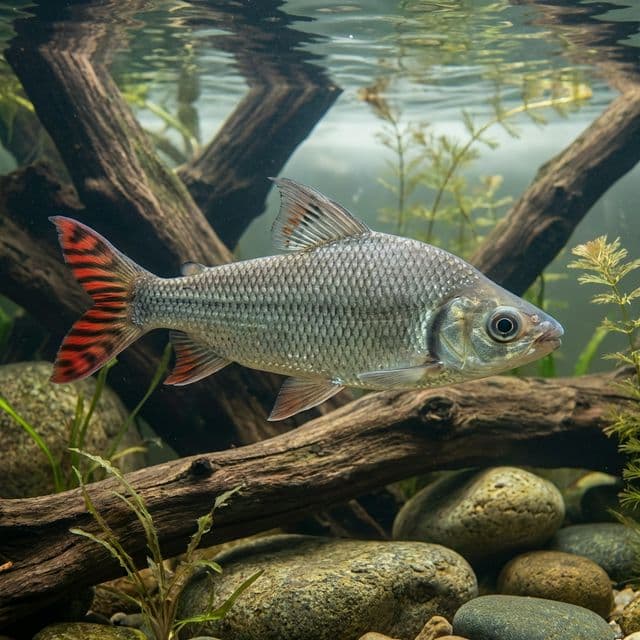
The Strawberry Leporinus, scientifically known as Leporinus granti, is an intriguing species of fish that captivates aquarium enthusiasts with its vibrant coloration and unique body shape. Recognized for its striking red and yellow patterning, this freshwater fish has a slender, elongated body that is accented by distinctive horizontal stripes. Growing to an average length of 6–8 inches, this visually appealing species adds a splash of color to any community aquarium. The Strawberry Leporinus is not only a favorite among aquarists due to its aesthetic appeal but also because of its lively personality and active swimming style, making it a delightful addition to a well-planned aquatic environment.
In the aquarium hobby, the Strawberry Leporinus holds significance not just for its beauty but also for its engaging behavior and compatibility with various tank mates. Known for being social creatures, they thrive in schools which allows them to exhibit their natural behaviors. As a result, aquarists who aim to create a dynamic and active community tank often find the Strawberry Leporinus to be a perfect fit. Its uniqueness and charisma make it a sought-after species for those looking to enhance their aquarium with vibrant life and movement.
Natural Habitat & Origin
The Strawberry Leporinus is native to the freshwater rivers and streams of South America, particularly found in regions such as the Amazon Basin, which spans across countries like Brazil and Peru. These areas are characterized by warm, slow-moving waters that often have a blackwater environment filled with organic debris and tannins. The natural habitat of this fish is enriched with abundant submerged vegetation and fallen logs, providing ample hiding spots and creating a complex ecosystem where crooks and crannies are plentiful. This natural setting not only influences the appearance of the fish but also affects its behavioral traits and requirements in captivity.
In the wild, the Strawberry Leporinus is accustomed to clear or slightly colored waters with a pH range of approximately 6.0 to 7.5 and a temperature level typically between 75°F to 82°F (24°C to 28°C). Understanding these aspects of its natural habitat is crucial for replicating a suitable environment in an aquarium setting, allowing the fish to thrive while exhibiting natural behaviors.
Care Requirements
To successfully care for the Strawberry Leporinus, specific water parameters must be maintained to ensure not only the health of the fish but also a conducive environment for normal behaviors. Ideal conditions for this species include a pH level between 6.0 and 7.5, a temperature range of 75°F to 82°F (24°C to 28°C), and moderate hardness of 5 to 15 dGH. Additionally, filtration should be strong yet gentle to maintain water quality but not create overly turbulent conditions.
A minimum tank size of 50 gallons is recommended for a small school of Strawberry Leporinus, as they require ample swimming space. A sandy or fine gravel substrate mimics their natural environment, allowing for easier digging and foraging behavior. To recreate their native habitat, incorporate plenty of plants, driftwood, and rocks in the tank for hiding places, and ensure some open swimming space. Moderate lighting is preferable to replicate the dappled light conditions in their natural habitat.
Diet & Feeding
The Strawberry Leporinus is classified as an omnivore, which provides great flexibility in its diet within the home aquarium. In captivity, they thrive on a diverse diet that includes high-quality flake food, pellets, frozen foods such as bloodworms, brine shrimp, and the occasional live food. A mixed diet not only enriches their nutrition but also helps in promoting lively behavior and maintaining coloration.
To ensure optimal health, offer a balanced diet, varying the types of food daily to prevent boredom and encourage natural foraging habits. It's essential to monitor portions and remove any uneaten food to keep the tank clean and reduce the risk of water quality issues. Supplementing their diet with plant materials, such as blanched zucchini or spinach, can also enhance their overall well-being.
Behavior & Temperament
Strawberry Leporinus are social and active fish but can exhibit playful yet boisterous behaviors. They prefer to be kept in small groups of at least five to six individuals, which helps them feel secure while interacting within their group. While generally peaceful, Strawberry Leporinus can display territorial tendencies, particularly if they feel crowded or stressed. Therefore, it's crucial to provide them with ample space and hiding spots.
In terms of swimming habits, the Strawberry Leporinus often occupies the middle to upper levels of the tank, showcasing their agile swimming style. Observing them in a well-maintained setup can be a mesmerizing experience as they dart around the aquarium, displaying their unique personalities and colors.
Tank Mates
Choosing the right tank mates for the Strawberry Leporinus is vital for maintaining peace and harmony within the aquarium environment. Compatible species include other peaceful community fish such as tetras, rasboras, barbs, and larger danios. Additionally, cichlids that are non-aggressive and of a similar size can coexist well with the Strawberry Leporinus.
However, it is essential to avoid small fish that may fit in their mouths, as Strawberry Leporinus can exhibit exploratory nibbling behaviors. Species such as neon tetras and guppies may become targets, leading to stress or predation. Furthermore, aggressive fish that display territorial behavior should also be avoided, as this can lead to conflict and disturb the tranquility of the aquarium.
Breeding
Breeding Strawberry Leporinus in captivity can be a rewarding challenge, as specific conditions must be met to encourage spawning. To trigger breeding behavior, elevate water temperatures slightly to the upper limits of their tolerance, around 78°F to 82°F (25°C to 28°C), and ensure excellent water quality with regular maintenance.
Spawning typically occurs in the early morning hours when the fish exhibit increased activity. The Strawberry Leporinus is known to scatter eggs on plant leaves or flat surfaces, so providing dense plant growth or spawning mops can facilitate this behavior. After spawning, it's wise to remove the adults, as they may consume the eggs. The eggs will hatch within 24 to 48 hours, and once the fry are free-swimming, they can be fed infusoria or finely crushed flakes.
Common Health Issues
Strawberry Leporinus, like many aquarium fish, can be susceptible to certain health issues if not cared for properly. Common ailments include ich (white spot disease), fin rot, and bacterial infections. Stress from poor water quality, overcrowding, or an inadequate diet can exacerbate these issues.
Preventative measures are crucial. Maintain consistent water quality through regular testing and changes, provide a varied and nutritionally balanced diet, and monitor the fish for signs of stress or illness. Quarantine new arrivals before introducing them to the main tank, and seek veterinary advice if any unusual symptoms appear.