Striped Mystus Catfish: Mystus vittatus
A 20cm Asian catfish that shoals and stays active. Peaceful with anything too big to swallow, and it needs a group and open water.

Striped Mystus Catfish
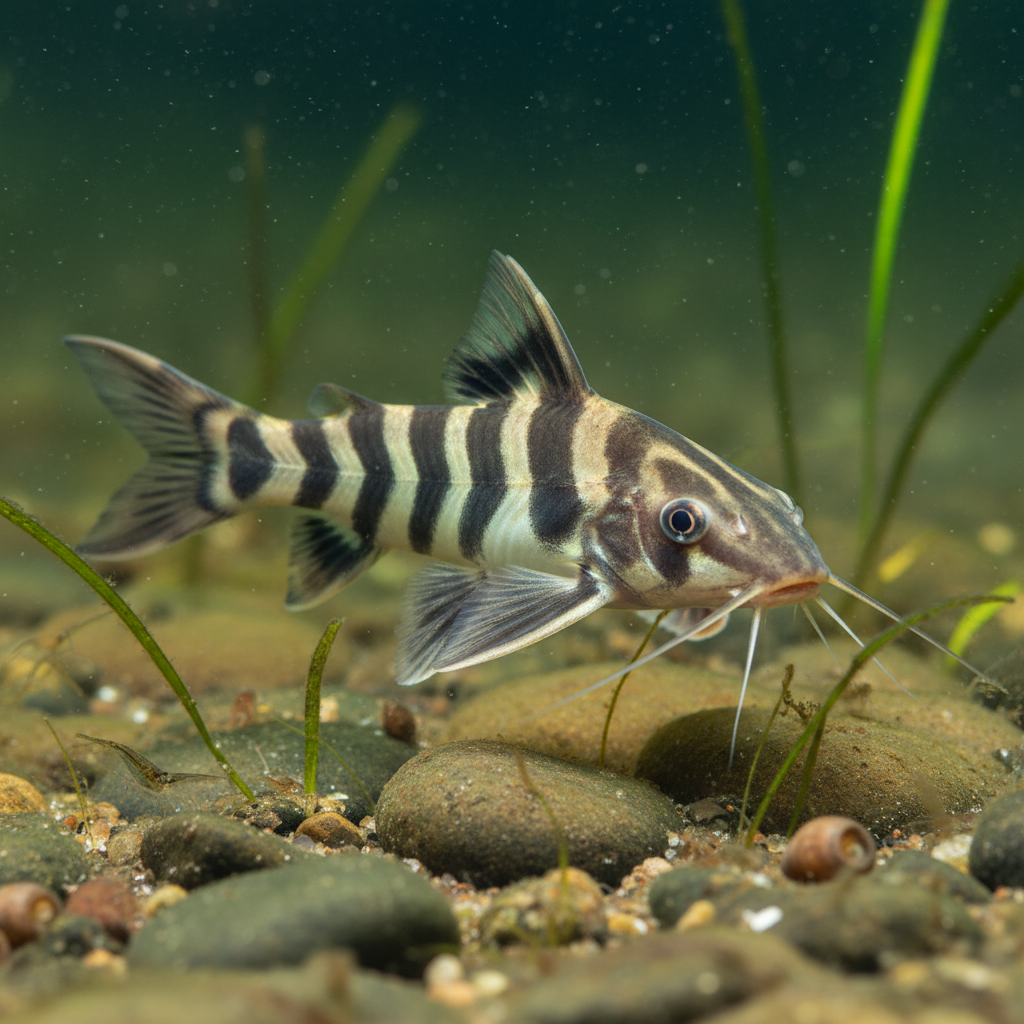
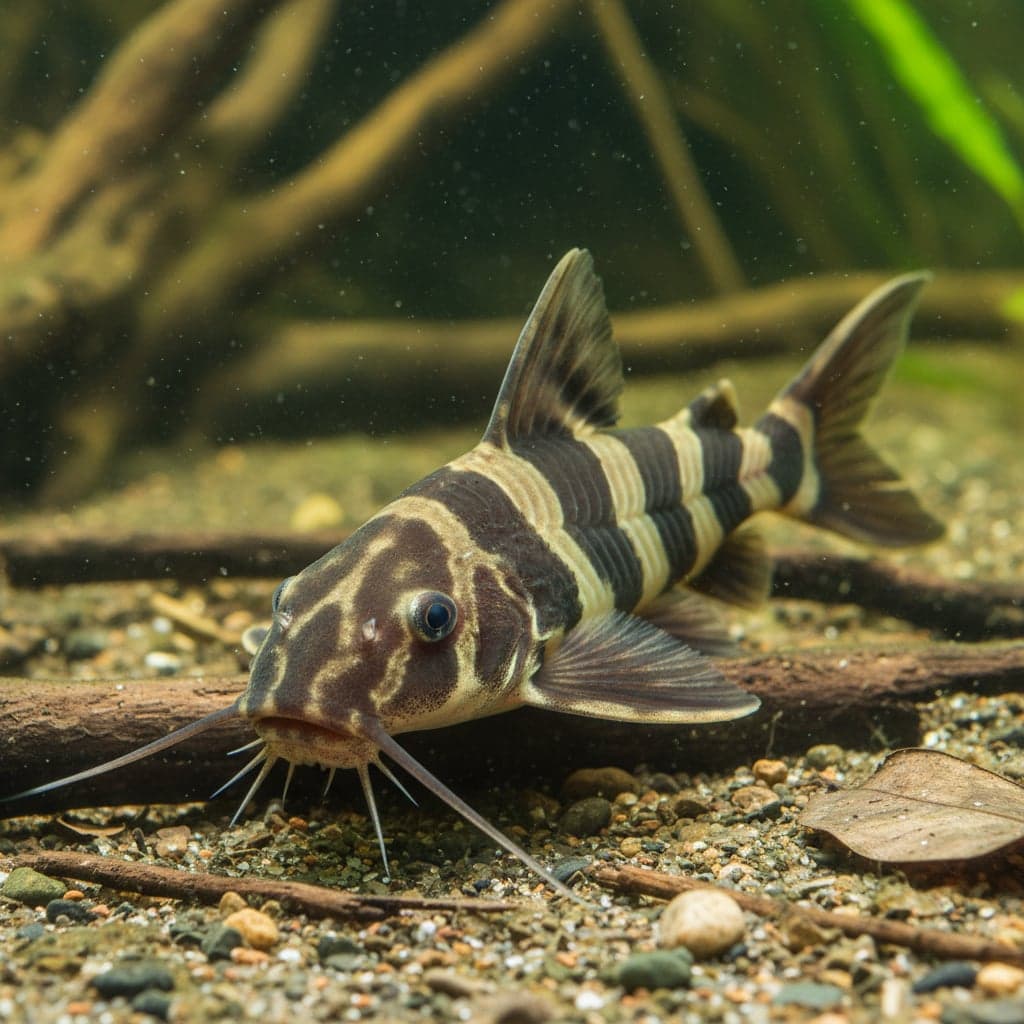
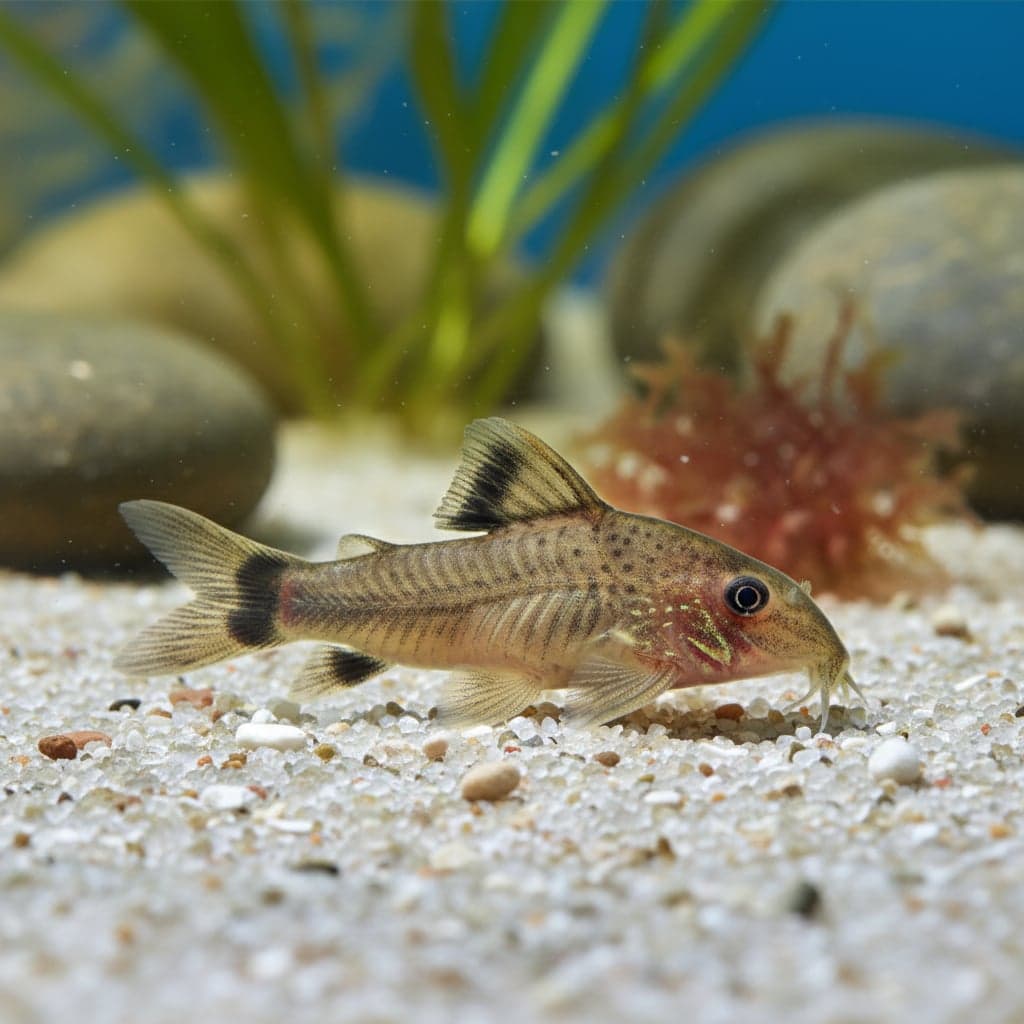
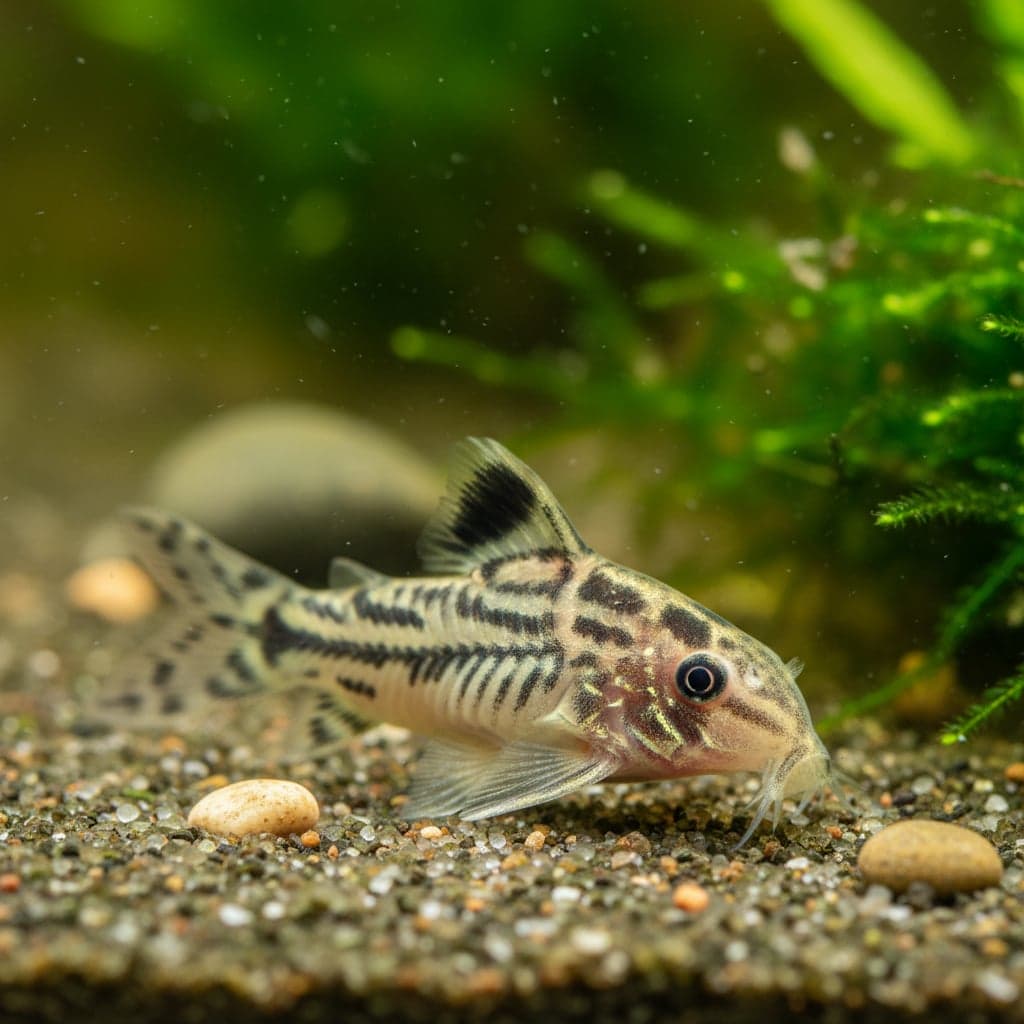
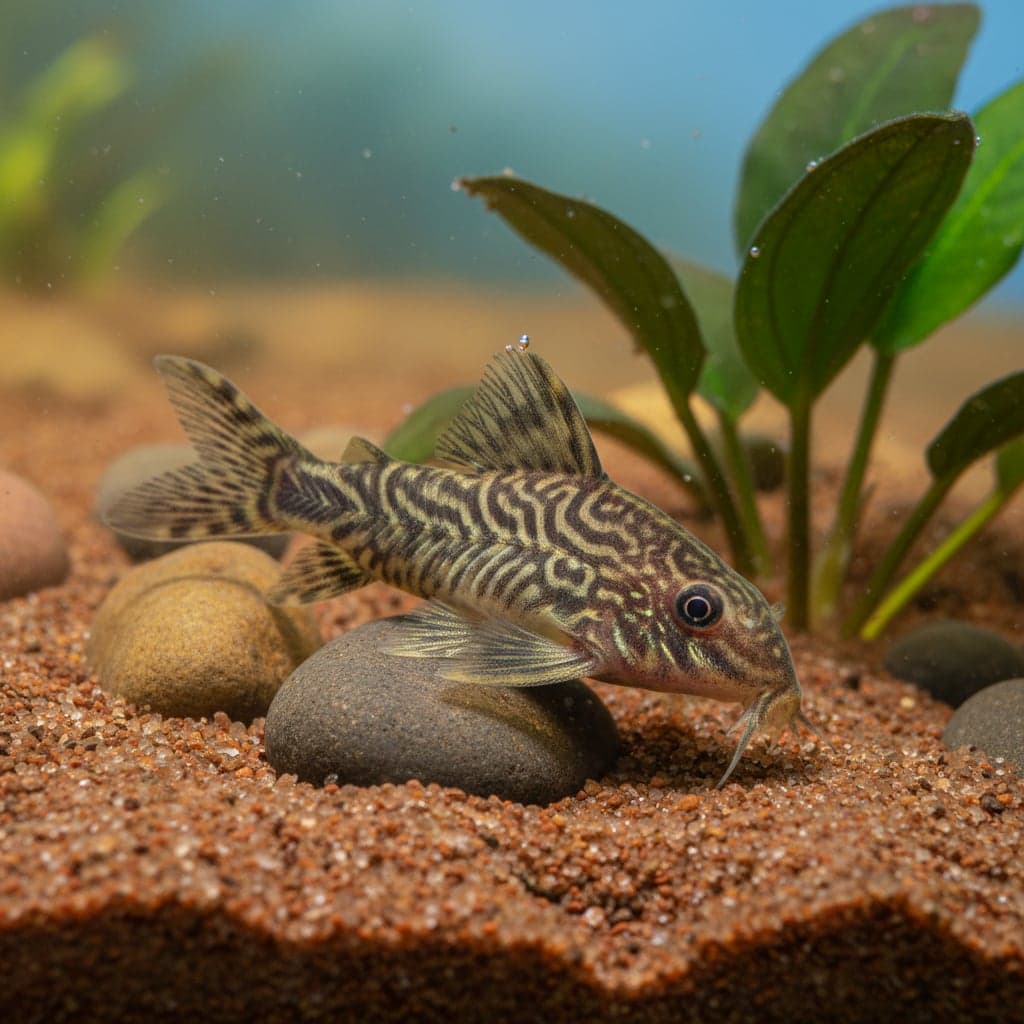
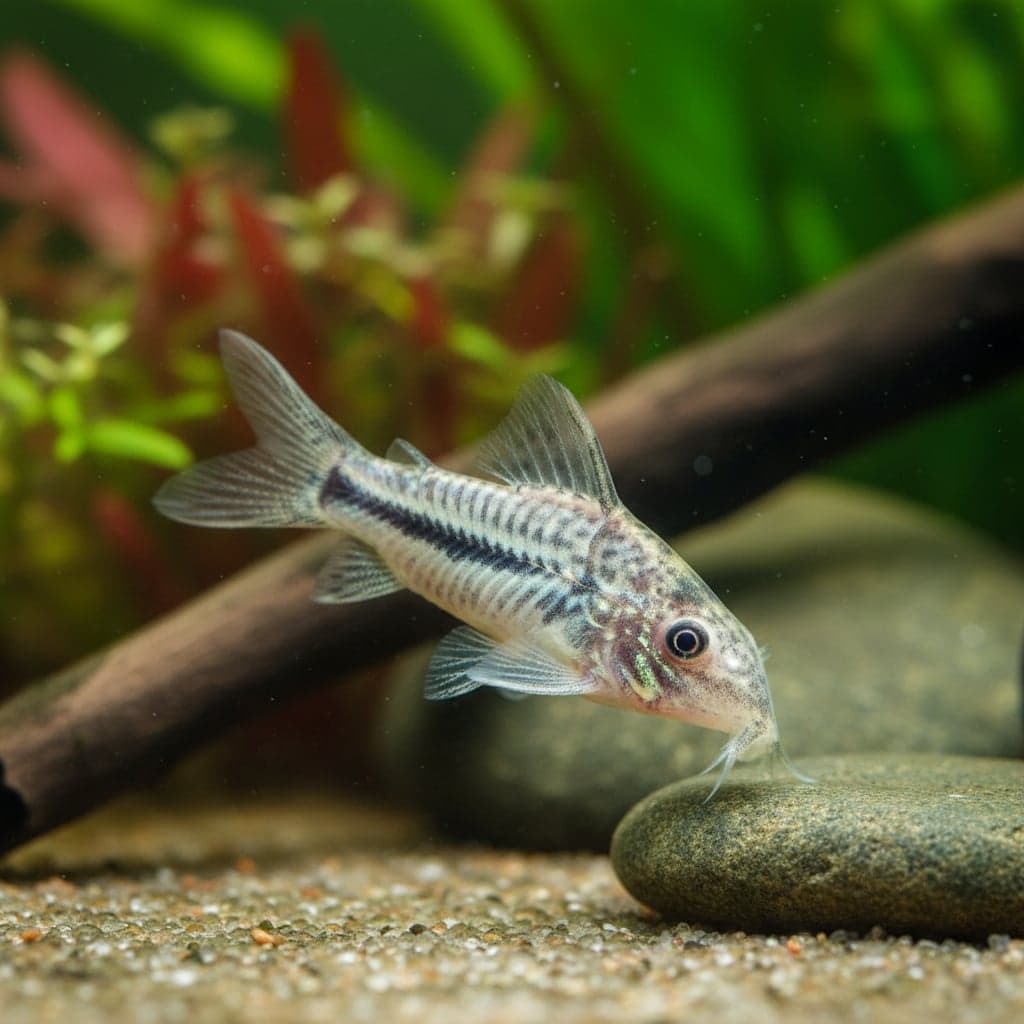
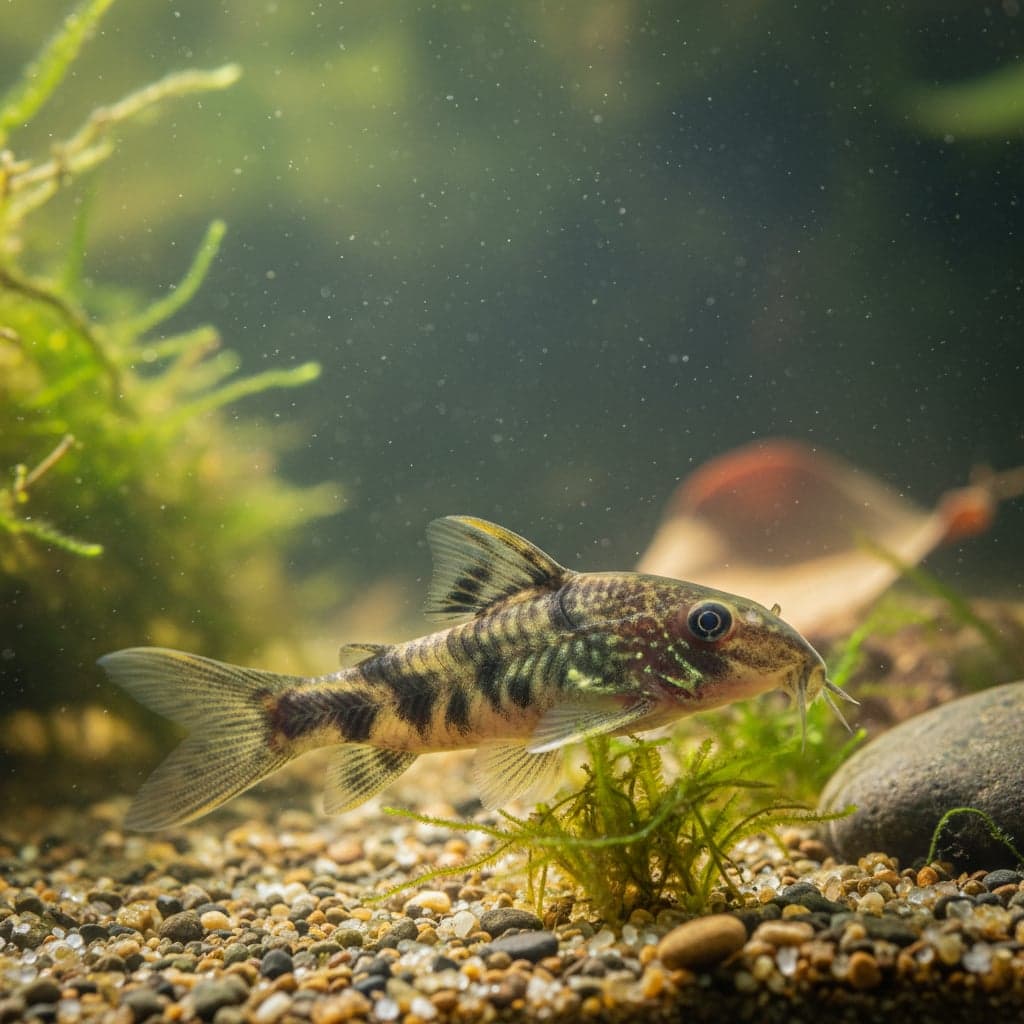
The Striped Mystus Catfish, scientifically known as Mystus vittatus, is a fascinating species highly favored in the aquarium hobby due to its unique appearance and behavior. This freshwater fish features a sleek, elongated body adorned with distinct black stripes that create an eye-catching contrast against its lighter backdrop. Their attractive coloration progresses from a pale white to grayish-tan with a series of dark vertical stripes, making them not only a striking addition to aquariums but also a point of interest for enthusiasts. This catfish species exhibits a certain level of personality, known for its curious and lively behavior, which adds vibrancy to any tank setup.
Significantly, the Striped Mystus Catfish plays an important role within the aquascape environment. Its natural behaviors, such as scavenging and foraging, can aid in maintaining water quality by consuming leftover food and detritus. Furthermore, their interesting interactions and social dynamics can enhance the overall viewing experience for hobbyists. This species is increasingly recognized for their adaptability to various freshwater habitats, making them accessible for both novice and experienced aquarists alike.
Natural Habitat & Origin
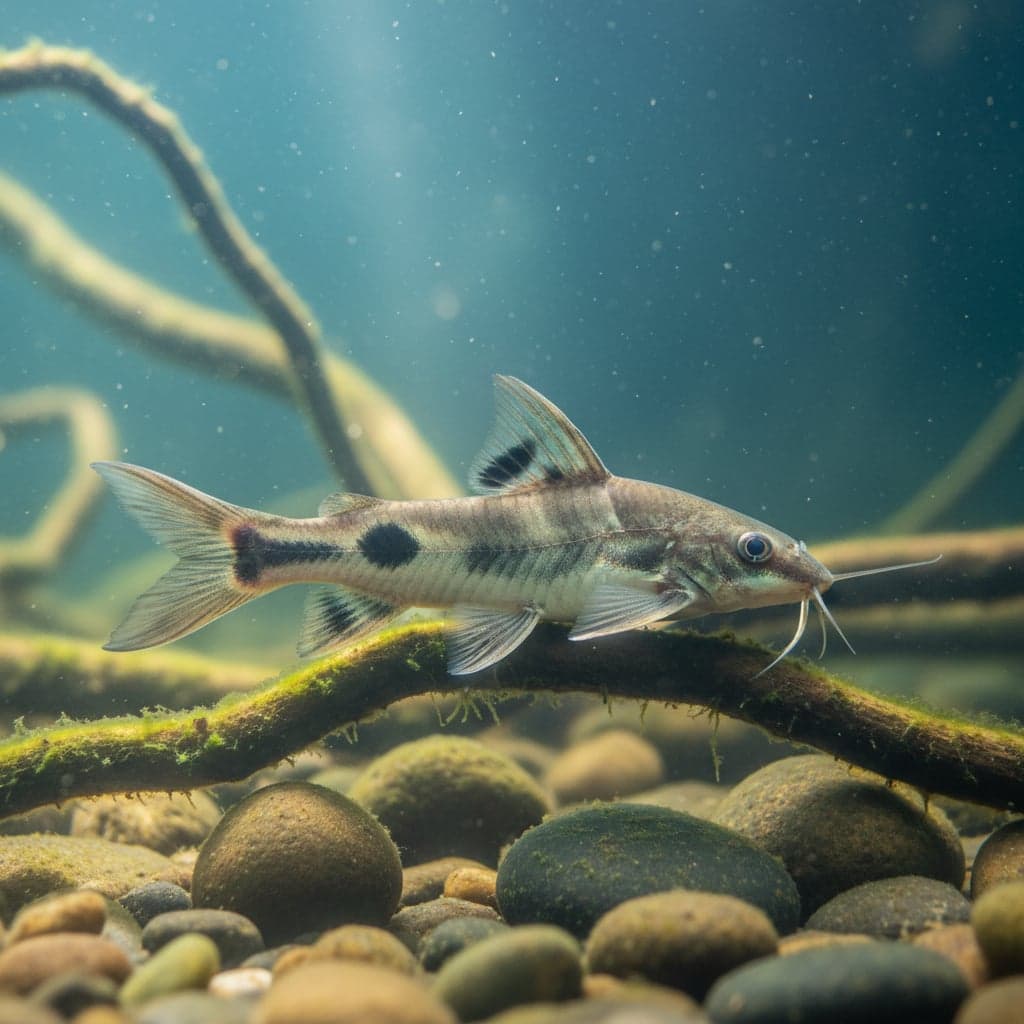
The Striped Mystus Catfish originates from a variety of freshwater environments across South Asia, primarily found in countries such as India, Bangladesh, and Pakistan. They inhabit rivers, streams, and lakes, showing a remarkable preference for areas with slow-moving waters, rich vegetation, and plenty of hiding spots like submerged logs and rocks. Typically, these waters can be classified as clear to slightly turbid, given their tendency to thrive in environments with moderate plant cover that provides them safety and foraging opportunities.
Their native habitats often feature organic debris and muddy substrates, as well as a warm tropical climate that influences their overall health and behavior. In the wild, these fish adapt to seasonal changes, with varying water levels and flow rates, leading to an interesting evolution of their resilience. Understanding their natural habitat is essential for recreating a suitable environment in captivity that reflects their needs for optimal growth and well-being.
Care Requirements
To successfully keep Striped Mystus Catfish in an aquarium, it is crucial to replicate their natural water conditions. Ideal water parameters include a pH range of 6.5 to 7.5, a temperature between 24°C to 28°C (75°F to 82°F), and a hardness level of 5-15 dGH. These parameters will support their health and vitality, allowing them to thrive in a well-maintained environment.
For tank setup, a minimum aquarium size of 30 gallons is recommended to provide ample swimming space and reduce territorial disputes. The substrate should be soft and sandy, offering a comfortable environment for their exploratory behaviors. Lighting should be moderate, mimicking the dappled lighting found in their natural habitats, often provided by floating plants or driftwood that also offer shade. Live plants like Java ferns and Anubias not only enhance the aesthetic appeal but also contribute to water quality and provide hiding places, crucial for the Striped Mystus Catfish to feel secure.
Diet & Feeding
The Striped Mystus Catfish is considered an omnivore, thriving on a diverse diet that can include both plant and animal matter. In an aquarium setting, it is ideal to provide a varied diet to meet their nutritional needs. High-quality commercial flakes and pellets specifically designed for carnivorous fish will serve as a reliable base. Additionally, offering frozen or live foods such as brine shrimp, bloodworms, and daphnia can enhance their diet, promoting robust health and vivid coloration.
Feeding should occur multiple times a day in smaller quantities to ensure the Striped Mystus Catfish garners sufficient nutrition without saturating the water with uneaten food. This feeding approach also encourages natural foraging behavior, which keeps these playful fish active and engaged.
Behavior & Temperament
The Striped Mystus Catfish is known for its inquisitive nature, often characterised by its active swimming patterns. Generally, these fish are peaceful but can display territorial tendencies, primarily towards their own kind when kept in inadequate space or numbers. They do best when kept in groups of at least 5-6 individuals, as this fosters a natural social structure that minimizes stress and maximizes their lively, playful disposition.
In terms of tank placement, the Striped Mystus Catfish often occupies the middle to bottom levels of the aquarium, where they explore crevices and use hiding spots as safe zones. Their nocturnal tendencies mean they are most active during the evening and night, making them an interesting species for night-time observation in the aquarium.
Tank Mates
Choosing suitable tank mates for the Striped Mystus Catfish is essential to ensuring a harmonious community tank. Compatible species include larger tetras, barbs, and peaceful cichlids, which can coexist without jeopardizing the Striped Mystus' safety or well-being. Additionally, schooling fish like Rasboras and other medium-sized cyprinids can make excellent companions due to their non-aggressive nature.
It is crucial to avoid pairing the Striped Mystus Catfish with overly aggressive or territorial species—such as some types of large cichlids or fin-nipping fish, which may stress them out or cause harm. Smaller species or excessively timid fish should also be avoided, as they can become prey for the curious and opportunistic feeding behavior of the Striped Mystus.
Breeding
Breeding the Striped Mystus Catfish in captivity can be a challenging but rewarding task. Successful spawning typically occurs in a separate breeding tank that provides a conducive environment with dim lighting, plenty of hiding spots, and suitable substrate. The water temperature should be slightly elevated to around 28°C (82°F), and pH levels should be kept within the neutral range.
During the breeding process, females may lay eggs on flat surfaces or in sheltered areas, where the male will subsequently fertilize them. Ensuring optimal water quality and providing high-quality live foods to the breeding pair during this time can greatly increase the chances of successful spawning. After a few days, the eggs will hatch, and the fry will require fine powdered foods or infusoria until they are large enough to eat brine shrimp or high-quality fry flakes.
Common Health Issues
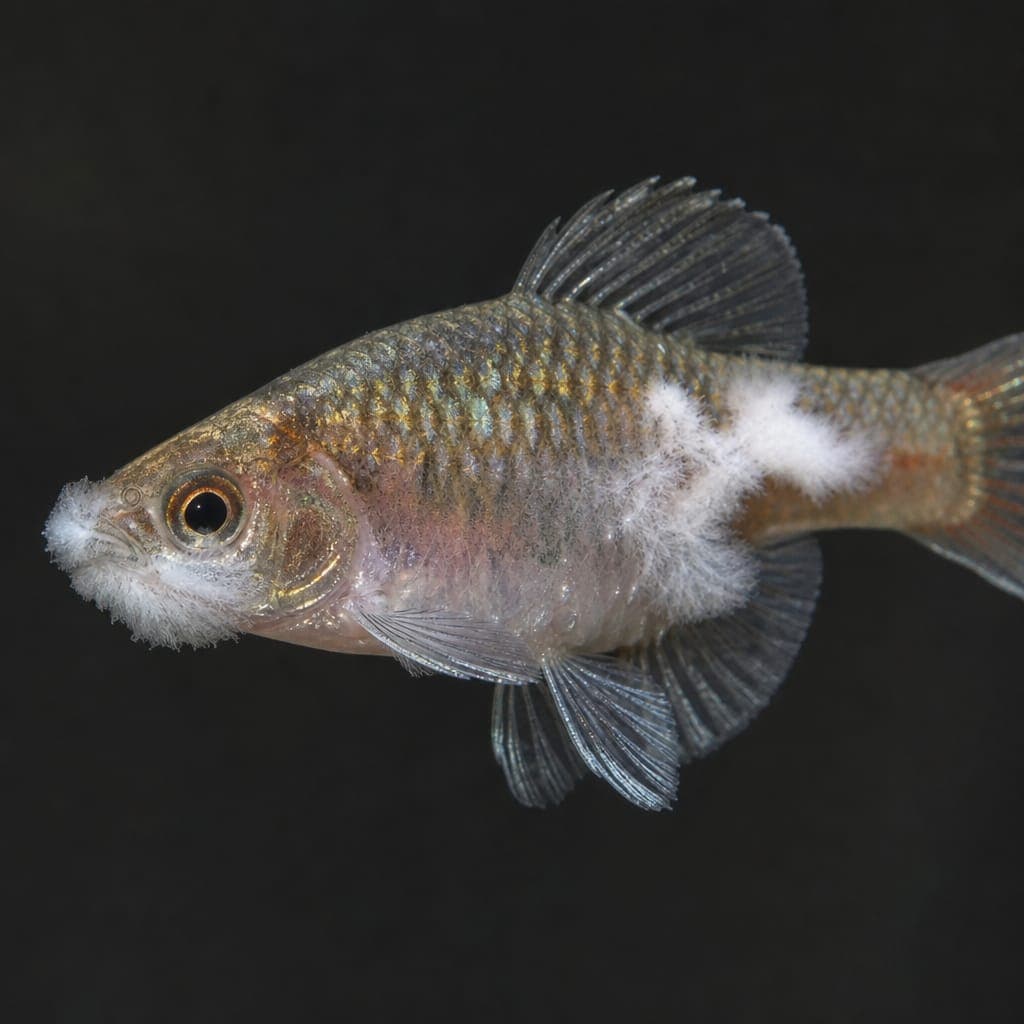
Like many fish, the Striped Mystus Catfish can be susceptible to various health issues if proper care is not maintained. Common diseases include ich (ichthyophthiriasis), fin rot, and various types of fungal infections. Preventative measures should focus on maintaining optimal water quality through regular water changes and monitoring tank conditions closely.
Additionally, ensuring a balanced diet, minimizing stress through tank compatibility, and providing adequate swimming space can significantly mitigate the risk of disease. In case of outbreak, prompt treatment with appropriate medications and quarantining affected fish is vital to safeguard the overall health of the aquarium. Regular observation and proactive management can keep the Striped Mystus Catfish thriving in a vibrant aquarium environment.