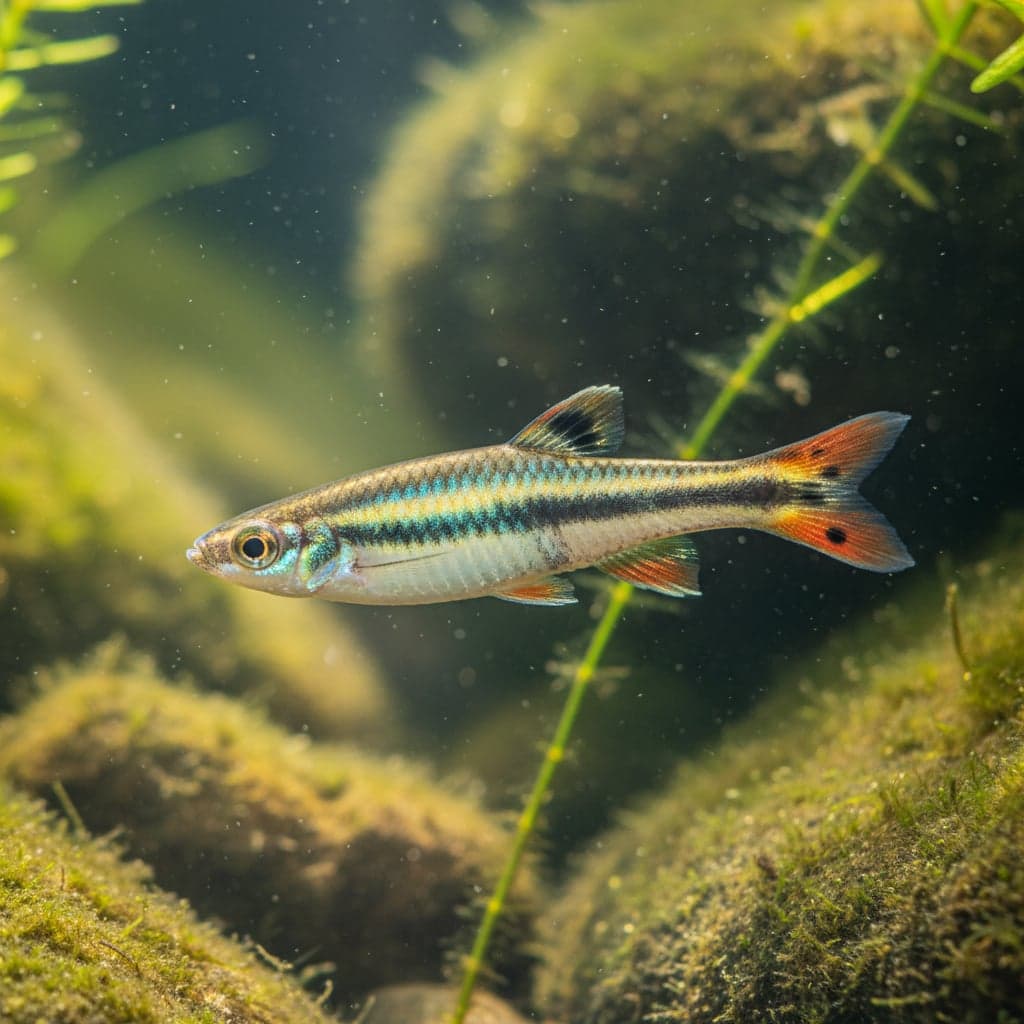
Striped Panchax: Aplocheilus lineatus
A 10cm surface predator that will eat anything small enough to fit. Hardy and easy — but it jumps, so a tight lid is essential.
Striped Panchax
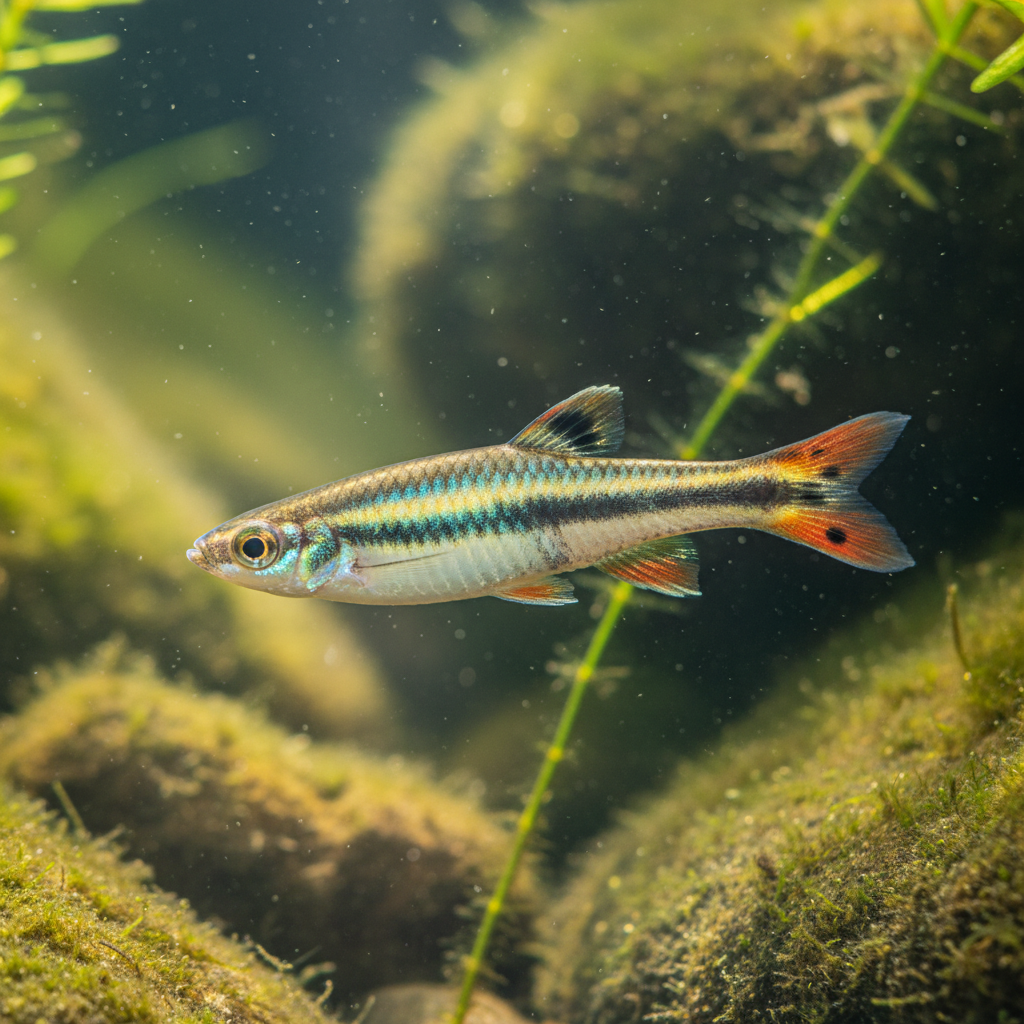
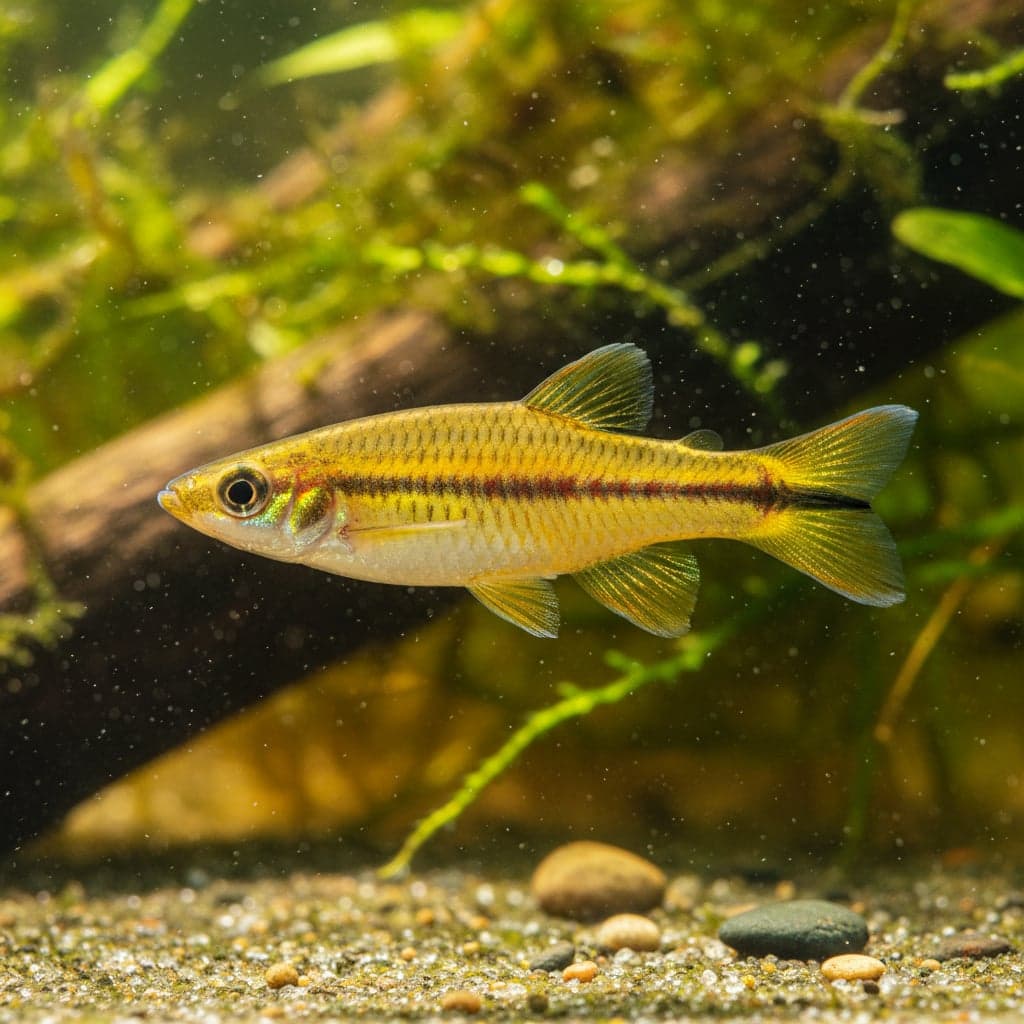
The Striped Panchax, scientifically known as Aplocheilus lineatus, is a captivating freshwater fish renowned for its vibrant colors and lively disposition, making it a prized addition to community aquariums. This small, visually striking species typically showcases horizontal blue and gold stripes that run the length of its streamlined body, which can reach about 2 to 3 inches in length. The contrasting hues provide a stunning display, particularly under appropriate aquarium lighting. Their shimmering appearance and active swimming behavior not only enhance the visual appeal of an aquarium but also contribute to the dynamism of the aquatic environment.
Originating from the streams and marshes of Southeast Asia, the Striped Panchax has gained significant popularity among aquarists for its ease of care and engaging personality. This fish is often regarded as a perfect choice for beginners and seasoned enthusiasts alike due to its hardiness and adaptability to various tank conditions. Its active nature and preference for upper water layers make it a delightful subject for observation, often exhibiting playful interactions with their own kind and other species. Thus, the Striped Panchax serves not only as a beautiful specimen but also as a valuable contributor to community tank dynamics.
Natural Habitat & Origin
The Striped Panchax is native to the freshwater bodies of Southeast Asia, prominently found in countries like Thailand, Malaysia, and Indonesia. These fish typically inhabit shallow waters, such as slow-moving streams, rice paddies, and marshes characterized by dense vegetation. Their natural environment often features blackwater conditions, with soft, slightly acidic waters enriched by decaying plant matter. The surrounding habitats include a mix of submerged roots, fallen leaves, and an array of aquatic plants, creating a diverse ecosystem that supports the ecological balance essential for their survival. This understanding of their natural habitat is vital for replicating optimal conditions in aquariums, ensuring the health and well-being of the species.
Care Requirements
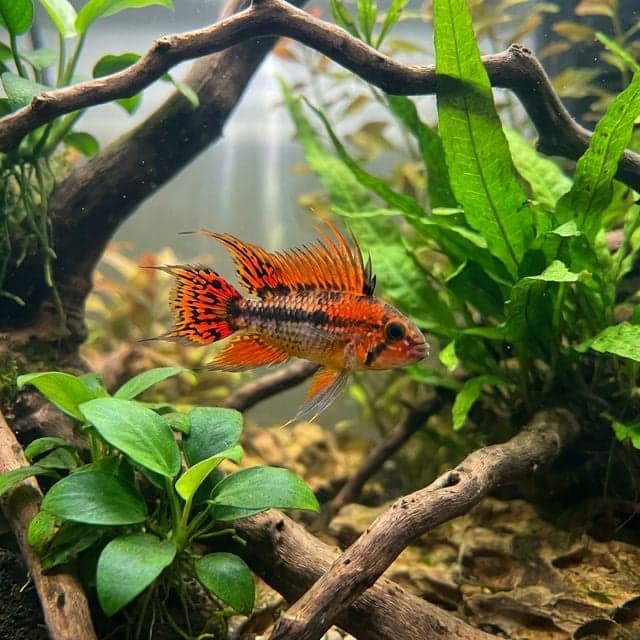
To successfully keep Striped Panchax, it is important to create an aquarium environment that mimics their natural habitat. Ideal water parameters include a pH range of 6.5 to 7.5, a temperature between 75°F to 82°F, and moderate hardness levels (around 5 to 15 dGH). A tank with a minimum capacity of 20 gallons allows for adequate swimming space and water stability. The substrate should consist of fine gravel or sandy material, as this mimics their natural environment and creates a comfortable feeding ground. The lighting in the tank should be moderate, simulating the dappled light found in their native habitats, complemented with plenty of plants such as Java moss and floating vegetation to provide cover and breeding sites.
Moreover, maintaining good water quality through regular filtration and partial water changes is essential in keeping Striped Panchax healthy. They thrive in well-planted tanks, which not only provide hiding spots but also help to reduce stress levels significantly. Utilizing dark substrate and incorporating driftwood or rocks can create a more natural setting while also enhancing the aesthetic appeal of the aquarium.
Diet & Feeding
The Striped Panchax is primarily an omnivorous species, displaying a varied diet that includes both plant and animal matter. In captivity, a balanced diet should consist of high-quality flakes or micro-pellets designed for community fish, supplemented with protein-rich foods such as frozen or freeze-dried brine shrimp, daphnia, and bloodworms. Additionally, providing finely chopped vegetables or high-quality spirulina-based foods will ensure they receive essential nutrients necessary for their well-being. It is advisable to feed them small amounts two to three times a day, ensuring that any uneaten food is promptly removed to maintain water quality.
Adopting a diverse feeding regimen will not only promote their health but will also enhance their colors and overall vitality. Observing their feeding behavior can be quite entertaining, as Striped Panchax often display acrobatic tendencies while hunting for food in the upper layers of the tank.
Behavior & Temperament
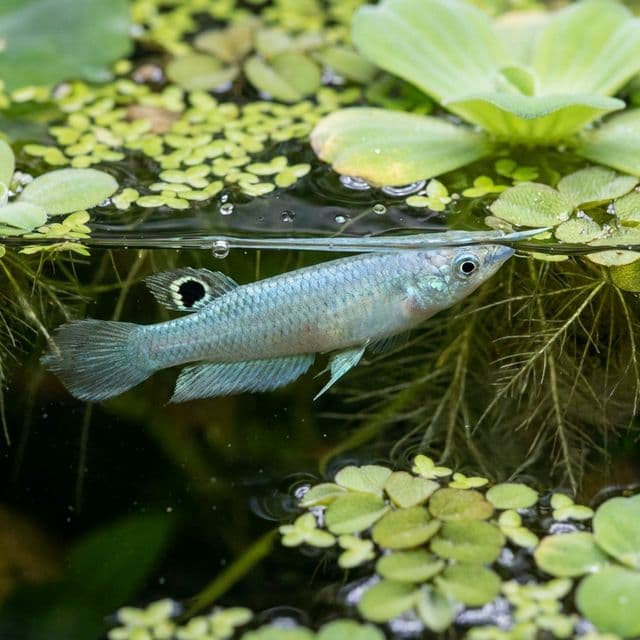
The Striped Panchax is known for its peaceful and social temperament, making it an excellent choice for community tanks. This species exhibits schooling behavior, preferring to live in groups of six or more. They enjoy roaming the upper levels of the tank, displaying an active lifestyle that is both playful and engaging. While they are generally non-aggressive, males can occasionally display minor territorial disputes, especially during breeding season. Such behavior usually involves posturing and chasing rather than serious aggression.
In terms of tank placement, Striped Panchax are predominantly mid to upper-level swimmers, meaning they will often occupy the upper layers of the aquarium. Providing ample swimming space and a well-planted environment will encourage natural behaviors and contribute to their overall health.
Tank Mates
When choosing tank mates for Striped Panchax, it is essential to select species that share similar temperament and environmental needs. Compatible species include small to medium-sized community fish such as Neon Tetras, Rasboras, Guppies, and Corydoras Catfish. These fish generally inhabit similar water parameters and exhibit peaceful behavior, fostering a harmonious community.
Conversely, it is crucial to avoid aggressive or larger species that may outcompete or prey upon the Striped Panchax. Fish such as Cichlids, Barbs (larger species), and any aggressive bottom-dwellers should be excluded from their tank. This thoughtful selection will help create a balanced ecosystem, ensuring both compatibility and stability in the aquarium environment.
Breeding
Breeding Striped Panchax in captivity is relatively straightforward, given that the right conditions are provided. These fish exhibit spawning behavior often associated with floating plants, where females will lay eggs among the foliage. To encourage breeding, a separate breeding tank can be set up with soft, acidic water conditions (pH around 6.0 to 6.5) and plenty of fine-leaved plants or spawning mops to facilitate egg adhesion.
Once the female has laid her eggs, it is advisable to remove the adult fish to prevent them from eating the eggs. The eggs typically hatch within 24 to 36 hours, and the fry can be fed infusoria or finely crushed flakes shortly after they become free-swimming. Maintaining optimal water quality and gentle filtration during this sensitive period is essential for the survival and development of the young fish.
Common Health Issues
While the Striped Panchax is generally hardy, there are a few health issues to be aware of. Common ailments include ich (white spot disease), fin rot, and stress-related problems due to poor water quality or incompatible tank mates. To help prevent these issues, it is vital to maintain excellent water conditions through regular testing and changes, alongside implementing a balanced diet.
Additionally, quarantining new fish before introducing them to the main aquarium can minimize the risk of disease. Providing a stress-free environment, with appropriate tank mates and hiding spots, will further reduce susceptibility to health problems. Regular observation of fish behavior and condition can help detect any issues early, ensuring the vibrant Striped Panchax remains a thriving addition to any aquarium.