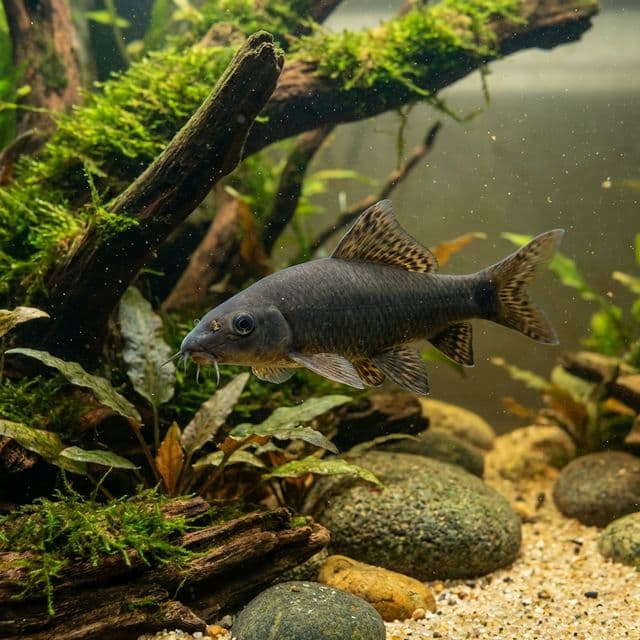
Sucking Loach: Gyrinocheilus aymonieri
Sold as a 5cm algae eater and grows to 28cm, turning territorial and rasping at slow-moving fish. Almost always the wrong purchase.
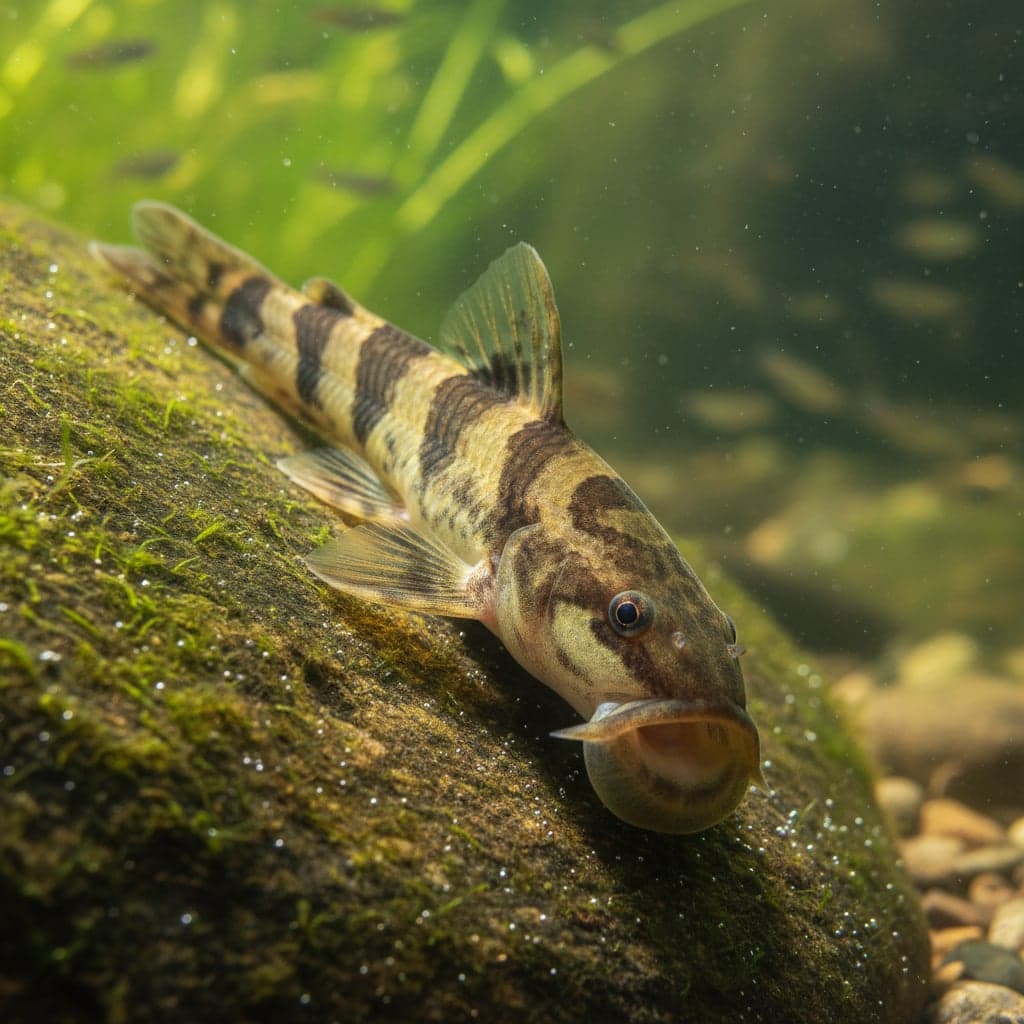
Sucking Loach
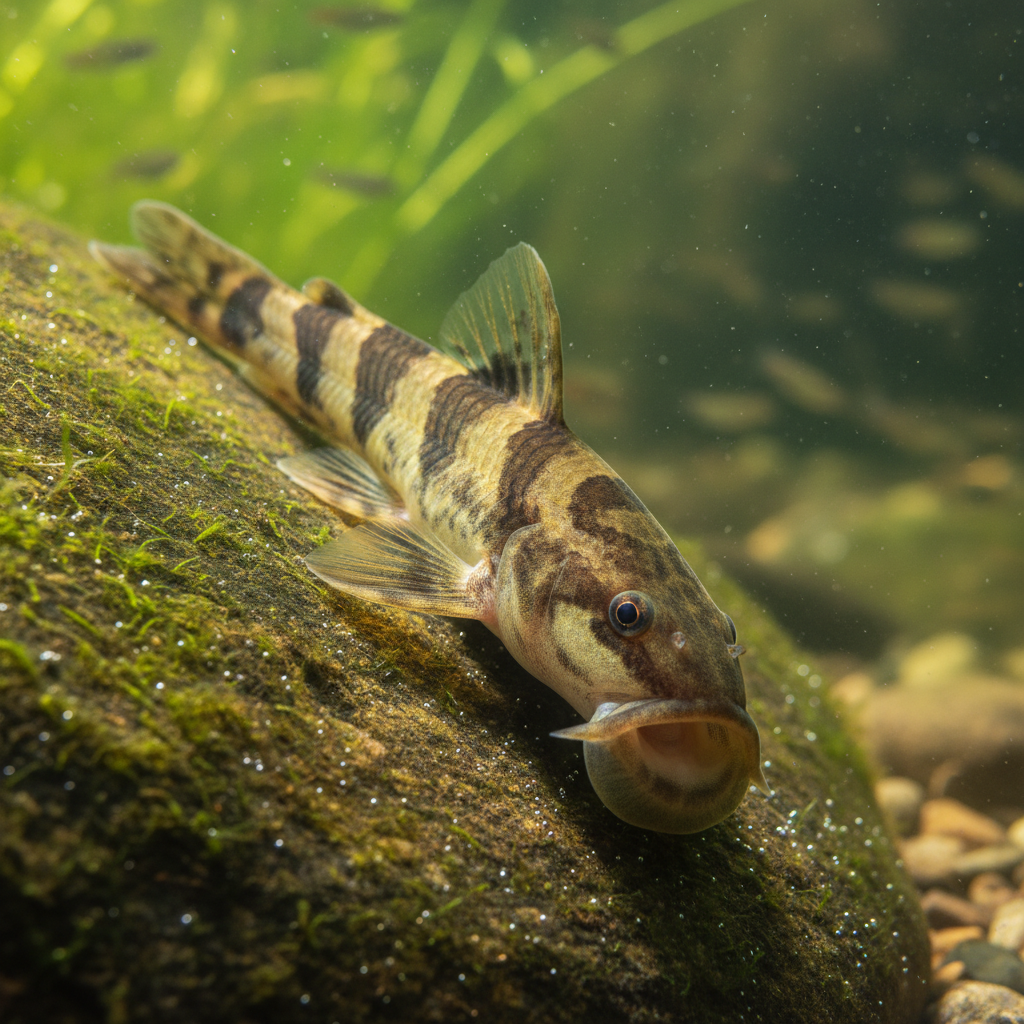
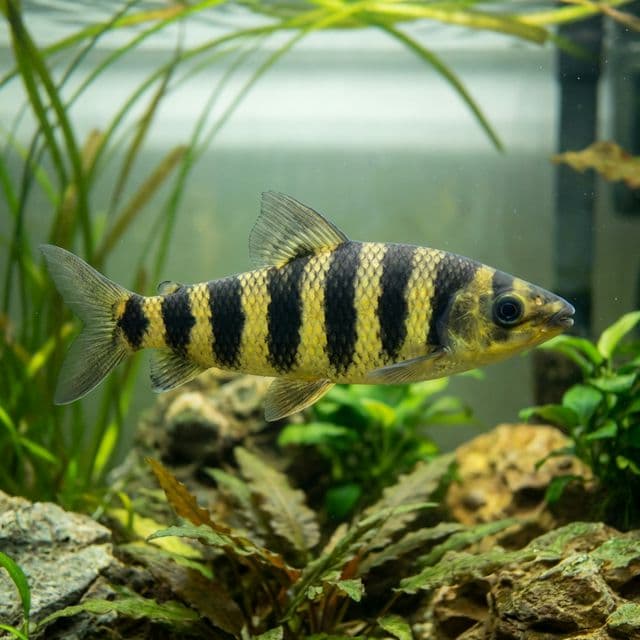
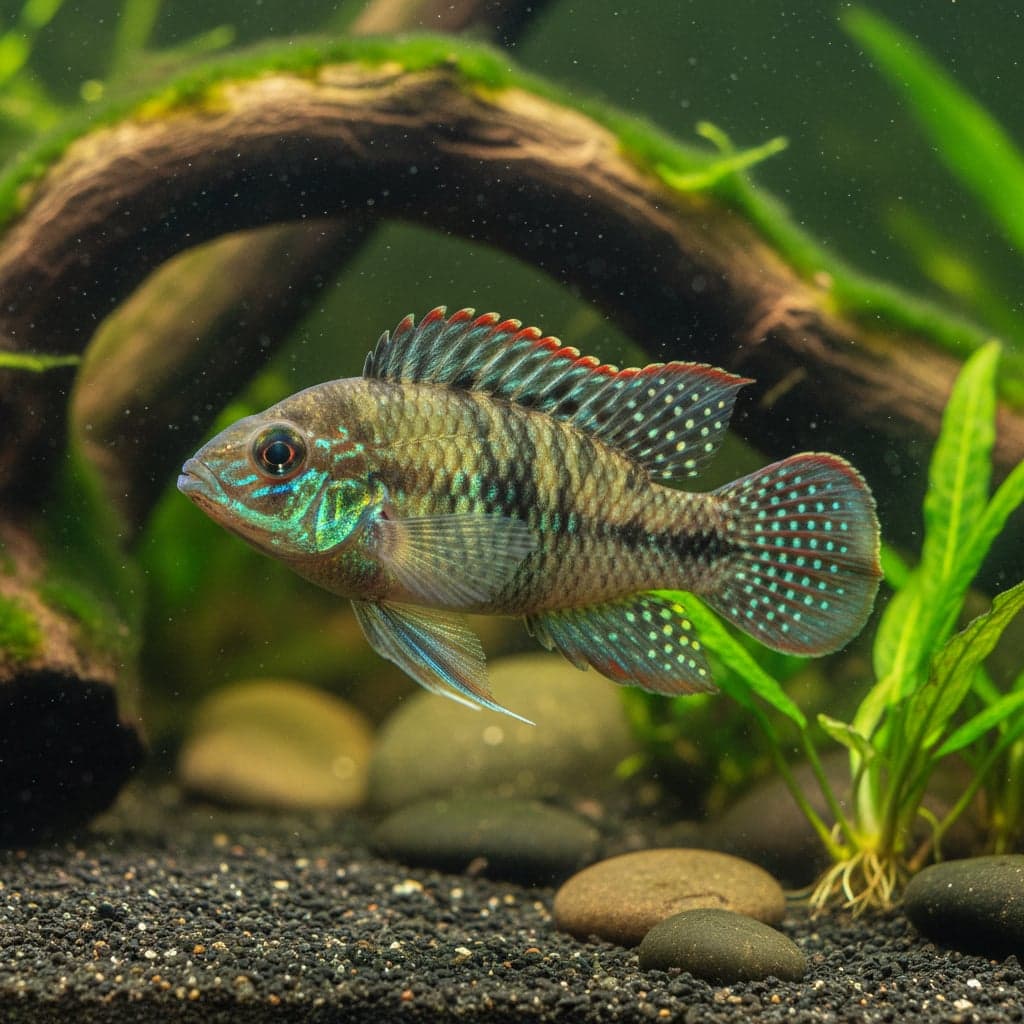
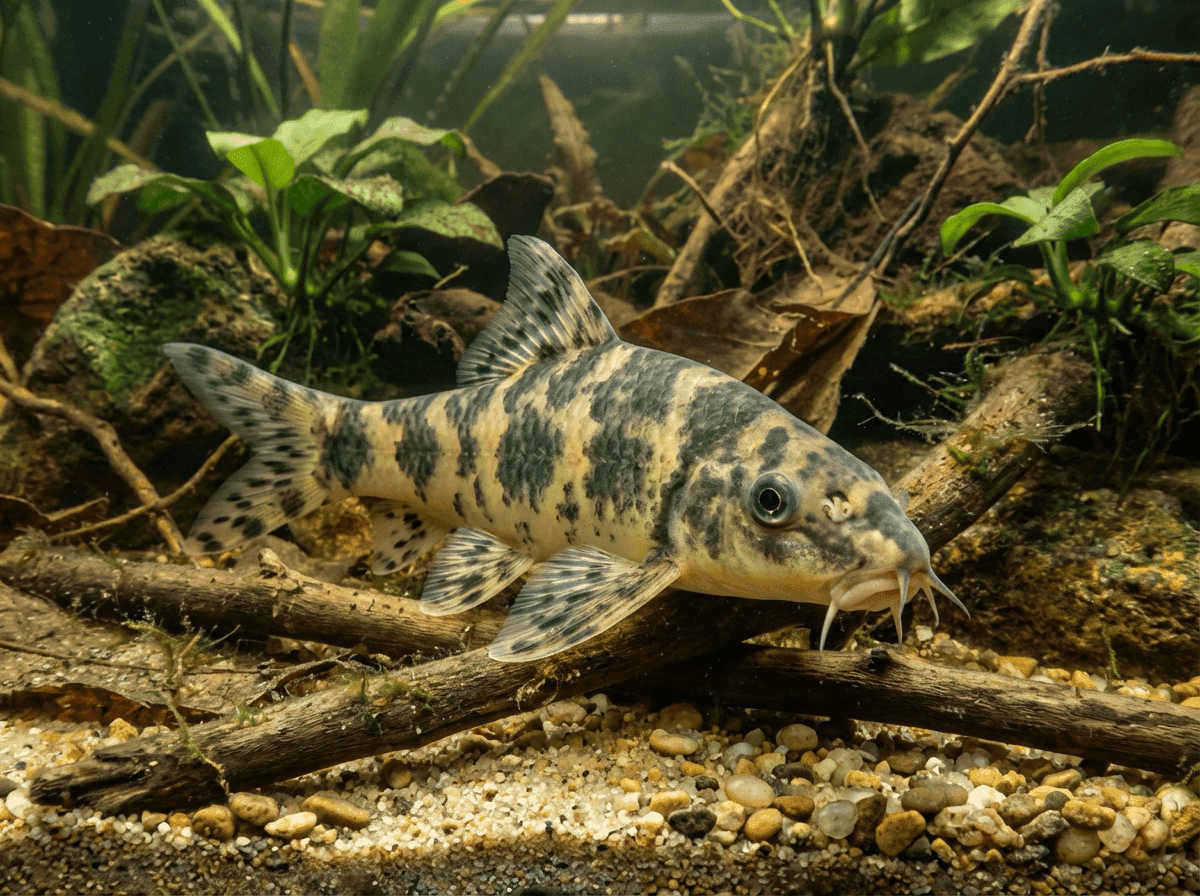
The Sucking Loach, scientifically known as Gyrinocheilus aymonieri, is a popular freshwater fish that captivates aquarists with its unique appearance and dynamic behaviors. Characterized by its elongated body and distinctive sucker-like mouth, this loach is not only visually appealing but also plays an essential role in maintaining a healthy aquarium ecosystem. Its natural coloring ranges from brown to green, often featuring patterns of dark blotches that help it blend into its surroundings, making it an intriguing addition to any aquascape. Due to their algae-eating habits, Sucking Loaches are also cherished by hobbyists for their functionality in controlling excess algae growth in tanks.
In the aquarium hobby, the Sucking Loach holds significant value not just for its aesthetic appeal but also for its various beneficial behaviors. They are known for their lively nature, often seen scouring the substrate and surfaces for food, which adds a layer of activity to community tanks. This, coupled with their adaptability to various water conditions, makes them a favored choice for many aquarists. The Sucking Loach embodies the perfect intersection of beauty, utility, and engaging behavior, making it an essential centerpiece in freshwater fishkeeping.
Natural Habitat & Origin
The Sucking Loach is native to Southeast Asia, specifically found in rivers and streams across countries such as Thailand, Laos, and Cambodia. These regions boast tropical climates, with the species often inhabiting slow-moving freshwater streams and shallow riverbeds. The natural habitat of the Sucking Loach typically features soft, sandy substrates where they can graze on algae and detritus. These waters are usually characterized by clear to slightly turbid conditions, allowing for sufficient light penetration that supports algal growth. Additionally, the surrounding environment often includes plenty of vegetation that provides shelter and foraging opportunities.
In their natural ecosystems, Sucking Loaches prefer acidic to neutral water conditions. Here, they thrive in temperatures ranging from 24°C to 28°C (75°F to 82°F). The combination of soft to moderately hard water, along with the correct pH balance suitable for their survival, is crucial for keeping Sucking Loaches healthy in captivity. Understanding their natural habitat is essential for replicating their environment effectively in an aquarium setting.
Care Requirements
When it comes to caring for Sucking Loaches, several water parameters need attention. The ideal pH level should be in the range of 6.0 to 7.2, with a temperature maintained between 24°C to 28°C (75°F to 82°F). The hardness of the water should ideally be between 5 to 12 dGH. These parameters are vital for ensuring the overall health and well-being of the Sucking Loach.
For tank setup, a minimum of 75 liters (20 gallons) is recommended to provide ample space for these active swimmers. The substrate should be soft and sandy, allowing them to sift through it comfortably. Adding driftwood and rocks will create hiding spots and grazing areas, whereas moderate lighting allows for the growth of algae and plants. Live plants, such as Java fern and Anubias, can be beneficial in mimicking their natural habitat, while also contributing to water quality through natural filtration.
Diet & Feeding
The Sucking Loach is an omnivorous species, primarily feeding on algae, detritus, and organic matter found within its environment. In a home aquarium, a varied diet is essential for maintaining optimal health. High-quality algae wafers should form a staple component of their diet, supplemented with sinking pellets that are rich in nutrients. Frozen or freeze-dried foods, such as bloodworms and brine shrimp, can also be offered occasionally to provide dietary variety and stimulate feeding behaviors.
It’s important to ensure that the food offered sinks, as Sucking Loaches tend to search for food near the bottom of the tank. Regular feedings should be small and frequent, allowing them to forage naturally. Keeping uneaten food to a minimum is crucial to maintain water quality, as these loaches are also known for their scavenging behavior.
Behavior & Temperament
Sucking Loaches exhibit peaceful and social behavior, typically thriving in community tanks where they can interact with other fish species. They are not aggressive; however, they can display territorial behaviors, especially among males. It is advisable to house them in groups of at least three or more to encourage natural schooling behavior, thus reducing any potential aggression. They are primarily bottom-dwellers, but they can be seen exploring various levels of the tank while foraging for food.
Their natural curiosity drives them to investigate their surroundings continuously. Notably, Sucking Loaches are known to be nocturnal feeders, becoming more active during twilight hours. Providing plenty of hiding spots will help alleviate any stress they may experience during daytime, allowing them to exhibit their playful antics during the evening.
Tank Mates
Choosing the right tank mates for Sucking Loaches is essential for creating a harmonious community aquarium. Compatible species include other peaceful fish such as tetras, rasboras, barbs, and peaceful cichlids. Additionally, snails and smaller catfish can coexist well with Sucking Loaches, as they generally avoid confrontational behavior.
However, it is crucial to avoid keeping them with highly aggressive or fin-nipping species like larger cichlids, bettas, or some species of barbs, as these can lead to stress and confrontations within the tank. Careful selection of tank mates will enhance the aquarium experience, allowing the Sucking Loach to thrive alongside its companions.
Breeding
Breeding Sucking Loaches in captivity can be a challenge since specific conditions need to be met for successful spawning. To encourage breeding, it is recommended to set up a dedicated breeding tank with a slightly acidic pH and elevated water temperature around 28°C (82°F). The presence of ample hiding places, such as dense plants and breeding mats, can help facilitate breeding behavior.
Interestingly, Sucking Loaches are egg scatterers; they do not exhibit parental care after spawning. Eggs are typically laid among the vegetation, and once fertilized, they should hatch within a few days under optimal conditions. After hatching, it is vital to provide appropriate food for the fry, such as infusoria or powdered fry foods, to ensure proper growth and development.
Common Health Issues
Sucking Loaches are relatively hardy but can be susceptible to some common health issues if not properly cared for. Conditions such as Ich (white spot disease), fin rot, and various parasitic infections may occur, particularly if water quality is compromised. Maintaining proper water parameters and regular tank maintenance is crucial for prevention.
Quarantine new additions before introducing them to an established tank to minimize the risk of disease transmission. Additionally, regularly monitoring water quality through testing can help prevent illnesses. A well-balanced diet will also strengthen the immune system of Sucking Loaches, making them less susceptible to ailments.