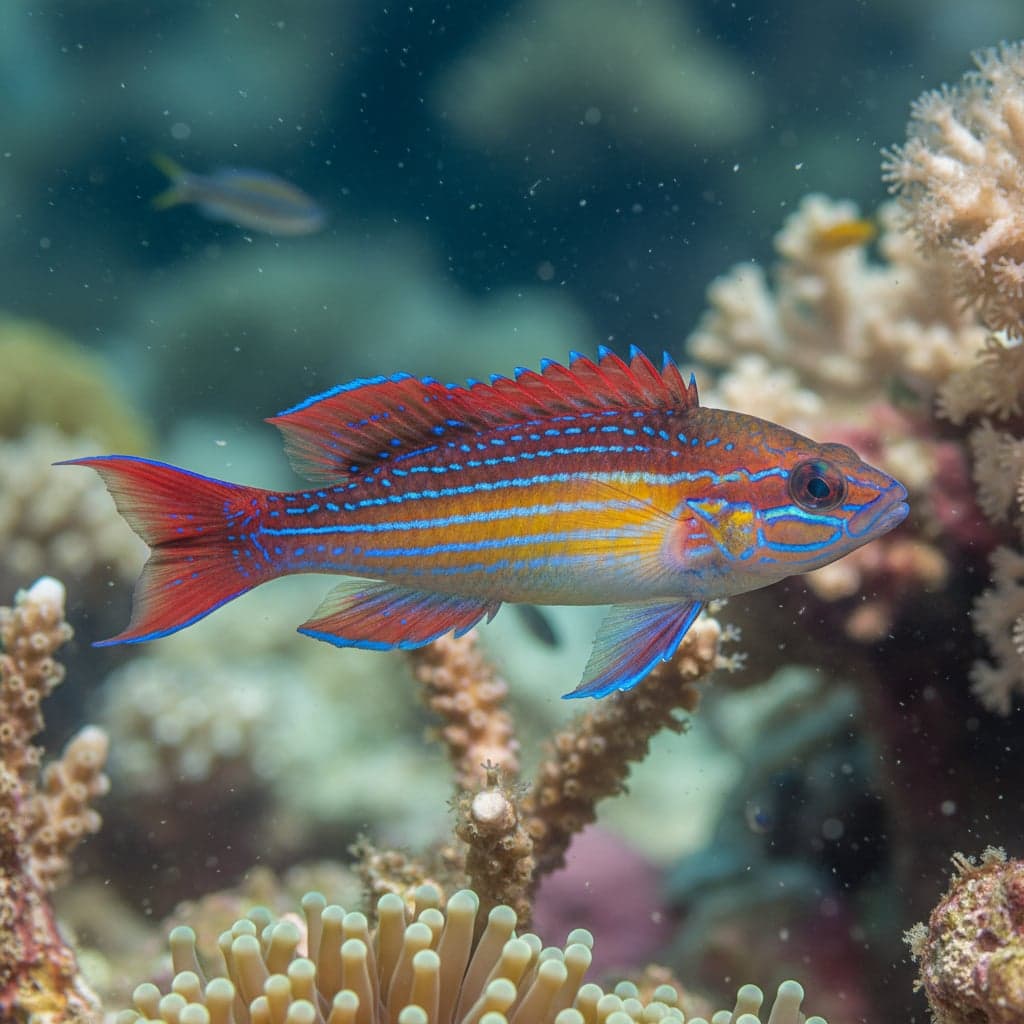
Sulphur Goby
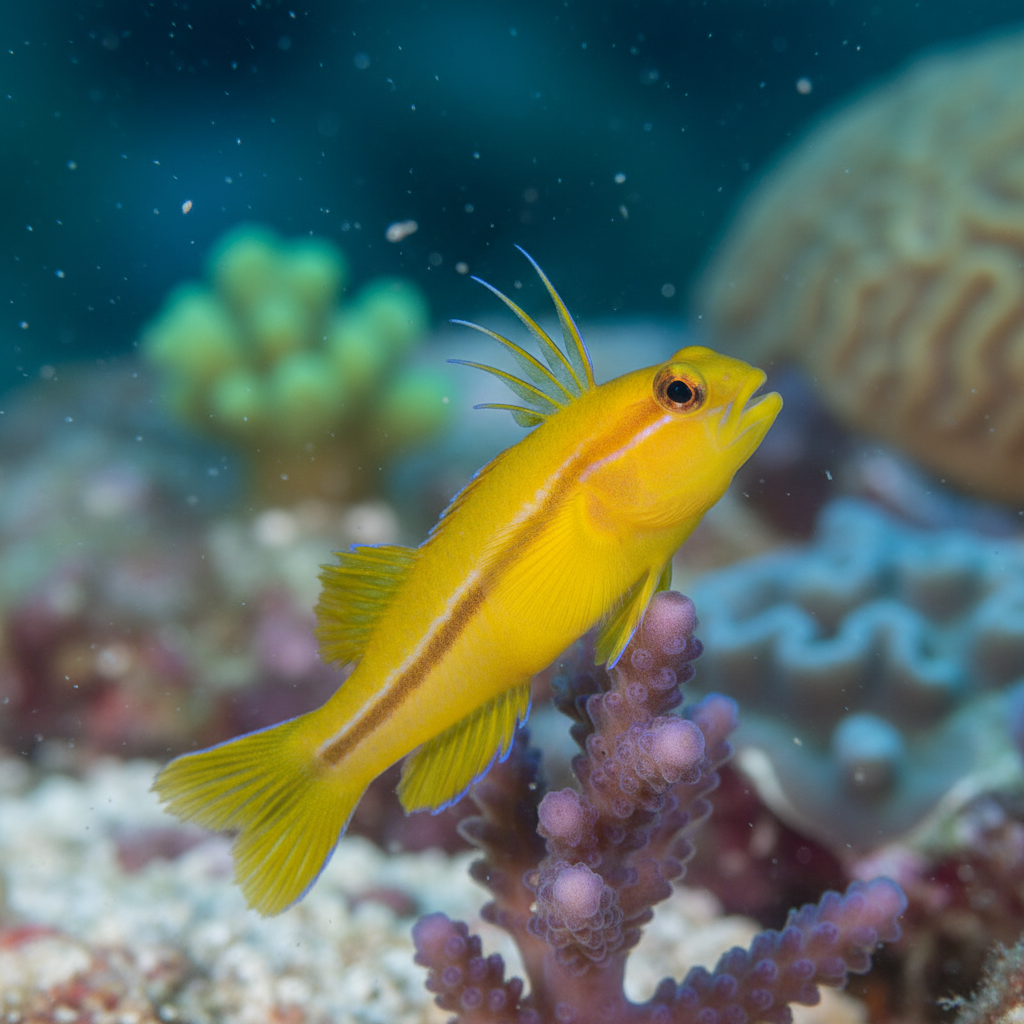
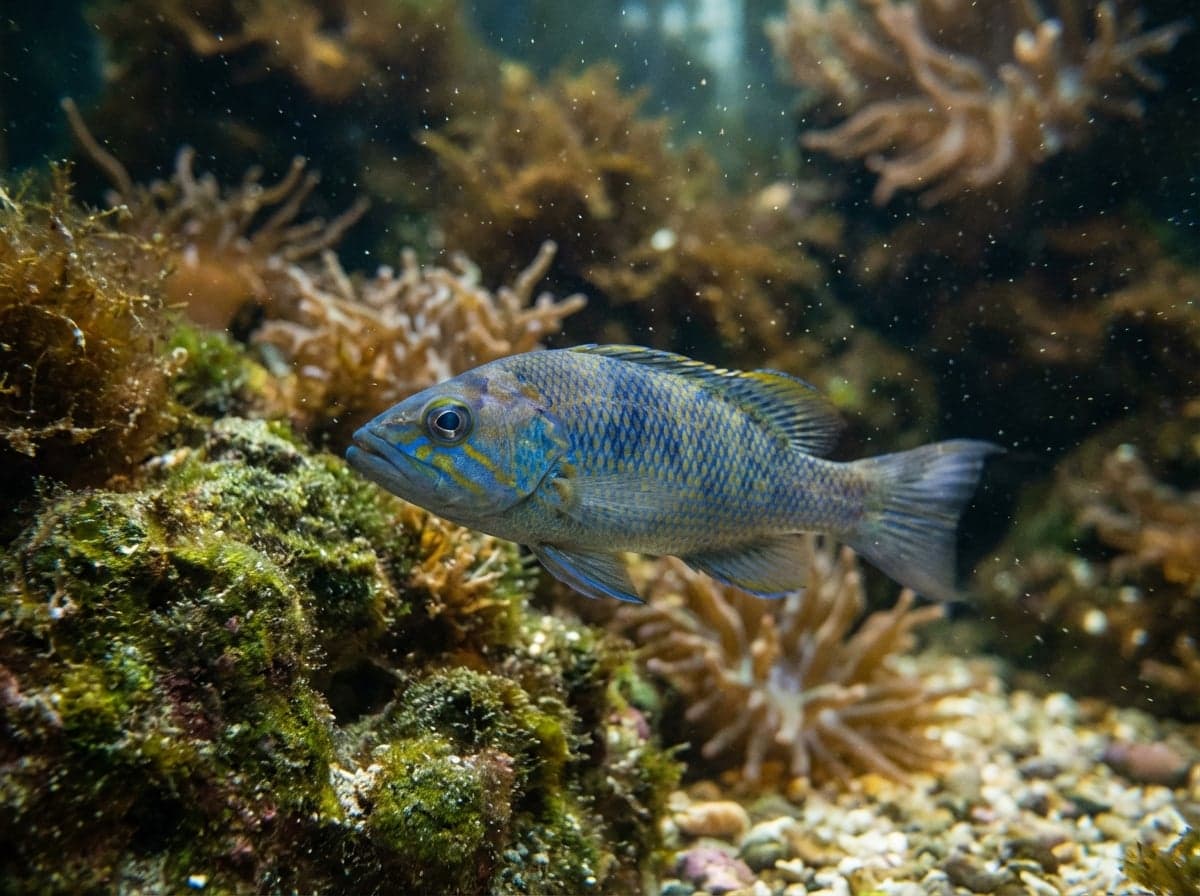
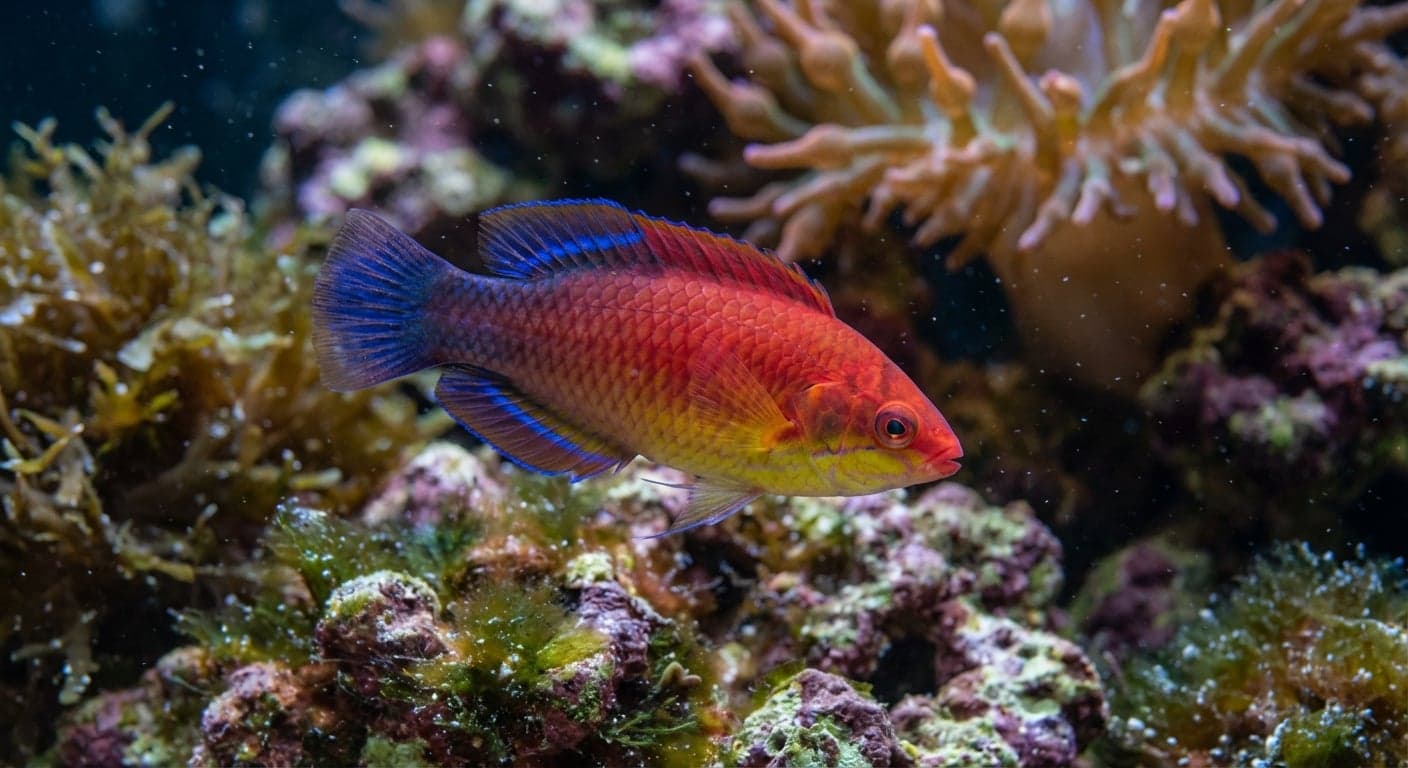
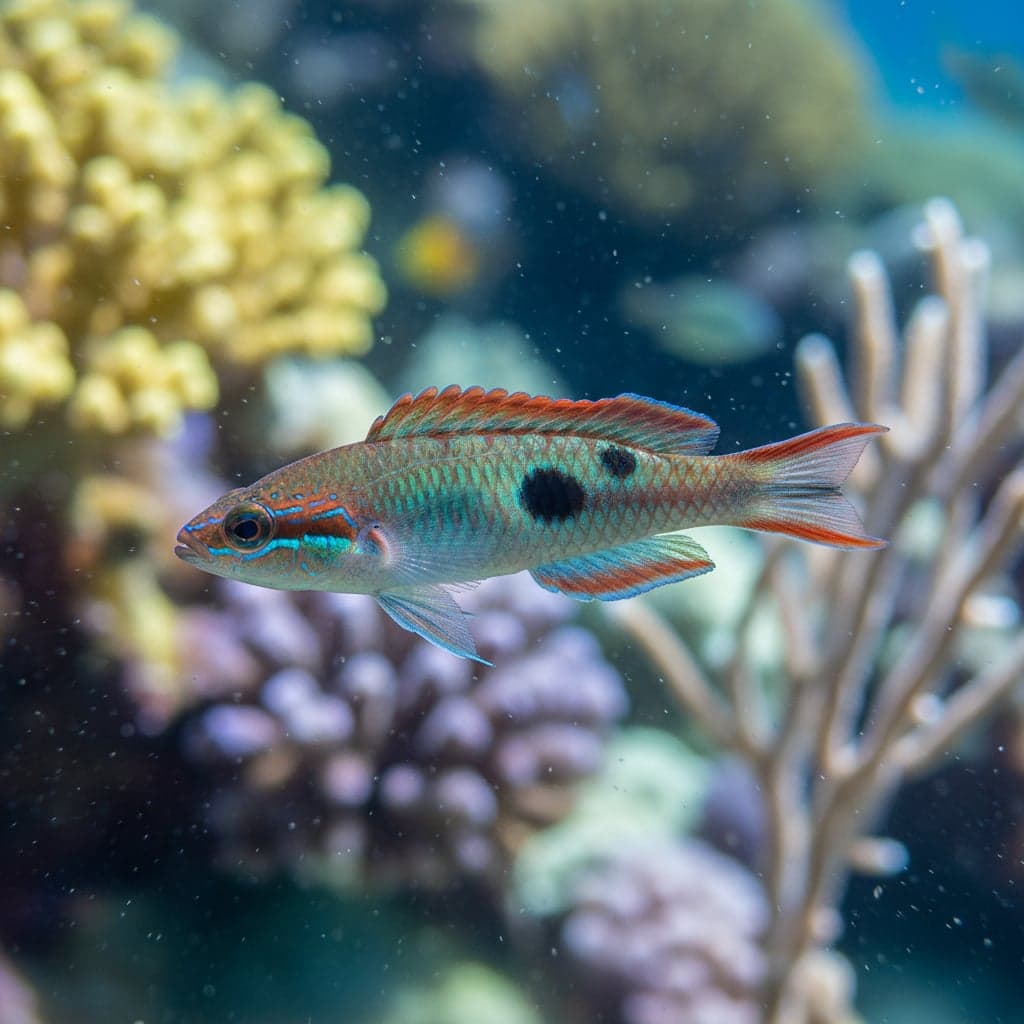
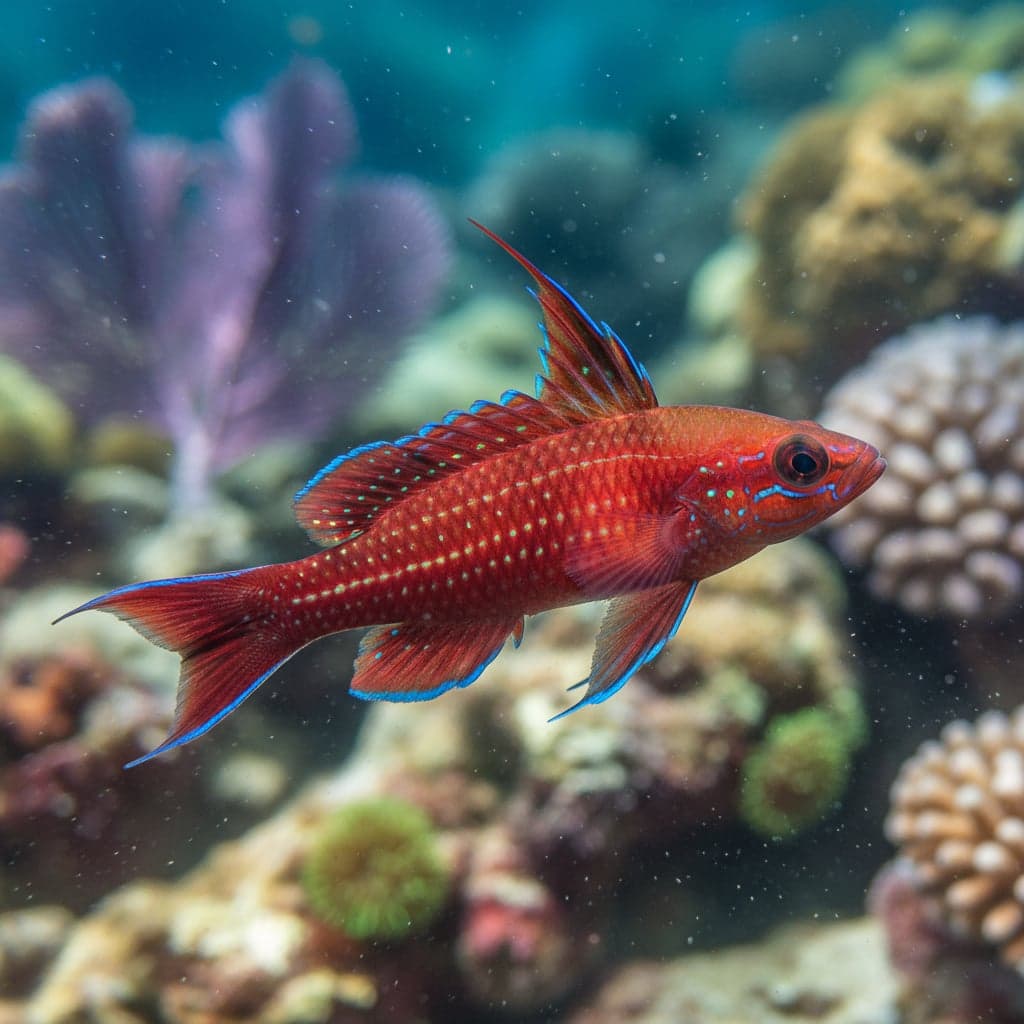
The Sulphur Goby (Cryptocentrus cinctus) is a stunning saltwater fish known for its unique appearance and behavior.

Sulphur Goby
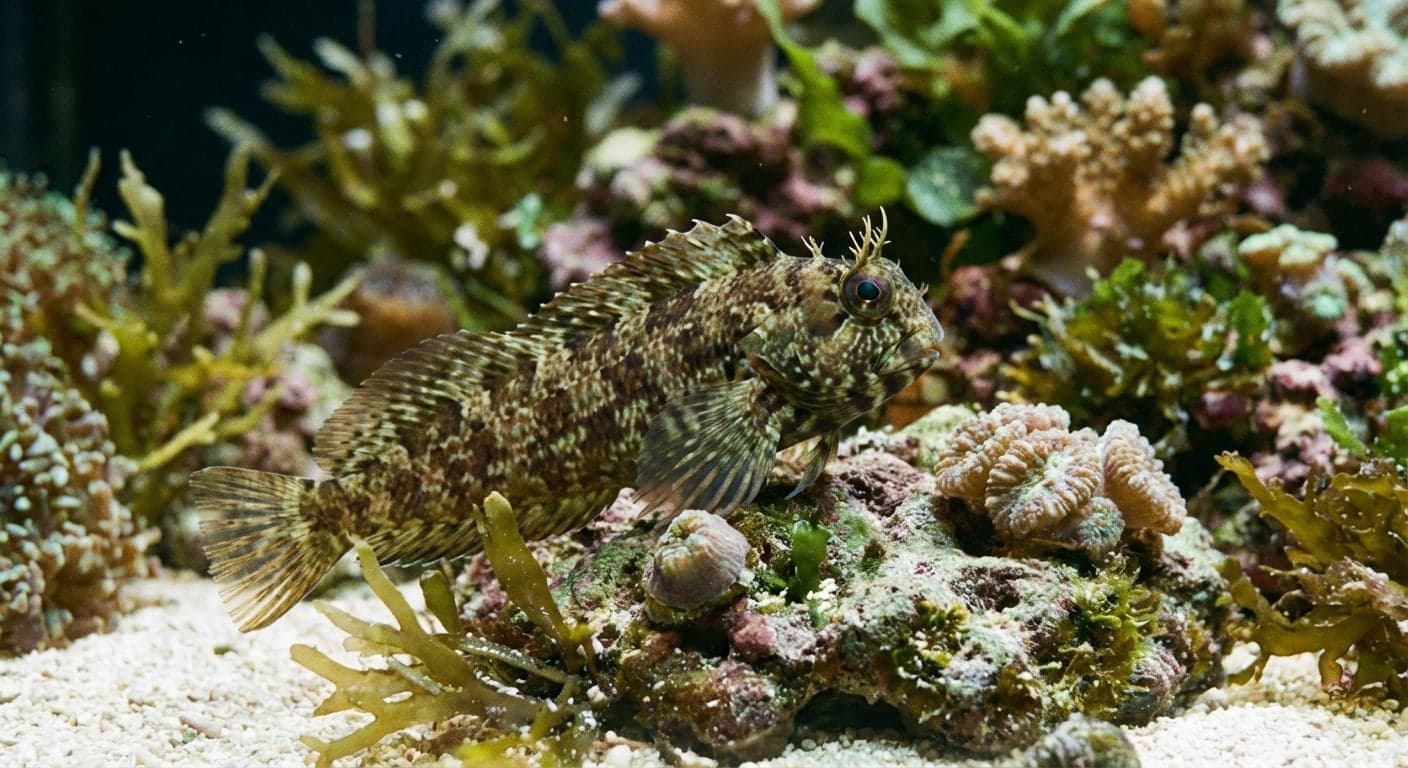
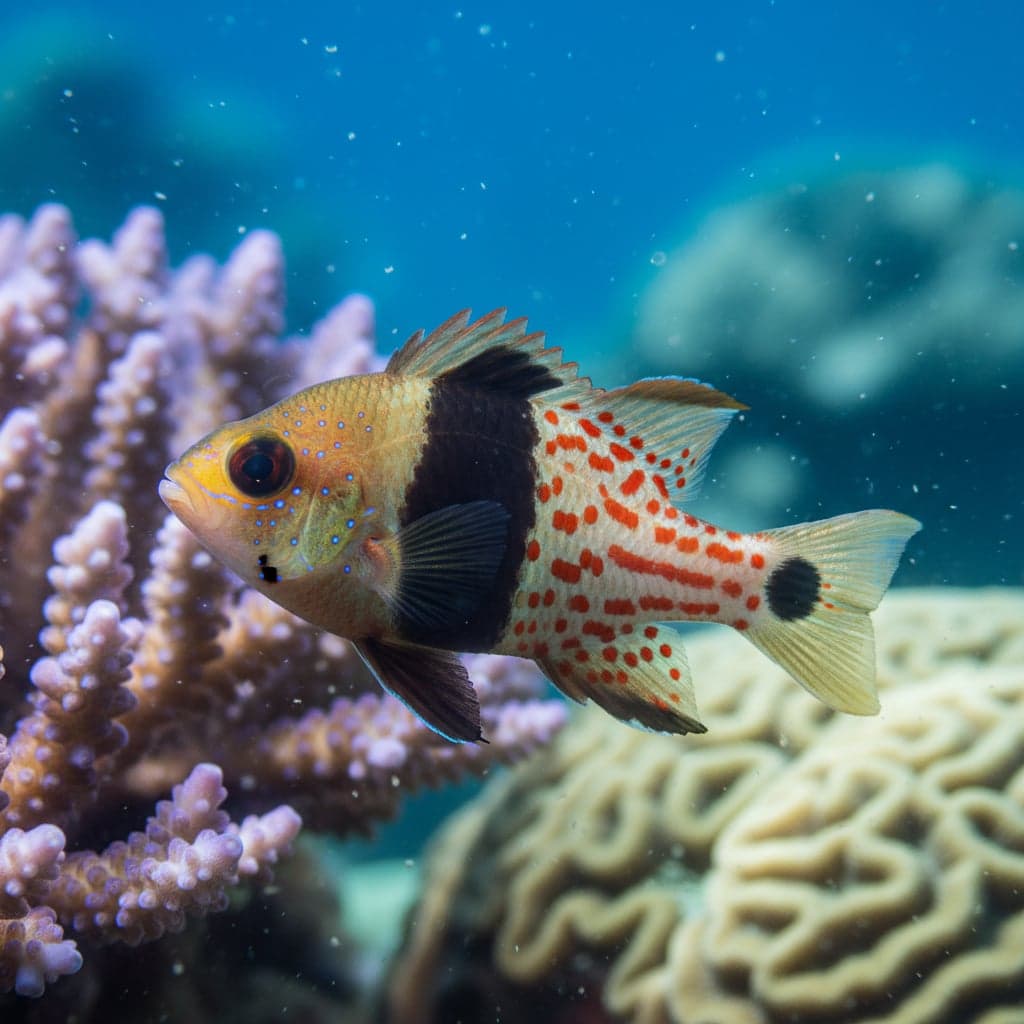
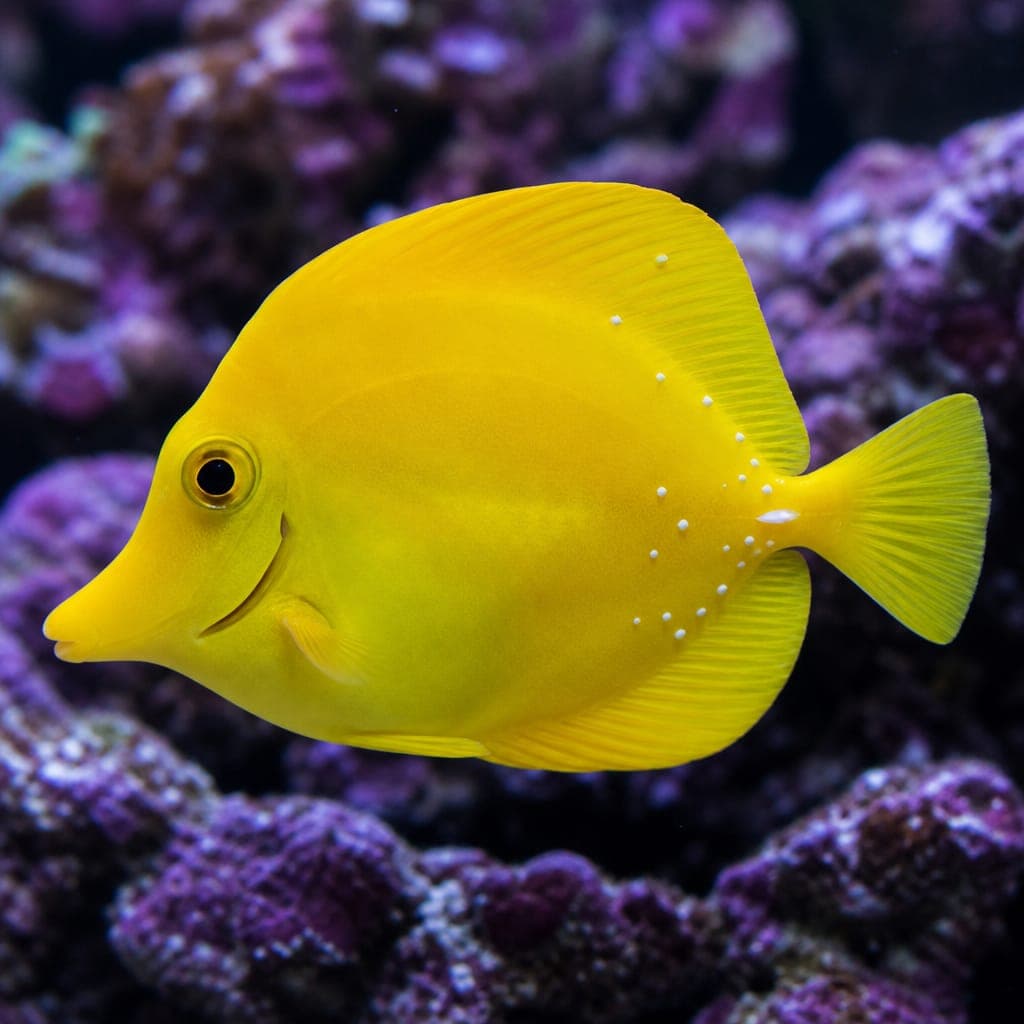
The Sulphur Goby, scientifically known as Gobiodon histrio, is a captivating species well-regarded in the aquarium hobby for its distinctive coloration and interesting behaviors. This small, brightly-colored fish typically exhibits a vibrant yellow body adorned with orange and blue markings, making it a visual delight for aquarists and a stunning addition to reef tanks. With its small size, typically reaching around 2.5 to 3 inches in length, the Sulphur Goby not only captures the eye but also possesses a personality that enchants both novice and expert aquarists alike. Their friendly demeanor and playful antics in a well-cared-for tank enhance the dynamics of any aquatic community.
The significance of the Sulphur Goby in the aquarium hobby extends beyond its aesthetics. This species serves as an excellent introduction to the goby family, providing valuable insights into the care and maintenance of marine fish. As a primarily reef-dwelling fish, the Sulphur Goby contributes to the biodiversity of marine ecosystems and is often seen interacting with various corals and other species. By successfully keeping and breeding this species, aquarists help promote awareness of marine conservation and the importance of habitat preservation, bridging the gap between hobbyism and marine ecology.
Natural Habitat & Origin
The Sulphur Goby hails from the shallow, warm waters of the Indo-Pacific region, including the Coral Triangle and parts of the Great Barrier Reef. It thrives in environments rich with coral reefs, where it can be found among rocky crevices and sandy substrates. Typically residing in clear water, the Sulphur Goby prefers locations where it can hide from larger predators while actively foraging for food. This fish is often found at depths ranging from one to six meters, where light penetrates and supports a vibrant community of flora and fauna.
Within its natural habitat, the Sulphur Goby benefits from specific environmental conditions: it favors stable water temperatures, with an ideal range between 75°F to 82°F (24°C to 28°C). The water is typically well-oxygenated, with a relatively low to moderate flow, allowing this species to dart in and out of small nooks and crannies among corals. The presence of algae and live rock is crucial, as these elements not only provide shelter but also contribute to the overall health of the ecosystem in which the Sulphur Goby resides.
Care Requirements
To successfully keep a Sulphur Goby in an aquarium, it is essential to replicate its natural environment as closely as possible. The ideal tank size for a solitary Sulphur Goby should be no less than 20 gallons, ensuring ample swimming space and territory for the fish. The water parameters should be carefully monitored and maintained at a pH of 8.0 to 8.4, a temperature between 75°F and 82°F (24°C to 28°C), and a specific gravity of 1.020 to 1.025. Soft and moderately hard water, with a hardness of 8-12 dGH, is also ideal for this species.
When setting up the tank, the substrate should consist of fine sand or gravel to mimic its natural habitat. Decorate the aquarium with plenty of live rock, coral fragments, and hiding spaces; this not only enhances the aesthetic appeal but also provides essential shelter for the Sulphur Goby. Lighting should be moderate to bright, as it supports the growth of beneficial algae and enhances the vibrancy of the fish. For plant choices, consider including some hardy marine macroalgae that help maintain water quality and provide a natural foraging environment.
Diet & Feeding
The Sulphur Goby is classified as an omnivore, requiring a varied diet to stay healthy and thrive. In captivity, it is essential to provide a balanced nutritional profile that includes high-quality flakes, small pellets, and frozen or live foods. Offering diverse food options such as brine shrimp, mysis shrimp, and finely chopped seafood will ensure that the Sulphur Goby receives adequate nutrients to promote growth and vibrancy. Additionally, supplementing its diet with vegetable matter, such as spirulina or marine algae, will further support its well-being.
Feeding should occur two to three times a day, but it's crucial to provide only as much food as the Sulphur Goby can consume in a few minutes to avoid polluting the aquarium. Watching their feeding habits is not only enjoyable but can also provide insights into their health; a healthy Sulphur Goby will be active and eagerly consume a varied diet.
Behavior & Temperament
The Sulphur Goby is known for its generally peaceful demeanor, making it suitable for community tanks. This species typically exhibits social behavior by forming small groups, although it can also adapt well to solitary living. They tend to be territorial, especially during mating periods, so it's essential to ensure that they have plenty of space and hiding spots. As bottom-dwellers, Sulphur Gobies will primarily stay near the substrate, using rock structures and corals as cover while exploring their environment.
While these fish are not aggressive, they can display dominance during feeding or territorial disputes. In a well-planned tank with adequate hiding places, their natural behaviors can flourish without causing undue stress to other species. The Sulphur Goby is most active in the lower and middle levels of the aquarium, where it can forage for food and interact with its surroundings.
Tank Mates
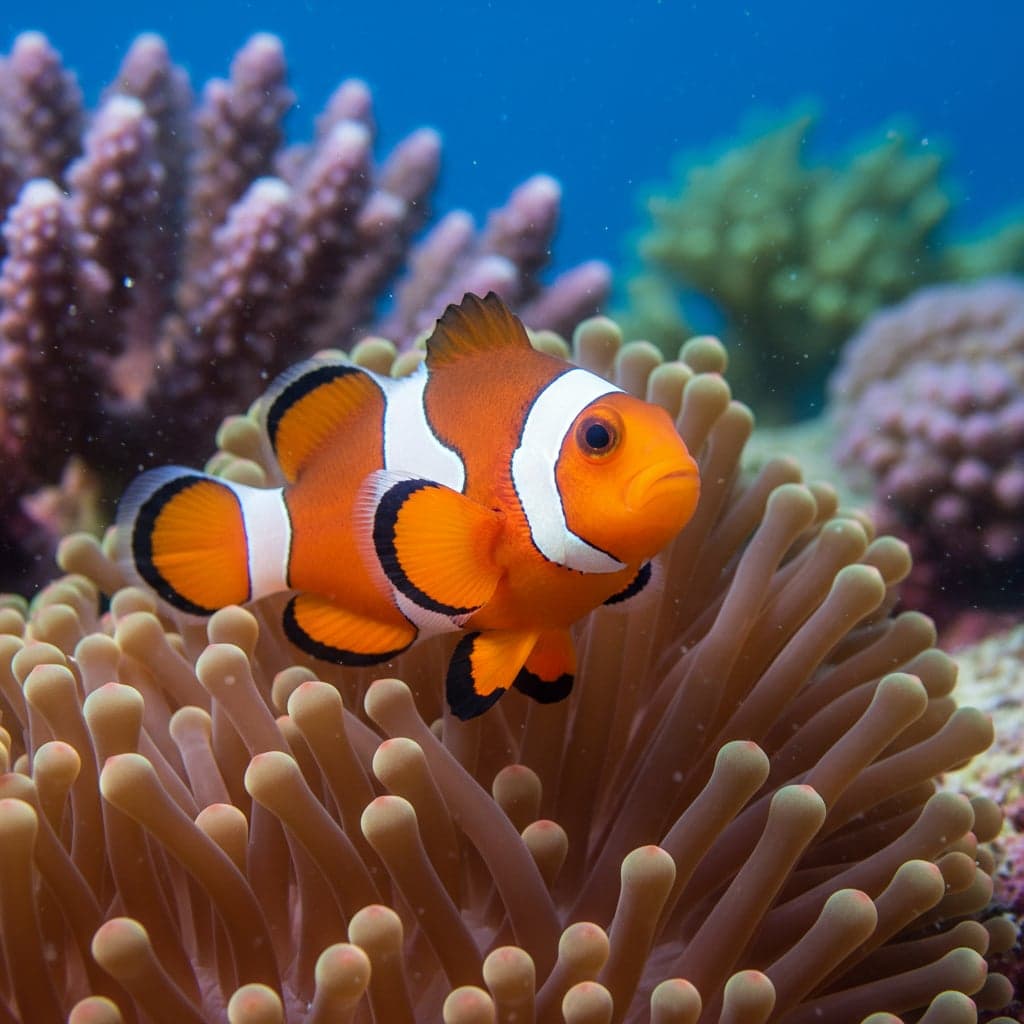
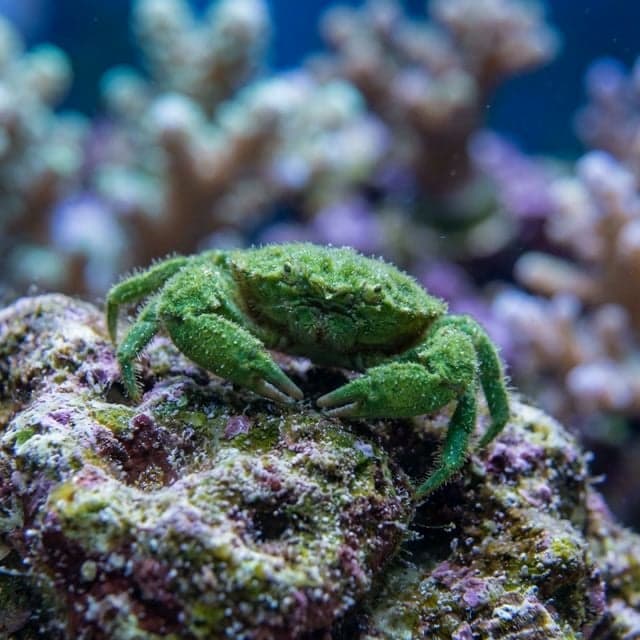
When selecting tank mates for the Sulphur Goby, it is essential to choose species that are compatible in terms of size, temperament, and habitat requirements. Ideal companions include small, peaceful fish such as Clownfish, Cardinalfish, and certain types of Gramma or dottybacks. Invertebrates like cleaner shrimp and small crabs can coexist with the Sulphur Goby, enhancing the biological diversity of the aquarium.
However, it's essential to avoid larger or more aggressive species, such as large wrasses, damsels, or certain types of angelfish, as these can pose a threat to the Sulphur Goby and lead to stress or injury. Additionally, avoid keeping multiple gobies of the same species in a smaller tank to minimize territorial conflicts. Careful selection of tank mates will ensure a harmonious aquarium environment.
Breeding
Breeding the Sulphur Goby in captivity can be challenging but rewarding for dedicated aquarists. This species exhibits a unique spawning behavior, laying adhesive eggs that adhere to corals or rocks near their territory. To successfully breed Sulphur Gobies, it is essential to provide optimal conditions, similar to their natural environment, including stable water parameters and ample hiding spaces. A temperature range of 78°F to 82°F (26°C to 28°C) is optimal for spawning.
For breeding, it is advisable to maintain a small group of one male and several females to ensure successful fertilization. The male will typically guard the eggs, fanning them to provide aeration until they hatch, usually within four to six days. Upon hatching, the fry require specialized care and should be fed a diet of finely crushed flakes or specialized brine shrimp until they reach a more substantial size. A separate breeding tank may be beneficial to protect the eggs and fry from potential threats.
Common Health Issues
The Sulphur Goby, like many marine