Sumo Loach: Schistura balteata
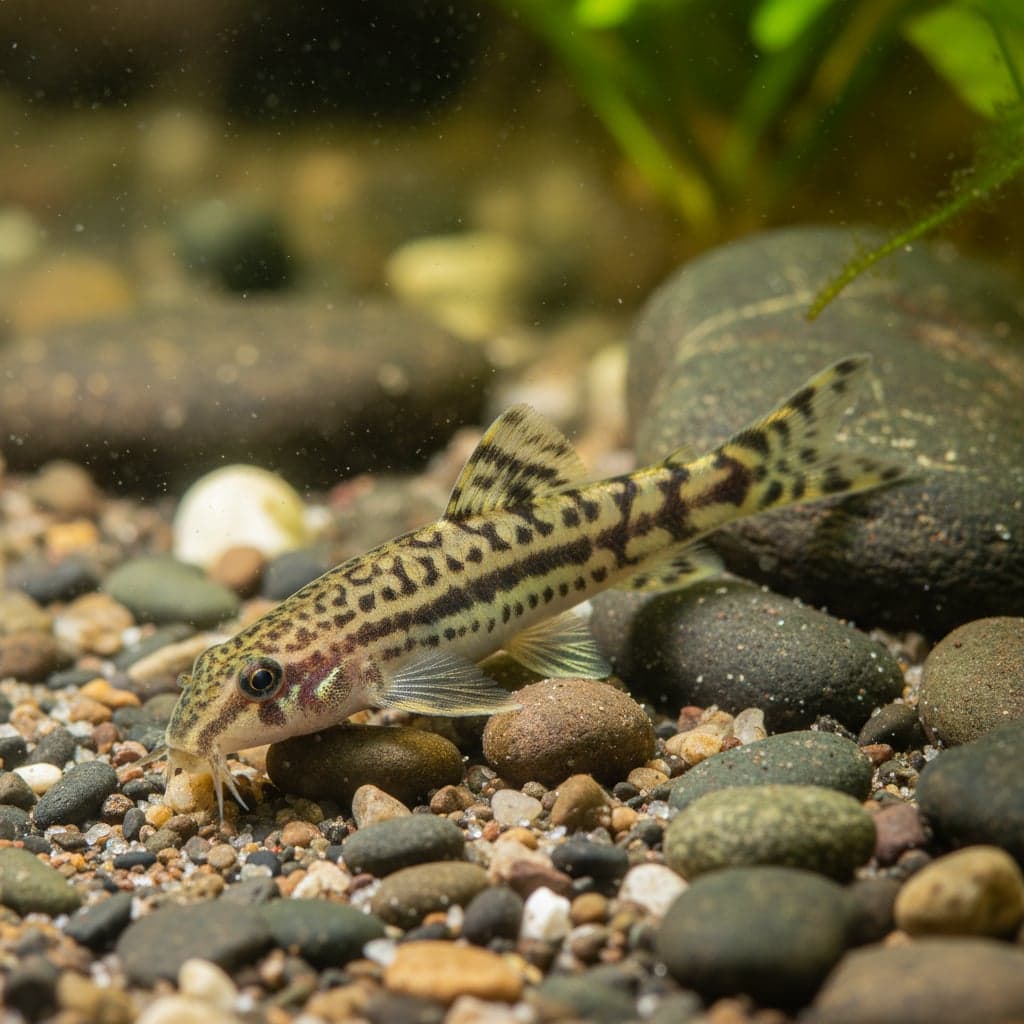
A banded stream loach reaching 8cm. Territorial with its own kind, and it needs cool, fast, oxygen-rich water to do well.

Sumo Loach
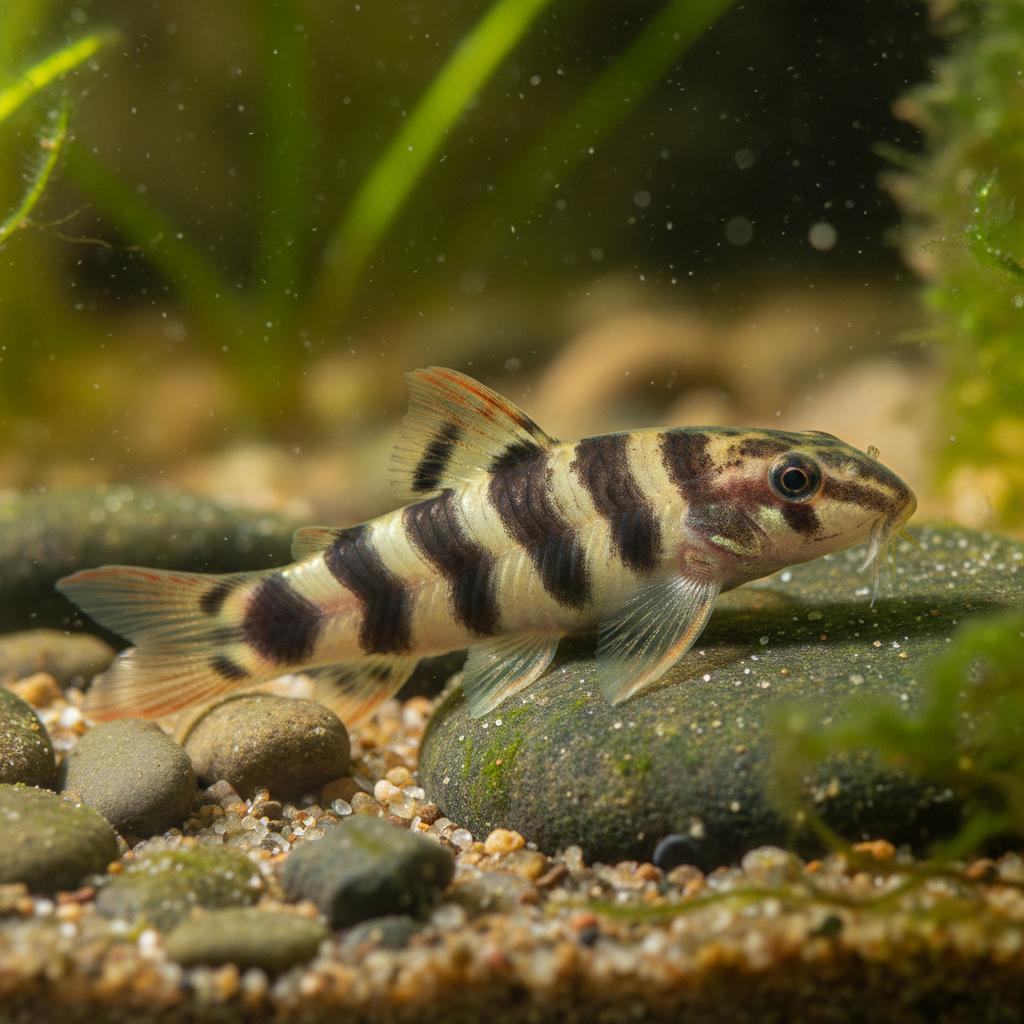
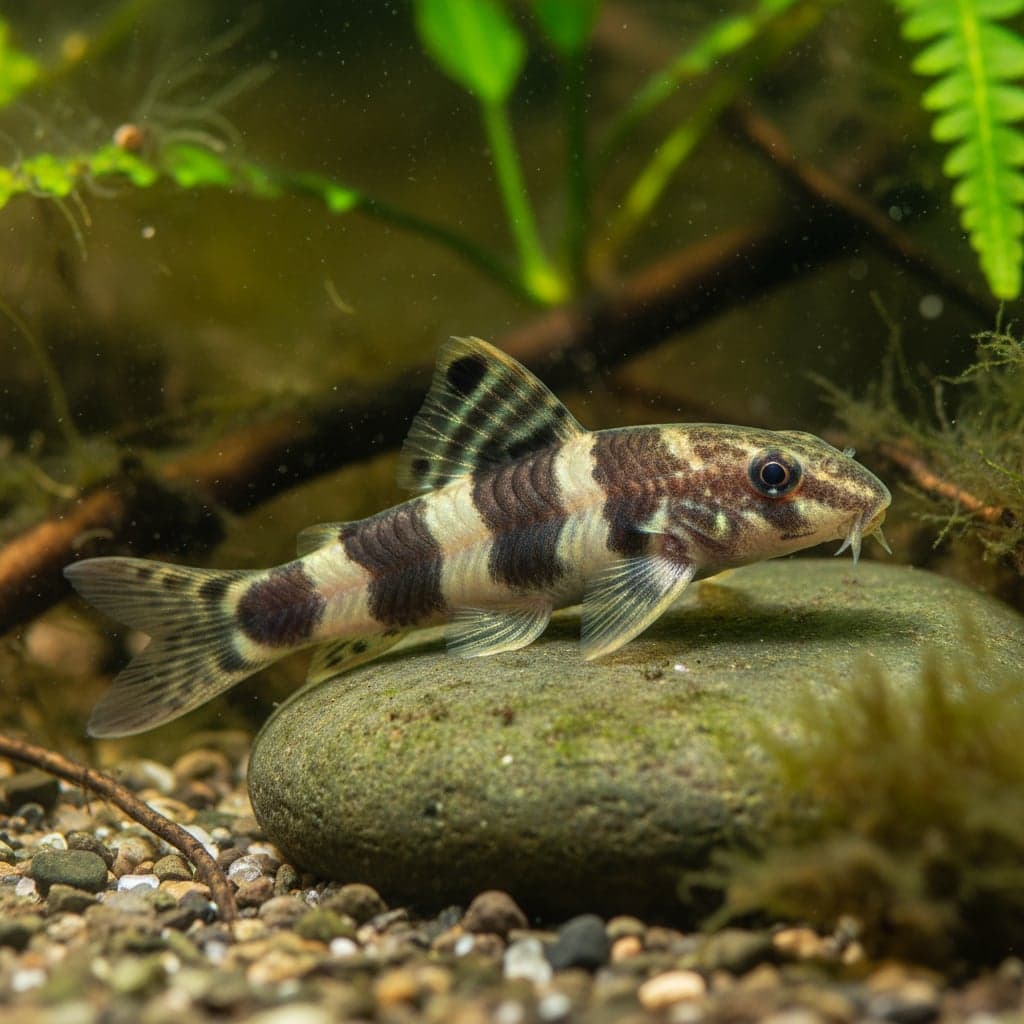
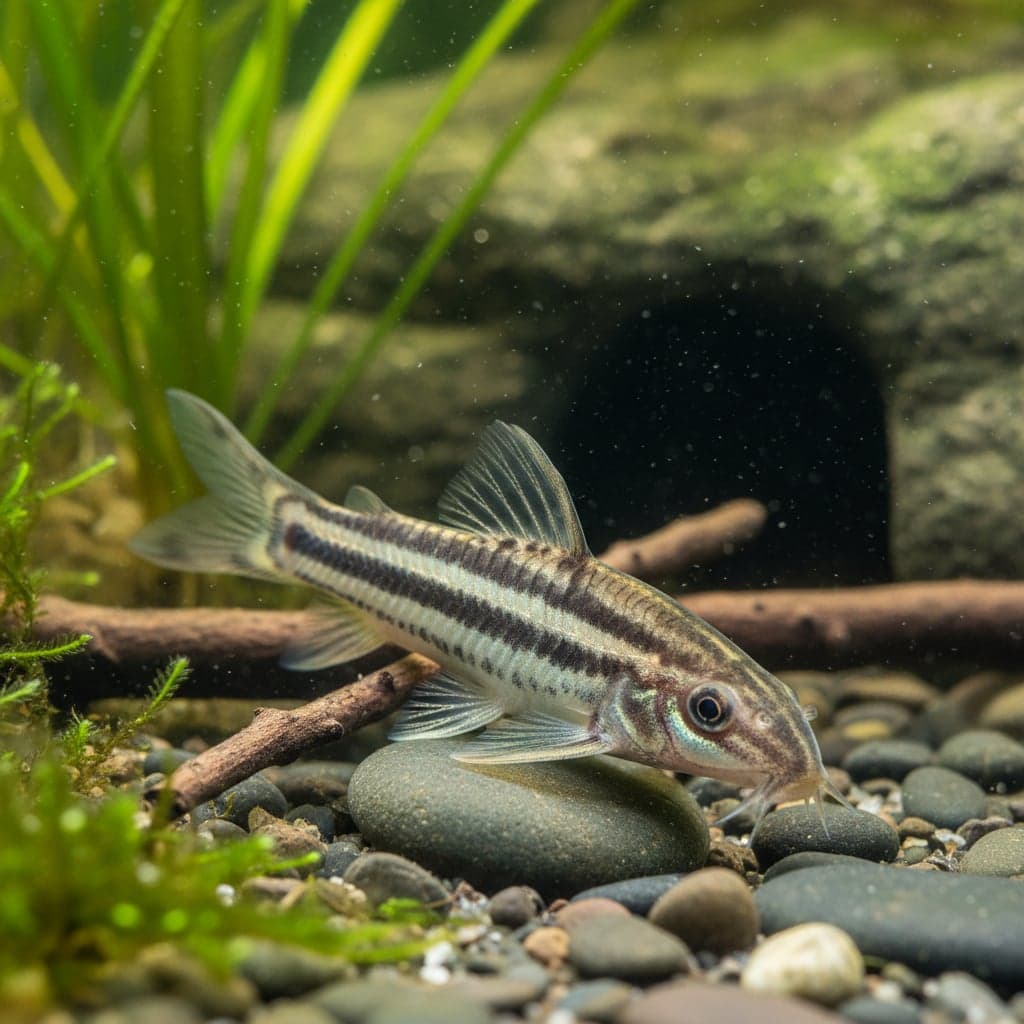
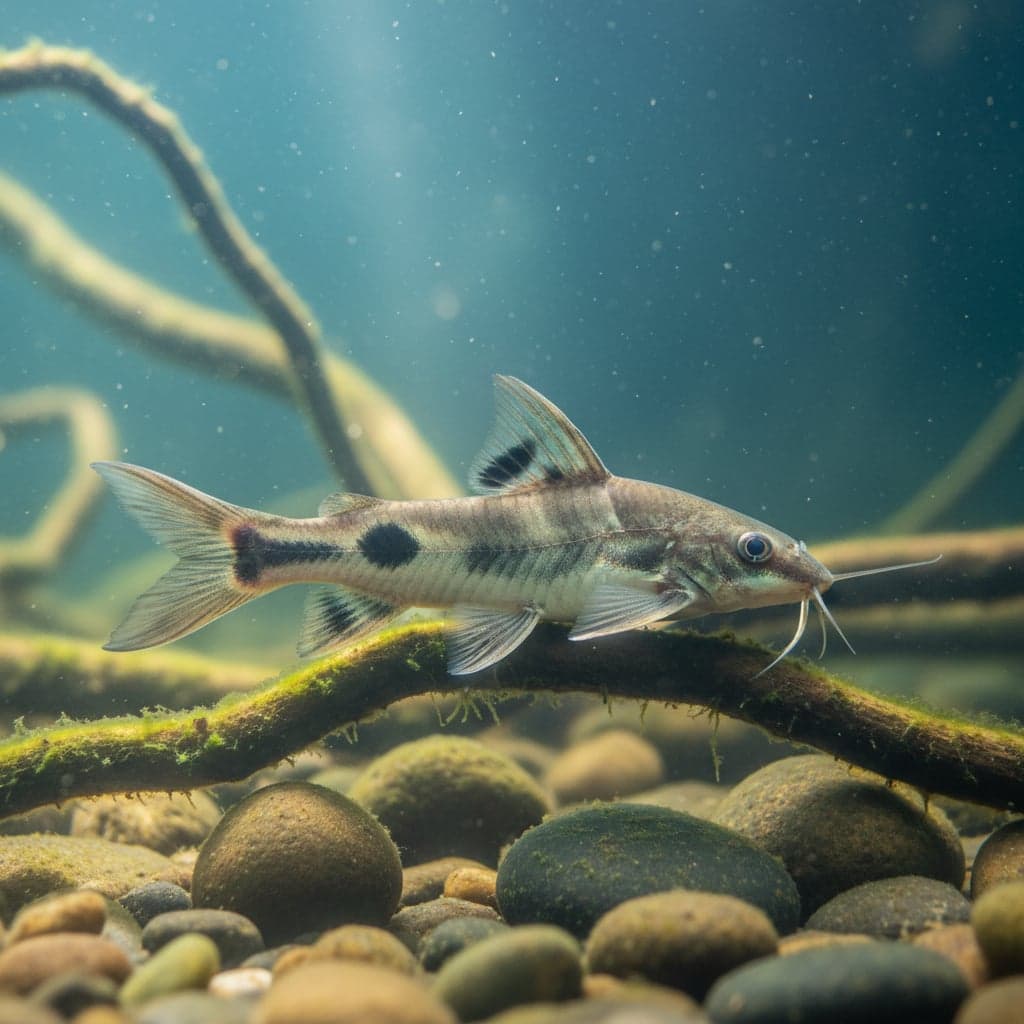
The Sumo Loach (Schistura balteata) is a captivating freshwater fish admired for its robust body and intricate patterns, making it a sought-after species in the aquarium hobby. Known for its elongated shape reminiscent of a miniature eel, it features an earthy palette adorned with striking dark bands that convey a unique aesthetic appeal. Its characteristic appearance is complemented by its energetic behavior as it darts across the substrate, providing dynamic movement in community tanks. Sumo Loaches are not only visually pleasing but also notable for their adaptability to various aquarium environments, making them an excellent choice for both novice and seasoned aquarists.
The significance of the Sumo Loach in the aquarium hobby extends beyond its beauty. This species plays a crucial role in maintaining the ecological balance within the aquarium by actively foraging on algae and organic debris. Their natural scavenging behavior aids in keeping the substrate clean, which helps prevent stagnant waste buildup and promotes overall tank health. Consequently, their addition to a suitable aquarium environment can enhance biodiversity, promoting a thriving ecosystem that mimics their natural habitat.
Natural Habitat & Origin
Sumo Loaches are native to the freshwater rivers and streams of Southeast Asia, primarily found in Laos, Vietnam, and Thailand. They thrive in areas characterized by diverse substrates ranging from gravel beds to sandy bottoms, along with abundant aquatic vegetation. These fish are often discovered in the flowing waters of hill streams, where they prefer cool temperatures and moderate to high water flow. The ecological context of these habitats includes clear to slightly turbid waters, providing abundant shelter among rocks and plants, contributing to a rich aquatic system.
In their natural environment, Sumo Loaches exhibit a preference for blackwater conditions, where organic material from decaying leaves and plants creates a tannin-stained environment. This unique habitat significantly influences their adaptability to similar conditions in the home aquarium. Understanding their natural habitat is essential for creating a suitable environment that replicates their needs, ensuring optimal health and well-being within captivity.
Care Requirements
To ensure the Sumo Loach thrives in your aquarium, it's vital to maintain specific water parameters. Ideal pH levels range from 6.5 to 7.5, with a temperature between 22°C to 26°C (72°F to 79°F). Hardness should ideally be kept between 5 to 15 dGH, which reflects the conditions commonly found in its natural habitat. Creating an appropriate tank setup is equally crucial; a minimum tank size of 75 litres (20 gallons) is recommended, with a sandy or fine gravel substrate to allow for natural foraging behavior.
In terms of tank setup, Sumo Loaches appreciate well-planted environments with plenty of hiding places. Utilize driftwood, rocks, and dense aquatic plants to create shelters and mimic their natural biotope. Moderate lighting is preferred, as it encourages plant growth without overwhelming the fish. Regular water changes and diligent filtration are also important in maintaining water quality, as Sumo Loaches can be sensitive to fluctuating conditions.
Diet & Feeding
Sumo Loaches are classified as omnivores, which means they require a varied diet to thrive. In captivity, they enjoy a range of food options, including high-quality prepared flakes, sinking pellets, and freeze-dried foods. It's beneficial to incorporate an assortment of frozen or live foods, such as bloodworms, brine shrimp, and daphnia, which encourage natural foraging instincts while ensuring a balanced diet.
For optimal health, it is advisable to feed Sumo Loaches twice a day in small portions, allowing them time to consume all food to prevent waste buildup and maintain water quality. By providing a diverse diet that caters to their nutritional needs, aquarists will promote healthy growth and vibrant coloration.
Behavior & Temperament
Sumo Loaches are generally sociable and thrive in community setups, although they exhibit a semi-aggressive disposition toward their own kind. It is recommended to keep them in groups of at least five or more to reduce stress and mitigate territorial disputes, which may arise when housing fewer individuals. Their active swimming habits often see them occupying various tank levels, showing no distinct preference for horizontal or vertical placement, though they tend to spend considerable time near the substrate.
In terms of behavior, these loaches are known for their inquisitive nature, frequently investigating their surroundings. This curiosity makes them enjoyable to observe, as they exhibit a playfulness that delights aquarists. It's essential to provide sufficient hiding spots and territories to minimize potential aggression among group members while keeping the overall community dynamic peaceful.
Tank Mates
When selecting tank mates for the Sumo Loach, it is crucial to choose peaceful species that thrive in similar water conditions. Compatible tank mates include rasboras, danios, various types of barbs, and small cichlids like Apistogramma. Additionally, peaceful freshwater shrimp and snails can coexist harmoniously, contributing to the tank's biodiversity.
However, it’s advisable to avoid housing Sumo Loaches with aggressive or overly territorial species, such as large cichlids or species that may nip fins, like open-water schoolers. Keeping these considerations in mind will foster a balanced and thriving aquarium environment that supports all inhabitants.
Breeding
Breeding Sumo Loaches in captivity can be challenging due to their specific spawning behavior, which typically occurs in flowing waters. To encourage breeding, conditions such as cooler temperatures (around 24°C), excellent water quality, and a spacious setup with ample hiding places must be provided.
Potential breeding can be stimulated through gradual water changes and the introduction of live foods to increase nutrition prior to spawning. During the spawning process, females will often lay eggs in hidden areas among plants or substrate, while males will guard the area. Post-spawn care is essential, as adults may consume the eggs, so transferring the eggs to a separate hatching tank is often recommended.
Common Health Issues
While Sumo Loaches are generally hardy, they can be prone to certain health issues, including ich and fin rot, particularly if stressed or subjected to poor water quality. Regular tank maintenance, including water changes and monitoring parameters, is vital to preventing these issues.
To ensure their health, keep the water clean and avoid overcrowding, as stress can weaken their immune systems. Additionally, providing a varied diet and ensuring good water conditions will enhance their resilience against common diseases. Maintaining vigilance and acting promptly at the first sign of illness will help ensure the well-being of these captivating fish in your aquarium.