Sunset Barb: Puntius phutunio
A 5cm barb from India and Bangladesh, dusky with gold flanks. Peaceful and easy, and best in a shoal of eight or more.
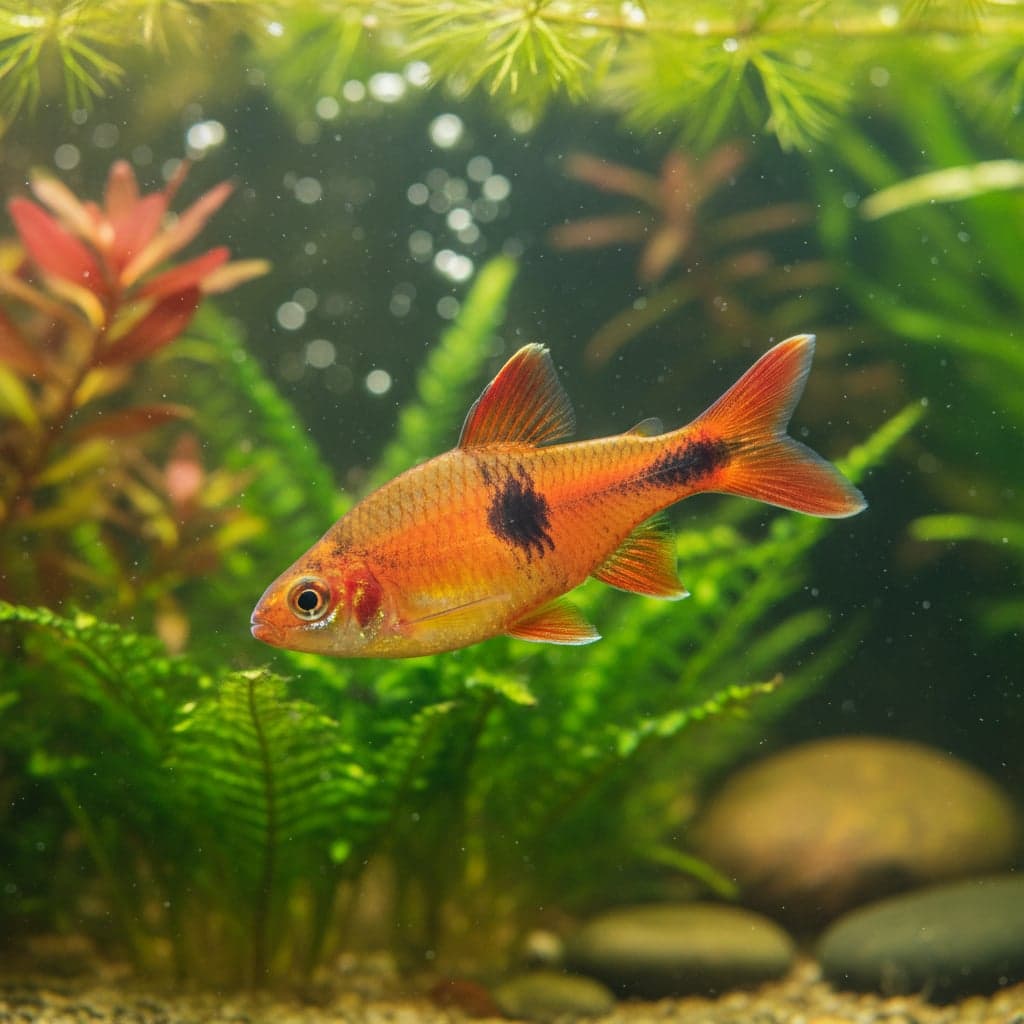
Sunset Barb
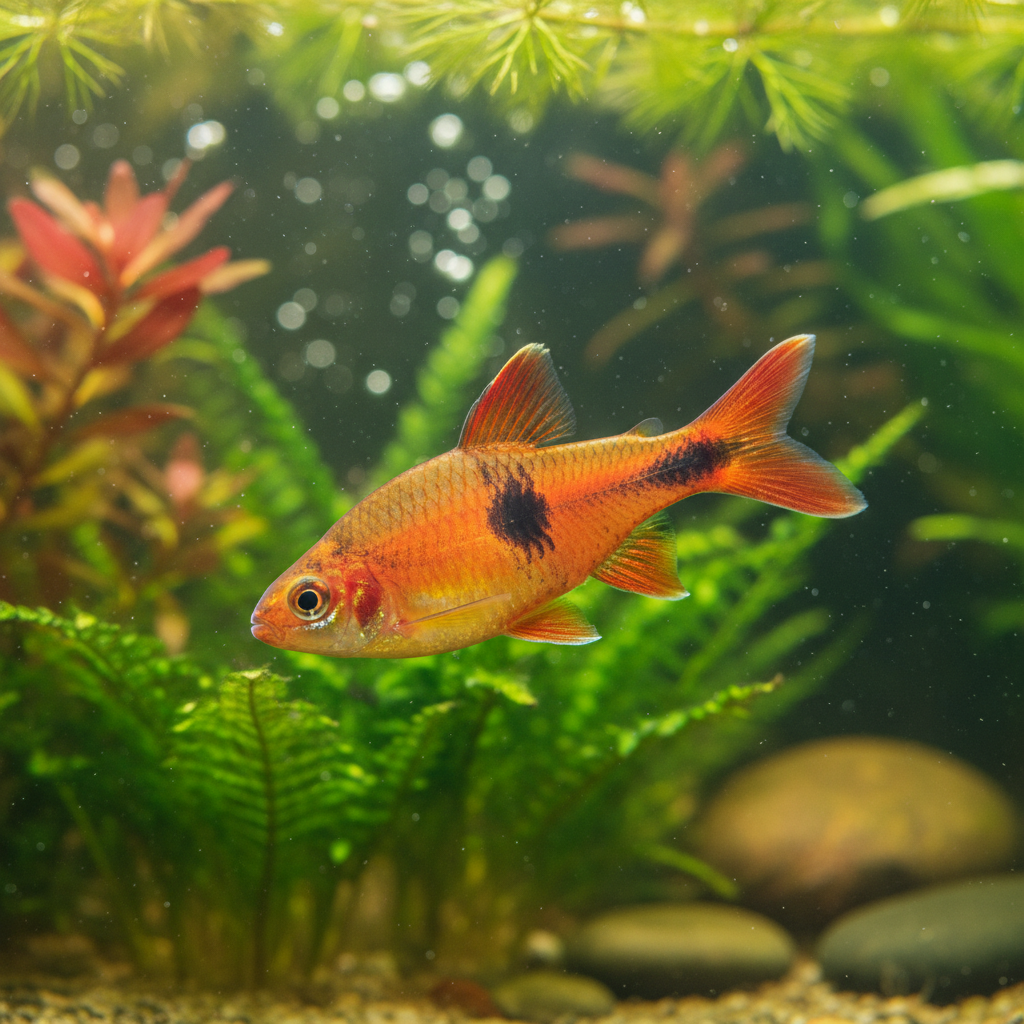
The Sunset Barb, scientifically known as Puntius phutunio, is a visually striking freshwater fish that has garnered attention within the aquarium hobby for its vibrant colors and peaceful demeanor. Typically exhibiting a stunning mix of orange, yellow, and black hues, the Sunset Barb showcases a distinctive coloration pattern that resembles a beautiful sunset. This visual appeal makes it an excellent choice for both novice aquarists and experienced enthusiasts looking to enhance their aquarium's aesthetic. Its shimmering scales and lively movements add dynamism to community tanks, contributing not just to the beauty of the setup but also to the overall health and activity levels within the aquatic environment.
This species is notable not just for its appearance but also for its sociable nature. The Sunset Barb thrives in groups, exhibiting schooling behavior that makes for a captivating display as they dart around the tank in unison. Their gentle temperament and adaptability have made them a popular choice in aquascaping and community tanks. By favoring peaceful cohabitation with various species, the Sunset Barb holds a significant role in the aquarium trade, often serving as a bridge for beginners who aspire to create harmonious tank environments.
Natural Habitat & Origin
The Sunset Barb originates from the clear waters of Southeast Asia, specifically found in countries like Myanmar and Thailand, where it inhabits slow-moving streams, rivers, and reservoirs. These fish thrive in freshwater environments characterized by a diverse ecosystem, often situated within dense vegetation that offers shelter and foraging opportunities. The natural habitat typically features dark substrates, with plenty of plants and roots that help create hiding spots, mimicking the conditions they prefer in captivity.
In the wild, the Sunset Barb is often exposed to a variety of water conditions, but it thrives best in slightly acidic to neutral waters, which teems with organic material and is rich in biodiversity. The water parameters in these habitats are usually low in hardness, and the dark water characteristically comes from decomposing plant matter and sediment, imparting a slight tint to the water. Understanding this natural context is crucial for replicating a suitable environment in an aquarium setting.
Care Requirements
To maintain the health and vitality of the Sunset Barb, certain water parameters should be carefully regulated. Ideally, the pH level should be maintained between 6.0 and 7.5, with a water temperature ranging from 24°C to 28°C (75°F to 82°F). A general hardness of 2-10 dGH is preferred, as softer water conditions mimic their natural habitat.
When setting up a tank for Sunset Barbs, a minimum tank size of 20 gallons is recommended to provide ample swimming space for the fish. The substrate can be soft, dark sand or fine gravel, which not only benefits the fish but enhances their visibility due to their bright coloration. Lighting should mimic natural conditions—moderate lighting with shaded areas created by plants and decorations will help replicate their habitat. Live plants are highly encouraged, as they not only provide cover but also contribute to greater water quality and stability.
Diet & Feeding
Sunset Barbs are omnivorous and thrive on a varied diet that consists of both plant and animal matter. In captivity, they do well with high-quality flake food, pellets, and granules designed for freshwater fish. Supplementing their diet with frozen or live foods like daphnia, brine shrimp, and bloodworms can enhance their health, vibrancy, and overall nutrition. It is essential to provide them with a balanced diet to encourage proper growth and maintain their lively disposition. Feeding should occur once or twice daily, ensuring that portions are small enough to be consumed within a few minutes to maintain water quality.
Behavior & Temperament
The Sunset Barb is known for its social behavior, exhibiting strong schooling habits that necessitate keeping them in groups of six or more. This schooling behavior promotes a sense of security among the fish and lessens stress, as they feel more comfortable in numbers. Typically, Sunset Barbs are peaceful and can be kept in community tanks alongside other non-aggressive fish. However, they may display minor displays of dominance during feeding or territorial disputes, usually resolved without serious aggression.
In terms of vertical placement, Sunset Barbs are active swimmers, often occupying the middle and upper levels of the aquarium. Providing ample swimming space throughout the tank is essential for their well-being, as they enjoy darting through the water and exploring their environment.
Tank Mates
When choosing tank mates for the Sunset Barb, it is best to select species that share a similar temperament and environmental needs. Ideal tank mates include community-friendly species such as Neon Tetras, Corydoras Catfish, Guppies, and other small to medium-sized barbs. Avoid pairing them with overly aggressive fish, such as Cichlids or larger predators, which may stress or harm the more docile Sunset Barb.
Additionally, when creating a community tank with Sunset Barbs, consider including species that occupy different vertical spaces to reduce territorial conflicts and ensure a harmonious environment.
Breeding
Breeding Sunset Barbs in captivity can be an enriching experience, though it requires specific conditions to be successful. These fish are egg scatterers and generally spawn during the morning or evening hours. To encourage breeding, set up a separate breeding tank with fine-leaved plants or a spawning mop where adults can lay eggs securely. Water parameters should be kept within the ideal range—soft, slightly acidic water—while maintaining a temperature around 25°C to 27°C (77°F to 81°F).
Once spawning occurs, adults should be removed from the tank, as they may consume the eggs. The eggs typically hatch in 24 to 36 hours, and the fry should be fed infusoria or powdered fry food until they can consume larger foods. Maintaining stable water conditions and monitoring for any potential issues is critical to ensuring a successful breeding outcome.
Common Health Issues
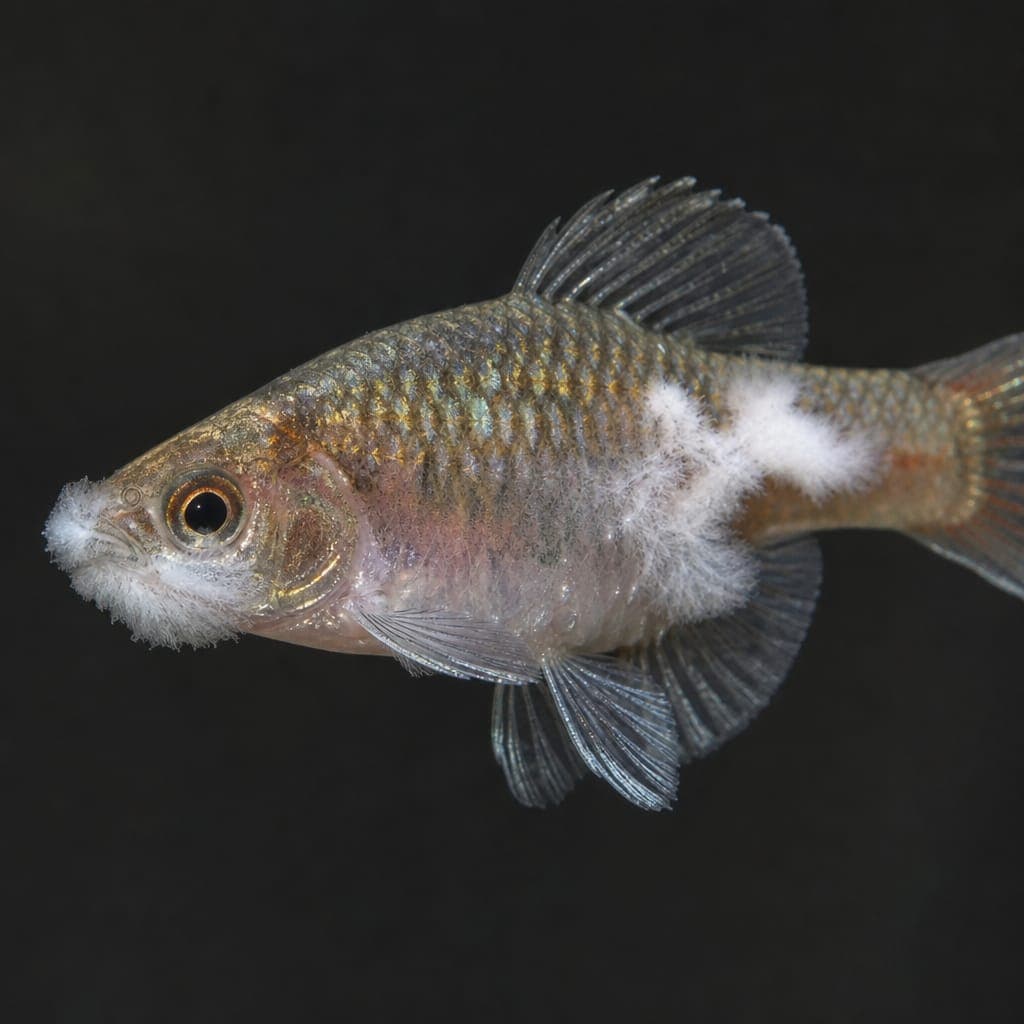
While Sunset Barbs are generally hardy fish, they can be susceptible to common freshwater diseases if water quality is not adequately maintained. Some potential health issues include Ich (white spot disease), fin rot, and fungus infections. To prevent these conditions, it is crucial to keep the aquarium clean, perform regular water changes, and monitor water parameters closely.
Additionally, a stress-free environment with suitable tank mates can drastically reduce the likelihood of illness. Promptly quarantine any new additions to the aquarium to prevent the introduction of diseases. Regularly observing the Sunset Barbs for any signs of distress or disease can aid in early intervention and treatment, ensuring their long-term health and vitality in your aquarium.