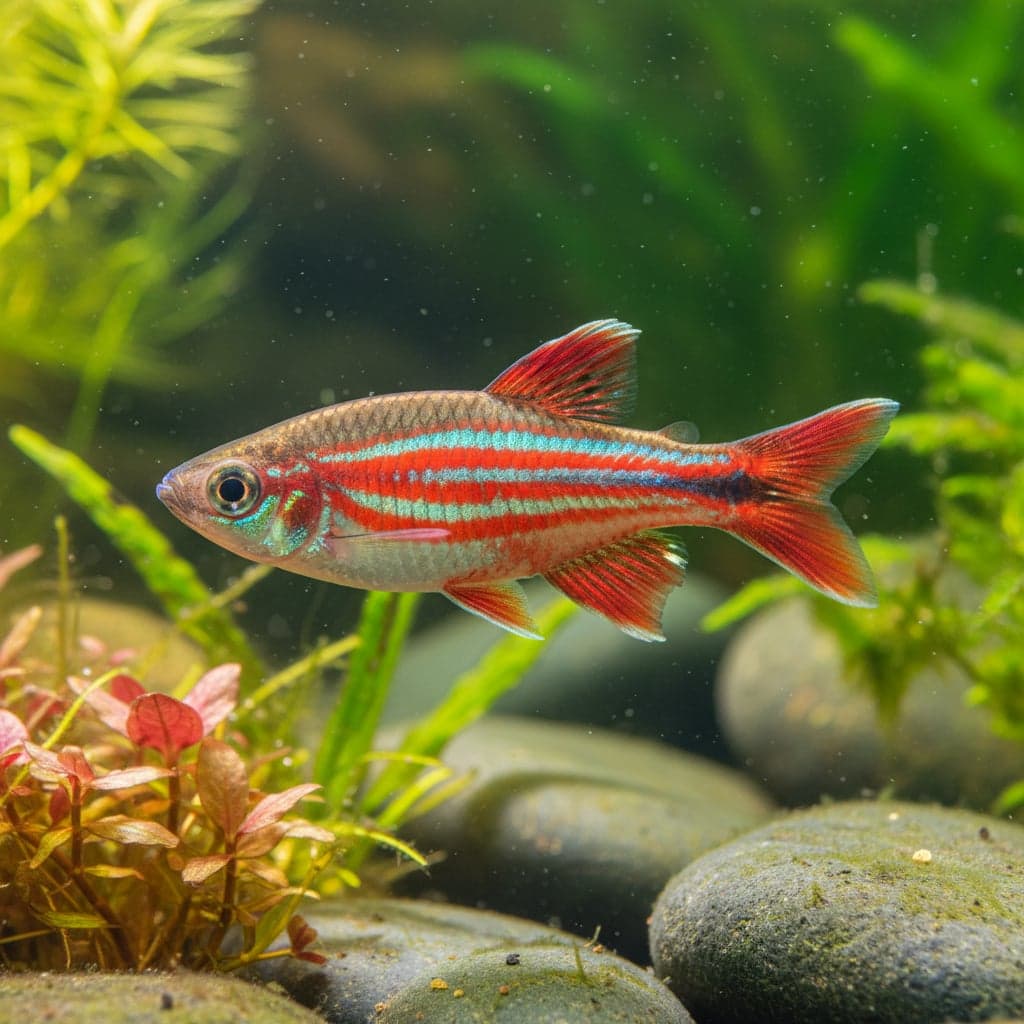
Sunset Dwarf Rainbowfish: Melanotaenia parva
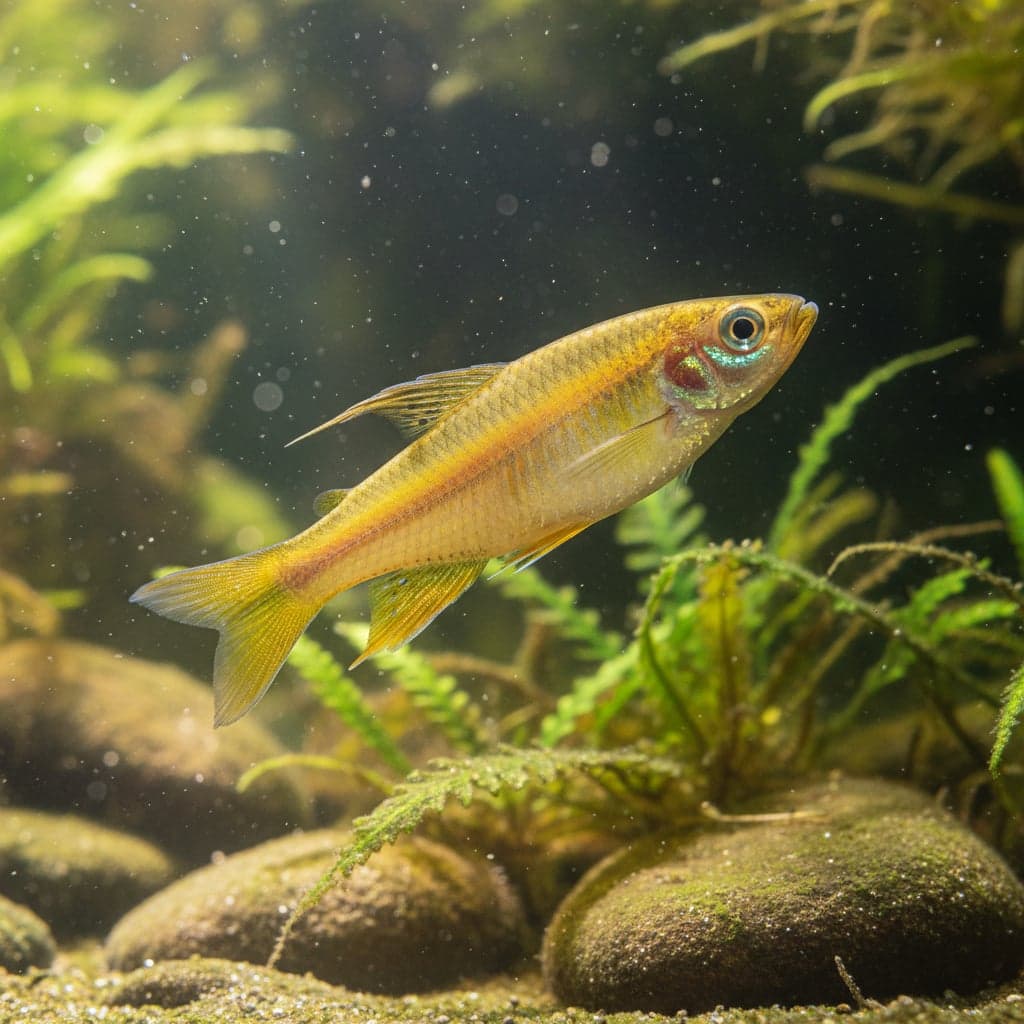
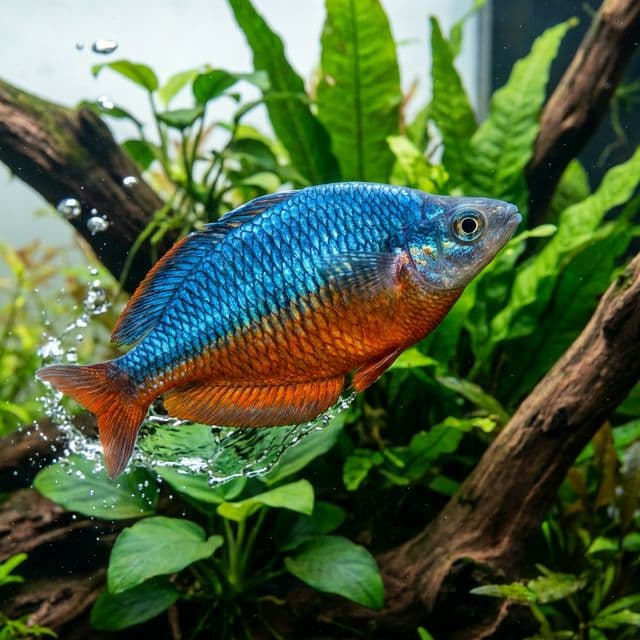
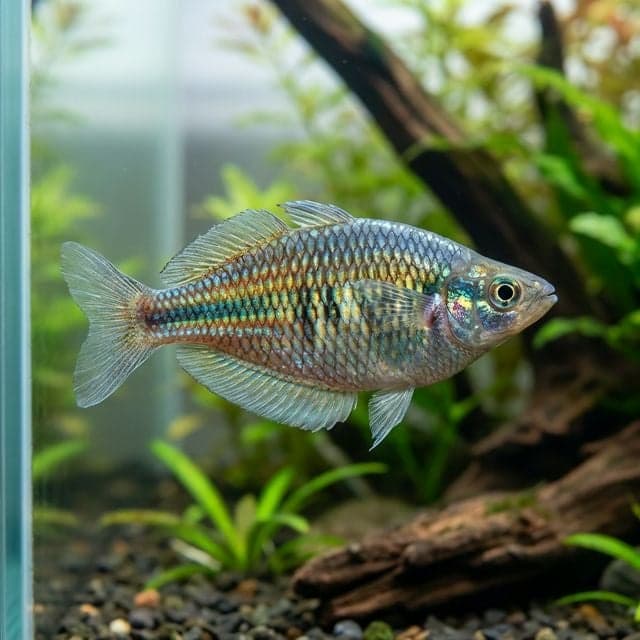
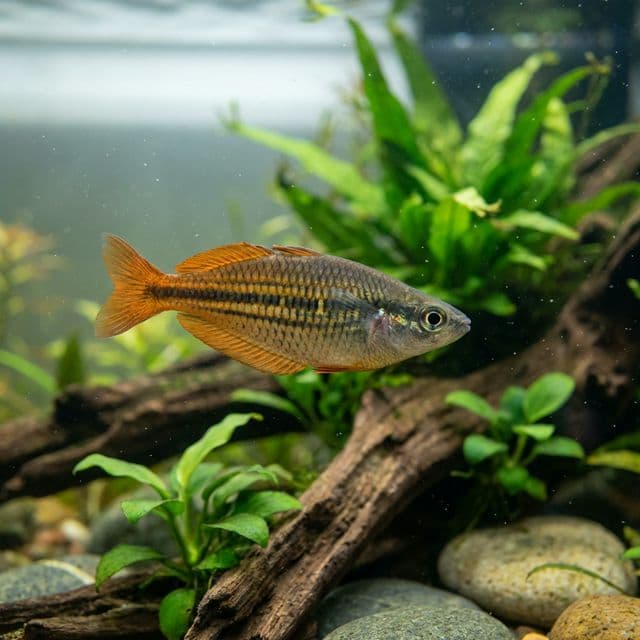
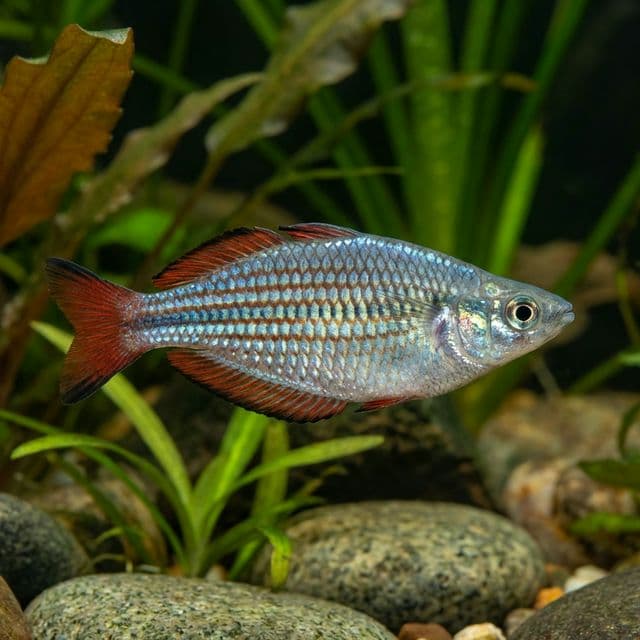
A 6cm rainbowfish that deepens from yellow to red as it matures. Peaceful and hardy, best in a group of six or more in hard water.
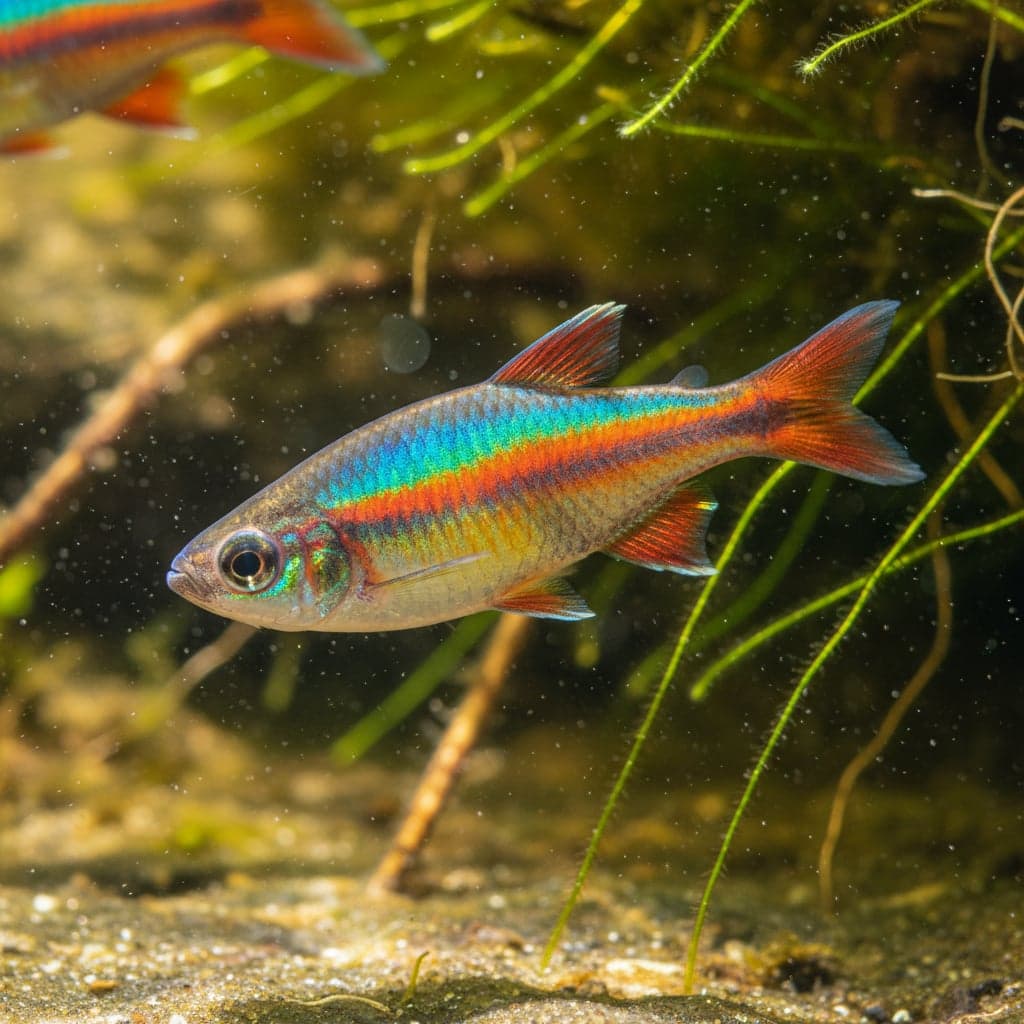
Sunset Dwarf Rainbowfish
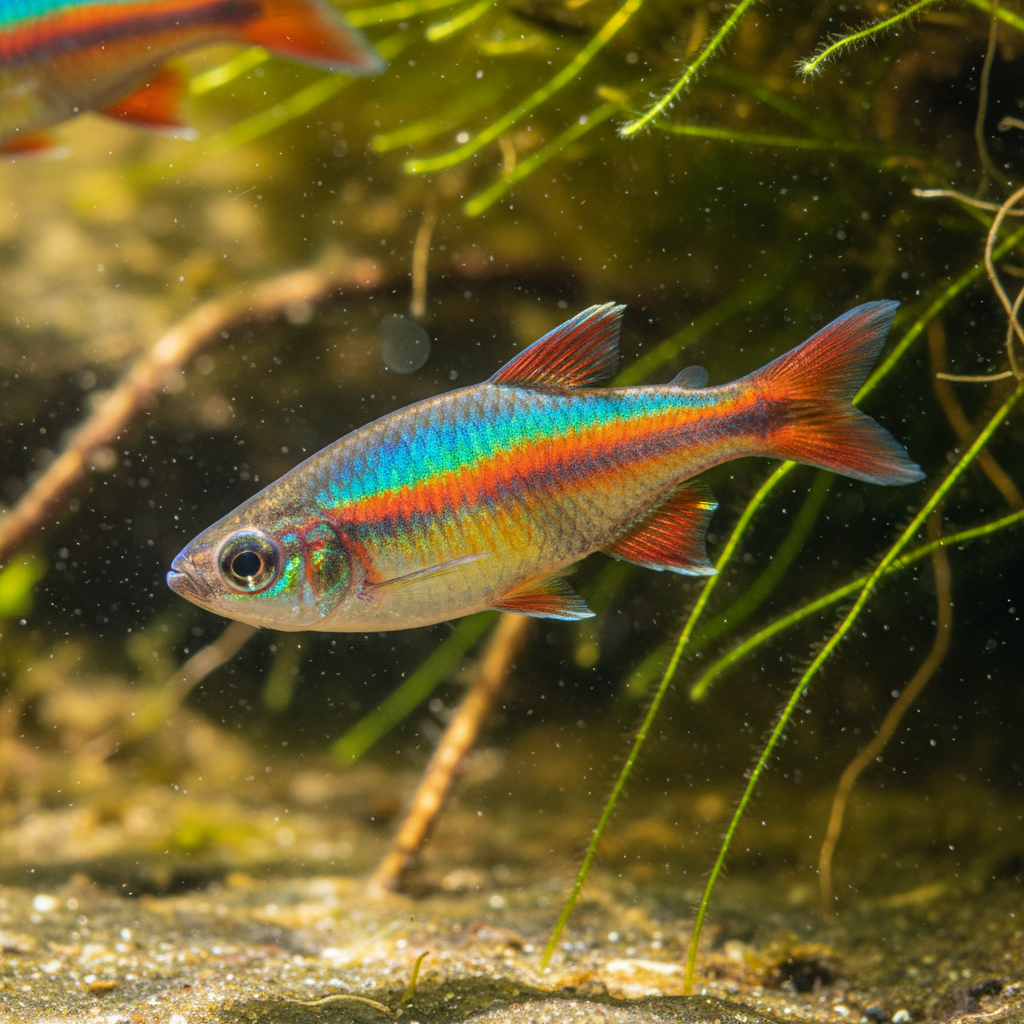
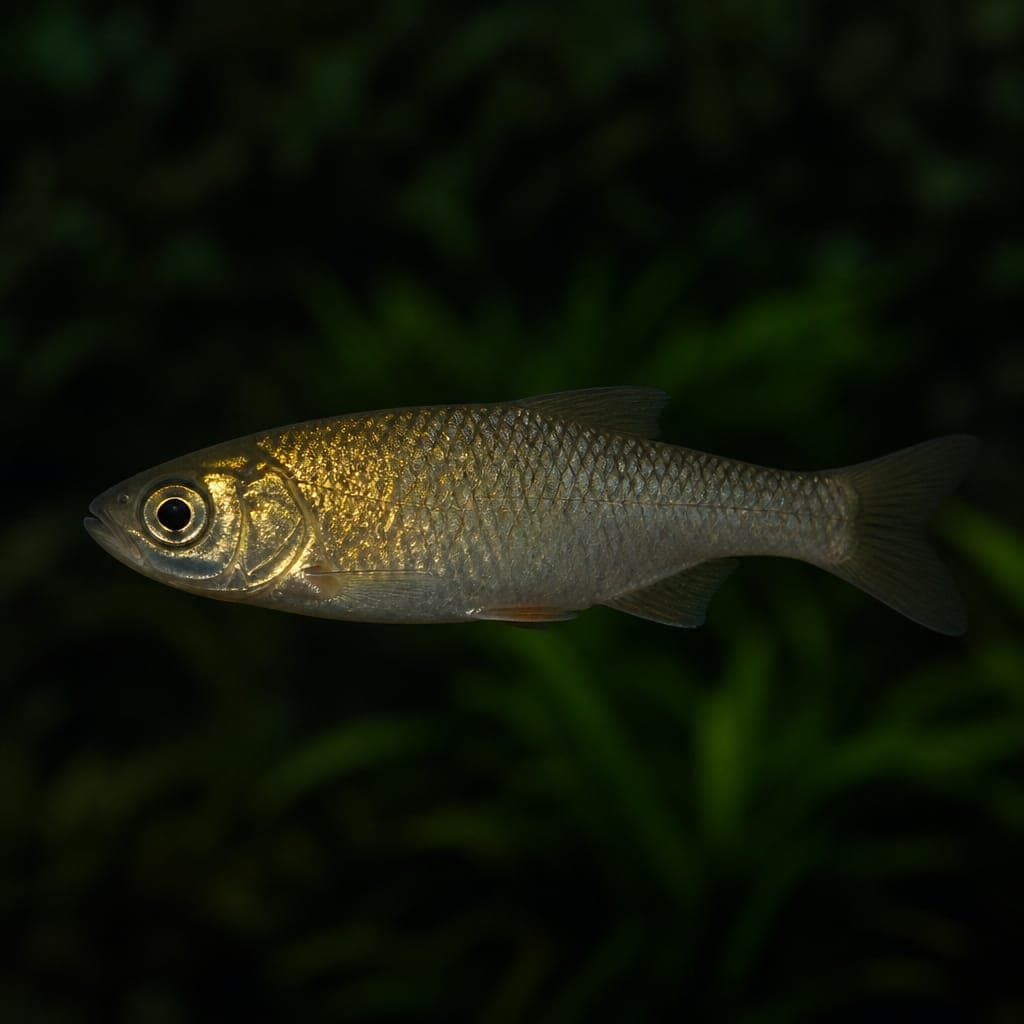
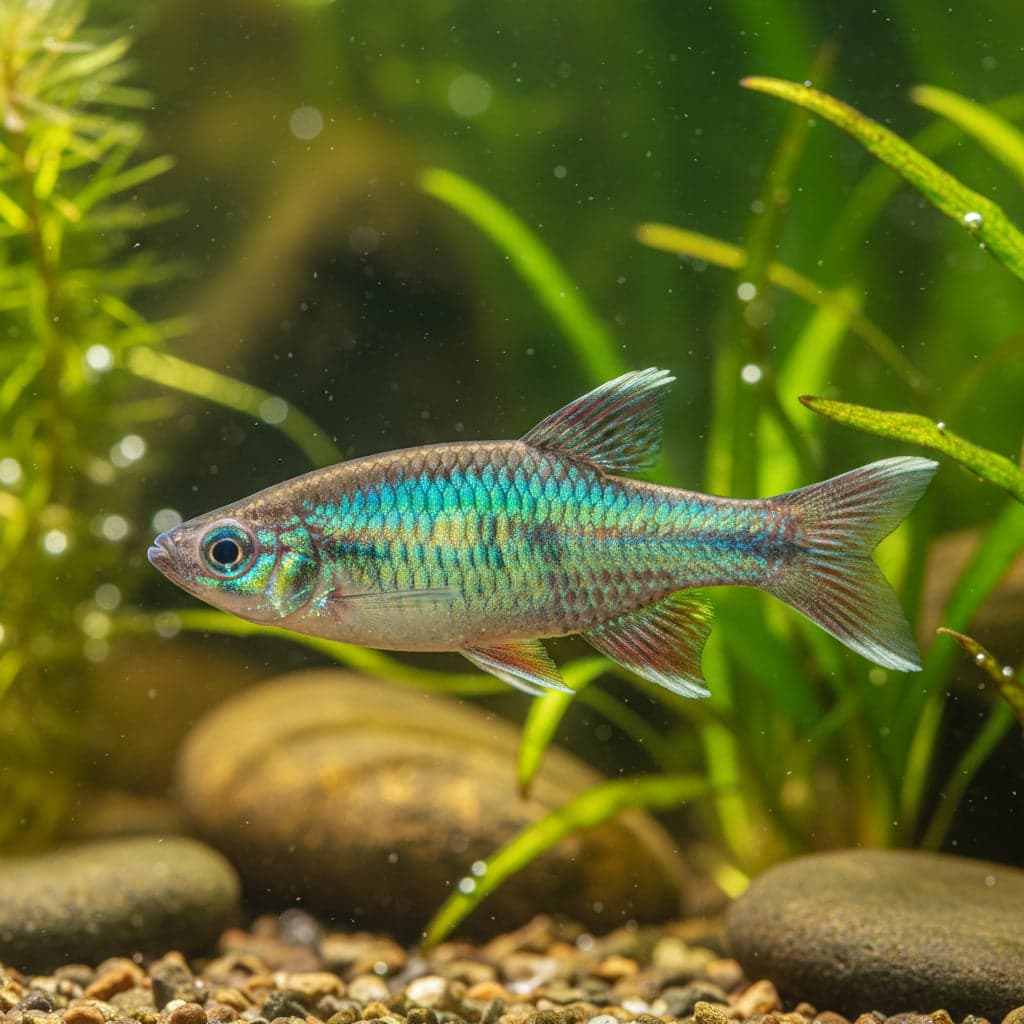
The Sunset Dwarf Rainbowfish, scientifically known as Melanotaenia parva, is a strikingly vibrant freshwater fish that has caught the admiration of aquarists around the globe. This small species, typically reaching a maximum length of 2 inches, boasts a captivating spectrum of colors that can range from rich yellows and oranges to dazzling blues and greens. The coloration is especially prominent in males, who exhibit intense hues during breeding and when displaying to their peers. With its slender body and graceful movements, the Sunset Dwarf Rainbowfish adds a dynamic visual appeal to any community aquarium, making it a favorite choice among enthusiasts looking to create visually stunning setups.
Significantly, the Sunset Dwarf Rainbowfish plays an essential role in the aquarium hobby due to its peaceful demeanor and easy care requirements, making it suitable for both beginner and experienced aquarists. Its active and social nature encourages the formation of lively schools, adding energy and life to the aquarium environment. Additionally, the species is known for its resilience and adaptability across various habitat conditions, enhancing its desirability within the diverse world of freshwater fishes. With the right care and setup, these fish can thrive in a home aquarium, contributing not only to its aesthetic but also to the overall biodiversity and ecological balance.
Natural Habitat & Origin
The Sunset Dwarf Rainbowfish is native to the freshwater rivers and streams of Papua New Guinea and parts of Northern Australia. These regions are characterized by their soft, clear waters that flow through dense tropical vegetation, creating a lush environment enriched with natural cover. The fish are typically found in areas with slow-moving waters, where vegetation provides ample hiding spots and breeding sites. The habitat often features a mix of sandy substrates, submerged logs, and plant life, which contribute to the ecological richness the species thrives in.
In its natural habitat, the water is typically low in dissolved solids, with pH levels ranging from 6.5 to 7.5. Temperatures usually hover around 23-28°C (73-82°F). This combination of parameters not only maintains the delicate balance required for the Sunset Dwarf Rainbowfish’s wellbeing but also highlights the aesthetic beauty of their surroundings, as they adapt to life among submerged foliage and drifting detritus.
Care Requirements
To successfully maintain Sunset Dwarf Rainbowfish in a home aquarium, it is crucial to replicate the conditions of their natural habitat. A minimum tank size of 20 gallons is recommended, as schooling species thrive better in larger environments. A substrate composed of fine gravel or sand can accommodate their natural foraging behavior while ensuring comfort. When it comes to lighting, moderate levels are ideal, preferably aquarium-specific LED lights that do not stress the fishes or promote excessive algae growth.
Water parameters should be meticulously maintained with a pH between 6.5 and 7.5, a temperature range of 23-28°C (73-82°F), and hardness between 5-15 dGH. Frequent water changes and effective filtration help sustain a clean and stable environment, further enhancing the fish's coloration and overall health. Adding plenty of plants, such as Java fern or crypts, along with open swimming spaces, fosters a naturalistic environment that allows these fish to exhibit their full range of natural behaviors.
Diet & Feeding
The Sunset Dwarf Rainbowfish is primarily an omnivore, enjoying a varied diet that contributes to its vibrant coloration and overall health. In captivity, providing a well-balanced diet is essential; high-quality flakes or small pellets form the base. Additionally, incorporating frozen or live foods, such as brine shrimp, daphnia, or bloodworms, helps to enrich their diet and promote their natural feeding instincts. Feeding small portions two to three times a day allows this fish to remain active and healthy while ensuring waste is kept to a minimum.
When selecting food, look for options designed for small freshwater fish that include both protein and vegetable matter. This not only helps to maintain a balanced diet but also reflects the diverse food sources they might find in their natural habitat. Offering occasional treats of plant matter, such as blanched spinach or spirulina, further diversifies their meal plan and enhances their overall vitality.
Behavior & Temperament
The Sunset Dwarf Rainbowfish is renowned for its peaceful disposition, making it an ideal candidate for community tanks. These fish exhibit strong schooling behaviors, and keeping them in groups of six or more will bring out their best qualities. They are active swimmers, often occupying the upper to mid-level areas of the aquarium while darting among vegetation and exploring their surroundings. Their sociable nature means they rarely show aggression, although males may display competitive behaviors during breeding.
As social creatures, the Sunset Dwarf Rainbowfish thrives when placed with other non-aggressive species. Their tendency to school not only enriches their own experience but also adds movement and interest to the aquarium. By providing adequate space and environmental enrichment, aquarists can create a dynamic display that showcases the beauty of their vibrant colors while ensuring the fish feel secure and comfortable in their habitat.
Tank Mates
When selecting tank mates for Sunset Dwarf Rainbowfish, it is essential to consider their peaceful and social nature. Suitable companions include gentle community fish such as neon tetras, rasboras, corydoras catfish, and dwarf gouramis. These species typically coexist harmoniously, enhancing the beauty and tranquility of the aquarium. Other small to medium-sized fish that share similar water requirements and temperament can also thrive alongside the Sunset Dwarf Rainbowfish.
Conversely, it is advisable to avoid larger, more aggressive fish that may intimidate or harm the delicate rainbowfish, such as cichlids or larger barbs. Additionally, fin-nipping species should be avoided, as they can disrupt the peace and stability these fish require. By carefully selecting tank mates that share similar behaviors and water conditions, aquarists can create a thriving ecosystem that highlights the unique charm of the Sunset Dwarf Rainbowfish.
Breeding
Breeding the Sunset Dwarf Rainbowfish in captivity is a rewarding experience, though it requires specific conditions to encourage spawning behavior. Typically, spawning occurs in well-planted tanks with gentle water flow, replicating their natural breeding environment. Conditioned breeding pairs should be fed a high-quality diet rich in live and nutritious foods to stimulate breeding readiness.
Once the fish are ready to breed, males will exhibit their brightest colors, engaging in elaborate courtship displays to attract females. Spawning usually occurs among dense vegetation, where females lay eggs adhesively on leaves. After spawning, it is recommended to remove adult fish from the breeding tank to prevent them from eating the eggs. The eggs typically hatch within 7-10 days, and once the fry are free-swimming, they can be fed infusoria or finely crushed flakes, gradually increasing their diet as they grow.
Common Health Issues
While the Sunset Dwarf Rainbowfish is generally hardy, they can be susceptible to a few common freshwater diseases if not properly cared for. Conditions such as ich (Ichthyophthirius multifiliis), fin rot, and velvet disease can occur, especially if water quality declines or stress levels rise. Maintaining stable water conditions through regular testing and performing routine water changes helps to prevent these issues.
Additionally, providing a varied diet and avoiding overcrowding can reduce stress and enhance overall health. Quarantining new arrivals before introducing them into the main tank is advisable to minimize the risk of disease transmission. With stable water parameters, high-quality food, and a clean environment, Sunset Dwarf Rainbowfish will thrive and maintain their radiant colors.