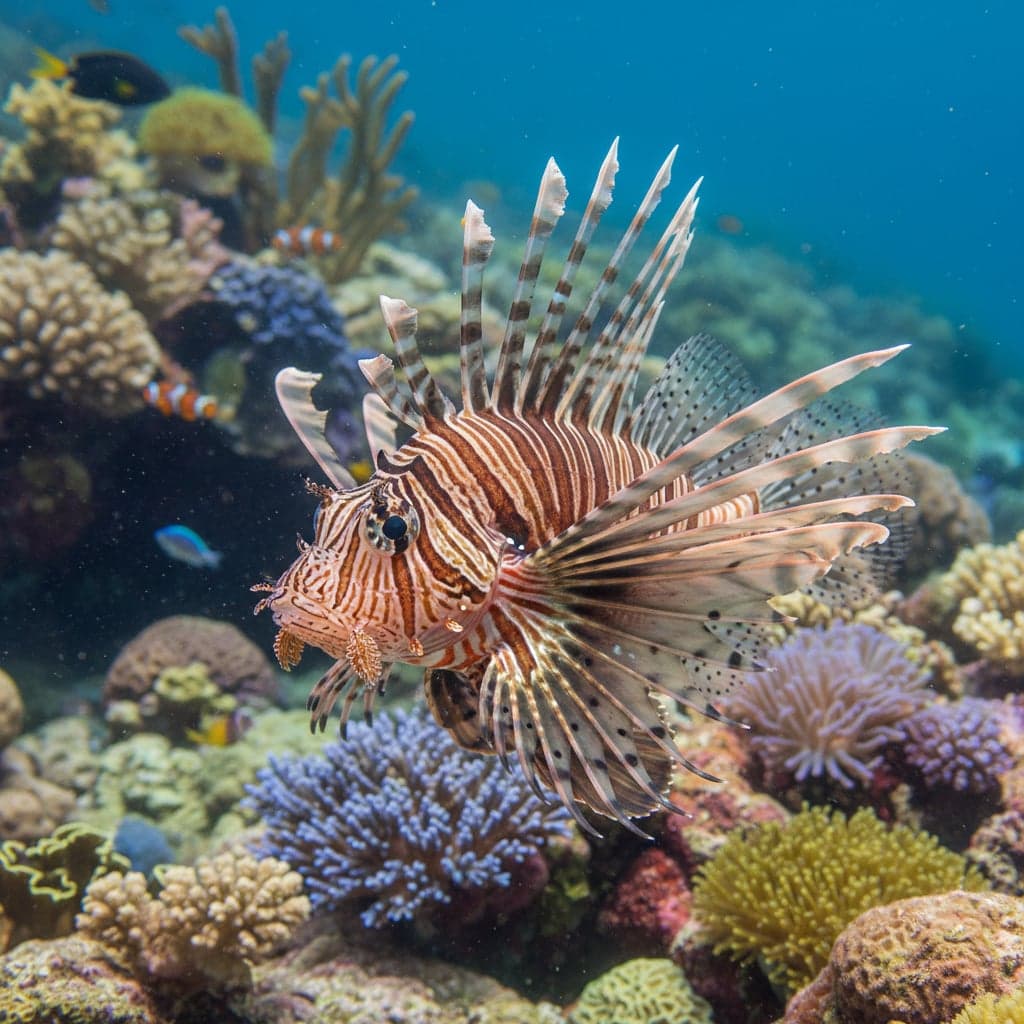
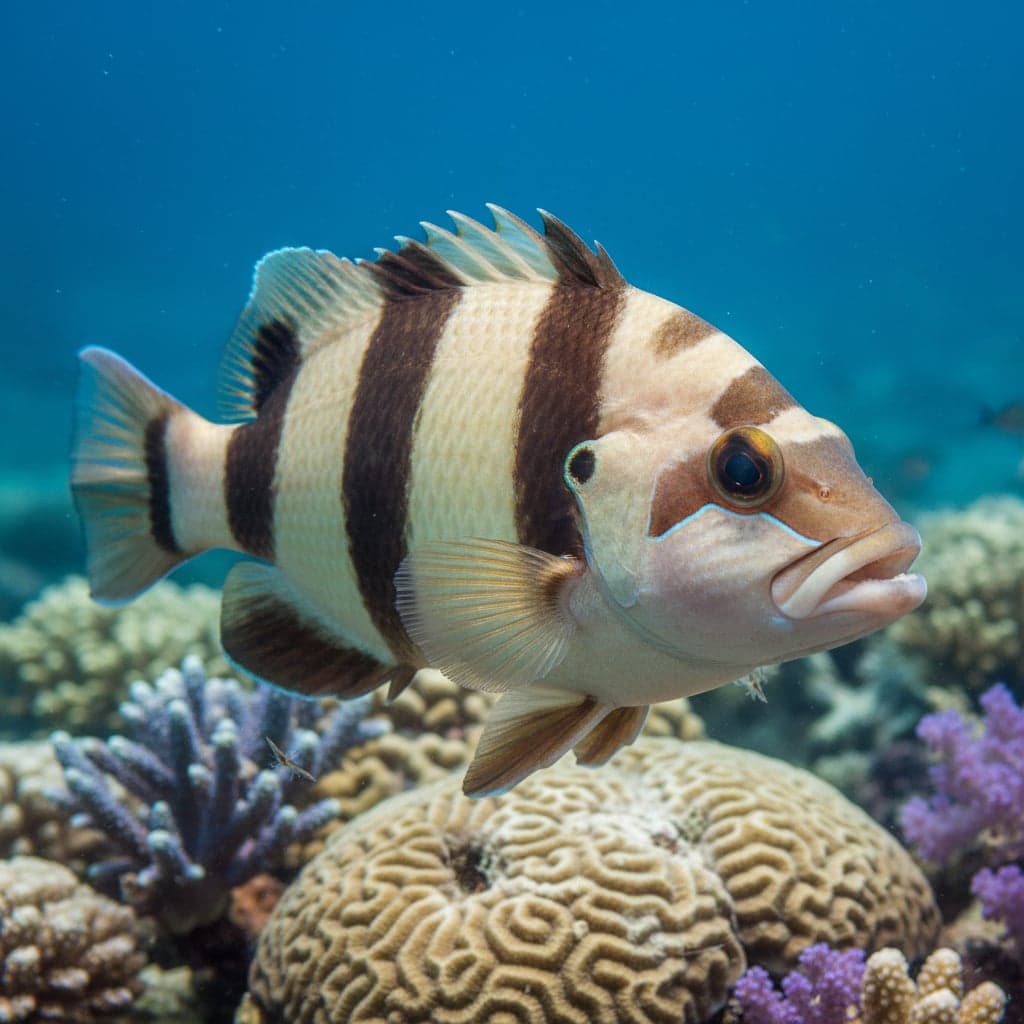
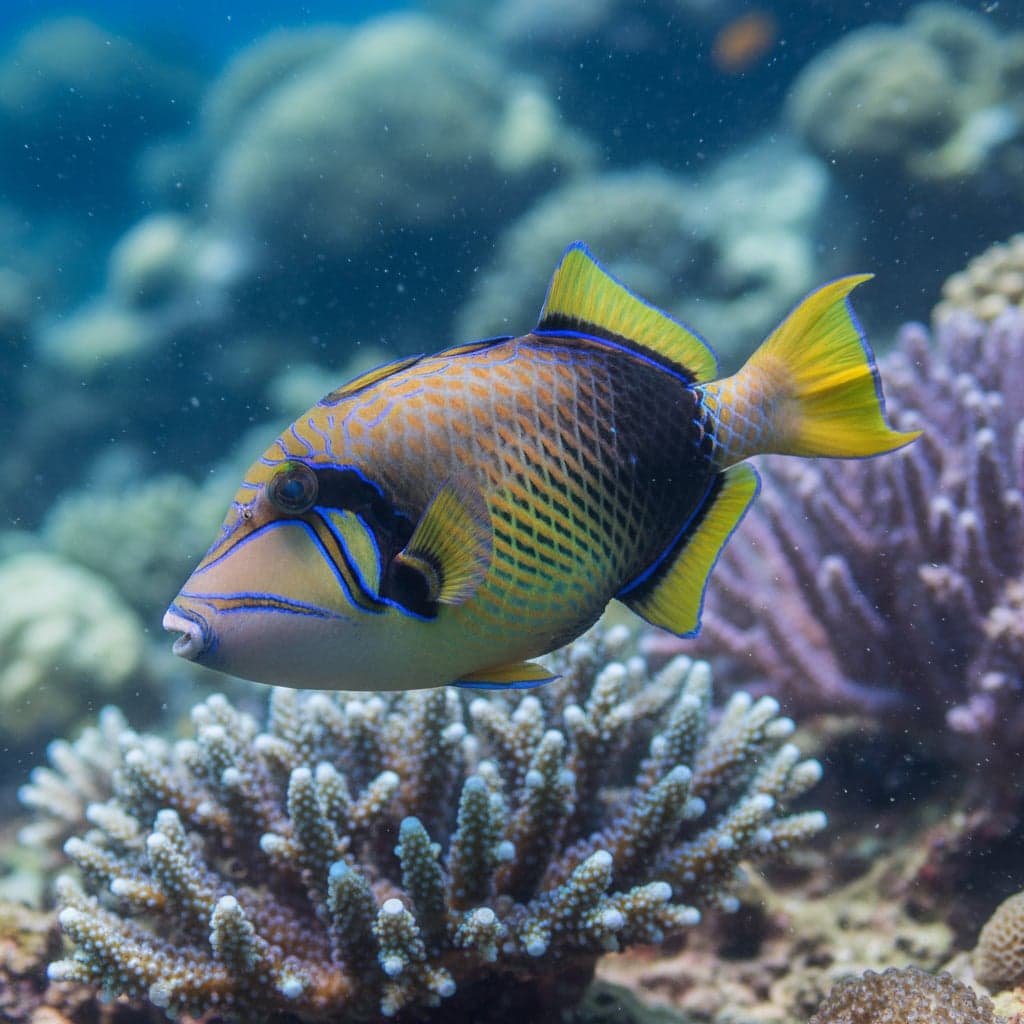
Sunset Wrasse
The Sunset Wrasse (Thalassoma lutescens) is a hardy, brilliantly coloured Indo-Pacific wrasse — active and beautiful, but large, increasingly aggressive and a predator of invertebrates.

Sunset Wrasse
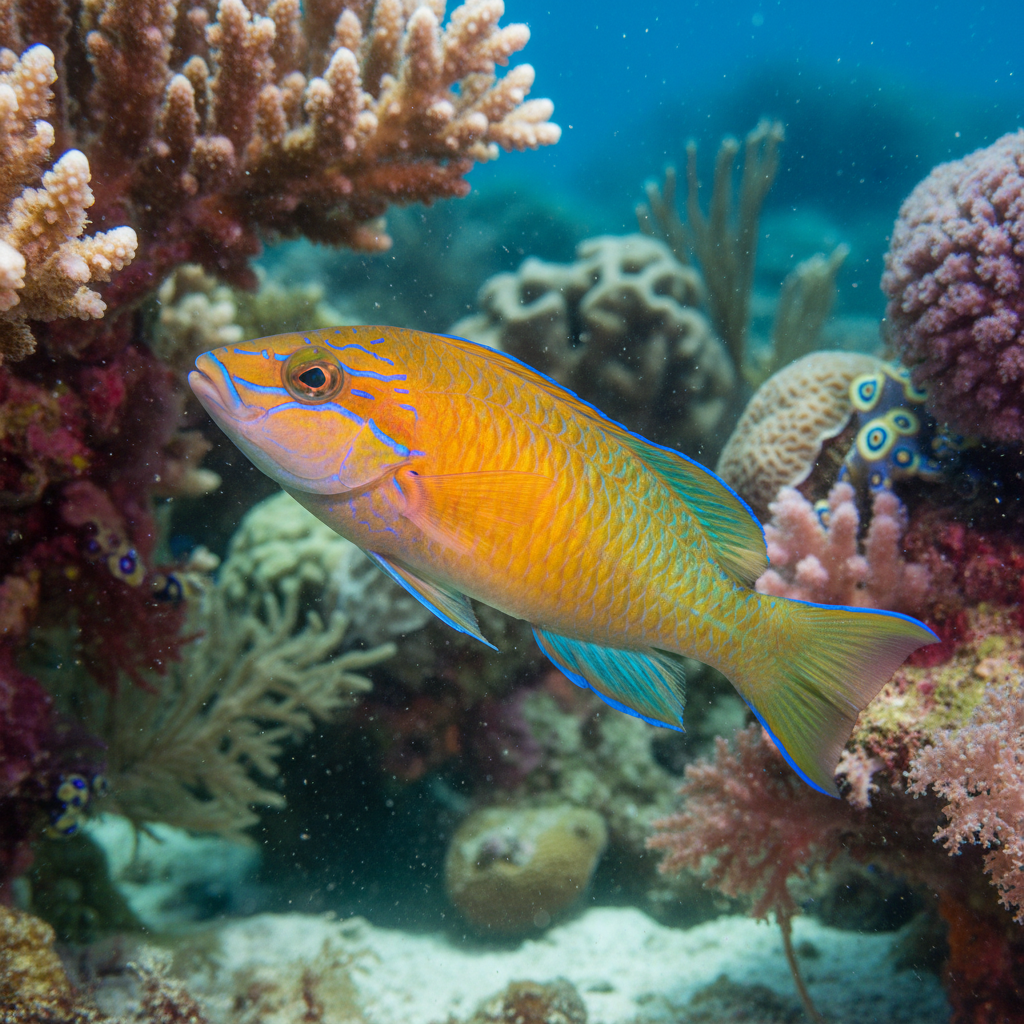
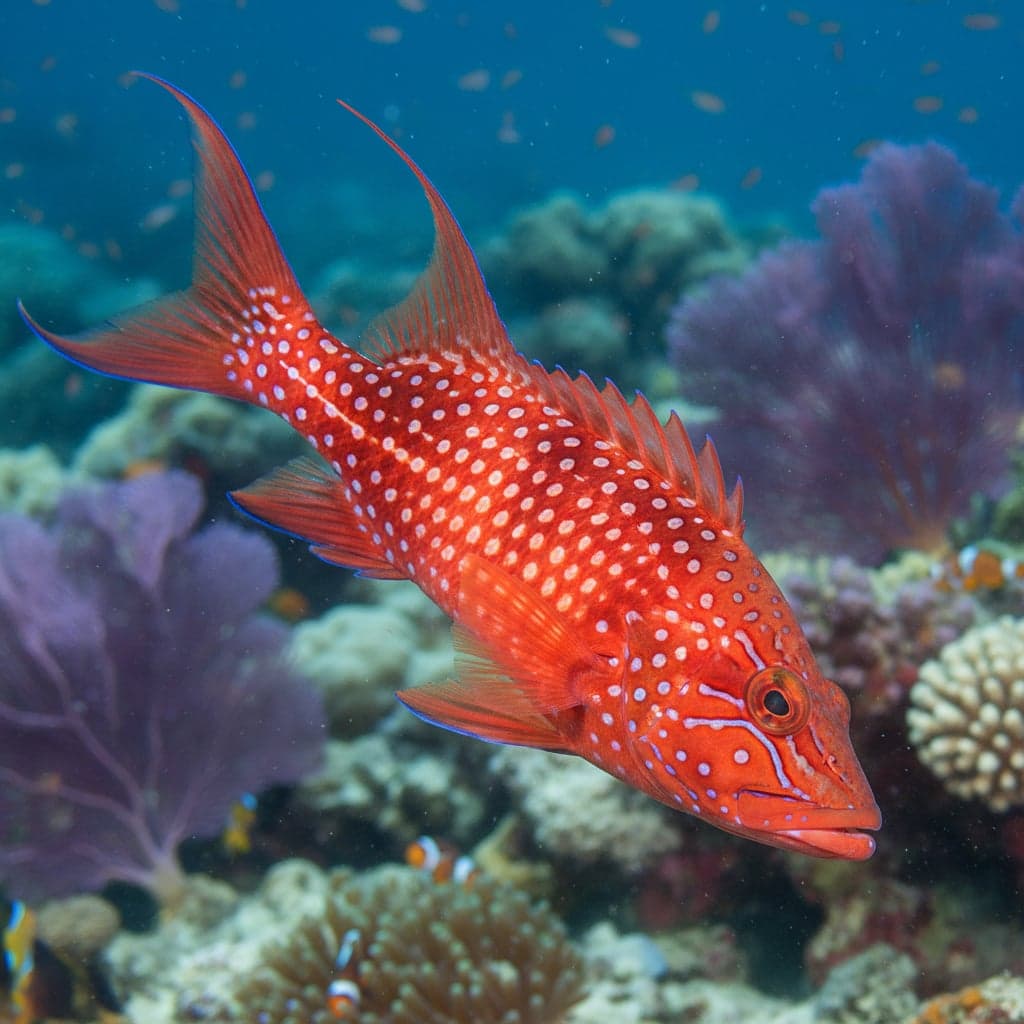
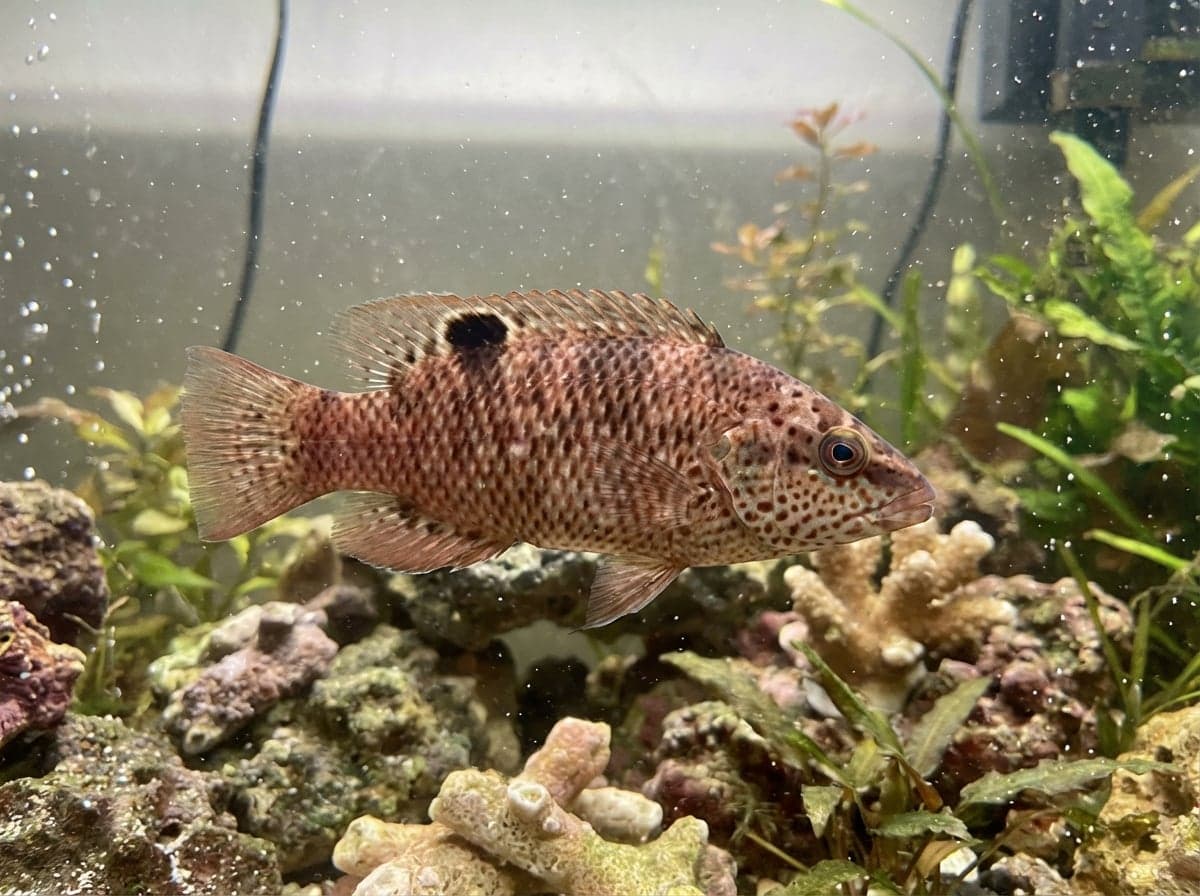
The Sunset Wrasse (Thalassoma lutescens), also sold as the yellow-brown or green moon wrasse, is a restless Indo-Pacific Thalassoma built for open water and hard rock. Terminal-phase males glow green and yellow with a pink-streaked face and electric eye; females and juveniles stay warmer yellow-brown before the adult palette locks in. It is closely related to the lyretail wrasse (Thalassoma lunare) and shares the same husbandry truth: hardy, always moving, increasingly assertive with size, and a confirmed hunter of small invertebrates.
It belongs in a robust fish-only or fish-with-hardy-coral system with real swimming length — not a delicate SPS reef and not a nano “colour accent.”
Frontmatter lists Solitary because captive Thalassoma of this size rarely share a tank peacefully. Wild fish may cruise reef flats in loose groups; in glass that almost always collapses into chasing once one fish decides the midwater lane is private property.
Natural Habitat & Origin
Thalassoma lutescens ranges widely across the tropical Indo-Pacific, from the central Pacific through much of the western Pacific and into adjacent Indo waters, over coral reefs, rocky reefs and shallow reef flats. It patrols midwater and hard substrate for small crustaceans, molluscs and other invertebrates, pausing only to sleep or bolt into sand when threatened. Like many wrasses, it buries in fine sand at night and when startled — that behaviour is not optional décor flavour; it is how the fish recovers and escapes.
In the aquarium recreate open lanes plus a deep enough fine sand bed to dive into, with live rock for hunting and overnight cover. A bare-bottom display forces constant pacing and denies the sleep refuge this genus expects. Strong flow suits a fish that lives where surge and current keep plankton and prey moving; dead corners do not.
Care Requirements
Stable marine water: salinity about 1.024–1.026, pH 8.1–8.4, temperature 24–26°C (75–79°F), ammonia and nitrite at zero. Adults reach around 25 cm (10 inches) and never stop swimming. Frontmatter minimum is about 340 litres (around 90 US gallons); prefer a long footprint over a tall cube. Volume without a straight run still produces a stressed, lid-testing Thalassoma.
A gap-free lid or mesh cover is mandatory. These wrasses jump when chasing, spooked, or simply exploring the surface film. Quarantine every arrival — hardiness after settling does not cancel marine ich or velvet risk from shipping. Run a proper quarantine protocol before the display; copper and other medications belong in hospital tanks, not dumped on a mixed reef after spots appear.
Use the Aquarium Tracker to log salinity, temperature and change schedule. Chronic nitrate and oxygen neglect show up as dull colour and short temper long before the fish stops eating.
Diet & Feeding
Carnivore. Wild fish take small invertebrates and zooplankton through the day. In captivity offer frozen mysis, enriched brine, finely chopped seafood (shrimp, clam, squid), and quality marine pellets or granules once or twice daily. It is usually a voracious, reliable feeder once settled — refusal is a red flag for water quality, aggression stress or unresolved disease, not “pickiness.”
Do not rely on leftover microfauna in a polished reef to finish the diet. A large Thalassoma will strip easy prey and still need prepared meat. Keep body condition thick behind the pectorals; a hollow-looking high-energy wrasse is a feeding problem, not a “slim wild look.”
Behavior & Temperament
Semi-aggressive and increasingly territorial with age. Juveniles can look manageable in a community; adults often dominate midwater and harass slower or similarly shaped fish. Keep one per tank. Add it later in the stocking order so established residents already own territory — introducing a young sunset first and expecting later additions to “work it out” is how you get a wrasse that owns the whole glass box.
Boundless energy is normal, not a sign the tank is too small by itself — but constant glass pacing, jump attempts and relentless chasing mean the volume, lid or tankmate list is wrong. Net carefully; these fish thrash and slip gaps.
Tank Mates
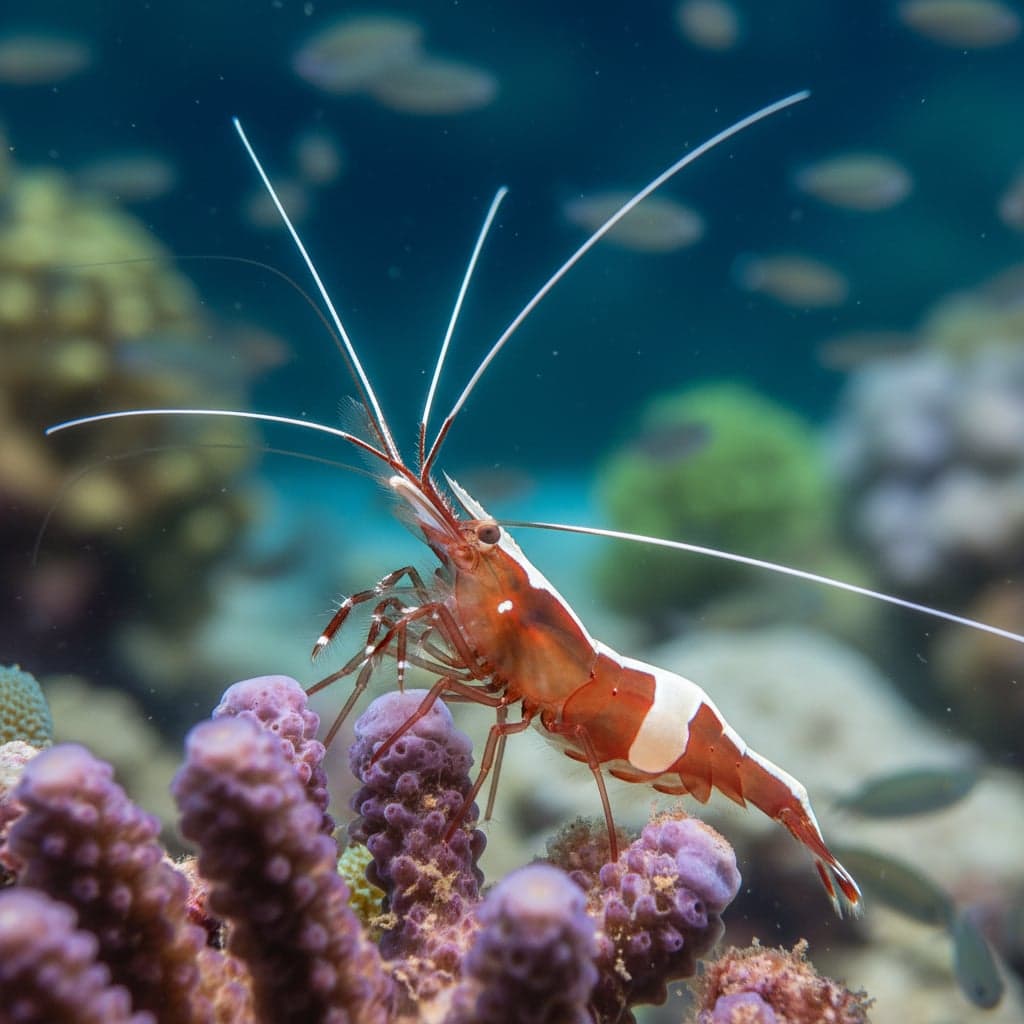
House with robust marine fish that hold their own: tangs in adequately sized systems, larger dissimilar wrasses, angelfish, triggers (with care), and other assertive community fish. Avoid small, timid fish, fancy shrimp, small crabs, snails you care about, and worms you keep as clean-up crew — this wrasse will hunt them. It is not reef-safe with mobile invertebrates. Corals may survive if hardy and the fish is not crashing through every branch for sport, but delicate SPS and soft-coral gardens are a poor match for a 25 cm Thalassoma in a standard reef.
If the goal is a peaceful invertebrate showpiece, choose a smaller, coral-safer wrasse genus instead. If the goal is colour and motion in a fish-forward system, the sunset earns its reputation.
Breeding
Thalassoma lutescens is a protogynous hermaphrodite and pelagic spawner. Larval rearing is beyond home aquaria; trade specimens are wild-collected. Sex change and terminal-phase colour are interesting biology, not a reason to stock “a pair” in 340 litres and hope for spawning success.
Common Health Issues
Among the hardier marine wrasses once settled, still liable to ich and velvet under shipping stress, and to jump deaths mislabeled as mysteries. Secure the lid before you diagnose disease. Sand-bed absence, chronic crowding and hunger amplify aggression and secondary infections.
Give it length to swim, sand to sleep in, meaty food on a schedule, one fish of its niche, and tankmates too large and too tough to become toys. Then the Sunset Wrasse is a brilliant, active centrepiece for intermediate keepers with honest tank size. Undersize the system or stock it over a shrimp garden and it becomes another pretty predator story.