Sven's Eartheater: Geophagus sveni
A 20cm eartheater that sifts sand constantly. Wants soft, warm, acidic water, deep fine sand and a group of five or more.
Sven's Eartheater
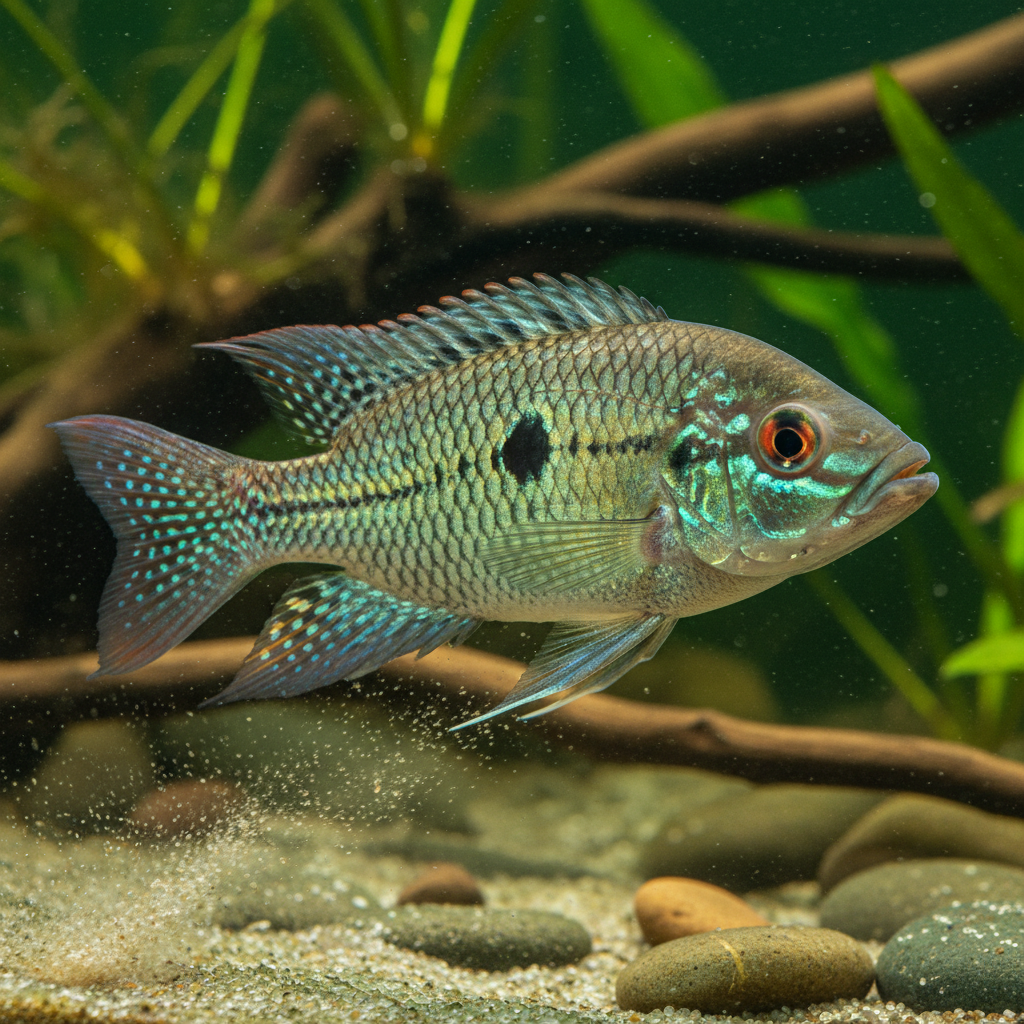
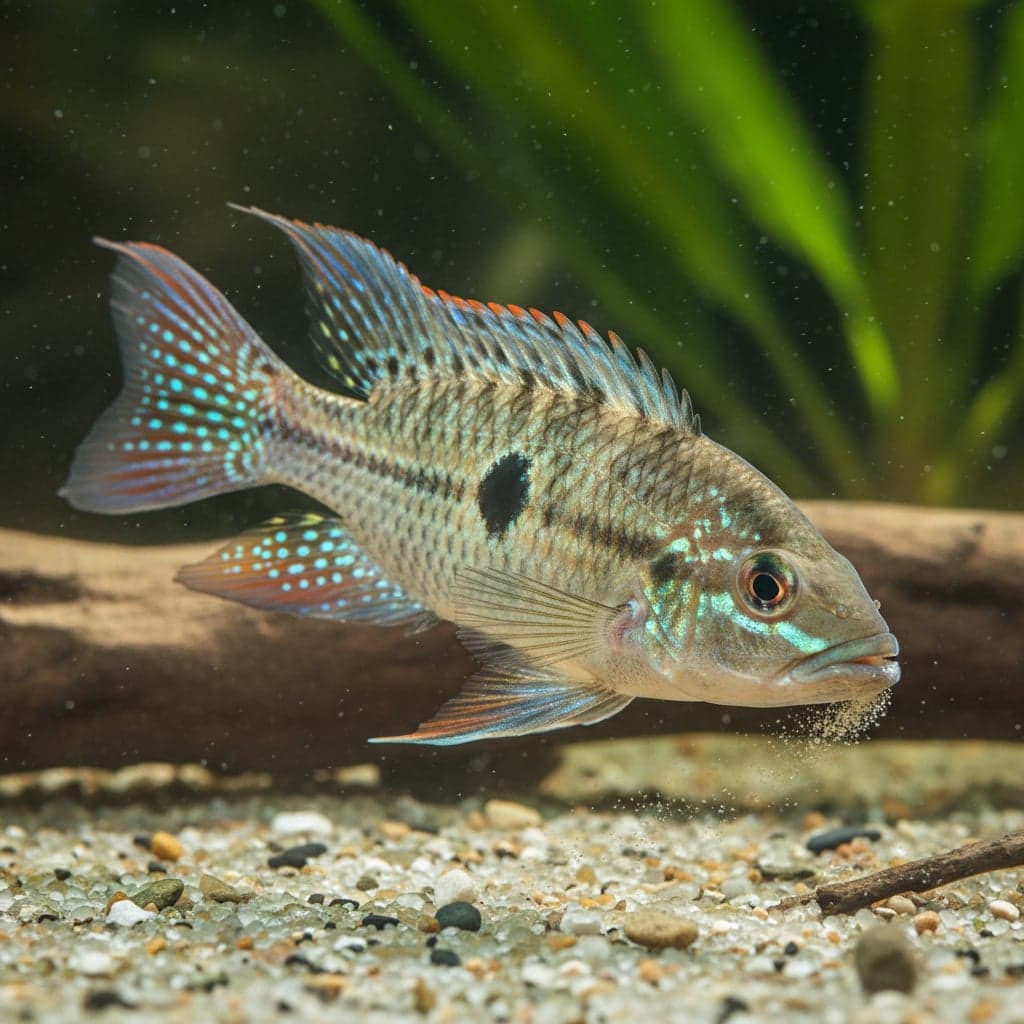
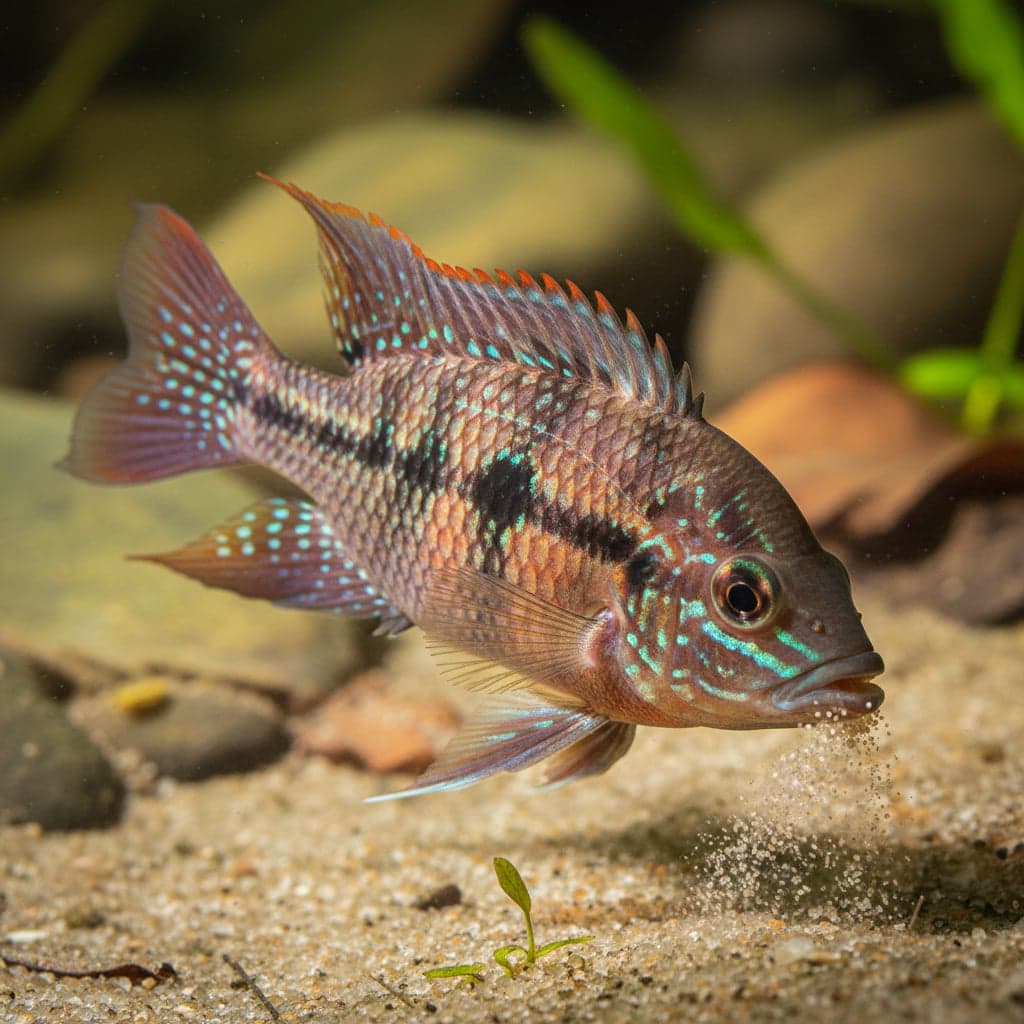
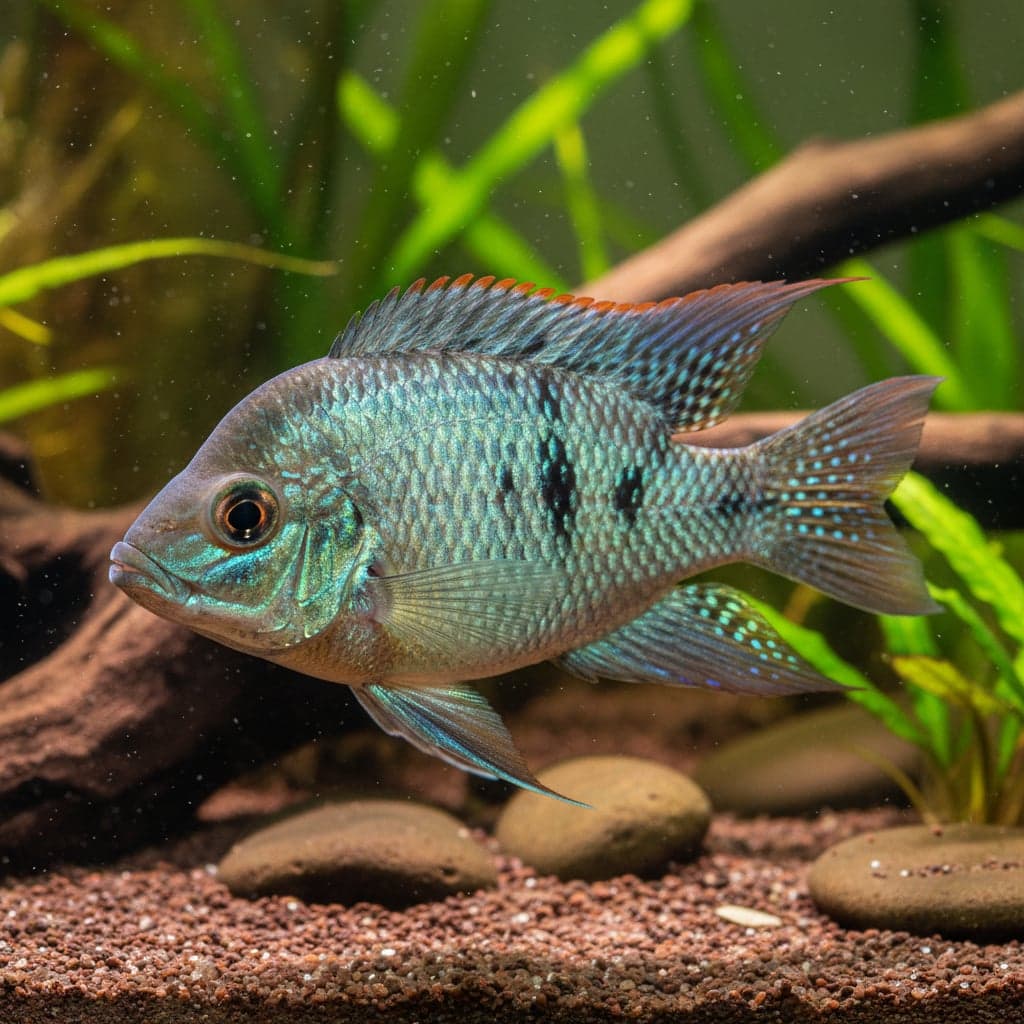
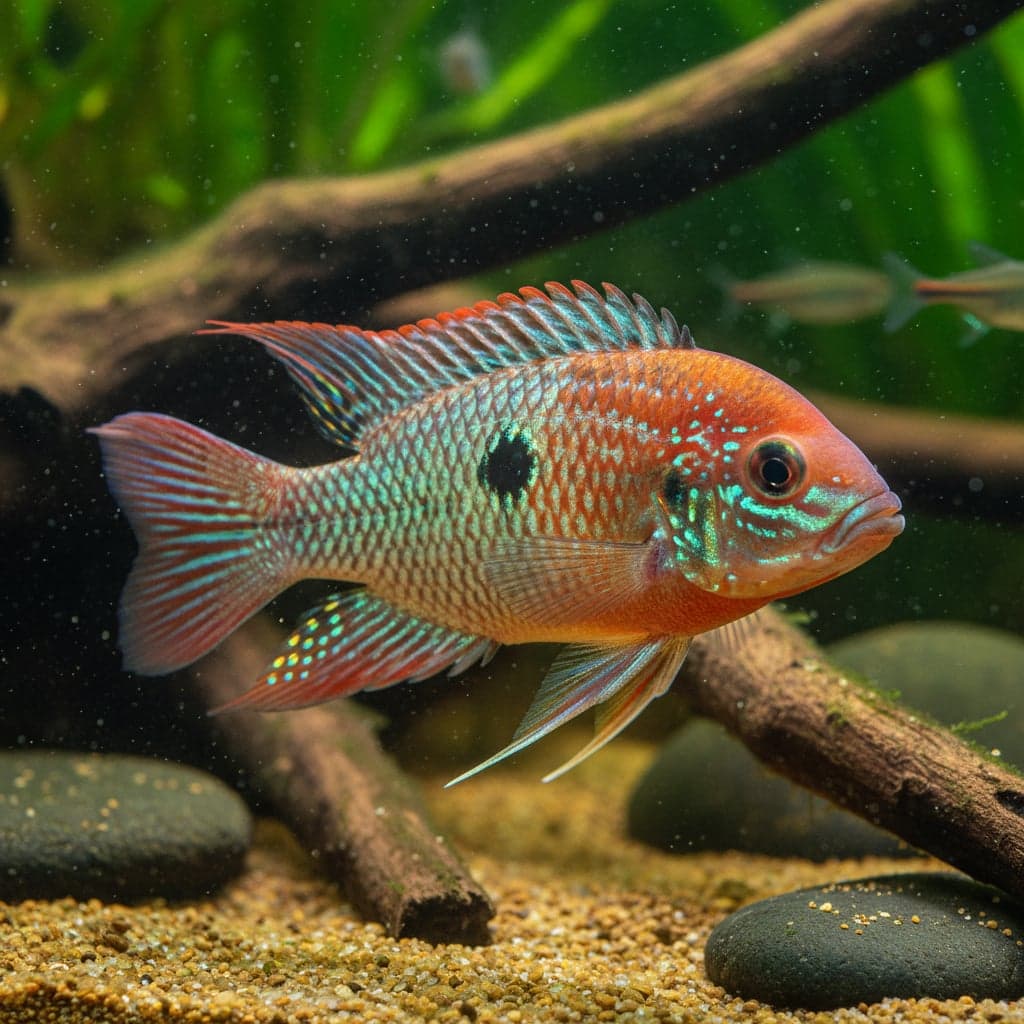
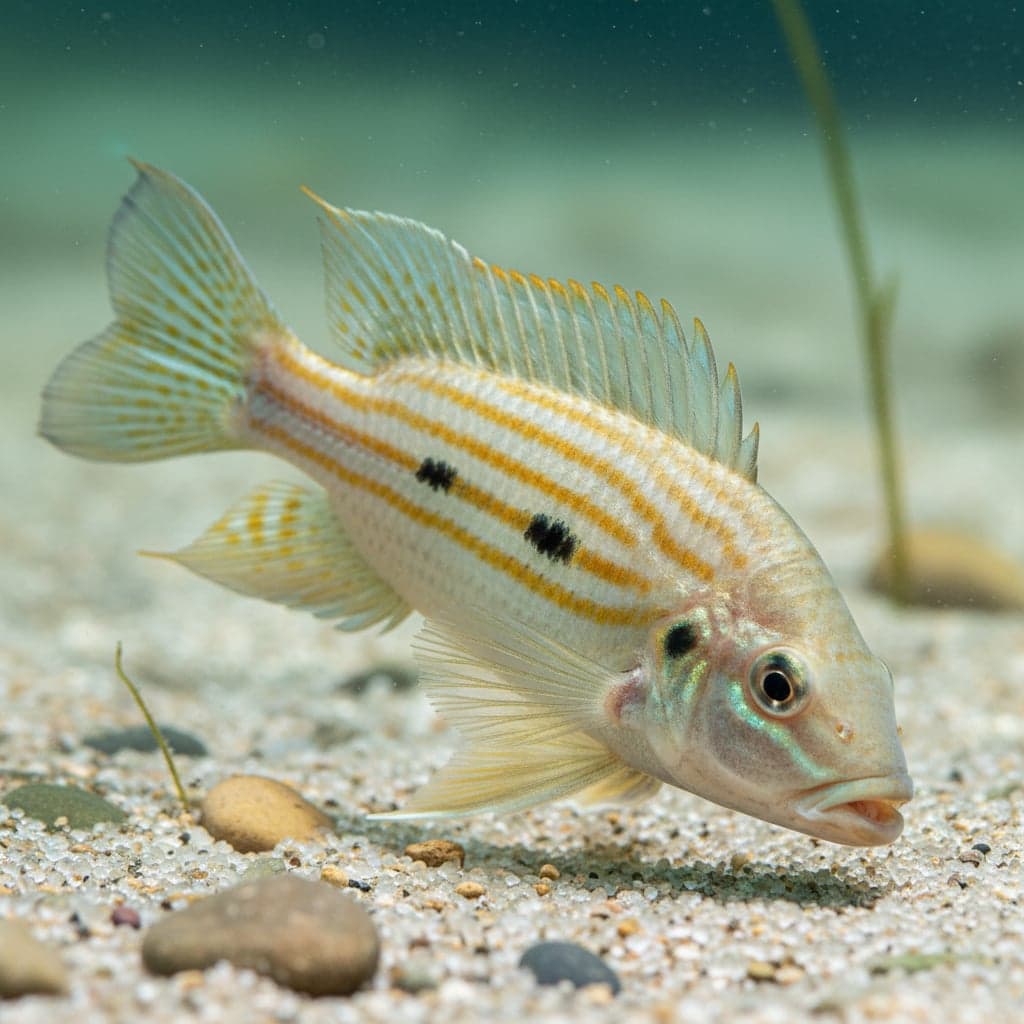
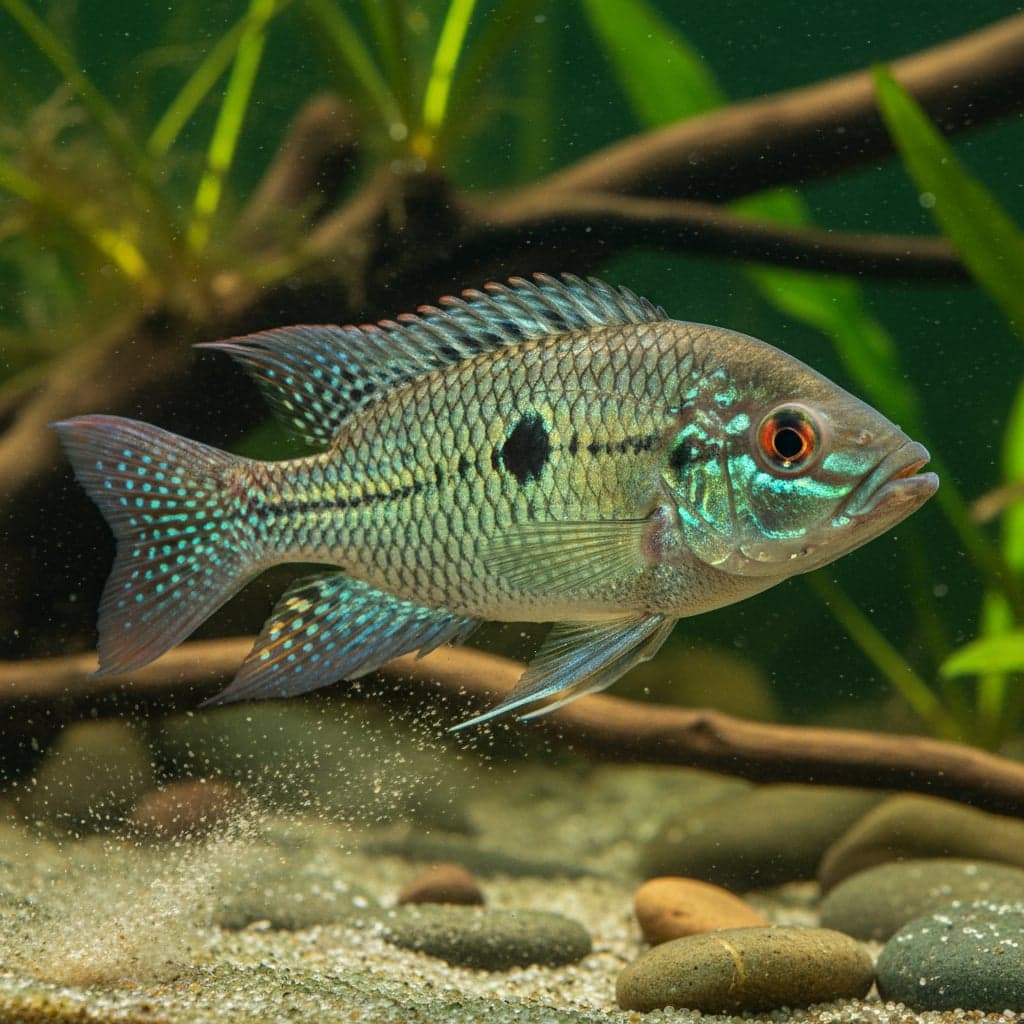
Sven's Eartheater, scientifically known as Geophagus sveni, is a striking freshwater fish that has captured the attention of aquarium hobbyists around the world. Known for its vibrant coloration and unique shape, this species boasts beautiful scales that shimmer in hues of blue, gold, and silver, making it a visually appealing addition to any freshwater tank. Notably, its distinctive body shape is slightly elongated and laterally compressed, which aids in its unique feeding behavior—sifting through substrate in search of food. This ability not only makes it a fascinating fish to observe but also adds a dynamic aspect to the aquarium environment.
In the aquarium hobby, Sven's Eartheater is prized not only for its aesthetics but also for its behavior and personality. As a species that tends to exhibit territorial traits, it provides an engaging experience for aquarists who enjoy monitoring social interactions and hierarchies within their tanks. Furthermore, its role in the ecosystem as a substrate feeder contributes to maintaining a healthy aquarium environment by aerating the substrate and cleaning detritus. These characteristics, combined with its relatively robust nature, make Sven's Eartheater a highly sought-after species among both novice and experienced aquarists.
Natural Habitat & Origin
Sven's Eartheater is native to the slow-moving rivers and lakes of the Amazon Basin, primarily found in regions of Brazil and Colombia. These waters are typically characterized by clear to slightly turbid conditions, influenced by the surrounding rainforest and the biodiverse environment. The natural habitat is rich in organic matter, with sandy and fine substrate where the fish can forage for food. The presence of submerged wood and aquatic plants provides essential shelter and breeding grounds, creating a complex ecosystem that the Sven's Eartheater thrives in.
The waters in these regions also exhibit pH levels that tend to be slightly acidic to neutral, with temperatures ranging between 24°C and 28°C (75°F to 82°F). The combination of these environmental factors means that Sven's Eartheater is adapted to specific water conditions, further emphasizing the need for careful attention to water quality when keeping these fish in captivity.
Care Requirements
To successfully maintain Sven's Eartheater, specific water parameters must be adhered to for optimal health and well-being. Ideally, the pH should range between 6.0 and 7.5, while the temperature should remain steady between 24°C and 28°C (75°F to 82°F). Water hardness should be kept moderate, between 5 to 15 dGH, to simulate its natural habitat. A well-maintained tank with consistent water quality is critical, and regular water changes are recommended to keep nitrate levels low.
When setting up the tank, a minimum size of 200 liters (approximately 53 gallons) is preferred, as this fish can grow quite large, reaching lengths of up to 20 cm (8 inches). The substrate is essential; a fine, sandy bottom allows Sven's Eartheater to exhibit its natural foraging behaviors. Additionally, providing ample hiding spots using driftwood and rock formations can reduce territorial aggression. Soft, indirect lighting is ideal, and while live plants can add to the aesthetics, it’s important to choose hardy species that can withstand occasional substrate disturbance caused by the feeding habits of this fish.
Diet & Feeding
Sven's Eartheater is considered an omnivore, and its diet should reflect its natural foraging behavior in the wild. In captivity, it thrives on a varied diet that includes high-quality flakes, pellets, and a mix of frozen or live foods. Items such as bloodworms, brine shrimp, and tubifex worms can provide the protein-rich nutrition that is crucial for growth and vitality. Additionally, high-quality vegetable matter, such as spirulina or blanched zucchini, should be offered to ensure a balanced diet.
Feeding should be varied and should take into account the fish's size, age, and activity level. It is recommended to feed Sven's Eartheater small portions two to three times a day, ensuring that all food is consumed within a few minutes to maintain water quality. This approach helps mimic its natural feeding patterns while promoting healthy digestion and overall well-being.
Behavior & Temperament
Sven's Eartheater displays a range of social behaviors that can greatly influence its tank dynamics. In general, it is a moderately aggressive fish, especially during breeding periods or when establishing territory. Therefore, it is best kept in pairs or small groups within a spacious tank to allow for adequate swimming space and minimize conflicts over territory. Ae do exhibit schooling tendencies with its own species but can be more solitary when necessary.
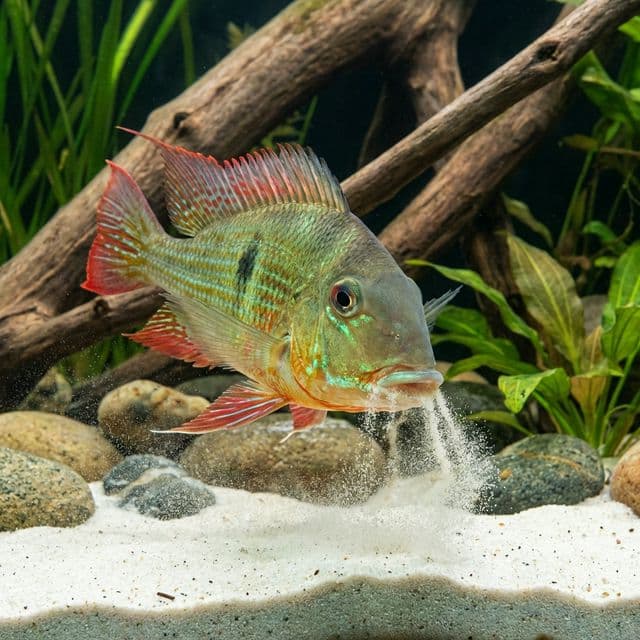
Within the tank, Sven's Eartheater typically occupies the lower levels, often sifting through the substrate to find food. This behavior is not only a vital part of its feeding but also contributes to the overall aeration of the substrate, benefiting plant growth and the health of beneficial bacteria. Observing this unique behavior can enhance the viewing experience for aquarists and underscores the importance of providing an environment that mimics their natural habitat.
Tank Mates
Choosing the right tank mates for Sven's Eartheater is crucial to maintain a harmonious aquatic environment. Suitable companions include other medium to large peaceful fish, such as angelfish, tetra species, and large rasboras. Bottom dwellers like rubber lip plecos or larger corydoras can also coexist well, provided there is enough space for territorial behaviors to play out.
Species to avoid include smaller or more aggressive fish, such as neon tetras, as they may become targets for Sven's Eartheater. Additionally, pairing Sven's Eartheater with overly territorial or aggressive cichlids is not advisable; this could escalate to stress and aggression within the tank. Understanding the social structure and temperament of each species is essential for ensuring compatibility and a thriving aquarium community.
Breeding
Breeding Sven's Eartheater can be an exciting endeavor for dedicated aquarists. In captivity, these fish often exhibit specific spawning behaviors, including the creation of flat, clear areas on the substrate where the female can lay her eggs. Once a suitable site is prepared, the female will lay eggs in a tightly grouped cluster, which the male fertilizes shortly thereafter.
The breeding pair may display some aggressive behavior during this time, defending their territory to protect their offspring. Optimal breeding conditions include slightly warmer temperatures—around 28°C (82°F)—and clean, well-oxygenated water. It's essential to have a well-planted tank with hiding spots to provide security for the fry once they hatch. Fry are typically free-swimming after a few days, and infusoria or finely crushed flakes should be provided to nourish them during their early development stages.
Common Health Issues
Sven's Eartheater is generally a hardy fish; however, it can be susceptible to certain health issues that are common in aquariums. Ich, or white spot disease, is often a concern, especially in times of stress or poor water quality. Maintaining optimal water parameters and practicing good hygiene through regular water changes can aid in prevention.
Other potential health issues include various forms of fin rot, which can be exacerbated by abrasions from aggressive tank mates or sharp décor. Providing a spacious environment with gentle filtration and plenty of hiding spots can reduce stress and lower the risk of these ailments. Keeping an eye on the fish’s behavior and appearance will allow early detection and treatment, helping Sven's Eartheater remain active and healthy.