Swallowtail Angelfish
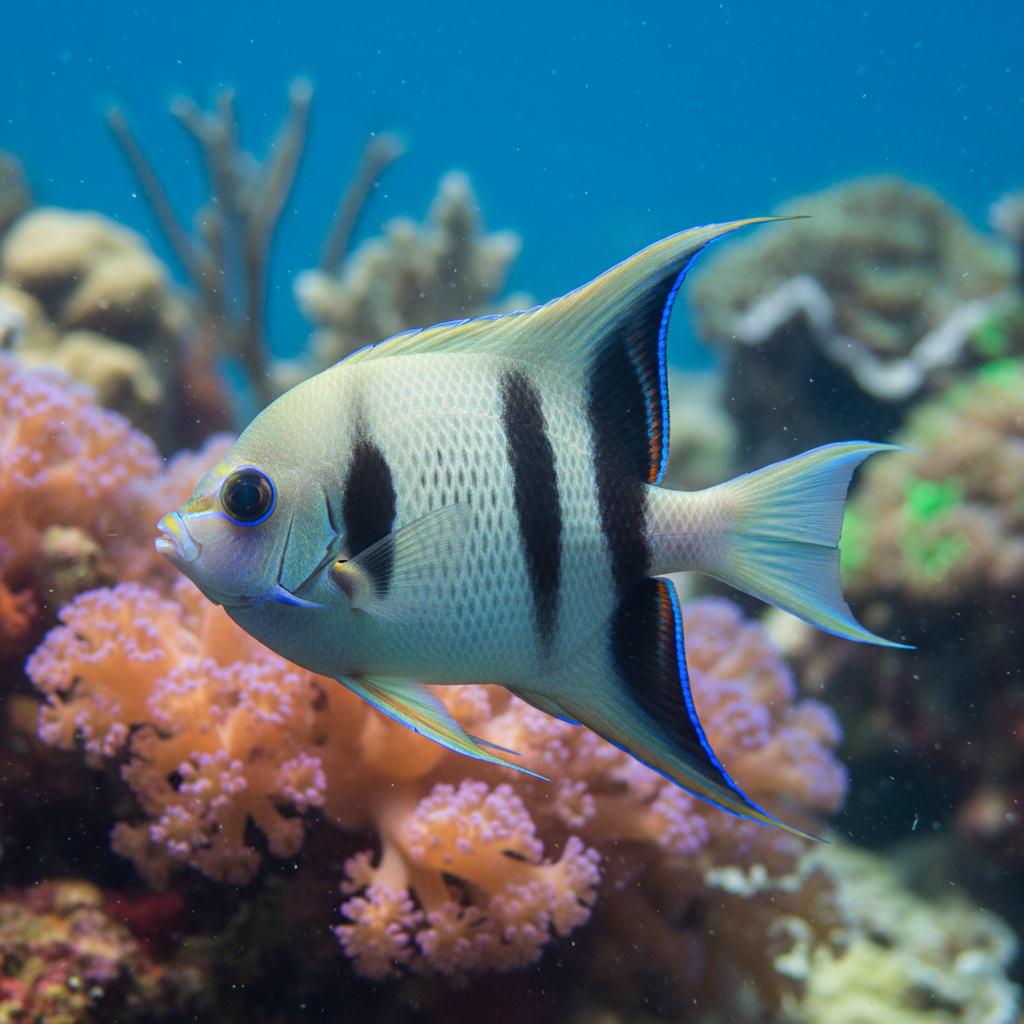
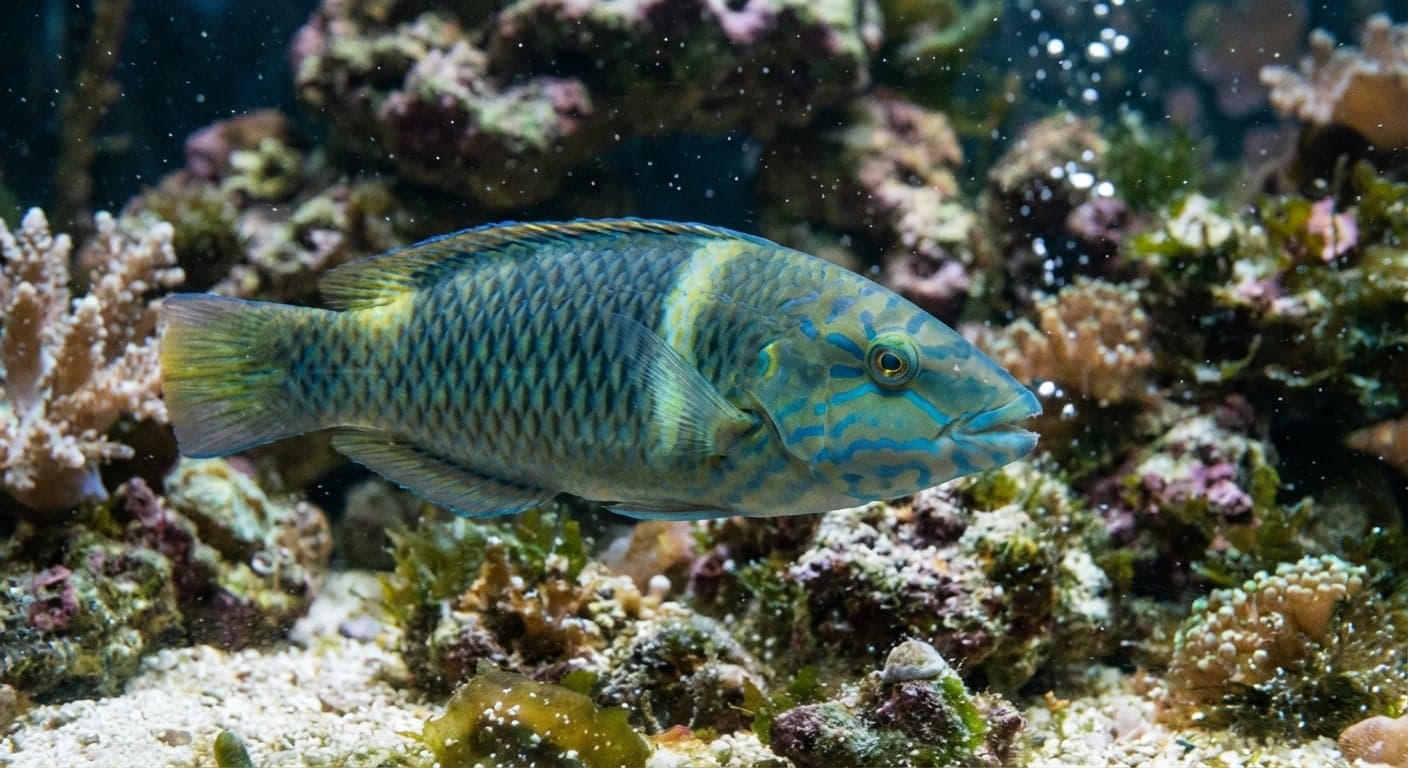
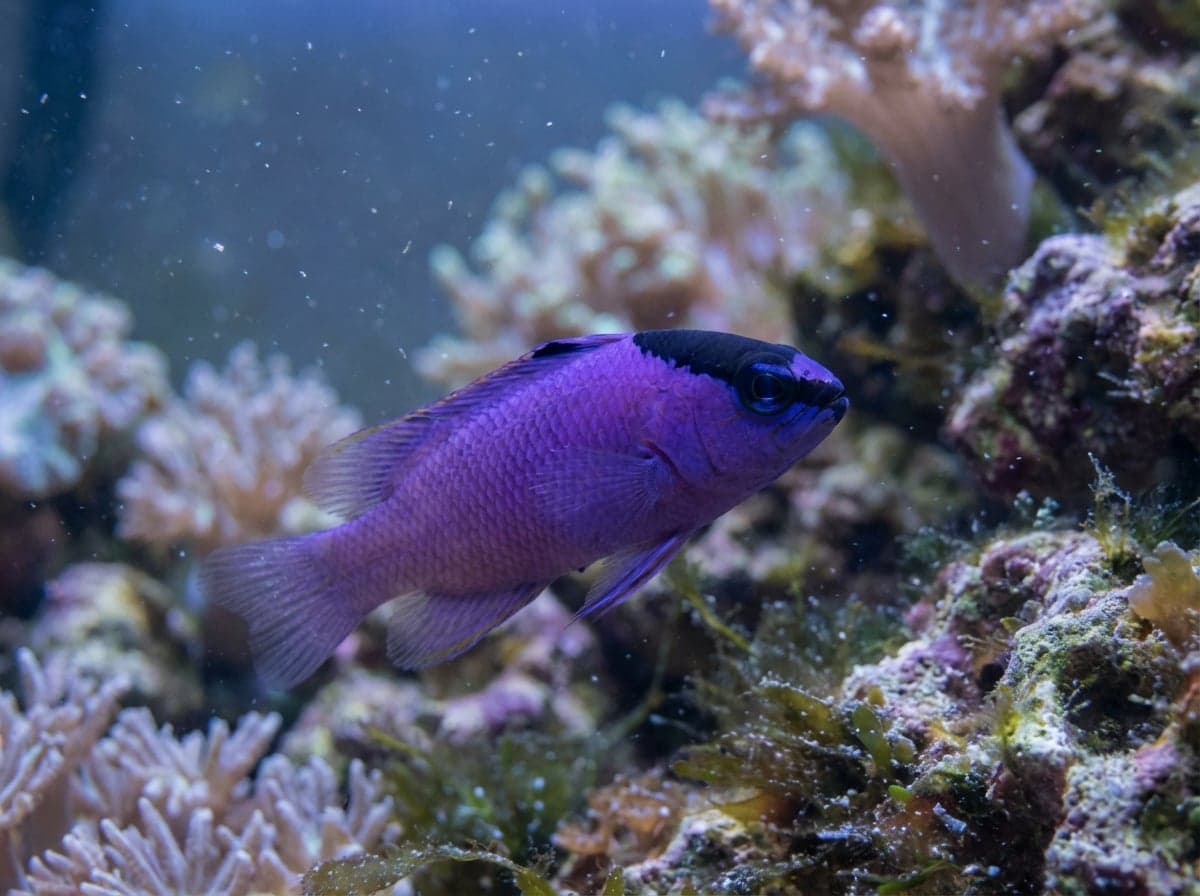
An 18cm angelfish that eats plankton rather than coral, making it one of the few genuinely reef-safe angels. Males and females look quite different.

Swallowtail Angelfish
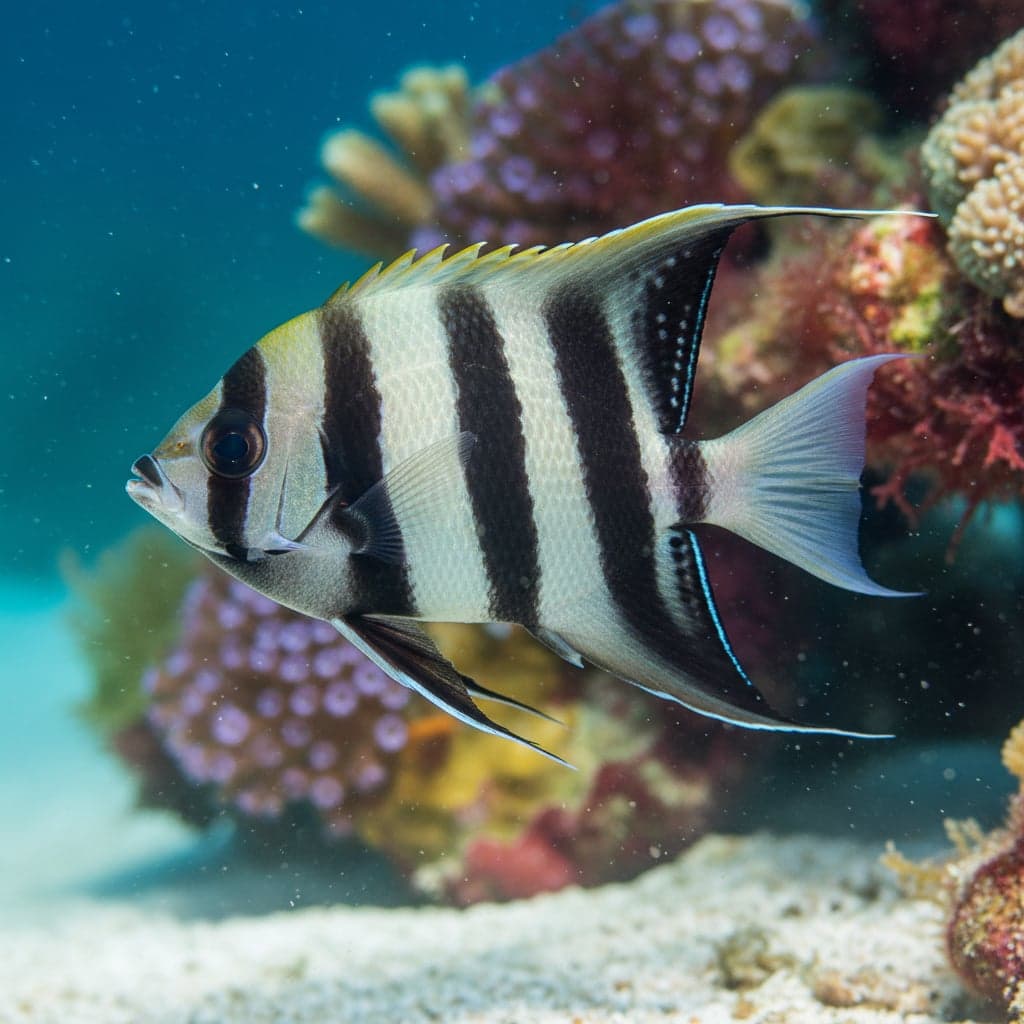
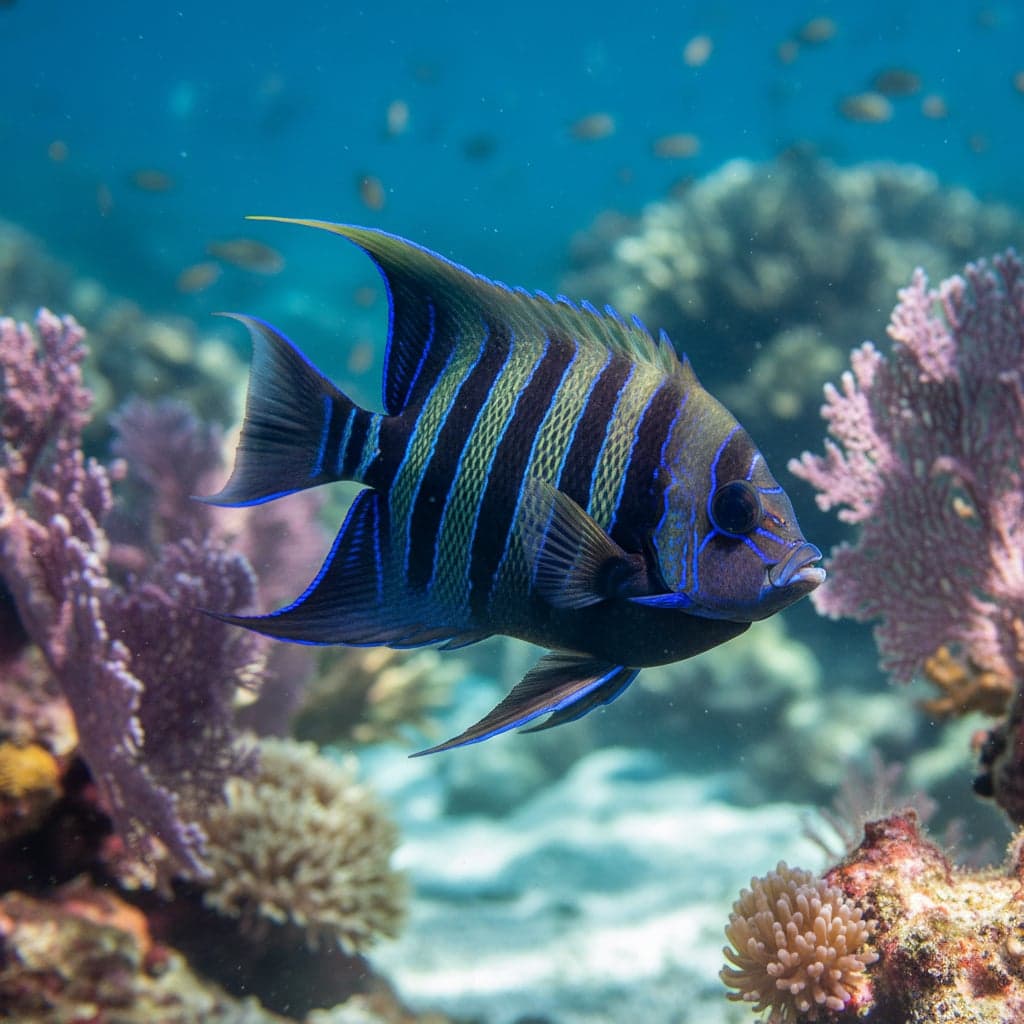
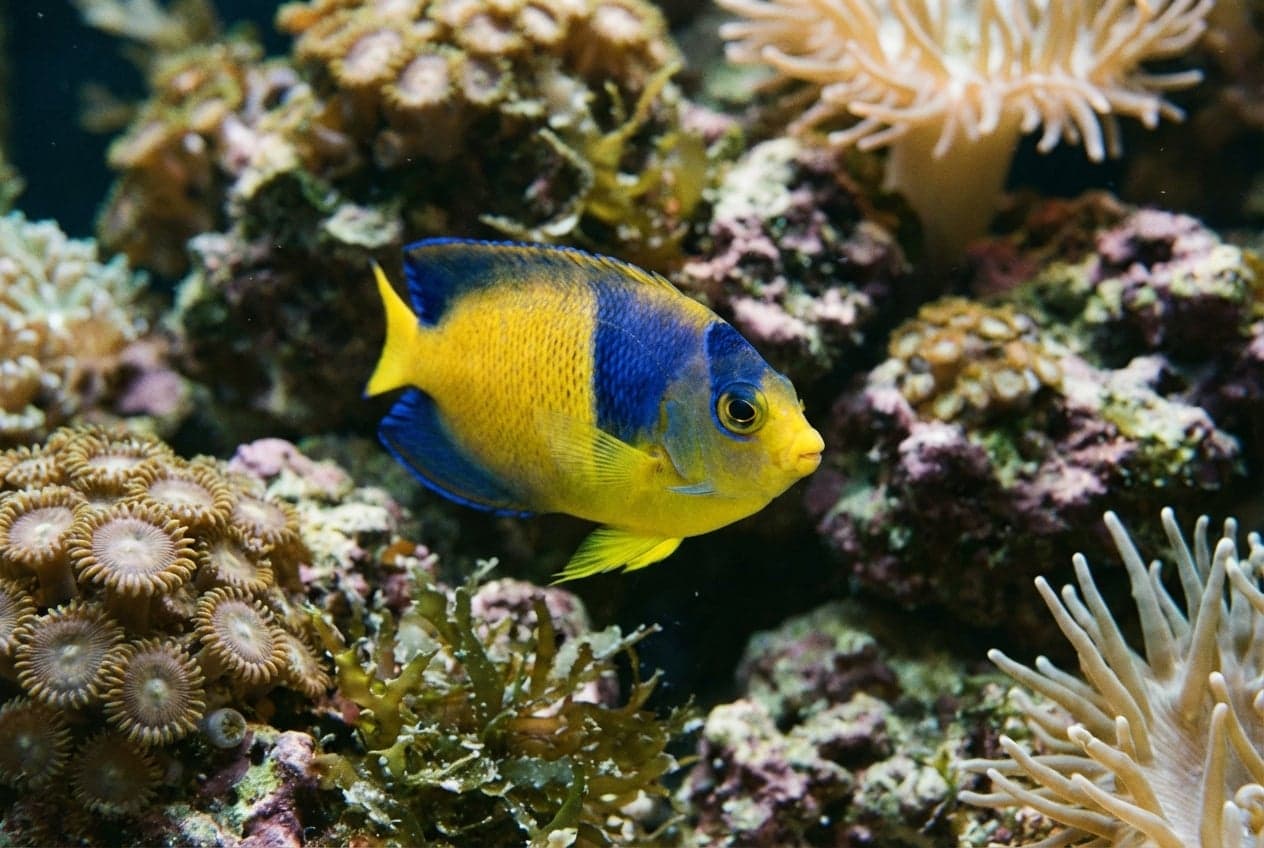
The Swallowtail Angelfish (genus Centropyge) is a captivating species known for its vibrant coloration and unique tail shape. Found primarily in the warmer waters of the Indo-Pacific region, this fish showcases a stunning array of colors, including shades of blue, yellow, and orange, which make it a prized addition to marine aquariums. Its body features a characteristic swallowtail shape that enhances its visual appeal, allowing it to swim gracefully through the water. The Swallowtail Angelfish is particularly significant in the aquarium hobby due to its hardiness and relatively peaceful temperament compared to other angelfish species, making it a great choice for both novice and experienced aquarists.
In addition to its aesthetic charm, the Swallowtail Angelfish plays a vital role in its natural ecosystem. As an herbivorous fish, it contributes to the health of coral reefs by grazing on algae, allowing corals to thrive. In aquarium settings, they are not only beautiful to observe but also help maintain a balanced ecosystem by consuming algae growth. Their active nature and lively behavior make them a delightful inhabitant of any marine tank, influencing fish keepers to seek them out for their dynamic presence and the positive impact they can have on tank health.
Natural Habitat & Origin
The Swallowtail Angelfish hails from the warm, tropical waters of the Indo-Pacific region, primarily inhabiting areas around coral reefs, lagoons, and rocky substrates where they find shelter and food. These fish are typically located at depths of about 10 to 30 meters, thriving in both clear and slightly turbid waters. They are often found in association with dead or live corals, which provide both nutrition in the form of algae and a protective environment from larger predators.
Their natural habitat is generally characterized by stable water conditions with low nutrient levels. The Swallowtail Angelfish prefers areas with strong water movement, which helps to oxygenate the environment while also benefiting the corals they rely on. This delicate balance of light, temperature, and water movement in their natural habitat is crucial for their health and well-being both in the wild and in captivity.
Care Requirements
To maintain the health and vitality of the Swallowtail Angelfish in captivity, specific water parameters must be meticulously followed. An ideal pH level ranges from 8.1 to 8.4, with a temperature between 74°F to 82°F (23°C to 28°C). The water hardness should be within the range of 8 to 12 dGH. Additionally, a minimum tank size of 50 gallons is recommended to provide ample swimming space and territories, as these fish can be somewhat territorial.
The tank setup should include a sandy or fine gravel substrate, with rocks and corals to mimic their natural environment. Providing plenty of hiding spots and vertical space is vital, as Swallowtail Angelfish often prefer to swim at various levels in the tank. Moderate to bright lighting is essential to promote algae growth, which they enjoy feeding on. Incorporating live rock and marine plants can enhance the tank's biological filtration and offer additional grazing opportunities.
Diet & Feeding
The Swallowtail Angelfish is primarily an herbivore but will also consume a variety of meaty foods, making it an omnivorous species. In captivity, it thrives on a diet that includes high-quality marine flakes, pellets, and frozen foods such as brine shrimp and mysis shrimp. To ensure optimal health, aquarists should provide a varied diet rich in vegetable content, including spirulina and other algae-based options.
Live foods can also be offered occasionally, but it is essential to source these from reputable suppliers to avoid introducing diseases into the tank. Regular feeding, about two to three times a day, in small portions can help maintain a healthy weight and minimize waste in the aquarium.
Behavior & Temperament
Swallowtail Angelfish are known for their generally peaceful demeanor but can display territoriality, particularly during breeding or if they are housed with overly aggressive tank mates. They thrive in a social environment; however, they do not necessarily require to be kept in schools, as they can often establish their own territorial space within a community tank.
In terms of vertical placement, these fish are versatile swimmers, often occupying the mid to upper layers of the tank in search of food and shelter. While they may display playful interactions with other fish, tank owners should monitor behaviors closely to ensure compatibility, especially in smaller aquariums where space for territories is limited.
Tank Mates
When selecting tank mates for the Swallowtail Angelfish, it is crucial to choose species that can coexist harmoniously. Compatible species include various types of clownfish, gobies, wrasses, and other smaller marine fish that are not overly aggressive. Grouping them with peaceful gobies and blennies can also create a balanced community.
On the contrary, species to avoid include larger, aggressive fish or those that resemble the Swallowtail Angelfish to prevent territorial disputes. Avoid keeping them with other angelfish, particularly larger species or damsels, as these can provoke stress and lead to potential aggression within the tank.
Breeding
Breeding the Swallowtail Angelfish in captivity can be a challenging yet rewarding endeavor. These fish are monogamous and tend to form pairs, which is essential for successful spawning. They require a breeding environment that mimics their natural habitat, with stable water conditions and plenty of cover from rocks and corals.
Spawning typically occurs in the early morning hours, with the female laying eggs on flat surfaces while the male fertilizes them. It’s recommended to use a separate breeding tank to provide security and minimize stress, with a sponge filter to maintain water quality while preventing the eggs from being sucked in. After a few days, the eggs will hatch, and the fry can be fed specialized live foods or finely crushed flakes until they are large enough to accept larger food particles.
Common Health Issues
The Swallowtail Angelfish may be prone to certain health issues, including aquarium ich (marine whitespot), velvet disease, and fin rot. To prevent these common ailments, maintaining optimal water quality by regular testing and water changes is vital.
Quarantine new arrivals before introducing them into the main tank, as this will help minimize the spread of diseases. A well-balanced diet, good tank conditions, and regular monitoring of fish behavior can also play significant roles in preventing illness. Additionally, any signs of distress or disease should be addressed promptly, as early intervention can lead to better outcomes for affected fish.