Swamp Eel: Monopterus albus
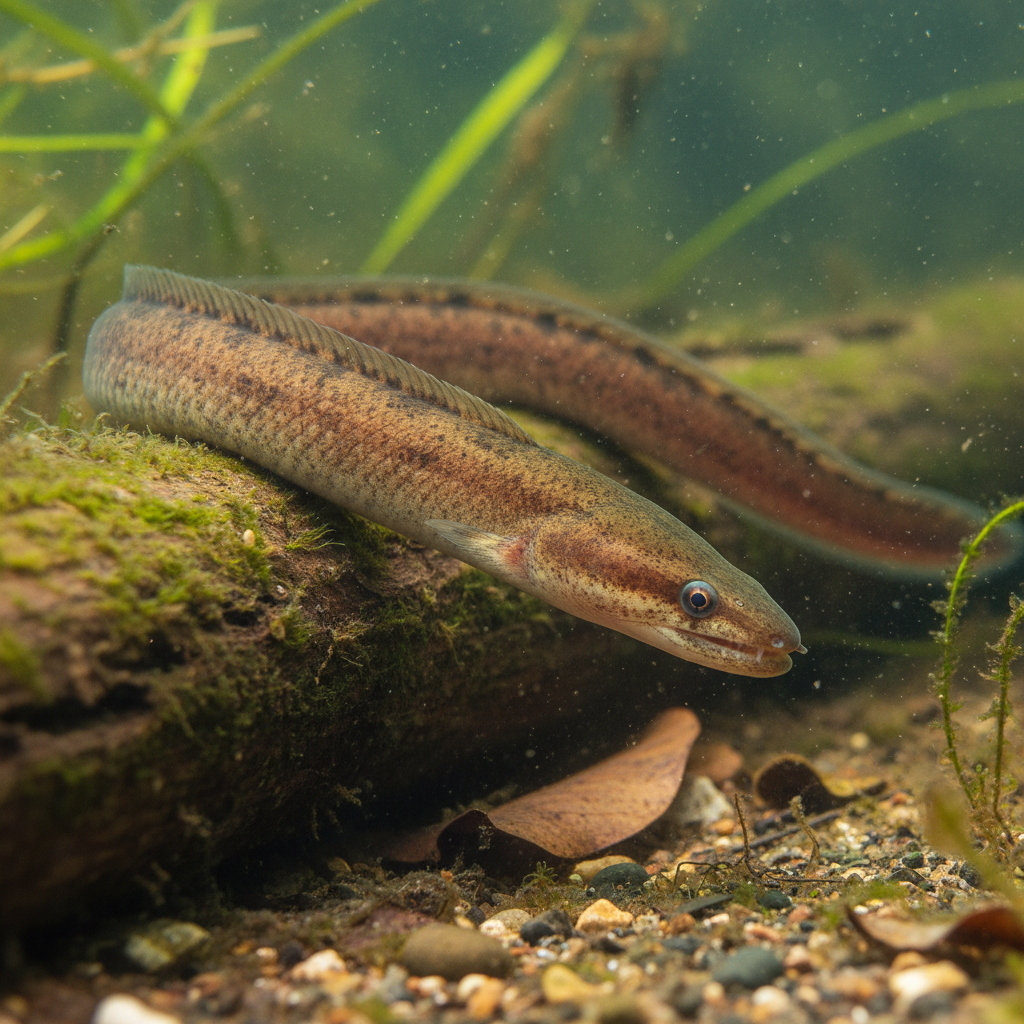
A 70cm air-breathing eel that escapes through any gap it can find. Predatory, long-lived, and a species-tank fish rather than a community one.
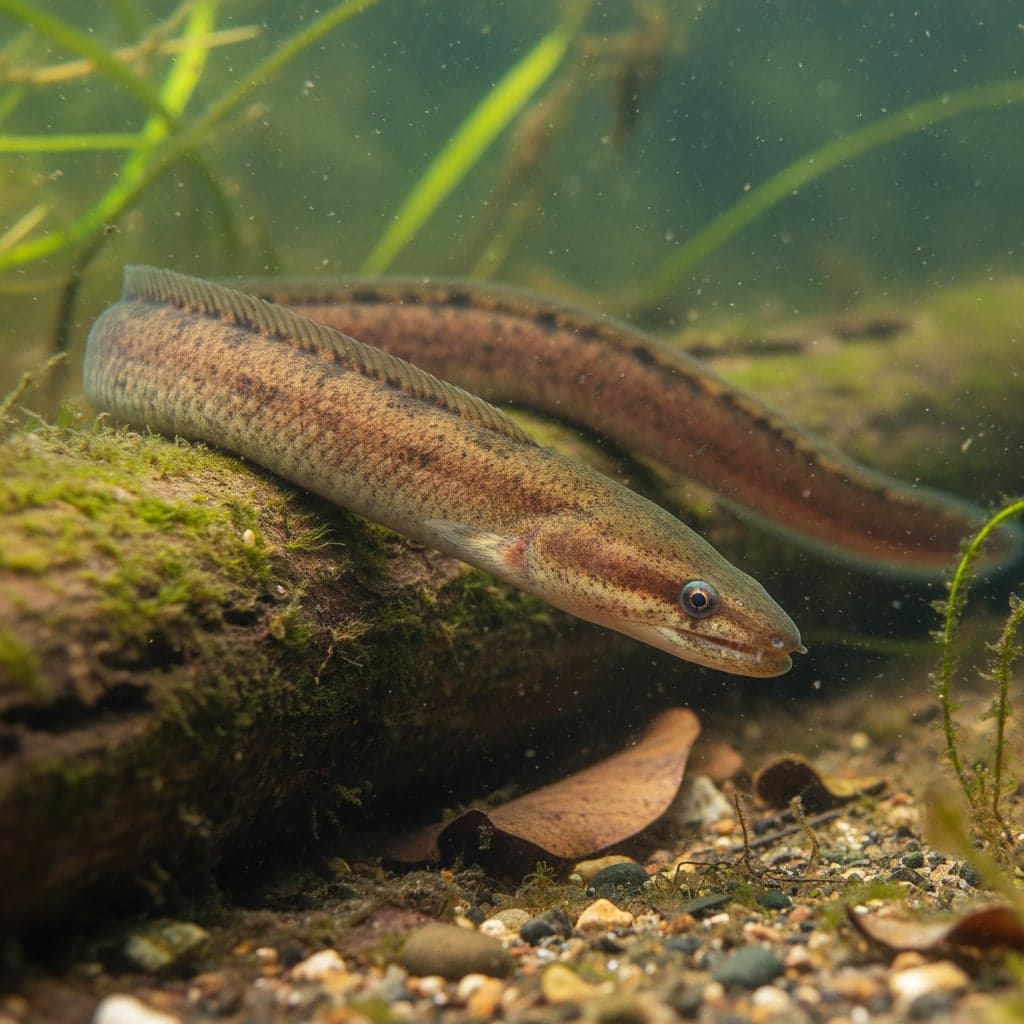
Swamp Eel
The Swamp Eel, scientifically known as Monopterus albus, is a fascinating aquatic inhabitant that captivates aquarists with its elongated, snake-like body and unique behavioral traits. Typically reaching lengths of up to 3 feet in the wild, this fish possesses a variable coloration ranging from a dull olive green to a more vibrant brown, often with a slightly glossy appearance. Its elongated, gelatinous form makes it a curiosity in the aquarium world, and its lack of typical fish-like scales adds to its unique visual appeal. As an overlooked species in the hobby, the Swamp Eel is not only striking in appearance but is also significant in various culinary traditions, particularly in Southeast Asia, where it is enjoyed as a delicacy.
The Swamp Eel is more than just an exotic fish; it plays an essential role in maintaining the ecological balance in its natural habitats, which include marshes, swamps, and paddy fields. Its burrowing behaviors help aerate the soil and promote organic breakdown, making it integral to its ecosystem. Its ability to thrive in both freshwater and brackish environments showcases its adaptability, making it an interesting addition for the dedicated aquarist seeking to create a biodiverse aquarium.
Natural Habitat & Origin
The Swamp Eel is indigenous to the freshwater systems of Southeast Asia, predominantly found in countries such as Thailand, Vietnam, and the Philippines. Its natural habitat includes slow-moving waters such as shallow lakes, flooded fields, and swampy areas that are abundant in organic matter. These aquatic environments are often characterized by blackwater conditions, which are rich in tannins and low in minerals, leading to darker, acidic waters that support a diverse range of microorganisms essential to the Swamp Eel's diet and health.
Created in such unique environments, the Swamp Eel exhibits remarkable adaptive traits, including a preference for sluggish waters where it can hide among vegetation or substrate. These aspects of its natural habitat are crucial for keeping Swamp Eels healthy and stress-free in captivity.
Care Requirements
To keep a Swamp Eel healthy and thriving, specific water parameters should be maintained. An ideal temperature range is between 75°F to 82°F (24°C to 28°C), with a pH level between 6.0 and 7.5. Water hardness should typically remain low, around 5 to 15 dGH, to replicate its natural softwater habitat. To accommodate these parameters, a well-maintained filtration system is essential, as Swamp Eels produce a significant amount of waste due to their feeding habits.
In terms of tank setup, a minimum tank size of 50 gallons is recommended to provide ample space for swimming and hiding. The substrate should be soft and sandy, allowing the Swamp Eel to burrow and dig, both for comfort and stimulation. Providing plenty of hiding spots using driftwood, rocks, and dense aquatic plants will not only enhance its habitat but also reduce stress. While lighting should be kept to a moderate level, soft-filtered light is preferable to mimic the shadowy environments of its natural habitat.
Diet & Feeding
Swamp Eels are primarily carnivorous, but they can also adopt an omnivorous diet in captivity. In the wild, they thrive on a diet of insects, crustaceans, and other small aquatic organisms. In an aquarium setting, it is recommended to provide a varied diet that includes high-quality sinking pellets, frozen or live foods such as bloodworms, earthworms, and brine shrimp. This variety helps mimic their natural feeding habits and ensures they receive essential nutrients. While they may occasionally accept flake food, it is not the ideal choice for their nutritional requirements. Maintaining a regular feeding schedule and varying their diet will promote their health and vibrancy.
Behavior & Temperament
The Swamp Eel is known for its unique behavior; it is mainly a solitary and secretive fish. Unlike many species that thrive in schools, Swamp Eels prefer to establish their own territories and can sometimes exhibit aggression toward one another. These eels are primarily bottom dwellers, often found burrowing through substrate or hiding among rocks and vegetation. Their vertical placement within the tank can vary, but they typically remain closer to the bottom while occasionally venturing to the mid-level during feeding times.
Aquarists should be cautious when housing multiple Swamp Eels, as territorial disputes can arise. Providing ample hiding places and potential escape routes can help minimize skirmishes, allowing for a more harmonious environment.
Tank Mates
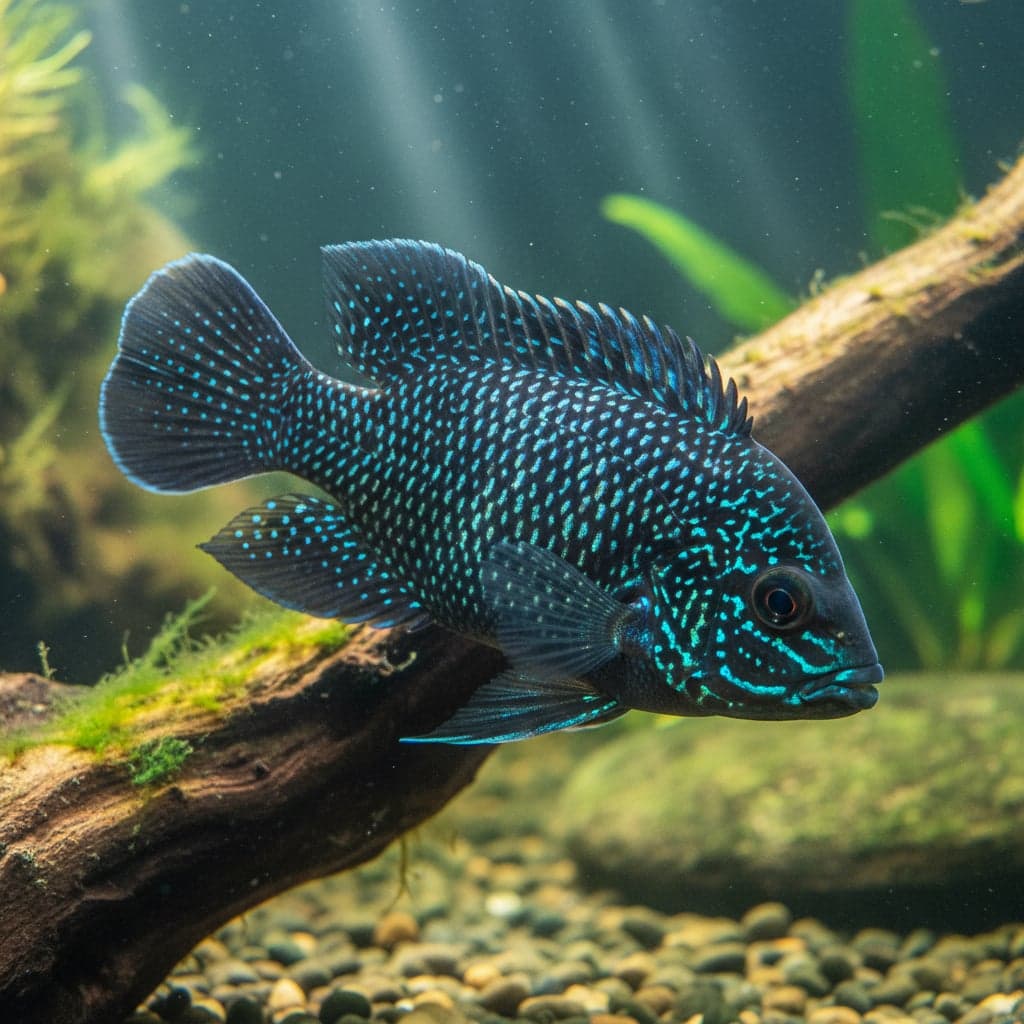
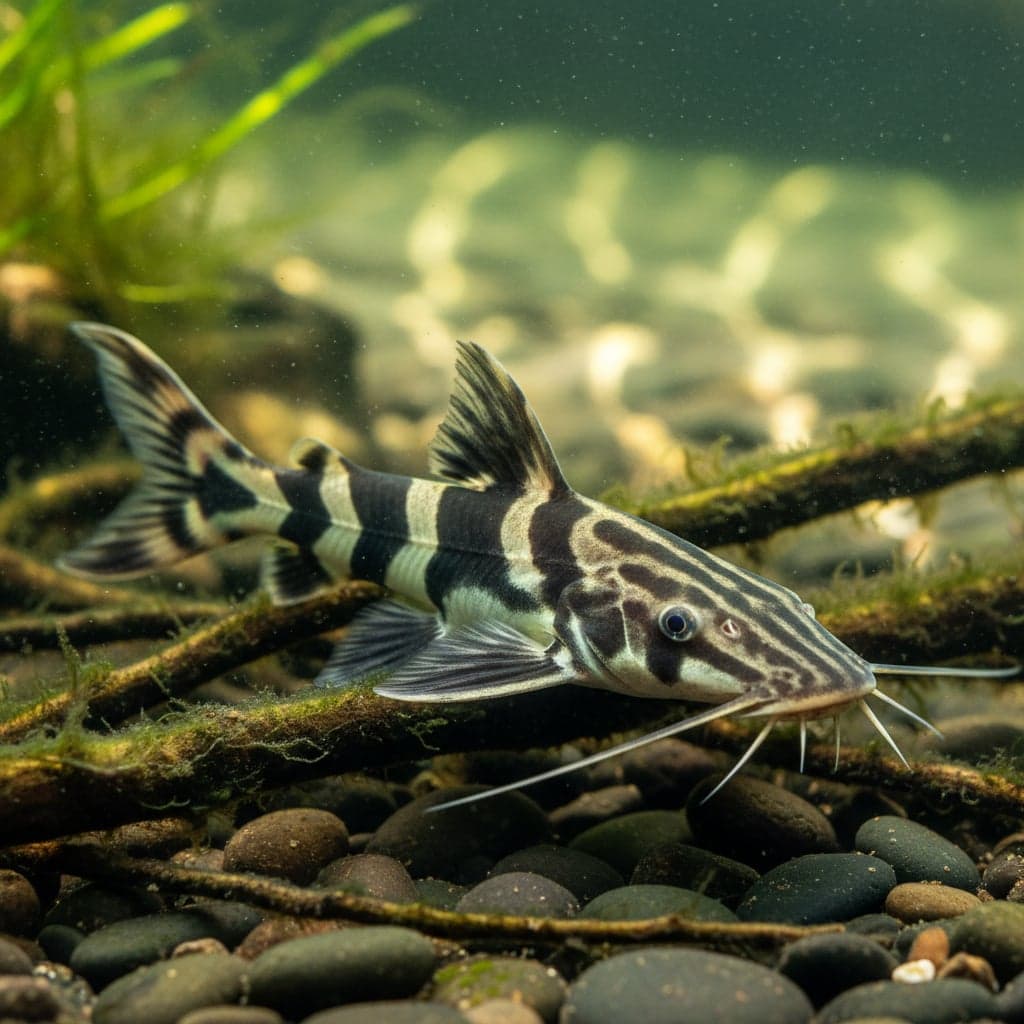
When considering tank mates for the Swamp Eel, it is crucial to select species that can coexist peacefully without competing for resources. Suitable tank mates include peaceful bottom dwellers like Corydoras catfish or smaller loaches, as well as larger, more placid fish such as gouramis and rainbowfish. However, it is vital to avoid aggressive or overly active species, as these can instigate stress or aggression in the Swamp Eel. Predatory fish, such as cichlids or larger catfish, should also be avoided due to their potential to see the Swamp Eel as prey.
In summary, choosing the right tank mates for a Swamp Eel demands careful consideration of temperament and habitat preferences to ensure a successful community aquarium.
Breeding
Breeding Swamp Eels in captivity is rare but certainly achievable under the right conditions. In their natural habitat, these fish typically breed during the rainy season when the water levels rise and create ideal conditions for spawning. For successful breeding in an aquarium setting, water conditions should replicate their natural environment: slightly acidic pH and warmer temperatures, around 80°F (27°C).
Creating a dedicated breeding tank with plenty of hiding spots will encourage them to spawn. Once conditioned, the female will lay eggs in a hidden location, and males are known to exhibit protective behaviors towards their spawn. After a few days, the eggs will hatch, and it is essential to provide appropriate foods for fry, such as infusoria and finely crushed flakes, to support their growth and development.
Common Health Issues
Swamp Eels can be prone to several common health issues, including skin parasites, fin rot, and bacterial infections. A key to preventing these conditions lies in maintaining excellent water quality and regular tank maintenance. Overcrowding can induce stress and illness, making proper stock levels essential for a healthy aquarium.
Additional considerations should include providing a varied diet to boost immune health, monitoring for signs of stress or illness, and conducting routine health checks. Quarantine for any new arrivals can also help prevent the introduction of diseases into the established tank, further supporting the longevity and health of the Swamp Eel. Regular check-ups and a proactive health management approach are crucial to promoting a thriving Swamp Eel in your aquarium.