Swan Mussel: Anodonta cygnea
A 20cm coldwater filter feeder for ponds and large unheated tanks. Needs deep soft substrate and green water — it starves in a clean aquarium.
Swan Mussel
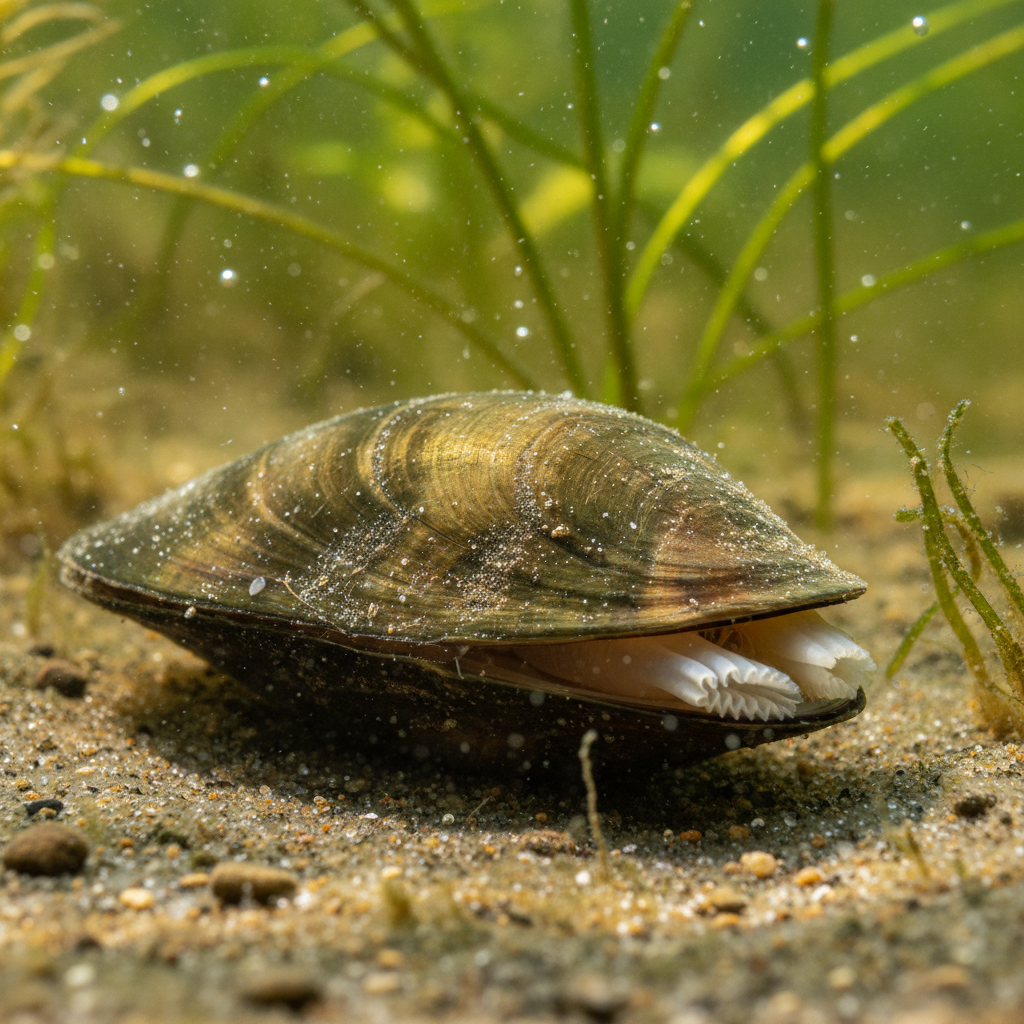
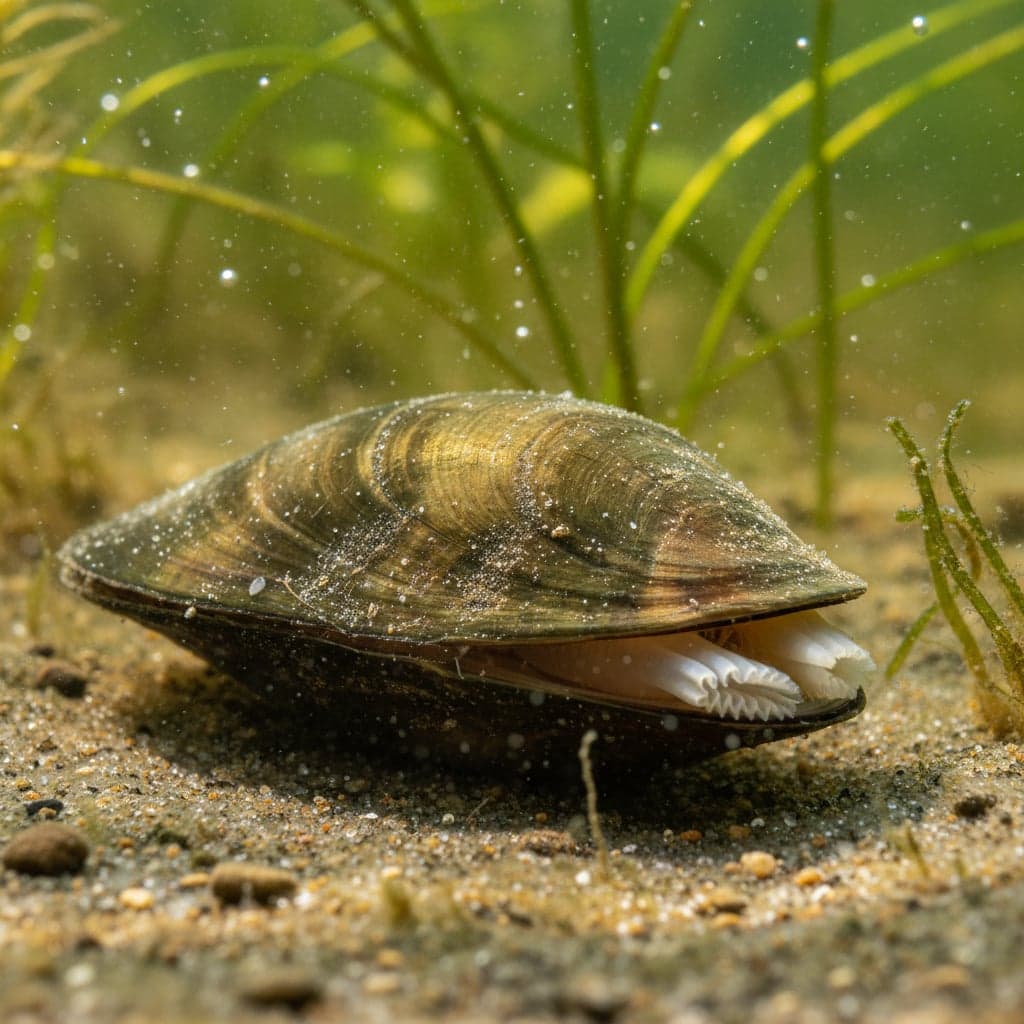
The Swan Mussel, scientifically known as Anodonta cygnea, is a captivating bivalve mollusk widely appreciated in the aquarium hobby for its unique appearance and ecological significance. With its large, ovate shell that can grow up to 15 cm in length, the Swan Mussel showcases a smooth surface often exhibiting a greenish to brownish hue, decorated with beautiful growth lines. This species thrives in freshwater environments, offering both visual appeal and ecological contributions that enhance the overall health of aquatic habitats. The Swan Mussel’s ability to filter water is invaluable, as it helps maintain water clarity and quality by removing particulates, thus establishing its role as a natural biofilter in aquariums.
In the context of the aquarium hobby, the Swan Mussel serves not only as an ornamental element but also as a conversation starter and educational resource for enthusiasts. Its fascinating biology, including its filtering capabilities and role in aquatic ecosystems, facilitates an enriching experience for both novice and experienced aquarists. Moreover, the presence of Swan Mussels in an aquarium can attract attention from guests and contribute positively to the tank's biodiversity, making them a popular choice among those seeking to create a more engaging aquatic display.
Natural Habitat & Origin
The Swan Mussel is native to various freshwater ecosystems across Europe, including lakes, rivers, and ponds. It typically inhabits slow-moving waters with sandy or muddy substrates, where it can burrow and anchor itself. The natural habitat is primarily characterized by neutral to slightly alkaline water, with low to moderate nutrient levels. Swan Mussels thrive in environments that feature ample aquatic vegetation, as this provides both food and refuge. The filtration activities of Swan Mussels play a crucial role in their ecosystems by enhancing water quality and supporting other aquatic life.
These mussels prefer environments that are slightly shaded due to overhanging vegetation, providing them protection from direct sunlight. They primarily inhabit areas with moderate currents, which aid in the filtration process they rely on for sustenance. Given their geographical distribution, Swan Mussels adapt well to a variety of water types, though they tend to flourish in clear or slightly turbid waters, highlighting their versatility as a species.
Care Requirements
To maintain a healthy and thriving environment for the Swan Mussel, aquarists must adhere to specific water parameters. Ideal conditions include a pH range of 6.5 to 8.5, a water temperature of 15°C to 25°C (59°F to 77°F), and a hardness level of 5 to 20 dGH. The tank should have a minimum size of 40 gallons to provide adequate space for this bivalve to filter feed and explore. A substrate of fine sand or silt is essential, as it enables the mussel to dig into the substrate and establish its position in the aquarium.
Lighting in the tank should mimic natural conditions—moderate to low lighting levels are preferable, as bright light can lead to excessive algae growth, which could compete with the mussel for food. Incorporating live plants into the aquarium will not only enhance its aesthetic appeal but also offer additional benefits such as cover and oxygenation. A well-planted tank with appropriate water flow will create a conducive environment for the Swan Mussel to thrive while contributing to the overall balance of the aquarium ecosystem.
Diet & Feeding
The Swan Mussel is primarily a filter feeder, obtaining its nutrition through the consumption of phytoplankton, organic particles, and detritus suspended in the water column. While they thrive on naturally occurring food sources in the environment, providing supplemental feeding can enhance their growth and health in the aquarium setting. This can include a mix of finely crushed flakes, powdered spirulina, and supplemental foods designed for filter-feeding bivalves. Some aquarists may also introduce a range of liquid foods specifically formulated for invertebrates to ensure adequate nutrition.
Although live and frozen foods such as brine shrimp nauplii and daphnia are not necessary for Swan Mussels, keeping nutrient levels balanced is crucial. It’s advisable to maintain a diverse food source in the water column to support the mussel's feeding habits, promoting robust health and increased filtration capacity. Regular water changes and monitoring of water quality will assist in ensuring abundant food availability in the tank.
Behavior & Temperament
The Swan Mussel exhibits a calm and passive behavior, making it an excellent addition to a community tank. Unlike many fishes, these bivalves do not require social interactions or grouping, as they do not display schooling habits. Instead, they are solitary organisms that tend to settle in sandy or silty substrates in a relaxed manner. Swan Mussels prefer to bury themselves partially in the substrate, allowing for a natural and unobtrusive placement that minimizes their visibility while maximizing their filtration efficiency.
Their peaceful temperament allows them to coexist harmoniously with most fish species, but they are best placed in areas of the tank where water movement is moderate to ensure adequate feeding. The Swan Mussel will often remain stationary, but its presence in the tank contributes significantly to the overall well-being of the aquatic environment by offering biofiltration benefits.
Tank Mates
When selecting tank mates for the Swan Mussel, it’s essential to choose peaceful species that pose no threat to their well-being. Compatible tank mates include small to medium-sized schooling fish such as neon tetras, guppies, and rasboras, as well as non-aggressive bottom dwellers like Corydoras catfish and dwarf shrimp. These species will not only enrich the aquatic environment but also maintain enough distance from the mussel to ensure its safety.
Conversely, it is critical to avoid aggressive species, large predatory fish, or those that might dig into the substrate where the mussel resides. Fish like cichlids, large catfish, or any species known for substrate disturbance can harm or displace the mussel. Creating a balanced community with carefully selected tank mates can foster a healthy ecosystem and enhance the overall aquarium experience.
Breeding
Breeding Swan Mussels in captivity can be quite challenging due to their specific reproductive requirements. These bivalves are dioecious (having distinct male and female individuals), and successful breeding typically occurs in the wild during warmer months. Spawning is triggered by changes in water temperature and quality, with males releasing sperm into the water, which females filter and use for fertilization in specialized structures called gills.
For those attempting to breed Swan Mussels in captivity, replicating these conditions is crucial. Maintaining pristine water quality, stable temperatures, and a natural environment can aid in the breeding process. Once the eggs are fertilized, they develop into larvae and must remain in the water column until they find a suitable substrate to settle and develop into juvenile mussels. Given the complexities involved, breeding Swan Mussels is often left to more experienced aquarists focused on conservation and ecological purposes.
Common Health Issues
Swan Mussels can face several health challenges within an aquarium environment, particularly if water quality is not adequately maintained. Common issues include infections caused by bacteria or parasites, often resulting from poor water conditions, excessive waste, or overcrowding. Symptoms may include shell discoloration, reduced activity, or impaired feeding behavior.
Preventative measures are essential for maintaining the health of Swan Mussels. Regular water quality testing, consistent water changes, and a proper filtration system are crucial components of care. Additionally, introducing them into a stable, well-established aquarium with sufficient suspended microorganisms is critical, as starvation is the single greatest risk in overly clean or sterile tanks. As filter feeders, they rely on microalgae, detritus, and liquid phytoplankton in the water column. Avoid using copper-based medications or chemical treatments in any system housing Swan Mussels, as mollusks are extremely sensitive to trace heavy metals. If a mussel dies, it must be removed immediately to prevent catastrophic ammonia spikes. With mature water and regular supplemental target feeding, Swan Mussels will provide natural, quiet water purification.