The Swordtail: Xiphophorus hellerii
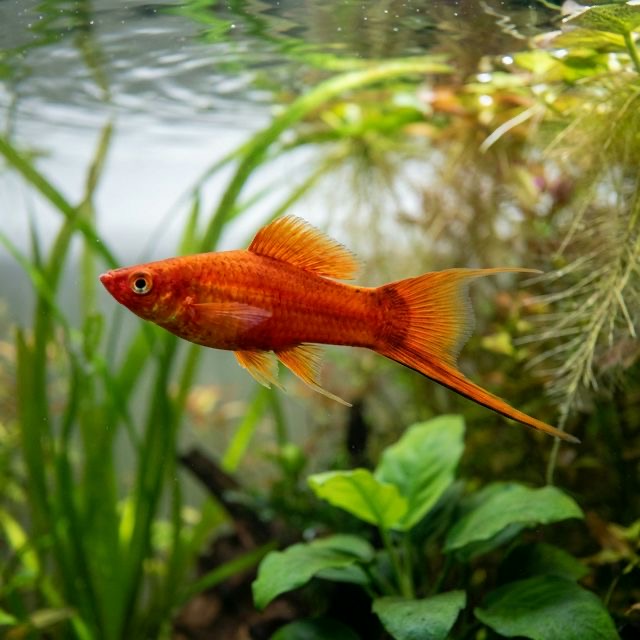
A classic livebearer with the males signature sword-shaped tail extension. Hardy, colorful, and easy to breed in community tanks.
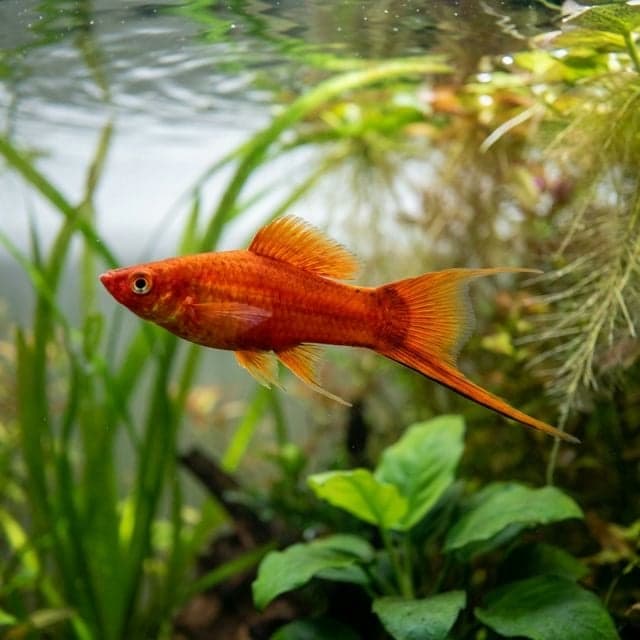
Swordtail
The Swordtail (Xiphophorus hellerii) is a vibrant freshwater fish that has captivated aquarists since its introduction to the hobby in the early 20th century. Known for their distinctive elongated tails resembling a sword, these fish boast a wide variety of colors including greens, reds, yellows, and even black, which makes them visually appealing additions to any aquarium. Their hardy nature and adaptability further enhance their popularity, allowing both novice and experienced aquarists to successfully maintain and breed them in captivity.
In addition to their aesthetic qualities, Swordtails hold significant importance in the aquarium trade due to their ease of care and breeding potential. They are often recommended for community tanks, making them suitable for family aquariums and educational environments. As a livebearer, the Swordtail is capable of producing multiple offspring at once, allowing enthusiasts to witness new life and understand fish reproduction dynamics, which is an educational experience for many hobbyists.
Natural Habitat & Origin
Swordtails are native to freshwater environments in Central America, particularly in Mexico, Honduras, and Guatemala. They typically inhabit shallow waters such as rivers, streams, and ponds rich in vegetation. The fish thrive in a range of water types, generally preferring clear or lightly tinted waters rather than blackwater environments. These habitats provide ample cover and food sources, allowing Swordtails to flourish in their natural ecosystem.
The environmental context of their natural habitat includes warm temperatures ranging typically between 22°C to 28°C (72°F to 82°F) and moderate to low water flow. The presence of submerged plants and detritus contributes to their feeding and breeding habits, making it essential to replicate such conditions in a home aquarium for optimal health and well-being.
Care Requirements
To ensure optimal well-being, Swordtails require specific water parameters. Ideally, the pH should be maintained between 7.0 and 8.5, with a temperature range of 22°C to 28°C (72°F to 82°F) and a hardness of 10-30 dGH. A minimum tank size of 20 gallons is recommended to provide ample swimming space, with a substrate that can be either sandy or gravel based to mimic their natural environment.
Lighting should be moderate, allowing for the growth of live plants which not only provide cover but also contribute to water quality. Providing a variety of plants, such as Java fern and Vallisneria, along with open swimming areas, will create a balanced environment. Additionally, incorporating driftwood or rocks can enhance visual interest and offer hiding spots essential for the fish's comfort.
Diet & Feeding
Swordtails are omnivorous, requiring a well-rounded diet that includes both plant and protein sources. High-quality flake or pellet foods can serve as a base diet, with added supplements of frozen foods like brine shrimp and daphnia to enhance their nutritional intake. Live foods can be provided occasionally to stimulate natural hunting behavior and promote vibrancy.
It's vital to ensure that any food provided is appropriate for the size and age of the Swordtail, as younger fish may require smaller particulate foods. A varied diet not only supports optimal growth and coloration but also keeps the fish engaged and reduces stress levels in the aquarium environment.
Behavior & Temperament
Swordtails are generally peaceful and social fish, making them great candidates for community aquariums. They exhibit schooling behavior and do best in groups, ideally with at least five of their kind to prevent any potential stress or isolation. While they are not considered aggressive, males can display territorial tendencies during mating rituals or when challenged, particularly in cramped environments.
In terms of tank placement, Swordtails tend to occupy the mid to upper levels of the aquarium. They enjoy swimming freely and can often be seen darting between plants and decorations. Providing ample horizontal space encourages more natural behaviors and reduces potential aggression among males.
Tank Mates
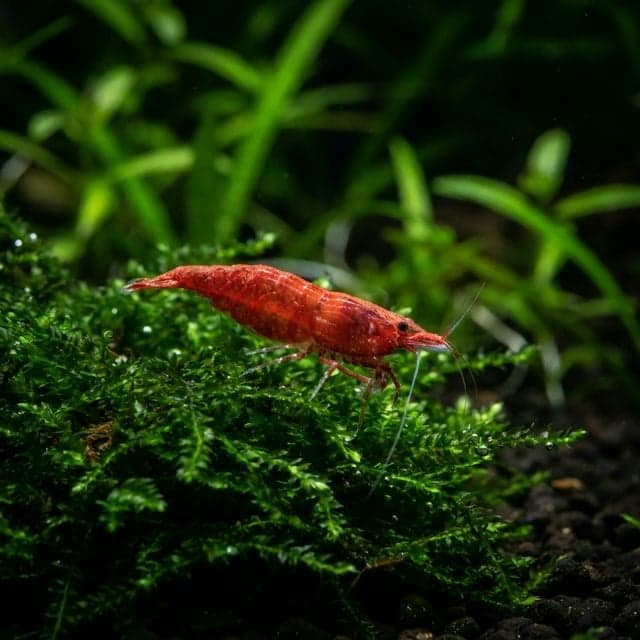
When selecting tank mates for Swordtails, it is important to choose species that are similarly peaceful and compatible in terms of size and behavior. Suitable companions include other livebearers like Platies, Guppies, and Mollies, as well as tetras (such as Neon Tetras) and rasboras. Other peaceful community fish such as Corydoras catfish and various species of shrimps can also coexist harmoniously.
Conversely, aggressive or fin-nipping species like Betta fish, Cichlids, and some larger barbs should be avoided to prevent stress and injury. Ensuring a harmonious community tank for Swordtails contributes significantly to their overall health and well-being.
Breeding
Breeding Swordtails is relatively straightforward, making them an ideal choice for aquarists looking to delve into fish reproduction. These livebearers can produce anywhere from 20 to 100 fry per litter, and optimal breeding conditions involve a separate breeding tank with stable water parameters and dense vegetation.
The male typically displays courtship behaviors such as chasing and displaying to the female, which leads to successful fertilization. To encourage breeding, ensure the female is well-fed and condition the breeding tank with gentle filtration and hiding spots. Post-breeding, the fry should be separated from adult fish to prevent predation, and they should be fed appropriate-sized foods to promote healthy growth.
Common Health Issues
While Swordtails are generally hardy, they are still susceptible to certain diseases, particularly if water conditions fluctuate. Common health issues include ich (White Spot Disease), fin rot, and bacterial infections. Maintaining optimal water parameters and regular tank maintenance can significantly reduce the risk of these illnesses.
Preventative measures such as quarantining new fish, providing a balanced diet, and ensuring proper tank maintenance are crucial for keeping Swordtails healthy. Observing behavior for signs of distress or illness can also lead to early detection and treatment, ensuring a thriving aquarium ecosystem.