Swordtail Characin: Corynopoma riisei
A 6cm characin whose males wave a paddle-tipped gill filament to lure females. Peaceful, easy to keep, and endlessly watchable.
Swordtail Characin
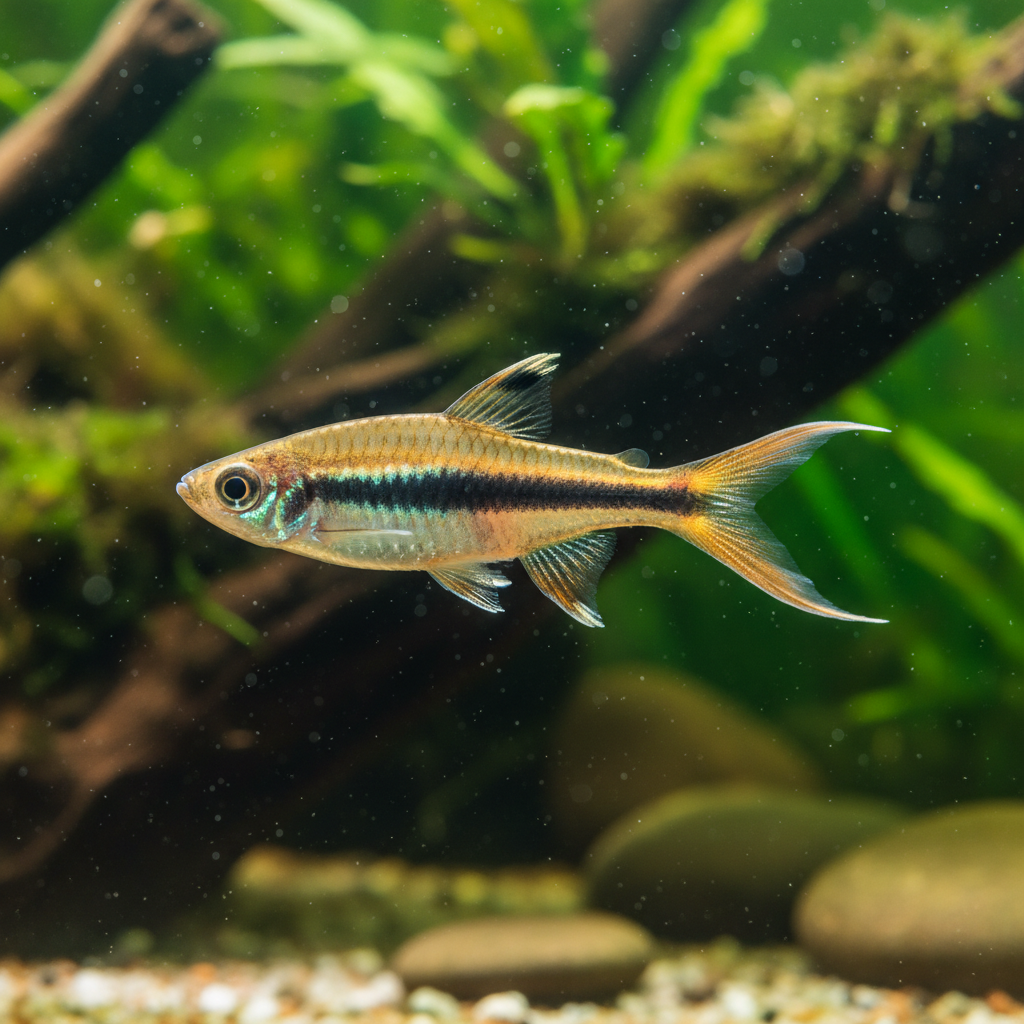
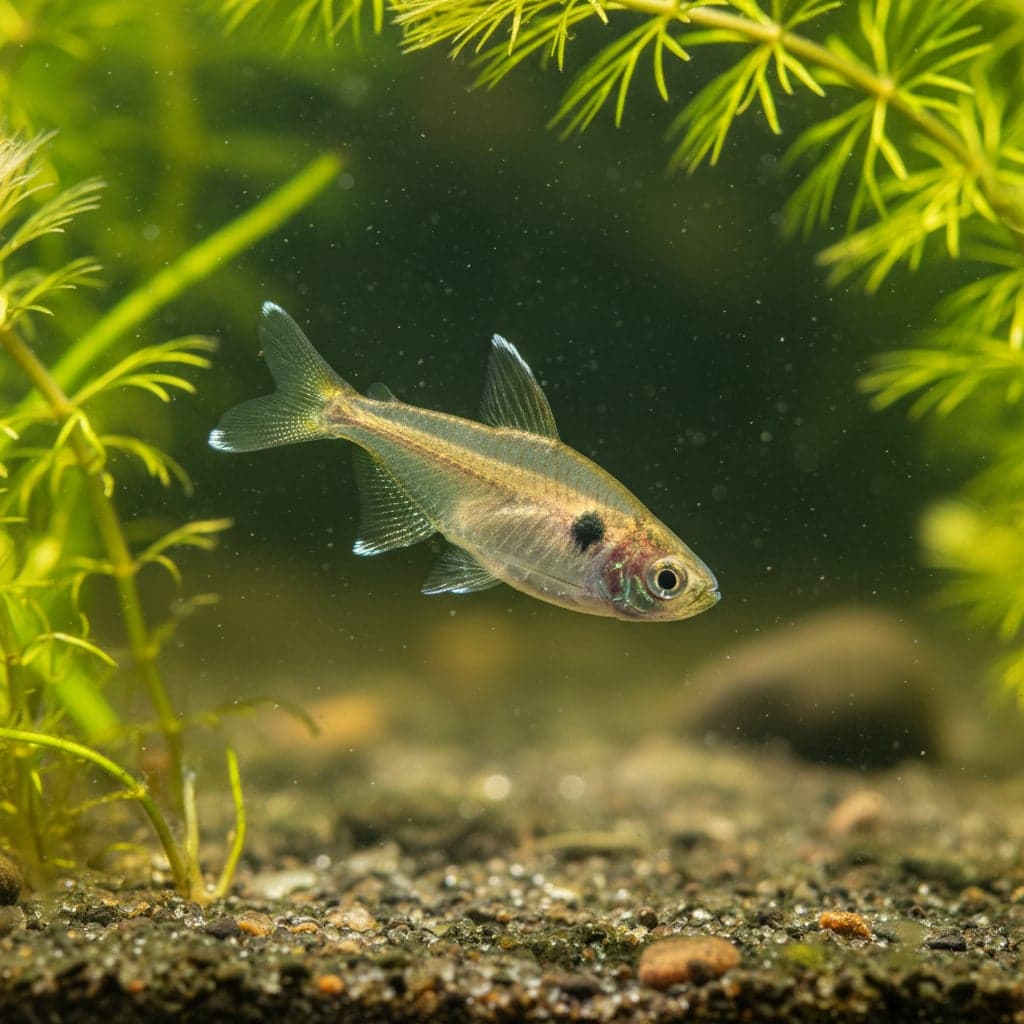
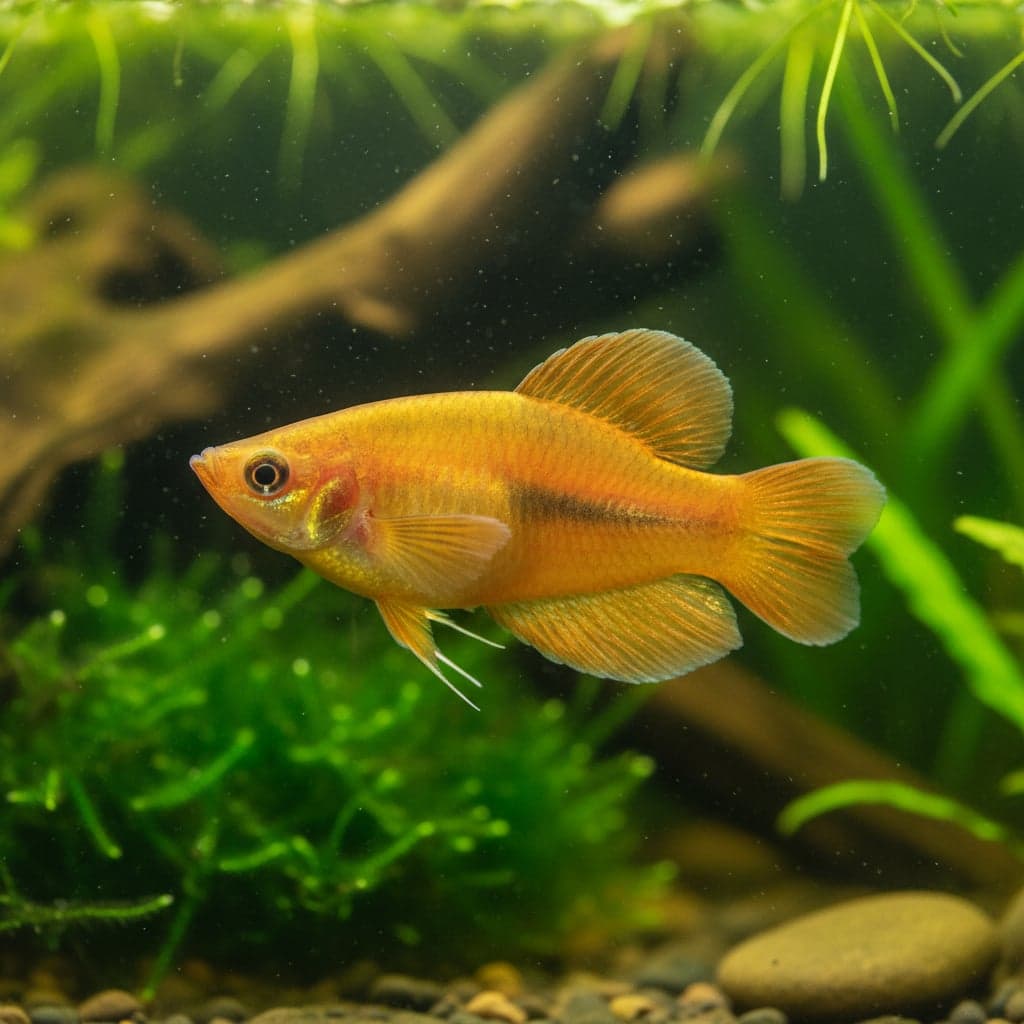
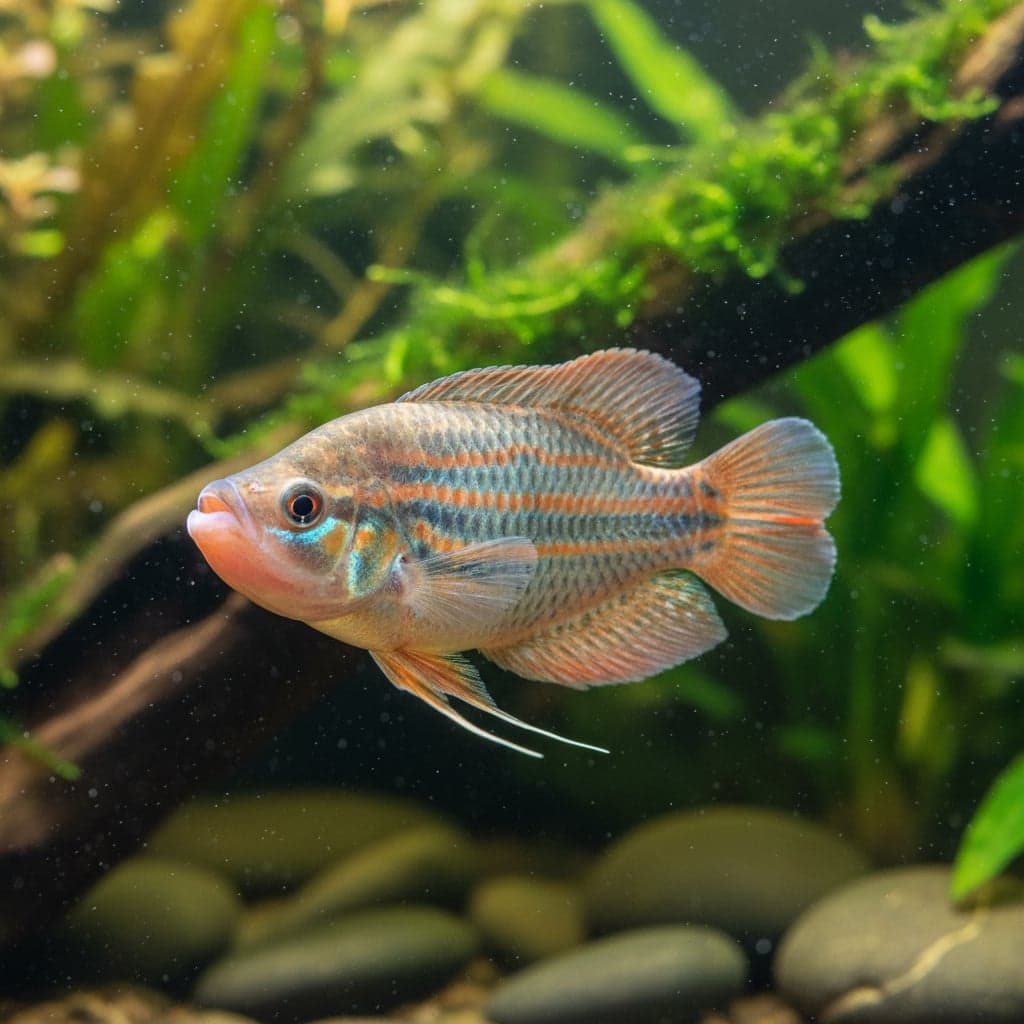
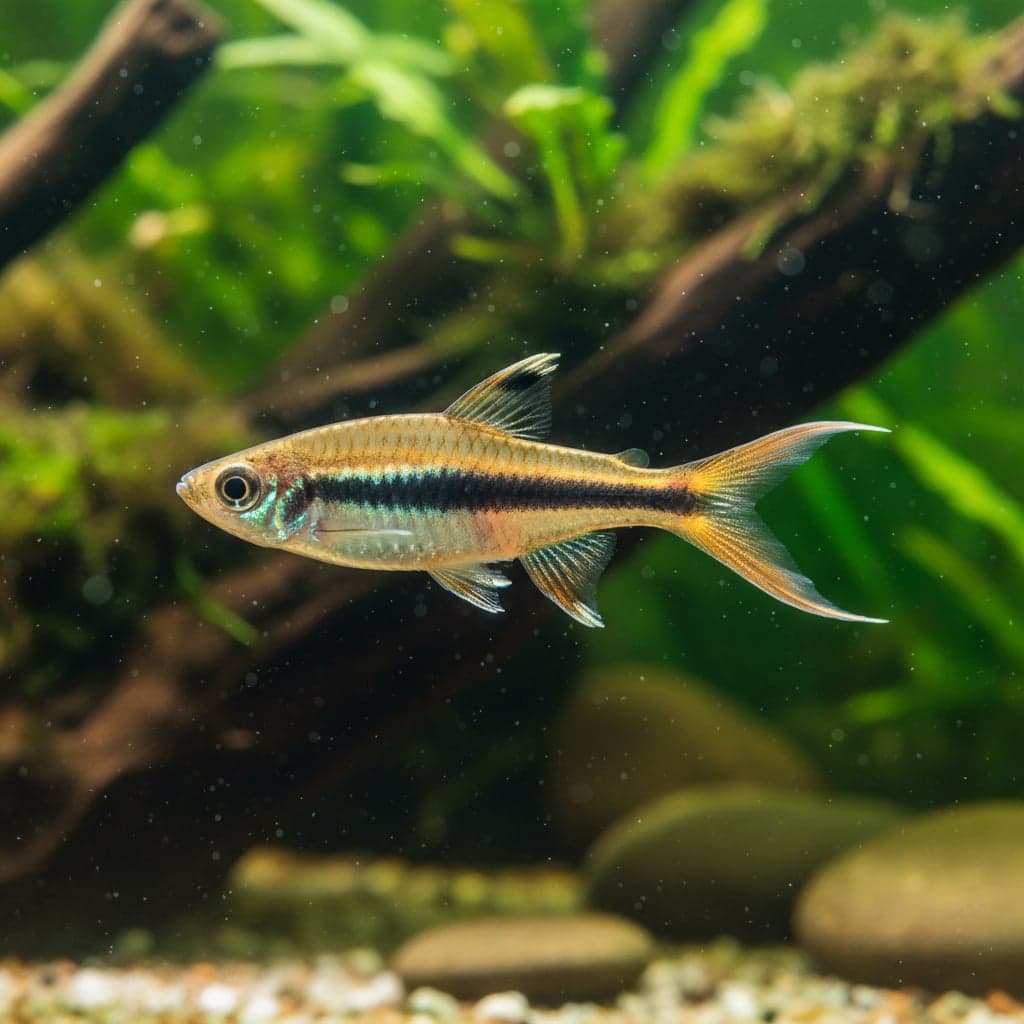
The Swordtail Characin, scientifically known as Corynopoma riisei, is a captivating freshwater fish native to South America, particularly found in the tropical waters of the Amazon Basin. With its slender body and striking, elongated fins, this species appeals to both novice and experienced aquarists alike. The Swordtail Characin features a shimmering silver body, accented by distinctive black and orange markings, which create an eye-catching display in any aquarium. Not only does this fish bring visual intrigue, but it also plays an essential role in maintaining biodiversity within its native habitat, effectively contributing to the ecological balance.
In the aquarium hobby, the Swordtail Characin is celebrated not only for its aesthetic qualities but also for its tranquil demeanor and adaptability to various aquarium settings. As a schooling fish, it thrives best in groups, making it a popular choice for community aquariums. Its unique swimming behavior, characterized by darting movements and gentle schooling, adds vitality to any aquarium environment. The Swordtail Characin’s easy-going nature and resilience further enhance its desirability, representing a perfect addition to aquarists looking for a visually stunning yet peaceful fish.
Natural Habitat & Origin
The Swordtail Characin hails from the slow-moving waters of the Amazon River and its tributaries, where it inhabits shallow areas rich in vegetation. These waters are typically classified as blackwater systems, characterized by high concentrations of dissolved organic matter, which gives the water a dark coloration. The environment is often warm, humid, and filled with submerged roots, decaying leaves, and dense aquatic flora. Such habitats create an intricate system of natural biofiltration, which is essential for the health of the Swordtail Characin, as well as other species inhabiting these waters.
Within this delicate ecosystem, the Swordtail Characin demonstrates a remarkable ability to adapt to its surroundings. It predominantly resides in areas with well-oxygenated waters that provide ample food sources. The presence of thick vegetation provides both shelter from potential predators and breeding spaces, making it a vital component of its ecological niche. This unique combination of factors influences its behavior, diet, and social interactions, which are essential for maintaining the life cycle of this fish.
Care Requirements
For optimal care, the Swordtail Characin requires a well-maintained aquarium environment with specific water parameters. Ideal conditions include a pH range of 5.5 to 7.5, a temperature of 24°C to 28°C (75°F to 82°F), and a water hardness of 2 to 12 dGH. A minimum tank size of 20 gallons is recommended, as this allows adequate space for schools of six or more individuals.
In terms of tank setup, a sandy substrate mimicking the natural riverbed is preferred, along with soft decorations such as driftwood and dense aquatic plants. Plants such as Java moss, Anubias, and floating water sprite not only provide hiding spots but also improve water quality by aiding in biofiltration. Lighting should be moderate, simulating the dappled sunlight found in their natural habitat, effectively enhancing the display of this ornamental species.
Diet & Feeding
The Swordtail Characin is an omnivorous species, thriving on a varied diet that includes both plant-based and protein-rich foods. In captivity, it can be fed high-quality flakes and small pellets designed for community fish. Supplementing their diet with frozen or freeze-dried foods like brine shrimp, daphnia, and bloodworms can enhance their overall health and coloration. Live foods offer additional nutritional benefits and encourage natural foraging behavior, making them an excellent choice for promoting vibrancy and health in these fish.
To ensure well-rounded nutrition, it's advisable to include blanched vegetables, such as zucchini or spinach, offering variety and encouraging natural grazing habits. Regular feeding, two to three times a day in appropriate portion sizes, will help keep the Swordtail Characin healthy and thriving.
Behavior & Temperament
The Swordtail Characin is known for its peaceful temperament and strong schooling instincts, making it an excellent choice for community tanks. These fish thrive in groups, where they display intricate social behaviors and often swim in a synchronized manner. They are characterized by their active swimming styles, frequently darting around the aquarium and exploring their surroundings. While typically non-aggressive, it is essential to ensure they are kept in spacious environments to reduce stress and promote comfort within the school.
In terms of vertical placement, the Swordtail Characin tends to occupy the mid to upper levels of the tank, frequently utilizing floating plants for cover. Their social nature also encourages interaction with other species, but care should be taken to avoid housing them with overly aggressive tank mates, as this could lead to stress and territorial disputes.
Tank Mates
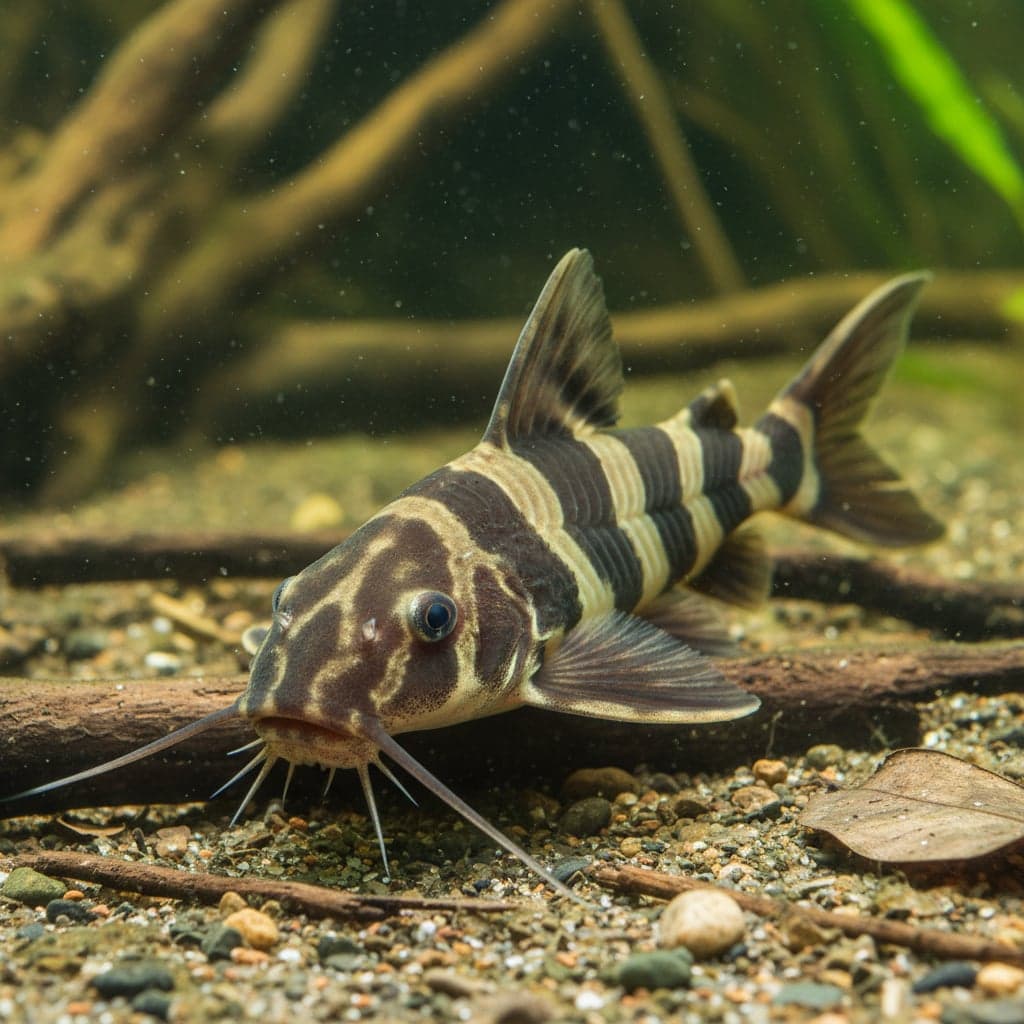
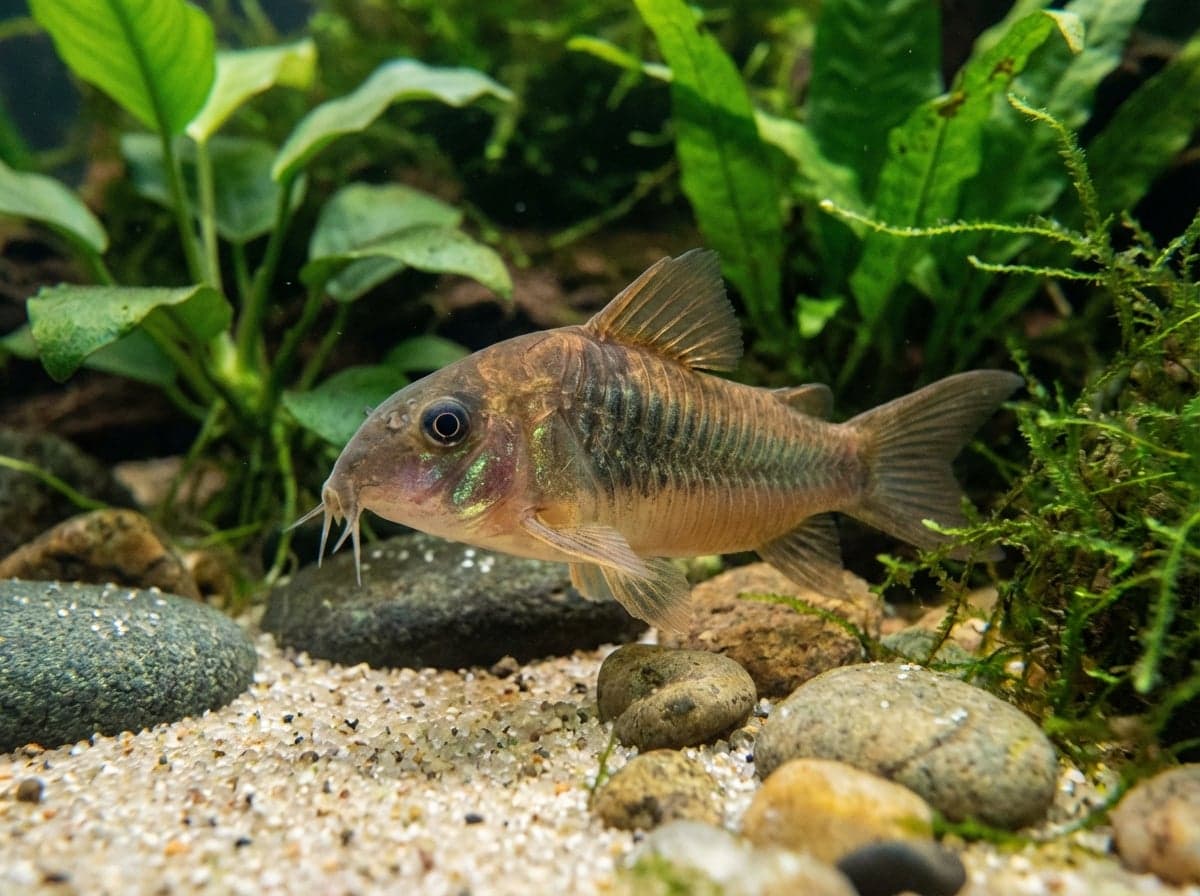
When selecting tank mates for the Swordtail Characin, it is crucial to consider compatibility and temperament. Suitable companions include small to medium-sized peaceful species such as Tetras (e.g., Neon Tetras, Rummy Nose Tetras), Rasboras, and Corydoras catfish. These species share similar water requirements and social behaviors, creating a harmonious tank environment. Additionally, gentle surface dwellers like Guppies and Dwarf Gouramis can also coexist peacefully with the Swordtail Characin, further enhancing the diversity of the community setup.
Conversely, it is best to avoid housing the Swordtail Characin with aggressive or territorial species, including larger Cichlids, Barbs, or any fish known for fin-nipping behavior, as these can cause stress and injury to the Swordtail Characin. By carefully selecting tank mates, aquarists can create a thriving and visually appealing aquarium.
Breeding
Breeding Swordtail Characins in captivity requires specific conditions to encourage spawning. These fish are egg-scattering spawners, meaning that they do not exhibit parental care after laying eggs. To initiate the breeding process, it is advisable to maintain a breeding group consisting of one male and two or more females. Providing a separate breeding tank with a soft substrate, plenty of spawning mops or plants for egg attachment, and increased water temperature (around 27°C or 81°F) can stimulate the breeding behavior.
After spawning, it is essential to remove the adult fish from the breeding tank to prevent them from consuming the eggs. The eggs typically hatch within 24 to 48 hours, with the fry becoming free-swimming shortly thereafter. Ensuring a suitable food source, such as infusoria or finely crushed flakes, is crucial for the survival of the young Swordtail Characins in their early development stages.
Common Health Issues
Swordtail Characins are generally hardy fish, but like any aquarium species, they may be susceptible to a few common health concerns. One of the most prevalent diseases is Ich, also known as white spot disease, characterized by white cysts on the fish's body and fins. Ensuring proper water quality and temperature can help prevent outbreaks. Another common issue is fin rot, which can occur if water conditions are subpar or if fish are kept in overcrowded environments.
To promote overall health, regular water changes, proper tank maintenance, and a balanced diet are essential preventive measures. Additionally, quarantining new fish before introducing them into an established tank can help minimize the risk of disease transmission, ensuring that the Swordtail Characin thrives in a healthy and stable environment.