T-Bar Cichlid: Amatitlania sajica
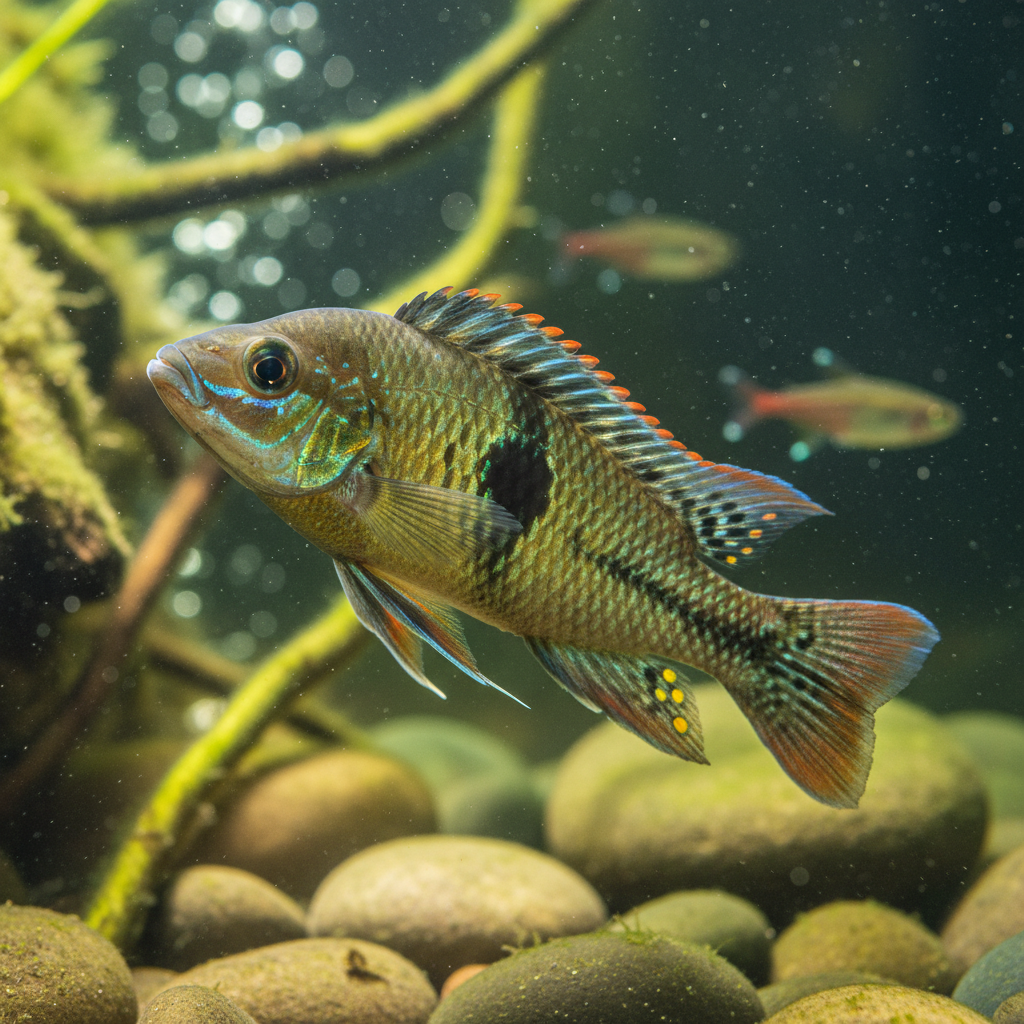
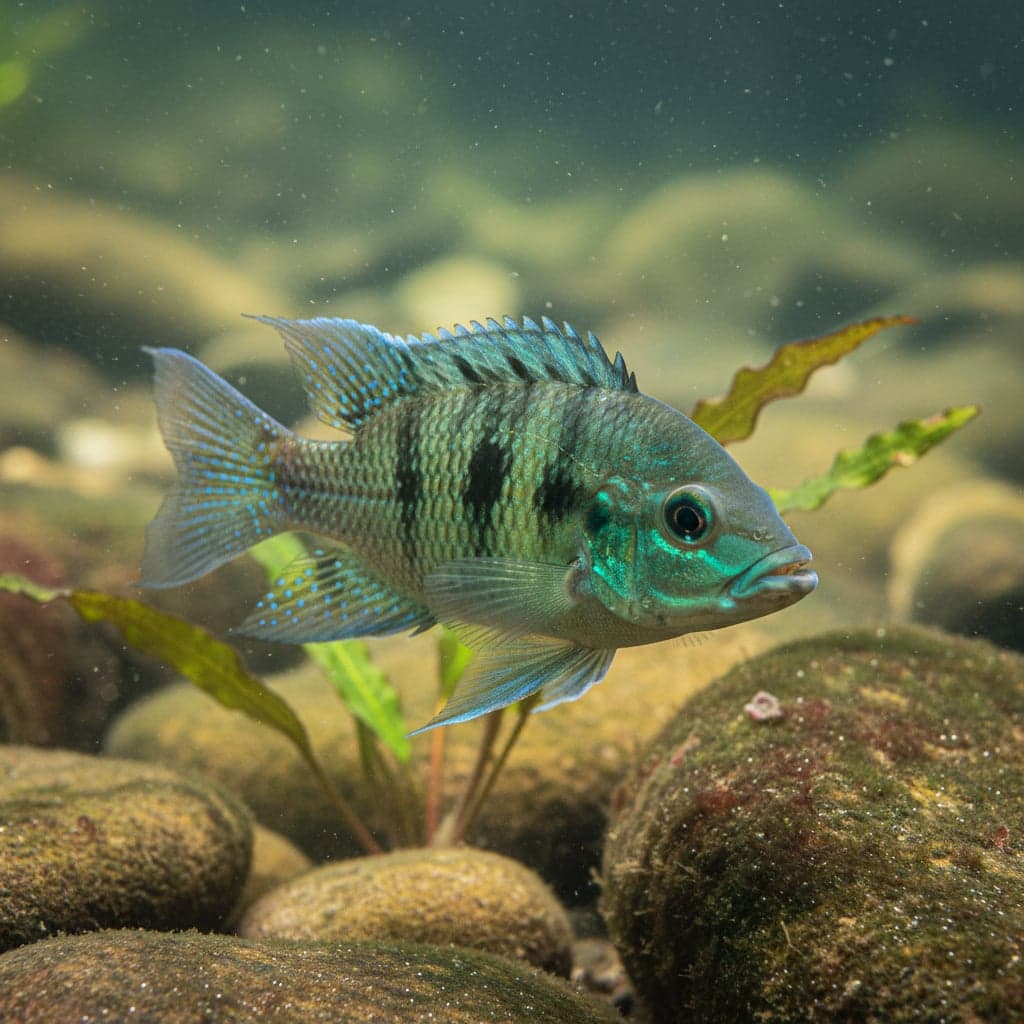
A 12cm Central American cichlid marked with a black T. Smaller and calmer than a convict, but still territorial when breeding.
T-Bar Cichlid
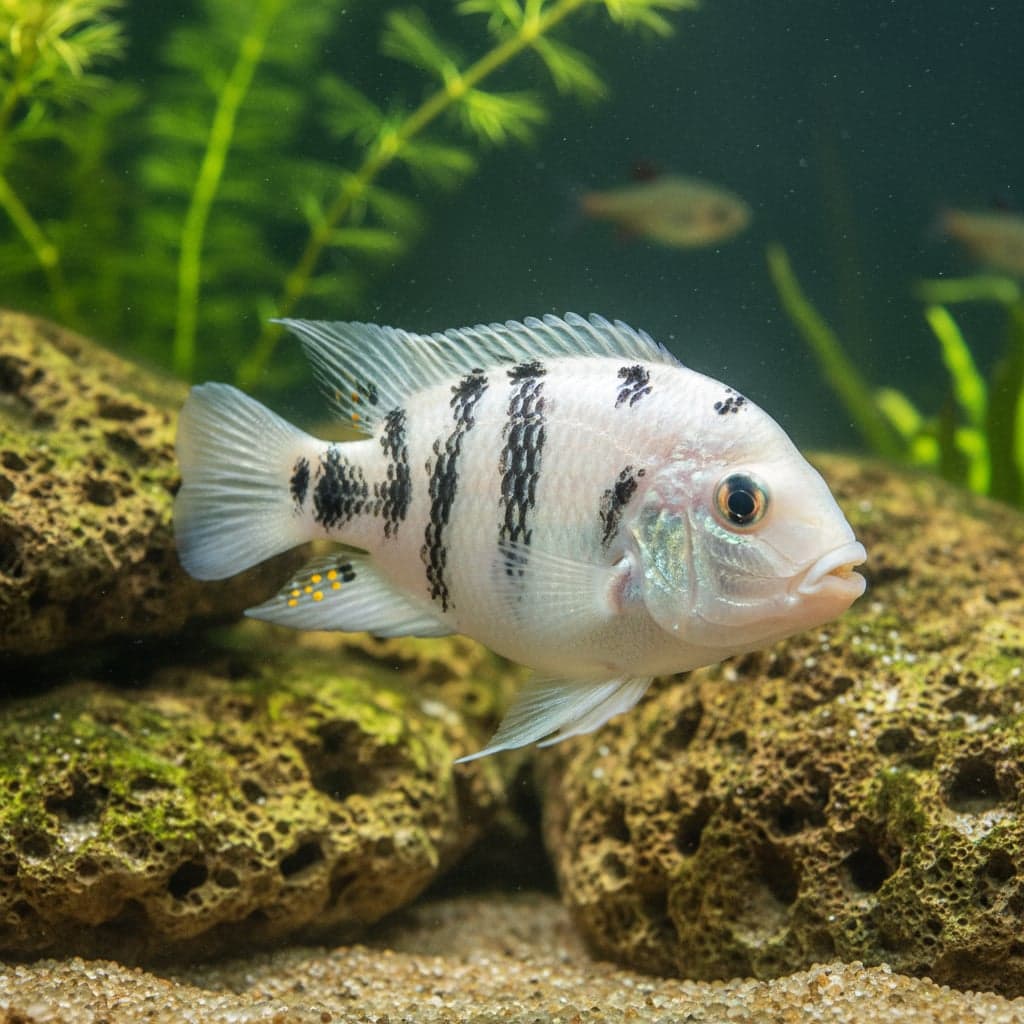
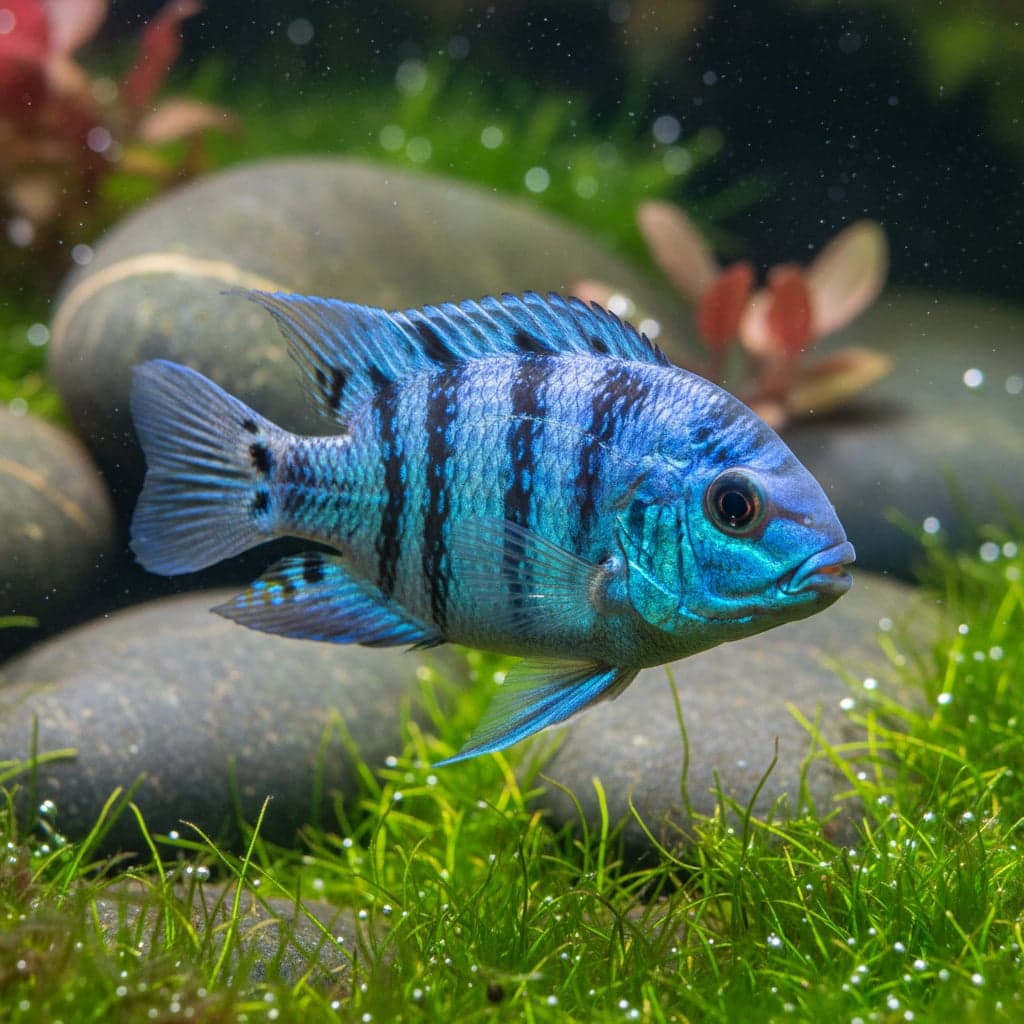
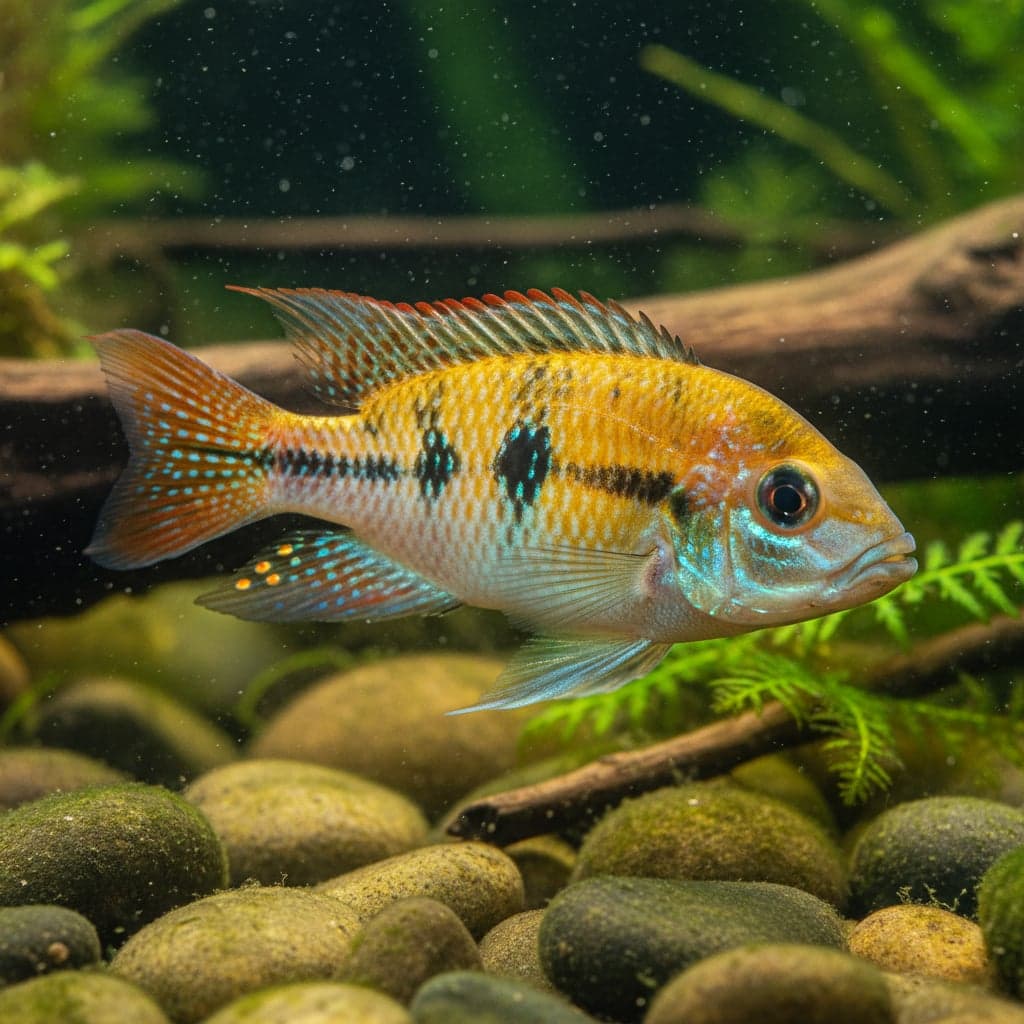
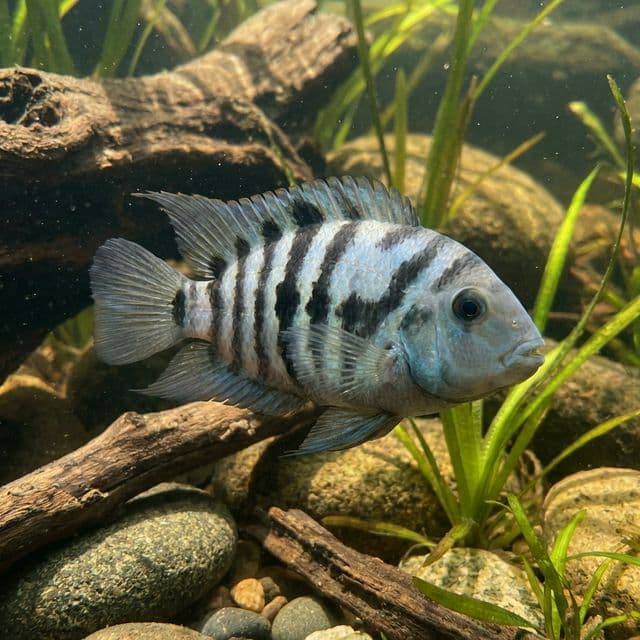
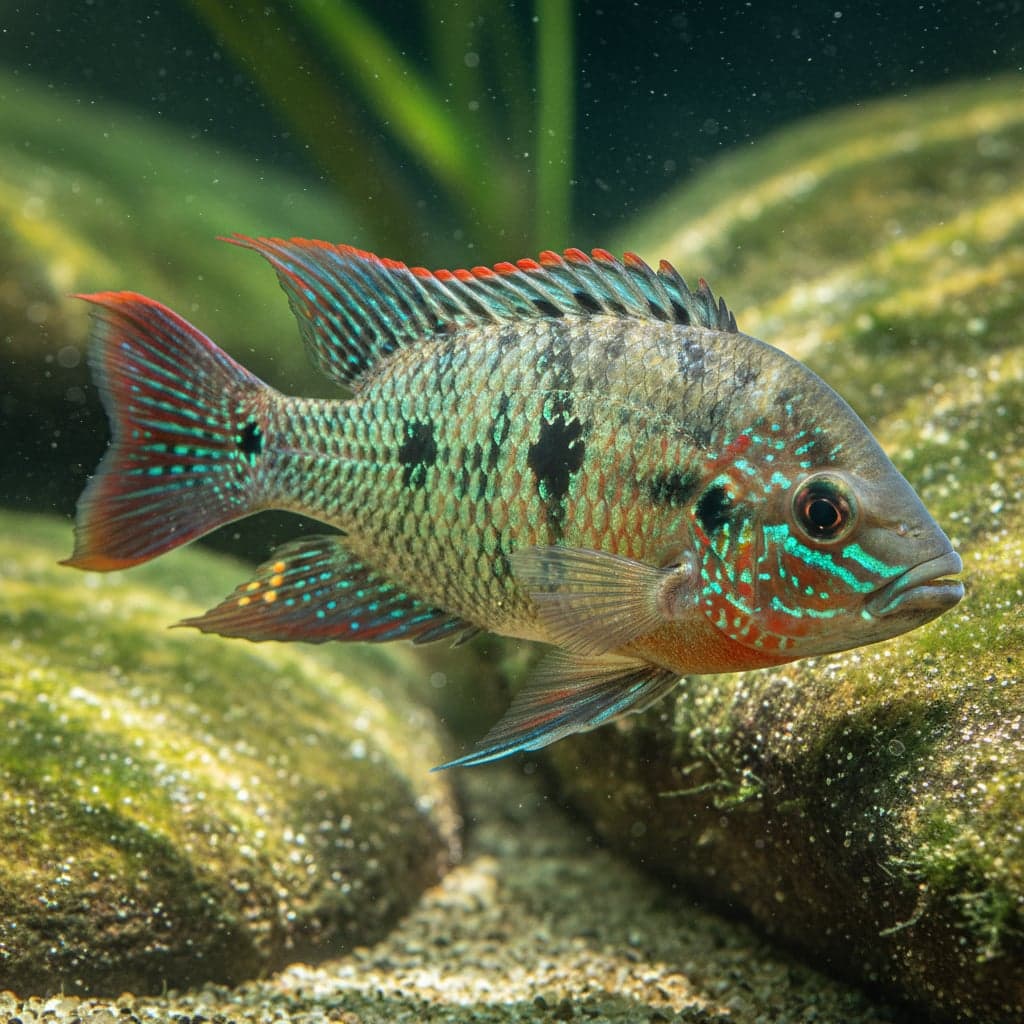
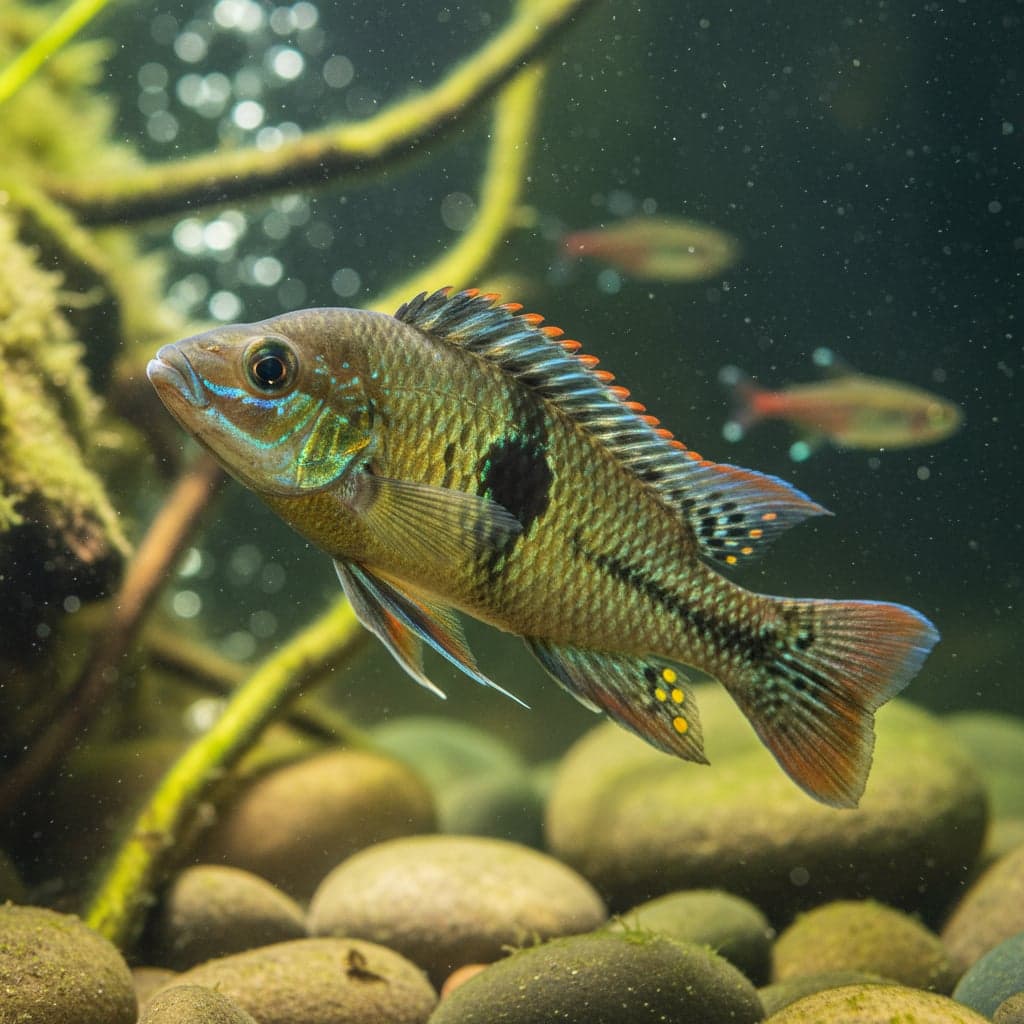
The T-Bar Cichlid, scientifically known as Amatitlania sajica, is a captivating freshwater fish sought after by aquarists for both its striking appearance and engaging behavior. Distinguished by the bold, vertical stripes of black that adorn its body, resembling a distinctive “T” shape, this cichlid typically showcases a brilliant palette of blues, yellows, and silvers, making it an alluring addition to any aquarium. Adult males can grow up to 4 to 5 inches, while females tend to be slightly smaller. Their vibrant colors are particularly pronounced under proper lighting, making them a focal point in community tanks or species-specific setups.
In the aquarium hobby, the T-Bar Cichlid holds significance not only for its beauty but also for its hardiness and adaptability to various water conditions. Unlike some other cichlid species, which can demonstrate extreme aggression, the T-Bar Cichlid tends to exhibit a more manageable temperament, allowing it to be a perfect choice for both novice and experienced aquarists. Its unique visual appeal intertwined with a generally amiable personality makes it a popular species in home aquariums.
Natural Habitat & Origin
The T-Bar Cichlid is native to the freshwater rivers and lakes of Central America, with a range extending from Costa Rica down to Nicaragua. These cichlids are typically found in clear, warm waters with plenty of rocks and vegetation, usually within areas that provide shelter and breeding sites. Often residing in slow-moving streams and shallow areas of lakes, these fish thrive in environments abundant in natural detritus and plant matter. The natural ecological conditions they inhabit contribute to their adaptive qualities within aquarium settings, where replicating similar water parameters is crucial for their well-being.
In their native habitat, T-Bar Cichlids prefer soft, acidic to neutral waters, making it essential for aquarists to provide an appropriate environment that mimics these conditions. The combination of mineral-rich substrates, plant life, and shelter in the form of rocks and caves re-creates their natural habitat effectively, increasing their comfort and reducing stress.
Care Requirements
Providing the right care for your T-Bar Cichlid involves monitoring and maintaining specific water parameters essential for their health. Ideally, the pH level should range between 6.5 and 7.5, with a temperature maintained between 75°F and 82°F (24°C - 28°C). The water hardness is recommended to be between 5 to 15 dGH, ensuring optimal conditions for their growth and development.
For tank setup, a minimum tank size of 30 gallons is recommended, particularly if you plan to keep more than one T-Bar Cichlid or a community of tank mates. A sandy or fine gravel substrate is preferable to prevent injury during digging or swimming. The addition of driftwood and rocks will not only offer hiding spaces but also create territory boundaries, which are essential for the T-Bar Cichlid’s comfort. Lighting should be moderate, with plenty of shaded areas provided by live plants or decor to replicate their natural habitat.
Diet & Feeding
The T-Bar Cichlid is classified as an omnivore, which allows for a diverse diet that can cater to various feeding options. In captivity, it is important to provide a balanced diet consisting of high-quality flakes and pellets designed for cichlids. These should be supplemented with occasional feedings of frozen or live foods, such as brine shrimp, daphnia, and bloodworms.
Offering a variety of food not only promotes bright coloration but also keeps the T-Bar Cichlid healthy and active. It is beneficial to include some vegetable matter in their diet, which can be provided through spirulina flakes or blanched vegetable pieces, giving them the necessary nutrients to thrive.
Behavior & Temperament
The behavior of the T-Bar Cichlid is generally characterized by its energetic and inquisitive nature. While they may exhibit territorial tendencies, they are considered relatively peaceful when housed with compatible tank mates. They thrive best in a semi-aggressive community setup, featuring similar-sized species. Social interactions among T-Bar Cichlids can vary, with individuals displaying varying degrees of curiosity towards their surroundings, especially when new additions are introduced to the tank.
These cichlids often claim and defend their territory, usually occupying the mid-level to the bottom region of the aquarium where they can easily navigate between rocks and plants. Their vertical swimming pattern allows for an engaging display, particularly when they interact with other fish.
Tank Mates
Choosing suitable tank mates for the T-Bar Cichlid is crucial for maintaining harmony within the aquarium. Compatible species typically include other similarly-sized, semi-aggressive cichlids such as the Bolivian Ram and keyhole cichlids. Additionally, medium to large-bodied fish such as tetras, barbs, and peaceful gouramis can coexist well, provided they do not exhibit fin-nipping behaviors.
However, there are certain species to avoid, particularly those that are overly aggressive or significantly smaller, as they may become targets for aggression. Species such as small bettas, vulnerably-sized guppies, or fin-nipping fish like certain species of barbs may not thrive in a tank with T-Bar Cichlids.
Breeding
Breeding T-Bar Cichlids can be a rewarding experience for aquarists, as they exhibit fascinating parental behaviors. To encourage successful breeding, it's essential to provide a spawning area, which can be created using flat rocks or specific breeding caves. The ideal conditions for spawning include slightly higher water temperatures (around 78°F to 82°F) and a pH slightly on the acidic side (ranging from 6.5 to 7.0).
During the breeding process, it’s common for the female to lay eggs on a flat surface, with the male fertilizing them shortly afterward. The parents will usually take turns guarding the eggs and can become aggressive towards other tank inhabitants. After roughly 3 to 5 days, the eggs will hatch, and the parents will continue to protect the fry, which can be fed finely crushed flake food or specialized fry food until they are large enough to consume larger particles.
Common Health Issues
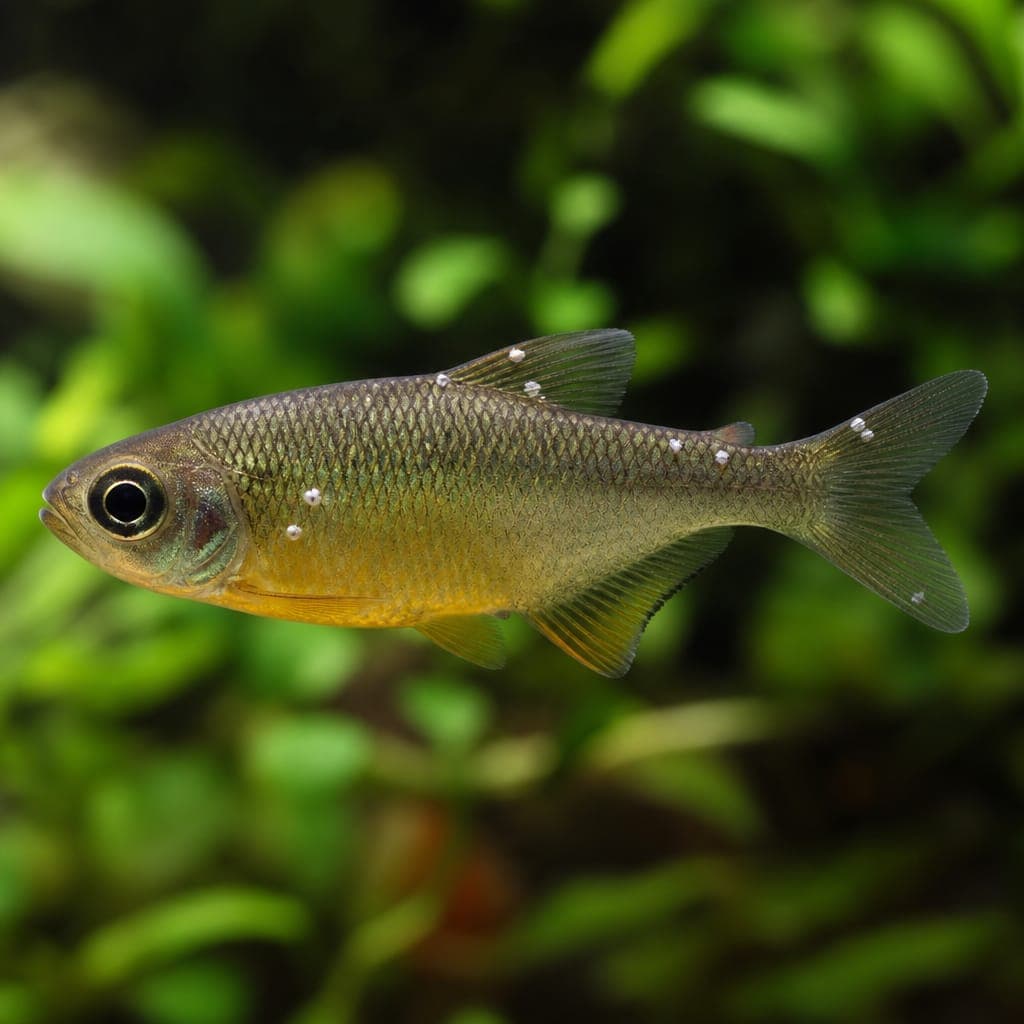
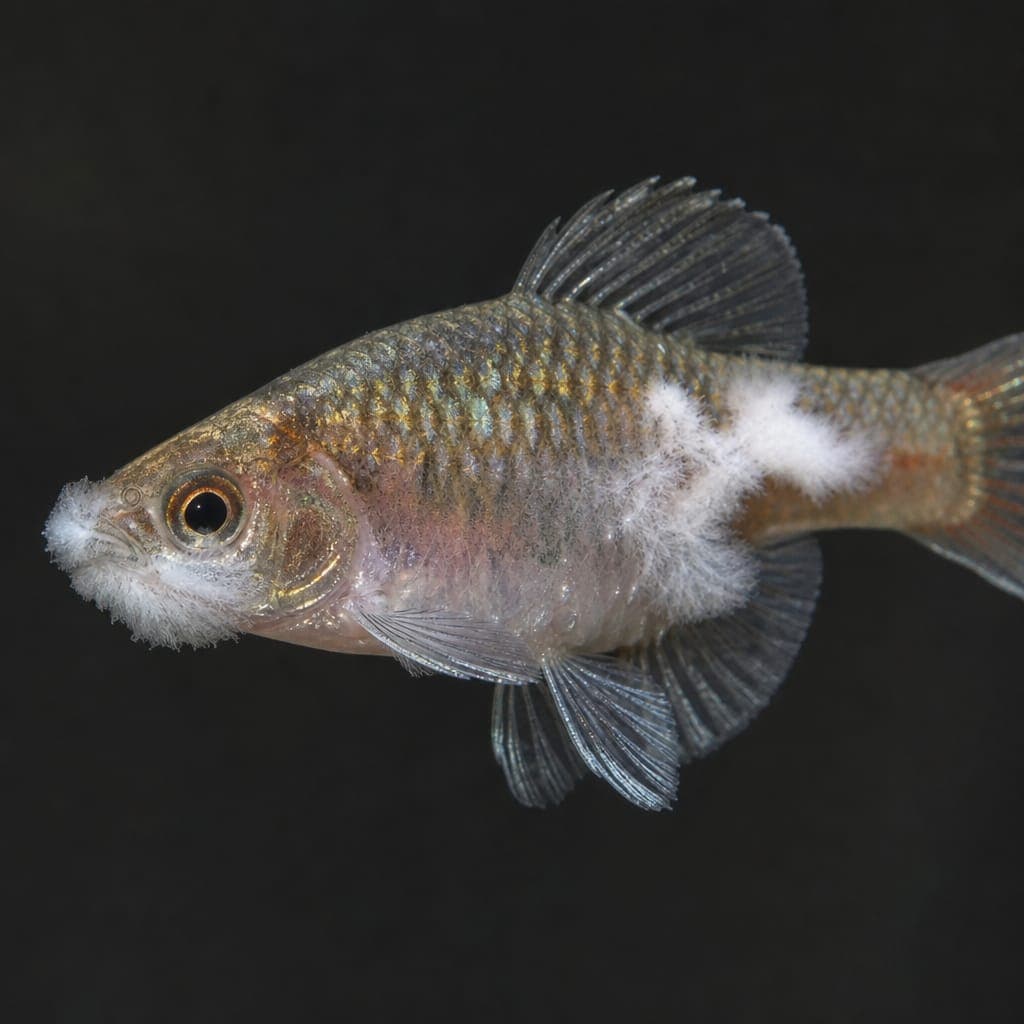
While T-Bar Cichlids are generally hardy, they can face certain health issues that aquarists should be vigilant about. Common diseases include ich (ichthyophthirius multifiliis), fin rot, and fungus infections. Ensuring high water quality through regular maintenance, water changes, and appropriate filtration can prevent many of these conditions.
Observing the behavior and appearance of the T-Bar Cichlid regularly can facilitate early detection of issues. Quarantining any new arrivals can also reduce the risk of disease introduction. When necessary, aquarium-safe medications should be used promptly to treat infections, along with maintaining optimal water parameters to support recovery.