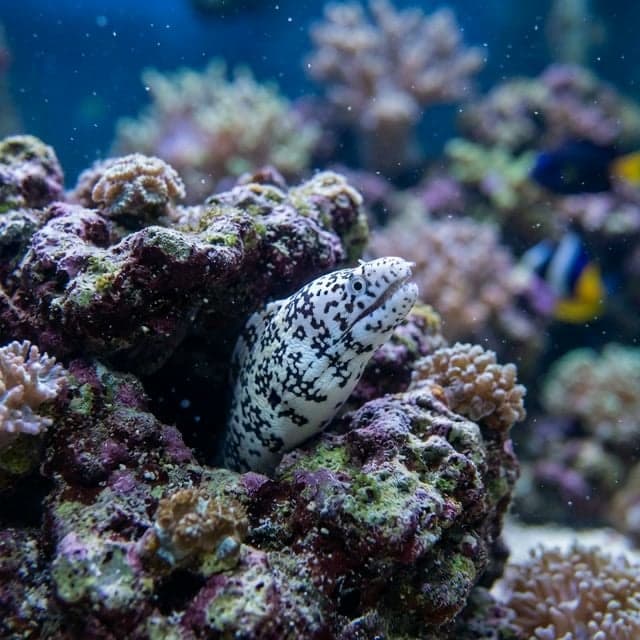
Tailspot Blenny: Ecsenius stigmatura
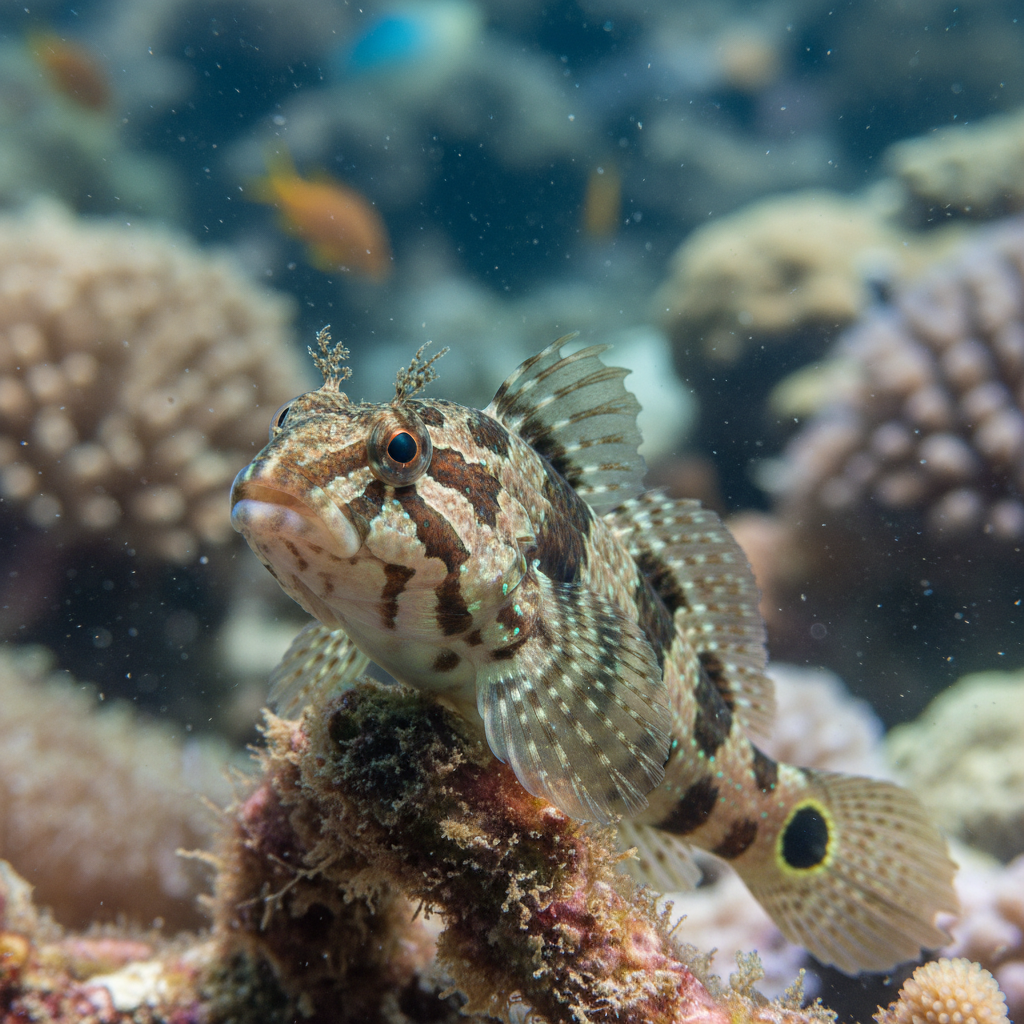
A tiny, expressive reef blenny with a distinctive tail spot. Perfect for nano reef tanks—it perches on rocks and peers at you with oversized eyes and genuine personality.

Tailspot Blenny
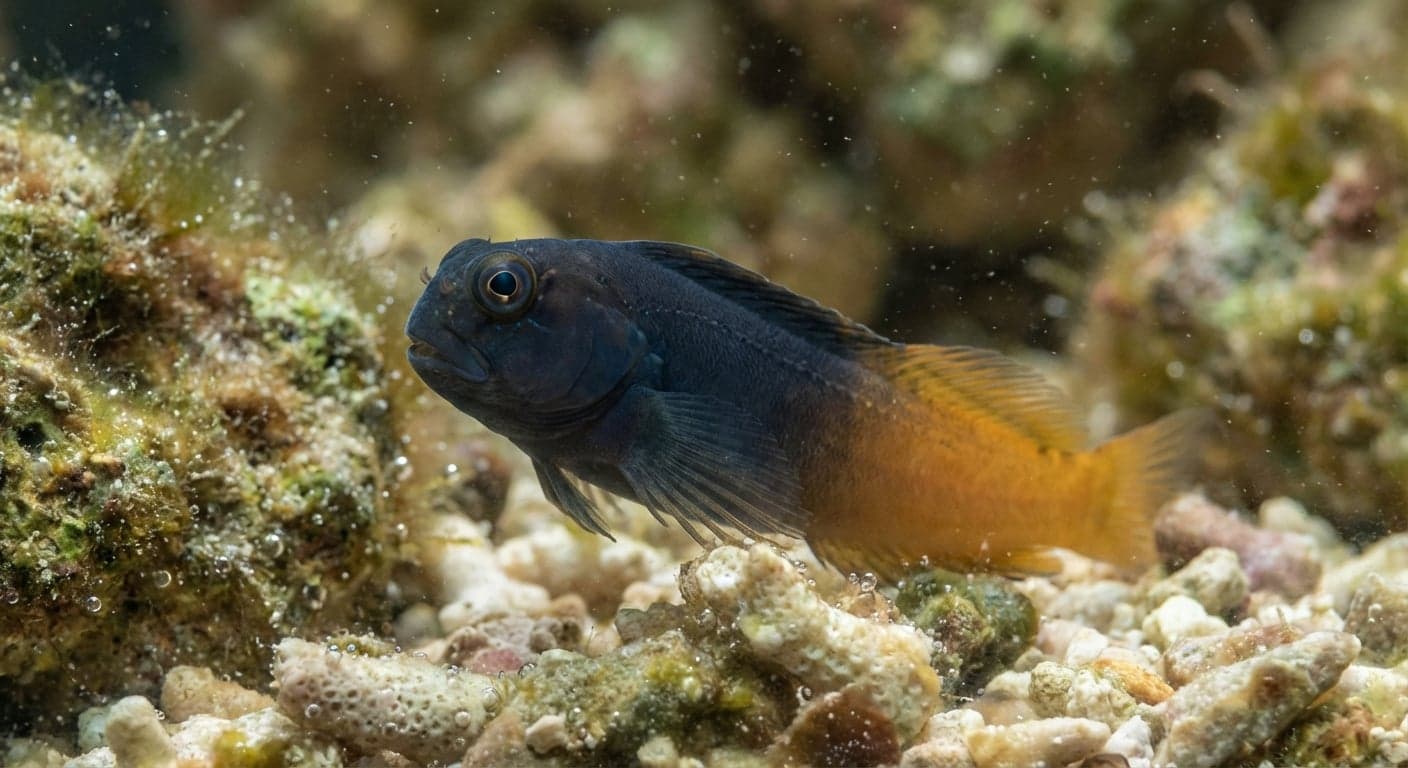
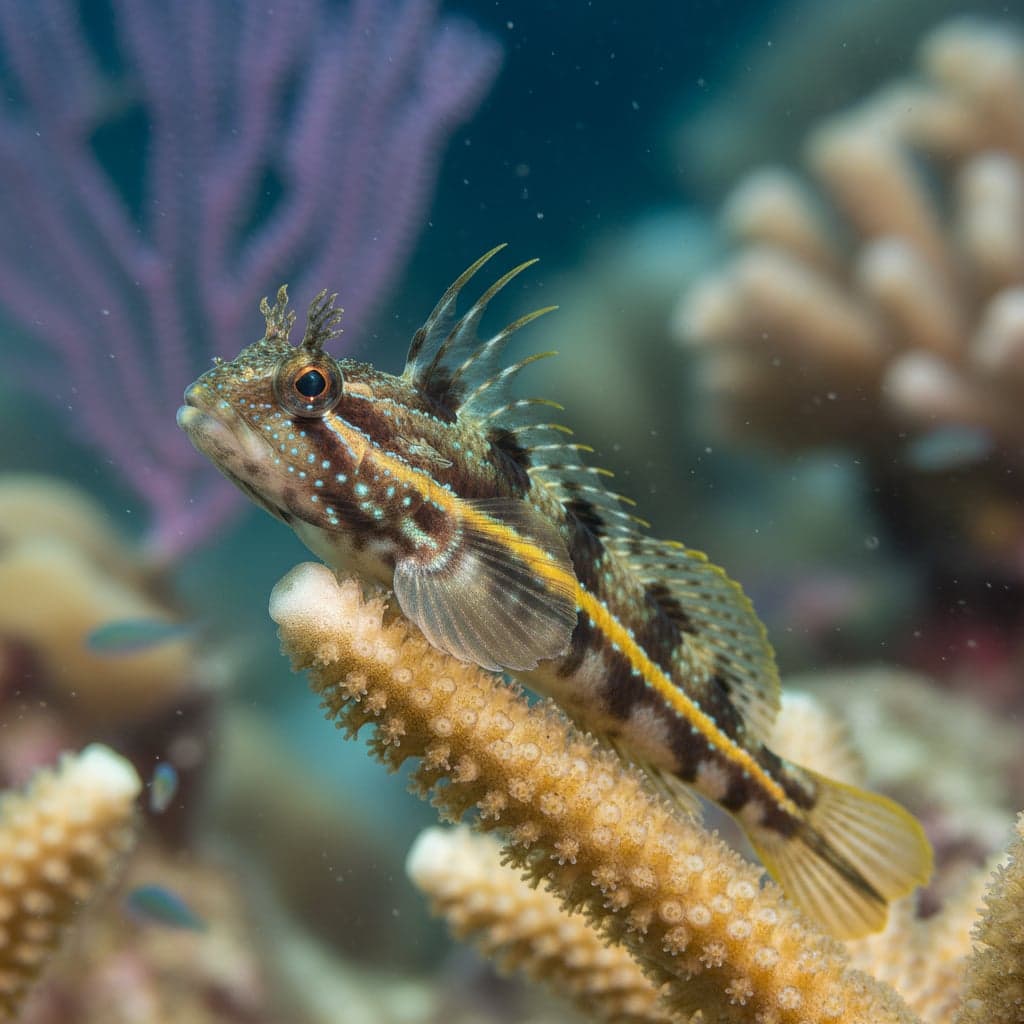
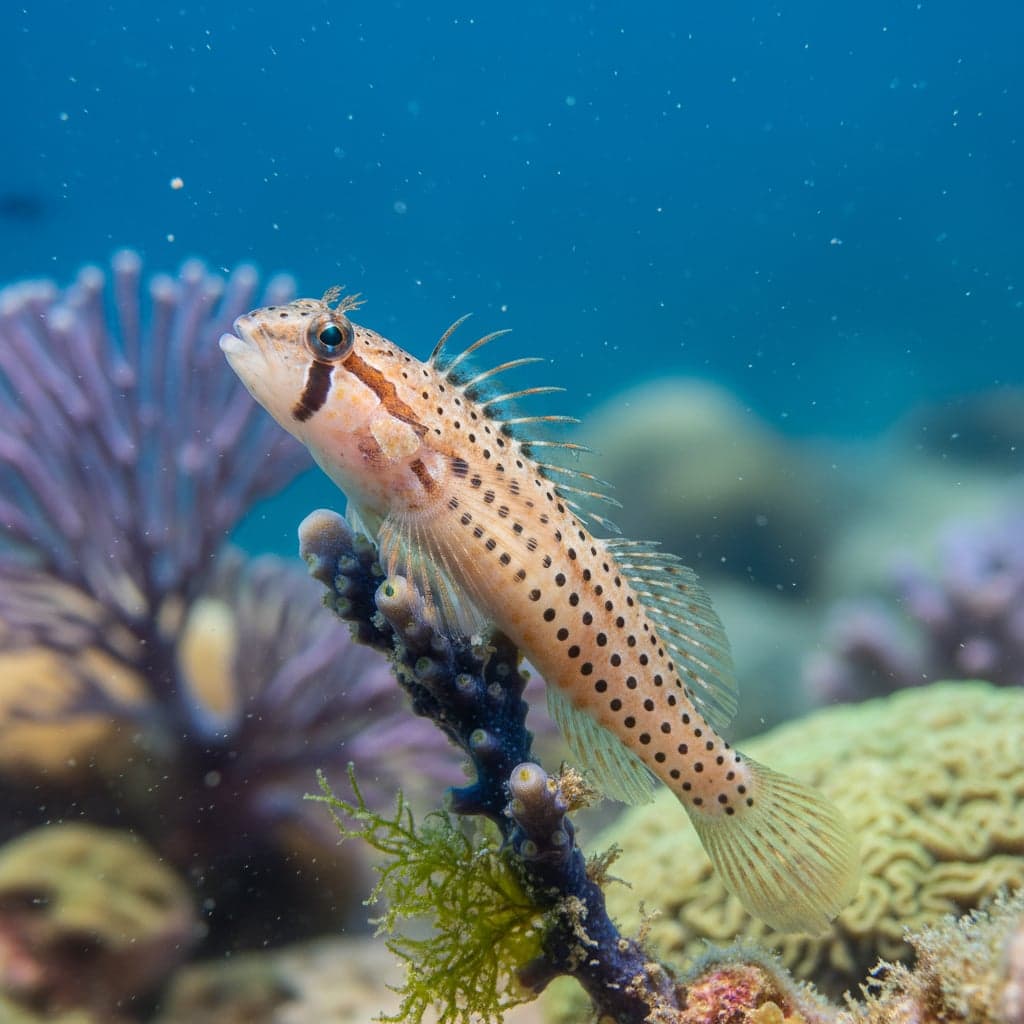
The Tailspot Blenny, scientifically known as Ecsenius stigmatura, is a captivating species of blenny that has gained a significant following among aquarium enthusiasts. Characterized by its distinctive appearance, this small fish features a unique pattern of spots on its tail that adds an attractive visual element to any aquarium setting. Typically, it exhibits a blend of earthy tones, primarily shades of brown and yellow, enhancing its appeal and making it an excellent addition to a reef or compatible community tank. What truly sets the Tailspot Blenny apart is its playful behavior and charming personality, as it often darts between rocks and corals, engaging the viewers and adding dynamic movement to the aquarium.
In terms of significance within the aquarium hobby, the Tailspot Blenny serves not only as a striking visual piece but also plays a role in maintaining the health of the tank ecosystem. It is known for its territorial nature, which can contribute to the balancing of tank dynamics by interacting with both invertebrates and other fish species. This fish thrives in marine and reef environments, often found in rocky crevices and around coral reefs in its natural habitat. Its health and enthusiasm in captivity reflect its adaptability, making it a rewarding choice for both novice and experienced aquarists seeking a delightful fish that also serves a functional role in the aquarium ecosystem.
Natural Habitat & Origin
The Tailspot Blenny is originally found in the warm waters of the Indo-Pacific region, primarily inhabiting areas around the coral reefs of the Red Sea, the eastern coast of Africa, and various islands in the Pacific Ocean. Specifically, its geographical range includes regions such as Fiji, Tonga, and Vanuatu, where it can be observed residing in shallow waters among rocks and coral structures. The Tailspot Blenny typically prefers clear to slightly turbid waters, which allow for ample light penetration and support the growth of algae and other microorganisms that form the cornerstone of its diet.
Within its natural environment, the Tailspot Blenny thrives in stable marine conditions characterized by a moderate degree of water movement and a variety of hiding spots and crevices. The substrate is often composed of fine sand and rocky formations. The environmental context of its habitat plays a significant role in shaping its behavior and care requirements in captivity; thus, replicating these conditions is essential for keeping this species healthy and happy.
Care Requirements
For aquarists looking to care for Tailspot Blennies, maintaining the right water parameters is crucial. The ideal pH range for their tank should be between 8.1 and 8.4, with a temperature of 75°F to 82°F (24°C to 28°C). Additionally, the water hardness should range from 8 to 12 dKH, which mimics the conditions of their natural habitat. The tank should ideally be a minimum of 30 gallons to provide the space these fish require to thrive and establish their territories.
When it comes to the tank setup, consider using a sandy substrate as it allows the Tailspot Blenny to exhibit its natural behaviors, such as digging and foraging. Include a network of live rock and various hiding spots to promote security and reduce stress. Moderate lighting is recommended to encourage algal growth, which is a dietary staple for the fish. Live plants are typically not included in a marine setup, but coralline algae and other algae-covered surfaces should flourish, as this helps meet their grazing needs.
Diet & Feeding
The Tailspot Blenny is an omnivorous fish that primarily feeds on algae in its natural habitat. In captivity, it thrives on a well-balanced diet that includes high-quality marine algae, spirulina flakes, and pellets. These diet types are essential because they provide the necessary nutrients for growth and overall health. Additionally, frozen or live foods, such as Mysis shrimp or brine shrimp, can be introduced periodically to offer variety and enrichment in their feeding routine.
It’s essential to feed Tailspot Blennies small portions multiple times a day to mimic their natural grazing behavior. This not only keeps them active but also prevents overfeeding and the resulting water quality issues that can arise from uneaten food. Balanced nutrition is vital to supporting their vibrant coloration and energetic lifestyle.
Behavior & Temperament
The Tailspot Blenny exhibits a unique blend of energy and territorial behavior, making it both entertaining and engaging in the aquarium. Generally, these fish prefer to establish their own territories near rocks and corals, where they can hide and feel secure. While they can be territorial, especially towards their own species, they usually exhibit a calm demeanor with other species, making them relatively easy to keep in community tanks.
In terms of vertical placement, the Tailspot Blenny tends to inhabit the lower sections of the tank, leveraging its natural instincts to hide in crevices and near the substrate. This species is known for its engaging display of behavior; they often perch on rocks before darting out to taste the algae, providing a lively and charming presence in any reef setup.
Tank Mates
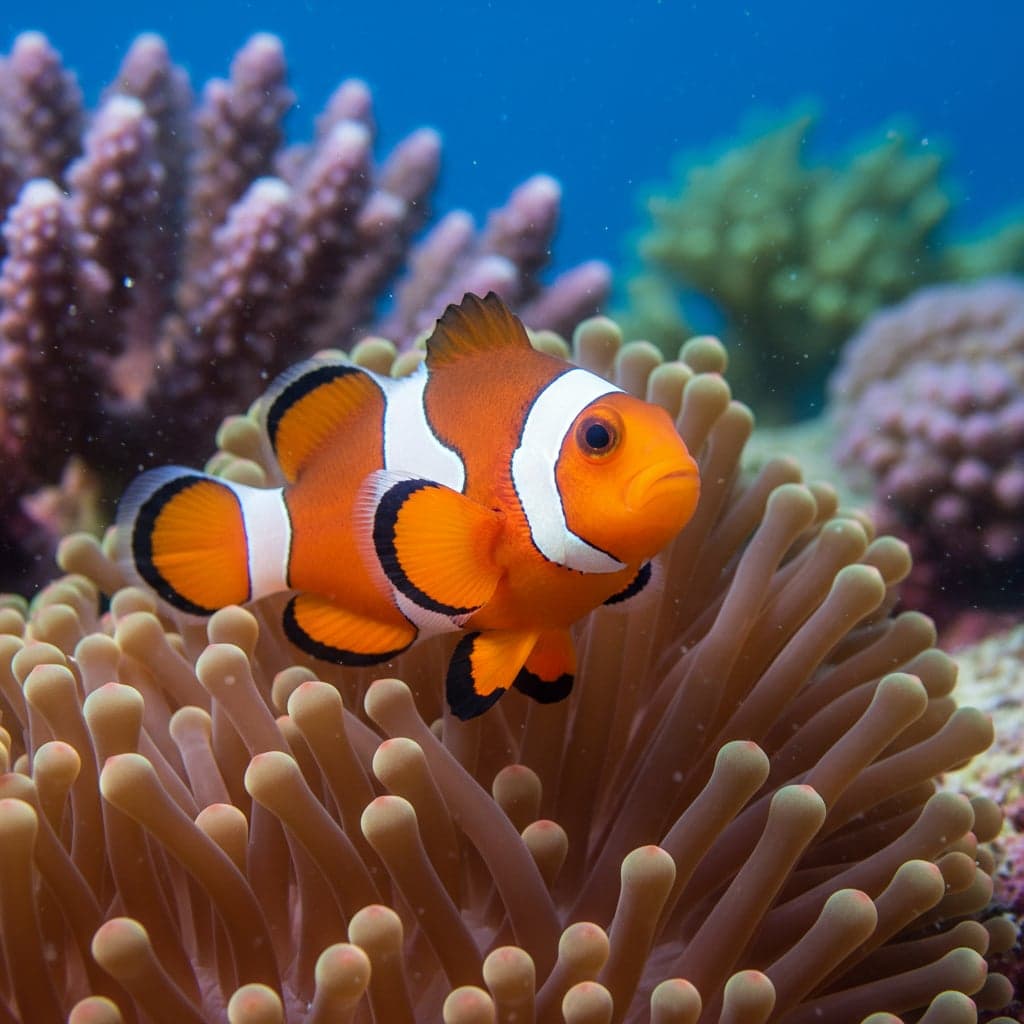
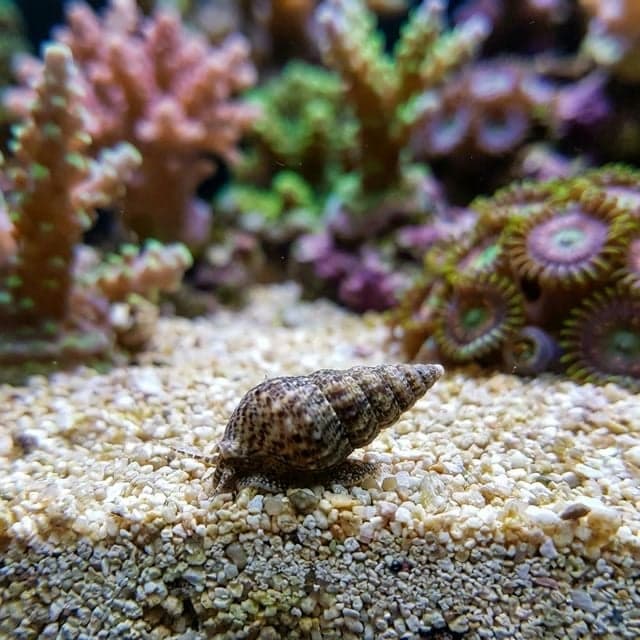
Choosing compatible tank mates for the Tailspot Blenny is an important consideration to ensure a harmonious aquarium environment. Compatible species include small peaceful fish such as clownfish, gobies, and marine tetras. These fish share similar temperament and space requirements, reducing the chances of aggressive interactions. Additionally, invertebrates like snails, cleaner shrimp, and hermit crabs can coexist well with the Blenny, as they do not pose a threat to each other.
However, it is advisable to avoid larger or more aggressive species, such as dottybacks or similar territorial fish, which may threaten the Tailspot Blenny’s well-being. Additionally, keeping multiple Tailspot Blennies in smaller tanks can lead to increased territorial aggression, so it is best to house them as singles unless in a larger, appropriately designed aquarium.
Breeding
Breeding the Tailspot Blenny in captivity can be a rewarding challenge for aquarists. Generally, this species engages in external fertilization, with males showcasing courtship displays to attract females. They prefer shallow areas rich in natural algae for spawning; hence, simulating these conditions is crucial for successful breeding. Optimal water parameters, including stable salinity, a temperature around 78°F (26°C), and appropriate light cycles, are also necessary.
In establishing a breeding pair, it’s advised to introduce the male and female into a breeding tank that has plenty of hiding spots and algae growth. Once breeding occurs, the female will lay adhesive eggs on a flat surface, which the male will then fertilize. It’s important to separate the adults after spawning, as they may predate on the eggs or the fry once they hatch, which typically occurs within a few days. Providing proper care and conditions for the fry, including suitable microalgae or powdered fry food, is essential for their healthy growth and development.
Common Health Issues
Like all aquarium fish, the Tailspot Blenny can be susceptible to certain health issues. Common diseases include marine ich, velvet disease, and bacterial infections. Preventative measures include maintaining optimal water quality, ensuring adequate tank space, and minimizing stress through proper tank mates and environments. Regular monitoring of water parameters and routine tank maintenance are key to reducing disease risks.
Additionally, observing the Tailspot Blenny for signs of stress or disease, such as changes in coloration, lethargy, or unusual swimming patterns, can enable early detection and prompt treatment. Quarantining new fish for several weeks before introducing them to the display tank is one of the most effective strategies to prevent the introduction of pathogens. Because blennies lack heavy scales, they can be particularly sensitive to copper-based medications and sudden shifts in salinity. Ensuring a steady supply of natural microalgae, keeping water parameters stable, and providing low-stress surroundings will allow this charming nano-reef resident to thrive.