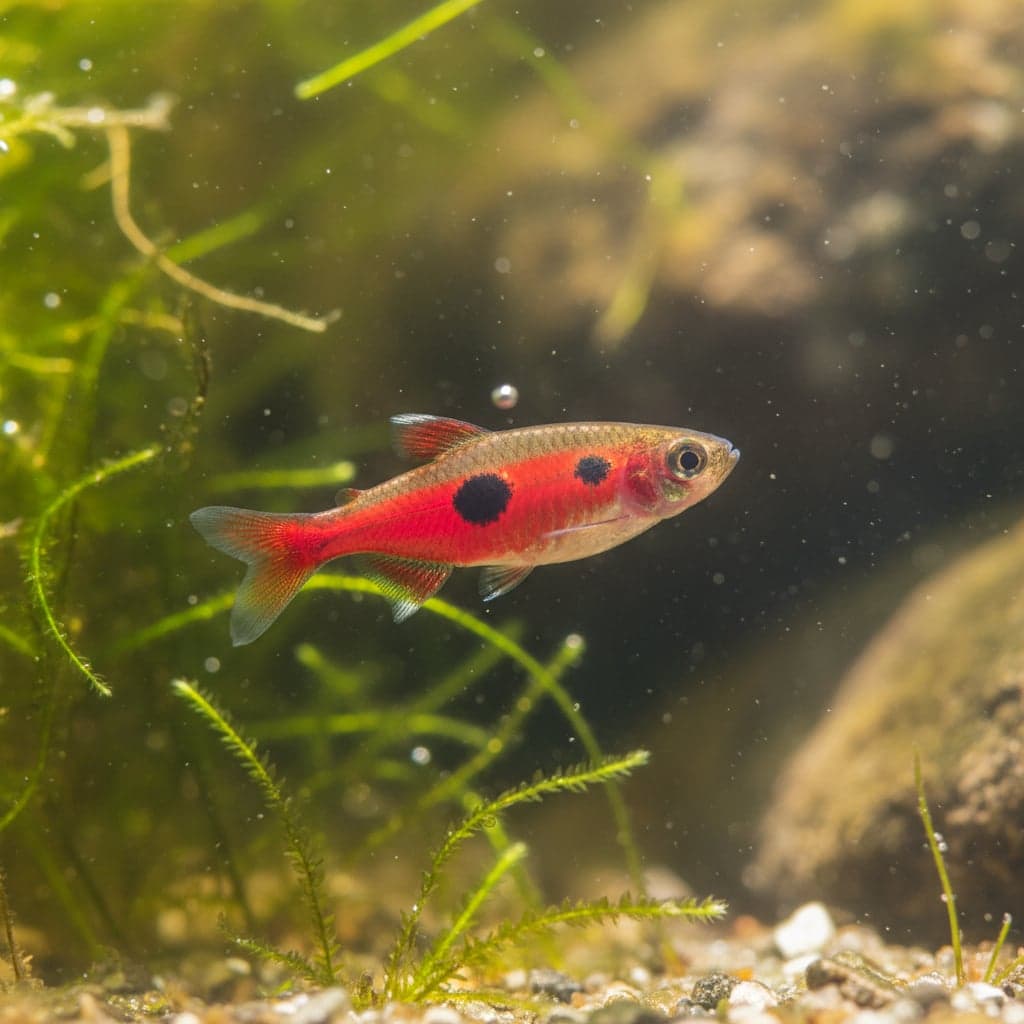
Taiwan Bitterling: Rhodeus ocellatus
A small subtropical cyprinid that lays its eggs inside live freshwater mussels. Needs cool water and a mussel to breed at all.
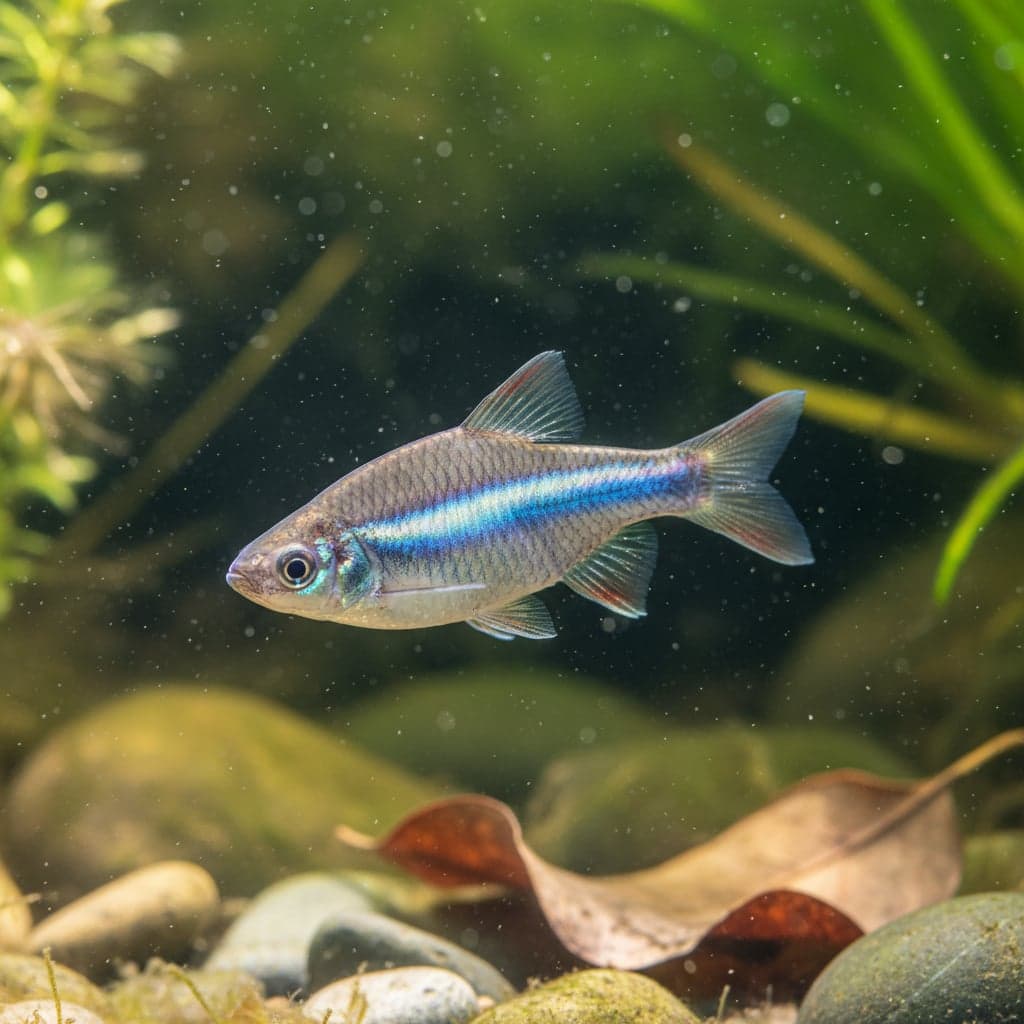
Taiwan Bitterling
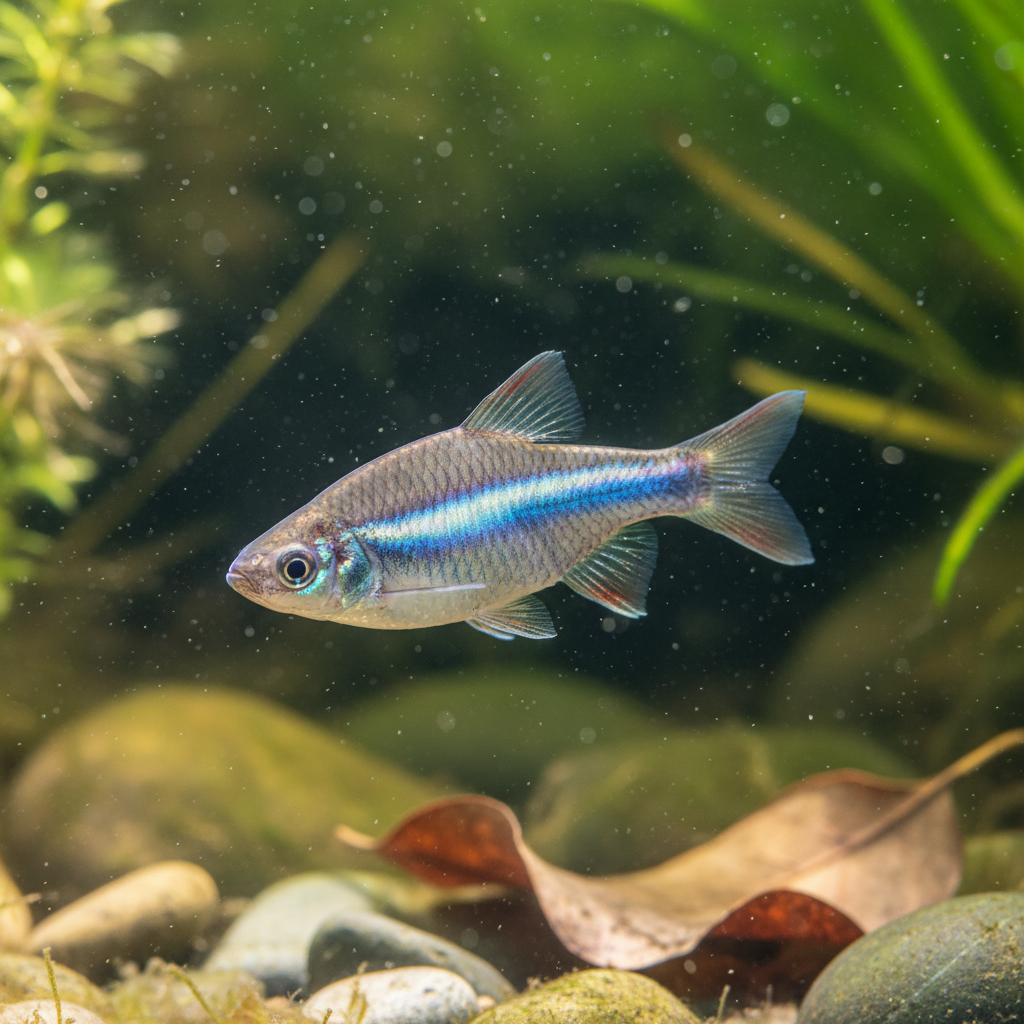
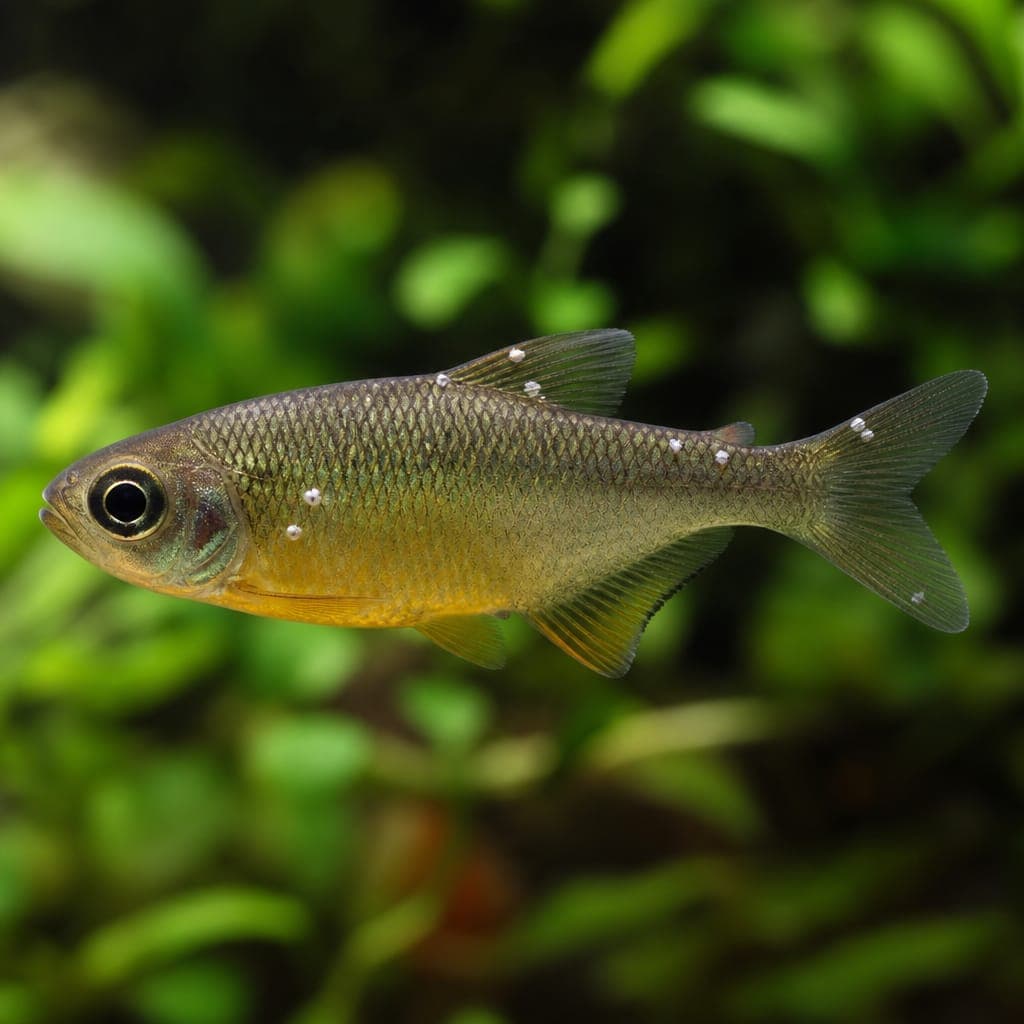
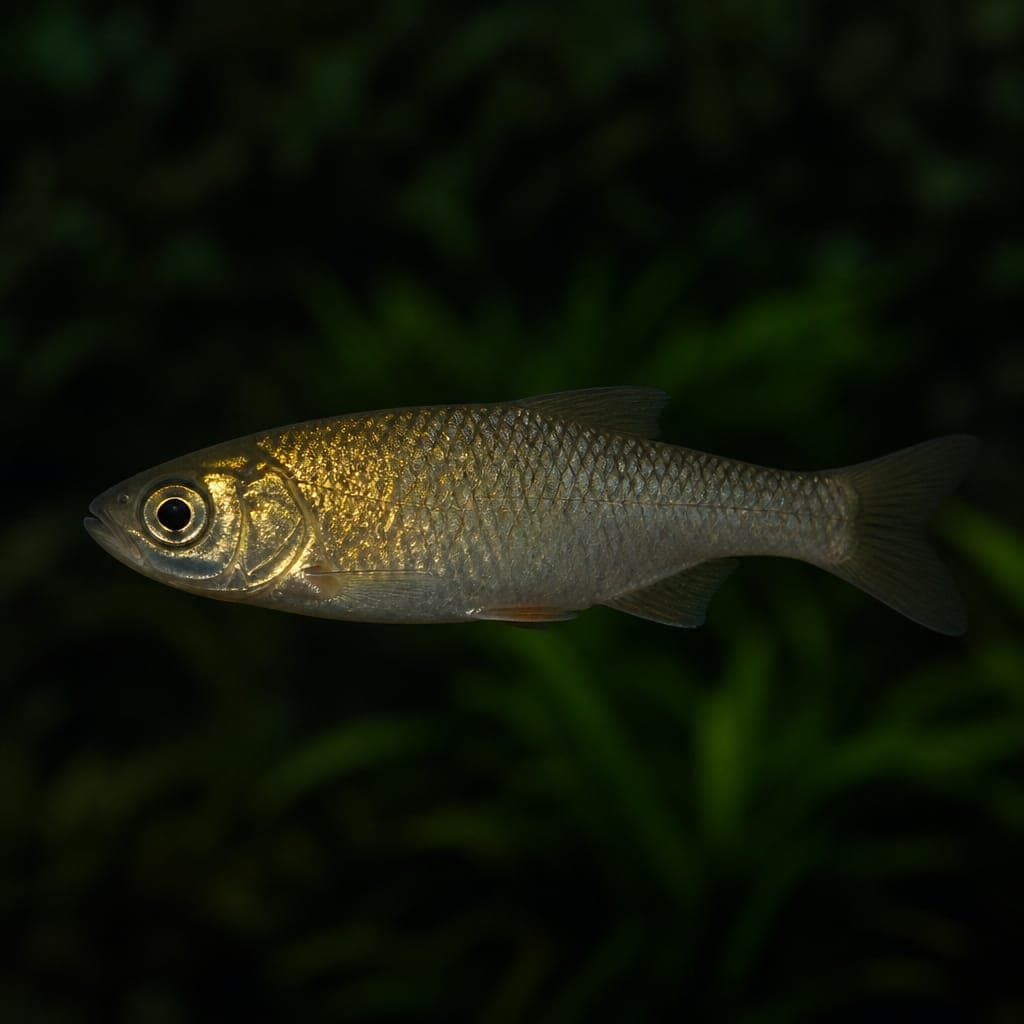
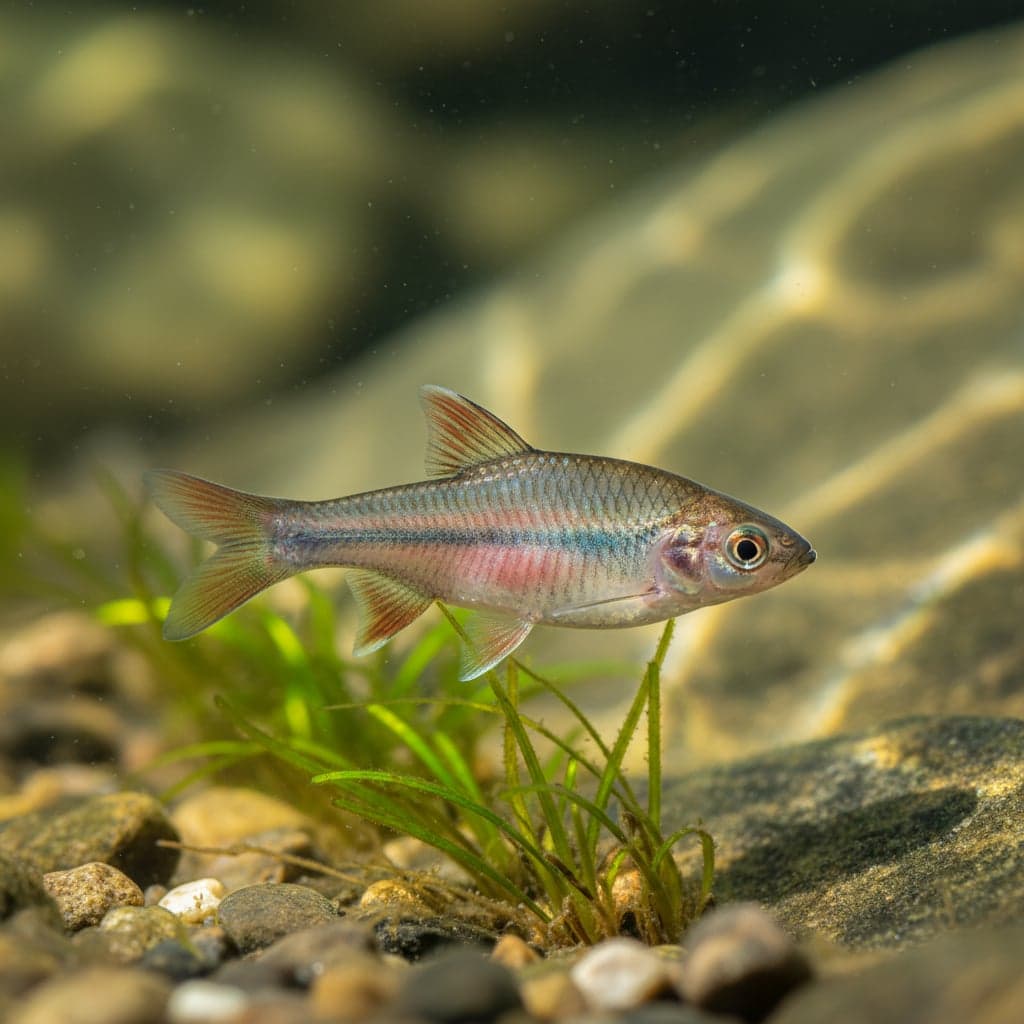
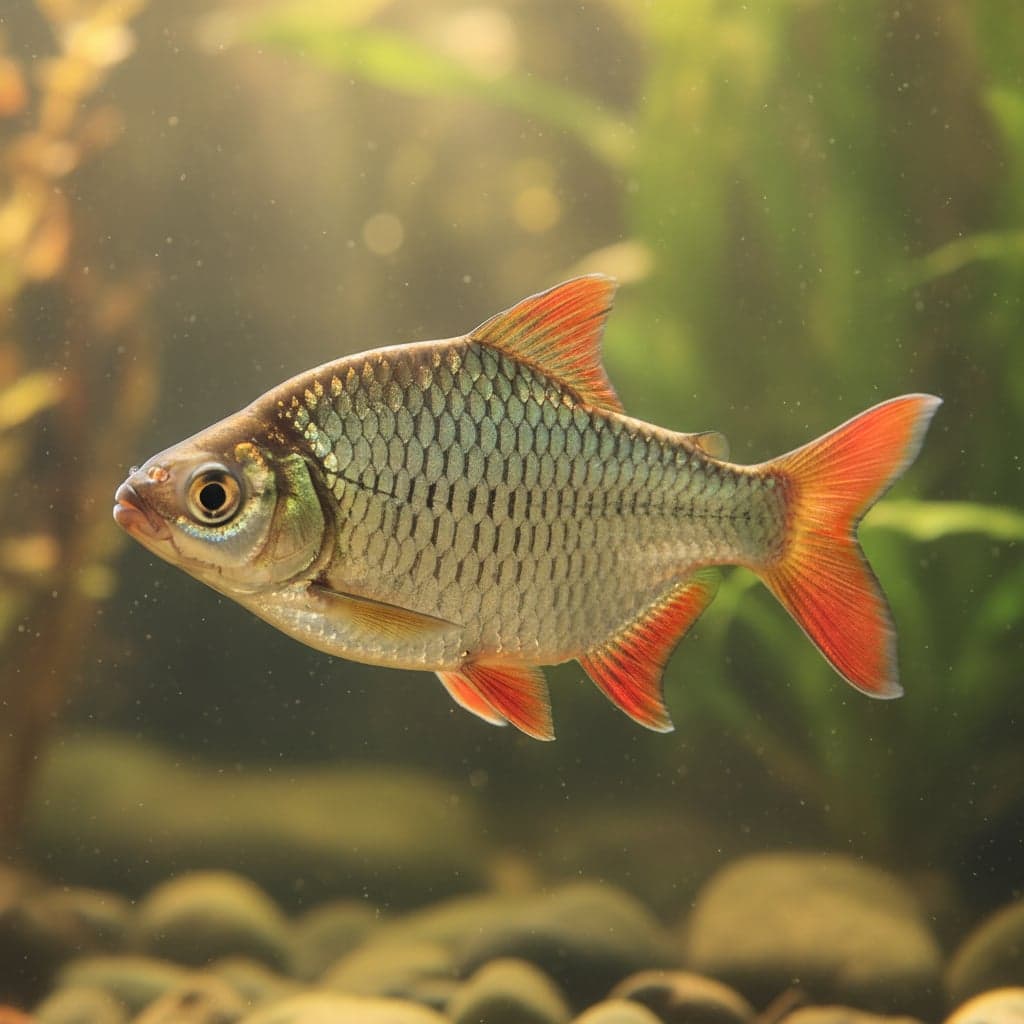
The Taiwan Bitterling (Rhodeus ocellatus) is a small but visually striking fish that captivates aquarists with its vibrant colors and unique breeding behavior. This species typically exhibits a variety of hues, ranging from bright yellows and greens to deep blues, often highlighted by iridescent scales. Mature males are particularly stunning, showcasing a prominent orange-red spot on their anal fin during the breeding season, which serves to attract females. Their petite size, usually not exceeding 3 inches in length, makes them an irresistible addition to both community aquariums and specialized setups.
In the aquarium hobby, the Taiwan Bitterling holds significance due to its fascinating reproductive behaviors and adaptability to different environments. Unlike many common aquarium fish, this species engages in unique breeding practices involving spawning within the protective embrace of living plants. Moreover, the Taiwan Bitterling’s resilience to varying water conditions makes it popular among beginners and expert aquarists alike. As a charming and active fish, it will provide joy and interest in any aquatic environment.
Natural Habitat & Origin
The Taiwan Bitterling is native to freshwaters in East Asia, particularly the rivers and streams of Taiwan and parts of mainland China. It thrives in slow-moving water bodies, characterized by soft, slightly acidic conditions typically found in blackwater environments. These areas are rich in plant life and organic matter, which contributes to the biological diversity necessary for the wellbeing of the Taiwan Bitterling. With its evolutionary adaptations to these specific habitats, the fish relies on its surroundings for shelter and breeding conditions.
The natural habitats of the Taiwan Bitterling are often densely vegetated, providing ample hiding spots from predators as well as breeding locations for their eggs. This ecological context plays a significant role in the fish's behavior and needs in captivity. Replicating these conditions in an aquarium setting can enhance the fish's health and stimulate its natural behaviors.
Care Requirements
To maintain optimal health, Taiwan Bitterlings require specific water parameters. The ideal pH range is between 6.0 to 7.5, with a temperature setting between 72°F to 76°F (22°C to 24°C) and a hardness of 5 to 10 dGH. It's important to monitor these parameters regularly as fluctuations can lead to stress and health issues.
For tank setups, a minimum tank size of 10 gallons is recommended to accommodate a small group of these fish. The substrate should consist of soft sand or fine gravel, which mimics their natural habitat. Additionally, a well-planted aquarium is essential; choose live plants like Java moss, floating plants, and broad-leafed varieties to provide cover and breeding sites. Lighting should be moderate; too much light can stress the fish and hinder plant growth, thus dim, natural light or gentle artificial lighting is ideal.
Diet & Feeding
Taiwan Bitterlings are omnivorous, which allows for a varied diet and makes feeding relatively easy. They thrive on a combination of high-quality flakes and micro pellets designed for small fish or omnivores. In addition to commercial foods, it's beneficial to supplement their diet with frozen or live foods such as daphnia, brine shrimp, and bloodworms. This not only enhances their coloration and health but also encourages natural foraging behavior. When feeding, the use of smaller portions multiple times a day can mimic their natural feeding habits and promote overall wellbeing.
Behavior & Temperament
The Taiwan Bitterling is known for its peaceful demeanor, making it an excellent candidate for community tanks. They are often seen swimming in small groups, displaying mild schooling behavior. However, it’s crucial to remember that while they are friendly, they may exhibit territorial tendencies, especially during breeding periods. Historically, these fish occupy the upper and middle levels of the tank, where they can forage and interact safely.
While they are generally non-aggressive, males may become slightly competitive over females during breeding. Thus, providing plenty of space and hiding spots can help mitigate any potential squabbles among tank inhabitants. Observing their active behavior and social interactions can be one of the rewarding aspects of keeping Taiwan Bitterlings.
Tank Mates
When considering tank mates for Taiwan Bitterlings, it is essential to select species that share similar care requirements and temperament. Compatible species include small community fish such as Neon Tetras, Rummy Nose Tetras, and Corydoras Catfish. They can also coexist with other peaceful small fish, such as Guppies and Endler's Livebearers.
However, avoid larger or aggressive species like Cichlids or Bettas, as these can bully or outcompete the Taiwan Bitterling for food and space. Additionally, larger catfish might see them as a meal due to their small size. Striking a balance in tank compatibility will ensure a harmonious aquatic environment.
Breeding
Breeding Taiwan Bitterlings often requires specific conditions to replicate their natural spawning environments. They typically spawn during the warmer months, where males will display territorial behavior, flaunting their vivid colors to entice females. Setting up a breeding environment in the aquarium can encourage spawning—this includes providing a dense collection of aquatic plants where females can lay eggs.
During the spawning process, females deposit eggs on the leaves of plants, with one female capable of laying up to 100 eggs at a time. After fertilization, they exhibit parental care, often guarding the eggs for a few days until they hatch. Ensure that the breeding tank has soft, slightly acidic water, and maintain cleanliness to help foster healthy fry development.
Common Health Issues
Taiwan Bitterlings are generally healthy fish, yet they can fall prey to common aquarium diseases like ich, velvet, and fin rot, often triggered by stress from poor water conditions or inappropriate tank mates. To prevent such ailments, rigorous tank maintenance, including regular water changes and monitoring water quality, is crucial.
Additionally, quarantining new arrivals before introducing them to an established tank can help prevent the spread of pathogens. Observation for any signs of distress, such as changes in coloration or behavior, can help detect health issues early on, allowing for prompt treatment and a healthier aquarium environment.