Tanaka's Possum Wrasse
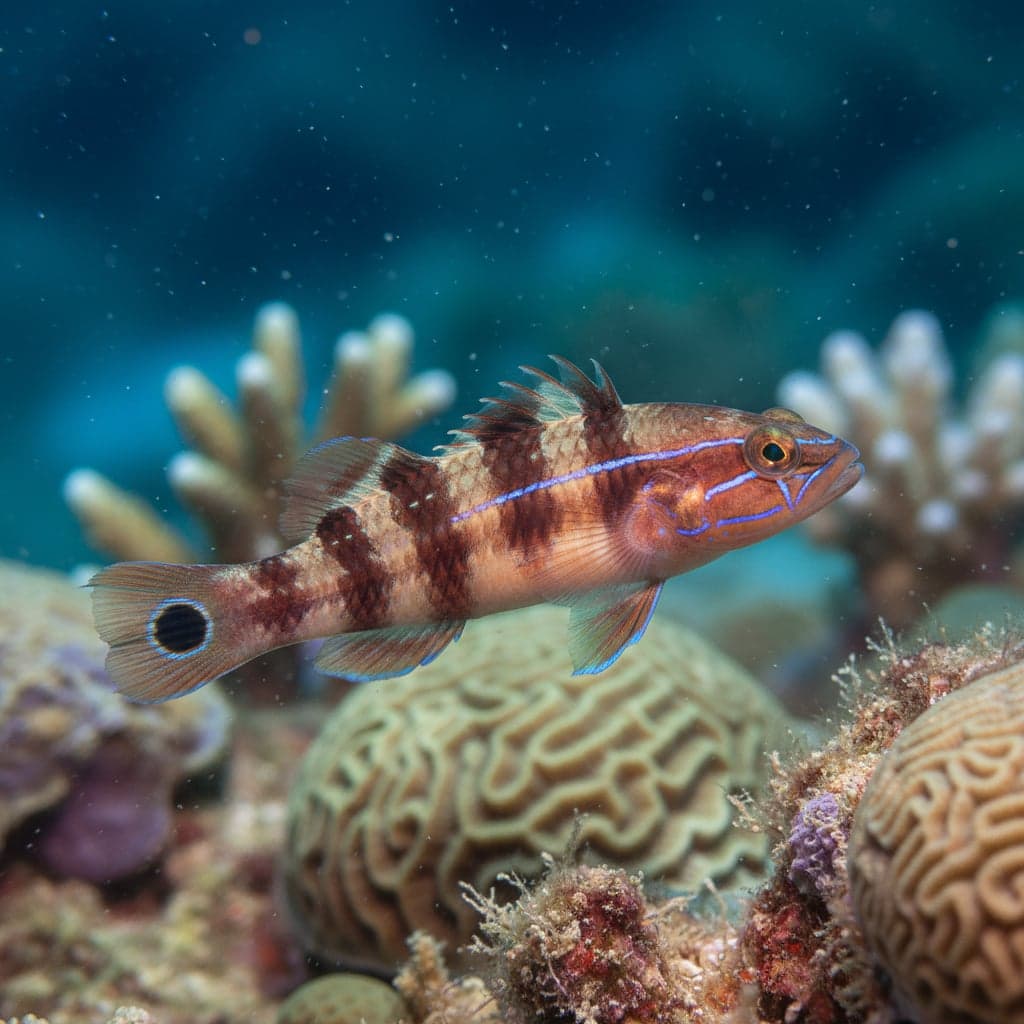
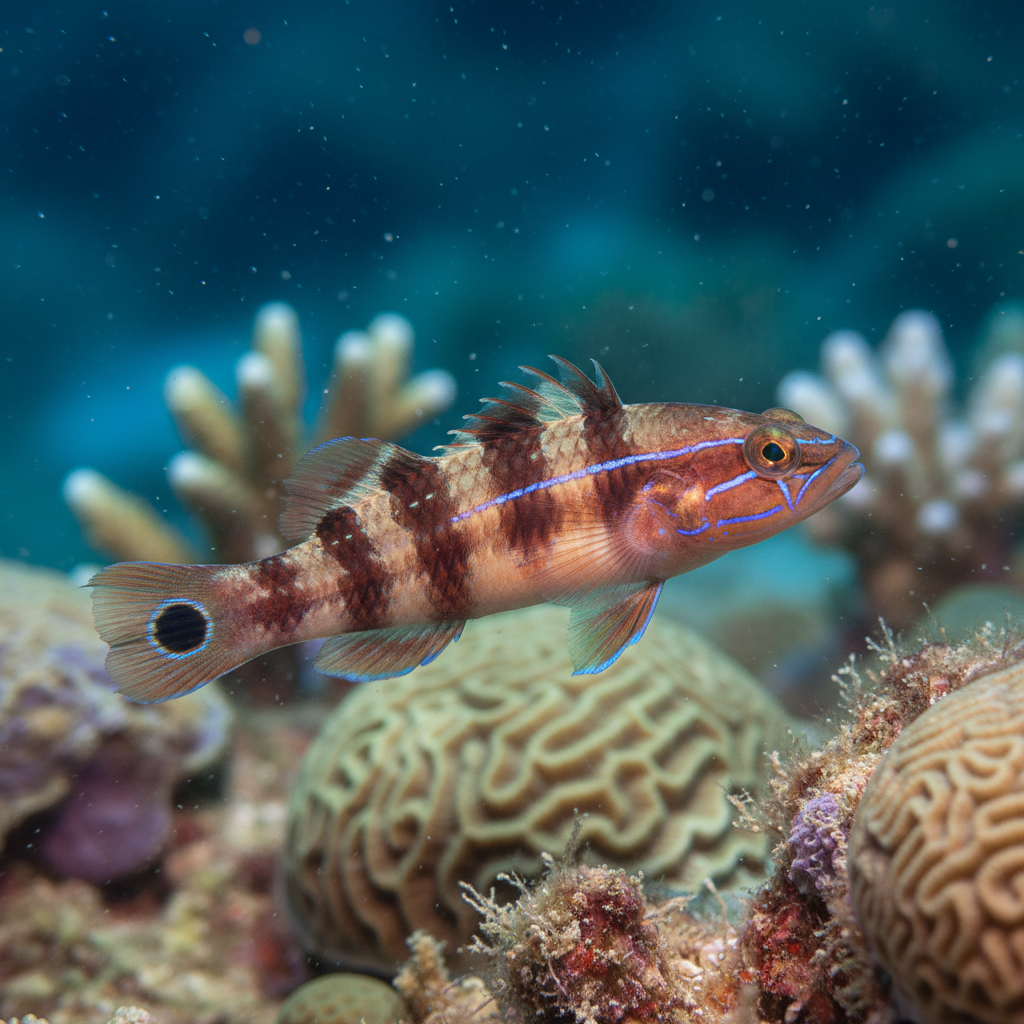
The Tanaka's Possum Wrasse (Wetmorella tanakai) is a stunning saltwater fish known for its unique appearance and behavior.

Tanaka's Possum Wrasse
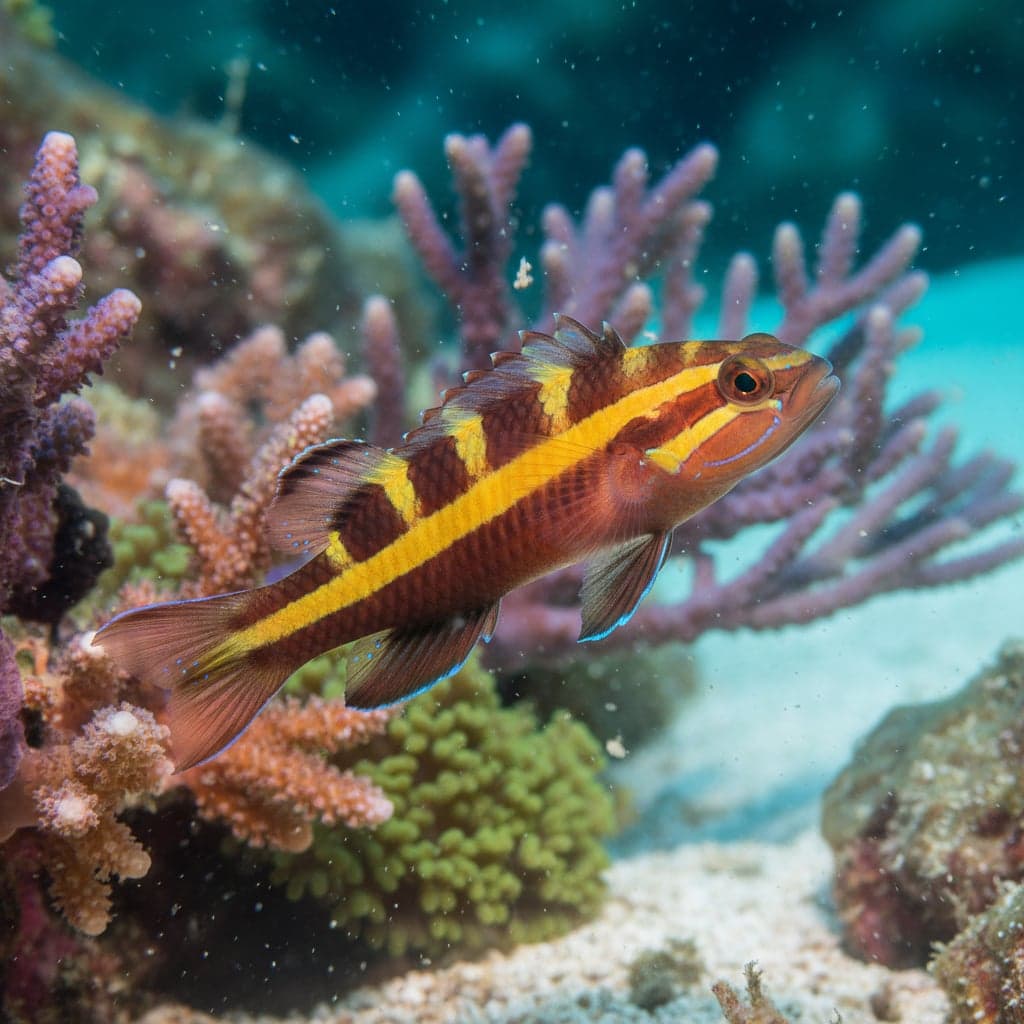
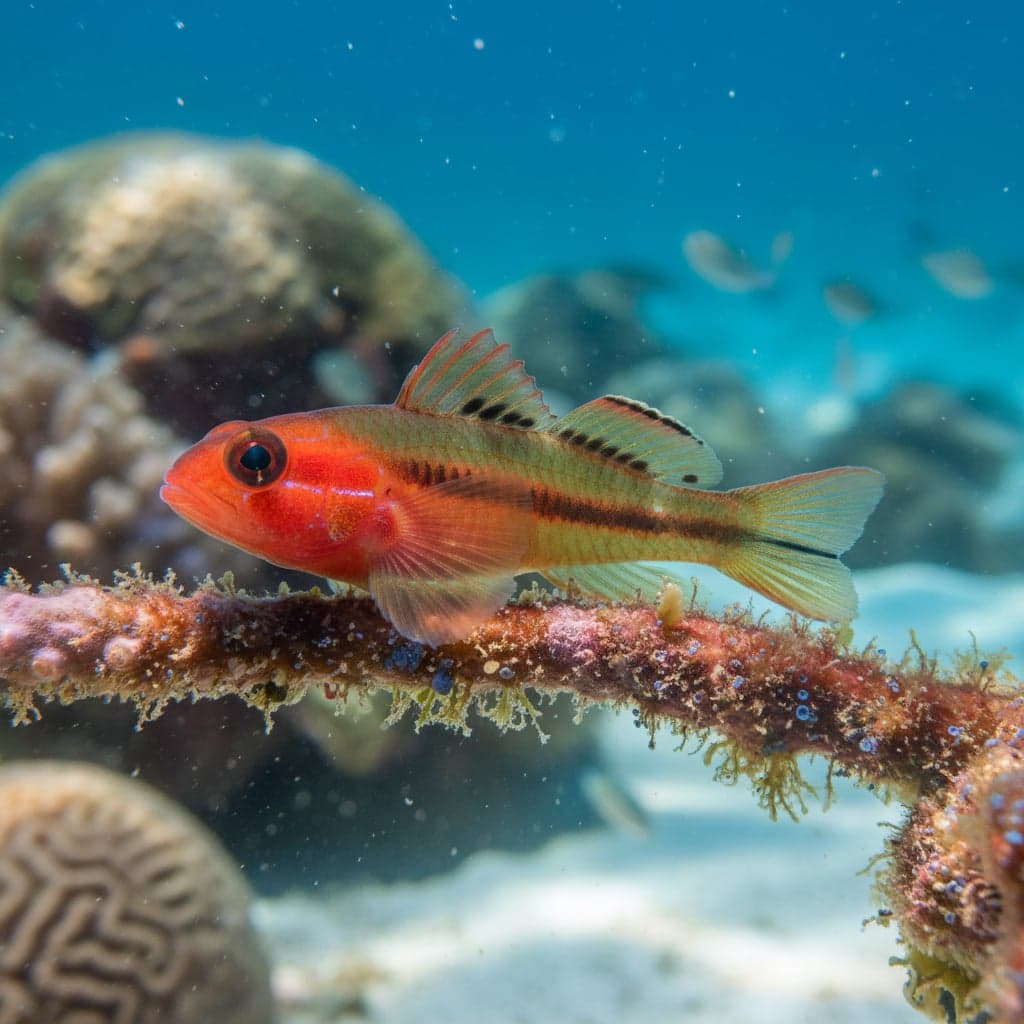
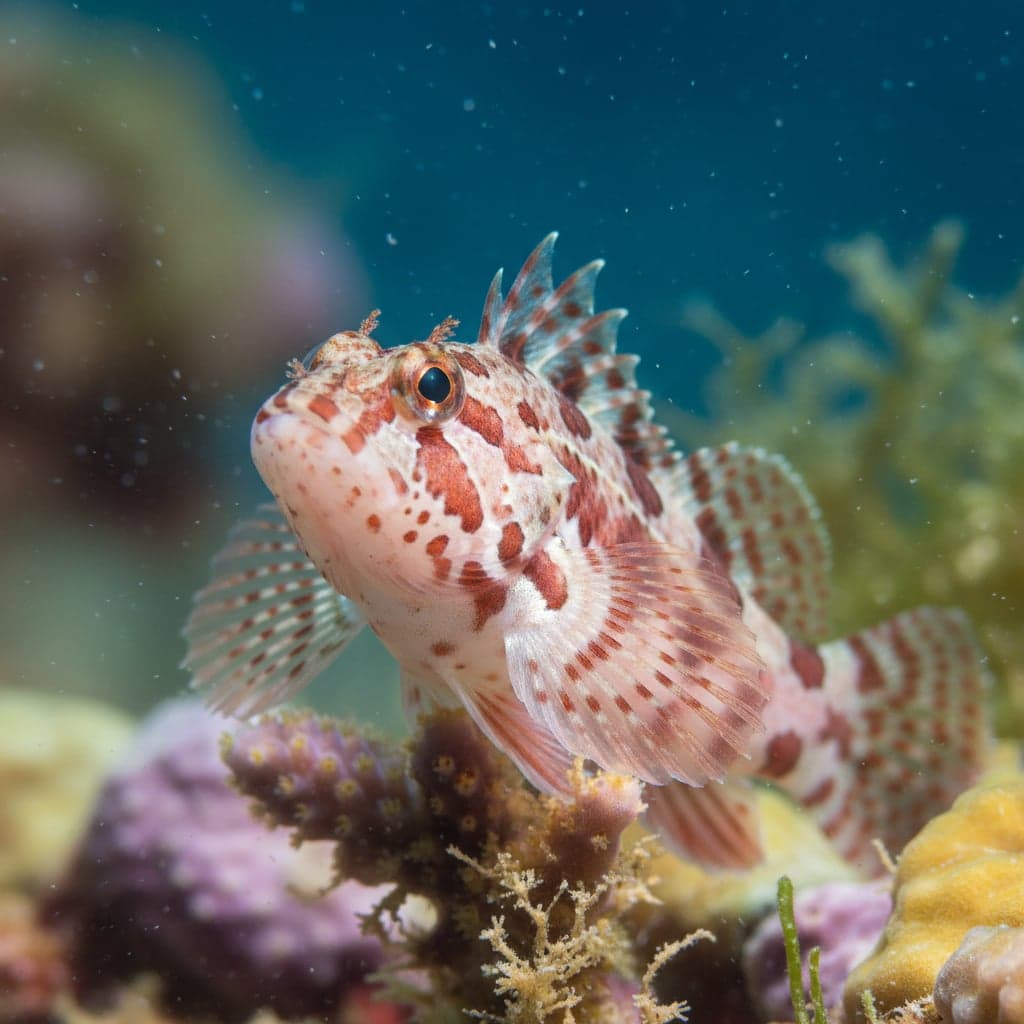
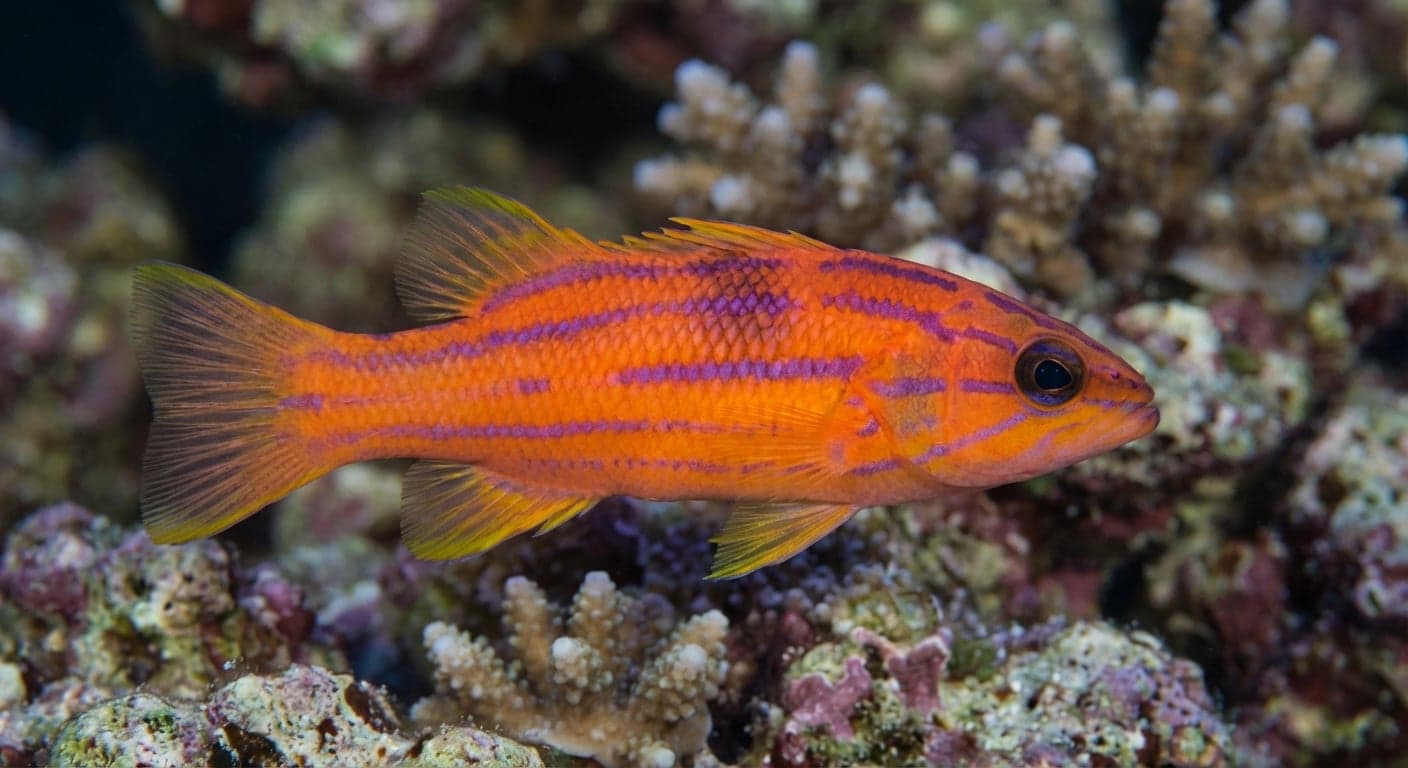
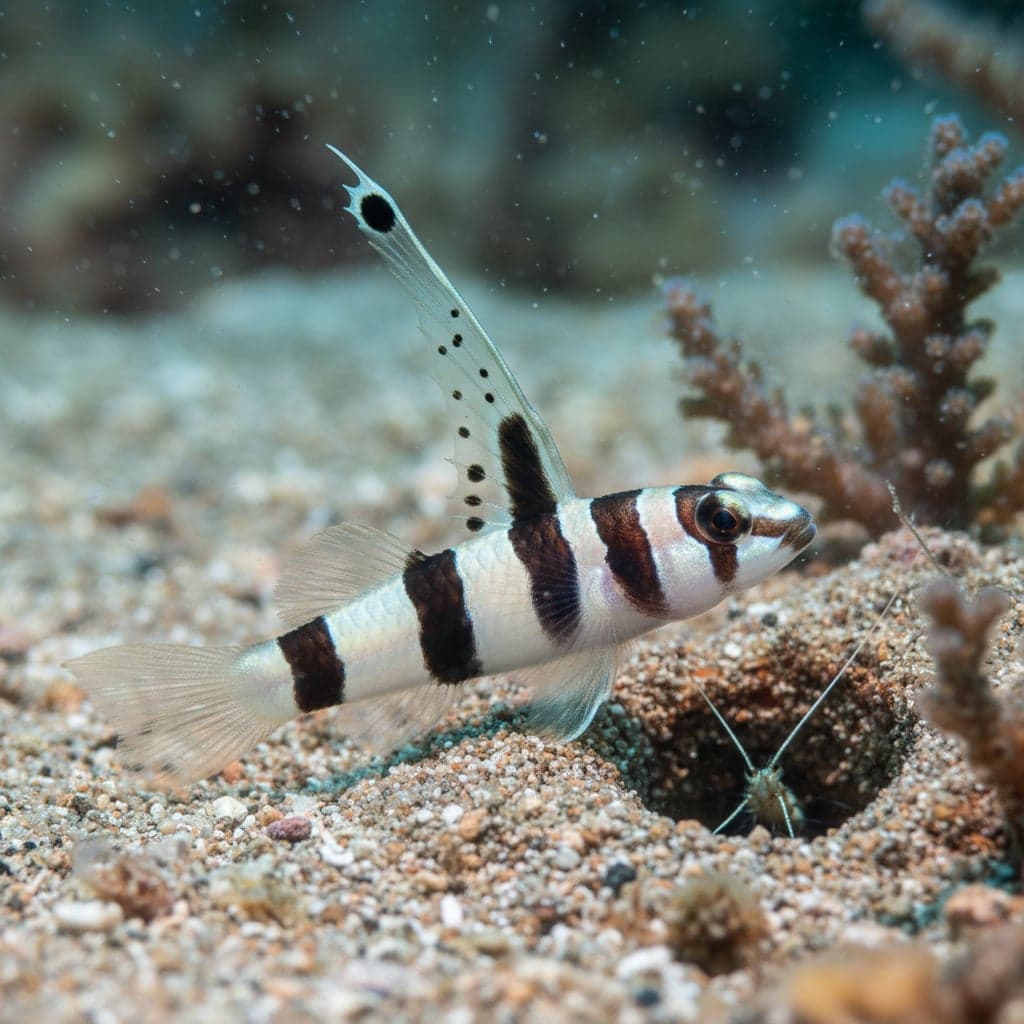
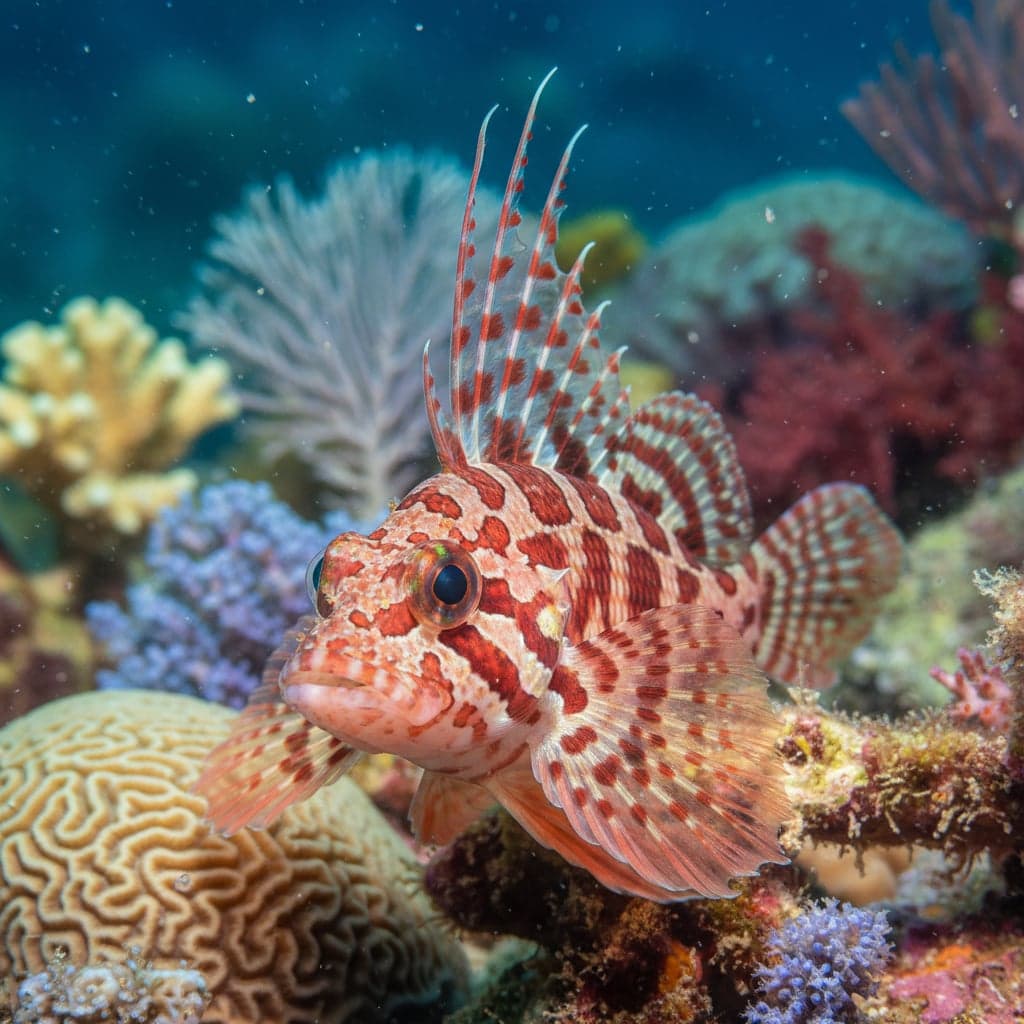
Tanaka's Possum Wrasse, scientifically known as Halichoeres tanakai, is a vibrant and visually striking fish that captivates aquarists with its distinctive coloration and playful nature. This wrasse features a unique blend of iridescent blues and greens, mixed with fiery oranges and yellows that change hue with its mood and environment. Its streamlined body and large, expressive eyes enhance its appeal, making it a popular choice in both reef tanks and community aquariums. With a maximum length of about 3 inches, its manageable size further solidifies its status as a sought-after species, particularly for those interested in nano aquascapes.
In the aquarium hobby, Tanaka's Possum Wrasse is recognized not just for its stunning appearance but also for its engaging behavior. This species exhibits curious and lively antics, often darting through rock structures and coral formations, which can bring dynamic movement to your tank. Furthermore, its hardiness makes it suitable for both novice and experienced aquarists. As these fish are known to display territorial behavior, ensuring they have adequate space to establish their cave-like homes accentuates their significance in creating a balanced and interactive environment in captivity.
Natural Habitat & Origin
Tanaka's Possum Wrasse is native to the coral reefs and sandy substrates of the Indo-Pacific region, specifically found around Japan, the Philippines, and Indonesia. Preferring shallow waters, it typically inhabits depths ranging from 1 to 30 meters, thriving among coral rubble and seagrass beds. The environments these fish are found in are generally characterized by clear, warm waters where sunlight penetrates, promoting the growth of algae and small invertebrates that constitute their diet. The ecological significance of this species contributes to the complex dynamics of reef ecosystems, as they help manage the populations of smaller organisms in their habitat.
The natural habitat of Tanaka's Possum Wrasse provides essential insights into their care requirements in the aquarium setting. In the wild, they seek refuge amongst rocks and coral, which is a crucial factor to consider when designing a suitable environment for them in captivity. Providing hiding spots and structured environments simulates their natural behaviors and greatly aids their overall well-being.
Care Requirements
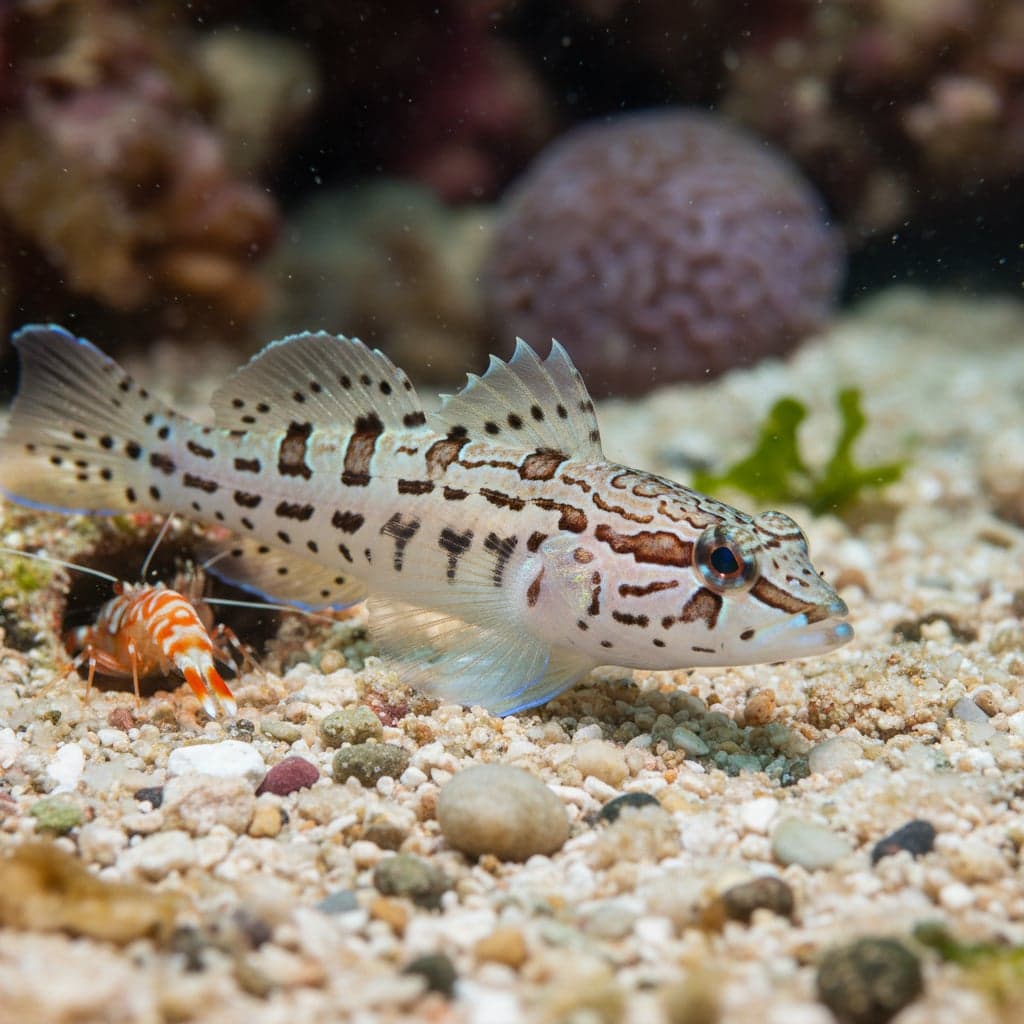
To ensure the optimal health of Tanaka's Possum Wrasse, specific water parameters are crucial. The ideal pH level ranges from 8.1 to 8.4, with a temperature that should be maintained between 72°F to 78°F (22°C to 26°C). Additionally, the water hardness should be within a range of 8 to 12 dGH. For their tank setup, a minimum aquarium size of 30 gallons is recommended to provide ample swimming and hiding space. A soft substrate, such as fine sand, allows for natural digging behavior, while rock structures and caves promote security.
Lighting should mimic their natural habitat, so moderate to bright lighting is ideal; this encourages the growth of beneficial algae while also enhancing the vivid colors of the fish. Live plants can be included, but it is essential to ensure that the plants are robust enough to withstand potential interaction with the wrasse, as they may occasionally disturb the substrate while foraging.
Diet & Feeding
Tanaka's Possum Wrasse is primarily an omnivore, with a diet that consists of a variety of foods. These fish thrive on a balanced diet that includes high-quality flakes, pellets specifically designed for carnivorous and omnivorous fish, as well as frozen or live foods like brine shrimp, mysis shrimp, and other small invertebrates. It is recommended to feed them multiple small meals throughout the day rather than one large feeding to ensure optimal health and growth. This feeding regimen also mimics their natural hunting behavior, promoting activity and vibrancy.
Additionally, incorporating occasional vegetable-based foods, such as spirulina flakes or blanched greens, can provide essential nutrients that support their overall health. It’s beneficial to adjust the diet with seasonal variations or availability of food sources to closely align with their natural foraging behaviors.
Behavior & Temperament
In terms of social behavior, Tanaka's Possum Wrasse is often found to be curious and active within its environment. While they should be kept singly or in mated pairs, these fish can exhibit territoriality, particularly against their own species or similar-looking fish. Keeping an eye on their aggression levels is essential, especially in a community tank setting. Typically, they prefer to occupy the middle to lower regions of the tank, where they can easily navigate through rock structures and retreat into hiding spots when feeling threatened.
Their social nature makes them interesting tank inhabitants, as they often interact with other species without being overly aggressive. When introducing tank mates, it’s important to monitor all interactions, particularly during feeding times, to ensure harmony within the tank.
Tank Mates
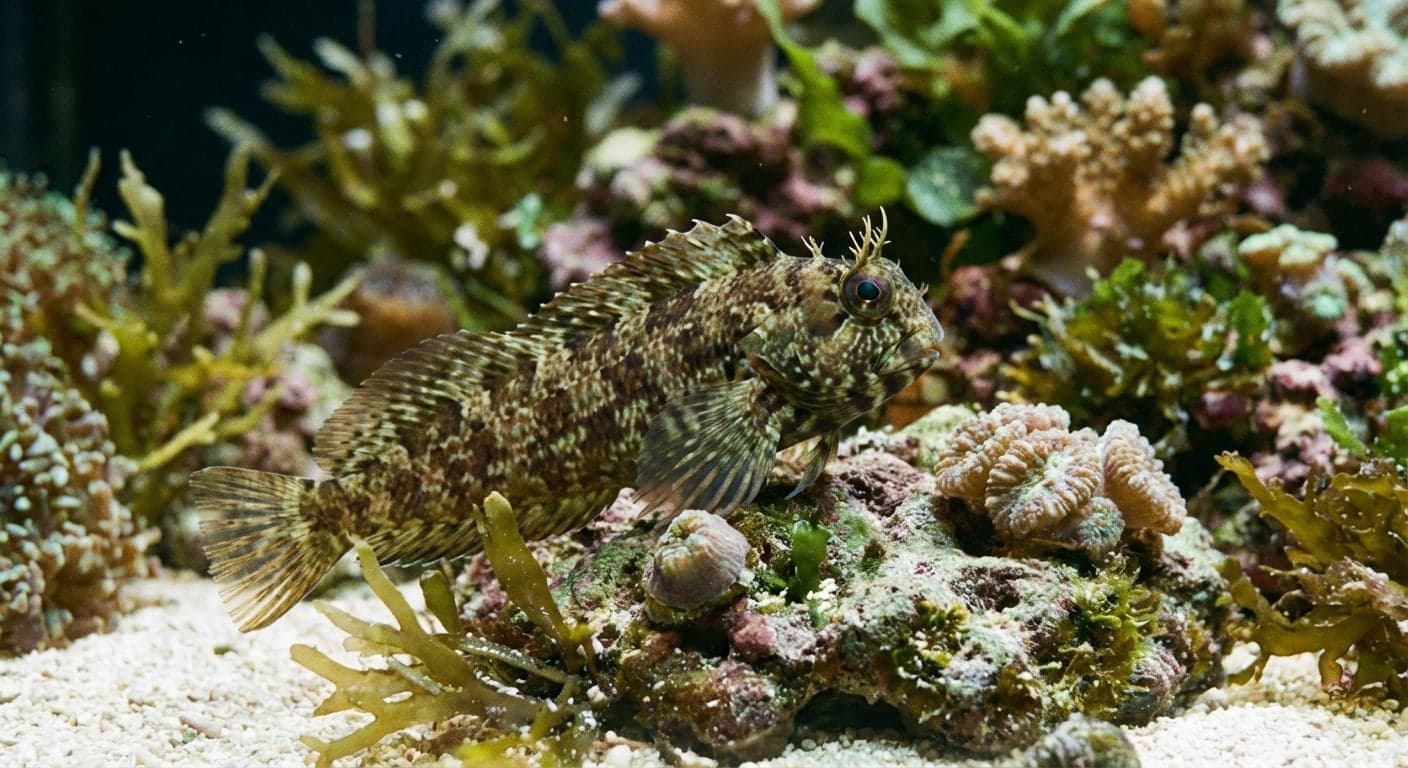
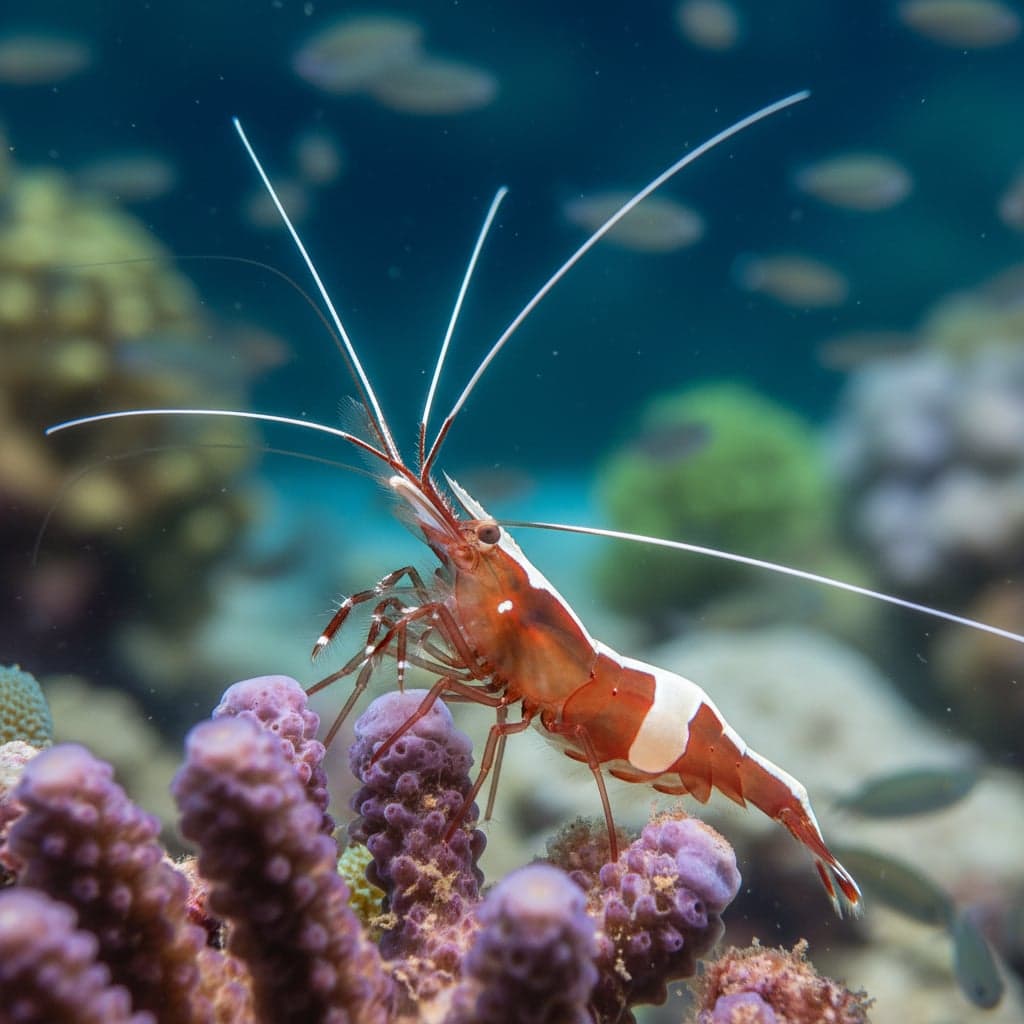
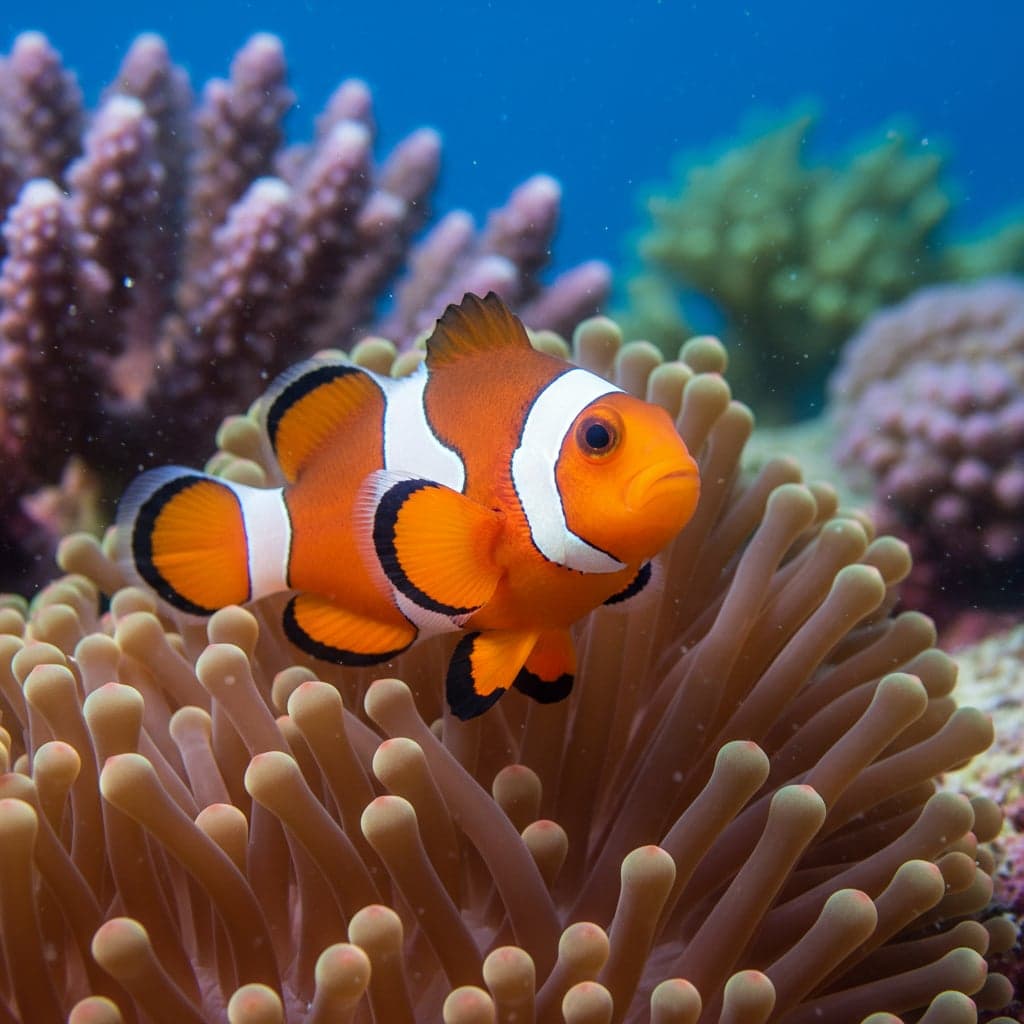
When selecting tank mates for Tanaka's Possum Wrasse, compatibility is key to maintaining a peaceful aquarium environment. Suitable companions include smaller, non-aggressive fish such as clownfish, gobies, and blennies. Other wrasses can be kept, but introducing them carefully and providing sufficient space is necessary to minimize territorial disputes. Additionally, peaceful invertebrates like shrimp and snails can thrive alongside this fish, provided they have appropriate hiding spaces available.
Species to avoid include larger or aggressive fish, such as certain triggers or groupers, as well as other similarly colored wrasses, as they may provoke competitive or fighting behavior. Maintaining a well-thought-out community tank can enhance the overall aesthetic and balance of your aquarium.
Breeding
Breeding Tanaka's Possum Wrasse in captivity presents challenges, yet it can be accomplished under the right conditions. These fish are known to be protandrous hermaphrodites, meaning they start as males and can change to females depending on social structure, particularly in the absence of dominant males. Successful breeding requires a dedicated breeding setup, with a separate tank that provides stable water conditions and ample hiding spaces.
Spawning typically occurs in the presence of strong reef-like structures, where males will display courtship behaviors, such as chasing and flashing their colors. Adequate space, stable water conditions, and the appropriate male-to-female ratio, usually one male to two or three females, are crucial for success. Providing varied diet-rich in nutrients will also support the health and vibrancy of the breeding pairs, increasing the chances of successful spawning.
Common Health Issues
Tanaka's Possum Wrasse can be susceptible to a few common health issues found in aquarium fish, including ich (ichthyophthirius), flukes, and marine velvet disease. Keeping a close watch on their behavior and physical appearance can be instrumental in early detection. Establishing a stable aquarium environment and ensuring good water quality are fundamental prevention strategies.
Regularly providing a nutritious diet and minimizing stressors in the tank by creating a comfortable environment can also enhance their immunity. Quarantining new arrivals before integration into the main aquarium and conducting routine health checks are essential practices to prevent disease outbreaks, helping to ensure the long-term health and vibrancy of your Tanaka's Possum Wrasse.