Tench: Tinca tinca
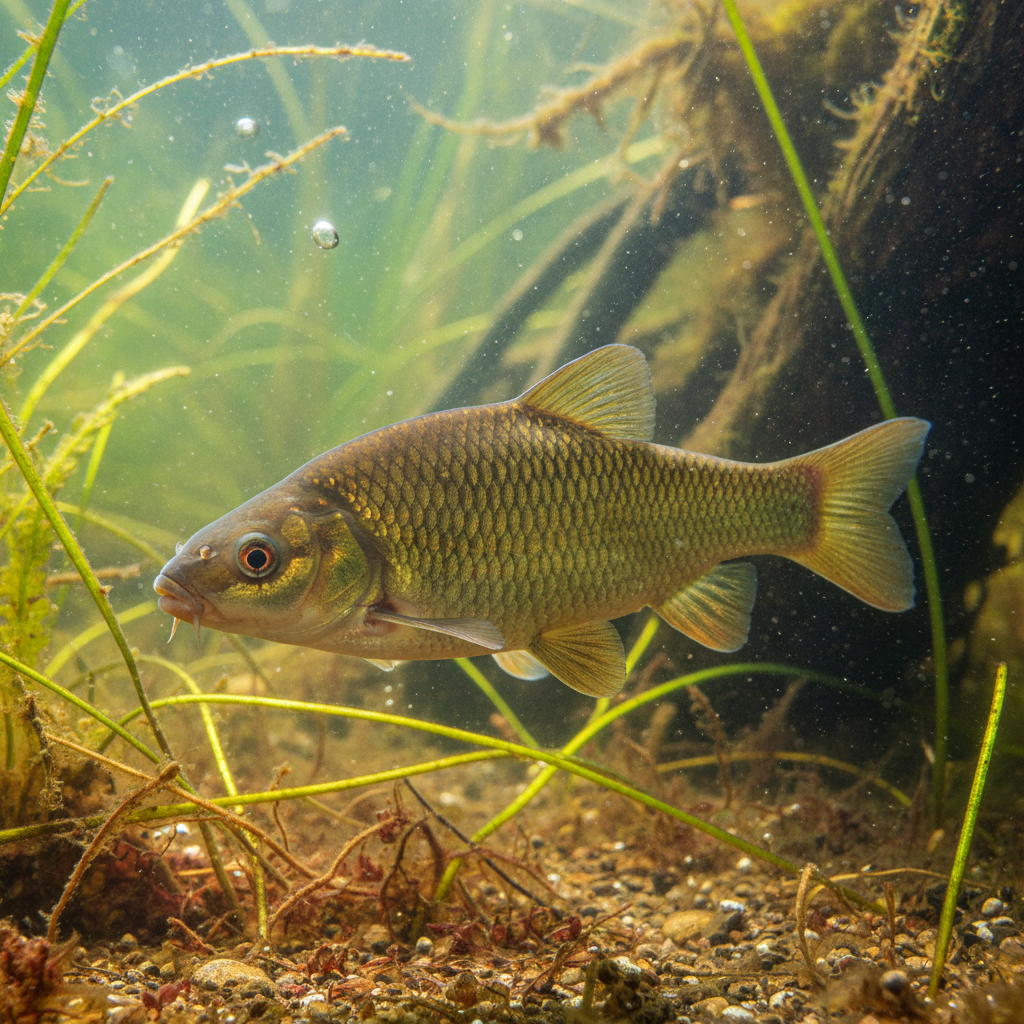
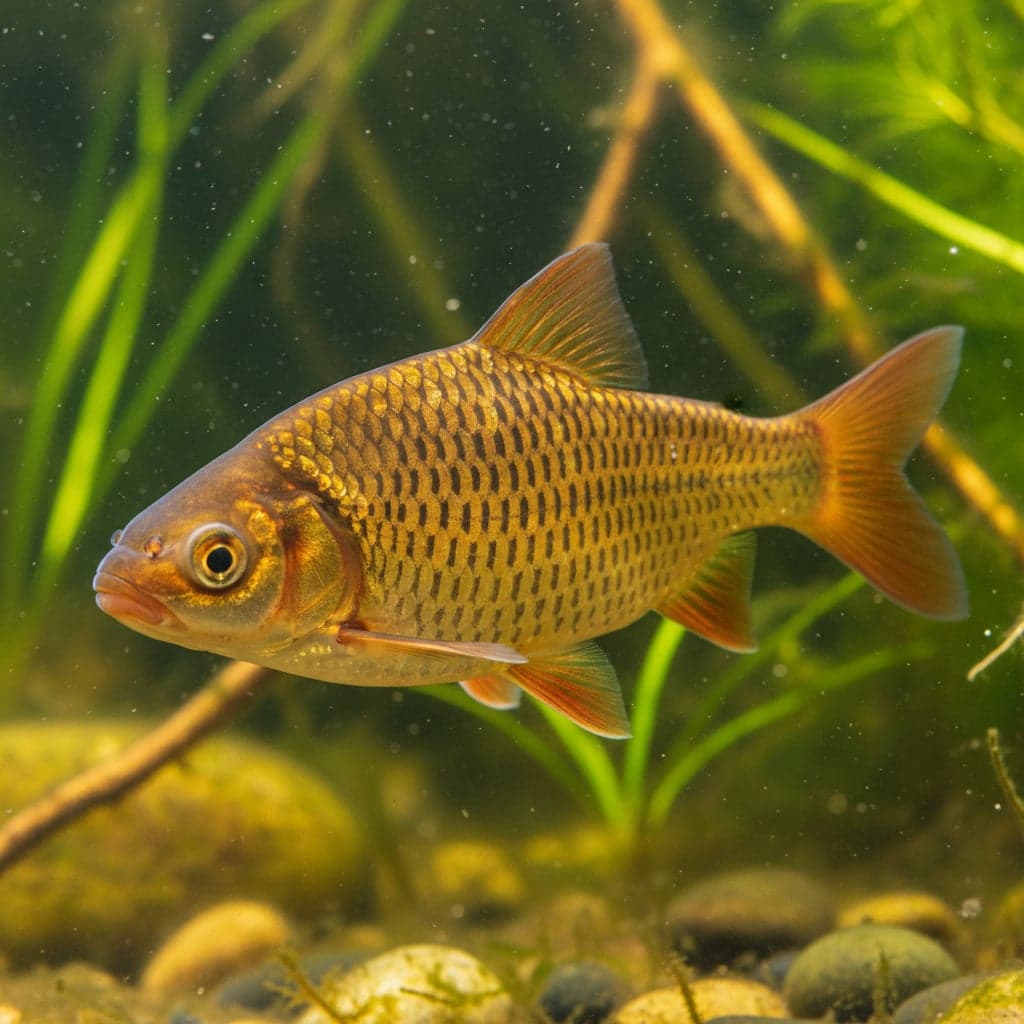
A coldwater pond fish reaching 65cm, olive-green with tiny scales. Pond- only, peaceful, and famously tolerant of low oxygen.
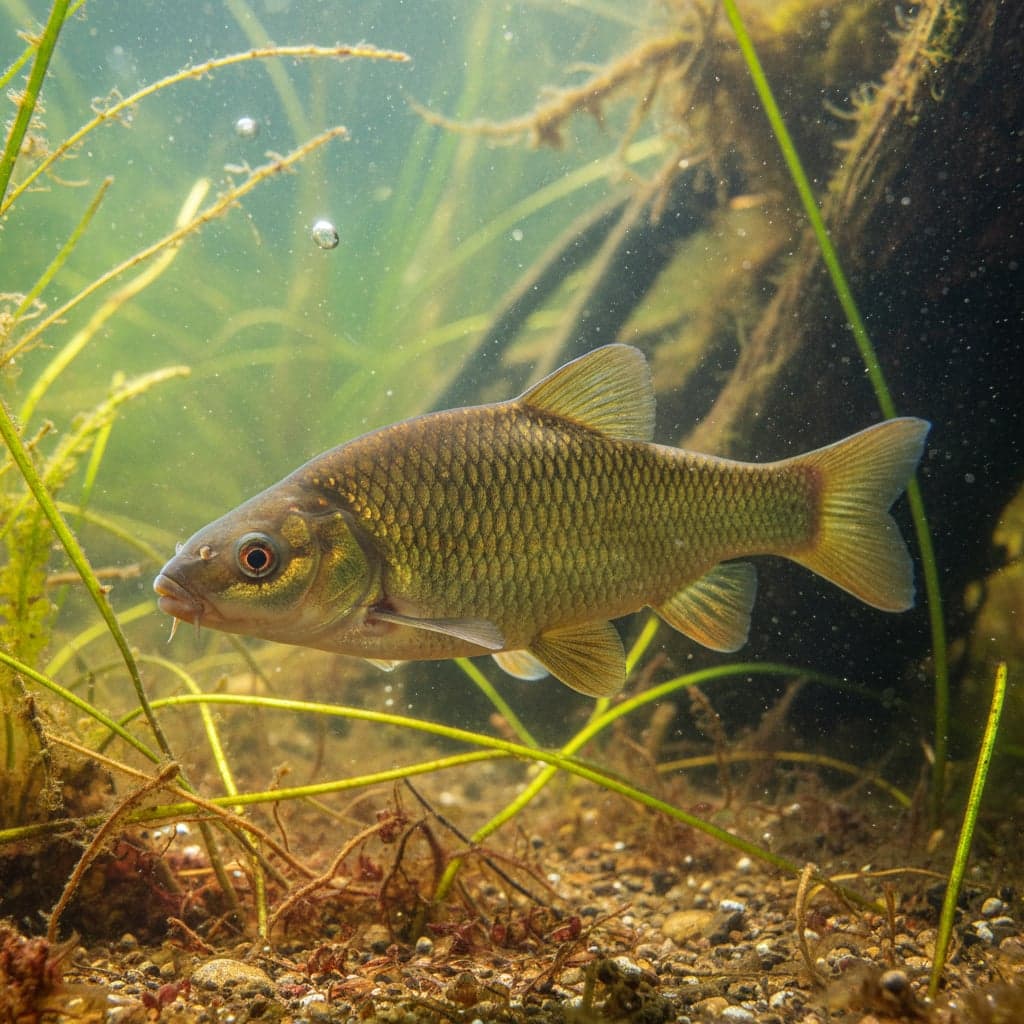
Tench
The Tench, scientifically known as Tinca tinca, is a captivating freshwater fish that stands out in the aquarium hobby for its distinctive appearance and gentle demeanor. Characterized by its olive-green body, which can sometimes reflect a golden sheen under certain lights, the Tench has a rounded shape with a broad, flat head and small, barbels near the upper jaw. This fish does not only possess aesthetic beauty; it has significant ecological importance. In its native habitats, the Tench plays a vital role in controlling aquatic insect populations and contributing to the balance of freshwater ecosystems. Whether in a community tank or a specialized setup, the Tench attracts both novice and seasoned aquarists alike, thanks to its unique charm and serene swimming style.
In the aquarium trade, Tench are seldom found compared to other popular species, which adds to their unique allure. Their slow, graceful movements and calm temperament make them a perfect addition to a peaceful community tank. With the capacity to grow up to 15-25 inches (38-65 cm) in captivity, a well-cared-for Tench can become a centerpiece in any aquarium landscape, engaging viewers with its slow movements and inquisitive nature. Knowledgeable aquarists appreciate the Tench not only for its visual appeal but also for the challenges and rewards associated with keeping this less common freshwater fish.
Natural Habitat & Origin
The Tench is native to various regions across Europe, extending from the rivers and lakes of the British Isles to Eastern Europe and into parts of Asia. This fish prefers shallow, vegetated waters, often residing in stagnant or slow-moving environments such as ponds, ditches, and marshes. The Tench thrives in areas rich in aquatic plants, where it can camouflage and find shelter from predators. In its natural habitat, Tench are typically found in water with a slight turbid appearance, fed by nutrient-rich streams, and prefer blackwater to clearwater conditions. Their adaptability to different environments has allowed them to flourish across diverse ecosystems, though they do prefer areas with gentle currents and ample hiding spots.
When considering an aquarium setup for Tench, it is essential to mimic these natural habitat characteristics. This means providing sufficient plant cover, a sandy or soft substrate for foraging, and plenty of open swimming space. Understanding their natural history not only informs their care but also contributes to an environment that allows Tench to flourish in captivity.
Care Requirements
Tench are hardy fish that require specific water parameters to thrive in an aquarium setting. The ideal pH range for Tench is between 6.5 and 8.0, with a preferred temperature of 18 to 24 degrees Celsius (64 to 75 degrees Fahrenheit). They can tolerate a hardness range of 5 to 20 dGH. Maintaining stable water conditions is crucial, as these fish can be sensitive to abrupt changes. In terms of tank size, it is recommended to provide at least a 100-gallon tank to accommodate their potential size and ensure ample swimming space.
The tank setup should replicate their natural environment, including a soft substrate like sand or fine gravel that allows Tench to forage naturally. Soft-leaved plants, such as Anubias or Java Fern, are ideal for providing cover while also allowing for open swimming paths. Lighting should be moderate to encourage plant growth without stressing the fish. Maintaining good water quality through regular water changes and employing a powerful filtration system will also contribute to the overall health of the Tench.
Diet & Feeding
Tench are omnivorous fish and have a varied diet in their natural habitats, where they consume a range of aquatic insects, plant matter, and detritus. In an aquarium setting, providing a balanced and nutritious diet is essential for their health. High-quality flakes or pellets designed for omnivorous fish can form the basis of their diet, supplemented with frozen foods such as bloodworms, daphnia, and brine shrimp for protein. Additionally, offering live foods occasionally can encourage natural foraging behavior and provide nutritional diversity.
It’s important to note that Tench are bottom feeders and will often sift through the substrate for food, so sinking pellets are a good choice. Fresh vegetables such as blanched lettuce, spinach, or zucchini can also be offered to supplement their diet, allowing them to graze and enjoy a variety of textures. Feeding them multiple small meals daily rather than one large meal will ensure better digestion and health.
Behavior & Temperament
Tench exhibit a calm and peaceful temperament, making them suitable for community tanks if properly housed with other non-aggressive species. They are primarily bottom-dwelling fish that tend to establish territories within their environment, preferring to swim close to the substrate and amongst plants. While Tench are not schooling fish in the traditional sense, they do benefit from being kept in small groups of at least three to five individuals, as this can help reduce stress and promote natural behaviors.
In terms of tank placement, Tench typically occupy the lower to middle levels of the aquarium. They are not highly territorial but may display slight competition for food or space. Their tranquil nature allows them to coexist peacefully with other species, provided those species are not overly aggressive.
Tank Mates
When selecting tank mates for Tench, it is essential to choose species that share similar environmental and dietary needs. Compatible tank mates include larger peaceful species such as Gouramis, Loaches, and certain types of Tetras. Other suitable companions include Danios and larger Rasboras, as they can tolerate the slower, more reserved nature of the Tench.
Species to avoid include aggressive fish, like Cichlids or those that may nip at the fins of unrelated species, as well as very small fish, which may become prey. It is also critical to avoid overly active fish that might stress out the Tench through constant competition. By curating a harmonious community tank, aquarists can ensure that all fish, including the Tench, thrive in a shared environment.
Breeding
Tench reach sexual maturity at about 2 to 3 years of age, although breeding in captivity can be challenging. To encourage spawning, it is crucial to replicate environmental conditions similar to their natural habitat. This includes raising the water temperature slightly to mimic the warmer months, ideally between 20 to 24 degrees Celsius (68 to 75 degrees Fahrenheit). Dense spawning materials, such as fine-leaved plants, should be added to the tank to provide suitable spots for laying eggs.
Tench typically spawn in spring or early summer when water temperatures are optimal. Males will often display more vibrant colors and engage in courtship behaviors prior to spawning. The female can lay a significant number of eggs, sometimes up to 200,000, which are fertilized externally. Post-spawning, adults should be removed to prevent them from consuming the eggs. With attention to water quality and a carefully arranged environment, breeding Tench in captivity can be achieved.
Common Health Issues
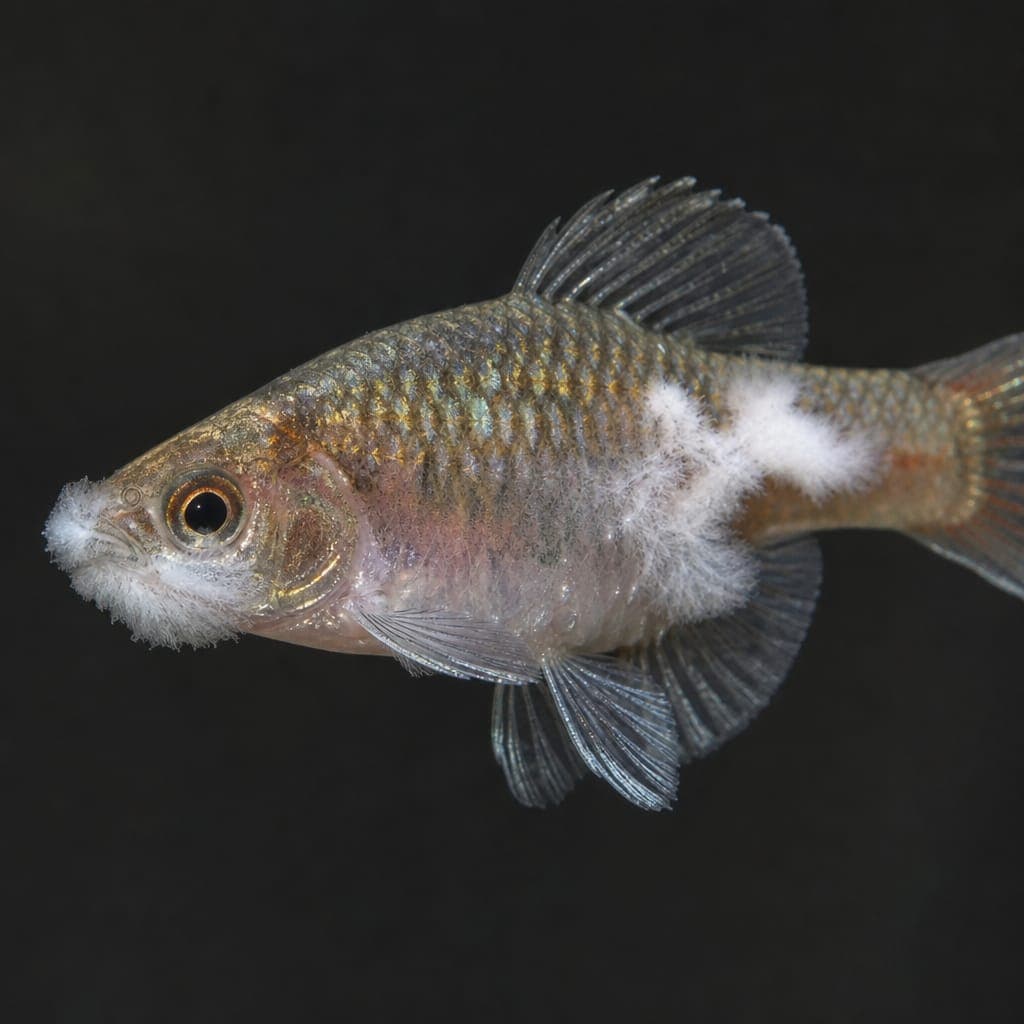
Tench are generally robust fish, but they can be susceptible to common freshwater diseases such as Ich (Ichthyophthirius multifiliis), fin rot, and various fungal infections. Prevention is primarily focused on maintaining excellent water quality, ensuring a balanced diet, and minimizing stress through appropriate tank mates and environmental conditions.
Regular observations for signs of illness, such as abnormal swimming patterns, lesions, or loss of appetite, are critical for early intervention. Quarantining new fish before introducing them to the display tank greatly reduces the risk of introducing parasites or pathogens. Prompt treatment with appropriate remedies, combined with stable cool-water conditions and a balanced diet, helps Tench recover quickly and remain healthy long-term.