Ternetzi Headstander: Anostomus ternetzi
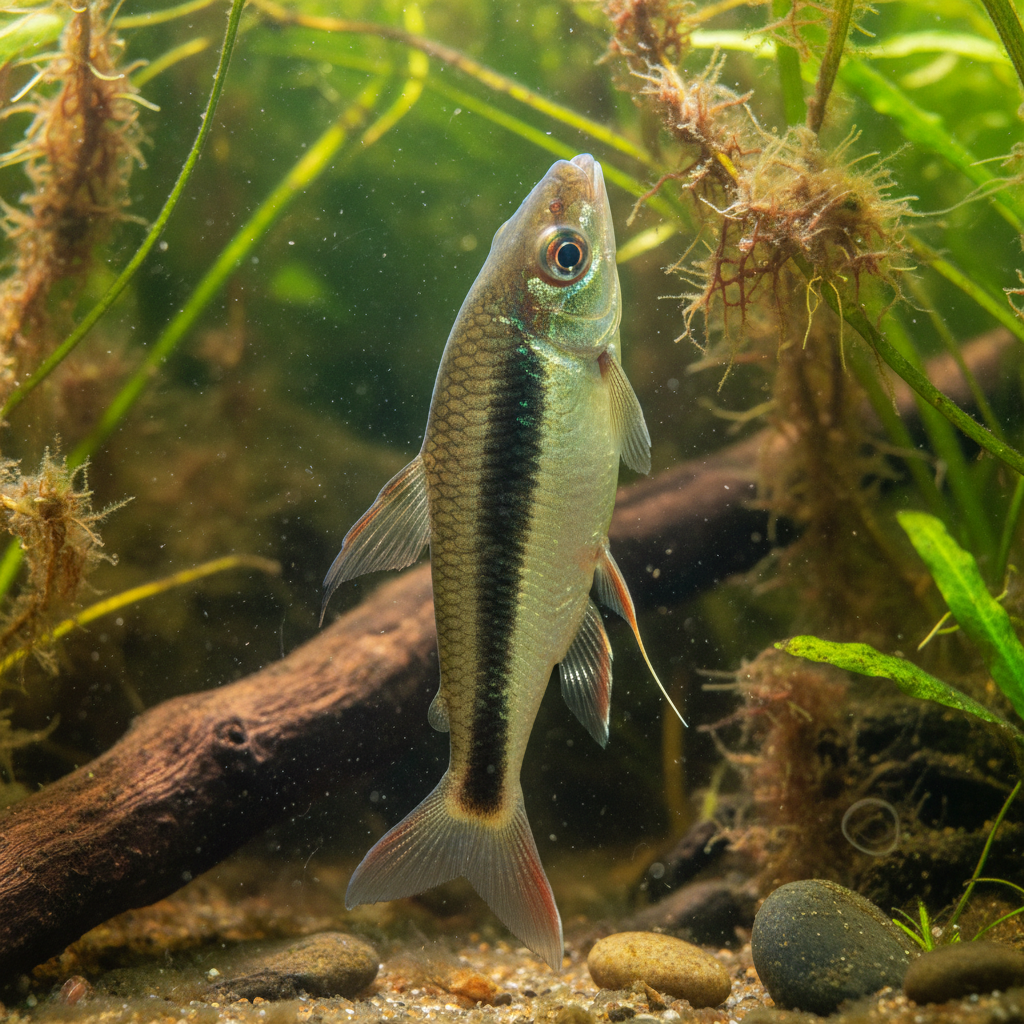
A 12cm headstander that feeds nose-down at 45 degrees. Semi-aggressive with its own kind, so keep one or a group of five plus.

Ternetzi Headstander
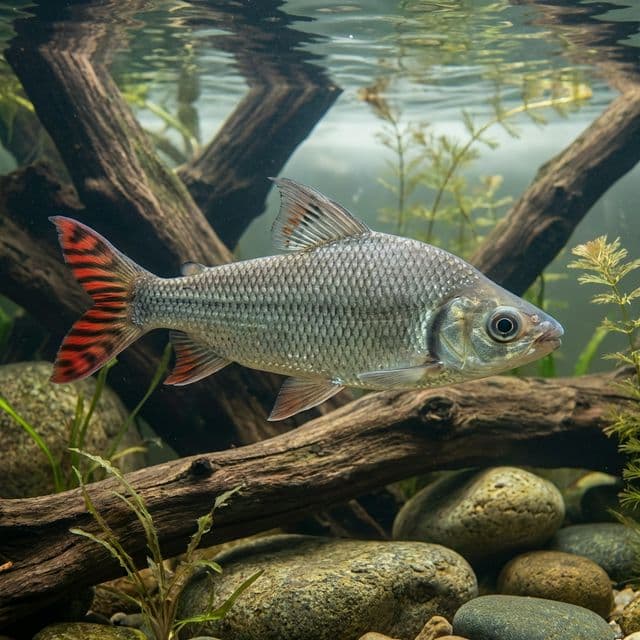
The Ternetzi Headstander, scientifically known as Anostomus ternetzi, is a unique and captivating freshwater fish that has garnered popularity among aquarists due to its distinct swimming behavior and visual appeal. These fish are known for their striking elongated bodies and distinctive color patterns, which typically include a pale cream to silver body adorned with dark vertical stripes. Their most fascinating characteristic, the ability to swim in a headstand position, adds an element of intrigue and excitement to any aquarium setup. This extraordinary swimming style not only makes them a favorite among hobbyists but also serves as a vital coping mechanism in their natural habitat, helping them navigate through densely vegetated waters.
Beyond their striking appearance, Ternetzi Headstanders play an important role in the aquarium hobby as both a community fish and a conversation starter. Their unique behavior, combined with their relatively peaceful nature, makes them suitable for community tanks, provided that they are housed with appropriately sized tank mates. Enthusiasts appreciate the variety that these fish bring to an aquarium setting, contributing to a lively and dynamic aquatic environment. Overall, the Ternetzi Headstander represents a unique blend of aesthetic allure and engaging behavior, making it a must-have for aquarists looking to enhance their aquatic collections.
Natural Habitat & Origin
The Ternetzi Headstander is native to the slow-moving waters of South America, particularly found in the rivers and streams of the Amazon Basin in countries such as Brazil, Peru, and Colombia. Their natural habitat typically consists of either blackwater or clearwater environments, characterized by soft, acidic waters that are often rich in organic matter from decaying leaves and plant life. This water chemistry is critical to their overall health and well-being, as they are adapted to thrive in the tannin-stained, dark waters that provide both shelter and foraging opportunities.
In the wild, Ternetzi Headstanders favor areas with dense vegetation and submerged roots where they can seek refuge from predators and engage in their characteristic headstanding behavior. The combination of their environment's unique physical and chemical properties influences their social and feeding habits, highlighting the importance of replicating these conditions in captivity to ensure their long-term wellbeing and vibrancy.
Care Requirements
To maintain the health and vitality of the Ternetzi Headstander in an aquarium setting, specific water parameters and tank setups must be observed. Ideal conditions include a pH range of 6.0 to 7.5, stable temperatures between 24°C to 28°C (75°F to 82°F), and a water hardness of 5 to 15 dGH. Given their preference for slightly acidic water, regular monitoring and adjustments may be necessary to recreate their natural aquatic environment.
When setting up a tank for Ternetzi Headstanders, a minimum tank size of 75 gallons is recommended due to their active swimming habits and social nature. Substrate should be soft and sandy to prevent injuries, while the inclusion of plenty of hiding spots, such as rocks and driftwood, along with live plants, creates a naturalistic habitat that mimics their wild surroundings. Moderate lighting is ideal, as it contributes to plant growth and provides a serene environment. Maintaining stable water conditions and ensuring regular water changes will further support the health and activity levels of these striking fish.
Diet & Feeding
The Ternetzi Headstander is classified as an omnivore, thriving on a diverse diet that includes both plant materials and protein sources. In captivity, offering a balanced diet is crucial for their overall health and coloration. High-quality flakes and small pellets should comprise the staple food, while supplementing with frozen or live foods such as bloodworms, brine shrimp, and daphnia is recommended to enhance their diet and stimulate natural foraging behavior.
Additionally, include vegetable-based foods like spirulina or blanched vegetables, which support digestion and provide essential nutrients. Feeding them 2 to 3 times a day, utilizing a variety of food sources, will promote optimal growth and vibrant colors, helping the Ternetzi Headstander thrive in its aquarium environment.
Behavior & Temperament
The Ternetzi Headstander exhibits a generally peaceful temperament, making them an excellent addition to community tanks. They are social fish that thrive in groups and should ideally be kept in a school of at least five or more individuals. Their unique habit of swimming upright, often in a headstand position, reflects their inquisitive nature and adaptability to various tank environments. This behavior not only adds a visual treat for aquarists but also helps reduce stress among the schooling group.
Despite their peaceful demeanor, Ternetzi Headstanders can display mild territorial behavior, especially during breeding or if they feel overcrowded. As they prefer to occupy the middle to upper levels of the aquarium, providing ample swimming space is essential. They are not aggressive, but care should be taken when introducing new tank mates to ensure compatibility and maintain a harmonious community environment.
Tank Mates
Choosing compatible tank mates for Ternetzi Headstanders is vital to ensuring a peaceful and balanced aquarium ecosystem. Ideal companions include other peaceful fish species that occupy various levels in the tank, such as tetras, rasboras, and smaller barbs. Additionally, catfish species like Corydoras or peaceful loaches can coexist well with Ternetzi Headstanders, enriching the community dynamic.
However, it is crucial to avoid housing them with overly aggressive or territorial species, such as cichlids or larger barbs, which may stress or harm the more timid Ternetzi Headstander. Maintaining a well-thought-out community setup that respects the natural behavior and social needs of all species involved is key to creating a harmonious aquarium environment.
Breeding
Breeding Ternetzi Headstanders in captivity can be a rewarding endeavor, although it requires specific conditions to replicate their natural spawning environment. To encourage successful breeding, it is essential to maintain optimal water conditions with a slightly lower pH (between 6.0 and 6.5) and a warmer temperature, around 27°C (80°F). Providing fine-leafed plants or spawning mops in the breeding tank will offer a suitable place for females to lay their eggs.
During the breeding process, females will scatter their eggs over the plants, and males will fertilize them. Once spawning is complete, it is advisable to separate the parents from the eggs, as they may consume their offspring. The eggs will typically hatch within 24 to 48 hours. Fry care is crucial during this vulnerable stage; they should be fed infusoria or finely crushed flakes until they are large enough to accept more substantial food options. With patience and the right conditions, aquarists can successfully breed these fascinating fish.
Common Health Issues
While Ternetzi Headstanders are generally hardy fish, they can be prone to specific health issues if not properly cared for. Common ailments include ich (Ichthyophthirius multifiliis), a parasitic infection that manifests as white spots on the body and fins, as well as fin rot, often a result of poor water quality or physical damage. Prevention is best achieved through consistent water quality management, routine aquarium maintenance, and providing a stress-free environment.
Regular observation of the fish for behavioral changes or physical signs of distress is vital for early detection of health issues. Quarantine procedures for new arrivals and prompt intervention at the first sign of illness can help maintain the overall health of the Ternetzi Headstander and the wider community tank. Quarantine new arrivals, avoid overcrowding, and keep soft, acidic water stable with regular changes and solid filtration. A varied diet of flakes, frozen foods, and vegetable matter supports immunity. Watch for white spots, frayed fins, clamped fins, or unusual swimming angles, and treat promptly. With consistent husbandry, a proper-sized school, and early care, Ternetzi Headstanders stay active, colourful, and resilient for years.