Threadfin Acara: Acarichthys heckelii
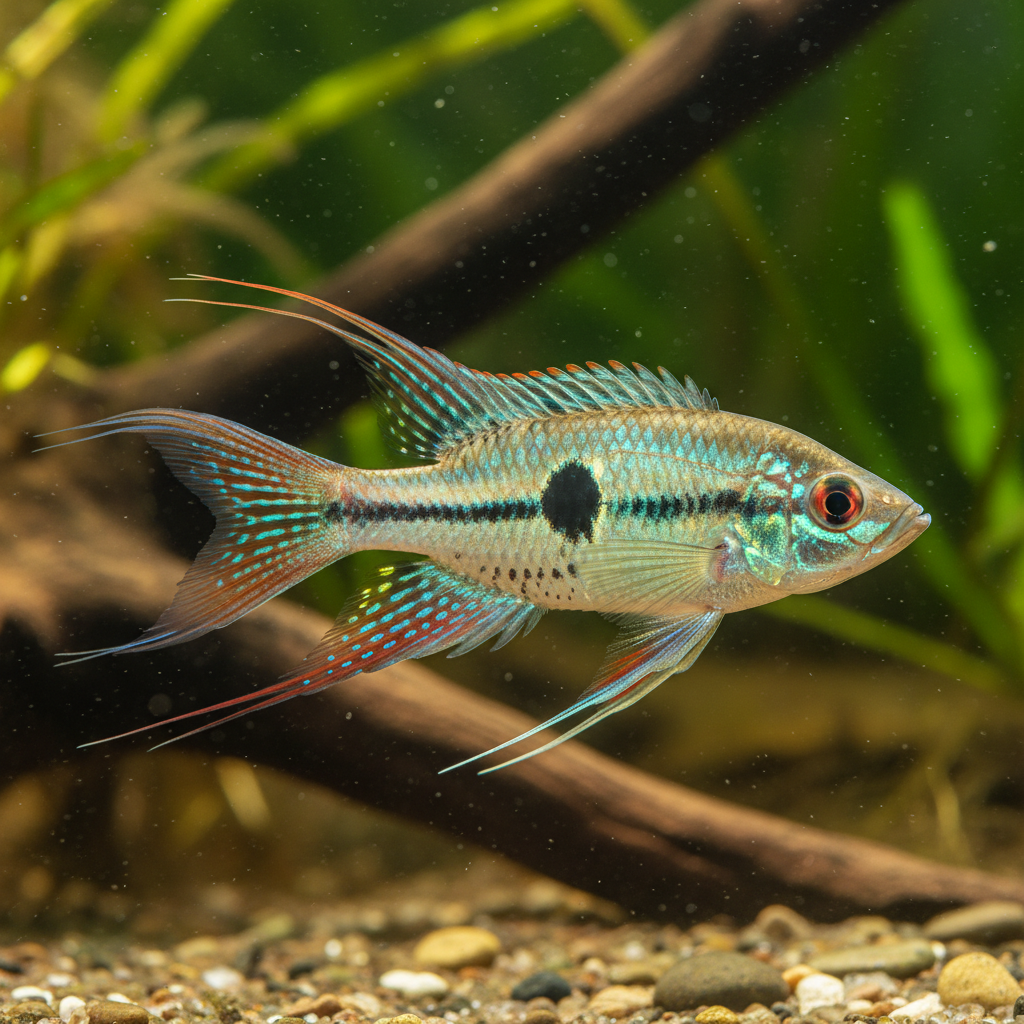
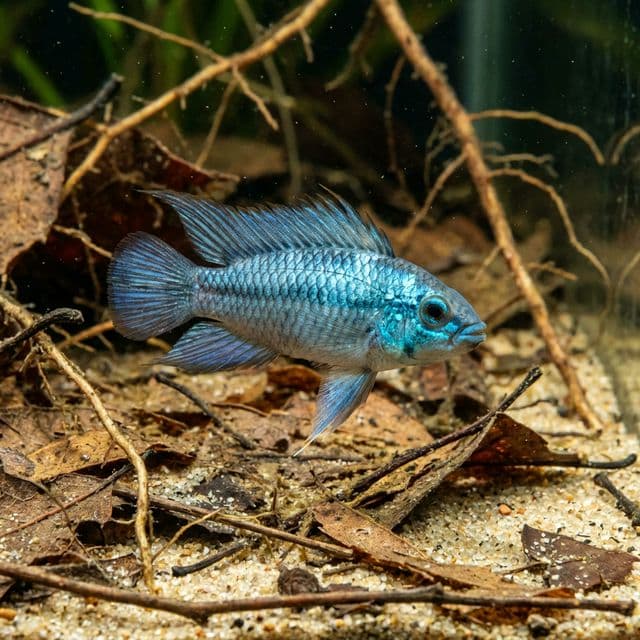
A 12cm South American cichlid with extended finnage. Peaceful for a cichlid, wants soft warm water and a sand substrate.
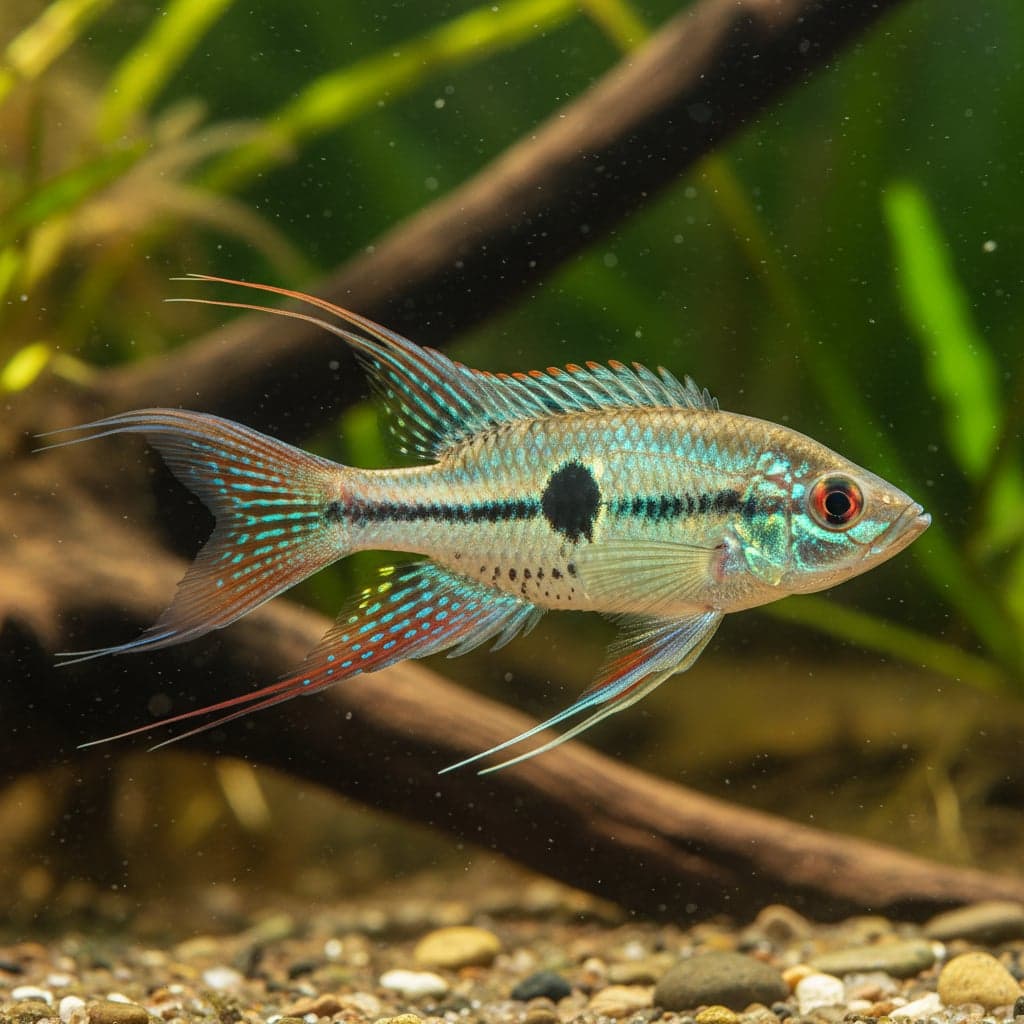
Threadfin Acara
The Threadfin Acara, scientifically known as Acarichthys heckelii, is a visually captivating tropical freshwater fish hailing from the river basins of South America, particularly the Amazon and Orinoco Rivers. Its striking appearance features elongated, flowing fins and a beautifully adorned body that displays a range of vibrant colors, including blues, greens, and yellows. This fish can grow up to about 6 inches in length and is often favored for its unique look and graceful swimming style. The Threadfin Acara's aesthetic appeal is not only a testament to its genetic diversity but also underscores its significance in the aquarium hobby, where it has become a favorite among aquarists looking for a peaceful yet captivating centerpiece fish.
The Threadfin Acara is also significant in biotope aquariums, where it can be a representation of its natural habitat. These fish are recognized for their calm demeanor and adaptability to community settings, making them suitable for a variety of aquarium setups. There is a growing interest in this species due to its role in aquatic ecosystems, showcasing the biodiversity of freshwater environments. As aquarists become more environmentally conscious, understanding the Threadfin Acara's role and care requirements contributes to sustainable fishkeeping practices.
Natural Habitat & Origin
The Threadfin Acara originates from the expansive freshwater habitats of South America, primarily within the Amazon and Orinoco River systems. These rivers and their tributaries provide a rich tapestry of ecosystems, characterized by a mix of blackwater and clearwater environments. The blackwater habitats, rich in dissolved organic materials from fallen leaves and decaying plant matter, are often low in minerals and have a darker coloration, while clearwaters are typically clearer with varying mineral content. Such habitats influence the Threadfin Acara’s adaptation to lower pH levels, providing essential insights into its natural behaviors and care requirements in captivity.
These fish are generally found in the slower-moving waters of streams, lakes, and floodplain areas rich in vegetation. With their preference for densely planted areas and ample hiding spots, the Threadfin Acara thrives in environments where it can forage and seek shelter. This affinity for complex habitats makes understanding their natural origin critical for aquarists aiming to replicate these conditions for optimal health and well-being in aquariums.
Care Requirements
To ensure a healthy environment for the Threadfin Acara, several water parameters must be carefully maintained. Ideal conditions include a temperature range of 75°F to 80°F (24°C to 27°C) and a pH level between 6.0 and 7.5, with a hardness of 5 to 15 dGH. These parameters mimic the soft, slightly acidic waters they are accustomed to in their native habitats. Additionally, a reliable filtration system is crucial to maintain water quality, alongside regular water changes.
When setting up an aquarium for the Threadfin Acara, a minimum tank size of 30 gallons is recommended, which allows ample swimming space and territorial options. The substrate should ideally be soft, sandy, or mixed with fine gravel to accommodate their foraging behavior. Ample lighting is necessary to encourage plant growth, with live plants like Amazon swords and Java ferns providing both aesthetic appeal and functional benefits. Adding driftwood and rocks can create hiding spots for this relatively shy species, enhancing their comfort and reducing stress.
Diet & Feeding
The Threadfin Acara is an omnivorous fish that thrives on a balanced diet of quality foods. In captivity, they can be fed a mix of high-quality flakes, sinking pellets, and live or frozen foods like brine shrimp, daphnia, and bloodworms. Including a variety of food types is vital, as it ensures they receive the necessary nutrients and mimics their natural foraging behaviors. While they appreciate a standard omnivore diet, incorporating vegetable matter such as spirulina or blanched greens will enhance their health and color vibrancy.
To encourage active feeding behaviors, it is best to feed them small portions two to three times a day, ensuring that uneaten food is promptly removed to maintain water quality. By providing varied nutrition, aquarists can promote robust growth and vibrant coloration, essential for both aesthetic purpose and overall well-being.
Behavior & Temperament
The Threadfin Acara is known for its calm demeanor and social behavior, making it an excellent choice for community tanks. They exhibit a generally peaceful temperament, though males can occasionally show mild territorial aggression, especially during breeding periods. These fish prefer to establish their own space but can usually coexist harmoniously with other non-aggressive species.
In terms of swimming habits, Threadfin Acaras are middle to bottom-dwellers and are often seen exploring the upper regions of the tank. Their elongated fins enhance their graceful movements, particularly as they navigate through plants and structures, making them a captivating addition to any aquascape. Providing ample space and visual barriers like rocks and plants can minimize potential aggression and encourage natural behaviors.
Tank Mates
When selecting tank mates for the Threadfin Acara, it's essential to choose compatible species that share similar environmental preferences and temperament. Suitable companions include peaceful fish like tetras (e.g., Neon Tetra, Rummy Nose Tetra), angelfish, and Corydoras catfish. Other species such as smaller rainbowfish and peaceful gouramis can also thrive alongside them, enhancing the aquatic landscape while maintaining a stress-free environment.
In contrast, species to avoid include aggressive or territorial fish such as cichlids that may challenge the Threadfin Acara. Large, boisterous species, including certain barbs and aggressive livebearers, could potentially stress these fish due to their calmer temperament. A well-thought-out selection of tank mates ensures a harmonious community tank, promoting both beauty and tranquility.
Breeding
Successfully breeding Threadfin Acaras in captivity can be achieved under specific conditions. These fish are typically monogamous, forming pairs when ready to spawn. To encourage breeding, a separate breeding tank may be established with gentle filtration and water parameters similar to their natural habitat: slightly acidic pH (around 6.0 to 6.5) and warm temperatures (78°F to 80°F or 26°C to 27°C). Providing flat surfaces such as slate or smooth rocks for spawning will facilitate the process, as they prefer to lay their eggs on these surfaces.
During spawning, females can lay 100 to 300 eggs. After fertilization, the parental pair may guard the eggs, showcasing their nurturing behavior. After approximately 3 to 5 days, the eggs will hatch, and the alevins will begin to free-swim after about a week. It is generally recommended to remove the parents once the fry are swimming freely to avoid potential predation, allowing the caretaker to provide appropriate food such as finely crushed flakes or specialized fry food.
Common Health Issues
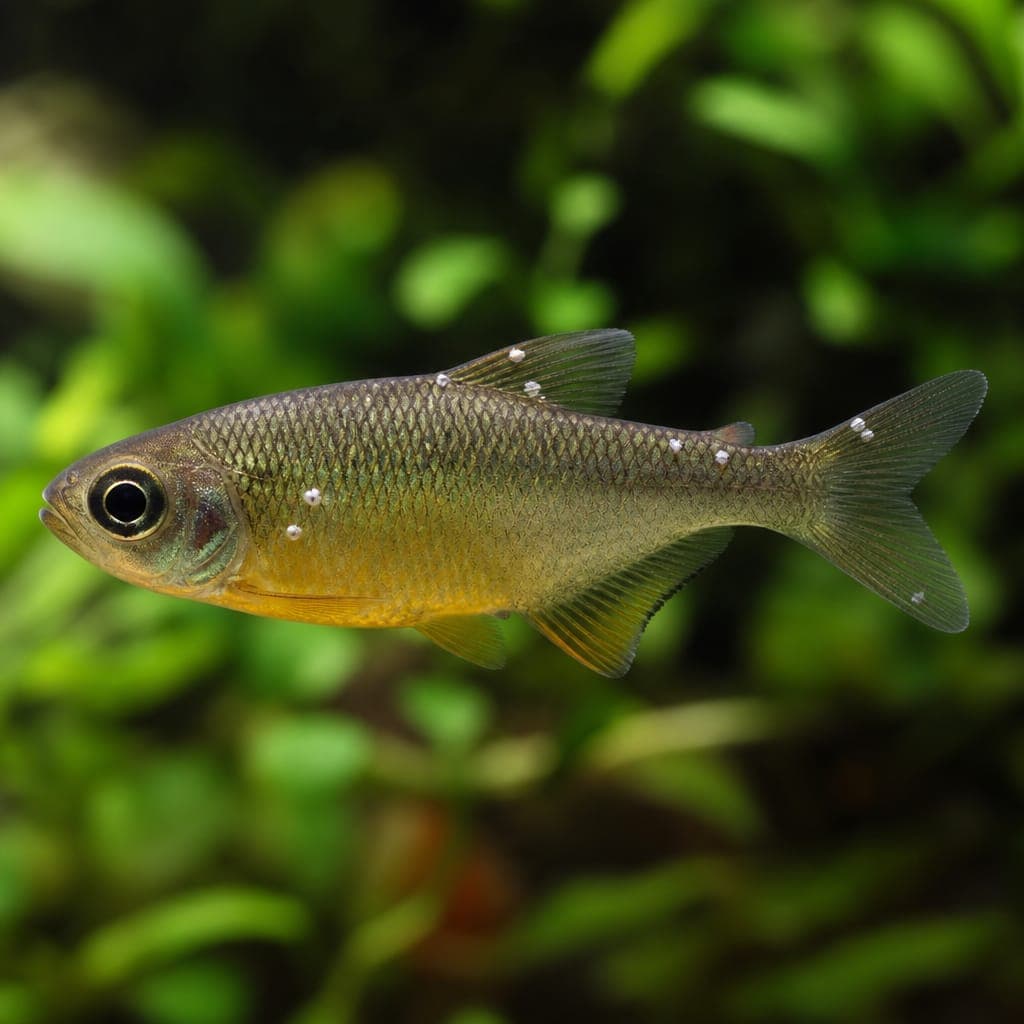
Like many aquarium fish, Threadfin Acaras can be susceptible to various health issues, particularly if their habitat is not properly maintained. Common diseases include Ich (Ichthyophthirius multifiliis), which manifests as white cysts on the skin and fins; fin rot, caused by poor water quality; and velvet disease (Oodinium spp.).
Preventative measures include regular water changes, maintaining stable water quality, and ensuring that the stress levels of the fish remain low. Quarantining new arrivals before introducing them to the main tank can help reduce the risk of introducing pathogens to an established community. Maintain soft to moderately hard water, perform regular changes, and avoid overcrowding that elevates aggression during breeding. A varied diet of quality pellets plus frozen and live foods strengthens colour and immunity. Watch for white spots, frayed fins, rapid breathing, or loss of appetite, and treat promptly in a hospital tank when needed. With planted cover, calm tank mates, and attentive husbandry, Threadfin Acaras remain elegant, active South American cichlids for years in a well-maintained aquarium.