Three-striped Croaking Gourami: Trichopsis schalleri
A 4cm gourami that genuinely croaks audibly when displaying. Peaceful, tiny, and best in a quiet planted tank.
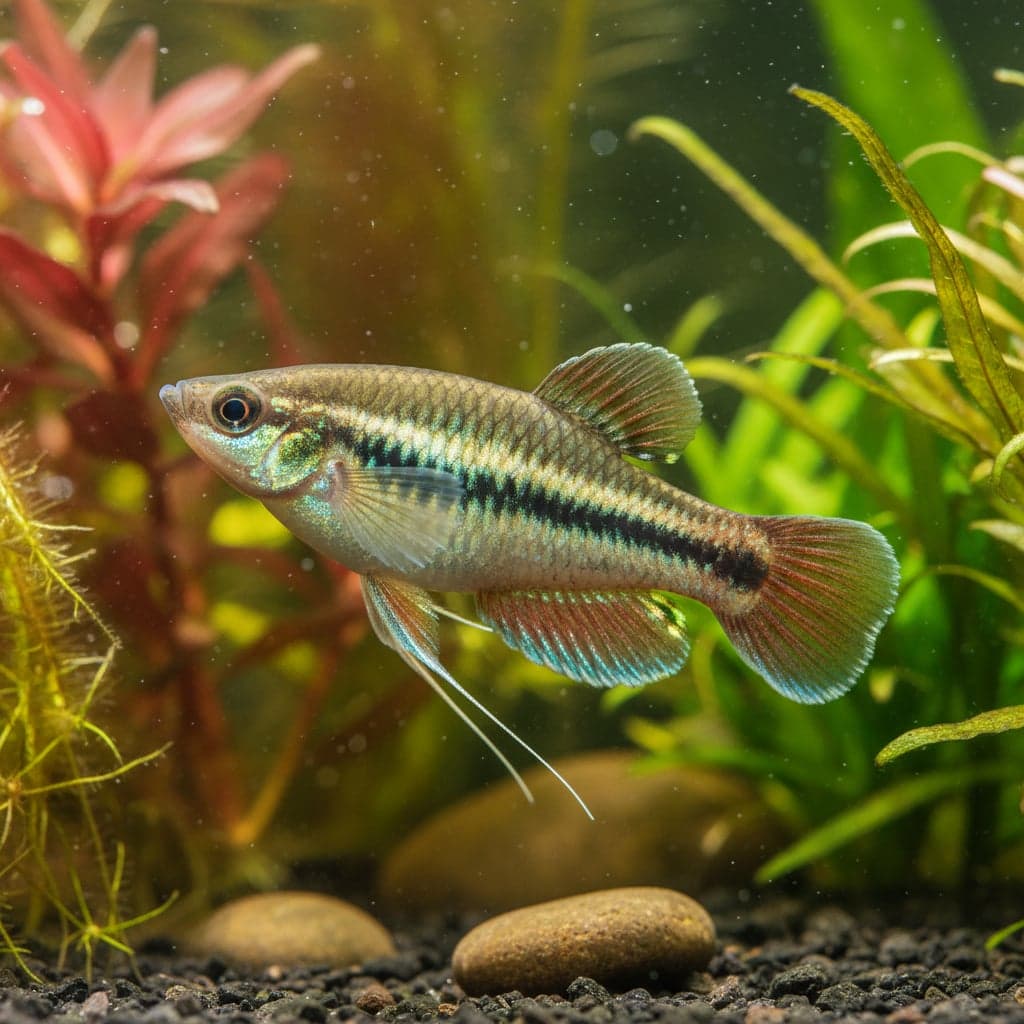
Three-striped Croaking Gourami
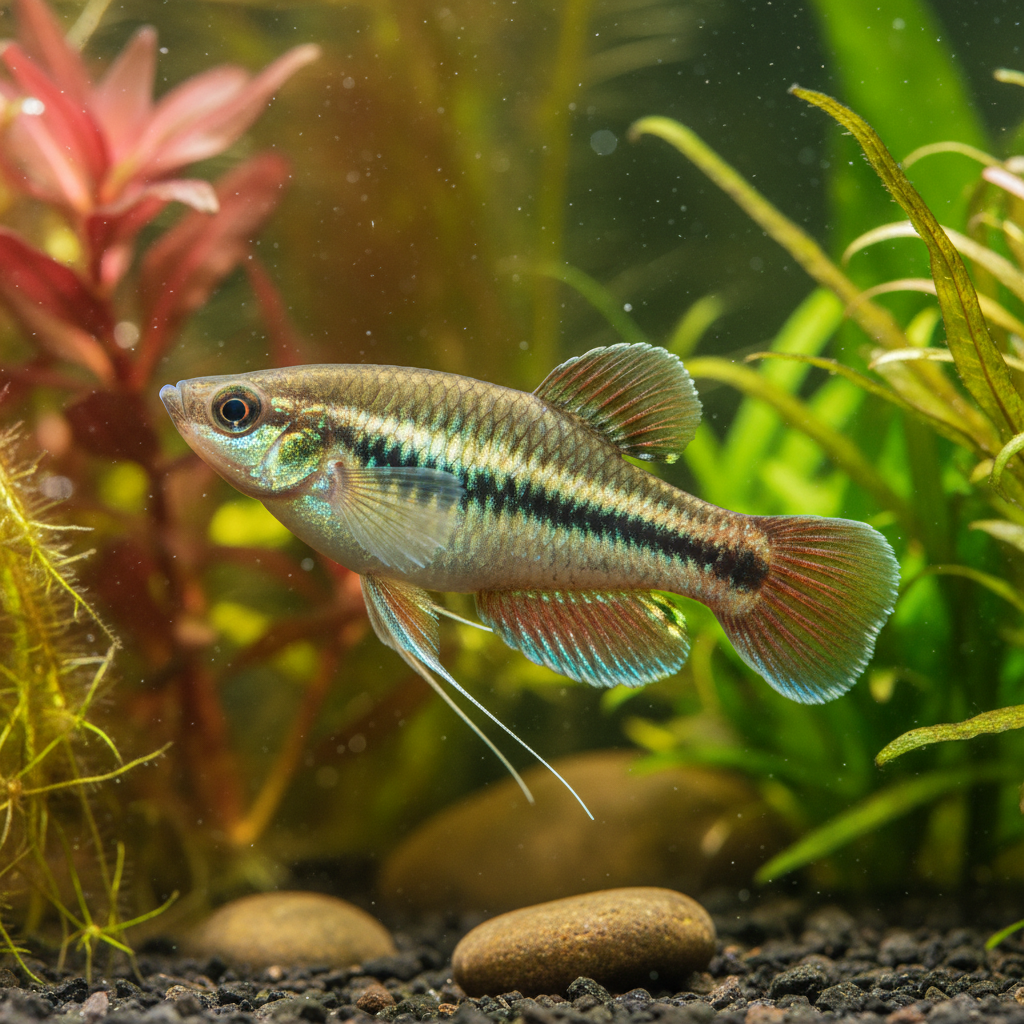
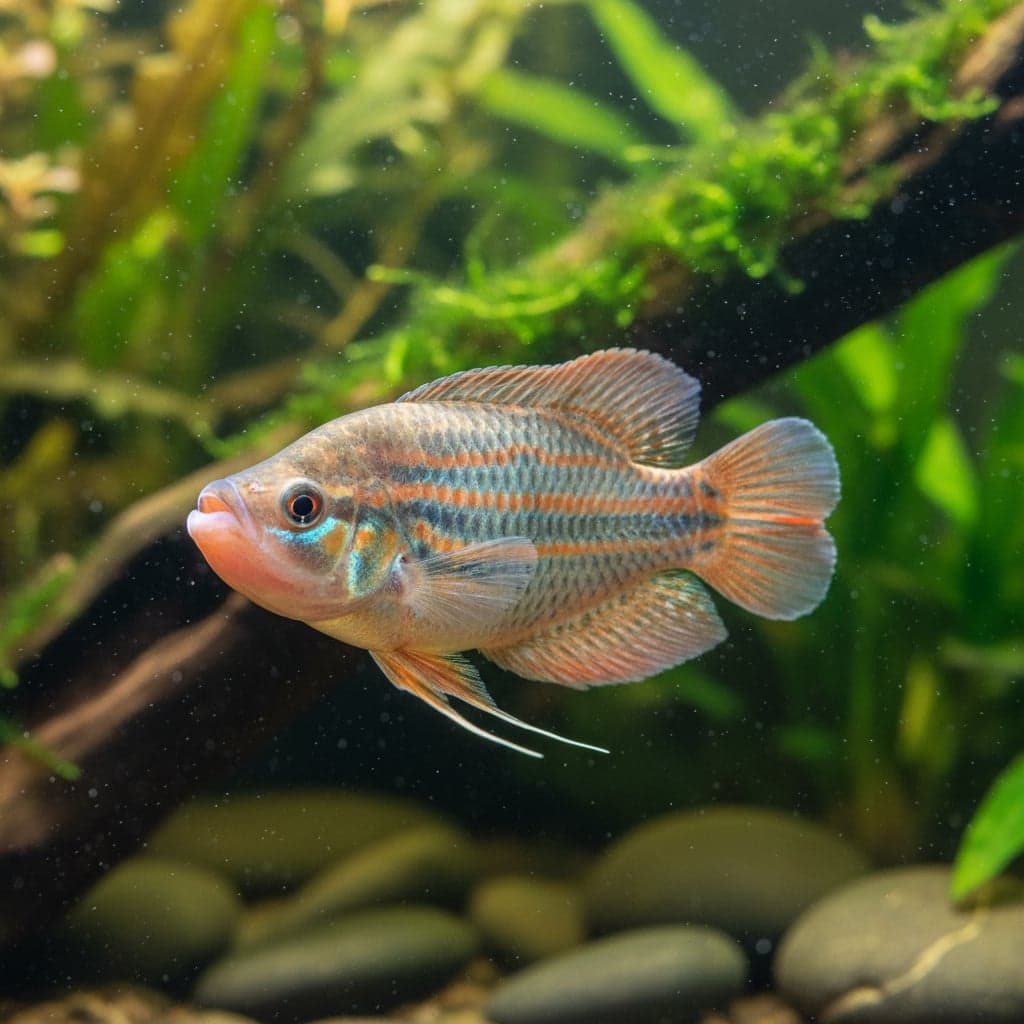
The Three-striped Croaking Gourami, scientifically known as Trichopsis schalleri, is a captivating freshwater fish that has become a popular choice among aquarists due to its unique physical characteristics and engaging behavior. This small, peaceful species is recognized for its striking coloration, which includes a mix of shimmering silvery-blue and a distinctive pattern of three dark vertical stripes along its body. Its slender form and flowing fins add to its grace, making it a visual delight in any aquarium setting. Not only is it appreciated for its aesthetic appeal, but the Three-striped Croaking Gourami also possesses a remarkable ability to produce croaking sounds, especially during mating displays or when feeling threatened, which adds a fascinating auditory element to its presence in the tank.
In the aquarium hobby, the Three-striped Croaking Gourami holds significance as an ideal species for community tanks, as well as for beginners seeking to understand the diversity of freshwater ecosystems. Its relatively peaceful nature allows it to coexist harmoniously with many tank mates, while its modest size makes it apt for smaller aquariums. Additionally, these fish exhibit interesting behaviors, especially when paired with suitable companions, providing opportunities for observation and enjoyment for aquarists of all levels.
Natural Habitat & Origin
The Three-striped Croaking Gourami hails from the slow-moving waters of Southeast Asia, with its primary distribution found in the lowland forests of Cambodia, Vietnam, and Thailand. This species prefers habitats that consist of shallow, murky waters with ample vegetation, often found in rice paddies, swamps, and river basins. The surrounding environment is characterized by stagnant or slow-flowing blackwater, where the water is typically acidic due to the decomposition of organic materials. These conditions create a richly biodiverse ecosystem, making the Three-striped Croaking Gourami a vital component of its natural habitat.
In the wild, the Three-striped Croaking Gourami thrives in warm water temperatures ranging from 24°C to 28°C (75°F to 82°F) and a pH level of 6.0 to 7.0. The presence of dense aquatic flora not only provides shelter but also serves as a breeding ground, offering safety for the fry. Understanding the natural habitat of this species is crucial for replicating suitable conditions in a home aquarium, ensuring their health and well-being while promoting natural behaviors.
Care Requirements
To properly care for the Three-striped Croaking Gourami in an aquarium setting, it is essential to establish and maintain optimal water parameters. The recommended pH range is between 6.0 and 7.0, with soft to moderately hard water (about 2-12 dGH). The temperature within the aquarium should ideally be kept between 24°C and 28°C (75°F to 82°F). A minimum tank size of 20 gallons is advisable to provide ample swimming space and allow for a small group of these fish, as they are more comfortable in the company of their own kind.
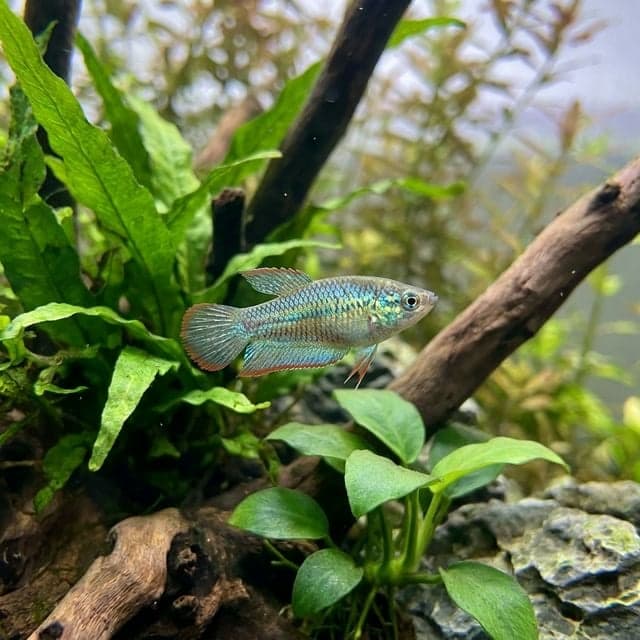
When setting up the tank, select substrate that mimics their natural habitat; dark, fine-gravel or sand works well. Incorporating plenty of live plants such as Java fern, Elodea, and floating plants like Water Sprite will recreate their environment, providing hiding spots and reducing light intensity. Lighting should be soft to moderate, encouraging plant growth without overwhelming the fish. Additionally, include areas of open space for swimming, and consider using a gentle filtration system to maintain water quality while keeping the current low—ideal for the Three-striped Croaking Gourami’s tranquil nature.
Diet & Feeding
The Three-striped Croaking Gourami is considered an omnivore, thriving on a varied diet that includes both plant and animal matter. In captivity, they can be fed high-quality flakes or small pellets as the staple diet. Additionally, to ensure optimal health and coloration, supplement their diet with frozen or live foods such as brine shrimp, daphnia, and bloodworms. It’s crucial to vary their diet to prevent any nutritional deficiencies and to stimulate their natural foraging behaviors. Feeding small amounts 2-3 times a day is generally recommended, as these fish are small and their mouths are not suited for larger portions.
Being relatively easy to feed, the Three-striped Croaking Gourami readily accepts diverse types of food, making it an adaptable choice for both novice and seasoned aquarists. Ensuring a consistent and varied diet contributes to their vibrant colors and overall health, enhancing their appeal in any aquarium setup.
Behavior & Temperament
The Three-striped Croaking Gourami exhibits gentle and peaceful behavior, making it an excellent addition to community aquariums. They are known to be shy and prefer to swim in mid to upper water levels, often enjoying the company of their own species in small groups. This schooling habit provides a sense of security, although it’s crucial to adequately space them to prevent territorial disputes, especially among males, during breeding times.
While generally non-aggressive, they may show some dominance behaviors if kept with more boisterous fish. To maintain harmony, provide a well-planted environment that breaks the line of sight and allows them to establish boundaries without conflict. The Three-striped Croaking Gourami's penchant for vocalization, particularly the low croaking sounds produced by males during courtship, adds an engaging component to their behavioral repertoire.
Tank Mates
When selecting tank mates for the Three-striped Croaking Gourami, it’s essential to choose peaceful species that won’t outcompete them for food or become overly aggressive. Compatible fish include small tetras like Neon Tetras, Rasboras, Corydoras Catfish, and other shy species that share similar water parameter requirements. Dwarf Cichlids or small peaceful Gouramis can also cohabit well, provided the tank is spacious enough to alleviate territorial behavior.
Species to avoid include larger and more aggressive fish such as Cichlids and some barbs, which could intimidate or harm the Three-striped Croaking Gourami. Additionally, avoiding overly active or fin-nipping species is advisable to ensure a calm and serene tank environment where these delightful fish can thrive.
Breeding
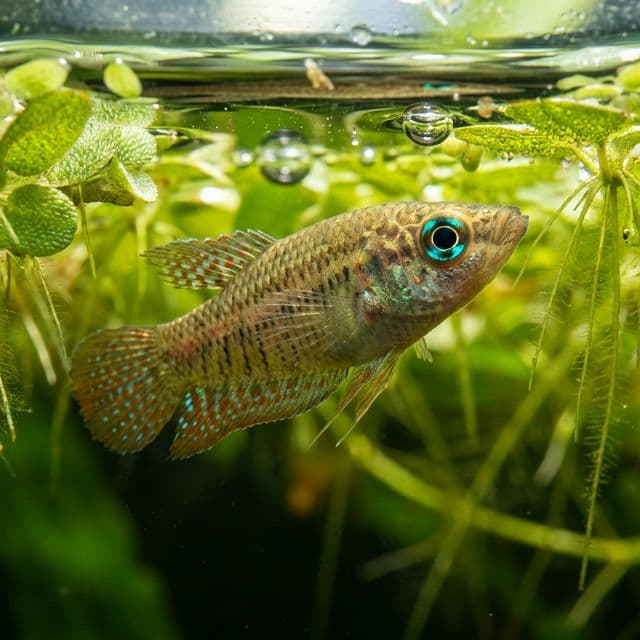
Breeding the Three-striped Croaking Gourami in captivity can be an exciting endeavor for aquarists. These fish are bubble-nesters and exhibit interesting spawning behavior. To encourage breeding, it’s best to set up a separate breeding tank with gentle filtration and plenty of floating plants. Maintaining slightly warmer water temperatures (around 28°C or 82°F) and increasing the acidity slightly can also help stimulate spawning.
During breeding, the male will create a bubble nest and display courtship behaviors, demonstrating his readiness to attract a female. Once the female lays her eggs, which can be up to several hundred, the male fertilizes them and collects them into the bubble nest. After spawning, it is wise to remove the female to avoid aggression, while the male cares for the eggs until they hatch in about 24-36 hours. After a week, once the fry become free-swimming, the male should also be removed to ensure their safety.
Common Health Issues
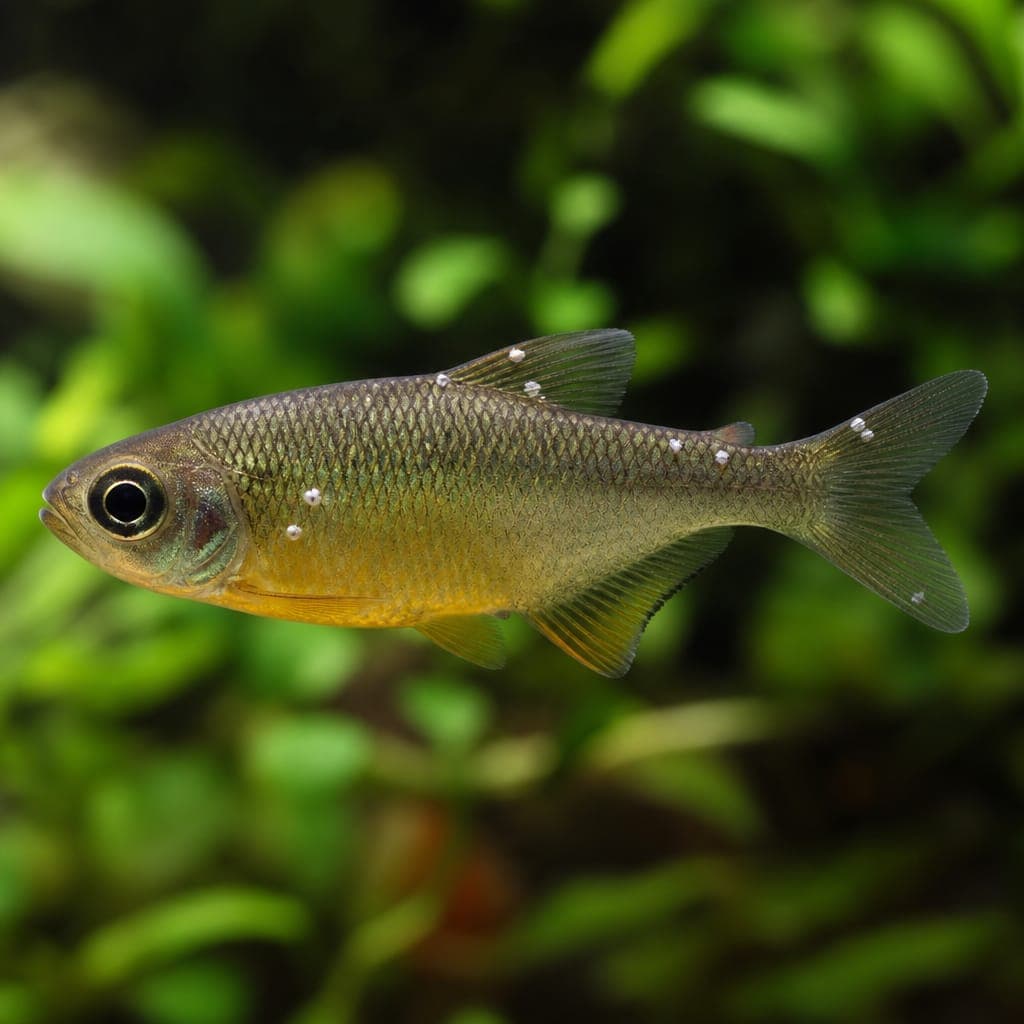
Like any freshwater fish, the Three-striped Croaking Gourami can be susceptible to specific health issues. Common ailments include ich (white spot disease), fin rot, and stress-related disorders. Poor water quality is often the root cause of these health problems, making water quality maintenance crucial. Regular water changes, monitoring of water parameters such as ammonia, nitrite, and nitrate, and keeping temperatures stable all reduce disease risk. Quarantine new fish, avoid overcrowding, and provide floating cover so these shy labyrinth fish can rest without stress. A varied diet of quality flakes plus occasional live or frozen foods strengthens immunity. Prompt treatment of white spots, frayed fins, or laboured surface breathing helps Three-striped Croaking Gouramis stay healthy and active for years.