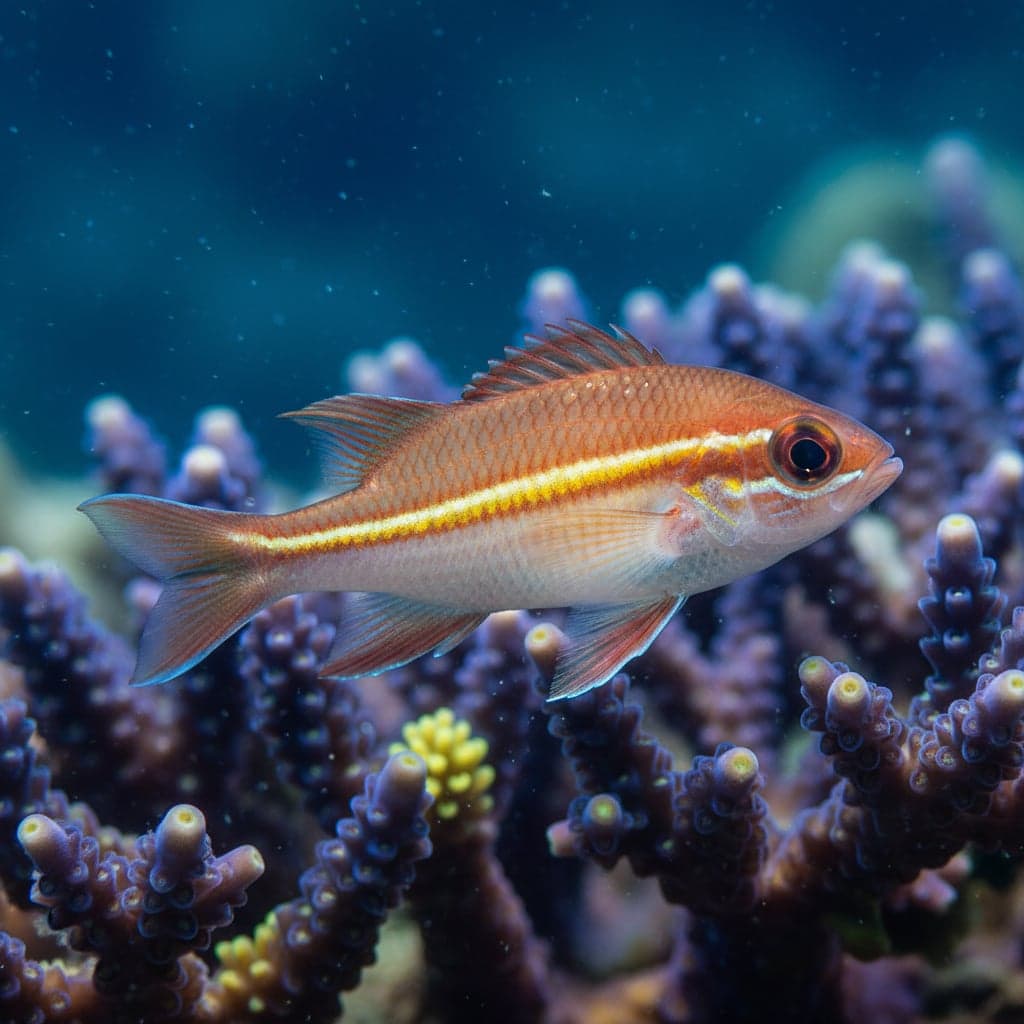
Three-striped Humbug
An 8cm damsel, cheap, hardy and increasingly territorial as it matures. Shoals as a juvenile and fights as an adult.
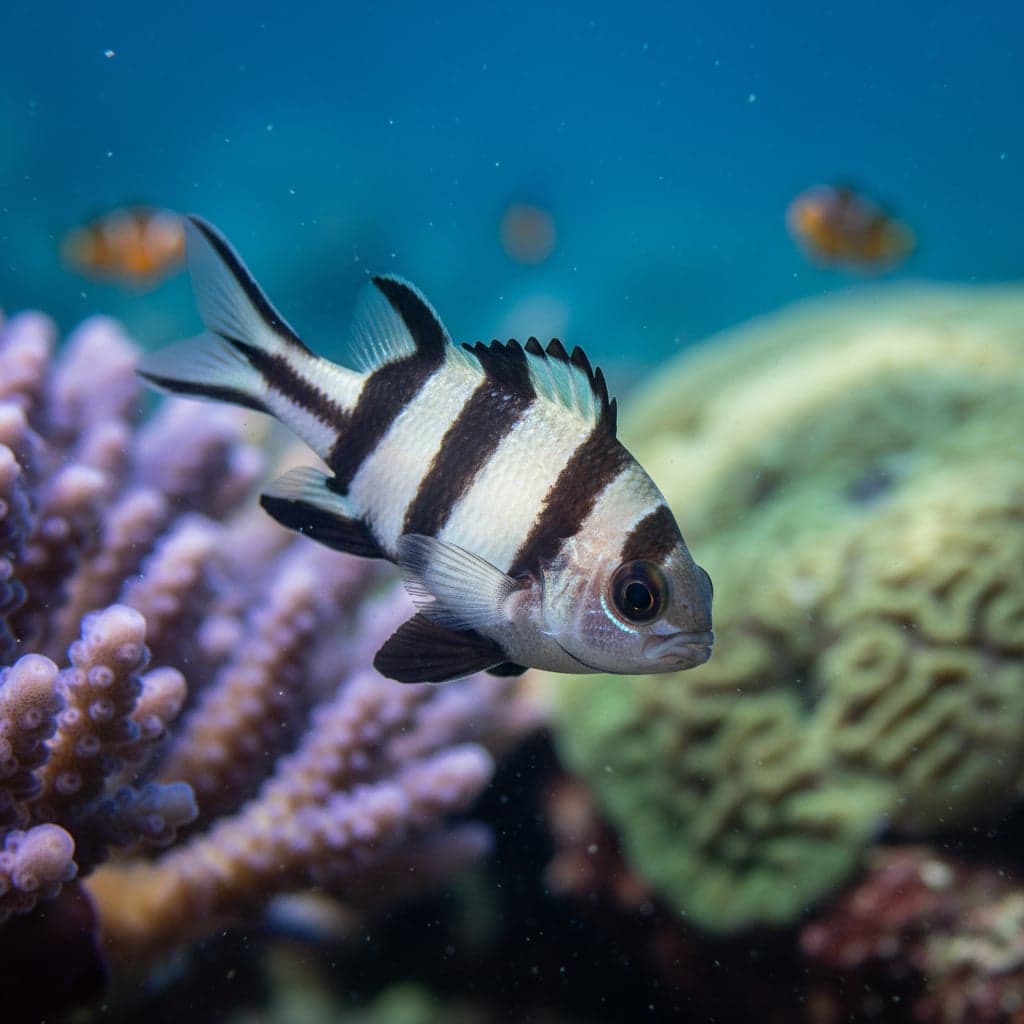
Three-striped Humbug
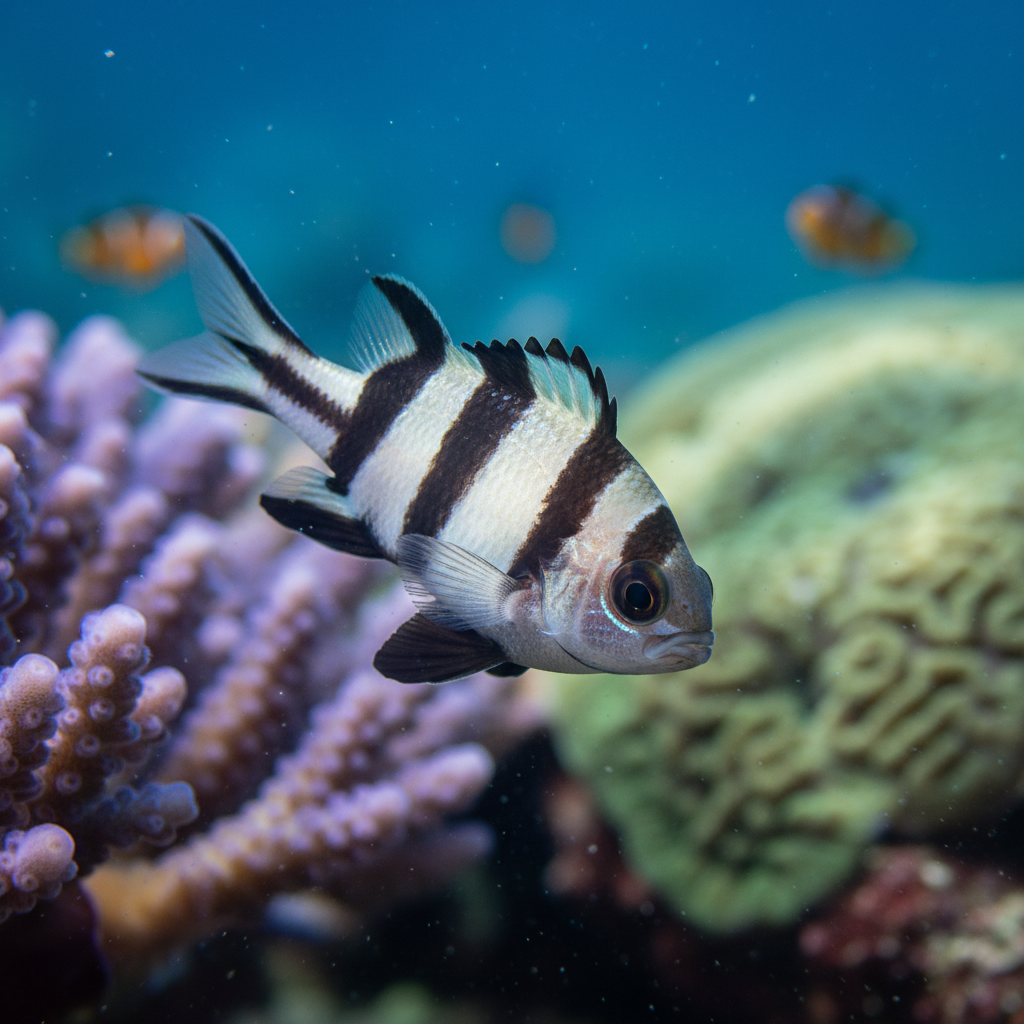
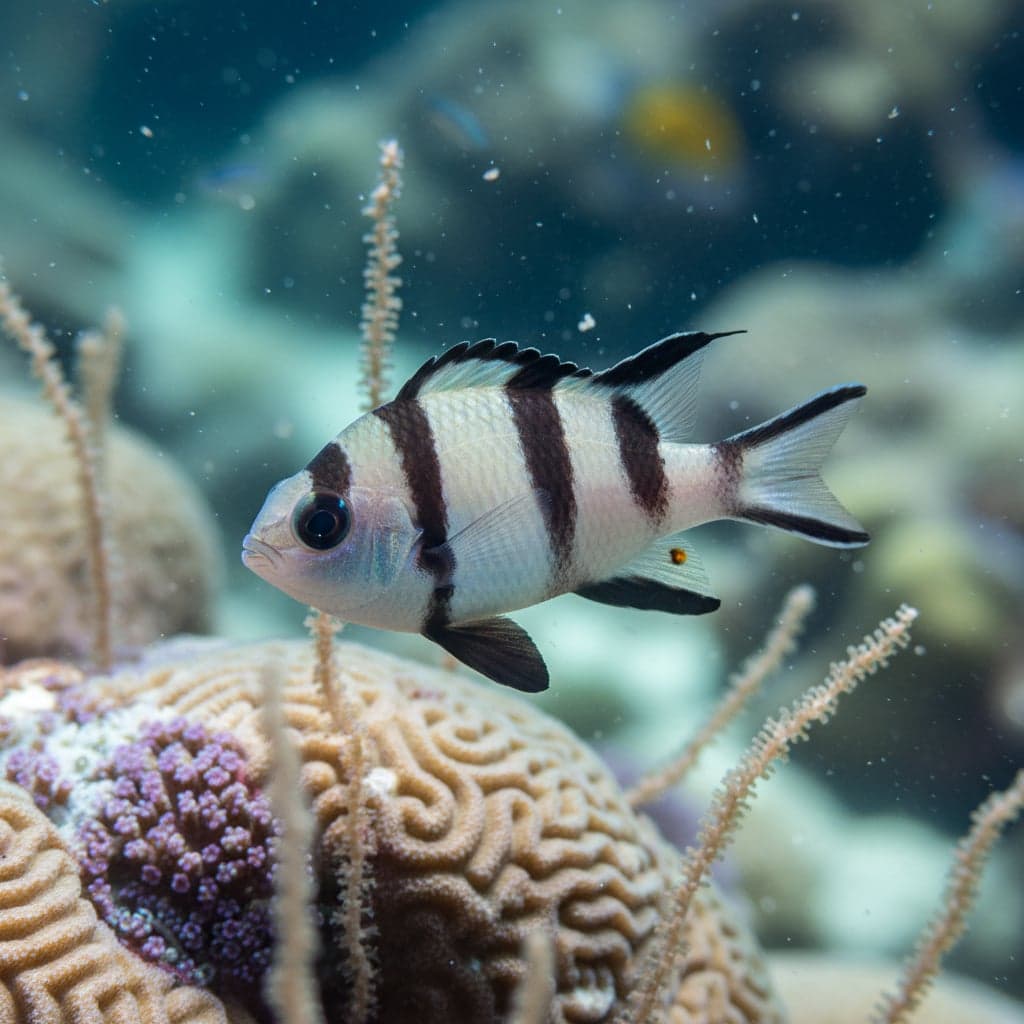
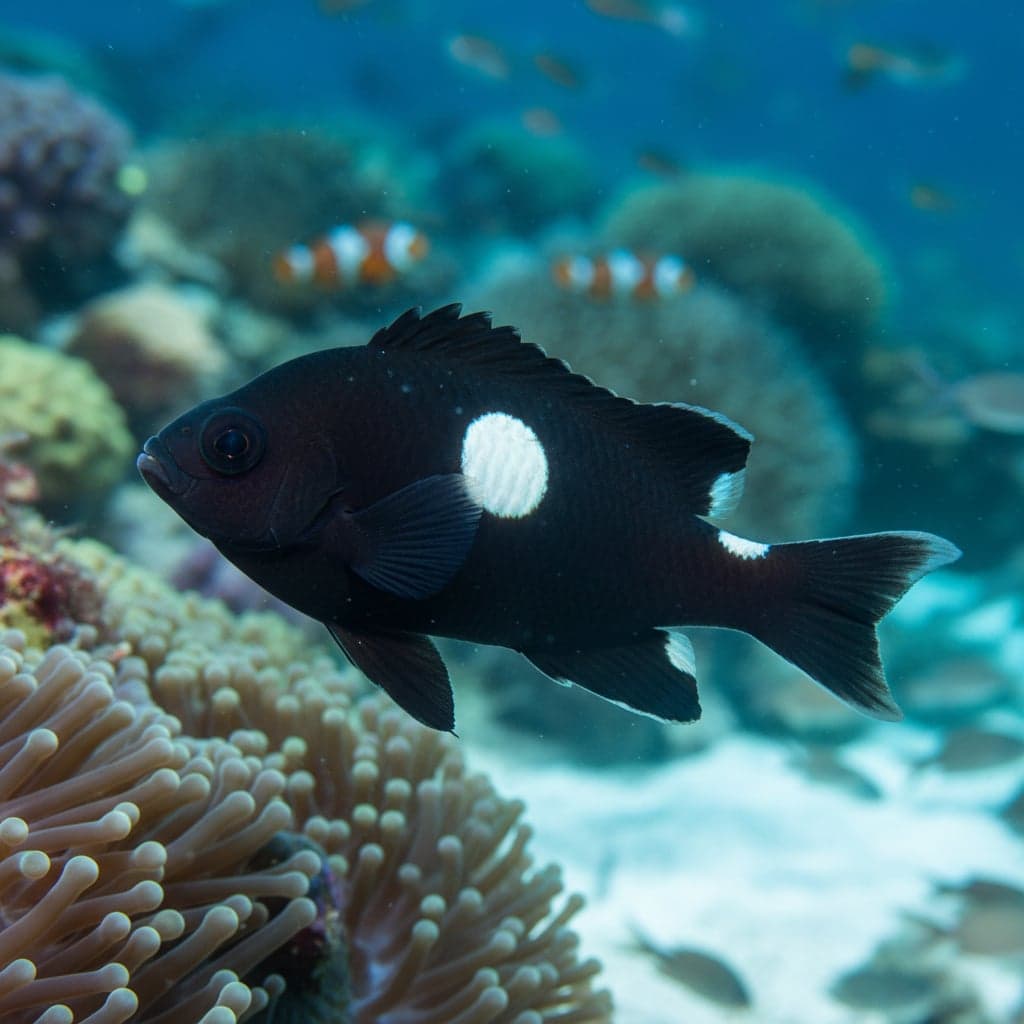
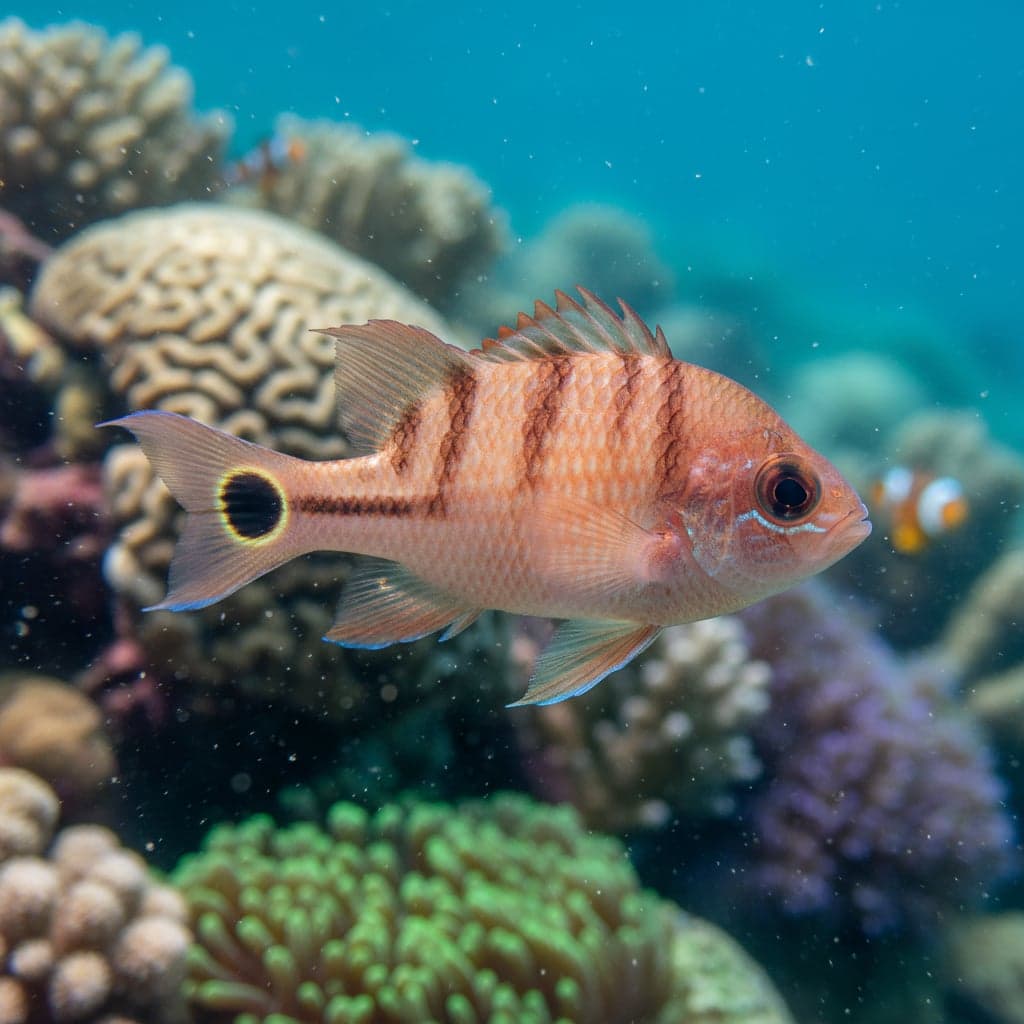
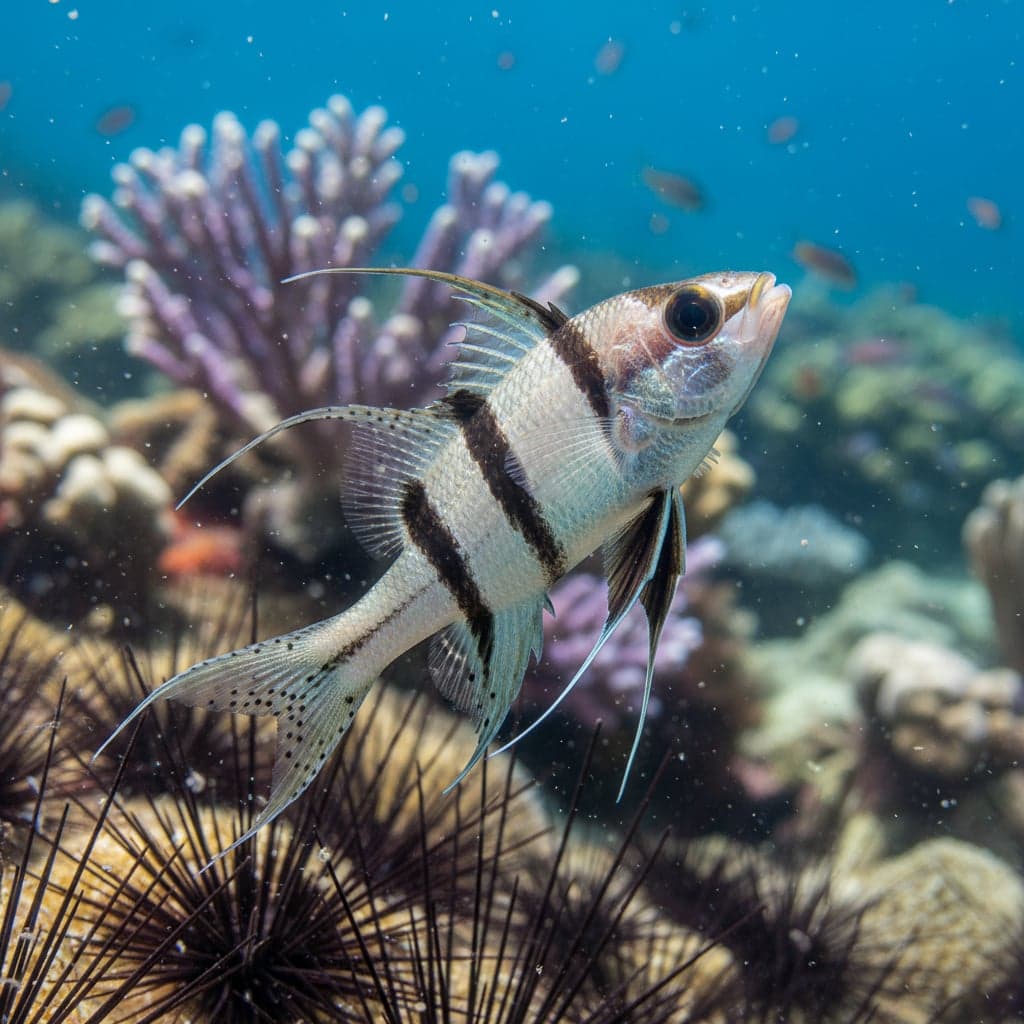
The Three-striped Humbug, scientifically known as Dascyllus aruanus, is a vibrant and visually striking marine fish that has captured the hearts of aquarium enthusiasts around the world. With its distinctive black and white stripes that run vertically down its body, this fish not only adds aesthetic allure to any saltwater aquarium but also brings unique personality traits that are a joy to observe. Often found in small groups, the Three-striped Humbug showcases a mix of inquisitive behavior and social interaction, making it an excellent choice for community tanks. Its playful nature and adaptability contribute to its growing popularity in the marine aquarium hobby.
In addition to its striking appearance, the Three-striped Humbug holds ecological significance. Found predominantly in the coral reefs of the Indo-Pacific region, it plays an essential role in the reef ecosystem. These fish are known to act as a cleaning crew, feeding on algae and pests that could harm the coral. By observing their behavior and habitat requirements in captivity, aquarists can create environments that mirror their natural settings, thereby contributing positively to their health and longevity. This both enriches the experience for hobbyists and ensures the sustainability of the species.
Natural Habitat & Origin
The natural habitat of the Three-striped Humbug ranges across the Indo-Pacific region, notably found in the Indian Ocean and the Pacific Ocean, including areas around the Great Barrier Reef and the reefs of Fiji and the Philippines. This species thrives in shallow waters up to 30 meters deep, typically around coral reefs, where it establishes territories and foraging grounds. The Three-striped Humbug prefers rocky substrates blended with sandy areas, providing ample opportunities for hiding and shelter from predators.
In terms of water type, the Three-striped Humbug is often associated with clear, warm waters, typically exhibiting a pH range of 8.1 to 8.4. It thrives in saltwater environments characterized by stable temperatures, generally between 24°C to 28°C (75°F to 82°F). Additionally, these fish are accustomed to dynamic water conditions which can include mild water movement; hence, maintaining a well-filtered aquarium that mimics their natural habitat is imperative for their health.
Care Requirements
To ensure optimal health and longevity, it is important to replicate the Three-striped Humbug's natural habitat as closely as possible in a home aquarium. The minimum recommended tank size for a small group of these territorial 8cm Dascyllus aruanus is 120 litres (30 gallons), which allows for ample swimming space and reduces territorial disputes. The substrate should consist of fine sand intermixed with small rocks or coral rubble to create an environment where the fish feel secure and can exhibit natural behaviors.
Water parameters are crucial for the well-being of the Three-striped Humbug. The ideal pH should be maintained between 8.1 and 8.4, with a temperature range of 24°C to 28°C (75°F to 82°F). Additionally, the water hardness should be kept at 8-12 dGH. Ensure that the tank is well-aerated and has moderate lighting to simulate their natural environment. Incorporating live rock and plenty of hiding spots using plants, such as macroalgae, can also enhance their comfort, reduce stress, and encourage natural behaviors.
Diet & Feeding
The Three-striped Humbug is considered an omnivore, thriving on a diverse diet that reflects its natural foraging habits. In the wild, they consume various aquatic algae, small invertebrates, and zooplankton. In a home aquarium, it is essential to provide a balanced diet that includes high-quality flakes or pellets specifically formulated for marine fish, frozen or freeze-dried food such as brine shrimp and mysis shrimp, and occasional live foods to promote good health and vibrant coloration.
Feeding should occur multiple times a day in small portions to mimic their natural feeding habits, ensuring that food is consumed within a few minutes to prevent water contamination. Integrating a variety of foods not only enhances their dietary intake but also encourages natural foraging behavior, contributing to their overall well-being.
Behavior & Temperament
The Three-striped Humbug is known for its active and sociable behavior, often forming small groups in the aquarium. They are generally peaceful and exhibit a strong schooling instinct, whereby they feel more secure and thrive when kept in small numbers of at least 3-5 individuals. However, there can be instances of territorial behavior, especially in smaller tanks or among established individuals, where aggression can occur.
These fish display a proclivity for occupying the mid to upper regions of the water column, often hovering around corals or rocky structures. Monitoring their social dynamics within the aquarium is vital, as this can influence their overall health and stress levels.
Tank Mates
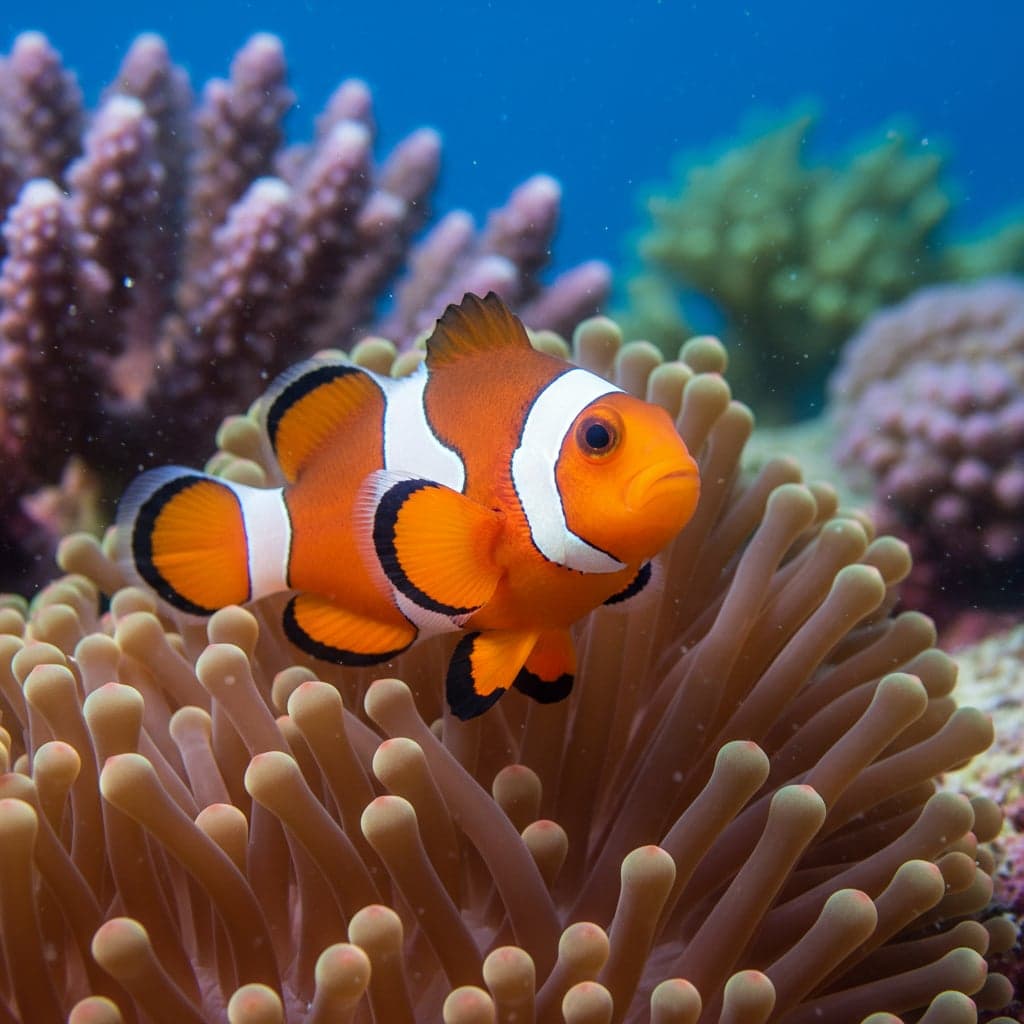
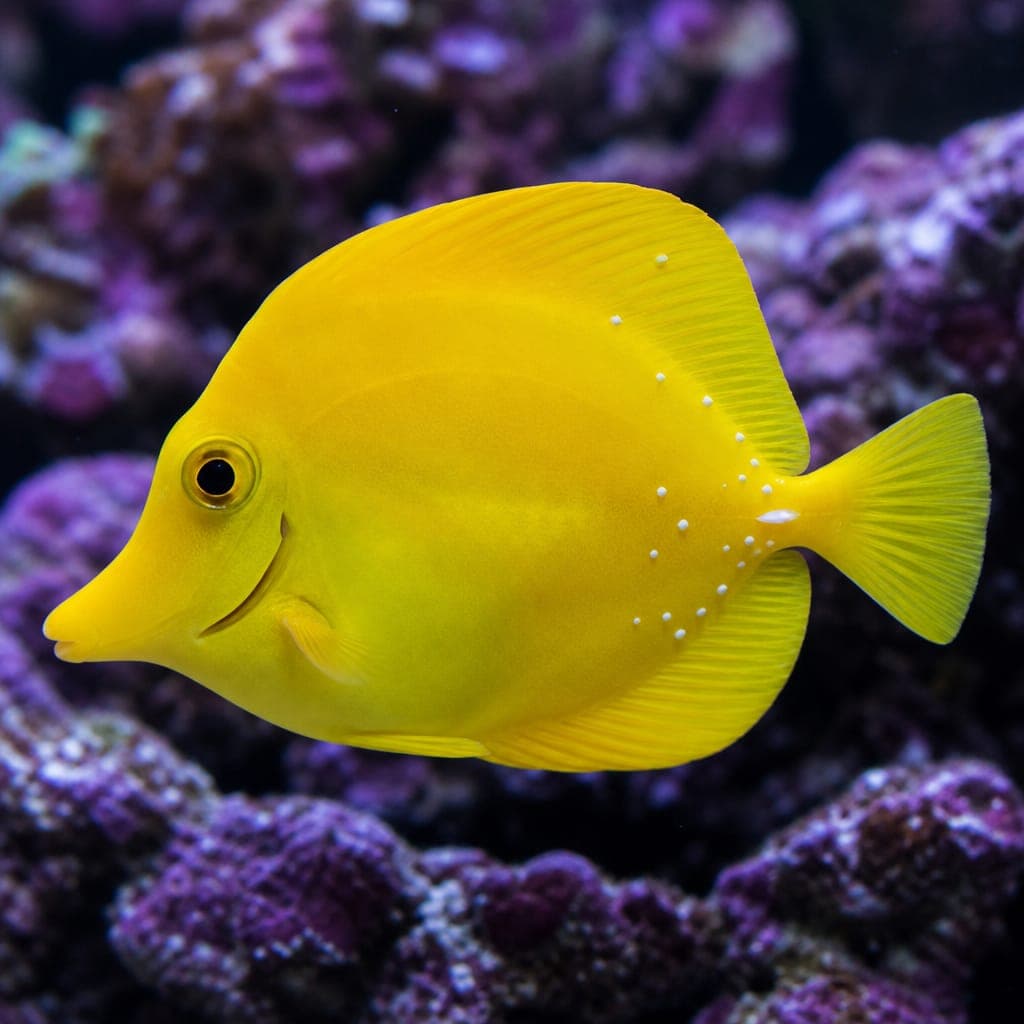
When selecting tank mates for the Three-striped Humbug, it is crucial to choose species that share similar water parameters and dietary needs. Compatible tank mates include gentle species such as Clownfish, Fairy Wrasse, and various varieties of Gobies. Other preferred companions might include small tangs and damselfish, providing a dynamic yet harmonious environment.
Species to avoid include overly aggressive fish such as large wrasse or triggers, which might bully the Three-striped Humbug due to its more passive nature. Additionally, larger predatory species should not be included in the same tank, as they may pose a threat to the smaller Humbugs.
Breeding
Breeding the Three-striped Humbug in captivity can be a rewarding yet challenging endeavor. These fish are known to be monogamous in nature, often forming pairs, which is a critical aspect of their breeding behavior. To encourage spawning, aquarists should provide ample hiding spots and ensure that the water quality and parameters are optimal.
During breeding, the female will lay eggs on flat surfaces like rocks or artificial substrates, and the male will guard the territory and care for the eggs until they hatch. A properly cycled and stable environment with gentle water flow and appropriate lighting increases the chances of successful breeding. Once the fry hatch, they require specific conditions and food, such as infusoria or brine shrimp, to support their early growth stages.
Common Health Issues
While the Three-striped Humbug is generally hardy, they are prone to certain diseases common to marine fish, such as ich (Ichthyophthirius multifiliis), various forms of marine white spot disease, and fin rot due to poor water conditions. Ensuring high water quality, regular tank maintenance, and establishing a proper diet can significantly minimize the risk of these issues.
Preventative measures include regular water changes, maintaining stable water parameters, and quarantining new arrivals before introducing them to the main tank. Observing the fish closely for any signs of distress, abnormal behavior, or physical ailments allows for early intervention and treatment, ensuring the overall health and vitality of the Three-striped Humbug in your aquarium.