Torpedo 'Goby'
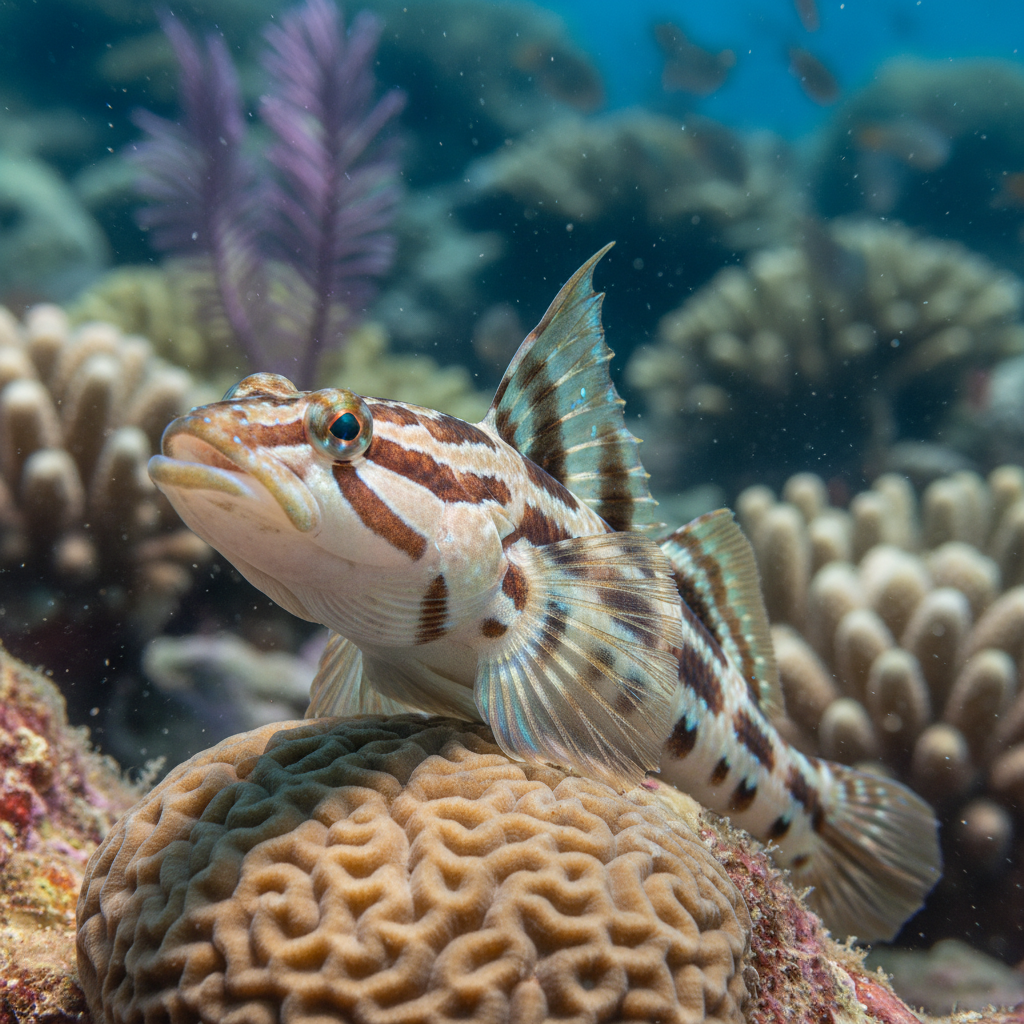
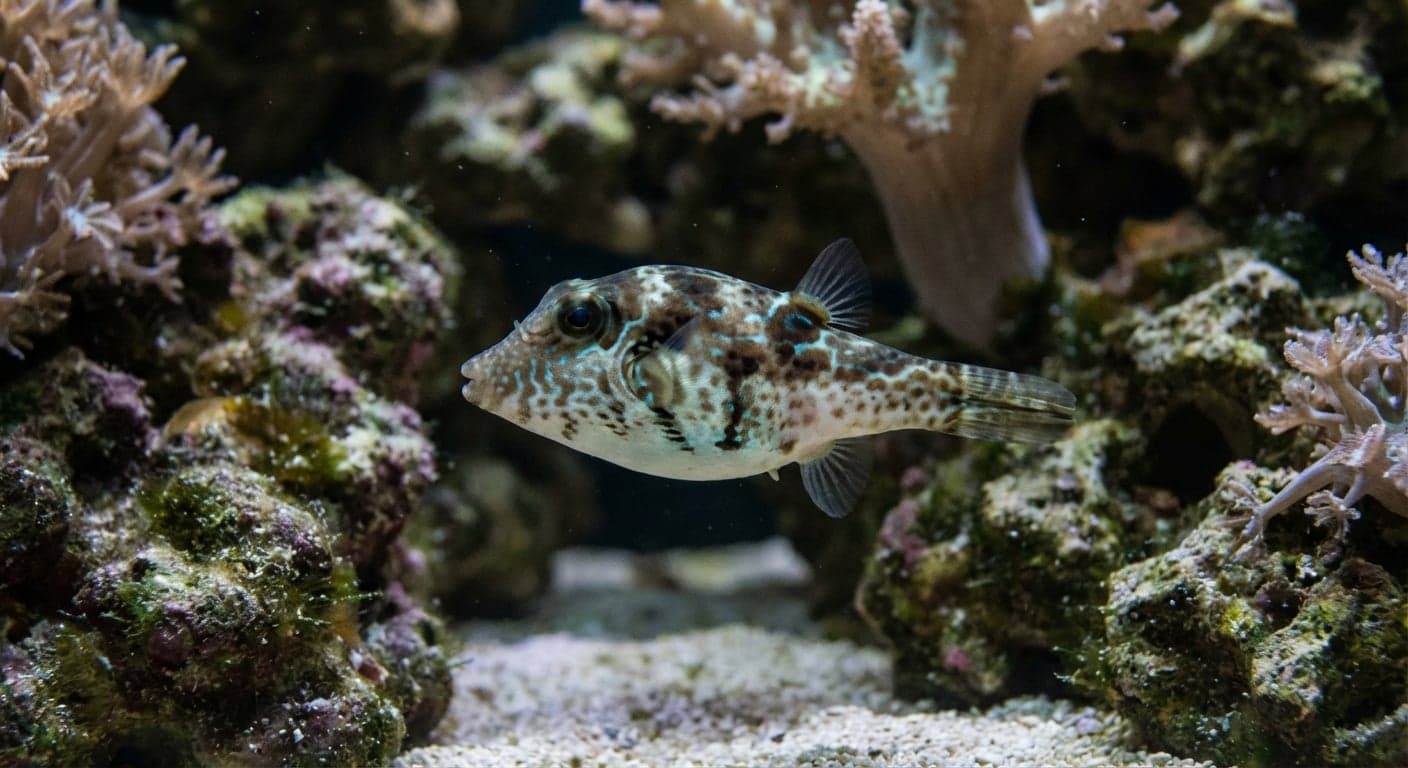
A 14cm dartfish that hovers in open water and bolts into rock. Peaceful, reef safe, and a determined jumper.

Torpedo 'Goby'
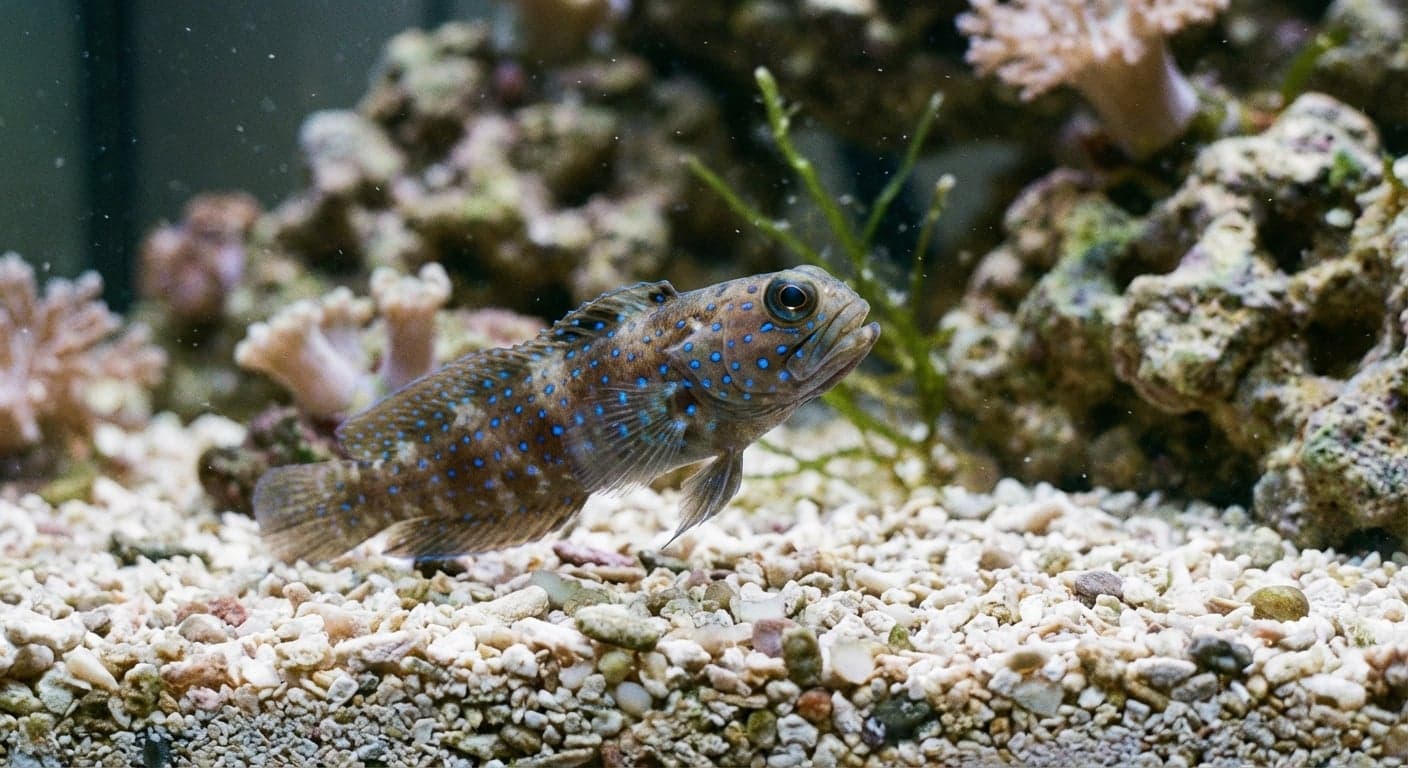
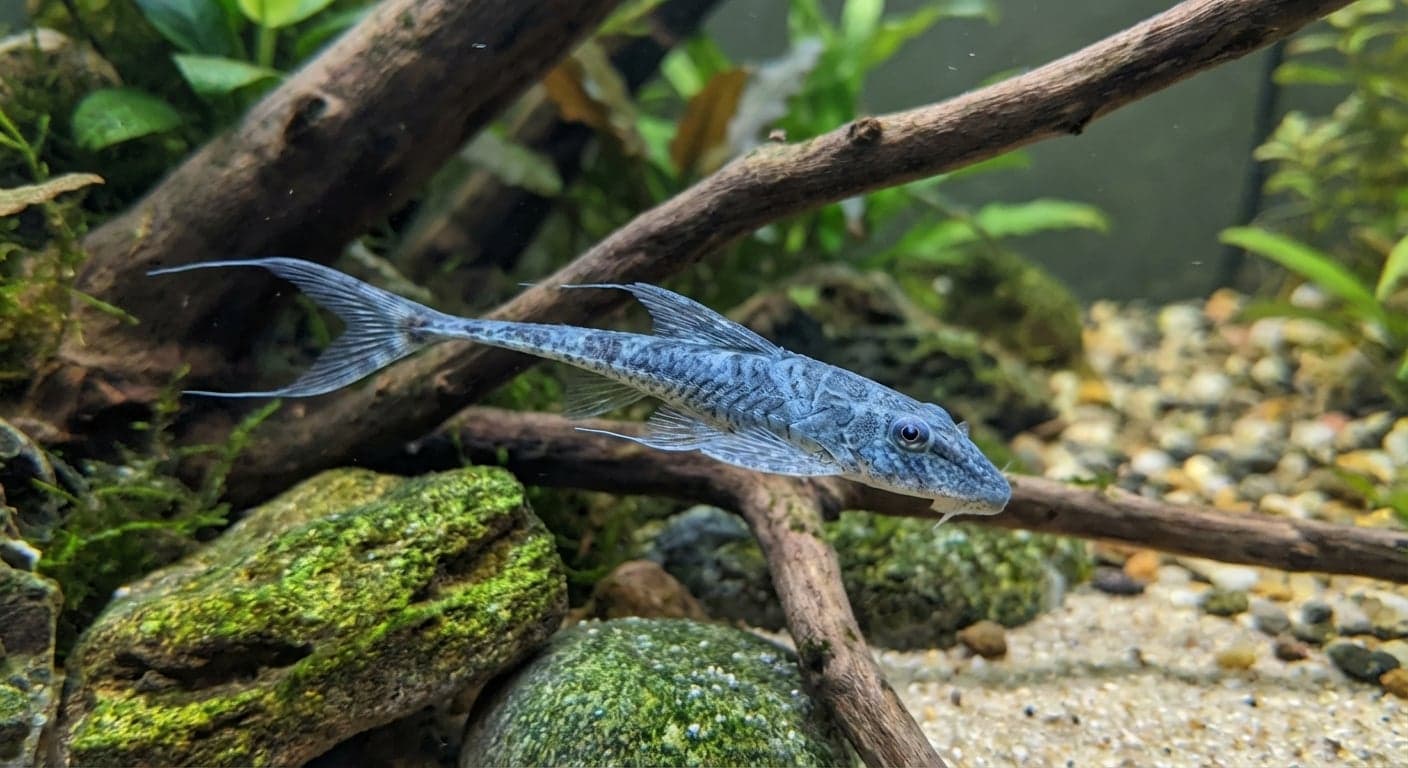
The Torpedo 'Goby' (genus: Sicyopterus) is a fascinating freshwater fish that captivates aquarists with its unique morphology and captivating colors. Known for its elongated, torpedo-shaped body, this species boasts a striking combination of vivid blues, greens, and dull browns, making it not only attractive but also a visual delight within a well-maintained aquarium. Its small size typically ranges from 2 to 4 inches, facilitating its adoption into various tank setups. The Torpedo 'Goby' is often prized for its algae-eating capabilities, providing both beauty and utility in a community aquarium, thus enhancing its significance in the aquarium hobby.
The popularity of the Torpedo 'Goby' extends beyond its aesthetic appeal into its ecological role within aquarium systems. Their natural behaviors, such as grazing on algae and their penchant for climbing, offer an engaging experience for aquarium enthusiasts. Furthermore, their relatively peaceful temperament allows them to coexist harmoniously with various species, making them an excellent choice for community tanks. Due to these qualities, the Torpedo 'Goby' is increasingly being recognized not only as a worthy addition to the aquarium trade but also as a charismatic species amplifying the aquatic biodiversity in home aquaria.
Natural Habitat & Origin
The Torpedo 'Goby' is native to the freshwater rivers and streams of Southeast Asia, with populations predominantly found in the rainforests of Indonesia and Papua New Guinea. These regions are characterized by blackwater habitats, which are stained a tea-like brown by tannins leached from decaying plant material. The Torpedo 'Goby' thrives in low-oxygen environments, where the water is slow-moving and often contains abundant vegetation. The combination of murky waters and abundant hiding spots in these habitats plays a crucial role in the Torpedo 'Goby's' adaptive behaviors, providing cover from potential predators while they forage for algae.
In their natural environment, the Torpedo 'Goby' is often found in areas with sandy substrates, which allows them to utilize their unique body structure to dig and hide. They are typically located in shaded regions of the waterbody, where strong currents are less prevalent, contributing to both their feeding and breeding behaviors. Understanding this environmental context is essential for recreating a suitable habitat in captivity, ensuring this alluring fish thrives in a home aquarium.
Care Requirements
To successfully care for the Torpedo 'Goby', specific water parameters must be maintained to mimic their natural habitat. Ideally, the tank should boast a pH level of around 6.0 to 7.5, and the water temperature should range between 74°F to 82°F (23°C to 28°C). Additionally, a softer water hardness of 2 to 12 dGH is recommended, as this emulates their natural blackwater conditions. A minimum of 75 litres (20 gallons) suits this 14cm dartfish, which hovers in open water and bolts into rock — and a tight lid is essential, since it is a determined jumper.
The tank setup for the Torpedo 'Goby' should include a sandy substrate to accommodate its natural digging behavior. Incorporating driftwood, rocks, and plenty of live plants can provide essential hiding spots and grazing areas for algae. Lighting should be kept moderate, as bright conditions can represent a departure from their natural habitat. Choosing slow-flowing filtration to avoid strong currents will further promote a comfortable environment for this species.
Diet & Feeding
The Torpedo 'Goby' is primarily an omnivore, thriving on a varied diet that encompasses both plant and animal matter. In captivity, it is crucial to supplement their diet with high-quality flake foods designed for herbivores, along with algae wafers and spirulina-based pellets. Additionally, live or frozen foods like bloodworms, brine shrimp, and daphnia contribute vital nutrients and protein, making for a balanced diet. Regular feedings are recommended, ensuring they receive enough nutrition without over-crowding the tank with uneaten food.
Offering a well-rounded diet allows the Torpedo 'Goby' to exhibit vibrant colors and maintain optimal health. Care should be taken to provide a consistent feeding schedule, which may include multiple small feedings daily, mimicking their foraging behavior observed in the wild. Providing additional grazing materials, like algae-covered surfaces or naturally growing aquatic plants, can help fulfill their dietary needs while also promoting ecological balance in the aquarium.
Behavior & Temperament
The Torpedo 'Goby' exhibits unique behavioral habits, including a peaceful demeanor and intriguing social structure. They are generally shy, spending most of their time near the substrate and among aquatic plants, where they feel secure. This species is known to form small groups, often seen grazing or interacting with one another; this schooling behavior reflects their natural habitat dynamics. While they are not aggressive, they may display territorial tendencies during breeding or if kept in cramped conditions.
Vertical tank placement is essential, as the Torpedo 'Goby' enjoys climbing on surfaces such as driftwood and plants while searching for algae and biofilm. Providing ample vertical space with strategically positioned decor encourages natural behaviors, allowing the fish to explore various levels of the tank. Observant aquarists will find that these fish exhibit subtle interactions with their environment and companions, enhancing the overall dynamics of the aquarium.
Tank Mates
Choosing compatible tank mates for the Torpedo 'Goby' is essential for fostering a peaceful aquarium environment. Suitable companions include small to medium-sized, non-aggressive species such as Neon Tetras, Otocinclus, and small Rasboras. Other peaceful bottom-dwellers like Corydoras catfish and shrimp species can coexist harmoniously with the Torpedo 'Goby', as they share similar habitats without competing for food resources.
Conversely, it is advisable to avoid housing them with larger or aggressive fish species, such as Cichlids, larger Barbs, or predatory species, which might pose a threat to the Torpedo 'Goby's' peaceful nature. Ensuring a balanced community is key to promoting a stress-free environment for all inhabitants, allowing the Torpedo 'Goby' to thrive while enhancing the visual appeal of your aquarium.
Breeding
Breeding the Torpedo 'Goby' in captivity can be a rewarding challenge for passionate aquarists. In their natural habitat, they typically spawn on submerged surfaces, taking place in shallow areas rich in vegetation. To replicate this in an aquarium setting, it is crucial to provide soft, slightly acidic water and maintain stable temperature conditions of around 76°F to 80°F (24°C to 27°C).
During spawning, the female will deposit eggs on a flat surface, which the male subsequently fertilizes. After spawning, it is important to remove the adults from the breeding tank, as they may eat their eggs. The eggs usually hatch within 3 to 5 days, and the fry can be fed infusoria or finely crushed flakes until they can accept larger foods. Ensuring optimal conditions during breeding can yield successful reproduction and provide an opportunity to learn more about the natural life cycle of this captivating species.
Common Health Issues
Though generally resilient, the Torpedo 'Goby' can be prone to specific health issues commonly observed in freshwater fish. One notable problem is ich (Ichthyophthirius multifiliis), a protozoan parasite affecting the skin and gills, causing white spots. Stress due to poor water conditions or overcrowding can weaken their immune system and invite secondary infections such as fin rot. Maintain stable parameters, perform regular water changes, and avoid overcrowding that elevates stress. Quarantine new arrivals and offer sandy substrate with caves so they feel secure. Watch for white spots, clamped fins, rapid breathing, or lethargy, and treat promptly in a hospital tank. A varied meaty diet and clean, well-oxygenated water keep Torpedo Gobies healthy, curious, and active for years.