Trochus Snail: Trochus histrio
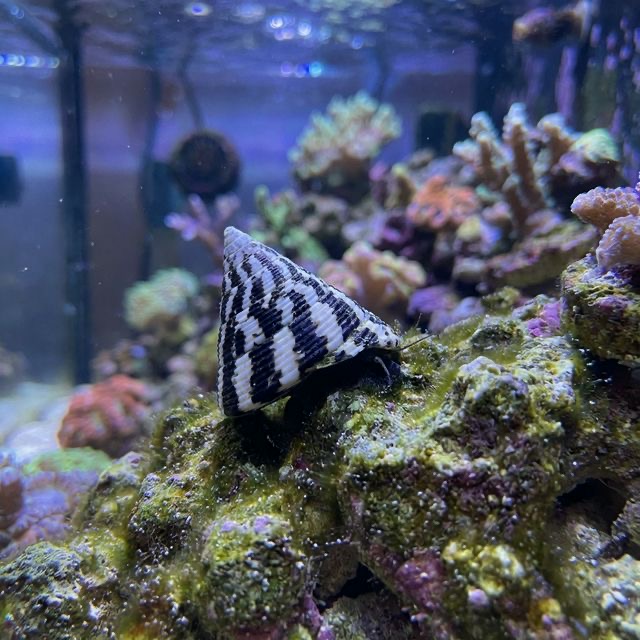
The best all-around algae eater for reef tanks. Trochus snails can right themselves if flipped, making them hardier than many alternatives.

Trochus Snail
The Trochus Snail, scientifically known as Trochus histrio, is a visually striking marine gastropod that has garnered significant attention in the aquarium hobby due to its unique shell structure and vibrant coloration. This species is characterized by its rounded, conical shell that exhibits a series of prominent ridges and an array of colors ranging from brown to green, often accented with striking patterns. Much admired for its decorative appeal, the Trochus Snail is not only a visual delight but also plays a crucial role in maintaining the health of reef aquariums. By grazing on algae, detritus, and organic waste, they contribute to the overall balance of the aquatic ecosystem, making them both aesthetically pleasing and ecologically significant.
As a reef-safe species, the Trochus Snail is an excellent addition to both marine and brackish water environments. It possesses a gentle temperament, which allows it to coexist peacefully with a variety of tank mates. This snail's ability to right itself if overturned adds to its desirability for aquarists, as it exhibits a level of resilience that many other species lack. Overall, the Trochus Snail is not only a beautiful decorative feature but also an essential part of sustainable aquarium practices, providing both beauty and utility for marine enthusiasts.
Natural Habitat & Origin
The Trochus Snail is predominantly found in the warm, shallow waters of the Indo-Pacific region, particularly around coral reefs and rocky shorelines. Its geographical distribution spans regions such as the Great Barrier Reef, the Philippines, and various islands in the Pacific Ocean. These snails thrive in clearwater environments, which allow them to access ample light for algae growth—their primary food source. Typical habitats are characterized by stable water currents and varied microhabitats, which provide both food and shelter from predators. The health and stability of these environments are vital for the snail's growth and reproduction.
In its natural habitat, the Trochus Snail often resides among coral rubble and algae-covered surfaces, where it can graze and find refuge from potential threats. Water quality in these locations is typically pristine, with stable parameters that include salinity levels ranging from 1.020 to 1.026 specific gravity. Understanding the natural habitat of the Trochus Snail is essential for recreating an appropriate environment in captivity, ensuring that the species can thrive and adapt to aquarium life.
Care Requirements
To successfully care for the Trochus Snail, it's important to replicate its natural conditions as closely as possible. The ideal water parameters for a Trochus Snail include a pH level between 7.8 to 8.5, a temperature range of 72°F to 82°F (22°C to 28°C), and a water hardness of 8 to 12 dGH. A well-maintained marine aquarium with stable conditions is essential for their health.
When it comes to tank setup, a minimum aquarium size of 20 gallons is recommended to ensure enough space for grazing and movement. Substrate options should include fine sand or crushed coral to mimic their natural habitat and provide a comfortable surface for the snails. Proper lighting is also key; moderate to bright lighting can promote the growth of algae, which is critical for the Trochus Snail's diet. Including live rock and plants can enhance the aesthetic appeal of the tank while offering hiding spots and feeding opportunities for the snails.
Diet & Feeding
The Trochus Snail is primarily herbivorous, thriving on a diet rich in algae, diatoms, and detritus. In a home aquarium, it is essential to ensure that sufficient algae is available for grazing, as this forms the majority of their diet. For supplemental feeding, high-quality marine algae flakes, spirulina pellets, and blanched vegetables such as zucchini or spinach can be offered. Additionally, Trochus Snails may benefit from the occasional inclusion of powdered fish foods that contain marine nutrients.
Feeding should be done regularly and in moderation, as these snails are capable of overfeeding and can suffer from poor health if their diet is unbalanced. In most cases, however, a healthy aquarium with ample algae growth will be sufficient to meet their nutritional needs, allowing these snails to thrive without the necessity for extensive intervention.
Behavior & Temperament
Trochus Snails are generally peaceful and exhibit a behavior typical of many marine snails. They are primarily solitary creatures but can be observed in loose aggregations, particularly in areas rich in food sources. When kept in groups, they display minimal territoriality and coexist harmoniously, which makes them suitable for community tanks.
These snails typically occupy the substrate level of the aquarium, actively grazing and moving about the bottom. Occasionally, they may venture to higher surfaces, but they are not known to display vertical surfing behavior like some species of fish. Their gentle demeanor makes them a perfect candidate for a reef setup, as they are non-aggressive and will not pose a threat to other species.
Tank Mates
Selecting suitable tank mates for the Trochus Snail is crucial for a harmonious aquarium environment. Compatible species include various reef-safe fish like clownfish, wrasses, and gobies, as well as other invertebrates like cleaner shrimp, hermit crabs, and emerald crabs. These snails can coexist with many coral types, enhancing the overall biodiversity of the aquarium.
However, it is essential to avoid housing Trochus Snails with aggressive or predatory species, such as larger wrasses, triggerfish, or some lionfish, which may pose a threat to their well-being. Additionally, avoid tank mates that may disturb their habitat or compete for space and food, such as certain large crabs or more aggressive mollusks.
Breeding
Breeding Trochus Snails in captivity can be a challenging but rewarding endeavor. These snails are broadcast spawners, meaning they release their gametes into the water column, where fertilization occurs externally. The presence of stable water conditions and plenty of algae is crucial for encouraging successful spawning behavior.
For breeding to occur, it is recommended to maintain a group of at least six to eight Trochus Snails, as group dynamics often stimulate spawning. To provide the best chance for larval survival, ensure your aquarium is equipped with adequate water movement and filtration to prevent the larvae from settling too quickly. While raising larvae can be challenging, achieving a thriving population of Trochus Snails can contribute significantly to the health and biodiversity of your reef aquarium.
Common Health Issues
Trochus Snails are generally hardy creatures; however, they can be susceptible to certain health issues. One of the most common problems is shell erosion, which can occur due to poor water quality or insufficient calcium levels in the aquarium. Regularly monitoring water parameters and incorporating calcium supplements can help prevent this condition.
Additionally, Trochus Snails may also contract parasites like external flukes and invertebrate mantis shrimp predation, which can lead to stress and mortality. Keeping the aquarium environment stable and well-maintained while introducing only healthy livestock will greatly reduce the risk of health issues. Regular observation of the snails will help identify problems early, allowing for prompt interventions to ensure their overall well-being.