Tucano Tetra: Tucanoichthys tucano
A 2cm blackwater tetra needing pH 4.5-6.0 and tannin-stained water. Beautiful and delicate — strictly for a mature soft-water tank.
Tucano Tetra
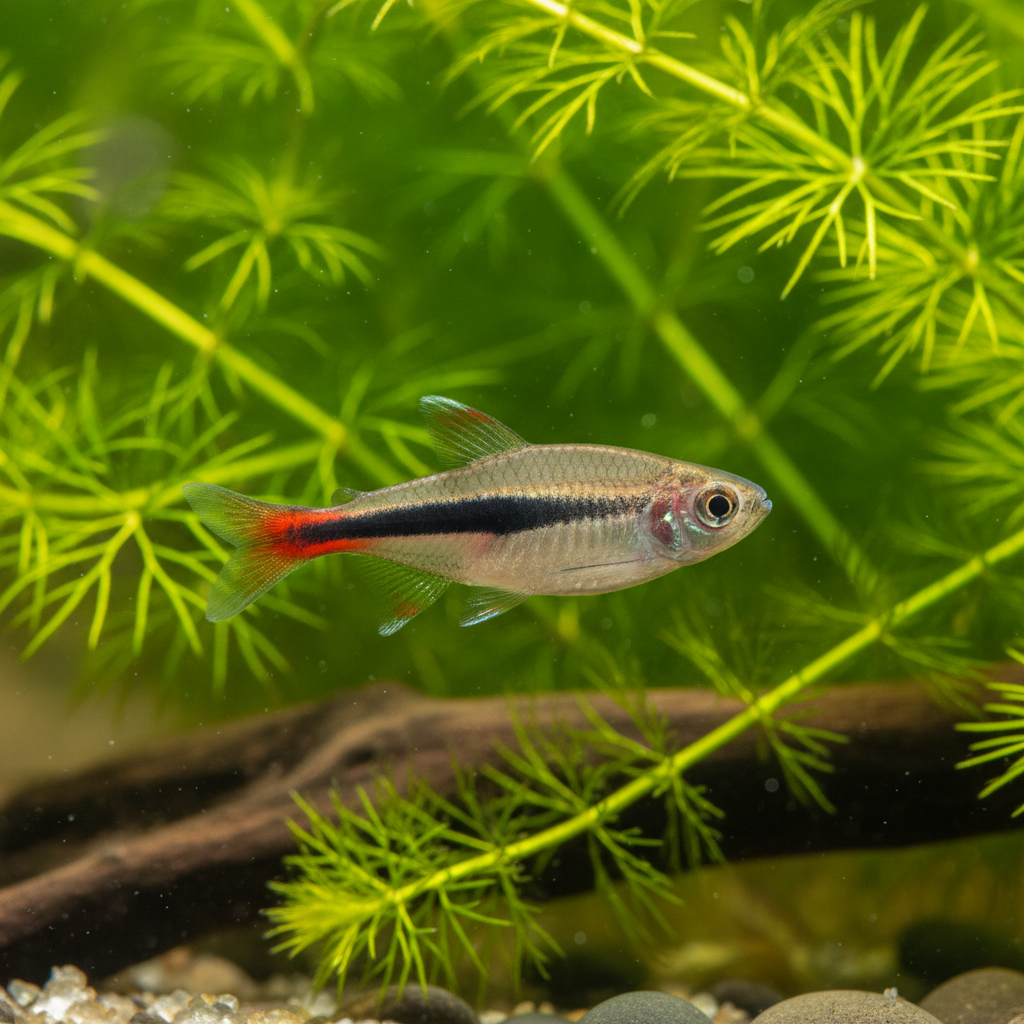
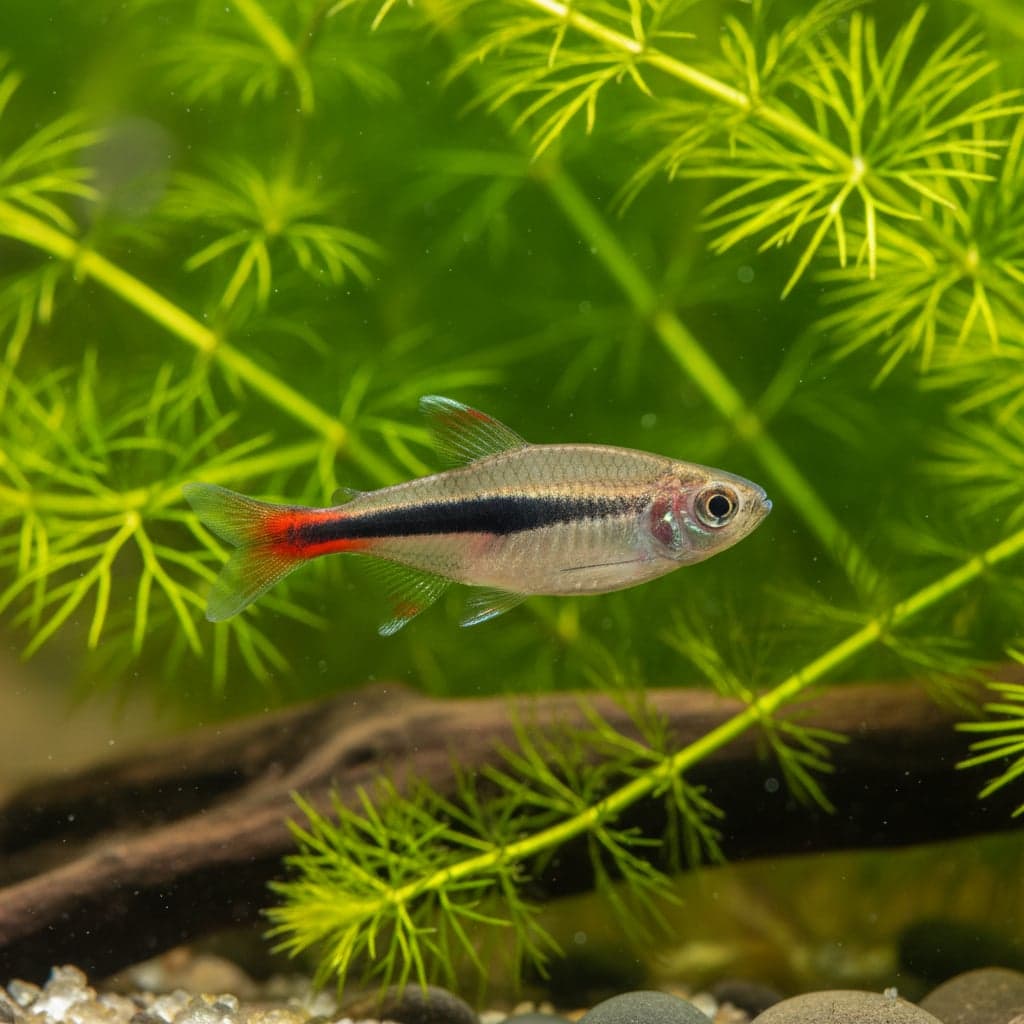
The Tucano Tetra, scientifically known as Tucanoichthys tucano, is an enchanting species of freshwater fish that has captured the attention of both novice and experienced aquarium enthusiasts. Renowned for its striking coloration, this small tetra typically exhibits a graceful blend of vibrant hues, including shades of blue and yellow, accented by a distinctive black lateral stripe running along its body. These visual attributes not only make the Tucano Tetra a standout addition to any aquascape but also contribute to its popularity among hobbyists. Moreover, the species' gentle swimming motions and sociable nature further enhance its appeal, adding a dynamic liveliness to community tanks.
Beyond its stunning visual impact, the Tucano Tetra holds significance in the aquarium hobby due to its relatively peaceful disposition and adaptability. These characteristics make it an ideal candidate for community tanks alongside various compatible species. As fish keepers seek to create vibrant aquatic displays, the inclusion of the Tucano Tetra can contribute to an aesthetically pleasing and harmonious environment. Additionally, its fascinating behaviors and social interactions provide endless opportunities for observation, and caring for this tetra can foster a deeper appreciation for biodiversity among aquarists.
Natural Habitat & Origin
The Tucano Tetra hails from the lush freshwater ecosystems of the Amazon Basin, predominantly found in the northern regions of Brazil. This species thrives in blackwater environments, where slow-moving waters are rich in organic detritus and often characterized by their dark coloration due to decomposing plant material and tannins leached from surrounding foliage. Such habitats are typically abundant with submerged roots, fallen leaves, and dense vegetation, providing ample cover and foraging areas for the Tucano Tetra. Understanding this natural habitat is crucial for aquarists aiming to replicate the conditions conducive to the well-being of these captivating fish.
The ecological context of the Amazon reveals a delicate balance. The presence of soft, acidic waters fosters not only the survival of the Tucano Tetra but also the presence of various other fish species that coexist in these environments. The complexity of this ecosystem can inform all aspects of the Tucano Tetra's care, from water parameters to accompanying flora, making it essential for fish keepers to appreciate the ecological implications of their captive breeding efforts.
Care Requirements
To maintain optimal health for the Tucano Tetra, careful attention must be paid to specific water parameters. Ideal conditions include a pH range of 5.5 to 7.0, with water temperatures kept between 24°C to 28°C (75°F to 82°F). The preferred hardness is relatively soft, typically between 2 to 10 dGH. To successfully house this species, a minimum tank size of 20 gallons is recommended, allowing sufficient space for schooling behaviors.
In terms of tank setup, the substrate should consist of dark, fine-grain material to mimic their natural habitat and enhance visual appeal. Additionally, incorporating plenty of live plants, driftwood, and rock formations will create hiding spots and encourage natural behavior. Submersible lighting mimicking dappled sunlight is ideal, allowing shaded areas for the tetrato retreat into when needed. A well-balanced combination of these elements promotes not only the fish's well-being but ensures a pleasing aesthetic for the observer.
Diet & Feeding
The Tucano Tetra is an omnivorous species, displaying a varied diet that aids in its overall health and vibrancy. In captivity, it thrives on high-quality flake foods specially designed for tetra species, as well as micro-pellets to provide a balanced diet. Supplementing their diet with frozen or live foods such as brine shrimp, daphnia, and bloodworms will encourage natural hunting behavior and offer essential nutrients. Providing a diverse diet not only enhances their coloration but also ensures well-rounded health.
Feeding should be conducted two to three times daily, with only as much food as the fish can consume within a few minutes. This method helps prevent overfeeding and maintains good water quality. Additionally, offering occasional vegetable matter, such as blanched spinach or spirulina, can contribute beneficial nutrients and mimic a more natural feeding regimen.
Behavior & Temperament
The Tucano Tetra is renowned for its friendly disposition and active, schooling habits. These fish are quintessential community dwellers, preferring to swim in groups of at least six, which helps reduce stress and dominance-related aggression. Within a school, they exhibit playful behaviors and can be seen darting about or hovering near the tank's mid-level, as they are generally not bottom dwellers.
In terms of aggression, the Tucano Tetra is a peaceful species, making them ideal tank mates for various non-aggressive fish. While they do have a hierarchical social structure, interactions are typically characterized by mild displays rather than overt aggression. This behavior enhances their charm and makes them a delightful addition to any community tank.
Tank Mates
When considering tank mates for the Tucano Tetra, it is crucial to select species that share similar temperaments and environmental needs. Compatible fish include other small tetras, such as Neon Tetras and Ember Tetras, as well as Rasboras and peaceful livebearers like Guppies and Endlers. Catfish species, such as Corydoras, also coexist harmoniously without competing for resources.
However, it is essential to avoid housing the Tucano Tetra with larger, more aggressive fish that may intimidate or injure them. Species to sidestep include Cichlids, larger Barbs, and any fish known for territorial behavior. By creating a balanced community tank with compatible species, you can foster a peaceful environment that enhances the overall health and well-being of the Tucano Tetra.
Breeding
Breeding the Tucano Tetra in captivity can be an exciting endeavor, although it may require careful preparation to replicate their natural spawning conditions. To trigger spawning behavior, aquarists usually need to mimic the rainy season, which entails slightly increasing the water temperature to around 26°C (79°F) and performing frequent water changes with slightly softer, warmer water.
The breeding process is characterized by the males displaying elaborate courtship dances to attract females. This involves swimming in circles, creating a spectacle that should incite spawning. Once the female is ready, she will scatter eggs—often over dense vegetation or spawning mops. After breeding, it is wise to remove the adult fish from the breeding tank to prevent them from consuming the eggs. With proper care and monitoring, the eggs will hatch in approximately 24 to 36 hours, leading to the emergence of fry that can be fed infusoria or finely crushed flake food in their early stages.
Common Health Issues
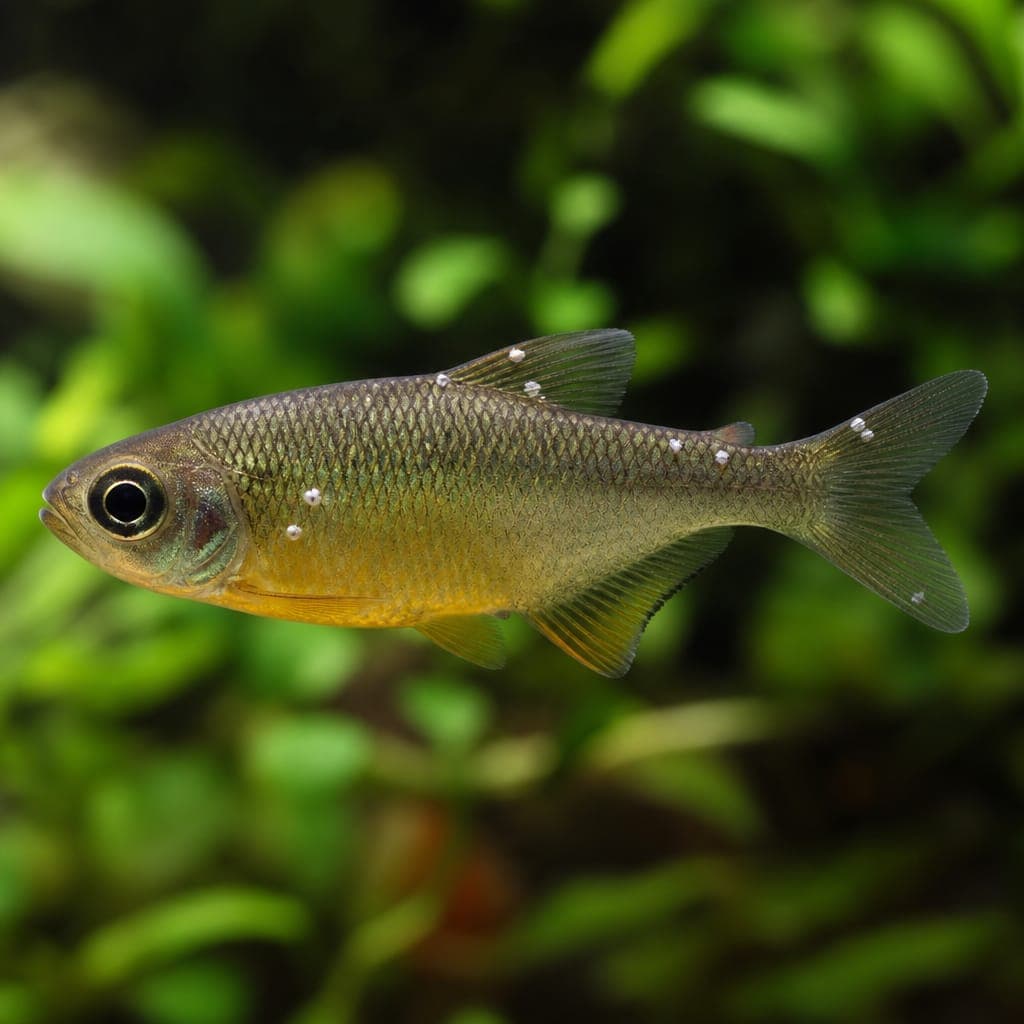
While generally hardy, Tucano Tetras can be susceptible to specific health issues common among freshwater fish. One notable concern is Ichthyophthirius multifiliis, colloquially known as "Ich," a parasitic infection that manifests as white spots on the body and fins. Regular monitoring of water quality and ensuring stable environmental conditions can prevent such outbreaks.
Another potential concern is fin rot, usually resulting from poor water quality or bacterial infections. Maintaining good hygiene, including regular water changes and tank maintenance, is critical in preventing these diseases. Additionally, stress from overcrowding can predispose the Tucano Tetra to health issues, emphasizing the importance of proper tank size and compatible tank mates to ensure their longevity and vitality in an aquarium setting.