Turkish Killifish: Aphanius mento
A 6cm killifish from Anatolian springs, tolerant of hard and even brackish water. Peaceful, and unusually hardy for a killifish.
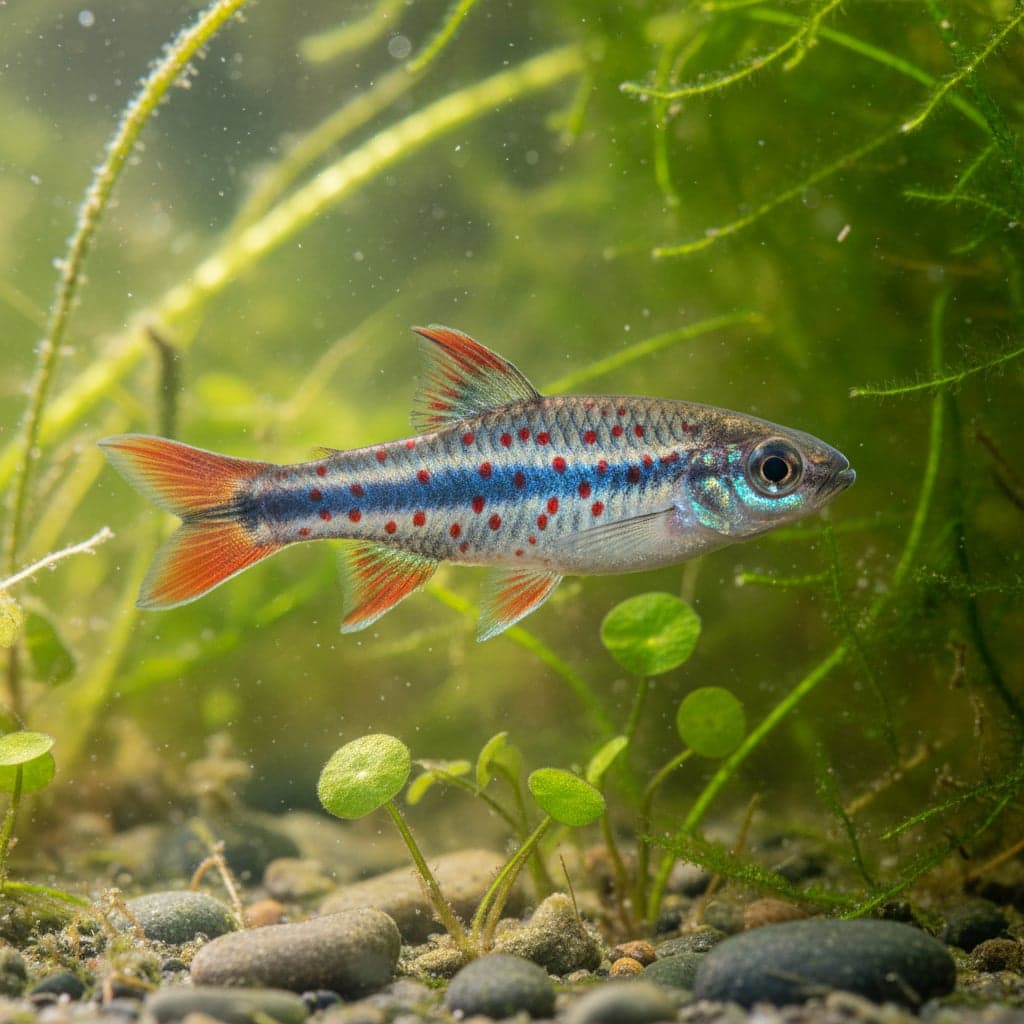
Turkish Killifish
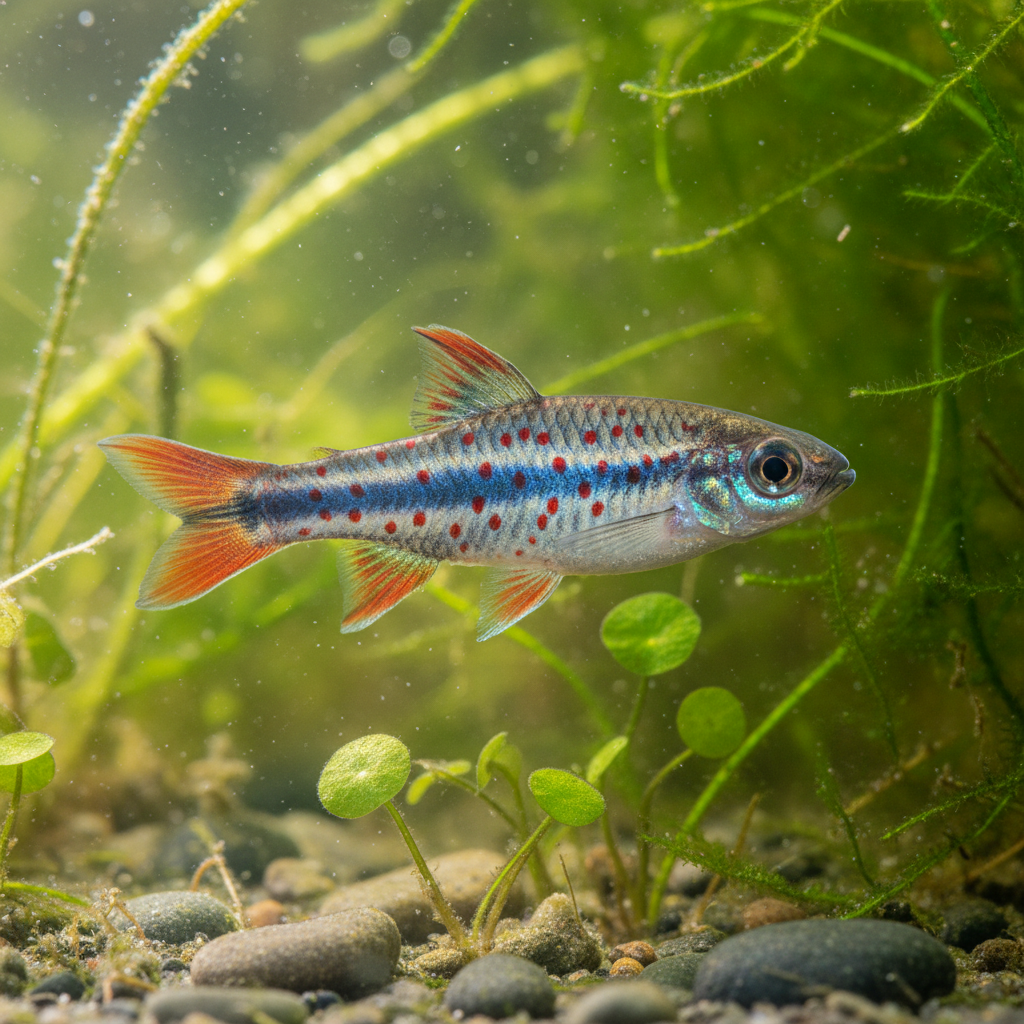
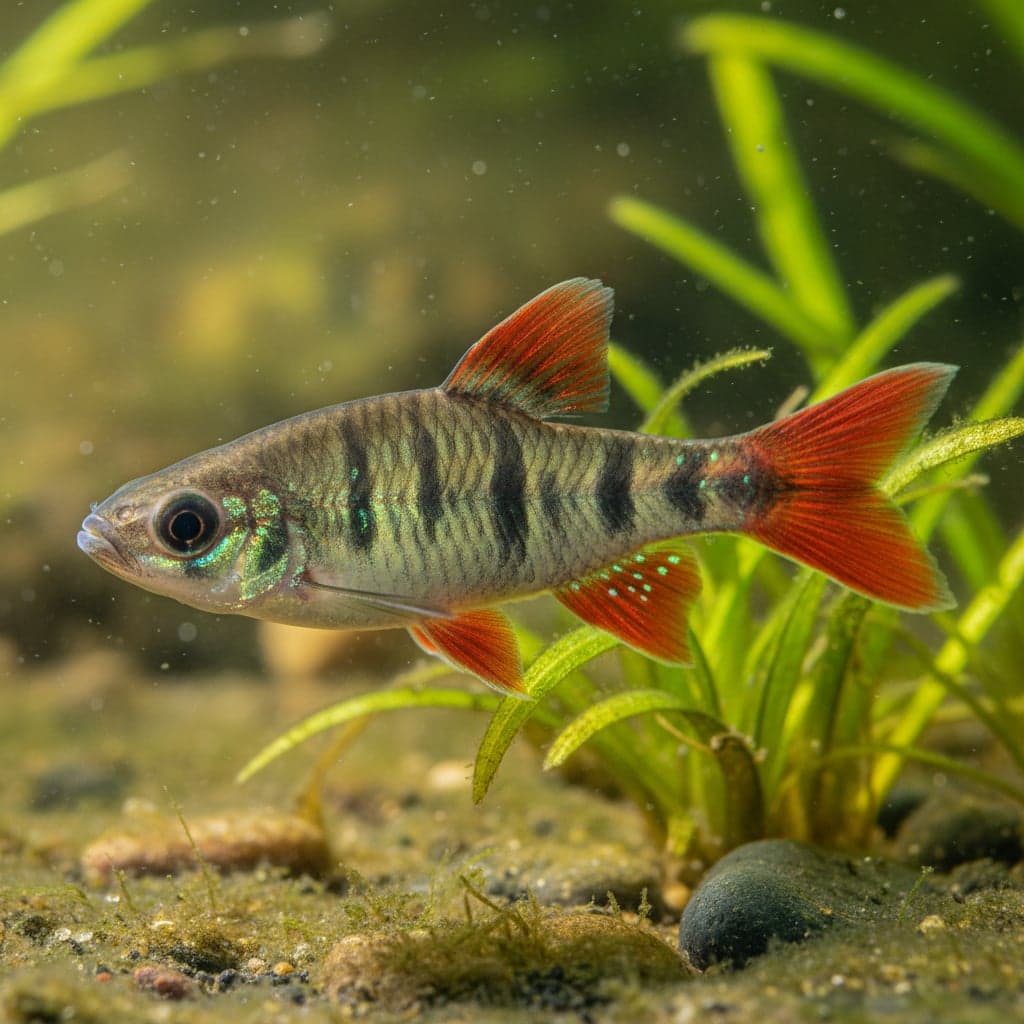
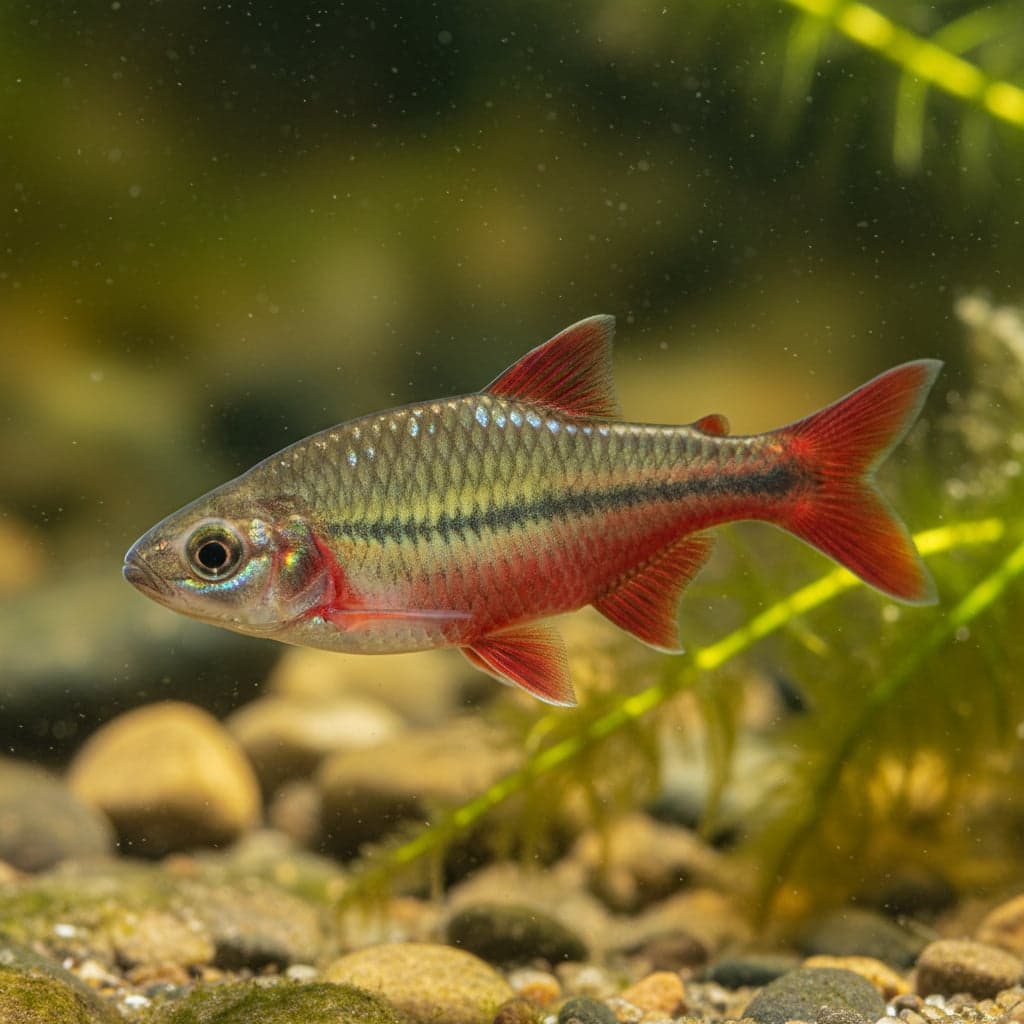
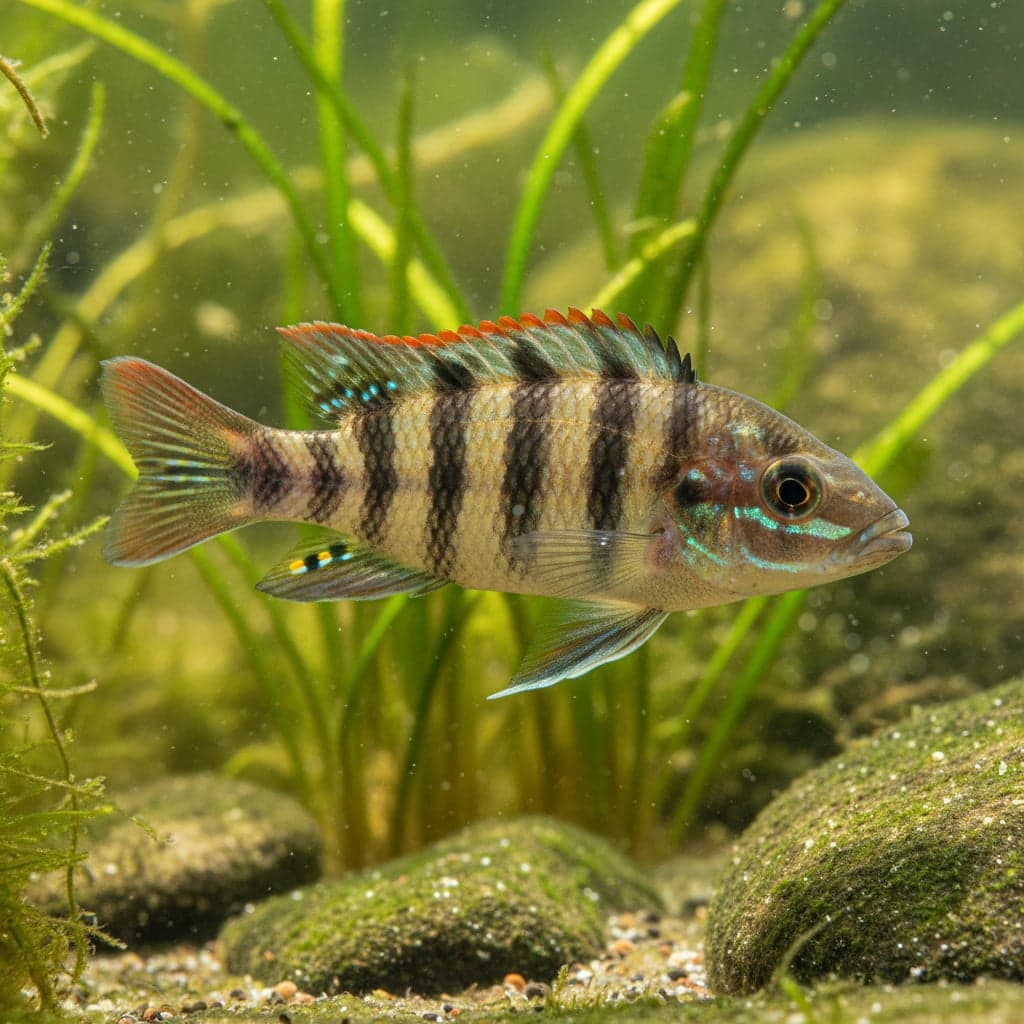
The Turkish Killifish, scientifically known as Aphanius mento, is a captivating species native to Eurasia, specifically found in the coastal areas of Turkey. This vivacious little fish is celebrated for its striking coloration and unique body shape, making it a popular choice among aquarium enthusiasts. The Turkish Killifish boasts an elongated body adorned with vibrant green, yellow, and blue hues, often complemented by delicate patterns that enhance its visual appeal. Their beauty, combined with their dynamic swimming behavior, makes them a delightful addition to both community and species-specific aquariums.
In the aquarium hobby, the Turkish Killifish holds significance not just for its aesthetic charm but also for its hardiness and ease of care. Being a livebearer, it has captured the attention of aquarists interested in breeding, providing a rewarding experience for both novice and experienced keepers. The species exemplifies adaptability, thriving in varied environments within captivity, and its vibrant nature brings life and movement to any aquarium. As the aquarium industry continues to evolve, the Turkish Killifish represents a blend of beauty, behavioral intrigue, and ecological importance, showcasing the diversity of freshwater fish available for enthusiasts.
Natural Habitat & Origin
Turkish Killifish are native to the brackish waters of coastal Turkey, specifically around the Aegean and Mediterranean Seas. These fish are commonly found in shallow lagoons, estuaries, and marshes, where they inhabit intertidal zones characterized by fluctuating salinity levels. The waters they thrive in typically range from clear to slightly turbid, allowing for ample light penetration which is crucial for the growth of aquatic vegetation. As a result, these fish are often found amidst dense reed beds, where they seek refuge from predators and search for food.
In their natural environment, the Turkish Killifish faces varying water conditions, from seasonal floods to droughts. While they can tolerate a range of salinity and pH levels, these fluctuating conditions have led them to develop resilience, enabling them to adapt well to variations in water chemistry. Understanding their natural habitat allows aquarists to mimic these conditions successfully, ensuring a thriving environment for these resilient fish.
Care Requirements
To ensure the welfare of the Turkish Killifish, aquarists must replicate their natural habitat as closely as possible. Optimal water parameters recommend a pH range of 6.5 to 8.5, a temperature of 20 to 24 degrees Celsius (68 to 75 degrees Fahrenheit), and a hardness between 5 to 20 dGH. A 40-liter (around 10-gallon) aquarium is ideal as a minimum tank size, providing ample swimming space for these active fish. The substrate can be sand or fine gravel, mimicking their natural sandy and vegetated environments.
Lighting should be moderate to bright to support the growth of live plants, which should be incorporated into the tank setup. Floating plants can provide shade for the fish, helping reduce stress and creating a more comfortable environment. An array of aquatic vegetation, such as hornwort and Java moss, not only offers hiding spots but also promotes foraging behavior and mimics their natural habitat. A well-maintained filtration system is essential to keep the water clean while maintaining minimal currents, as these fish prefer calm waters.
Diet & Feeding
As opportunistic feeders, Turkish Killifish are omnivores with a varied diet consisting of both plant and animal matter. In captivity, it’s essential to provide a balanced diet comprising high-quality flake or pellet food designed for small species. Additionally, supplementing their diet with frozen or live foods, such as daphnia, brine shrimp, and bloodworms, will promote optimal health and vibrant coloration. Offering different types of food not only enhances their nutritional intake but also mimics their natural foraging behavior, encouraging more active and engaged fish.
Feeding should occur once or twice a day, ensuring that all food is consumed within a few minutes to prevent water quality issues. As Turkish Killifish have smaller mouths, it’s vital to provide appropriately sized food options. A varied diet will not only support their health but also strengthen their natural behaviors.
Behavior & Temperament
Turkish Killifish exhibit a peaceful temperament, making them excellent choices for community tanks with similarly sized, non-aggressive species. In terms of social behavior, they tend to be best kept in small groups of at least five to six individuals, which encourages their natural schooling instincts and provides the security they need to display their characteristic behaviors. These fish are often seen swimming in the mid to upper levels of the tank, showcasing their active and playful nature.
While generally peaceful, male Turkish Killifish may exhibit territorial behavior, especially during the breeding season. Promoting a well-planted aquarium with ample hiding spots can help mitigate any potential aggression. Providing adequate space allows these fish to establish their territories while maintaining a hierarchy within the group. Keeping an eye on their placement within the tank can also lead to interesting interactions, as they often dart and chase each other, demonstrating their lively character.
Tank Mates
When considering tank mates for the Turkish Killifish, it’s essential to choose species that share similar care requirements and temperament. Compatible tank mates include small, peaceful fish such as Neon Tetras, Guppies, Endlers, and small Rasboras. Additionally, snails and shrimp, like Cherry Shrimp or Amano Shrimp, can coexist with the Turkish Killifish without conflict.
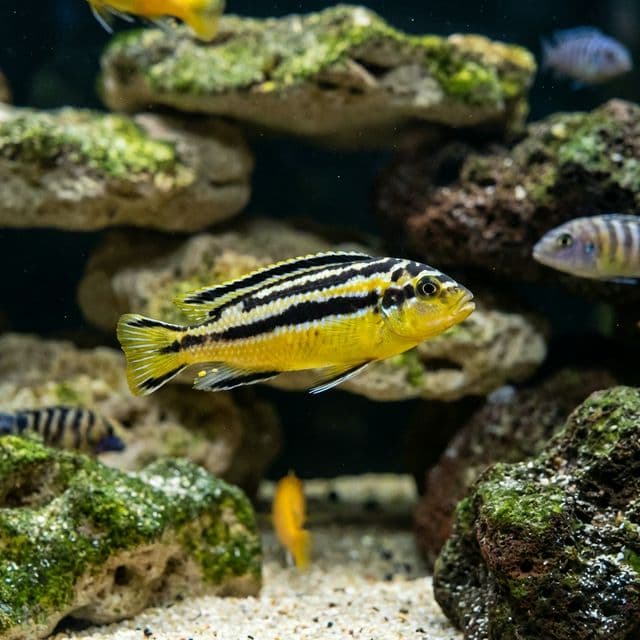
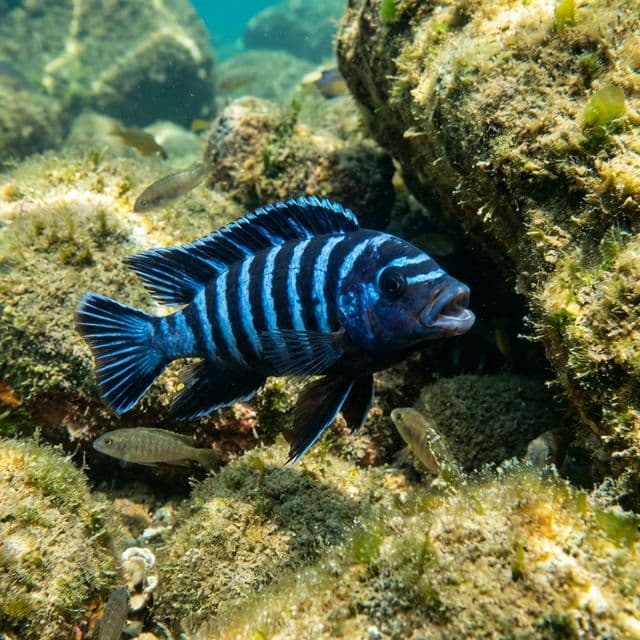
However, larger or more aggressive species should be avoided, as they can stress or predate upon these delicate fish. Avoid keeping the Turkish Killifish with boisterous species like Cichlids or larger barbs, as these may provoke aggression or competition for space and food. Ensuring compatible tank mates will promote a harmonious environment, allowing all species to thrive.
Breeding
Breeding Turkish Killifish in captivity can be a rewarding endeavor, requiring specific conditions and attention from aquarists. These fish are known to be egg scatterers, depositing fertilized eggs among aquatic plants or substrate. To encourage spawning behavior, it is advisable to maintain a separate breeding tank with slightly softer and slightly more acidic water, preferably around pH 6.5 to 7.5. The temperature should remain around 22 to 25 degrees Celsius (72 to 77 degrees Fahrenheit).
Provide dense vegetation, such as Java moss or fine-leafed plants, where the female can safely deposit her eggs. Observing the courtship behavior can be fascinating, as males often engage in displays to entice females. After spawning, it is recommended to remove the adults from the breeding tank to prevent them from eating the eggs. Within a few days, the eggs will hatch into free-swimming fry, which can be fed fine foods suitable for newly-hatched fish, such as infusoria or powdered fry food.
Common Health Issues
Turkish Killifish are generally resilient but can be prone to certain health issues common in aquarium fish. One prevalent concern is ich, a parasitic infection that manifests as white spots on the body and fins. This condition can be mitigated through proper tank maintenance, stable water parameters, and regular observation for signs of stress or illness. Ensuring a healthy diet can further bolster their immune system against diseases.
Another issue to watch for is fin rot, often stemming from poor water quality or physical damage. Maintaining a clean, well-filtered tank with stable parameters and prompt treatment at the first sign of frayed fins will help keep Turkish Killifish healthy and active in the community aquarium.