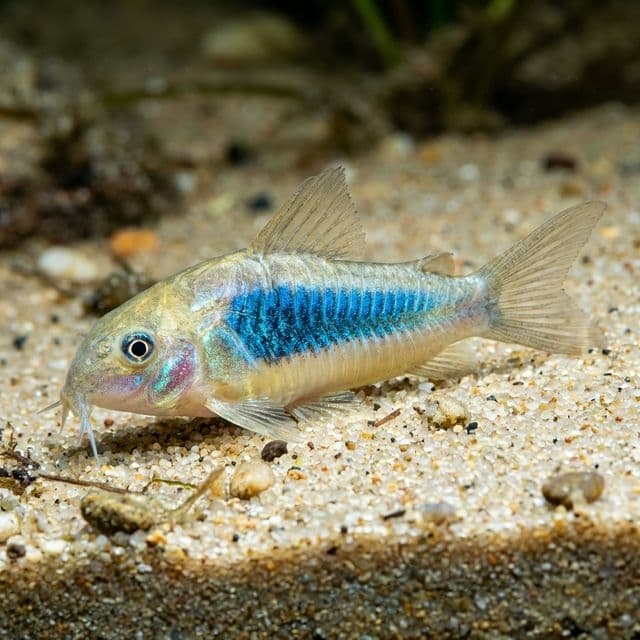
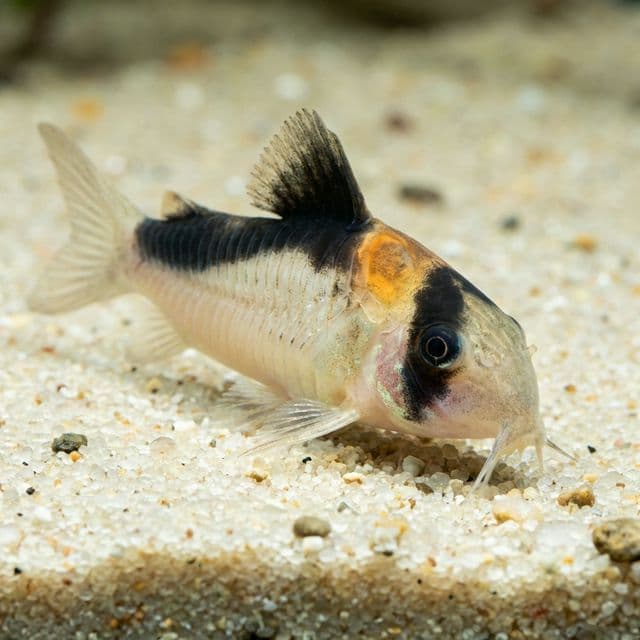
Twosaddle Cory: Hoplisoma weitzmani
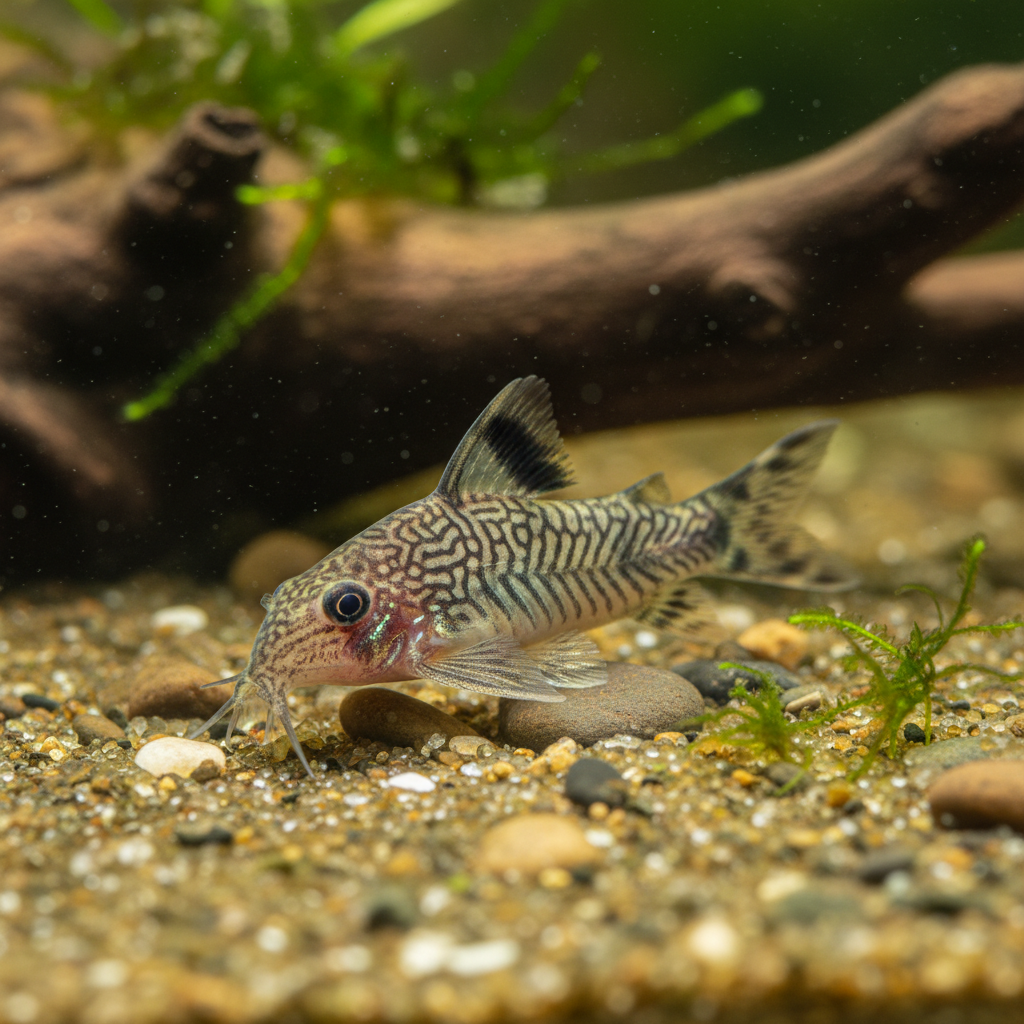
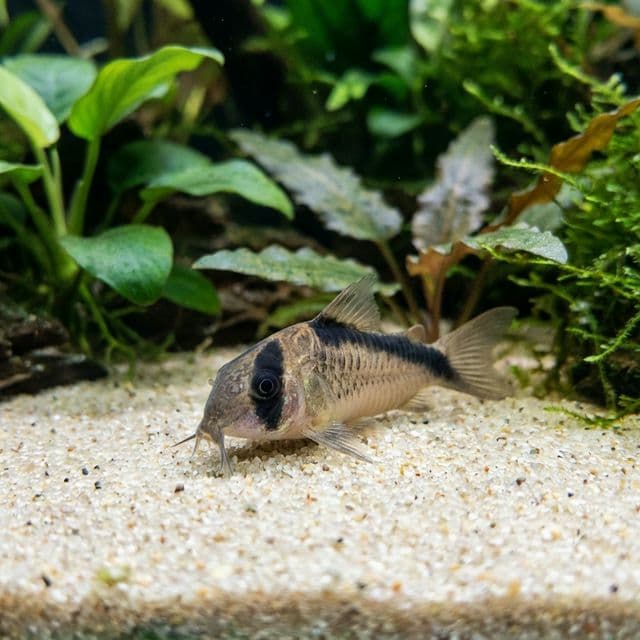
A 5cm Corydoras marked with two dark saddles. Peaceful, needs sand and a group of six, and prefers cooler water than most corys.
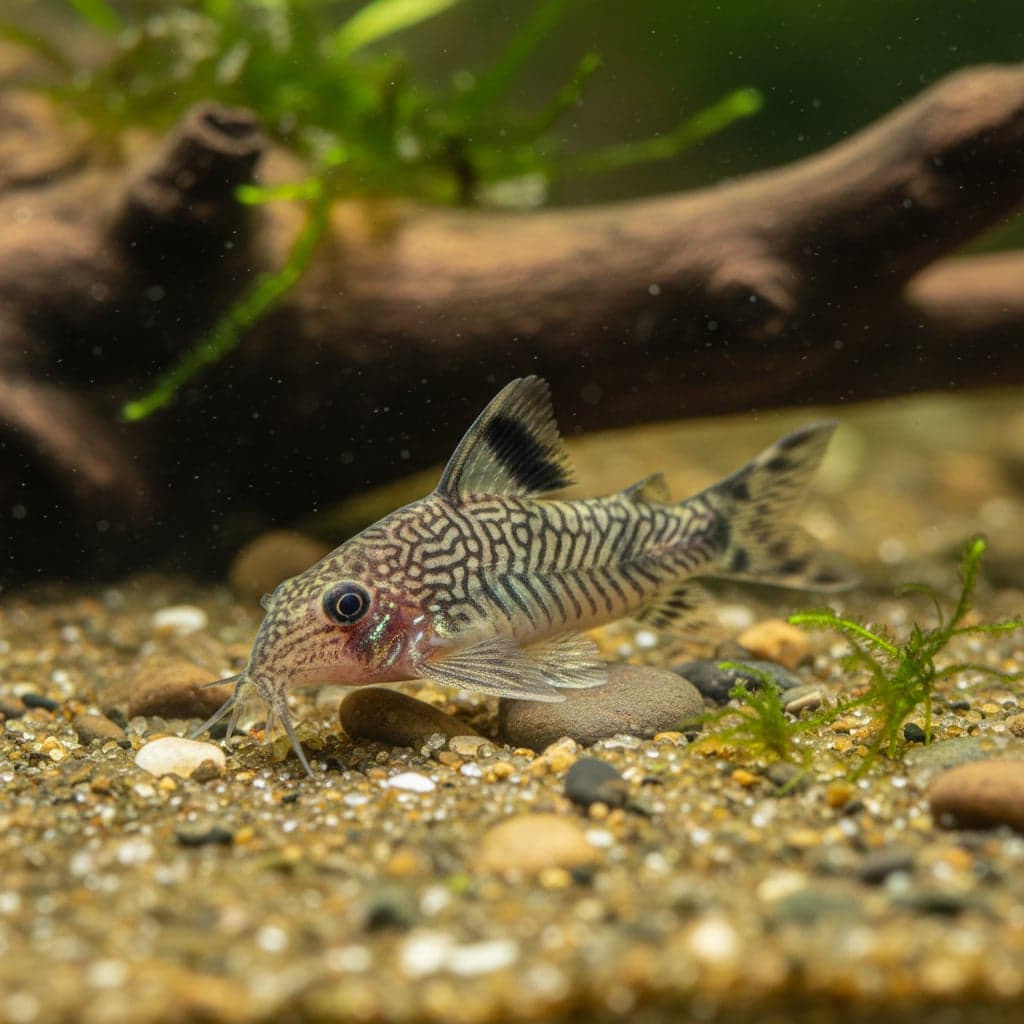
Twosaddle Cory
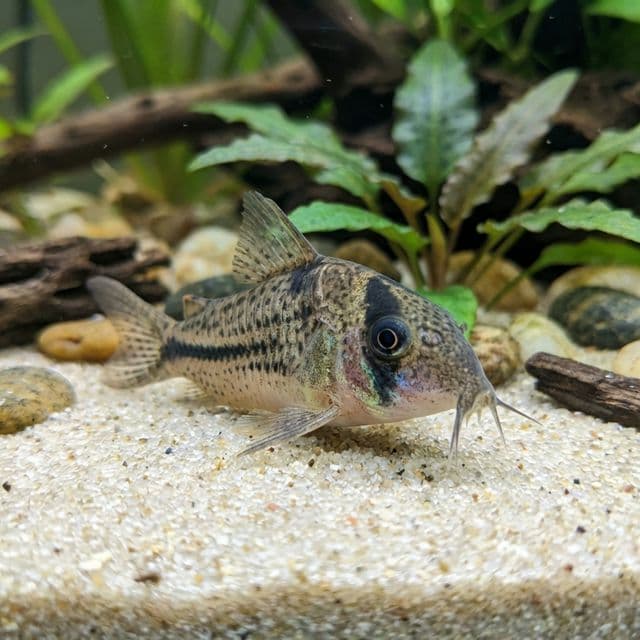
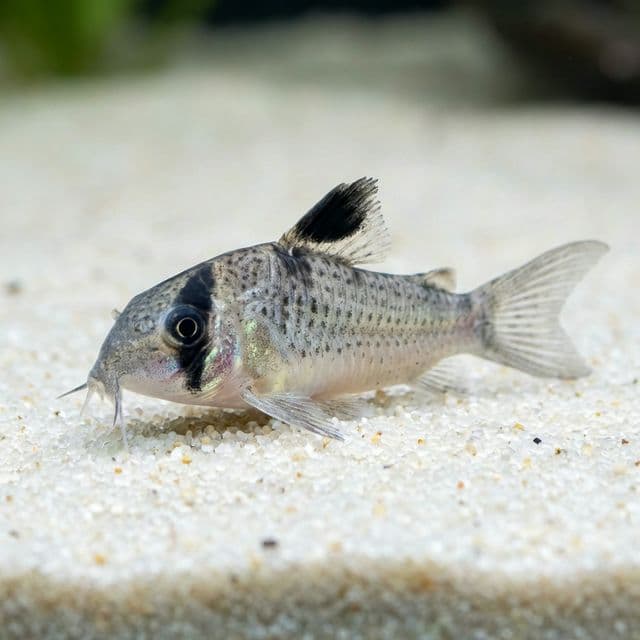
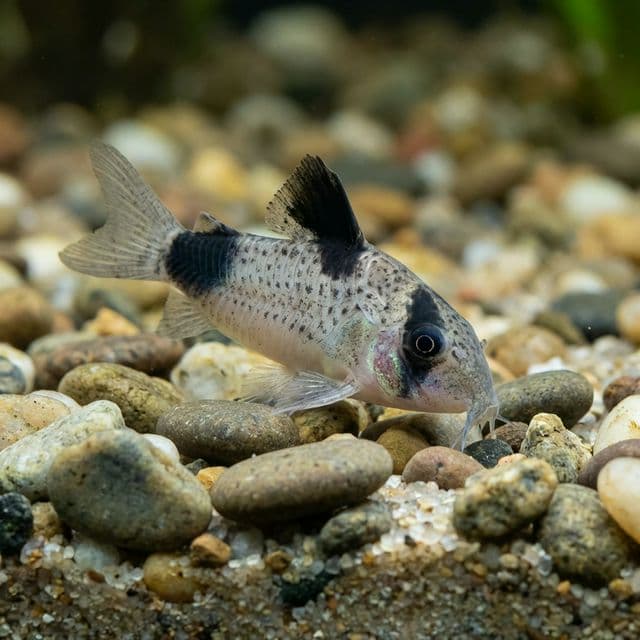
The Twosaddle Cory, scientifically known as Hoplisoma weitzmani, is a distinctive freshwater fish belonging to the family Callichthyidae. With its striking appearance, characterized by two prominent dark saddles on its back and a sleek, streamlined body, this species has garnered considerable attention among aquarium enthusiasts. Its coloration ranges from pale yellow to beige, adorned with dark markings that create a visually appealing contrast, making it a popular choice for both novice and experienced aquarists alike. The unique look of Twosaddle Cory sets it apart from more commonly seen catfish, enhancing the overall aesthetic of any aquatic display.
Beyond their visual allure, Twosaddle Corys play a significant role in the aquarium hobby due to their endearing and sociable nature. These fish thrive in schools, creating dynamic movement and interaction within the tank, engaging viewers with their playful antics. Often found rummaging through the substrate in search of food, they contribute not only to the beauty of a biotope but also to its ecological balance, as they help clean up leftover food and debris. For aquarists looking to create a vibrant, lively environment, Twosaddle Corys are a must-have addition.
Natural Habitat & Origin
The Twosaddle Cory is native to the freshwater ecosystems of South America, particularly found in the tributaries and slow-moving waters of the Rio Orinoco in Venezuela and nearby regions. These habitats are typically characterized by blackwater conditions, where the water is stained dark due to decaying organic materials such as leaves and plant matter. This environment creates a rich, complex habitat that supports a diverse array of flora and fauna, making it essential to replicate similar conditions in home aquariums to ensure the health and well-being of these fish.
In their natural habitat, Twosaddle Corys inhabit areas with dense vegetation and submerged roots, which provide both hiding places and foraging opportunities. The water they inhabit is generally soft and acidic, with low mineral content. Understanding the conditions from which these fish originate is crucial for aquarists aiming to recreate a suitable living environment that mimics their natural surroundings.
Care Requirements
To successfully care for Twosaddle Cory, specific water parameters must be adhered to. Ideally, the pH should range from 5.5 to 7.5, with a temperature between 22°C and 28°C (72°F to 82°F) and a hardness level of 2-15 dGH. Maintaining stable water conditions is essential, as fluctuations can lead to stress and health issues in these sensitive fish.
In terms of tank setup, a minimum tank size of 20 gallons is recommended to provide adequate space for a school of Twosaddle Corys. The substrate should be soft and sandy to protect their delicate barbels while foraging. Adequate hiding spots created with driftwood, rocks, and live plants replicate their natural habitat and create a sense of security. Moderate lighting is suggested, as this species appreciates a dimly lit environment, which can be achieved using floating plants or a low-intensity light.
Diet & Feeding
Twosaddle Corys are omnivorous, displaying a broad diet consisting of both plant and animal matter. In captivity, they thrive on high-quality sinking pellets, flakes, and granules specially formulated for bottom-feeders. Additionally, they enjoy a variety of frozen or live foods such as bloodworms, brine shrimp, and daphnia, which can help enhance their color and overall health. It's essential to provide a balanced diet to meet their nutritional needs while ensuring that they have access to food that reaches the substrate, where they naturally forage.
This species may also benefit from occasional vegetable matter, such as blanched spinach, zucchini, or peas, to enhance their dietary variety. As a bottom-dwelling species, watching how they interact with different food types can lead to insights into their preferences and promote sustainable feeding habits.
Behavior & Temperament
The Twosaddle Cory is known for its peaceful and sociable temperament, making it an excellent choice for community tanks. They thrive in schools, usually requiring a group of at least five individuals to feel secure and exhibit natural behavior patterns. In a larger school, they become more active, engaging in playful interactions and foraging activities that can enliven the aquarium environment.
These fish predominantly inhabit the lower and middle levels of the tank, where they enjoy exploring the substrate and seeking out food. While generally non-aggressive, they can display brief moments of hierarchy among themselves, such as gentle nudging or chasing during feeding times. Nonetheless, they are not territorial and tend to coexist peacefully with other species in a well-planned community aquarium.
Tank Mates
Finding suitable tank mates for the Twosaddle Cory can enhance the beauty and diversity of your aquarium while maintaining a harmonious environment. Compatible species include small tetra varieties (such as neon or cardinal tetras), rasboras, many types of danios, and peaceful barbs. Other bottom-dwelling fish like otocinclus and smaller species of loaches can also coexist well with them, provided there is sufficient space and hiding places.
It’s advisable to avoid larger or more aggressive species that may threaten or outcompete the Twosaddle Cory for food. Predatory fish such as cichlids, larger catfish, or any fish with a known aggressive behavior can pose a risk. Ensuring a community with similarly peaceful nature will lead to a thriving aquarium environment that showcases the beauty of the Twosaddle Cory alongside its companions.
Breeding
Breeding Twosaddle Corys in captivity can be a rewarding endeavor, although it may require some knowledge of their specific spawning behavior and environment. To encourage spawning, it is essential to replicate their natural conditions: soft, acidic water (pH around 6.0 to 6.5) with a temperature of about 24°C to 26°C (75°F to 79°F). Additionally, a separate breeding tank could be beneficial, equipped with a spawning mop or flat surfaces where the female can lay eggs.
During the spawning process, a male will court a female by exhibiting specific behaviors, such as chasing her and displaying his best colors. Once ready, the female will lay eggs, typically attaching them to the mop or tank surfaces. After spawning, the adults should be removed to prevent them from eating the eggs. Eggs usually hatch within 2 to 5 days, depending on water conditions, and the fry can be fed with infusoria or powdered fry food until they are large enough to consume finely crushed flakes.
Common Health Issues
The Twosaddle Cory, like any aquarium fish, can be susceptible to certain health issues, including ich (white spot disease), fin rot, and bacterial infections. The primary prevention strategy is maintaining stable water parameters and practicing good aquarium hygiene to eliminate potential stressors. Regular water changes and monitoring water quality will help reduce the incidence of diseases.
Additionally, it’s essential to observe the fish closely for any signs of distress, unusual behavior, or changes in appetite, as early intervention can significantly improve outcomes. Quarantining new arrivals before introducing them to a community tank can also prevent the introduction of diseases and ensure a healthy environment for all aquarium inhabitants.