Fish

Twostripe Goby

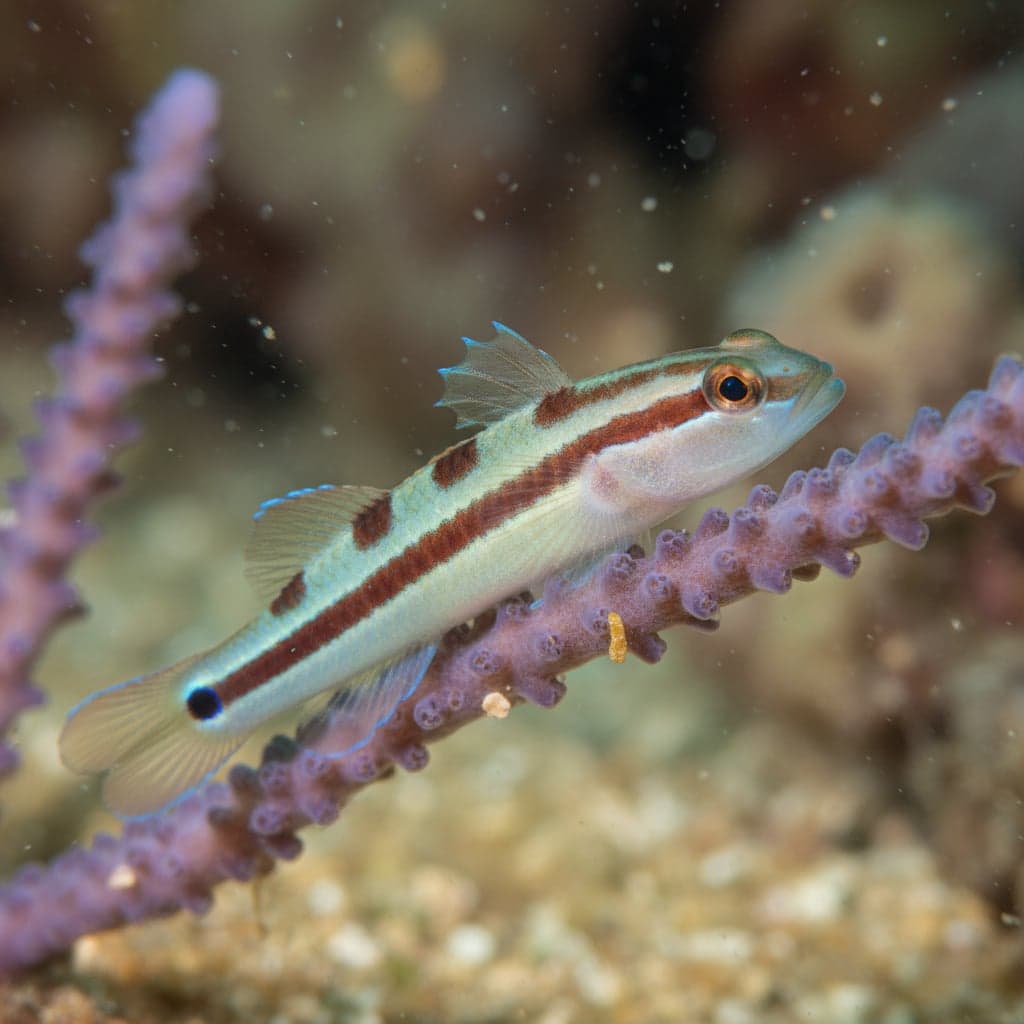
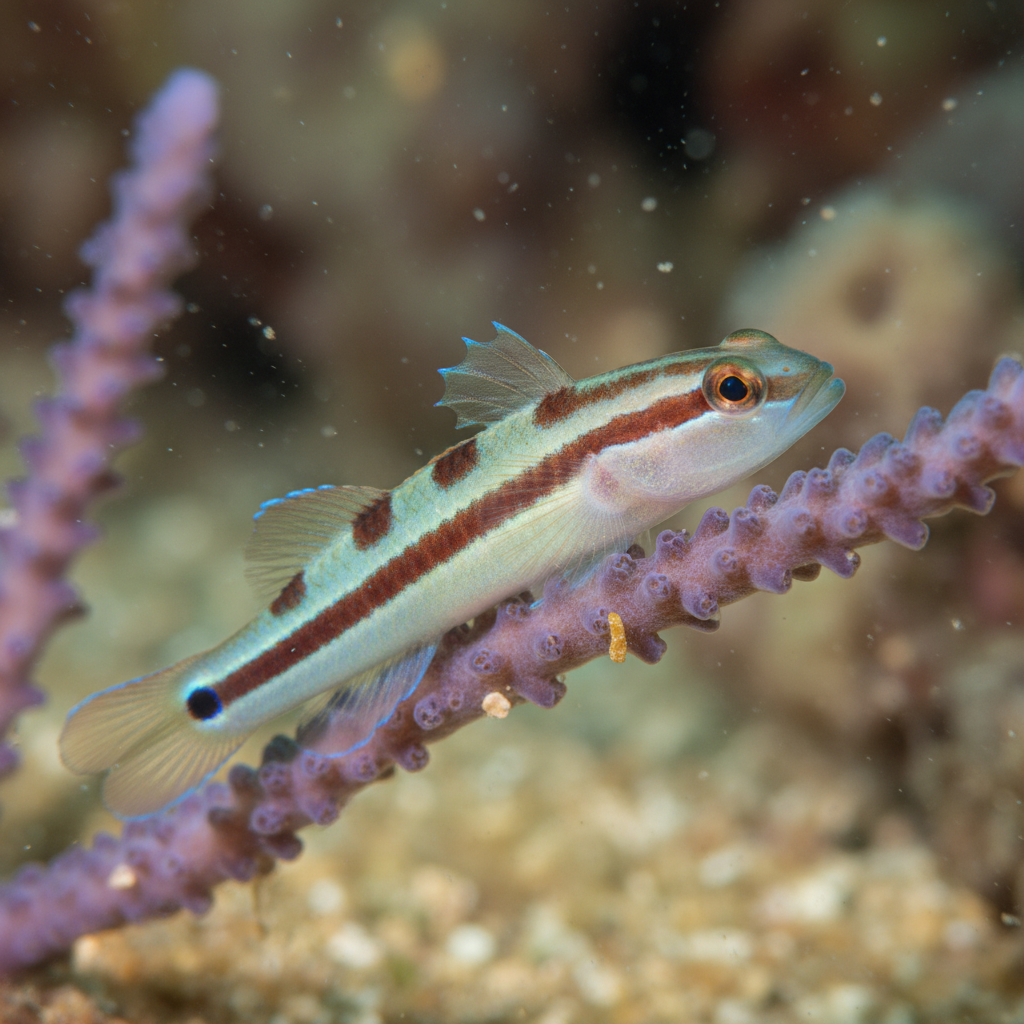
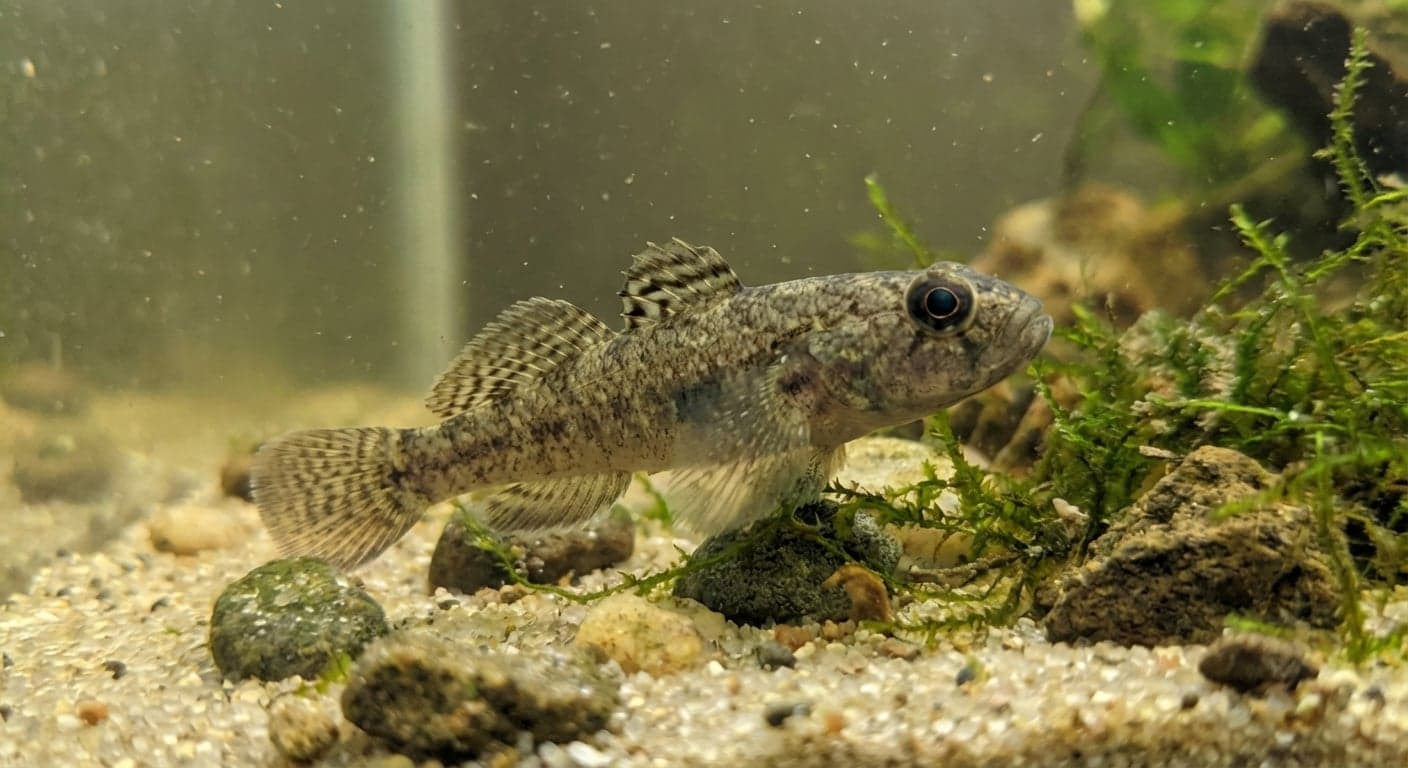
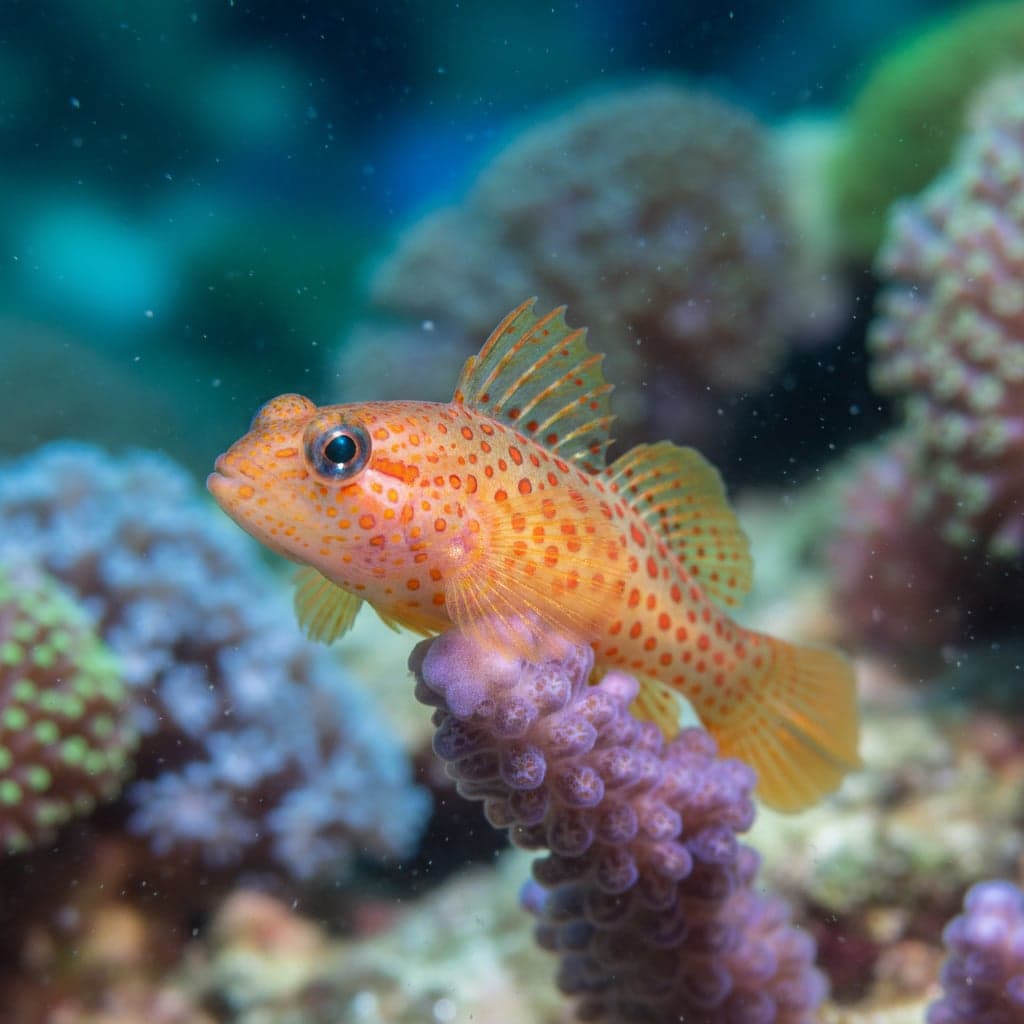
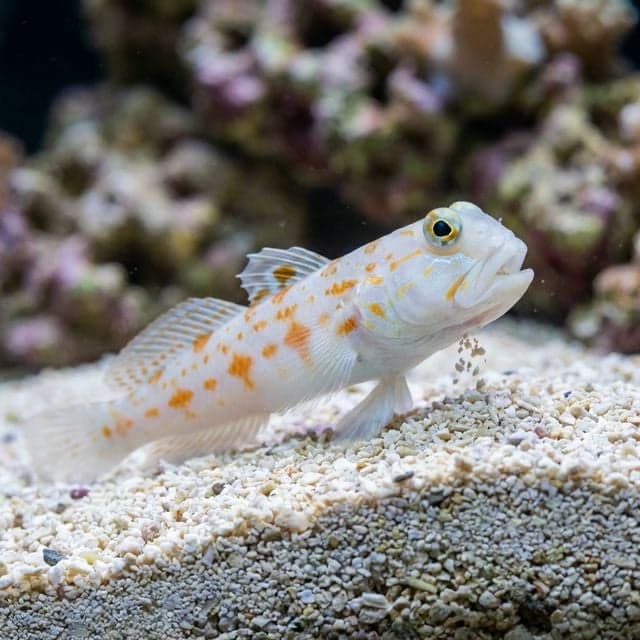
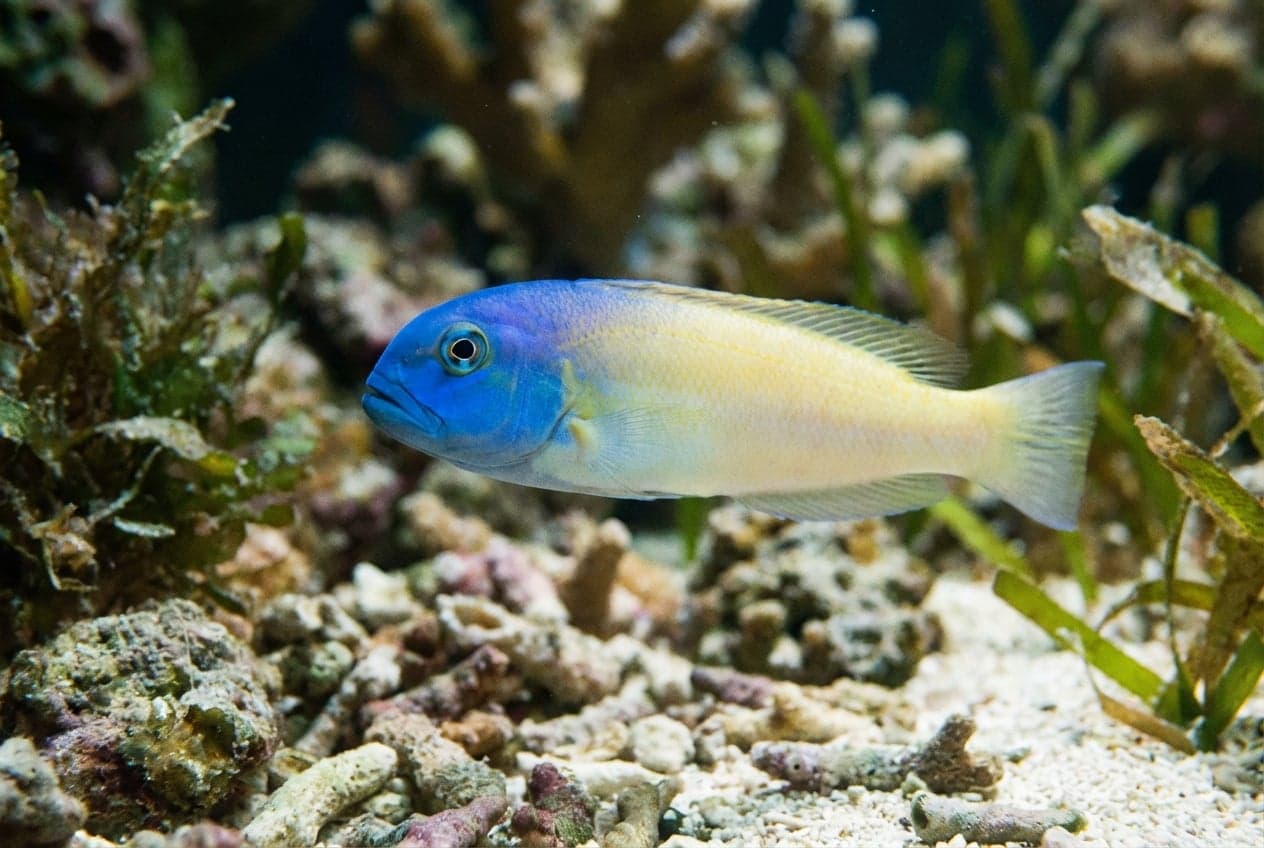
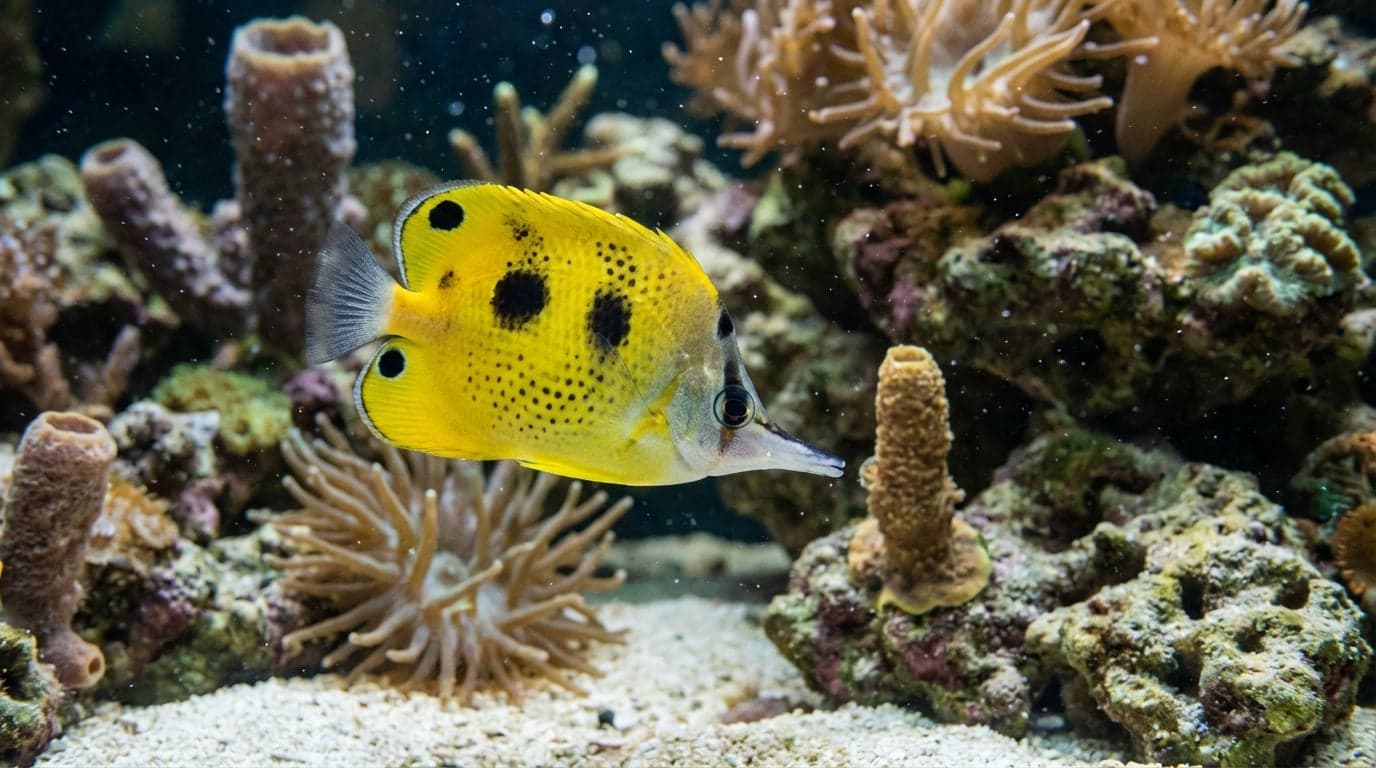
The Twostripe Goby (Valenciennea helsdingenii) is a stunning saltwater fish known for its unique appearance and behavior.

Studio Scaped
Twostripe Goby

Twostripe Goby

The Twostripe Goby, scientifically known as Asterropteryx semipunctata, is a captivating species that adds both beauty and diversity to any aquarium. Recognized for its distinctive coloration, the Twostripe Goby showcases a striking pattern of vibrant yellow and blue stripes that run along its body, making it visually appealing to aquarists and casual observers alike. Its relatively small size, typically reaching only 3 inches in length, allows it to thrive in smaller aquarium setups while still making a significant impact on the visual aesthetic of the aquascape. The Twostripe Goby’s lively behavior and curious nature wade through sand and rocks, demonstrating its natural inclination as a bottom dweller.

In addition to its visual charm, the Twostripe Goby holds significance within the aquarium hobby due to its relatively peaceful temperament and adaptable nature. This fish often serves as an ideal choice for beginners as well as experienced aquarists seeking to create a community tank. Its activity level can serve as a source of interest in a busy tank environment, capturing the attention of visitors and enhancing the overall enjoyment of a well-balanced aquascape. The Twostripe Goby’s role in nutrient cycling and potential algae control makes it an asset to both freshwater and marine aquarium ecosystems.

Natural Habitat & Origin

The Twostripe Goby originates from the coastal waters of Southeast Asia, specifically found around Indonesia, the Philippines, and parts of the Great Barrier Reef. This species inhabits diverse environments, primarily residing in shallow coral reefs and sandy substrates where it can burrow and forage. The conditions typically include clear water, moderate water movement, and a variety of hiding spots among rocks and corals. The Twostripe Goby prefers to thrive in stable water temperatures ranging from 75°F to 82°F (24°C to 28°C) and requires clean, high-quality water to flourish.

The natural environment of the Twostripe Goby creates a backdrop that provides essential social structures and breeding behaviors. In the wild, they inhabit areas rich in biodiversity, allowing them to interact with various marine species. The sandy bottoms serve as a substrate for their burrowing habits, promoting natural foraging behaviors that enhance their adaptability in captivity.

Care Requirements

To ensure optimal health and longevity of the Twostripe Goby, precise water parameters should be maintained. Ideal pH levels should range between 6.5 and 7.5, with a temperature between 76°F and 82°F (24°C to 28°C), and determine water hardness in the range of 8 to 12 dGH. It is important to conduct periodic water tests to monitor these parameters closely.

In terms of tank setup, a minimum tank size of 20 gallons is recommended to provide ample swimming space and territorial room. A sandy substrate is preferred, reflecting their natural habitat, and will allow them to burrow and explore. Additionally, including rocks, caves, or coral formations will not only create hiding spots but also promote a natural environment for the fish to feel secure. Moderate lighting is ideal, as it mimics their natural habitat without overwhelming them, while live plants can offer additional cover, enhance tank aesthetics, and improve water quality.

Diet & Feeding

The Twostripe Goby is classified as an omnivore, leading to a diverse diet suitable for their feeding habits. In captivity, they thrive on a mixed diet that includes high-quality flake foods, small pellets, and frozen or live foods like brine shrimp, daphnia, and micro worms. A balanced diet is crucial for maintaining their vibrant coloration and general health.

Due to their active foraging nature, providing varied food types can stimulate natural behaviors and promote overall wellbeing. Supplementing their diet with algae wafers can also be beneficial, as they occasionally graze on biofilm found on surfaces within the aquarium. Regular feeding of small portions 2-3 times per day will help ensure they are receiving the necessary nutrients without overwhelming the tank's biological load.

Behavior & Temperament

The Twostripe Goby is known for its peaceful demeanor and sociable nature, making it an excellent addition to community tanks. They exhibit a tendency to establish small territories, often adhering to certain areas within the aquarium while maintaining a generally calm disposition. While they are not keen on schooling, they do appreciate the company of their kind and can be kept in groups of three or more, provided space is sufficient.

In terms of vertical placement, the Twostripe Goby typically occupies the bottom layers of the tank, where it can engage in foraging behaviors and excavate sand. They enjoy burying themselves in substrate, demonstrating a preference for a secure and stable environment. While not aggressive, they may exhibit territorial behaviors if housed with particularly boisterous or invasive species.

Tank Mates

When selecting tank mates for the Twostripe Goby, it's essential to choose species that share a similar temperament and environmental needs. Compatible species include smaller, peaceful fish such as neon tetras, dwarf rasboras, and other similarly sized gobies. Low-aggression species, like some catfish or peaceful community fish, can also coexist harmoniously in a mixed tank setup.

However, it is critical to avoid housing the Twostripe Goby with larger, aggressive fish or fin-nippers, such as certain cichlids or barbs. Additionally, other bottom-dwelling species that may compete for territory—like large catfish or aggressive gobies—should also be kept at bay to mitigate territorial disputes and stress.

Breeding

Breeding Twostripe Gobies in captivity can be a rewarding experience, although it can present challenges. They are mouthbrooders, meaning that females typically lay eggs in small clutches, and males then guard these fertilized eggs in a secluded area. To replicate the best conditions for breeding, providing a spawning site such as flat rocks or specific breeding caves will encourage natural courtship behaviors and egg-laying.

Optimal breeding conditions include maintaining warmer water temperatures between 80°F and 82°F (26°C to 28°C) and ensuring immaculate water quality with stable parameters. Once eggs are laid, it is crucial to monitor the tank carefully; after a few days, fry will become free-swimming, at which point it is important to offer appropriately sized live foods like newly hatched brine shrimp to facilitate growth and development.

Common Health Issues

Like many aquarium fish, the Twostripe Goby may be prone to specific health issues, including ich (Ichthyophthirius multifiliis), fin rot, and velvet disease. Maintaining optimal water parameters and quality is the first line of defense against these common ailments. Regular water changes, along with proper maintenance of the tank environment, can help prevent the onset of disease.

To further mitigate health risks, introducing the Twostripe Goby into a quarantine tank before adding to the main display can help identify any potential health issues before they spread. Staying observant of physical symptoms—such as unusual swimming patterns, visible lesions, or a lack of appetite—allows for early intervention, which is critical for successful treatment and recovery.

ADA
Aqua One
Chihiros
Dennerle
EHEIM
Fluval
Oase
Seachem
Tropica
Twinstar
UNS
ADA
Aqua One
Chihiros
Dennerle
EHEIM
Fluval
Oase
Seachem
Tropica
Twinstar
UNS
ADA
Aqua One
Chihiros
Dennerle
EHEIM
Fluval
Oase
Seachem
Tropica
Twinstar
UNS
ADA
Aqua One
Chihiros
Dennerle
EHEIM
Fluval
Oase
Seachem
Tropica
Twinstar
UNS