Uaru: Uaru amphiacanthoides
A 30cm South American cichlid that needs vegetable matter as a staple and will eat your plants. Peaceful for its size, and it wants a group.
Uaru
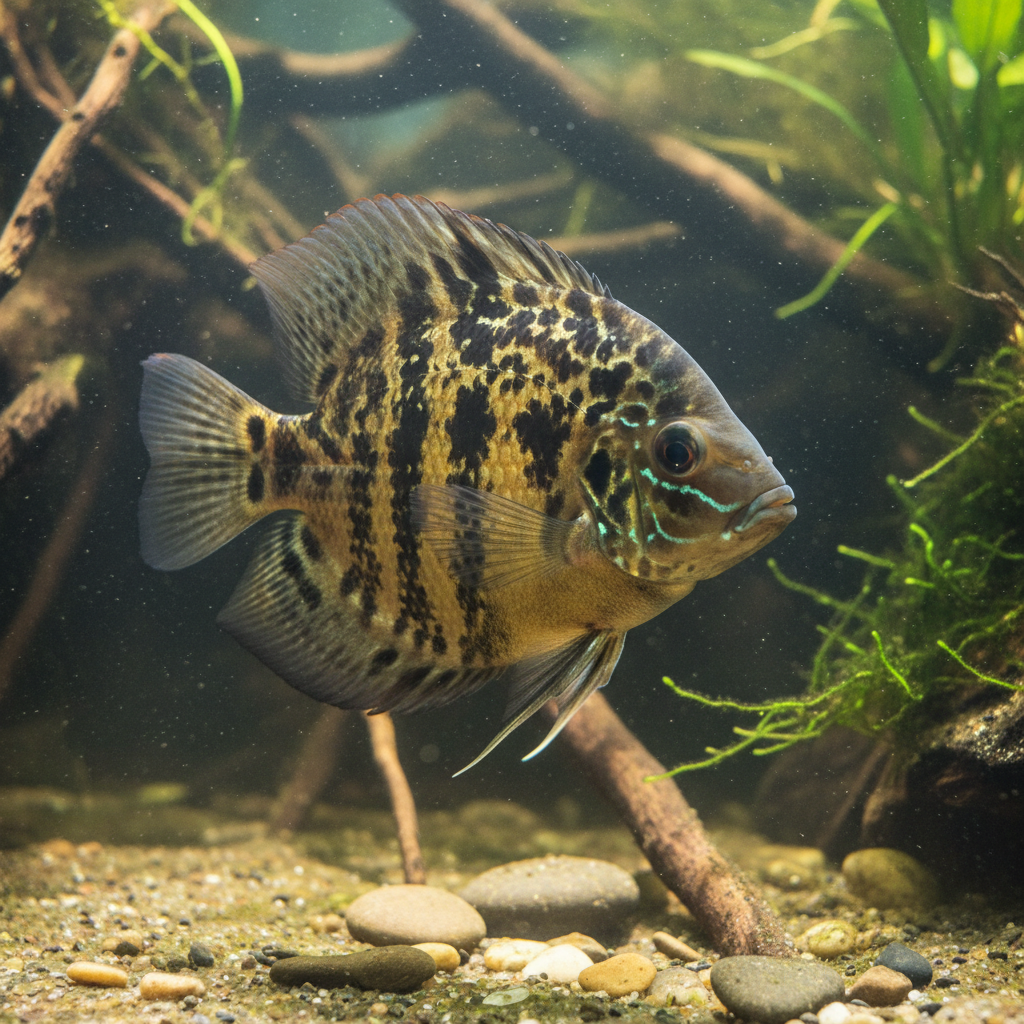
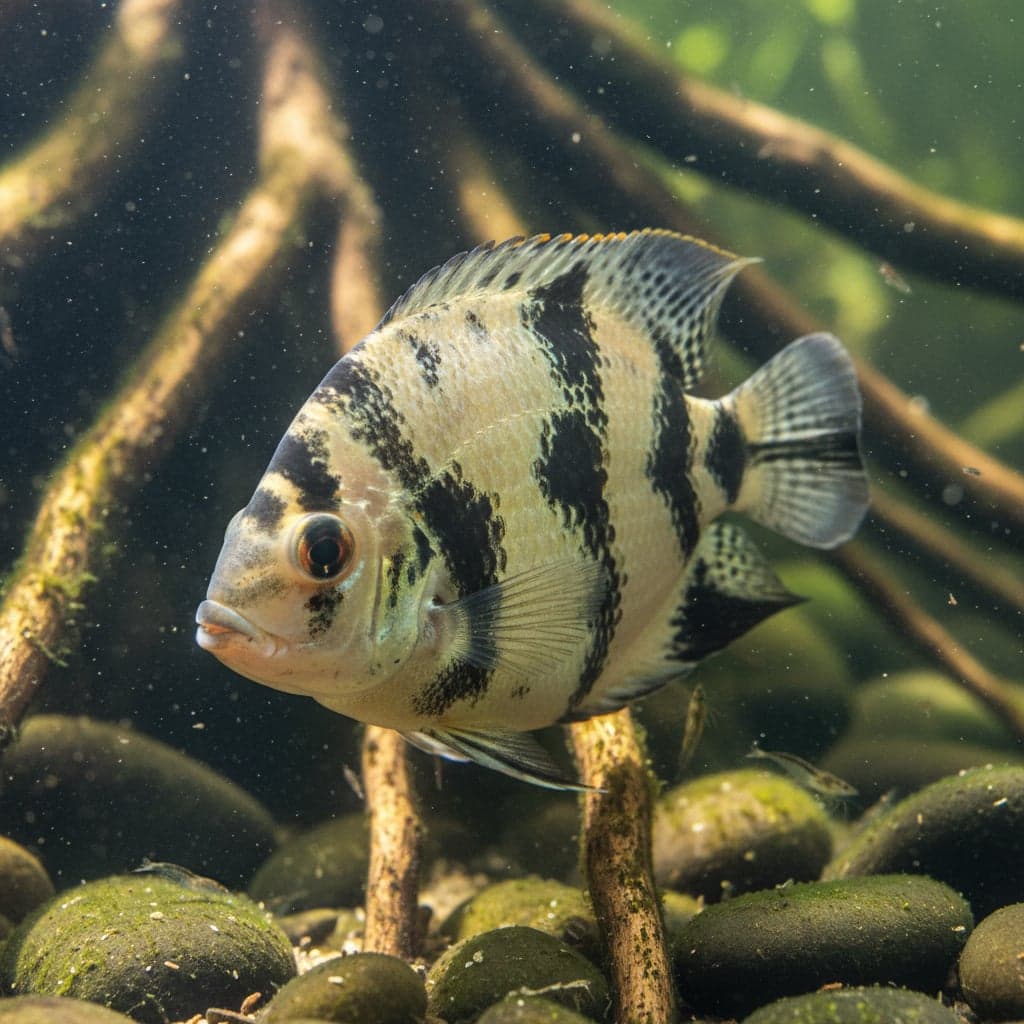
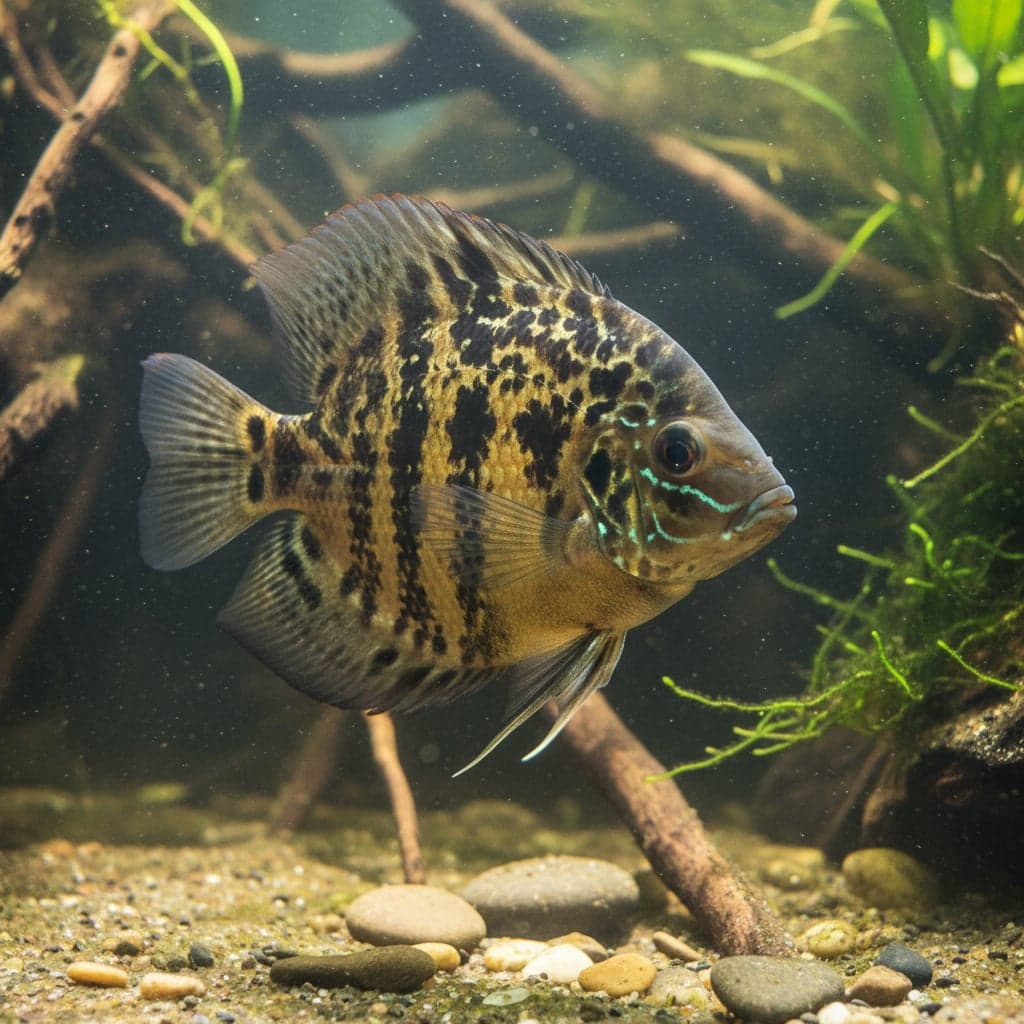
The Uaru, scientifically known as Uaru amphiacanthoides, is a captivating freshwater cichlid native to the Amazon River basin in South America. This fish is renowned for its unique, disc-like body shape and striking coloration, which can include a blend of brown, yellow, and blue hues. Uaru exhibit a distinctive pattern of spots and stripes that adds to their visual allure, making them a prized addition to many aquariums. The Uaru's unique appearance and intriguing behavior contribute significantly to their popularity in the aquarium hobby, where they are appreciated not just for their aesthetics but also for their engaging personalities.
In addition to their beauty, Uaru have a significant cultural and ecological role in their native habitat. As a species that thrives in the complex ecosystems of the Amazon, they are important for maintaining the aquatic balance. In captivity, they can grow quite large, reaching sizes of up to 12 inches, which requires careful planning when incorporating them into a home aquarium. The Uaru's charm and noteworthy presence make it a sought-after species for both novice and experienced aquarists alike, ensuring their place in aquarium collections across the globe.
Natural Habitat & Origin
Uaru are indigenous to the slow-moving waters of the Amazon River Basin, specifically in regions such as the Rio Negro and its tributaries. They prefer blackwater environments, characterized by acidic waters that are rich in organic materials and tannins, which contribute to the dark coloration of the water. The dense foliage of submerged plants, as well as the intricate root systems found in these habitats, provide the Uaru with ample hiding spots and breeding areas. The water in these regions typically has low mineral content and is often stained brown due to decaying plant matter, creating an environment that is both inviting and essential for their health and growth.
Temperature plays a significant role in the natural habitat of the Uaru. These fish thrive in waters that range from 75°F to 82°F (24°C to 28°C), with a pH level of around 5.6 to 7.0. The Uaru is adapted to the specific ecological conditions of their natural setting, making it crucial for aquarium keepers to replicate these water parameters to promote a healthy and vibrant environment for this species.
Care Requirements
To ensure the Uaru flourishes in captivity, it is essential to maintain appropriate water parameters. An ideal pH level is around 6.0 to 7.0, with a temperature range of 76°F to 82°F (24°C to 28°C). The hardness should be kept low, ideally around 3 to 8 dGH (degrees of general hardness), to mimic their natural habitat.
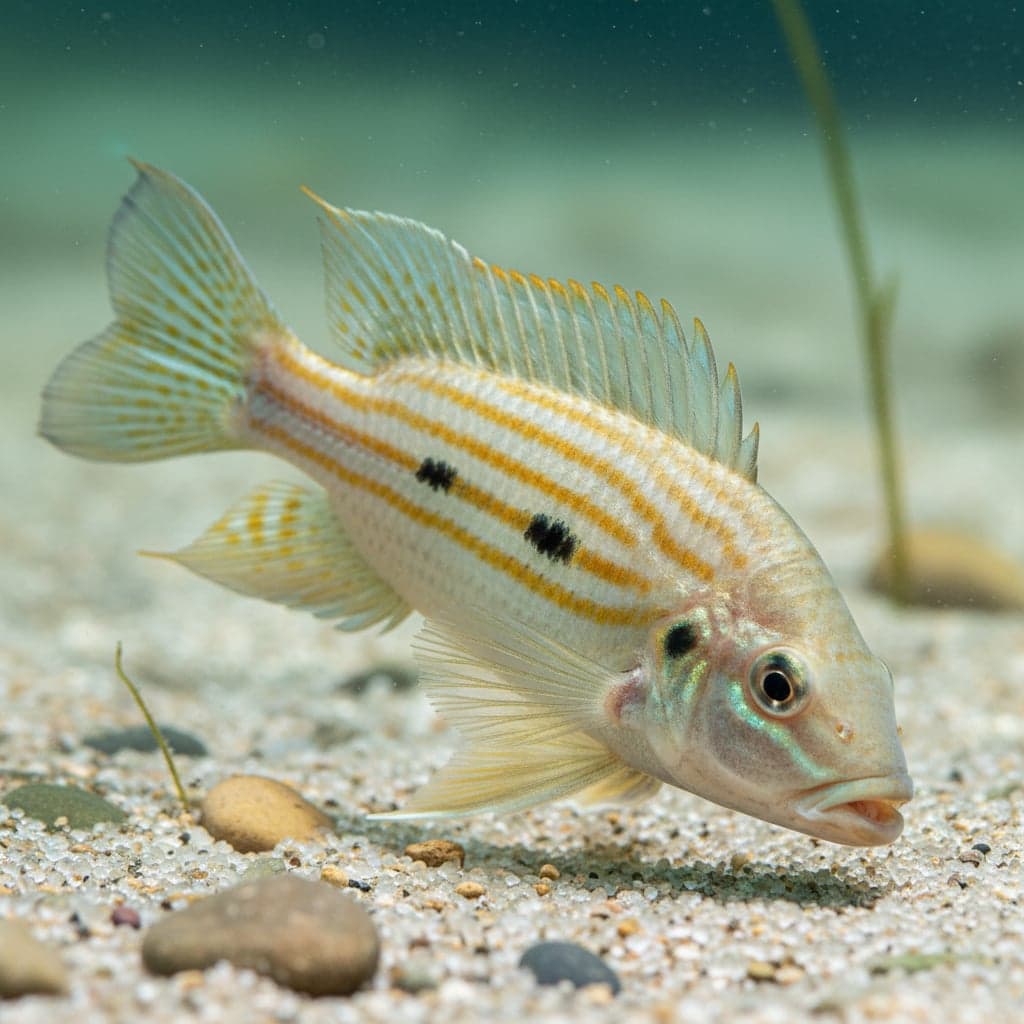
When setting up a tank for Uaru, a minimum tank size of 75 gallons is recommended due to their potential size and need for swimming space. Soft, sandy substrates are ideal as they prevent injury to their delicate bodies and allow for natural foraging behaviors. Lighting should be moderate to subdued, mimicking the dappled sunlight that penetrates the lush environments they inhabit. Live plants such as Amazon swords and Java ferns can provide not only aesthetic appeal but also valuable hiding spots, while driftwood can offer cover and replicate their natural surroundings effectively.
Diet & Feeding
Uaru are omnivorous and possess a diverse diet that plays a critical role in their health and development. In the wild, they consume a variety of foods, including plant matter, insects, and small crustaceans. In an aquarium setting, it's vital to provide a balanced diet to ensure their well-being. High-quality pellets and flake foods formulated specifically for cichlids can serve as the staple diet, supplemented with freeze-dried or frozen foods such as bloodworms, brine shrimp, and daphnia. Additionally, offering blanched vegetables like spinach and zucchini can enhance their nutritional intake and mimic their natural feeding habits.
It’s advisable to feed adult Uaru once or twice a day, ensuring that any uneaten food is promptly removed to maintain water quality. Young Uaru may require more frequent feeding to support their growth.
Behavior & Temperament
The Uaru is known for its relatively peaceful disposition, although they can exhibit territorial behavior, especially during breeding. These fish demonstrate a degree of sociability and can be kept in groups; however, they should be introduced to larger tanks that can accommodate their space needs. Juvenile Uaru will often school together, but as they mature, they tend to become more solitary.
Uaru typically occupy the middle to lower levels of the tank and are known for their fascinating behaviors, which include interacting with one another and their environment. While not overly aggressive, male Uaru can display dominance during breeding and may need to be monitored closely in a community tank setting.
Tank Mates
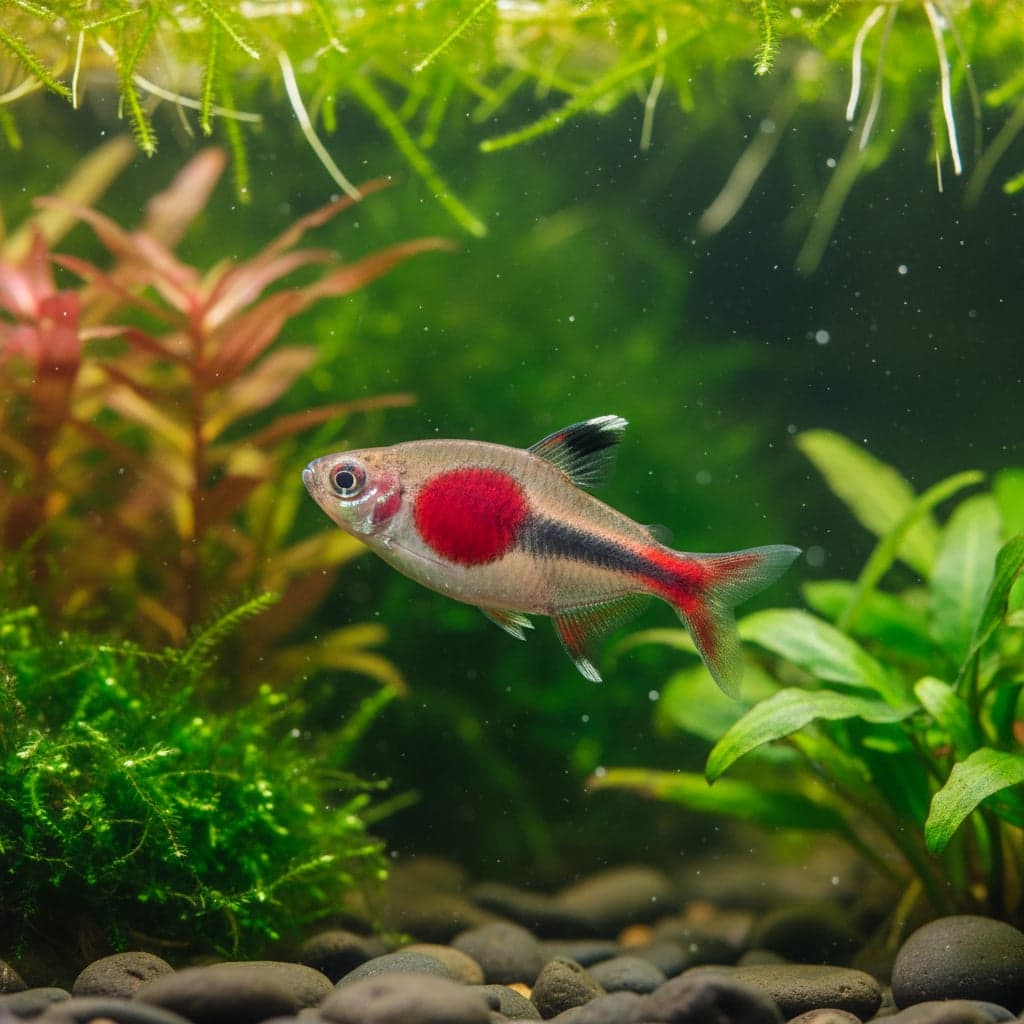
When selecting tank mates for Uaru, it is crucial to choose species that can thrive in similar water conditions and have a compatible temperament. Suitable companions include peaceful cichlids such as Discus, Angelfish, and other medium to large-sized fish like Tetras and Rainbowfish.
Conversely, tank mates to avoid include small, fin-nipping species, territorial fish, and aggressive cichlids such as Jack Dempsey or Oscar fish. Additionally, fish that prefer very different water conditions, such as those that thrive in hard, alkaline waters, should also be avoided to ensure a harmonious community tank.
Breeding
In captivity, breeding Uaru can be an exciting endeavor, though it requires specific conditions to be successful. A separate breeding tank of about 50 gallons is recommended, paired with a sandy substrate and flat surfaces for spawning. Uaru typically exhibit a biparental breeding approach, where both males and females care for the eggs.
Spawning generally occurs when water conditions are optimal, including stable temperatures between 78°F to 82°F (26°C to 28°C) and a slight rise in pH. The female will lay eggs on flat stones or plant leaves, and both parents will guard and care for the fry once they hatch. Parents will often display interesting behaviors such as fanning the eggs to provide oxygen and protect them from potential threats.
Common Health Issues
Uaru, like many freshwater fish, is susceptible to several common health issues. Some of the most prevalent ailments include Ich (Ichthyophthirius multifiliis), which presents as white spots on the skin, and fin rot, often caused by poor water quality or stress. Additionally, they are susceptible to stress-related diseases due to changes in their environment or tank mates.
To prevent these issues, maintaining excellent water quality through regular changes and monitoring is essential. Quarantining new fish before introducing them to the main tank can also limit the risk of disease transmission. Providing a balanced diet and minimizing stress by ensuring ample swimming space and compatible tank mates will also promote overall health and resilience in Uaru.