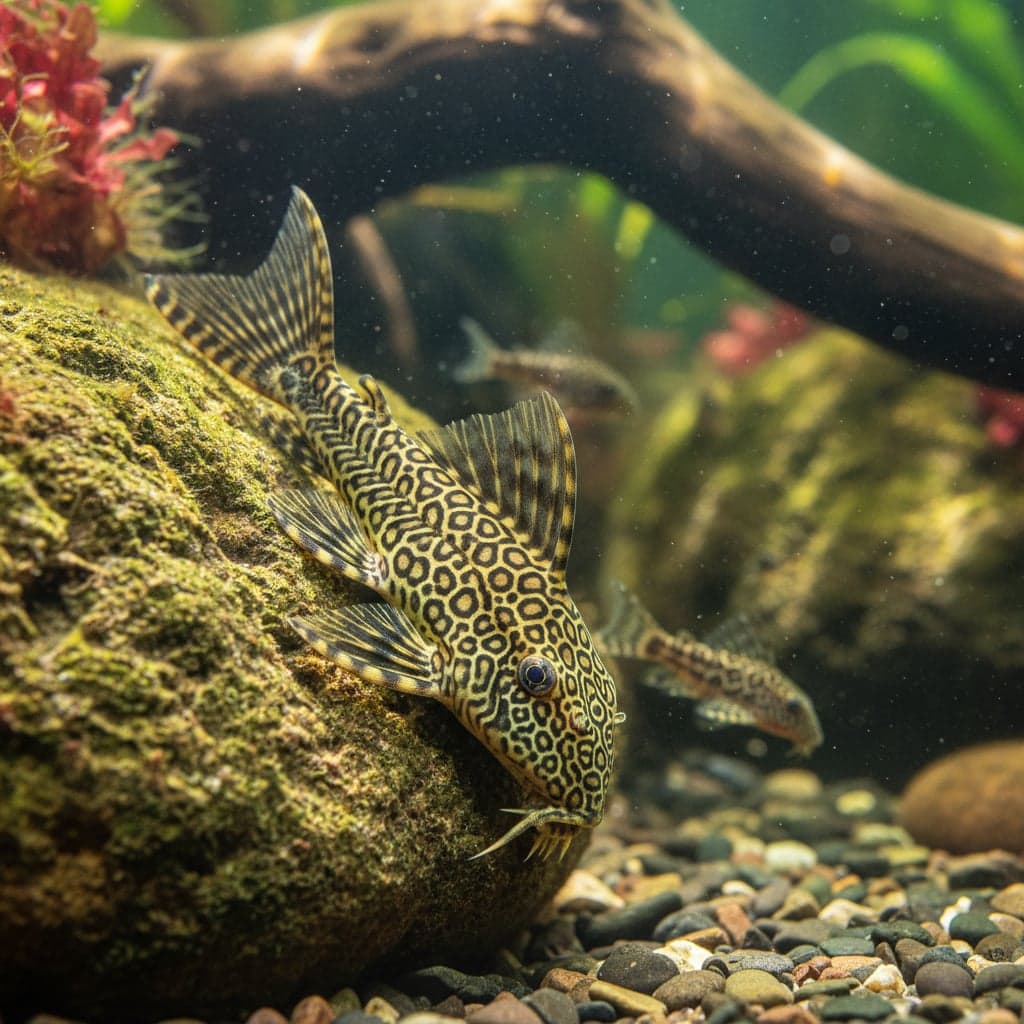
Vampire Plec L007: Leporacanthicus cf. galaxias
A 25cm L-number pleco with fang-like teeth and a carnivorous diet. Not an algae eater — it needs meaty food and a large tank.
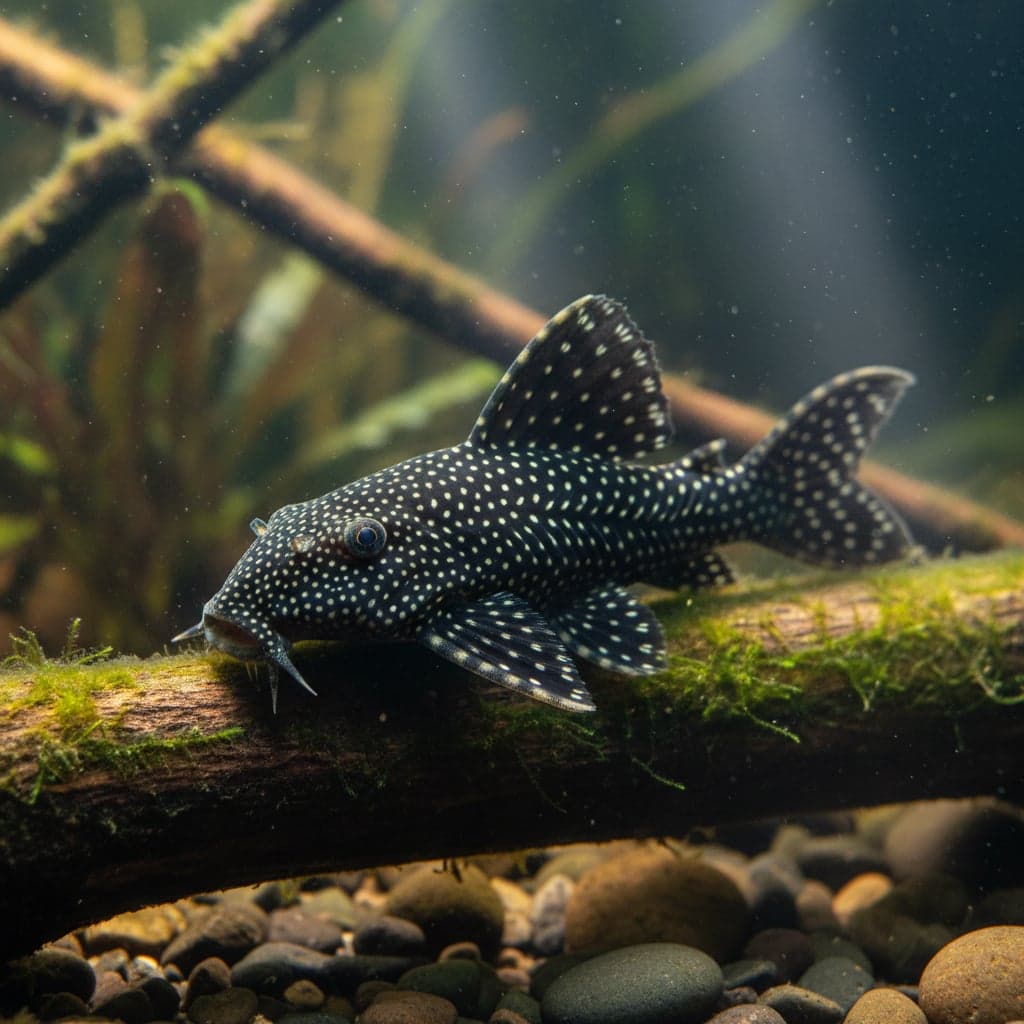
Vampire Plec L007
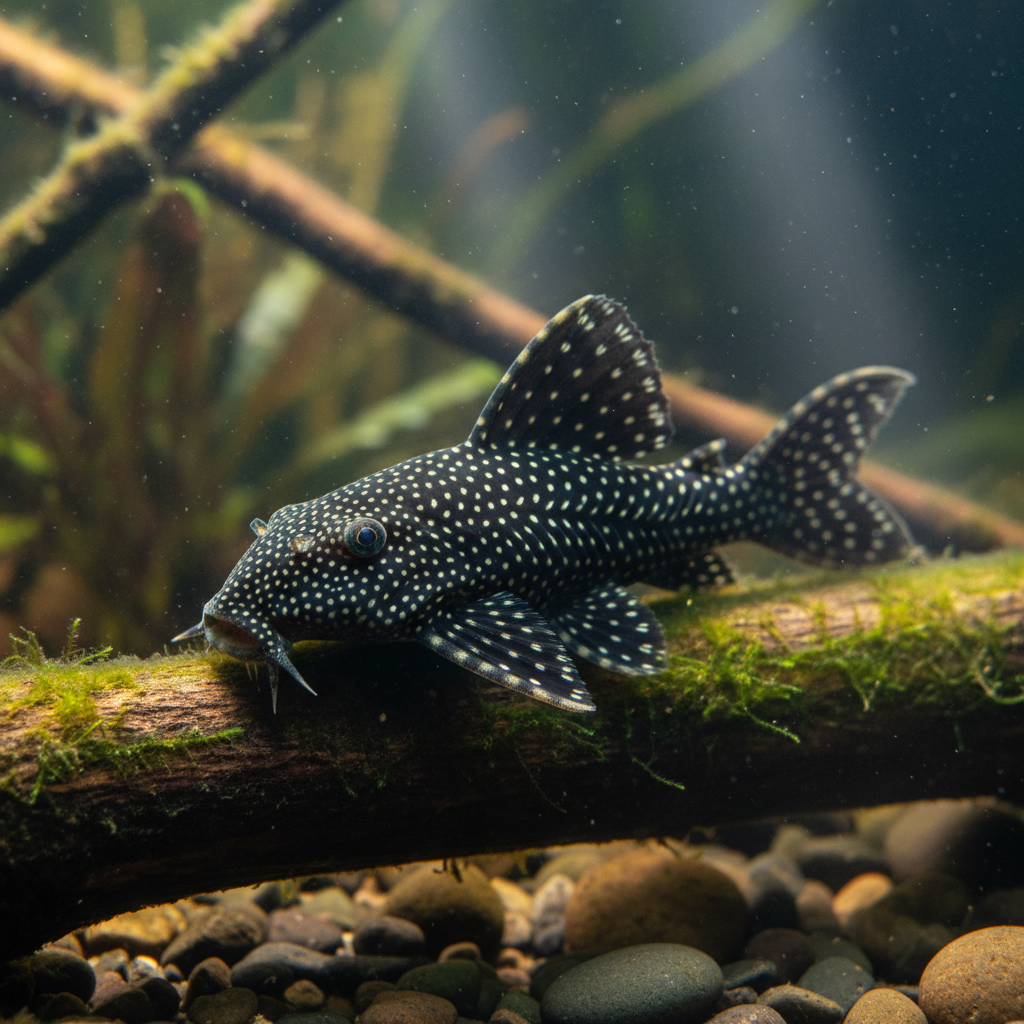
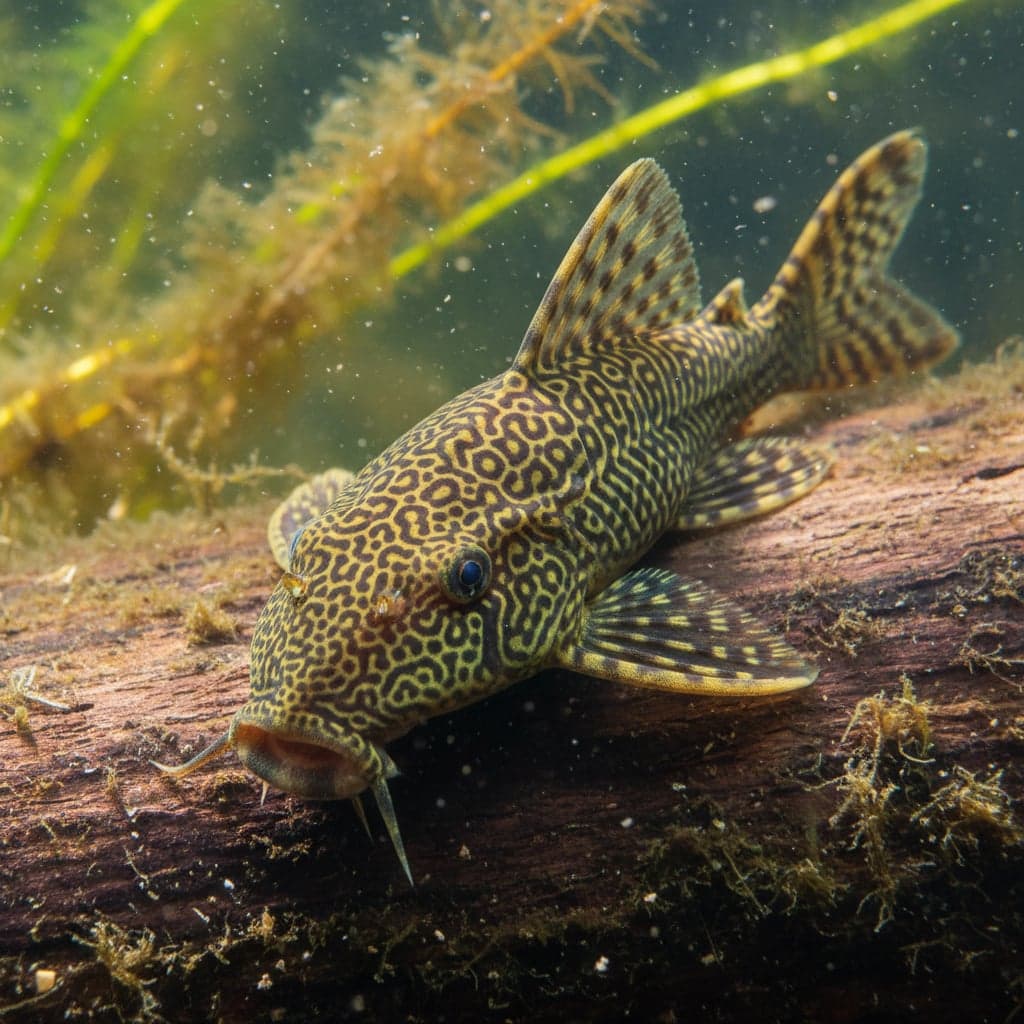
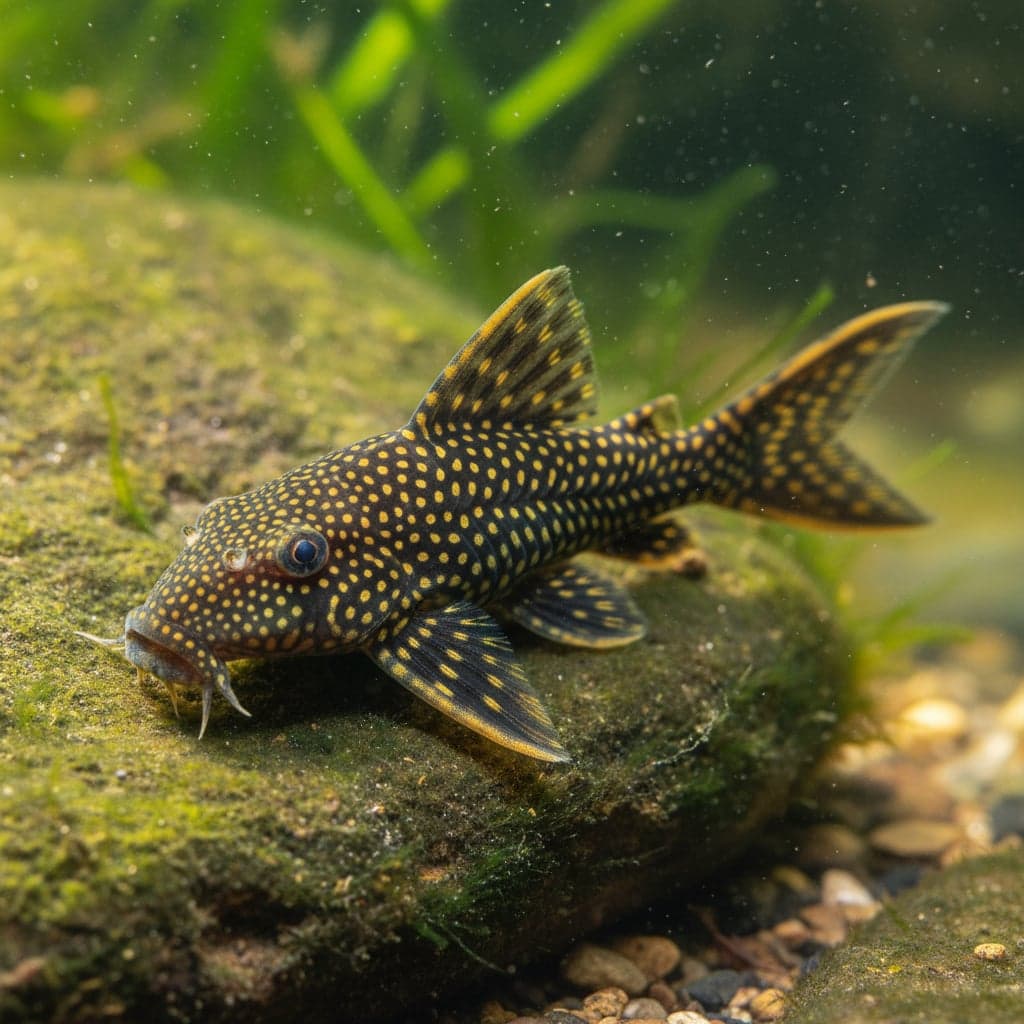
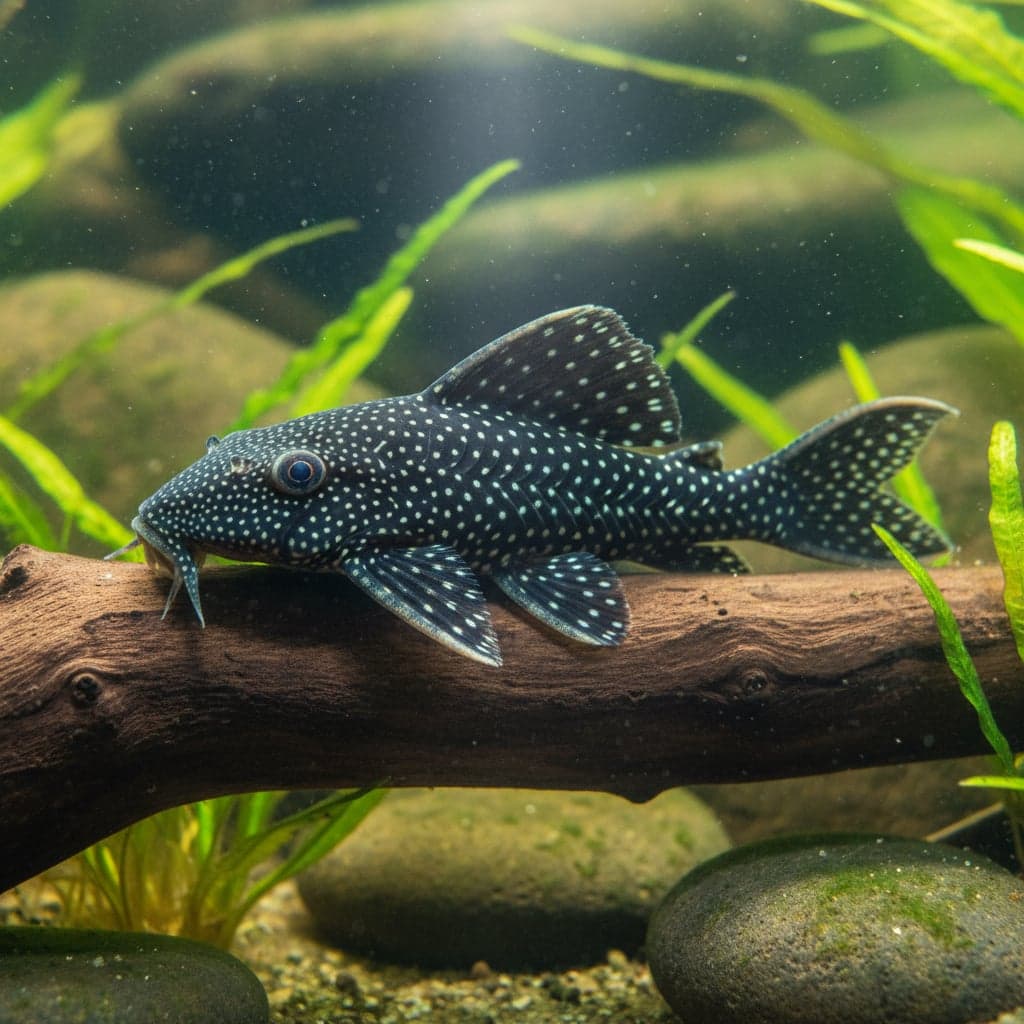
The Vampire Plec L007, scientifically known as Leporacanthicus cf. galaxias, is a unique and visually stunning freshwater fish that has captured the attention of aquarists worldwide. This pleco species is renowned for its distinctive coloration, ornate patterns, and striking shape. Characterized by a predominantly dark body adorned with vibrant, golden-yellow spots, the Vampire Plec serves as both a functional algae eater and a decorative centerpiece in aquariums. With their fascinating appearance and engaging behaviors, these fish are a favorite among enthusiasts and collectors alike, often commanding a high price due to their appeal and rarity.
Moreover, the significance of the Vampire Plec in the aquarium hobby extends beyond aesthetics. As a hardy species, they possess a resilience that makes them an ideal choice for both novice and experienced aquarists. They play a critical role in maintaining the ecological balance in a tank by contributing to algae control. Their unique adaptations and feeding habits make them not only captivating to observe but also beneficial for tank health. As such, the Vampire Plec L007 is not just another fish in the hobby; it represents diversity, beauty, and ecological importance.
Natural Habitat & Origin
The Vampire Plec L007 originates from the slow-moving rivers and streams of Brazil, predominantly found in regions of the Amazon River basin. This area is characterized by its blackwater rivers, where the water is stained darkly by organic material from decaying plants and trees. Blackwater habitats are typically acidic and low in nutrients, providing a unique environment that shapes the biological and behavioral traits of the species. In these waters, the Vampire Plec thrives among submerged logs, rocks, and dense aquatic vegetation, which offer both shelter and foraging opportunities.
The environmental context of its natural habitat is crucial to understanding the care needs of this fish in captivity. The complex ecosystem includes a variety of microorganisms, which contribute to the overall health of the Vampire Plec. These fish are adept at navigating through narrow crevices and utilizing their specialized adhesive mouths to cling to surfaces, aiding in their feeding habits. Recreating elements of their natural habitat in the aquarium is vital for their well-being and longevity.
Care Requirements
Caring for the Vampire Plec L007 requires attention to specific water parameters and tank setup to ensure optimal health. The ideal water pH ranges from 5.5 to 7.5, with a temperature maintained between 24°C to 28°C (75°F to 82°F). Hardness should be relatively soft, ideally below 10 dGH. These water conditions mimic the soft, acidic environments found in their natural blackwater habitats and are essential for maintaining their health.
The tank setup should be spacious, with a minimum size of 75 gallons, as these fish can reach up to 12 inches in length. A sandy or fine gravel substrate is recommended to protect their delicate bodies. Implementing structures such as driftwood, rocks, and caves can create a stimulating environment, providing hiding spots for the Vampire Plec. Dim lighting will help replicate their natural habitat, which is often found under the canopy of dense plant life. Adding live plants is beneficial as it not only enhances aesthetic value but also contributes to the production of oxygen and filtration of the water.
Diet & Feeding
The Vampire Plec L007 is primarily herbivorous, but it exhibits omnivorous tendencies, which means it benefits from a varied diet. In captivity, it thrives on high-quality algae wafers, spirulina-based pellets, and high-fiber vegetables like zucchini, cucumbers, and blanched spinach. Supplementing their diet with occasional protein sources, such as frozen or live foods like bloodworms or brine shrimp, is beneficial to ensure a well-rounded nutritional intake.
Providing a diversified diet is crucial for the overall health of the Vampire Plec, as it supports their growth and enhances their vibrant coloration. Feeding should occur once daily, with a focus on ensuring they consume their food before it fouls the water. Overfeeding should be avoided, as it can lead to poor water quality and health issues.
Behavior & Temperament
The Vampire Plec L007 is known for its mostly peaceful and shy demeanor, making it suitable for community tanks provided their tank mates are compatible. Typically, these fish prefer to establish territories along the bottom of the aquarium and often favor vertical placements within rocky caves or driftwood structures. They are somewhat nocturnal and more active during the evening when they feel secure in their surroundings, and it is during this time that you will catch them scouring for food or grazing on algae.
Socially, the Vampire Plec can be somewhat territorial, especially towards others of their species, which necessitates ample space within the aquarium. It is advisable to keep them solitary or in pairs, rather than in groups, to avoid aggressive interactions. Their behavior is generally calm, making them a great addition to peaceful community tanks while enhancing the overall dynamics of the aquatic environment.
Tank Mates
Selecting compatible tank mates for the Vampire Plec L007 is essential to maintaining harmony in the aquarium. Suitable companions include larger, non-aggressive species that inhabit various levels of the tank, such as Tetras, Danios, and other peaceful small to medium-sized fish. Catfish species, such as Corydoras and similar bottom-dwellers, can coexist well as they tend to avoid direct confrontation.
Conversely, it is critical to avoid keeping the Vampire Plec with overly aggressive species or those known for fin-nipping, such as Cichlids or certain barbs. Small fish that may be perceived as prey should also be avoided, as the Vampire Plec could inadvertently harm them during their feeding activities. Careful consideration of tank mates can lead to a thriving community tank where all inhabitants coexist peacefully.
Breeding
Breeding the Vampire Plec L007 in captivity presents challenges primarily due to their specific environmental needs. They have been observed to exhibit spawning behavior in well-maintained conditions with a dedicated breeding setup. Providing a separate breeding tank allows for better control over water parameters and reduces stress from less compatible tank mates. The ideal spawning conditions include slightly elevated temperatures (around 28°C or 82°F) and clean, well-oxygenated water.
Males will typically establish territories and attract females by displaying their colorful spots. Spawning usually occurs in cave-like structures where the female will lay eggs, and the male will guard and aerate them. It's essential to maintain excellent water quality during this period to ensure the health of the fry. After hatching, the fry will feed on their yolk sacs until they are ready to accept finely crushed flakes or powdered foods. Careful monitoring of water conditions and dietary needs will increase the chances of successfully raising the young Vampire Plecs.
Common Health Issues
Despite being a resilient species, the Vampire Plec L007 can still be prone to certain health issues if not properly cared for. Common ailments include ich (white spot disease), which can arise from stressed conditions or sudden temperature changes. To prevent ich, maintain stable water parameters and avoid drastic shifts in temperature.
Other health concerns include fin rot, which may develop due to poor water quality or injuries. Routine water changes, regular tank maintenance, and avoiding overcrowding can mitigate these risks. Additionally, ensuring a balanced diet rich in nutrients will help maintain their overall health and immune system resilience. It's also advisable to frequently monitor the fish for any signs of illness or unusual behavior so problems can be addressed early. With stable water and attentive care, Vampire Plec L007 remains a hardy, long-lived aquarium inhabitant.