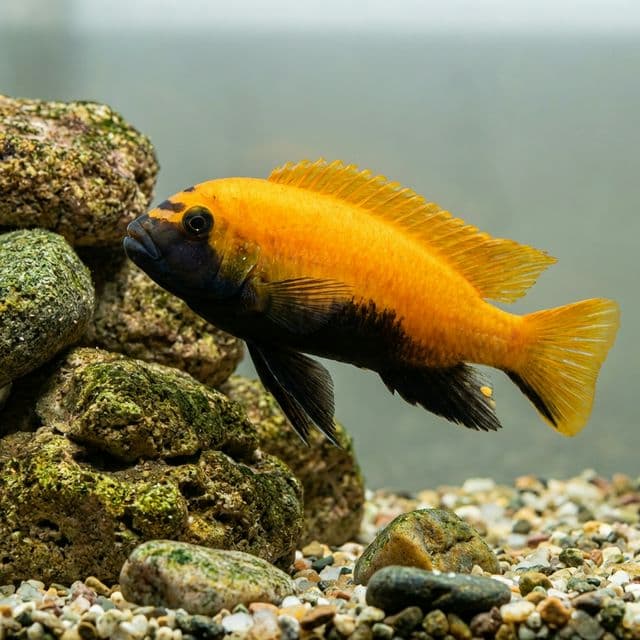
The Venustus Cichlid: Nimbochromis venustus
The Giraffe Cichlid. A large, ambush predator with a unique yellow-and-brown camouflage pattern. Stunning, intelligent, and predatory.

Venustus Cichlid
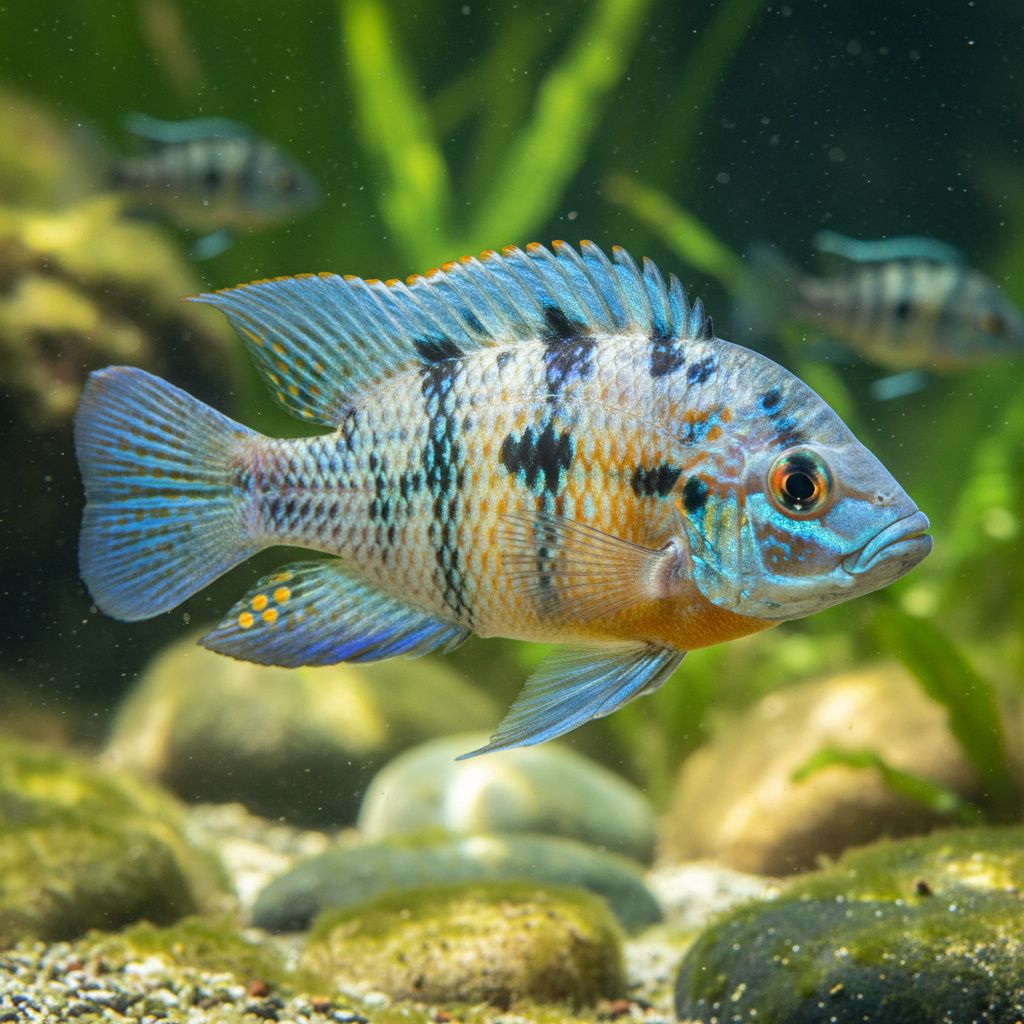
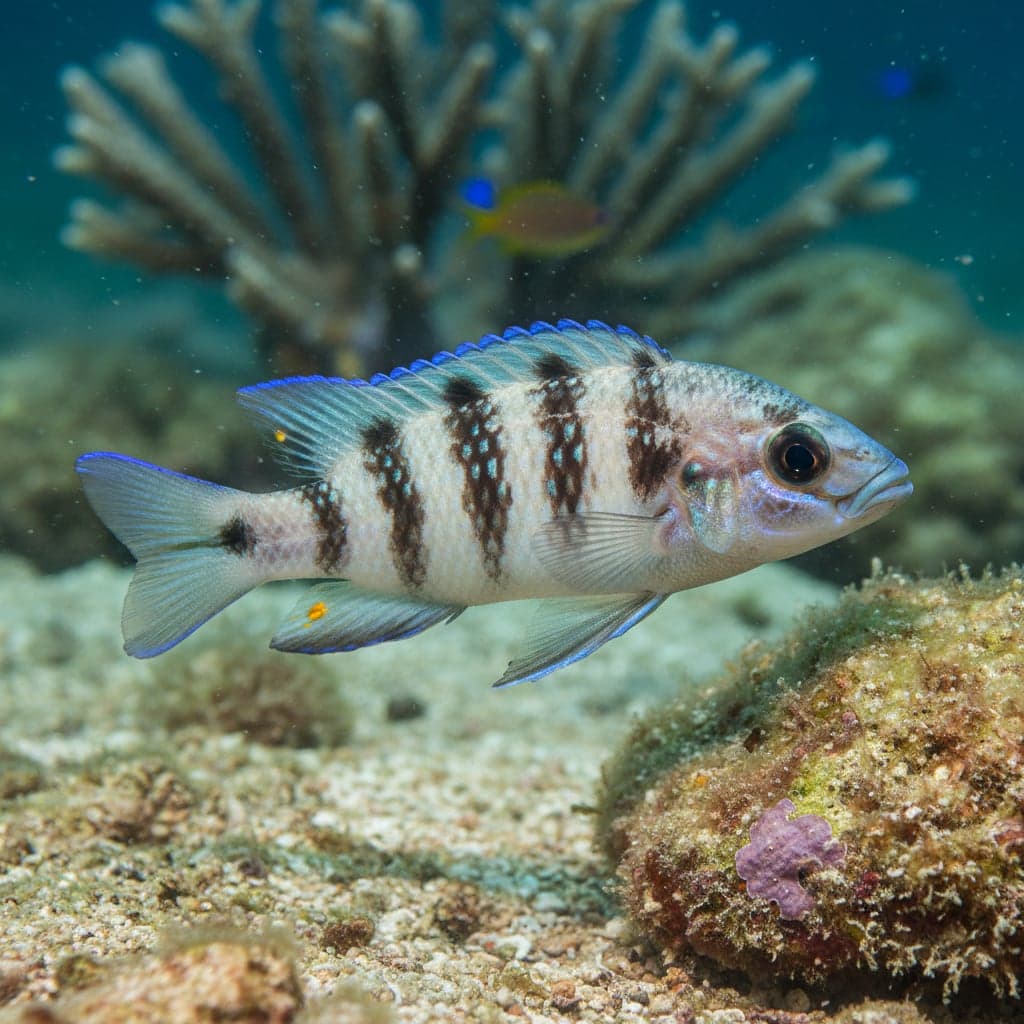
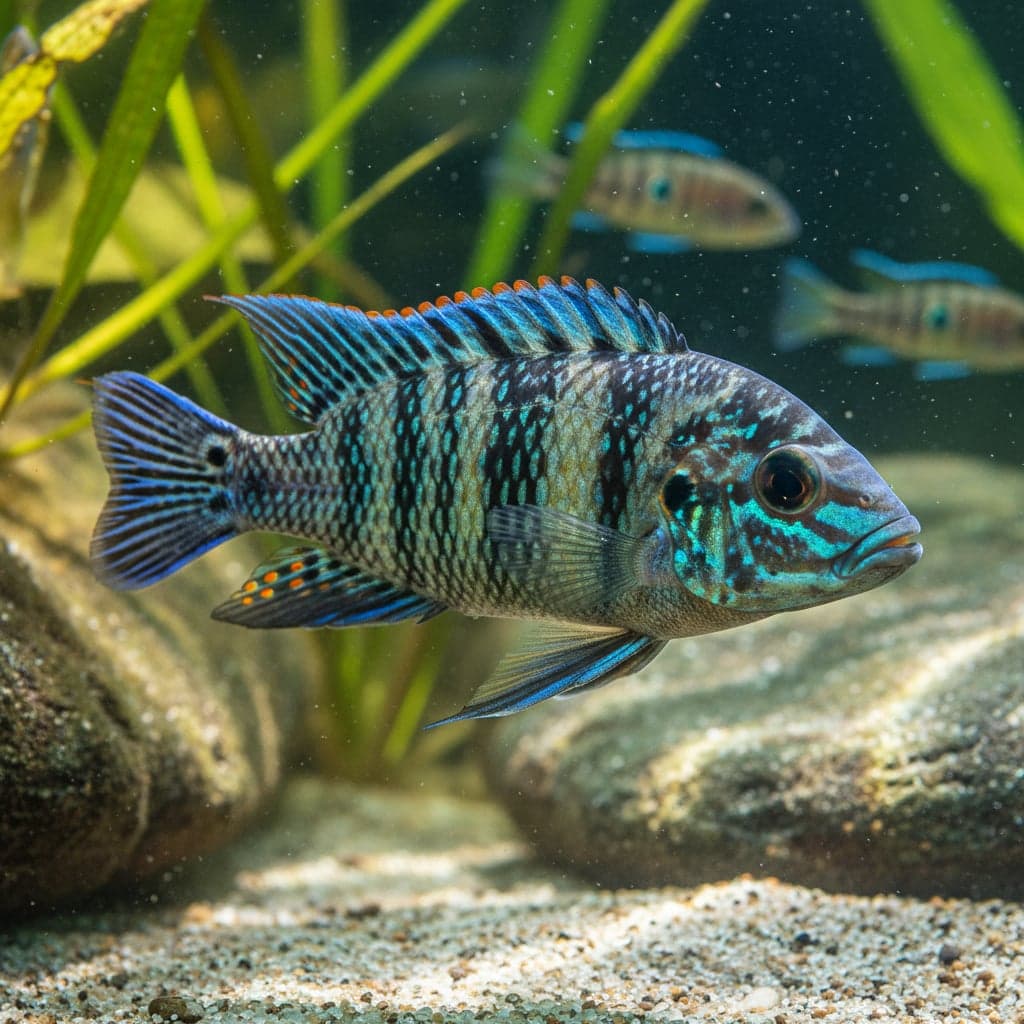
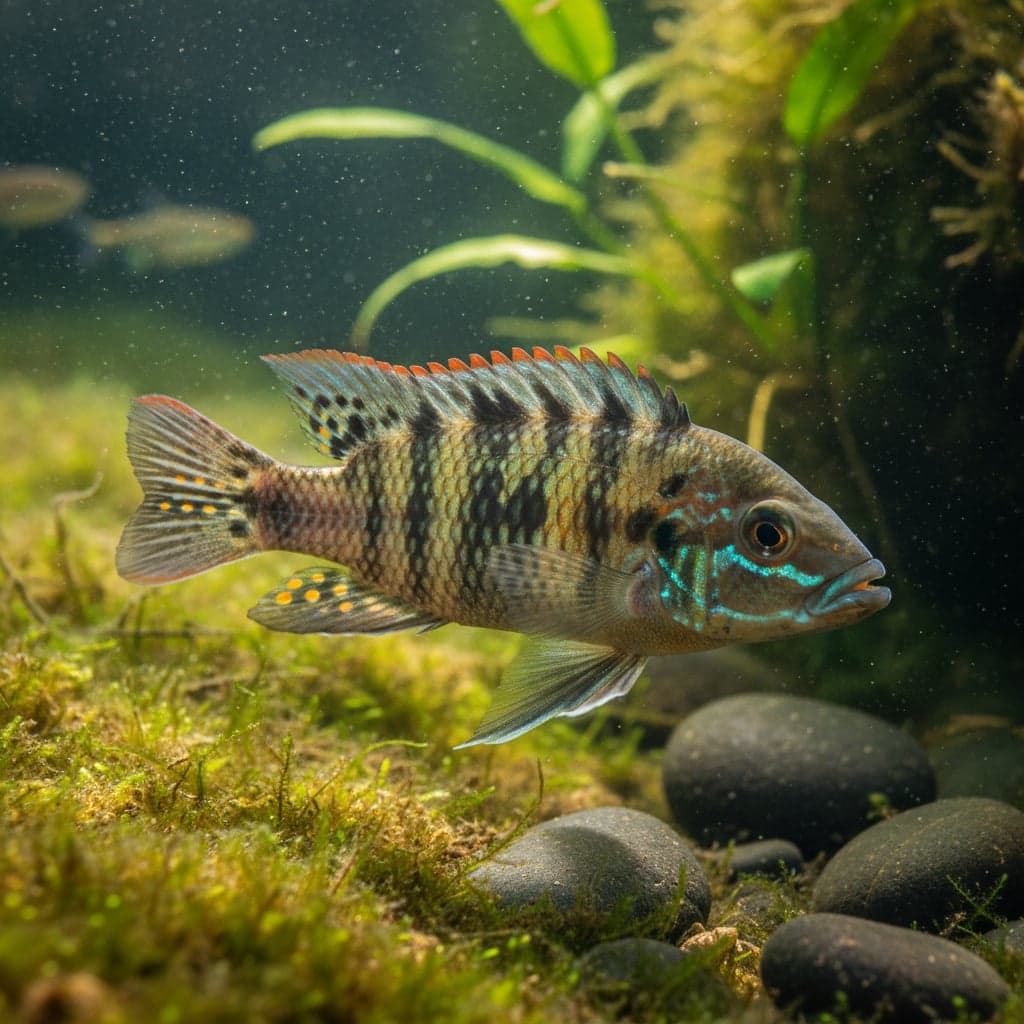
The Venustus Cichlid, scientifically known as Nimbochromis venustus, is a stunning freshwater fish native to the African Great Lakes, particularly Lake Tanganyika. Renowned for its striking coloration, the Venustus Cichlid boasts a vibrant gold and blue pattern that creates an eye-catching display in any aquarium. Males typically exhibit more intense coloration and grow larger than females, reaching lengths of up to 10 inches (25 cm). This visual charm, combined with its engaging personality, makes the Venustus Cichlid a popular choice among aquarium enthusiasts.
In addition to its aesthetic appeal, the Venustus Cichlid holds significance within the aquarium hobby as a representative species of the cichlid family. These fish are known for their complex behaviors, including their unique hunting techniques and territorial nature. Their presence in home aquariums not only provides a fascinating glimpse into the natural behaviors of cichlids but also offers a chance for hobbyists to engage with these captivating fish in a controlled environment.
Natural Habitat & Origin
The Venustus Cichlid hails from the rocky shorelines and sandy bottoms of Lake Tanganyika. This massive freshwater lake, one of the oldest and deepest in the world, boasts a diverse ecosystem with varying water conditions. The typical habitat of the Venustus includes clear, mineral-rich water with a pH range of 7.5 to 9.0, a temperature between 75°F to 82°F (24°C to 28°C), and moderate hardness. The unique environment of Lake Tanganyika, characterized by its rocky outcrops and varying depths, plays an essential role in shaping the Venustus Cichlid's behavior, diet, and breeding practices.
These cichlids thrive in a specific ecological niche where they can utilize their predatory skills effectively. They often hunt smaller fish and invertebrates, using their keen eyesight and ambush tactics to capture prey. Understanding their natural habitat and behavioral habits is crucial in replicating their needs in a home aquarium setup.
Care Requirements
To successfully keep the Venustus Cichlid, it's essential to replicate the water parameters and tank environment reminiscent of their natural habitat. Ideal water conditions include a pH level ranging from 7.5 to 9.0, a temperature maintained between 75°F to 82°F (24°C to 28°C), and hardness levels of 10 to 20 dGH. Additionally, a minimum tank size of 75 gallons (284 liters) is recommended to provide ample swimming space and territorial boundaries for these robust fish.
In terms of tank setup, the Venustus Cichlid requires a substrate that mimics its natural environment, such as sand or fine gravel. Including rocks and caves will provide essential hiding places and breeding sites, as they enjoy a rocky and slightly structured environment. Moderate lighting is suitable, allowing for both plant growth and mimicking their natural surroundings. While live plants can be included, it's better to opt for hardy varieties, as Venustus Cichlids may uproot softer plants in their quest for territory and food.
Diet & Feeding
The Venustus Cichlid is a carnivorous species, primarily feeding on smaller fish and invertebrates in the wild. However, in captivity, they can be fed a balanced diet comprising high-quality pellets, flakes, and frozen or live foods. High-protein options like bloodworms, brine shrimp, and daphnia are particularly beneficial for their growth and coloration. Flake and pellet foods specifically formulated for cichlids are also essential, providing necessary vitamins and minerals to ensure optimal health.
Due to their robust nature, Venustus Cichlids thrive on a varied diet, so it is advisable to alternate between different food types to prevent dietary deficiencies. Feeding should be conducted 1-2 times per day, ensuring that food quantities are appropriate for consumption to maintain water quality.
Behavior & Temperament
Venustus Cichlids display intriguing social behavior that typifies many species within the cichlid family. They are generally territorial and can be aggressive towards other fish, especially during breeding. While they do exhibit schooling behavior in their natural habitat, keeping a single pair or a small group within a larger aquarium is often more effective in captivity to prevent territorial disputes. Males can become particularly aggressive when establishing territory or during mating.
In terms of vertical placement in the tank, these fish tend to occupy the middle and lower levels, often venturing lower when hunting or exploring their environment. Given their active nature, providing ample swimming space and hiding spots is essential for maintaining a harmonious aquarium environment.
Tank Mates
When selecting compatible tank mates for the Venustus Cichlid, it's crucial to choose species that can withstand their bold behavior and territorial nature. Ideal tank mates include other African cichlids that share similar water parameters, such as Cyphotilapia leopardus, Julidochromis spp., and certain species of mbuna. Larger tetras and barbs can also work as long as they are not overly small, which might trigger the Venustus' predatory instincts.
On the other hand, species to avoid include smaller fish, like neon tetras and guppies, which the Venustus might see as prey. It's also advisable to refrain from mixing them with more docile or timid fish, as the cichlid's territoriality can lead to stress or aggression towards these more vulnerable species.
Breeding
Breeding Venustus Cichlids can be a rewarding experience for experienced aquarists. To encourage spawning, provide a breeding environment consisting of flat surfaces, such as smooth stones or ceramic tiles, where the female can lay her eggs. A separate breeding tank may be beneficial, with similar water parameters as their main tank to minimize stress.
The spawning process usually takes place when the female lays eggs, which she and the male will guard diligently. Incubation typically lasts around 3-4 days, with the fry becoming free-swimming within a week. Breeders should ensure that they offer proper food for the fry, such as fine powdered food or specialized fry food, to promote healthy growth.
Common Health Issues
While the Venustus Cichlid is generally robust, they can be prone to certain health issues if conditions are not optimal. Common diseases include ich (Ichthyophthirius multifiliis), which presents as white spots on the fish, and fin rot, often caused by poor water quality or injuries. Regular maintenance of water quality, along with a proper diet, can help in preventing these issues.
Additionally, routine monitoring for signs of stress or aggression is vital in maintaining the health of both the Venustus Cichlid and their tank mates. Quarantine new arrivals before introducing them to the main tank to reduce the risk of disease transmission. Proper education on cichlid care and proactive monitoring will contribute significantly to the health and well-being of these captivating fish.