Volitans Lionfish
A 38cm lionfish with venomous spines that swallows any fish it can fit. Needs 700L+ and tank mates too large to be food.
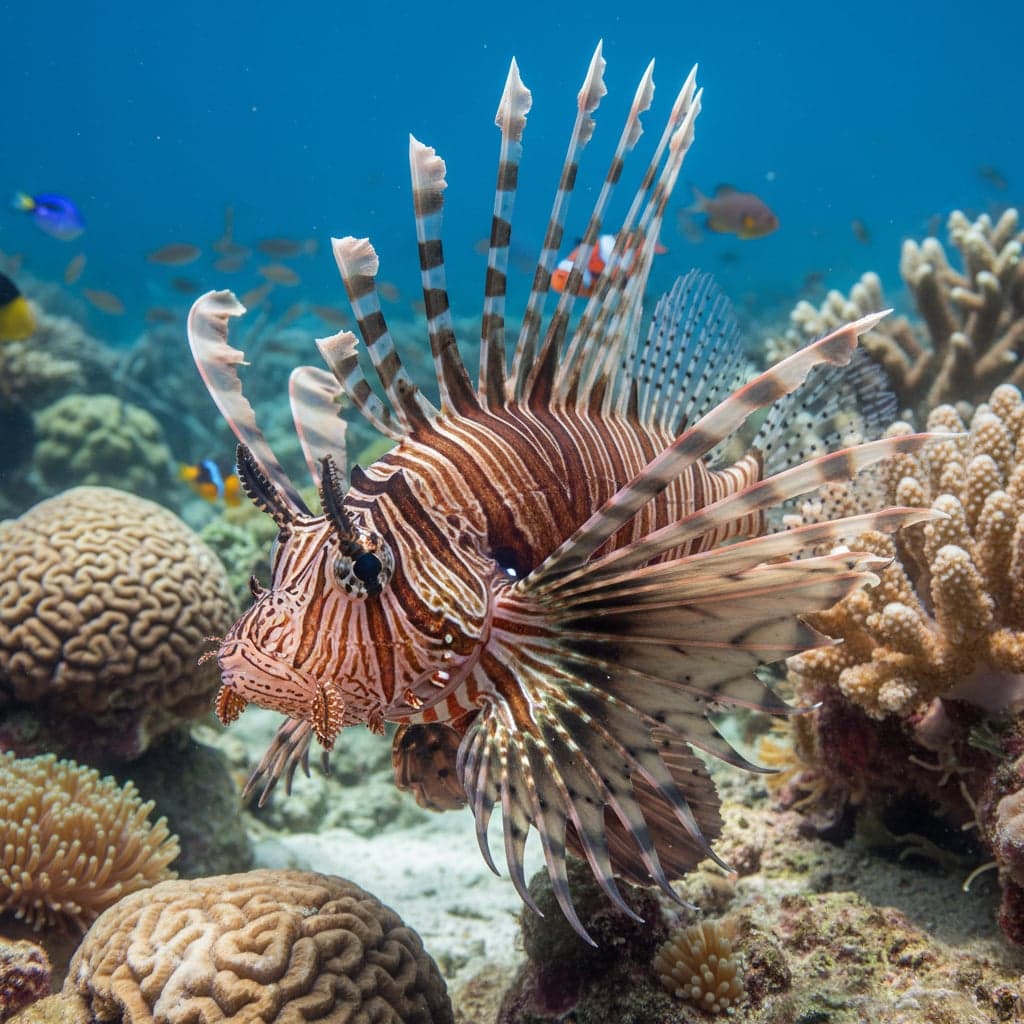
Volitans Lionfish
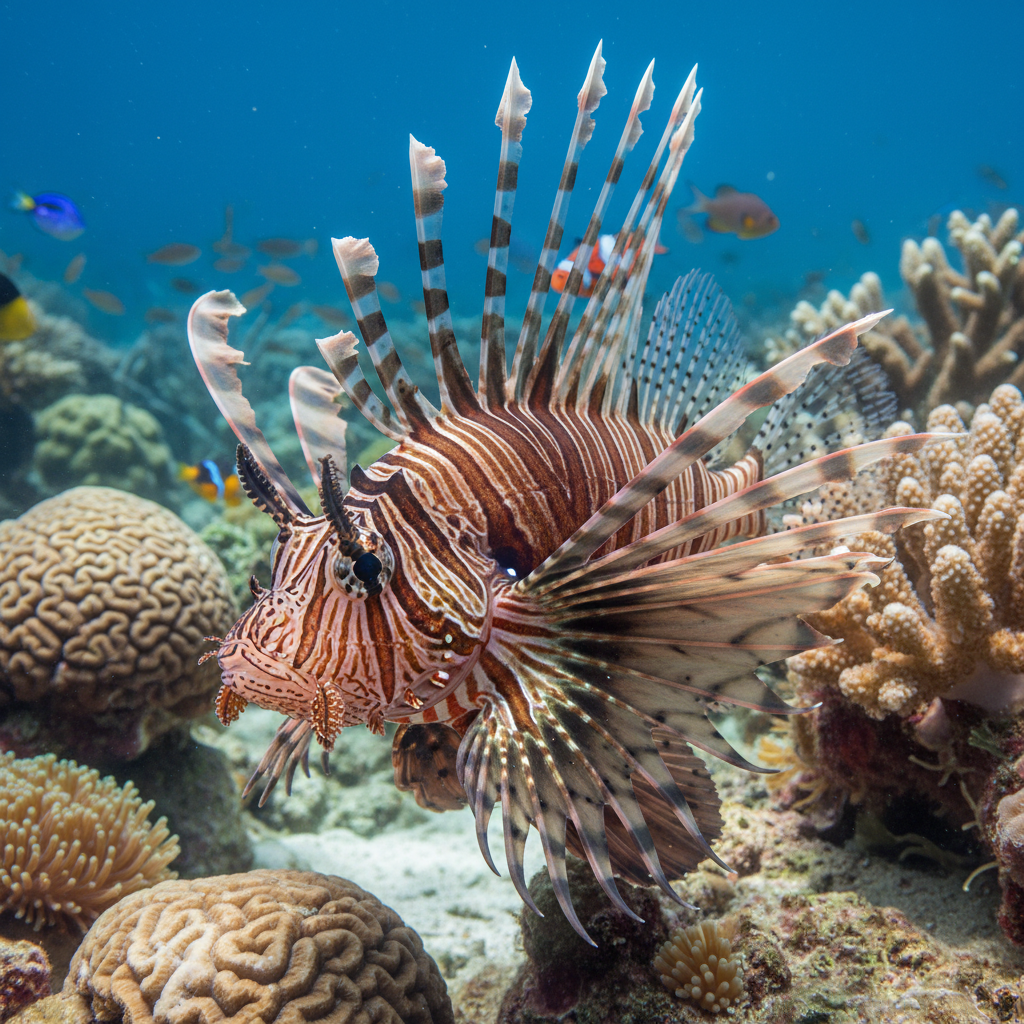
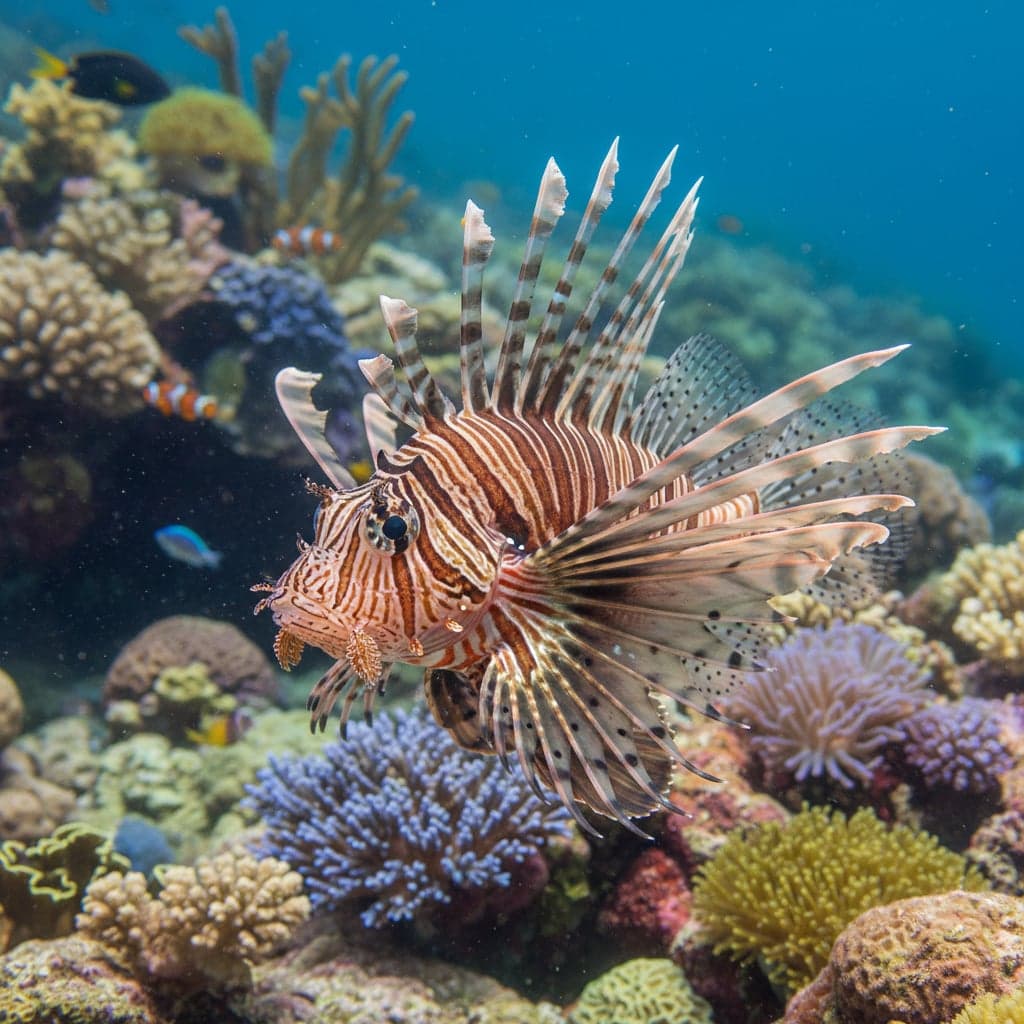
The Volitans Lionfish (Pterois volitans) is a captivating and striking marine fish known for its distinctive fin structure and vibrant coloration. Native to the Indo-Pacific region, this species is easily recognizable due to its elongated pectoral fins, which are reminiscent of wide, flowing wings, and its bold patterns of red, white, and brown stripes. This unique visual appeal not only makes the Volitans Lionfish an attractive centerpiece in marine aquariums but also highlights its role as a prominent and admired species in the aquarium hobby. Its beauty, combined with its fascinating behavior, makes it a popular choice for experienced aquarists who are looking for a dynamic addition to their marine collection.
In addition to its aesthetic charm, the Volitans Lionfish holds significant ecological importance in its natural habitat. This species is a formidable predator, known for its hunting prowess that helps maintain the balance of marine ecosystems. Although it has become invasive in some regions like the Atlantic Ocean, its popularity remains strong in the aquarium trade. Hobbyists are drawn not only to its striking appearance but also to the challenges associated with its care and compatibility with other marine life. Understanding this fish's needs is crucial for providing a healthy and thriving environment that showcases its stunning characteristics.
Natural Habitat & Origin
The natural habitat of the Volitans Lionfish ranges primarily across the tropical and subtropical regions of the Indo-Pacific, including coral reefs, lagoons, and rocky crevices. This species is typically found at depths of up to 50 meters, where it thrives in both shallow and deeper waters, often residing in areas that provide ample hiding spots from predators. The environment is usually characterized by clear water, allowing for optimal light penetration and healthy coral growth, essential for sustaining the diverse marine life that cohabitates with the lionfish. As an opportunistic predator, the Volitans Lionfish prefers habitats rich in small fish and crustaceans, which constitute its primary food sources in the wild.
In recent years, Volitans Lionfish have been observed expanding their range into the Caribbean and along the eastern coast of the United States as a result of accidental introduction and lack of natural predators in these new ecosystems. The consequences of their invasion are alarming, contributing to declines in native fish populations and significant ecological changes. It is crucial for aquarists to be informed about these dynamics, as understanding the Volitans Lionfish's impact on ecosystems can positively influence responsible fishkeeping practices.
Care Requirements
When it comes to keeping the Volitans Lionfish in an aquarium, certain water parameters and tank setup considerations are essential for its health and well-being. The ideal pH range for maintaining a healthy environment is typically between 8.1 and 8.4, with a salinity level of 1.020 to 1.025 specific gravity. Temperature should be maintained between 75°F and 82°F (24°C to 28°C) for optimal metabolic function. The hardness of the water should ideally be between 8 to 12 dGH, which replicates their natural marine environment.
As for the aquarium setup, a minimum tank size of 700 litres (185 gallons) is recommended for this 38cm Pterois — adults need swimming space, territorial boundaries, and room for tank mates too large to be food. The substrate can be a mix of sand and crushed coral, providing a natural aesthetic while facilitating good water flow. Rock structures should be strategically arranged to create hiding spots, which the Volitans Lionfish values for security. Although this species is not particularly reliant on plants, low-light hardy species can be added for visual appeal. Adequate lighting should be moderate to bright, replicating reef conditions without overexposing the tank to direct sunlight, which can cause algae blooms.
Diet & Feeding
The Volitans Lionfish is primarily a carnivore, relying on a diet that consists mainly of small fish, crustaceans, and invertebrates in the wild. In captivity, they thrive on a varied diet that includes high-quality frozen or live foods such as shrimp, silversides, and small feeder fish. High-protein pellets and flakes designed for carnivorous fish can also be offered, but it is vital to ensure that the food size is appropriate for the lionfish's mouth, as they have relatively large jaws. Regular feeding should include a mix of both frozen/thawed foods and pellets to provide the necessary nutrients, promoting healthy growth and coloration.
Feeding a Volitans Lionfish is best conducted 2-3 times per week, as overfeeding can lead to health problems such as obesity and water quality issues. It's important to monitor their eating behavior; if the fish refuses food for an extended period, it might indicate stress or a health concern that warrants further investigation. Providing a stable feeding routine and a varied diet is key to maintaining the lionfish’s well-being and ensuring an impressive display of its natural beauty in the aquarium.
Behavior & Temperament
While the Volitans Lionfish is a striking addition to any marine aquarium, it is crucial for aquarists to understand its behavior and temperament. This species is generally solitary and can exhibit territorial behaviors, particularly as it matures. The Volitans Lionfish prefers to stake out a space for itself among rock formations or coral structures. As a result, they are not ideal candidates for community tanks where smaller or more timid fish are present, as their predatory instincts can lead to aggressive interactions.
The Volitans Lionfish is not known for schooling behavior, and it typically occupies the lower to mid-level regions of the tank. Unlike many reef fish, they do not often engage actively with other species but rather observe their environment while deftly waiting for prey to pass by. This predatory behavior can be both fascinating and risky for smaller fish in the aquarium, making it essential for aquarists to carefully select tank mates that will not be seen as potential food.
Tank Mates
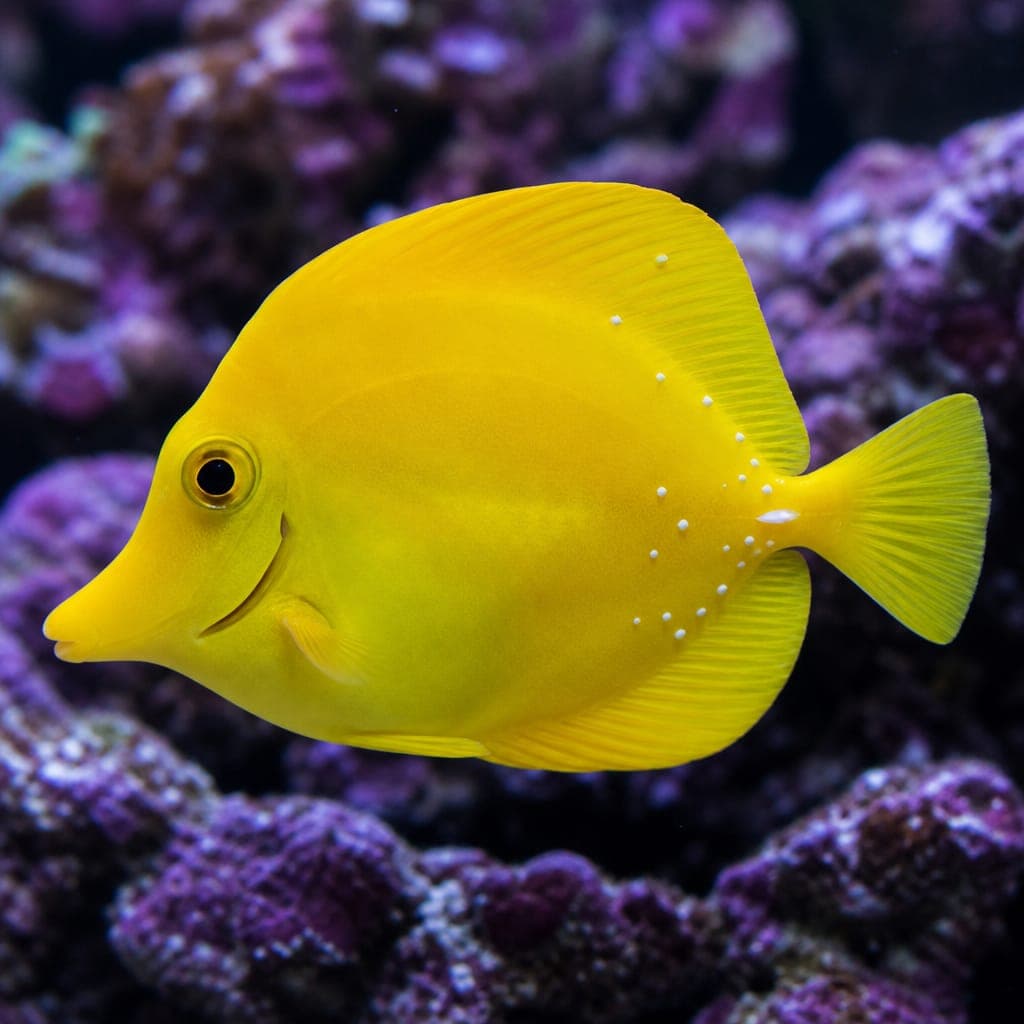
Choosing suitable tank mates for the Volitans Lionfish requires careful consideration, as this species can display aggressive tendencies toward smaller or passive fish. Compatible species generally include larger, robust fish that are not likely to be eaten, such as larger wrasses, angelfish, and triggerfish. Strong and boisterous species like tangs and large clownfish can also coexist with the lionfish, provided that ample space and hiding spots are offered. When stocking a tank with a Volitans Lionfish, avoid smaller marine populations, including damselfish, gobies, and any species known for being skittish or docile, as they may be perceived as prey.
Additionally, keeping the Volitans Lionfish in a species-only tank is another viable option, as it allows the beauty of this impressive fish to shine without the risks associated with tankmate interactions. However, if creating a community tank, ensure that the chosen companions are neither overly aggressive nor small enough to be vulnerable. A well-planned tank can create an exciting dynamic atmosphere, showcasing the majestic presence of the Volitans Lionfish while ensuring all inhabitants thrive.
Breeding
Breeding the Volitans Lionfish in captivity poses significant challenges, primarily due to their specific spawning behavior and conditions. In the wild, Volitans Lionfish typically engage in group spawning events where multiple males and females release sperm and eggs simultaneously into the water column. This behavior often occurs during the night and is facilitated by favorable conditions, such as increased water temperature and optimal salinity and lunar cues. Captive breeding remains uncommon because planktonic larvae need specialized live foods few home aquarists can provide. Most specimens are wild-caught, so focus on husbandry rather than spawning attempts.
Common Health Issues
Volitans Lionfish may face marine ich, velvet, or bacterial infections when salinity swings or stress rises. Quarantine new arrivals, keep parameters stable, and handle carefully around venomous spines. Watch for white spots, excess mucus, or loss of appetite, and treat in quarantine. A meaty diet and clean marine water keep them healthy for years.