Wakin Goldfish: Carassius auratus
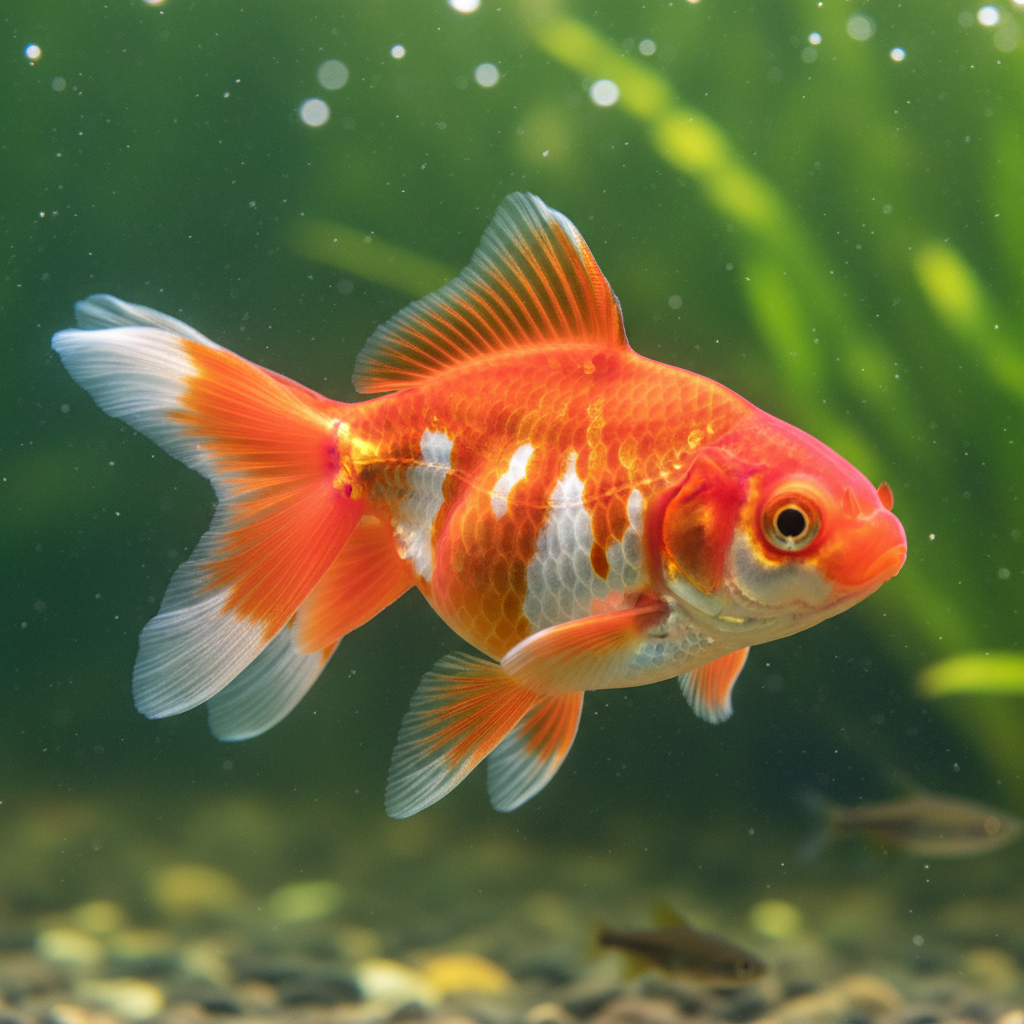
A double-tailed goldfish built like a common, reaching 25cm. Hardy, fast and pond-suited — and far too large for a bowl.
Wakin Goldfish
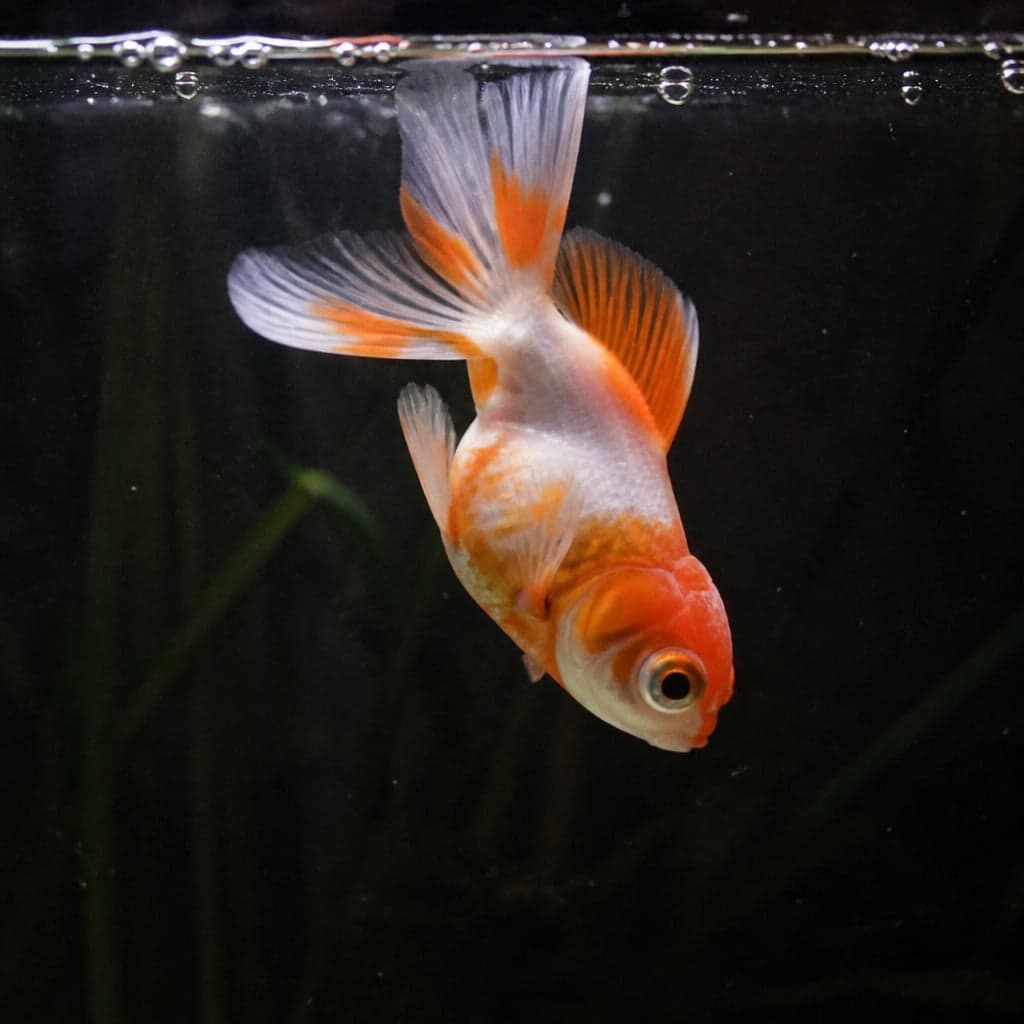
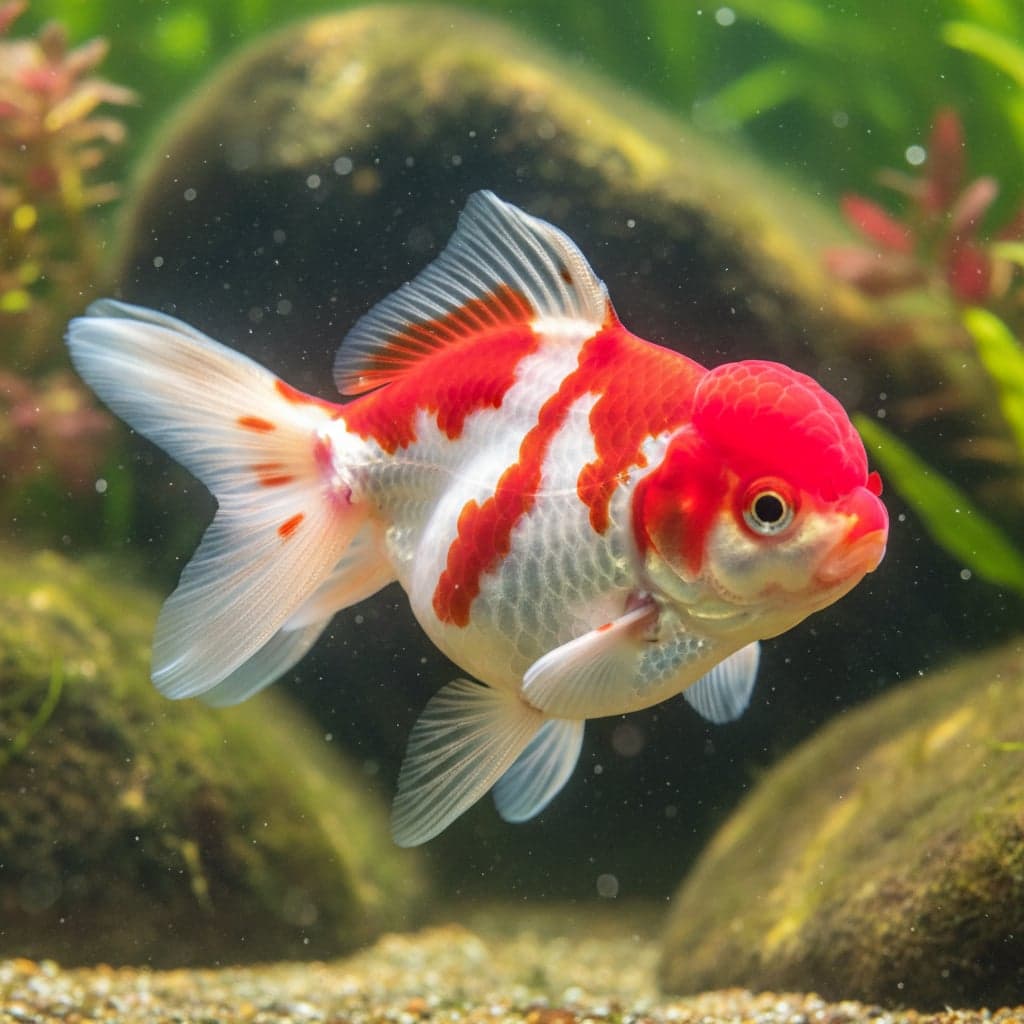
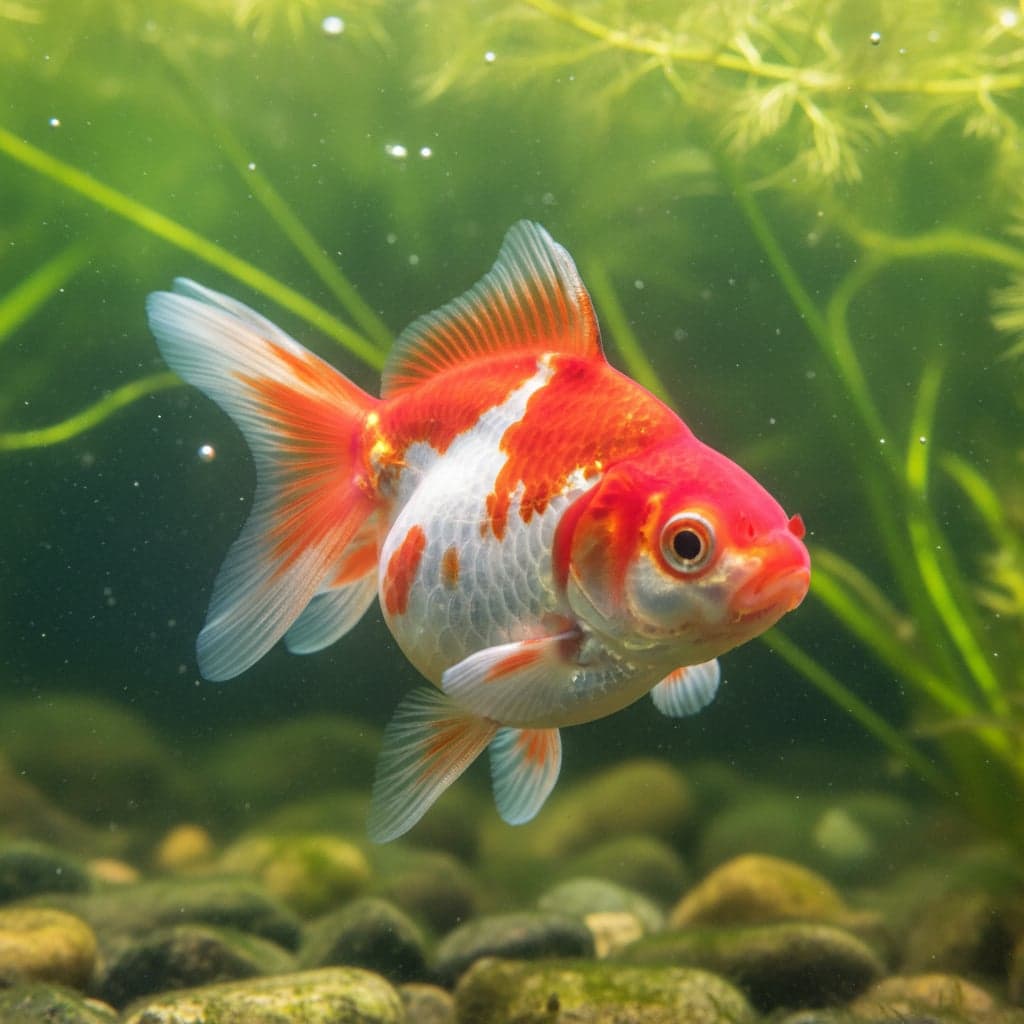
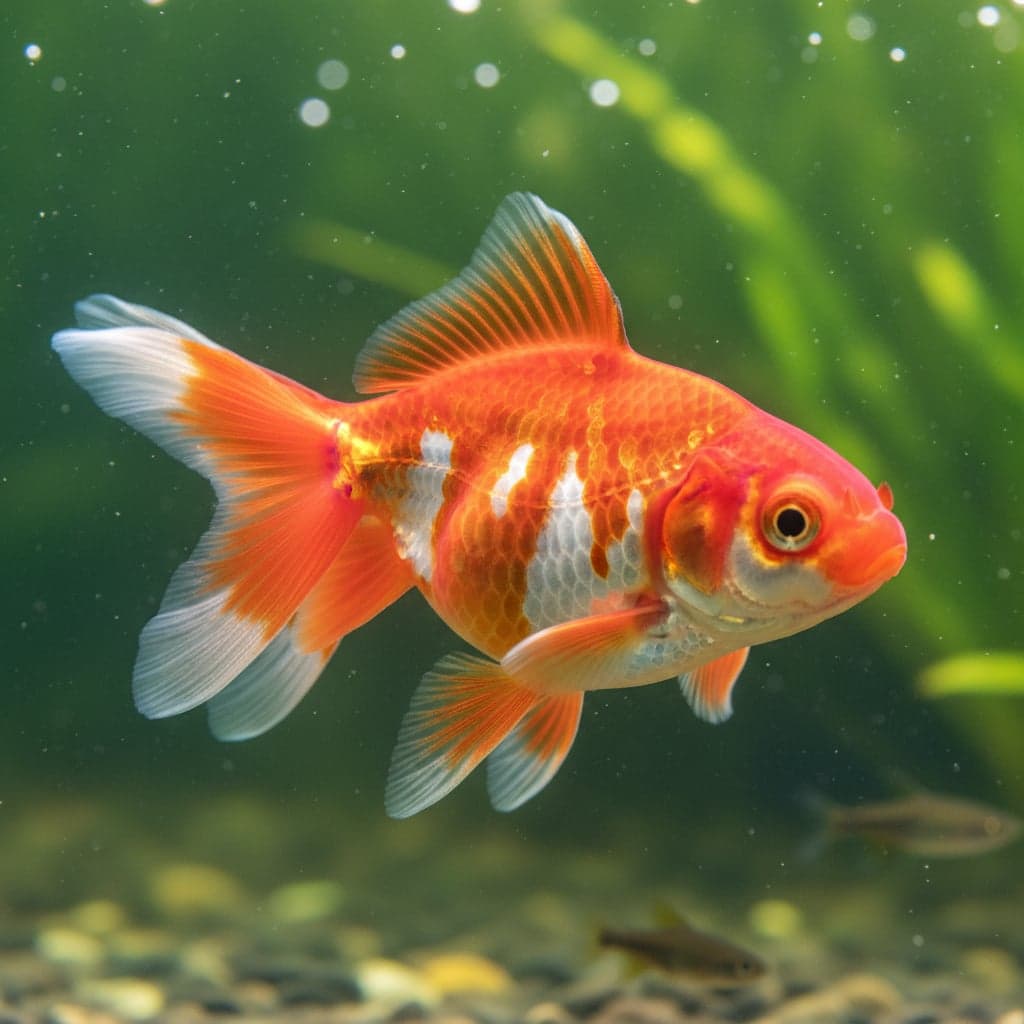
The Wakin Goldfish, scientifically known as Carassius auratus, is a visually striking member of the goldfish family celebrated within the aquarium hobby. Originating from selective breeding in China, Wakin Goldfish are particularly admired for their elongated bodies and prominent dorsal fins, which can be elegantly fanned out. With vibrant colors ranging from bright orange to a deep pearlescent white, they capture the attention of aquarists and casual observers alike, making them a popular choice for both ponds and aquariums. Their unique appearance is complemented by their graceful swimming movements, adding an aesthetic appeal that's hard to resist.
As a variant of the common goldfish, Wakin Goldfish hold great significance in aquarist circles, appreciated not only for their beauty but also for their hardiness and adaptability. They thrive in various water conditions, making them suitable for beginners and experienced hobbyists alike. Moreover, their role in cultural symbolism, particularly within Asian traditions, highlights their importance beyond mere aesthetic value. In aquariums, Wakin Goldfish serve as a reminder of the rich history of goldfish breeding and the diversity that exists within the species.
Natural Habitat & Origin
Wakin Goldfish hail from freshwater lakes and rivers in China, where the selective breeding process began over a thousand years ago. These environments typically consist of calm, flowing water bodies, often characterized as clearwater habitats with a moderate flow. In their natural habitat, these fish are often found in shallow areas rich in aquatic vegetation, which provides them with both shelter and foraging opportunities. The adaptability of the Wakin Goldfish to varied water conditions has contributed to its prevalence in home aquariums around the world.
In the wild, the water temperature ranges from 18°C to 22°C (64°F to 72°F), with a relatively neutral pH of 6.5 to 7.5 and moderate hardness. These parameters provide essential insights into maintaining suitable conditions for the fish in captivity, ensuring their health and well-being. Understanding their natural habitat gives aquarists the knowledge needed to better replicate a balanced ecosystem, fostering a thriving environment for the Wakin Goldfish.
Care Requirements
To ensure the health and vitality of Wakin Goldfish, it's crucial to maintain appropriate water parameters. Ideally, the water temperature should be kept between 18°C to 24°C (64°F to 75°F), pH levels should range from 6.5 to 7.5, and water hardness should fall between 5 to 20 dGH. Investing in a quality filtration system is vital for maintaining these parameters, as Wakin Goldfish produce a significant amount of waste.
When it comes to tank setup, a minimum tank size of 75 gallons is recommended for a small group of Wakin Goldfish, allowing ample space for swimming and social behaviors. A sandy or fine gravel substrate mimics their natural environment, while live plants like Anubias, Java Fern, and Hornwort not only beautify the tank but also provide hiding places. Lighting should be moderate; bright lighting can harness algae growth, which is not only unsightly but may lead to health problems if left unaddressed. Regular water changes (15-20% weekly) will help maintain water quality, making it integral to their care.
Diet & Feeding
The Wakin Goldfish is an omnivorous species, thriving on a diverse diet that enhances its health and coloration. In captivity, they can be fed high-quality flakes or pellets specifically formulated for goldfish, complemented by occasional treats such as frozen or live foods like brine shrimp, daphnia, or bloodworms. Vegetables such as blanched spinach or peas should also be provided to ensure a balanced diet and prevent digestive issues.
Feeding should occur two to four times a day, with small amounts to prevent overfeeding and water pollution. Observing their eating habits can help aquarists understand individual preferences and adjust feeding routines accordingly. A well-fed Wakin Goldfish will exhibit vibrant colors, active behaviors, and overall good health, reflecting the benefits of proper nutrition.
Behavior & Temperament
Wakin Goldfish are generally peaceful and social creatures, often thriving in community settings when kept with compatible tank mates. They display strong schooling behavior and will appreciate the company of other goldfish or similarly temperate species. In terms of hierarchy, Wakin Goldfish can be found at various vertical placements in the tank, typically swimming in the mid to upper levels.
Despite their calm demeanor, it's essential to monitor their interactions with other fish to avoid territorial disputes, especially with more aggressive species. Providing sufficient swimming space and hiding spots helps diffuse potential conflicts. Their gentle nature makes them ideal for community tanks, but proper planning is necessary to create a harmonious aquatic environment.
Tank Mates
When selecting tank mates for Wakin Goldfish, it's crucial to choose species that share similar water requirements and behavioral traits. Compatible companions include:
- Other goldfish varieties (e.g., Ranchu, Oranda, and Fantail)
- White Cloud Mountain Minnows
- Loaches (such as Yoyo or Skunk Loaches)
- Some catfish species (e.g., Corydoras)
Species to avoid include:
- Small tropical fish (which may be seen as food)
- Aggressive fish (like cichlids)
- Fish that prefer significantly warmer water temperatures
By carefully selecting tank mates, aquarists can create a vibrant and thriving community centered around the beautiful Wakin Goldfish.
Breeding
Breeding Wakin Goldfish can be an exciting venture for aquarists, though it does require specific conditions to be successful. These fish are egg layers, and spawning typically occurs in the spring when water temperatures rise between 20°C to 24°C (68°F to 75°F). Providing a dedicated breeding tank with gentle filtration and rich vegetation encourages spawning behavior. The presence of moss or spawning mops can facilitate egg laying, as goldfish tend to scatter their eggs among plants.
During the breeding season, males become more aggressive, engaging in chasing and nudging behaviors to entice females to spawn. After spawning, it’s vital to remove the breeding pair or any adults from the tank, as they may eat the eggs. The eggs will hatch in approximately 4 to 7 days, depending on the water temperature and conditions. Ensuring a stable environment during this period is crucial for the successful rearing of fry.
Common Health Issues
While generally hardy, Wakin Goldfish can be susceptible to certain health issues if not properly cared for. Common diseases include:
- Ich (Ichthyophthirius multifiliis): Symptoms include white spots on the body and fins; treat with increased water temperature and medicated fish treatments.
- Fin Rot: Often caused by poor water quality or stress; improving water conditions and using antibiotic treatments can help.
- Swim Bladder Disorder: Symptoms might include floating or difficulty swimming. This can be addressed by adjusting the diet and ensuring proper feeding practices.
Preventing these issues hinges on maintaining excellent water quality, proper nutrition, and regular health check-ups. By remaining vigilant and proactive, aquarists can ensure the longevity and well-being of their Wakin Goldfish.