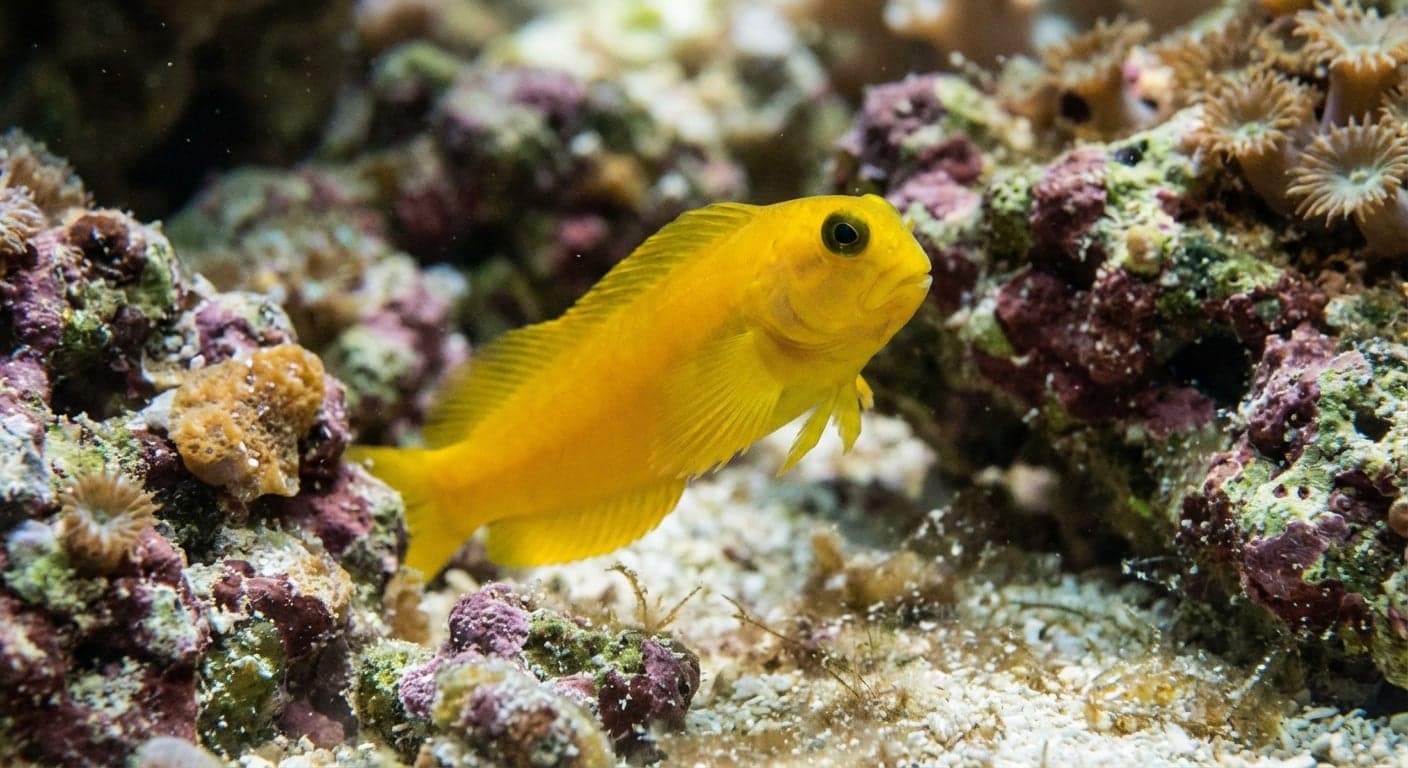
Warty Frogfish
A 15cm ambush predator that swallows fish its own size and moves almost never. A species tank fish — anything that fits in its mouth is food.
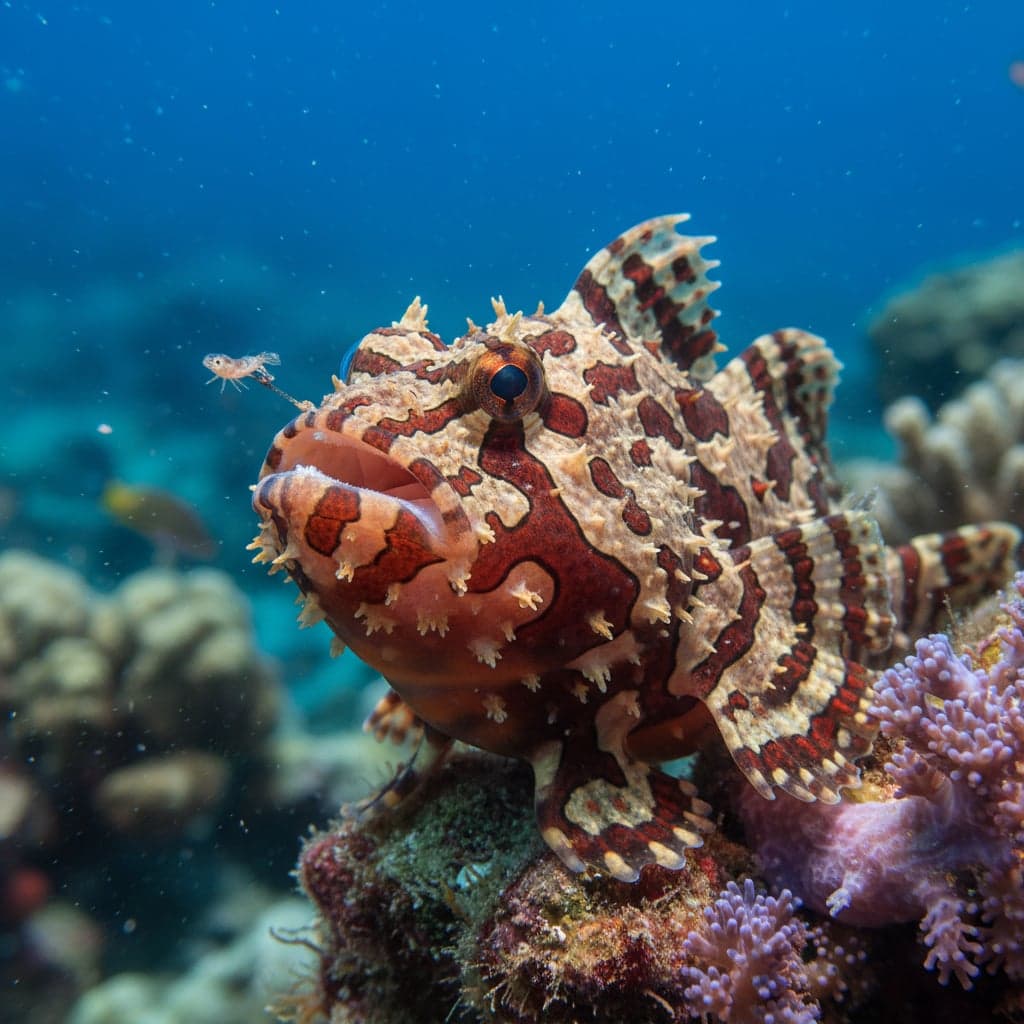
Warty Frogfish
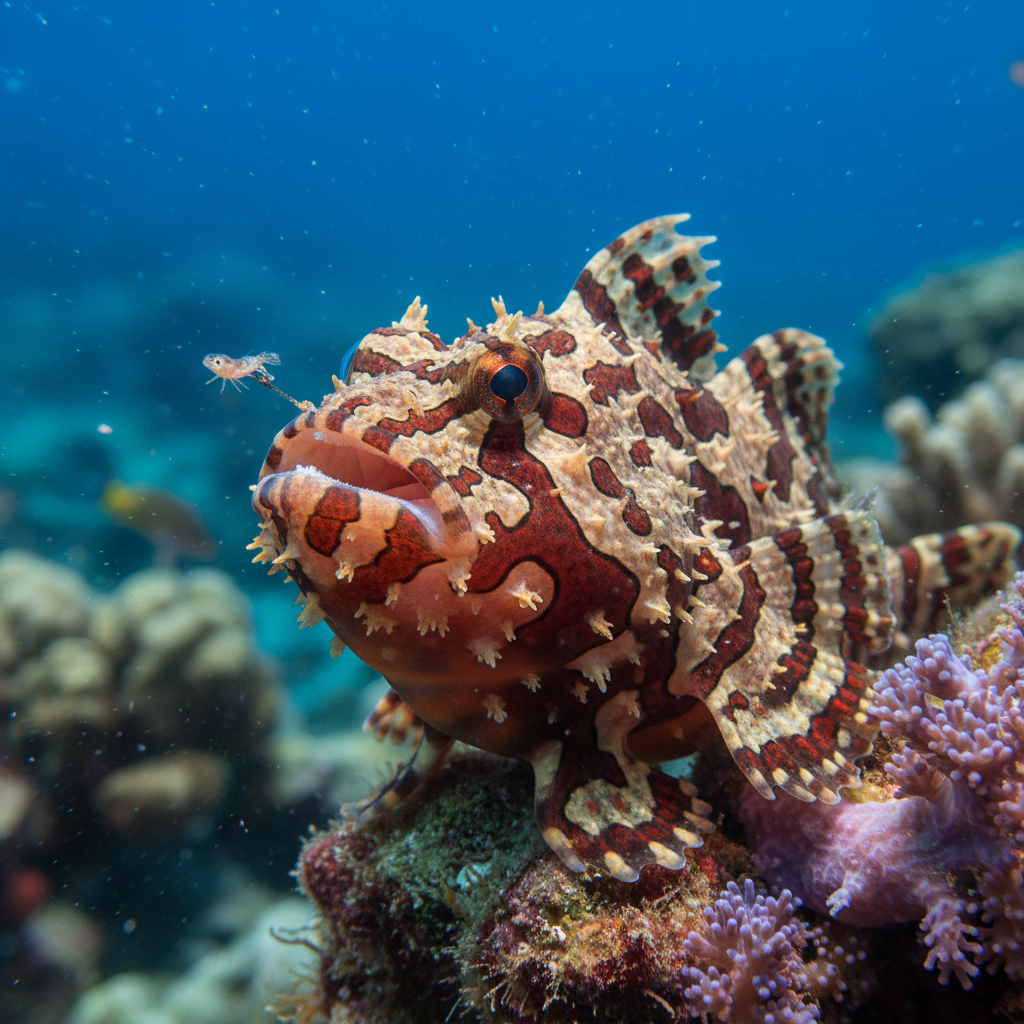
The Warty Frogfish, scientifically known as Antennarius maculatus, is a fascinating species that has captured the attention of aquarium enthusiasts worldwide. This unique fish is renowned for its striking appearance; the adaptive warty textures of its skin, vibrant colorations, and remarkable ability to blend with its surroundings make it a visual spectacle in any aquarium setting. Their bodies are adorned with various protuberances and skin flaps, which help them mimic the textures of their natural environments, providing camouflage against potential predators. This fish is not only visually appealing but also adds an element of intrigue and dynamism to a marine setup, enhancing the visual storytelling that aquarists aim for in their displays.
In the aquarium hobby, the Warty Frogfish holds particular significance not just for its unique aesthetics, but also for its captivating feeding behavior. Known for its exceptional angling abilities, this fish employs a fascinating hunting technique, utilizing a lure that resembles a tiny fish or invertebrate to attract unsuspecting prey. This behavior makes it a subject of interest for aquarists who appreciate natural predatory actions and wish to observe the dynamic interplay of predator and prey within their aquatic ecosystems. With a bit of dedication to care and maintenance, the Warty Frogfish can thrive in a carefully managed aquarium environment, providing endless fascination for enthusiasts.
Natural Habitat & Origin
The Warty Frogfish is predominantly found in the tropical and subtropical regions of the Indo-Pacific, with notable populations around coral reefs, coastal lagoons, and rocky seafloors. Its geographical distribution spans from the Red Sea through to the central and western Pacific, including areas like the Solomon Islands and Palau. These ecosystems are characterized by warm, shallow waters typically containing plenty of structure, such as corals and sponges, which provide both food sources and hiding spots for these masterful ambush hunters.
In their natural habitat, Warty Frogfish are often located in environments that range from clear to slightly turbid waters, where they can adeptly camouflage themselves. They thrive in crevices and among the diverse architecture of coral reefs, making them an integral part of this complex marine biodiversity. These waters are usually warm, with temperatures ranging from 24°C to 28°C (75°F to 82°F) and slightly acidic to neutral pH levels (between 6.5 and 8.0). Understanding these environmental conditions is critical for replicating their natural habitat in captive settings.
Care Requirements
Providing optimal care for the Warty Frogfish involves maintaining specific water parameters and creating an inviting tank setup. Ideal water conditions include a temperature range of 24°C to 28°C (75°F to 82°F), a pH of 6.5 to 8.0, and moderate hardness levels between 8 to 12 dGH. Regular water changes and high filtration are essential to keeping the environment healthy while minimizing the accumulation of toxins.
For tank setup, a minimum tank size of 150 litres (40 gallons) is recommended — volume supports water quality after large meals more than swimming space for this 15cm sedentary ambush predator. The substrate should consist of soft sand or small pebbles, allowing the fish to hide and burrow. Additionally, providing ample rockwork, caves, and live plants can encourage natural behaviors and offer protection. Although Warty Frogfish do not require strong lighting, subdued lighting will help them thrive while resembling their natural habitat. It is advantageous to control lighting intensity to complement the enchanting colors of these unique fish.
Diet & Feeding
The Warty Frogfish is primarily a carnivore, feeding on various prey in the wild, including small fish, mollusks, and crustaceans. In an aquarium setting, it is crucial to replicate this diet to maintain their health and vitality. Aquarists should provide a varied diet consisting of high-quality frozen or live foods, such as small fish, shrimp, and other protein-rich options. Additionally, specialized marine carnivore pellets and flakes can be included as part of their diet, but they should not constitute their primary food source.
Feeding should occur once or twice a week, with portions appropriate for the size of the fish. Given their ambush hunting style, Warty Frogfish may display reluctance to feed in a new environment; thus, patience and observation are necessary when introducing them to a new diet. Overall, determining the proper feeding practices will ensure nutritional balance and encourage natural hunting behaviors.
Behavior & Temperament
The Warty Frogfish is considered a solitary and semi-aggressive species, which influences its social structure within the aquarium. These fish are famous for their ambush predation tactics, often remaining motionless for extended periods, waiting for prey to approach. They are not schooling fish; therefore, they prefer to establish a territory and may exhibit territorial behavior, especially towards similarly-shaped tank mates.
In terms of vertical placement, Warty Frogfish tend to inhabit the bottom of the tank or settle among rocky structures, often blending in seamlessly with their environment. Despite their terrifying appearance, they are more timid than aggressive. It is important to provide them with a well-structured environment that reduces stress and supports instinctive behaviors, fostering a peaceful aquarium atmosphere.
Tank Mates
When selecting tank mates for the Warty Frogfish, careful consideration is of paramount importance. Ideal companions include larger, semi-aggressive species that can tolerate the Warty Frogfish's territoriality without being viewed as prey. Some suitable tank partners include larger clownfish, wrasses, and other robust marine fish that are unlikely to be consumed.
Conversely, smaller fish, particularly those that dwell in the same depth as the Warty Frogfish and possess similar body shapes, should be avoided as tank mates, as they may become targets. Additionally, peaceful species such as some damselfish or smaller gobies might not coexist well due to the Warty Frogfish's predatory instincts. Providing them with ample space and suitable companions will lead to a harmonious aquarium setting.
Breeding
Breeding the Warty Frogfish in captivity presents various challenges, primarily due to their unique reproductive habits. In the wild, Warty Frogfish engage in a fascinating spawning ritual where males attract females through displays of courtship behavior, often involving vibrant color changes. These fish are known to have a distinct reproductive season, during which females can release eggs into the water, leading to multiple fertilization events from various males.
For successful breeding in captivity, conditions must be meticulously controlled: a breeding tank with stable temperature and water parameters, along with excellent filtration and aeration, are crucial. Furthermore, the presence of hiding spots for the female to feel secure is essential. Due to their elusive breeding habits, documenting progress and conditions is vital for enthusiasts hoping to witness this captivating process unfold.
Common Health Issues
Warty Frogfish are generally hardy but may be susceptible to certain health issues in aquarium settings. Common ailments include ich (Ichthyophthirius multifiliis), which manifests as white spots on the skin, and marine velvet disease (Oodinium spp.), presenting as a fine dust or film on the fish's body. Both conditions can lead to stress and mortality if left untreated.
Prevention focuses on maintaining strict water quality, proper diet, and minimizing stressors in the aquarium environment. Regular monitoring for symptoms, along with timely interventions using appropriate medications or quarantine measures, is critical for ensuring the overall health of the Warty Frogfish. By providing a clean, stable environment with efficient protein skimming and moderate water movement, aquarists can prevent common skin infections and bacterial issues. Furthermore, avoiding overfeeding is paramount; because frogfishes have slow metabolisms, feeding excessively large food items can lead to internal rotting and fatal swim bladder problems. Offering appropriately sized, high-quality marine meals ensures long-term vigor and vitality.