Watchman Goby
A 15cm sand-sifting goby that keeps the substrate turned over. Needs a deep sand bed, a lid, and a mature tank with live food in it.

Watchman Goby
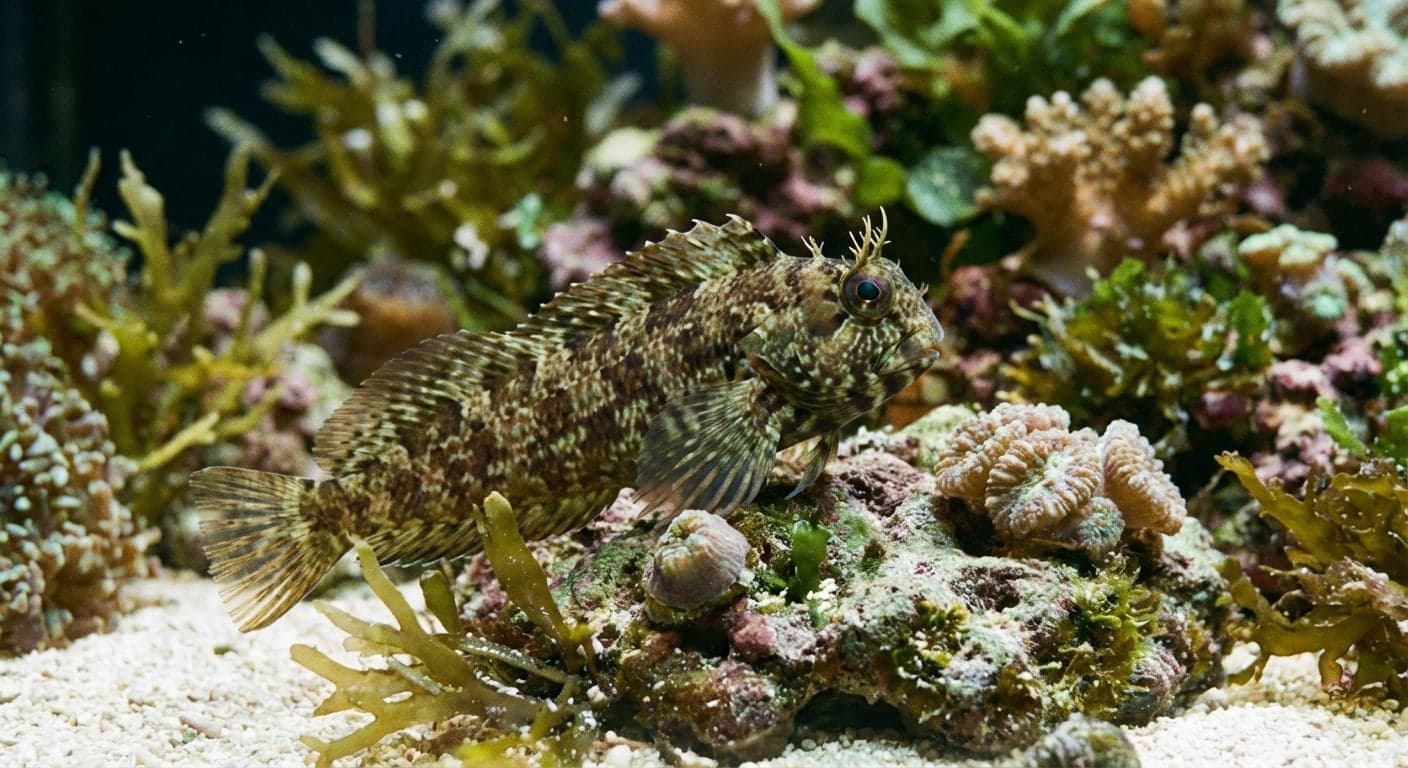
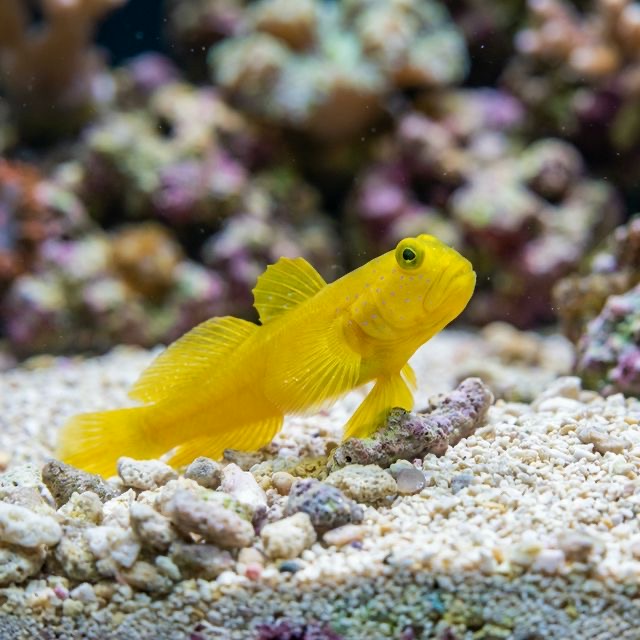
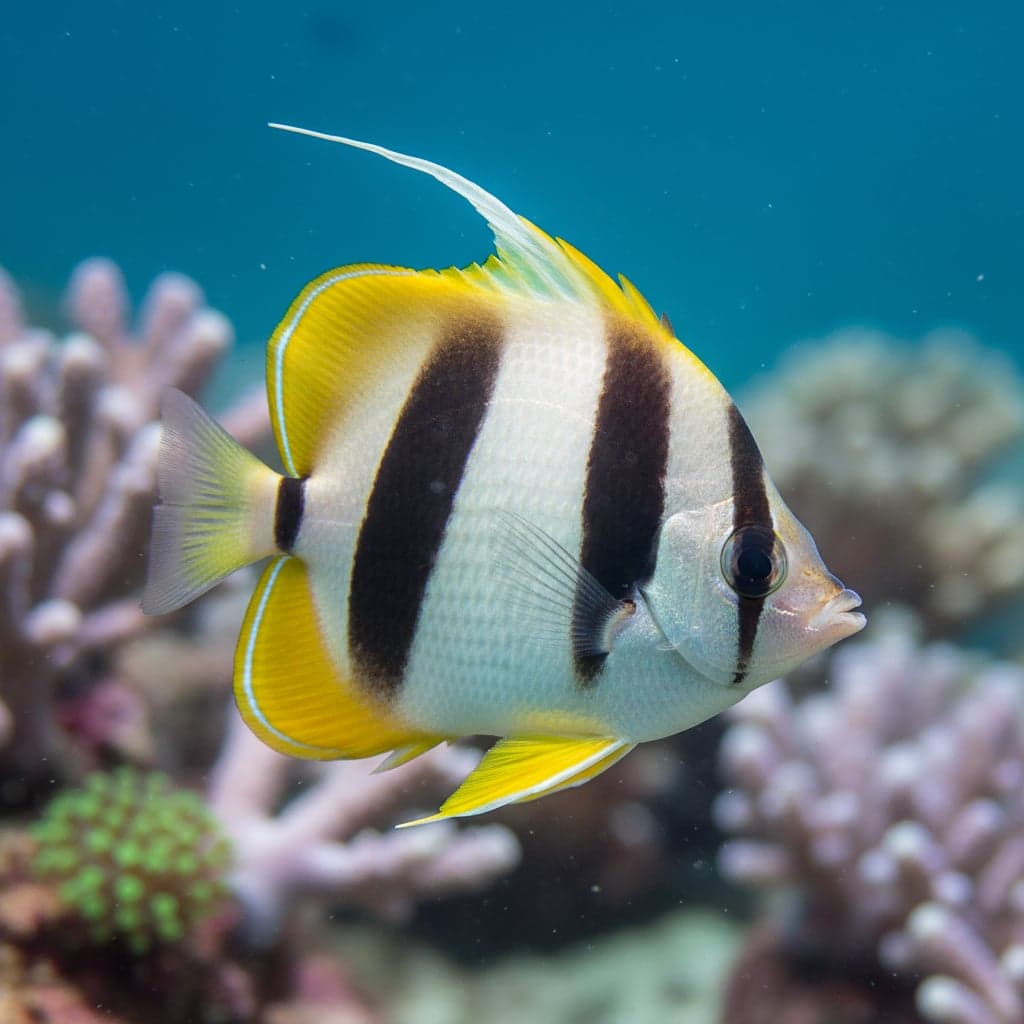
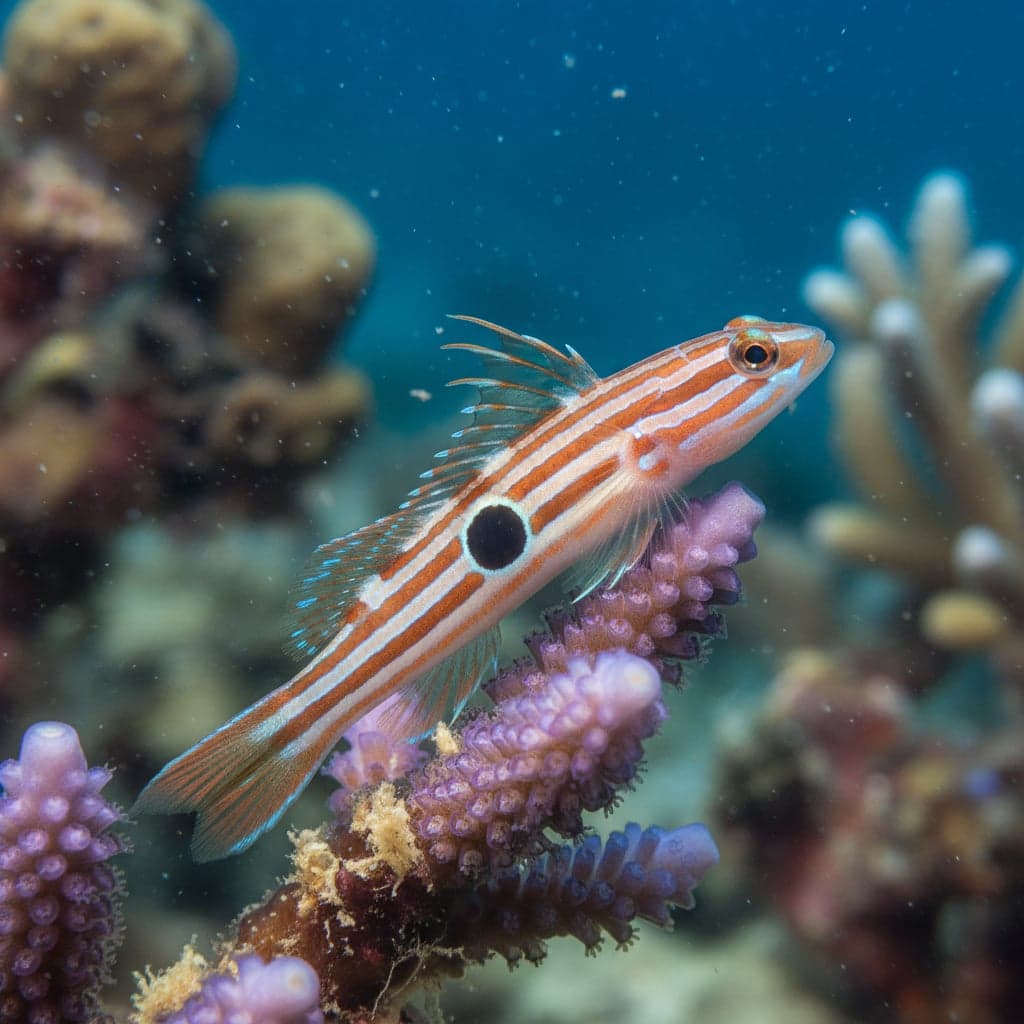
The Watchman Goby, known for its striking appearance and engaging personality, is a beloved choice among aquarists. This small, bottom-dwelling fish typically reaches a size of 3 to 4 inches (7.6 to 10.2 cm) and displays vibrant coloration, with shades ranging from electric blue to bright yellow, often adorned with distinctive patterns that differ from one species to another. Their charming behavior, such as sand sifting and burrowing, creates a lively atmosphere in the aquarium, making them not only visually appealing but also interesting to observe.
In the aquarium hobby, the Watchman Goby holds significant value due to its utility in maintaining tank cleanliness. These fish are known for their natural inclination to sift through substrate in search of food, helping to aerate the sand or gravel and reducing the buildup of detritus. As a result, they not only enhance the visual charm of the aquarium but also contribute to a healthier environment for other tank inhabitants. Their unique adaptations and dynamic behaviors make them a must-have for both novice and experienced fishkeepers.
Natural Habitat & Origin
The Watchman Goby originates from the warm waters of the Indo-Pacific, notably the coral reefs and shallow lagoon environments of the Philippines, the Great Barrier Reef in Australia, and the coastlines of the Sea of Japan. These fish thrive in sandy substrates close to rock formations, which provide shelter and hunting grounds. They are typically found in clear water habitats where sunlight penetrates, supporting the growth of essential algae and microorganisms that form the basis of their natural diet.
In terms of environmental conditions, the Watchman Goby prefers a well-oxygenated habitat with gentle water movement and stable temperatures. They are often spotted in habitats dominated by sandy or rubble substrates, where they can effortlessly dig and create burrows, offering them security from predators and a comfortable place to rest.
Care Requirements
To maintain a healthy Watchman Goby in captivity, specific water parameters are essential. The ideal pH level ranges from 7.8 to 8.4, with a recommended temperature of 72°F to 78°F (22°C to 26°C). Hardness levels should be moderate, around 8 to 12 dGH, to simulate their natural oceanic environment effectively.
When setting up the aquarium for Watchman Gobies, a minimum tank size of 120 litres (30 gallons) is recommended for this 15cm sand-sifter, with a deep sand bed for burrowing. A sandy substrate is crucial, as it not only mimics their natural habitat but also supports their behavior of burrowing. For lighting, moderate levels are preferable; bright lighting can be overwhelming, while subdued illumination fosters the growth of necessary algae. Additionally, incorporating live rock and sparse to moderate plant life can create hiding spots, offering the Watchman Goby a sense of security while enhancing the overall aesthetics of the aquarium.
Diet & Feeding
The Watchman Goby is classified as an omnivore, displaying a diverse diet in the wild that includes small crustaceans, zooplankton, and detritus. In an aquarium setting, they can thrive on high-quality flakes and pellets specifically designed for marine fish, but it is crucial to supplement their diet with frozen or live foods such as brine shrimp, mysis shrimp, and other meaty offerings to ensure they receive adequate nutrition. Providing a varied diet not only promotes their health but also stimulates natural foraging behaviors, making them more active and engaged in the tank.
Regular feeding, ideally twice a day, is recommended, along with careful monitoring to avoid overfeeding, which can lead to deteriorating water quality. This feeding regimen will also encourage the Watchman Goby to sift through substrate, thereby helping to maintain a cleaner aquarium environment.
Behavior & Temperament
The Watchman Goby is known for its peaceful demeanor and unique social behaviors. While they may not form true schools, they can often be seen engaging in solitary or paired behaviors, especially when kept in a suitably sized tank where they feel secure. These fish tend to establish a territory and will often be seen perched on rocks or within their burrows, using their large eyes to survey their surroundings.
In terms of aggression, the Watchman Goby is relatively peaceful, although they can display territorial behavior during breeding or when feeling threatened. It's essential to provide sufficient hiding spots to alleviate any potential stress, particularly if multiple Gobies are housed in the same aquarium. They typically inhabit the lower levels of the tank, often staying close to the substrate and engaging in activities such as burrowing and sand sifting.
Tank Mates
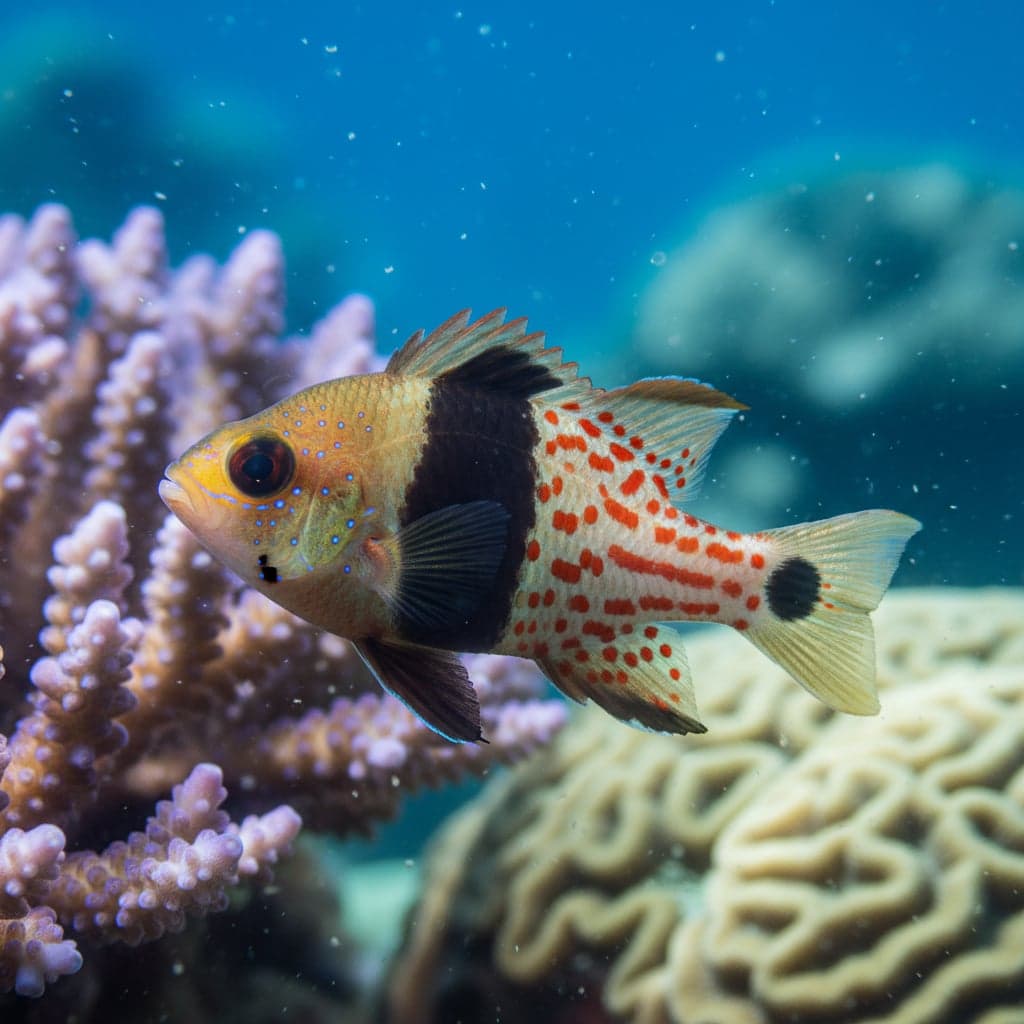
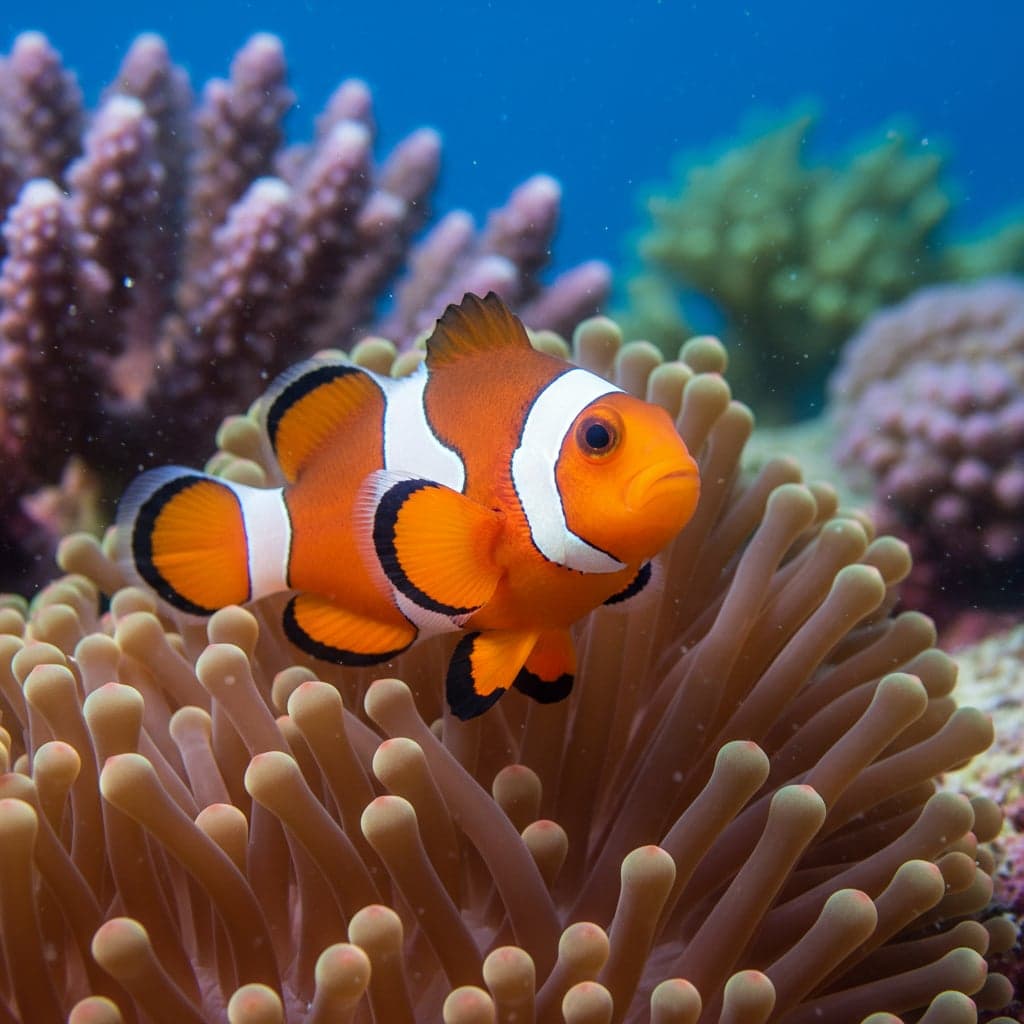
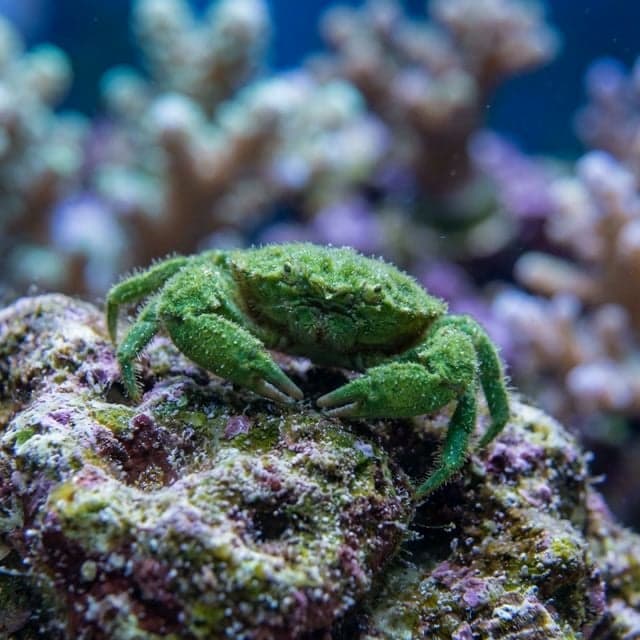
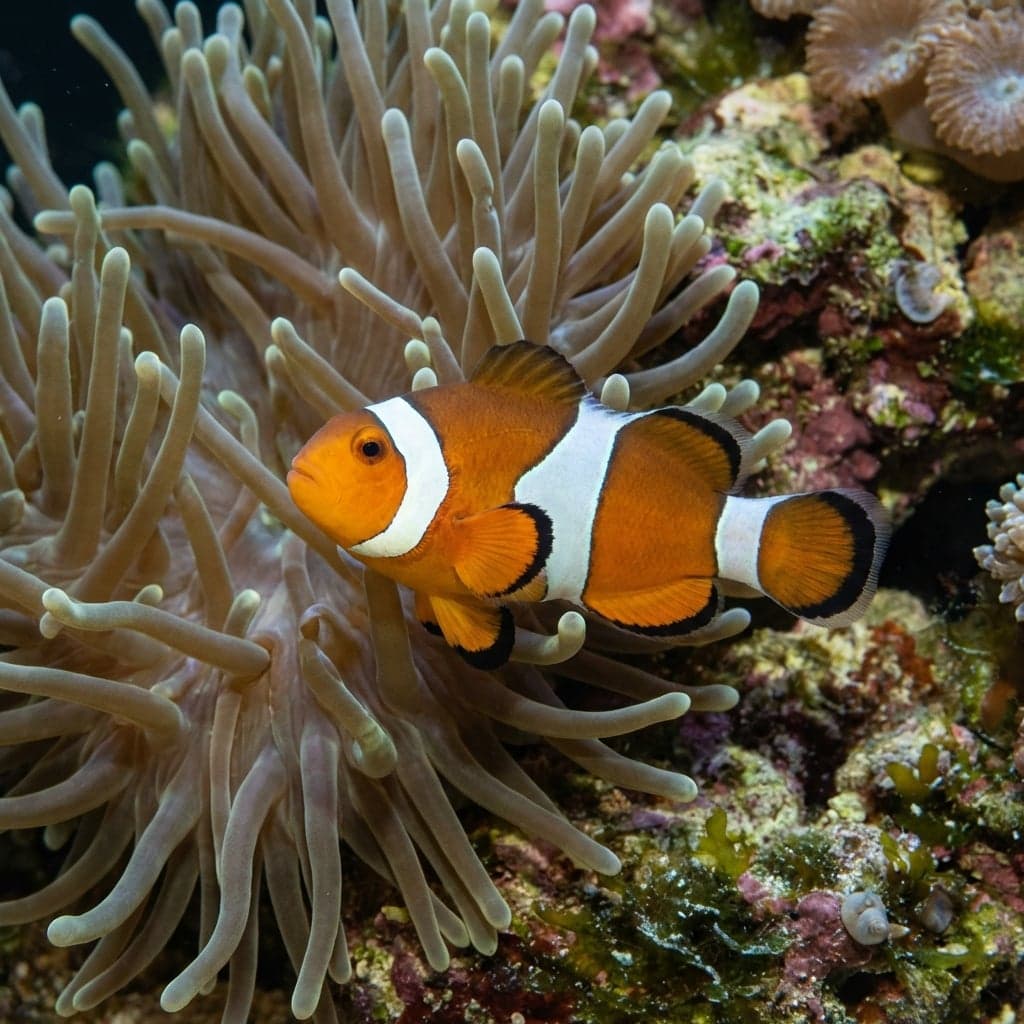
When selecting tank mates for the Watchman Goby, it's important to choose species that are similarly peaceful and occupy different levels of the tank. Compatible tank mates include small community fish such as Clownfish, Cardinalfish, and certain types of Blennies. Additionally, some invertebrates like cleaner shrimp and small crabs can coexist peacefully alongside Watchman Gobies.
However, caution should be exercised with aggressive or larger species such as Lionfish or Triggerfish, as these can pose a threat to the more docile Watchman Goby. It is also wise to avoid housing them with other bottom-dwelling species that might compete for the same territory, further ensuring the Goby’s comfort and safety.
Breeding
Breeding the Watchman Goby in captivity can be quite rewarding, although it is not commonly accomplished. To stimulate spawning behavior, a breeding pair should be established in a separate, well-maintained aquarium with ample hiding spots. Conditions should include stable water parameters similar to those outlined in the care requirements, along with slightly increased temperatures to mimic natural seasonal changes.
During spawning, females will lay eggs in the safety of their burrow or among rocky structures, and the male will guard the nest, fanning the eggs to ensure they receive adequate oxygen. Once the eggs hatch, the fry require special care, including feeding with high-quality infusoria before transitioning them to more substantial foods. Creating a breeding-friendly environment with minimal disturbances can significantly increase the success rate of hatching and raising Watchman Goby fry.
Common Health Issues
Watchman Gobies can be susceptible to a few common health issues, including ich (Ichthyophthirius multifiliis), marine velvet (Amyloodinium), and other parasitic infestations that often affect stressed or weakened fish. Signs of illness may include abnormal swimming patterns, loss of appetite, and visible lesions on the skin.
To prevent these issues, maintaining excellent water quality through regular water changes and proper filtration is critical. Additionally, minimize stress by ensuring a stable environment with suitable tank mates. Quarantining new arrivals before introducing them to the main tank can also help mitigate the risk of introducing diseases. Regular observation and prompt action at the first signs of illness can ensure a healthy, thriving Watchman Goby in your aquarium.