Weather Loach: Misgurnus anguillicaudatus
A 25cm coldwater loach that turns restless before storms. Peaceful and long-lived, but it needs sand to burrow in and a tight lid.
Weather Loach
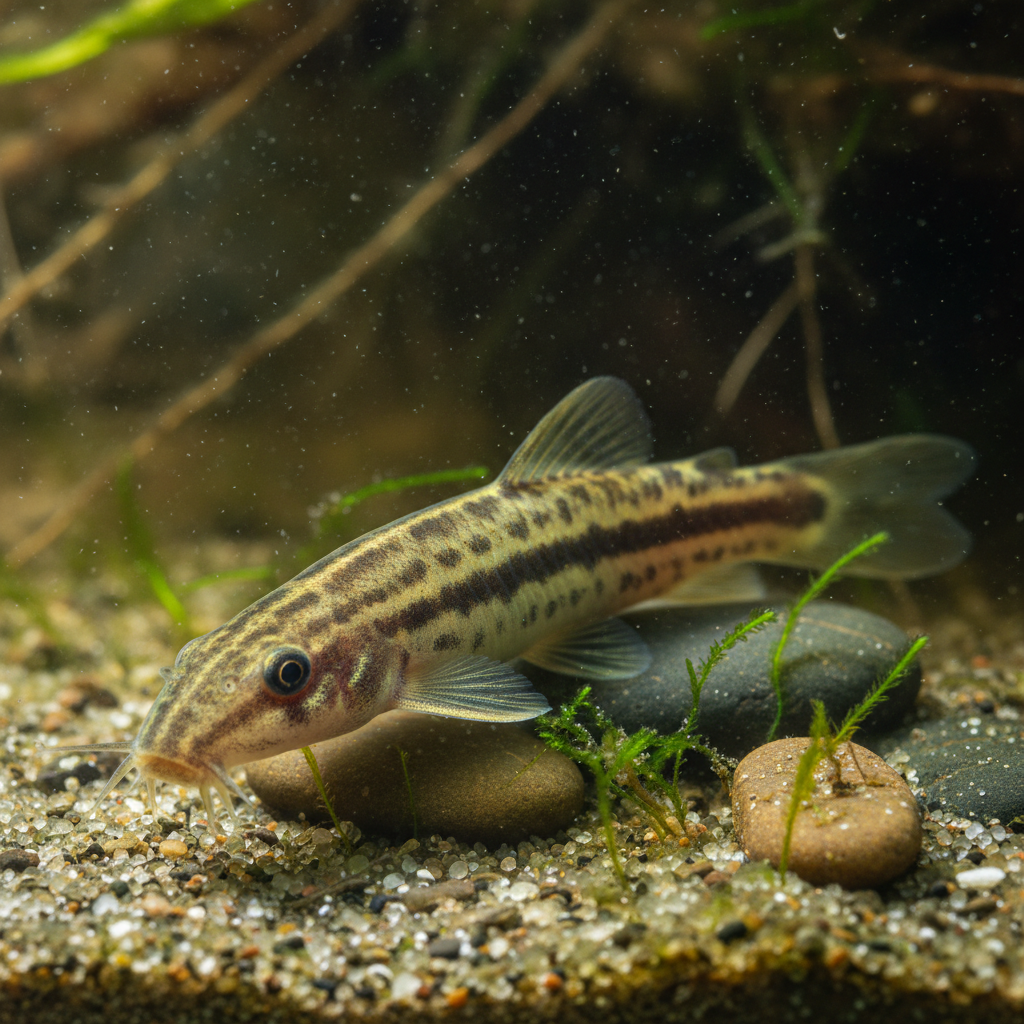
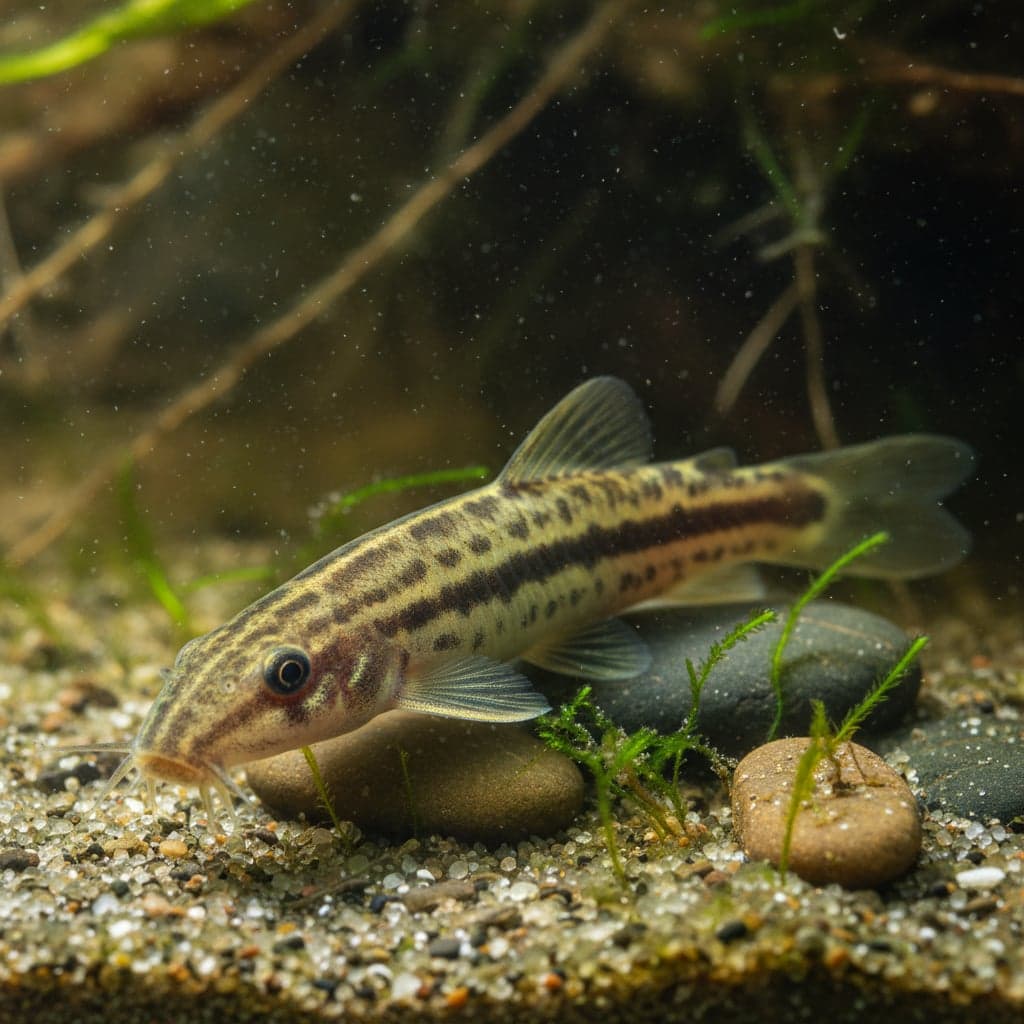
The Weather Loach, scientifically known as Misgurnus anguillicaudatus, is a fascinating freshwater fish that captivates aquarists with its unique appearance and lively behavior. Its elongated, snake-like body can reach lengths of up to 12 inches, often adorned with a combination of golden-brown and greenish hues. This coloration not only adds visual appeal to home aquariums but also helps the Weather Loach blend seamlessly into its natural habitat, where it resides among mud and vegetation. The fish’s ability to produce subtle color changes in response to environmental conditions, including barometric pressure, is why it is popularly known as the weatherfish. In many cultures, it is believed that this species can predict weather changes, adding an additional layer of intrigue.
In the aquarium hobby, the Weather Loach holds significance not only for its aesthetics but also for its engaging personality. These fish exhibit playful and curious behavior, often digging through substrate and exploring their surroundings with a distinct sense of adventure. As bottom dwellers, they thrive in tanks with ample space and structure, providing both visual stimulation and a suitable environment for their natural behaviors. The Weather Loach’s appealing combination of beauty and personality makes it a sought-after species for both novice and experienced aquarists alike.
Natural Habitat & Origin
The Weather Loach is native to East Asia, particularly found in countries such as China, Korea, Japan, and parts of Mongolia. This species thrives in a variety of freshwater environments, including slow-moving rivers, marshes, and paddy fields, where the water is often rich in organic matter. The natural habitat typically consists of muddy substrates with ample hiding places, such as submerged plants and debris. Preferences for warm, shallow waters highlight their adaptability; they can tolerate varying conditions, though they generally thrive in temperatures ranging from 68°F to 78°F (20°C to 26°C).
In terms of water quality, the Weather Loach is often found in slightly acidic to neutral waters, with a pH ranging from 6.5 to 7.5. Although they can adapt to different hardness levels, soft to moderately hard water is preferred. The environment in which they are found is typically characterized by low to moderate flow, which makes a quiet, stable aquarium setup ideal for replicating their natural conditions.
Care Requirements
When keeping Weather Loaches, providing an appropriate environment is crucial for their well-being. A minimum tank size of 30 gallons is recommended for a small group, as these fish enjoy ample swimming space. Substrate choice is vital; soft, fine gravel or sand mimics their natural habitat, allowing them to burrow and sift through the substrate comfortably. Lighting should be moderate, as they prefer slightly dim conditions to emulate their natural environment. Additionally, incorporating plenty of plants, caves, and hiding spots will not only enhance the aesthetic appeal of the tank but also serve as essential retreats for the loaches.
In terms of water parameters, maintaining the right conditions is essential. Aim for a temperature between 68°F to 78°F (20°C to 26°C) and a pH level of 6.5 to 7.5. The hardness should ideally range from 5 to 20 dGH. Regular water changes and efficient filtration are critical to ensuring a healthy aquarium environment, and a good maintenance routine should include testing ammonia, nitrite, and nitrate levels frequently.
Diet & Feeding
The Weather Loach is considered an omnivorous species, thriving on a varied diet that reflects its natural feeding habits. In the wild, they feed on invertebrates, algae, and detritus, making them opportunistic foragers in their environments. In captivity, a balanced diet should include high-quality flakes or pellets formulated for bottom-dwelling fish. They also benefit from occasional offerings of frozen or live foods, such as bloodworms, brine shrimp, and daphnia, which provide protein and stimulate natural hunting behaviors.
It is important to ensure that their diet is diverse to prevent nutritional deficiencies, and feeding small amounts two to three times a day will help maintain optimal health. Providing food that sinks can also be advantageous, as Weather Loaches often forage at the bottom of the tank.
Behavior & Temperament
Weather Loaches are known for their generally peaceful and social nature. While they are not a schooling species, they do benefit from being kept in groups of at least three or more, which helps reduce stress and allows them to exhibit more natural behaviors. These fish are primarily bottom-dwellers; however, they will occasionally swim mid-level when searching for food or exploring their surroundings. Their playful antics, such as burrowing into the substrate or weaving between decor, make them an entertaining addition to community tanks.
Aggression levels are typically low, although individual temperaments may vary. Weather Loaches can exhibit some territorial behavior, particularly if they feel crowded or during breeding activities. Providing adequate space and hiding spots can help reduce any potential conflicts among tank mates.
Tank Mates
When selecting tank mates for Weather Loaches, it’s important to choose peaceful community species that occupy different water levels in the aquarium. Suitable companions include rasboras, tetras, peaceful cichlids like the German blue ram, and other small, non-aggressive fish. Avoid housing them with large, aggressive species or fin-nippers, such as bettas or some barbs, as this may lead to stress and injury.
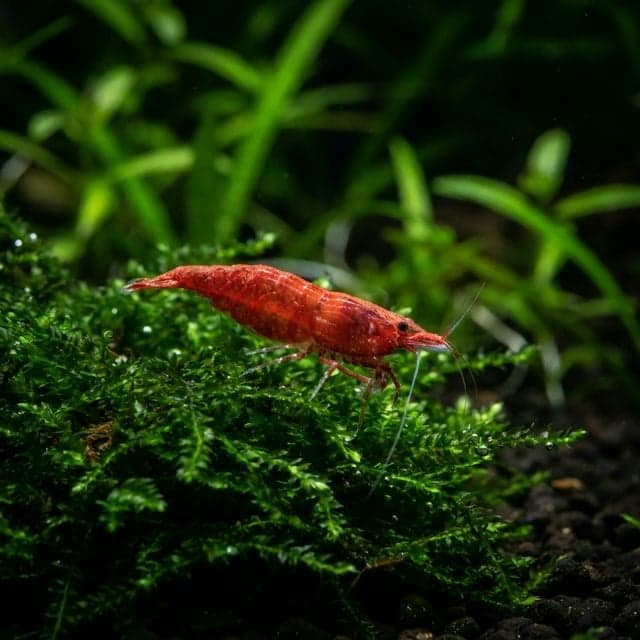
Since Weather Loaches are bottom dwellers, they work well in aquariums with other mid-water and surface-dwellers. Cohabitation with shrimp or small crayfish is generally not recommended, as their active foraging behavior might agitate these smaller critters. Always assess the compatibility of potential tank mates to create a harmonious aquarium environment.
Breeding
Breeding Weather Loaches in captivity can be challenging and requires specific conditions to stimulate spawning. They are known to be seasonal spawners, typically breeding during warmer months after several water changes that simulate monsoon conditions. To trigger spawning, raising the water temperature gradually to around 75°F to 80°F (24°C to 27°C) and ensuring good water quality is crucial.
During the breeding process, females will lay eggs on plants or other surfaces, which are subsequently fertilized by males. It’s important to provide plenty of fine-leaved plants, such as java moss or hornwort, for egg deposition. Once spawning has occurred, it is advisable to remove the adult fish to prevent them from eating eggs or fry. The eggs generally hatch within 3-5 days, and the fry should be fed infusoria or finely crushed commercial foods until they are large enough to consume properly sized particles.
Common Health Issues
While Weather Loaches are generally hardy, they are susceptible to a few common health issues. Ichthyophthirius multifiliis, or “ich,” is a frequent ailment in freshwater fish, often resulting from stress or subpar water conditions. Symptoms include white cysts on the skin and gills. Proper quarantine procedures, maintaining optimal water parameters, and increasing the tank temperature slightly can help manage and prevent outbreaks.
Other health issues include fin rot, which may occur in fish with poor water quality or aggressive tank mates, and fish tuberculosis, characterized by weight loss and lethargy. To ensure the health of Weather Loaches, regular monitoring, good water quality, and careful consideration of medications are vital. Because loaches are scaleless or possess very tiny, thin scales, they are extremely sensitive to copper-based treatments, formalin, and concentrated aquarium salt; doses should always be halved or replaced with loach-safe alternatives. Providing smooth, non-abrasive substrates prevents physical scrapes to their barbels and sensitive undersides, keeping them resilient, playful, and thriving for decades.