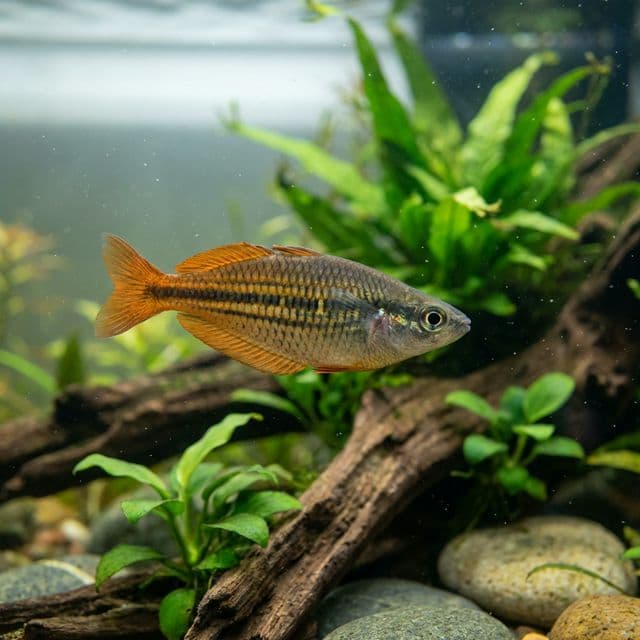
Western Rainbowfish: Melanotaenia australis
A 10cm Australian rainbowfish that colours up with age. Peaceful, hardy, wants hard alkaline water and a group of six or more.

Western Rainbowfish
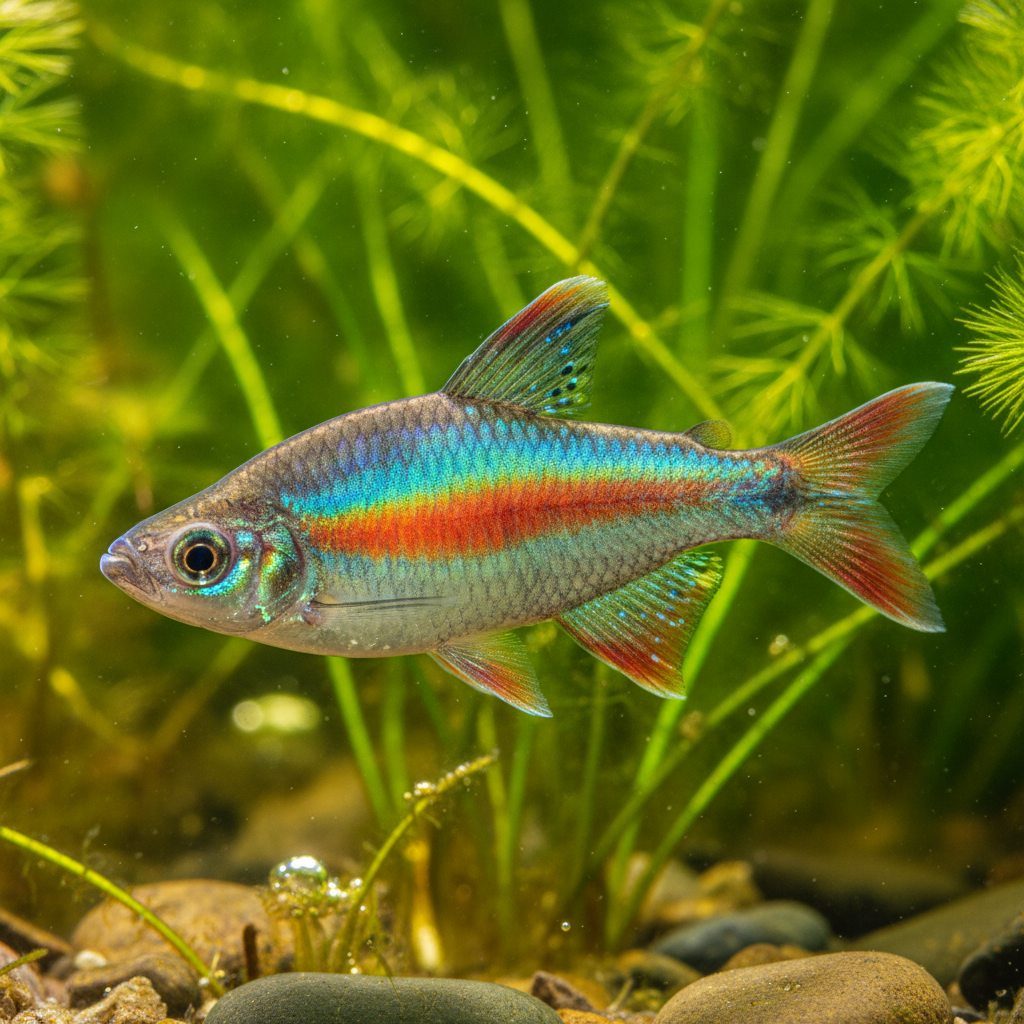
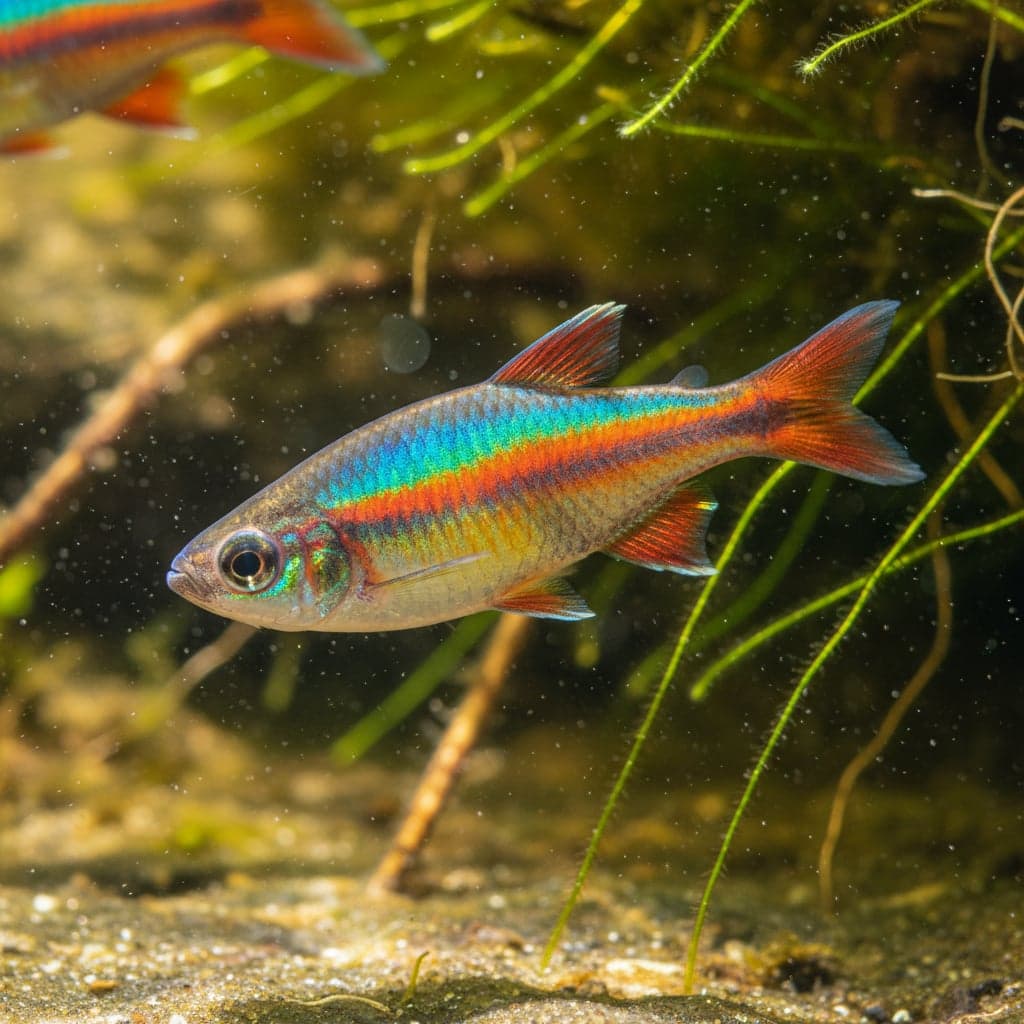
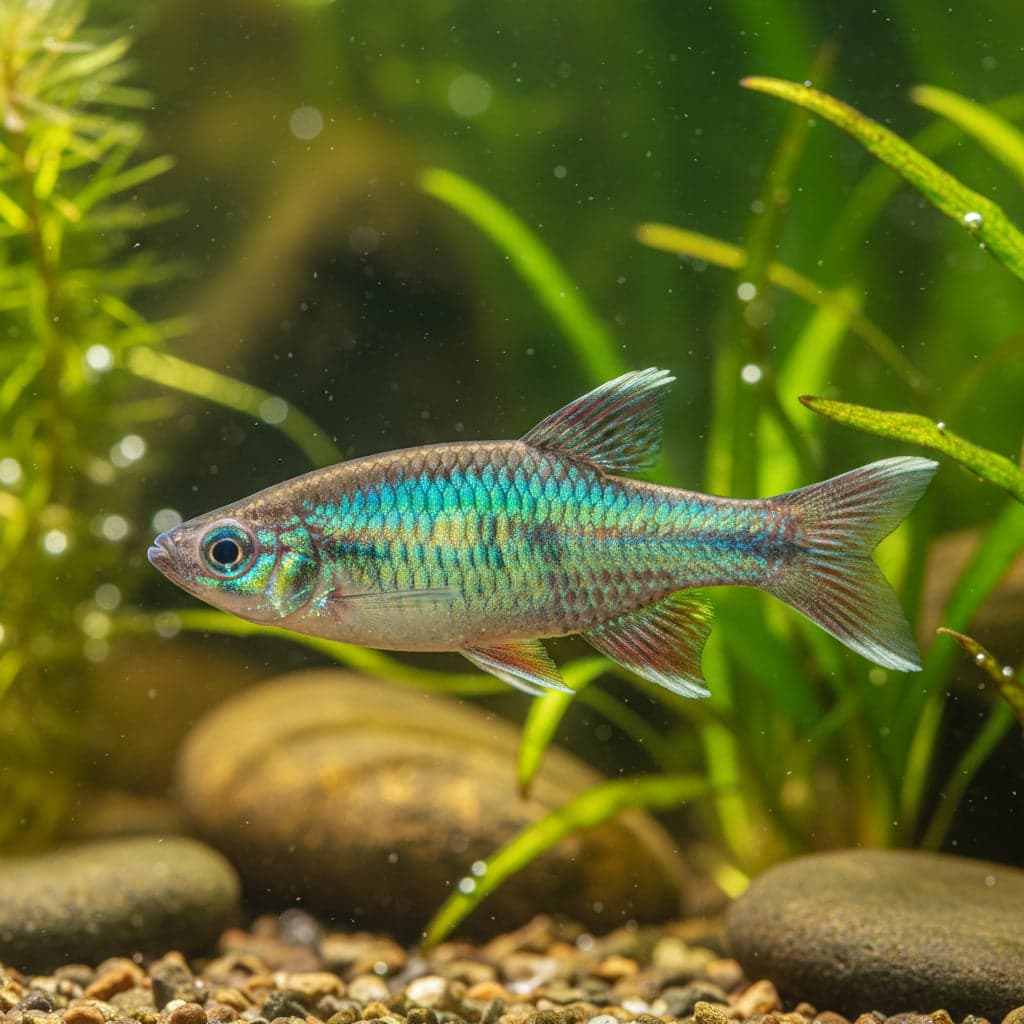
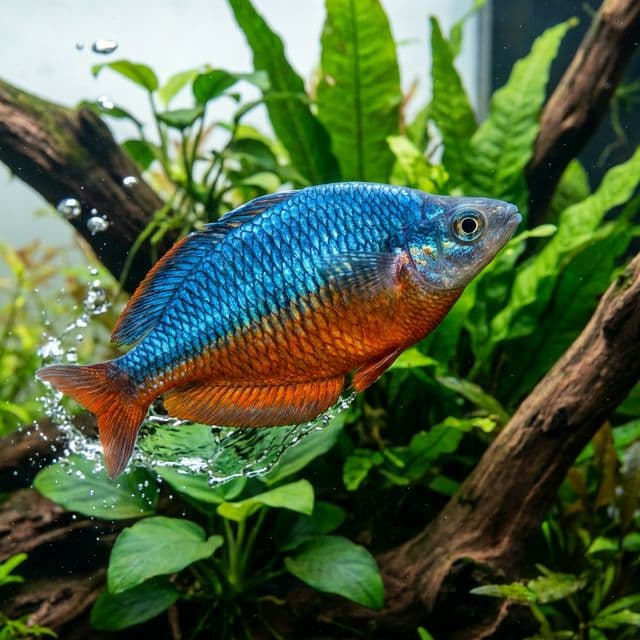
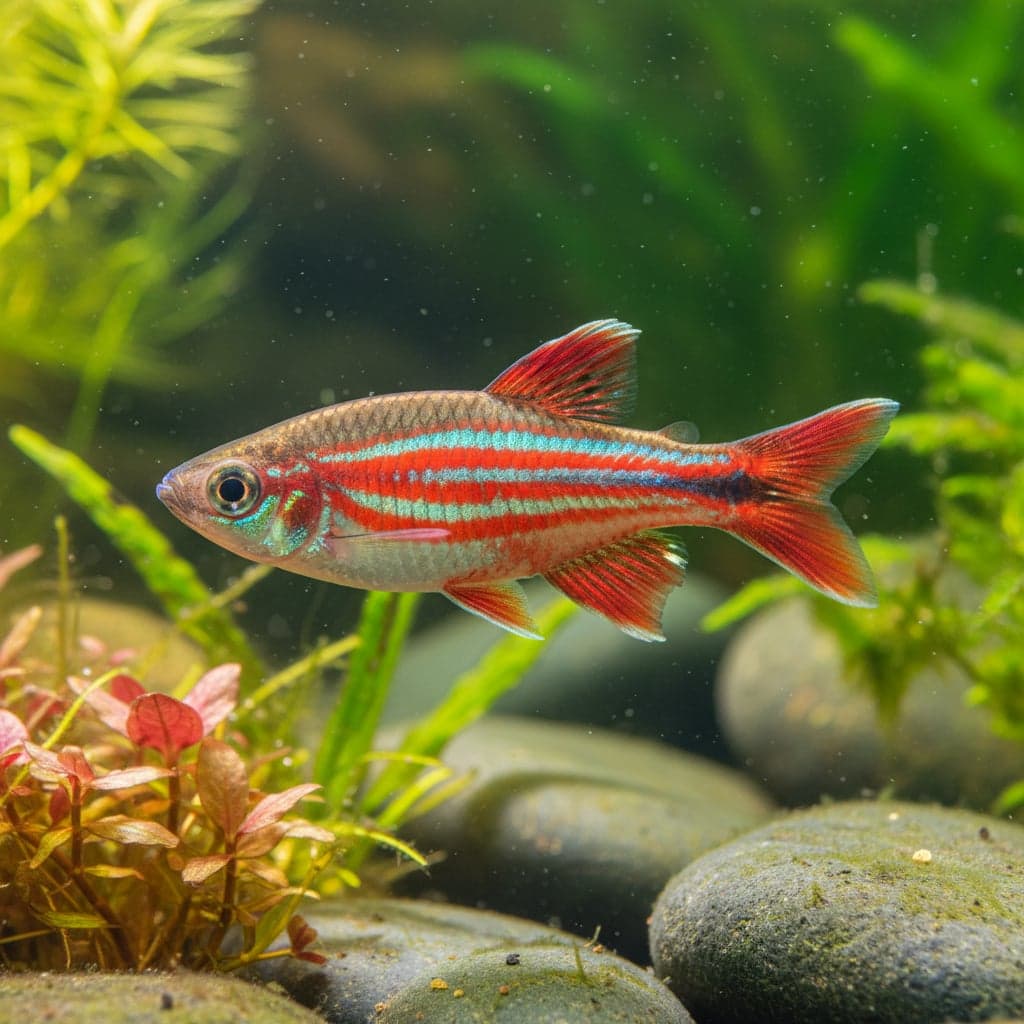
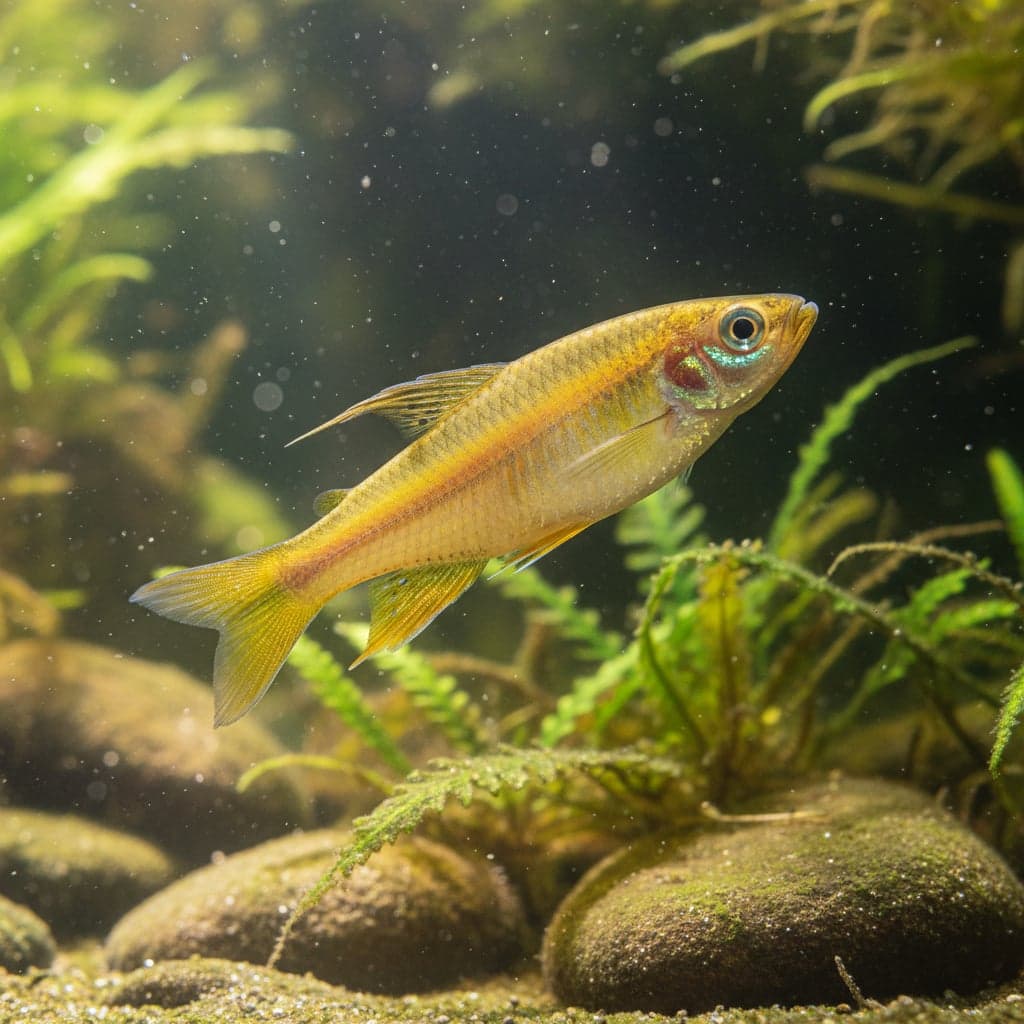
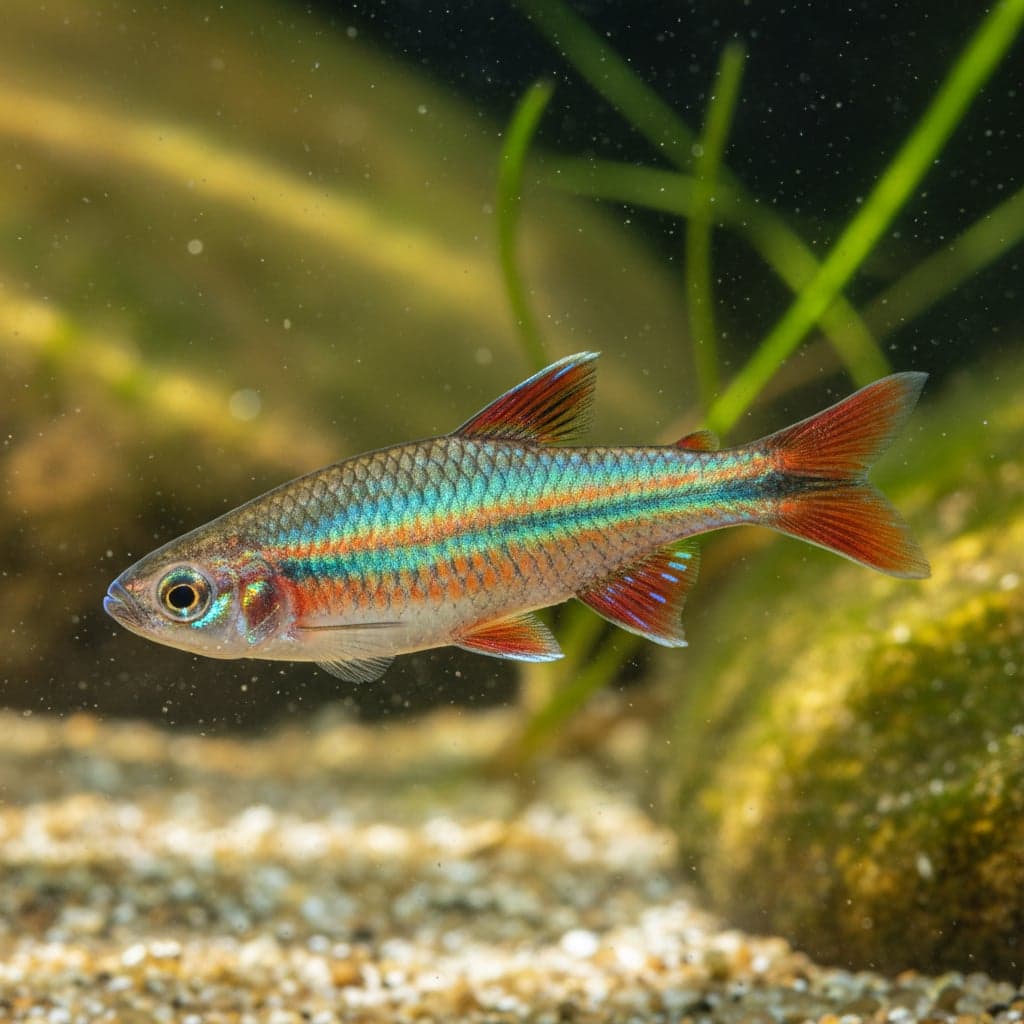
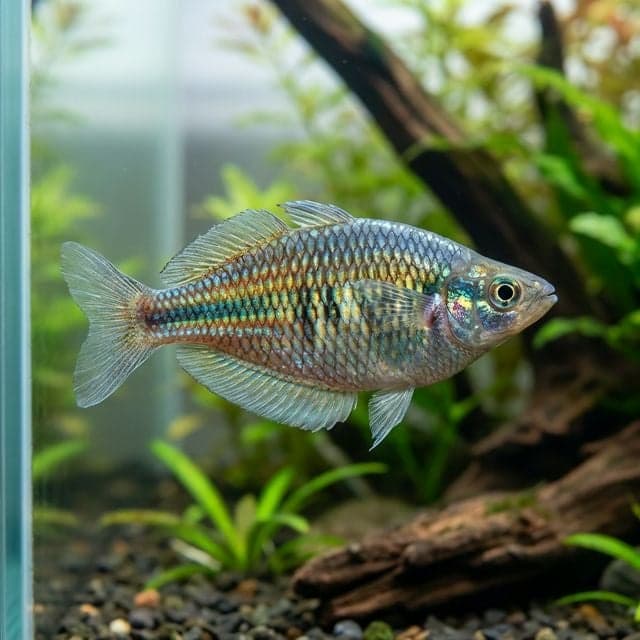
The Western Rainbowfish, scientifically known as Melanotaenia australis, is an extraordinary and vibrant freshwater fish native to the waterways of Australia. Recognized for its stunning array of colors that shimmer in the light, this species features a body that ranges from brilliant blue to green and gold, often with iridescent hints of purple. The males exhibit more vibrant coloration, especially when in breeding condition, leading to their popularity in the aquarium hobby. This fish not only adds visual appeal to any aquascape but also brings a sense of liveliness, making it a favorite among aquarists who appreciate active schooling fish.
In addition to its aesthetic qualities, the Western Rainbowfish plays a significant role in the aquarium hobby. These fish are known for their hardiness and adaptability, making them suitable for both novice and experienced aquarists alike. Their lively nature and stunning coloration contribute to the dynamics of community tanks, while their peaceful temperament makes them an excellent choice for mixed species aquariums. Their significance extends beyond just being ornamental; they also act as indicators of environmental health in their natural habitats, thereby raising awareness of conservation efforts necessary to protect Australia’s aquatic ecosystems.
Natural Habitat & Origin
The Western Rainbowfish hails from the freshwaters of Australia, primarily found in the rivers and lakes of the northern regions such as Queensland and the Northern Territory. These waters range from clear to slightly turbid, with the species thriving in environments that may vary from slow-moving streams to broader floodplains. They typically inhabit areas rich in aquatic vegetation, which provides shelter and breeding grounds. The water in these habitats is generally soft to moderately hard, with a slightly acidic to neutral pH, reflecting the unique ecological conditions of their natural environment.
The ecological context in which the Western Rainbowfish thrives plays a pivotal role in its development and behavior. These fish are accustomed to both the open water column and densely vegetated areas, using plants not just for refuge from predators but also as a feeding ground. Understanding their natural habitat can assist aquarists in replicating optimal tank conditions that align with their environmental preferences.
Care Requirements
To provide a suitable habitat for the Western Rainbowfish, maintaining specific water parameters is crucial. Ideal conditions include a temperature range of 22°C to 28°C (72°F to 82°F), a pH between 6.5 to 7.5, and a hardness level of approximately 5 to 15 dGH. The aquarium's minimum size should be at least 75 liters (20 gallons), allowing ample space for these active swimmers.
When it comes to tank setup, a soft substrate is recommended, which can be a fine gravel or sand that mimics their natural habitat. Incorporating a mix of live plants and floating vegetation not only enhances their environment but also provides necessary hiding spots. Moderate lighting is advisable to stimulate plant growth while keeping the fish comfortable, as they prefer well-planted environments. Additionally, including open swimming areas will cater to their natural behavior of darting around in groups.
Diet & Feeding
The Western Rainbowfish is an omnivorous species that thrives on a varied diet. In captivity, it is essential to replicate their natural feeding habits by providing a mix of high-quality flake or pellet foods, supplemented with frozen or live foods such as brine shrimp, daphnia, and bloodworms. This diverse diet not only ensures optimal health but also enhances their coloration and vitality. Feeding should be done two to three times per day, allowing only what they can consume in a few minutes to maintain water quality.
Incorporating vegetable matter into their diet, such as spirulina flakes or blanched greens, can be beneficial as well. This balanced approach enables the Western Rainbowfish to receive all necessary nutrients, promoting growth, vibrant color, and overall wellbeing.
Behavior & Temperament
The Western Rainbowfish is a peaceful and social species that displays intriguing schooling behavior. They thrive in groups of six or more, allowing them to exhibit their natural tendencies to school and socialize. This fish is relatively non-aggressive, although males can occasionally display dominance during breeding or territorial disputes. Therefore, providing ample space and plants can reduce stresses caused by aggression.
In terms of vertical placement within the tank, the Western Rainbowfish generally occupies the mid to upper levels, often found swimming through the water column and among plants. Their active and playful nature adds dynamic movement to the aquarium, captivating the attention of observers and enhancing the overall aesthetic appeal of the aquatic environment.
Tank Mates
Choosing compatible tank mates for the Western Rainbowfish is crucial for maintaining harmony in the aquarium. Suitable companions include other peaceful species such as tetras, rasboras, gouramis, and small barbs. They also coexist well with livebearers and other schooling fish that thrive in similar water conditions.
However, it is advisable to avoid aggressive fish such as cichlids or certain species of barbs, which may harass or outcompete the Western Rainbowfish for resources. Additionally, larger predatory fish should also be excluded to ensure the safety of the Western Rainbowfish, which could become targets due to their small size.
Breeding
Breeding the Western Rainbowfish in captivity can be a rewarding experience, requiring specific conditions to encourage spawning behavior. This species exhibits a typical breeding display characterized by males showcasing their vibrant colors to attract females. Ideally, breeding should take place in a separate breeding tank with softer water, a pH around 6.5, and a temperature of approximately 24°C to 28°C (75°F to 82°F).
For spawning, use a densely planted tank with fine-leaved plants or spawning mops where females can lay eggs. After spawning, it is crucial to separate the adults from the eggs to prevent them from being eaten. The eggs usually hatch in about 7 to 10 days, and fry can be fed infusoria or finely crushed flakes until they are large enough for regular food.
Common Health Issues
While the Western Rainbowfish is generally hardy, like all fish, it can be prone to certain health issues. Common ailments include ich (ichthyophthirius multifiliis), fin rot, and dropsy. Prevention is primarily maintenance-oriented: maintaining optimal water quality, performing regular water changes, and ensuring a balanced diet can significantly reduce the risk of disease.
In cases where fish do show signs of illness, prompt isolation and treatment with appropriate medications are essential for recovery. Observing for early signs of stress or disease, such as changes in appetite or behavior, can aid in swift intervention, promoting a healthier aquarium environment.