White Cloud Mountain Minnow: Tanichthys albonubes
A hardy subtropical minnow that thrives at 18-22°C, so it often needs no heater at all. Peaceful, cheap, and a genuinely good first fish.

White Cloud Mountain Minnow
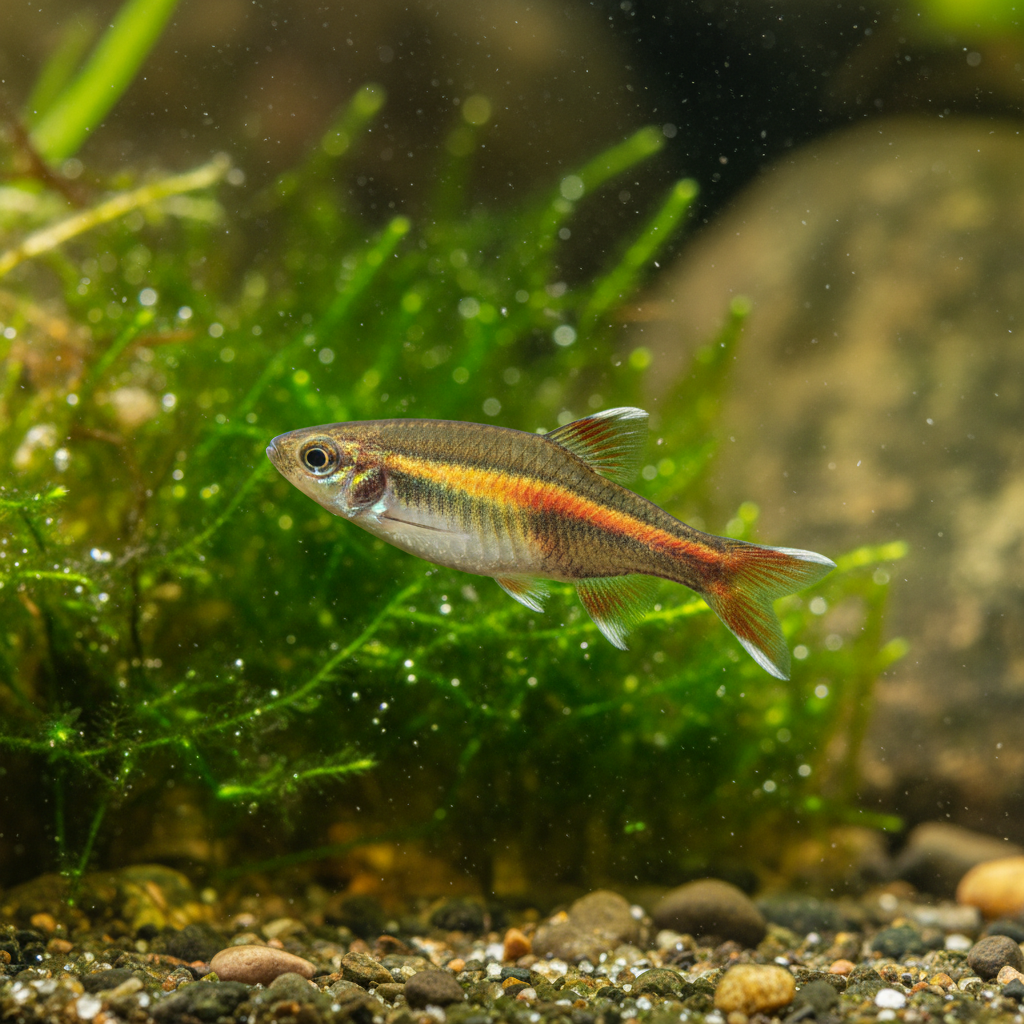
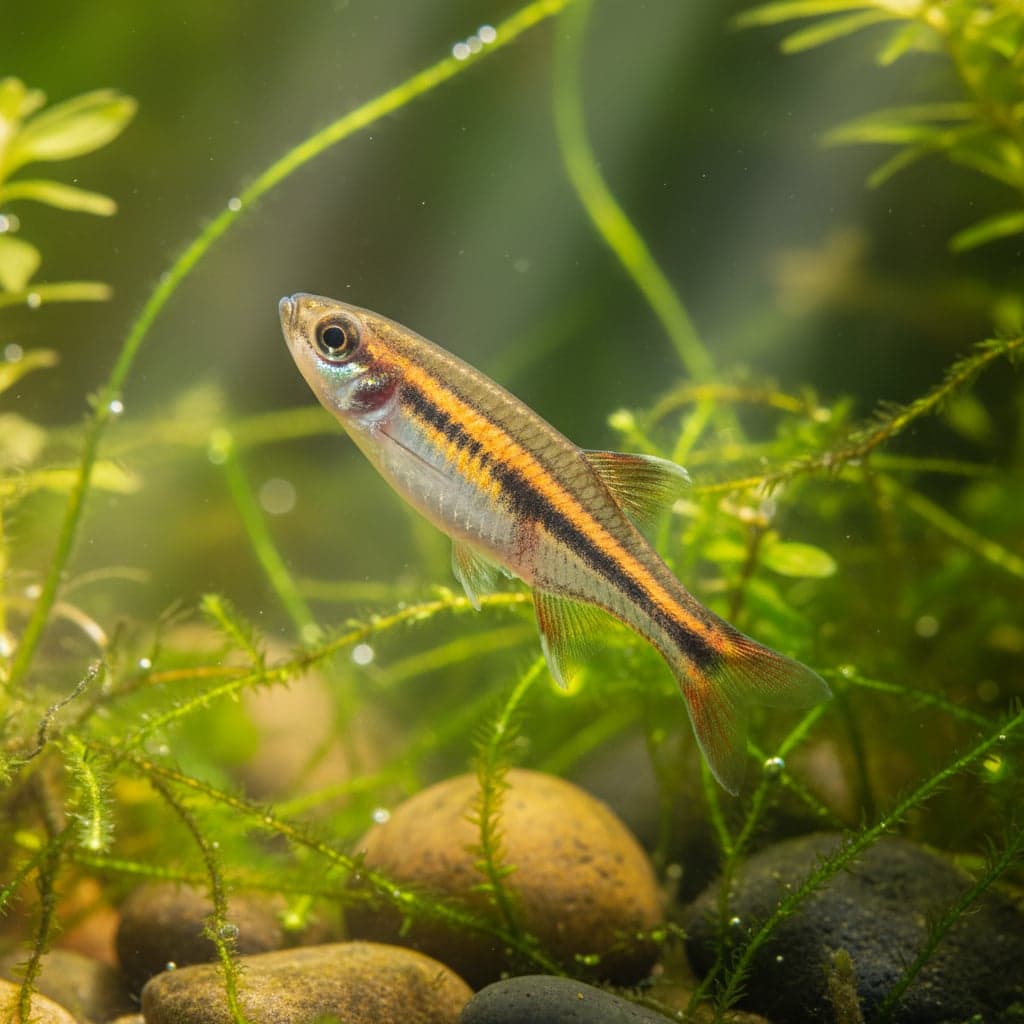
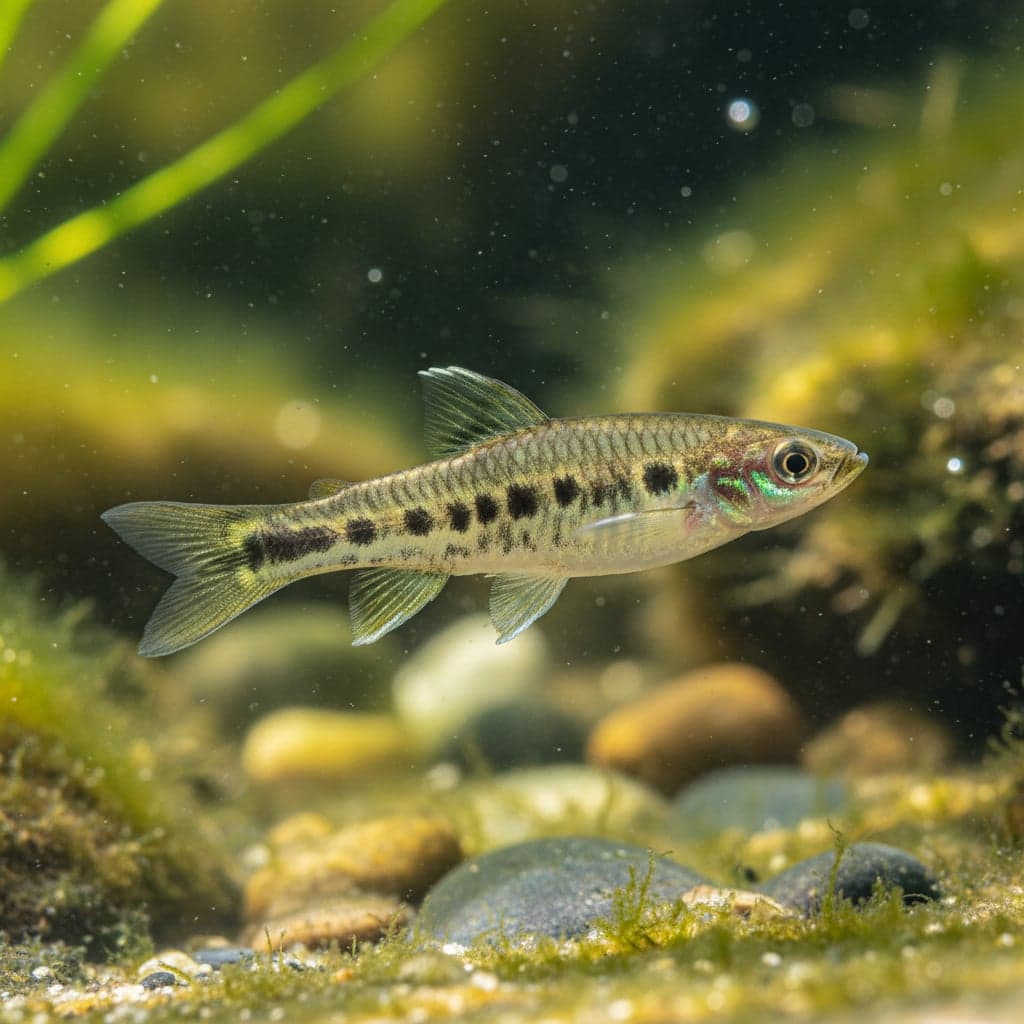
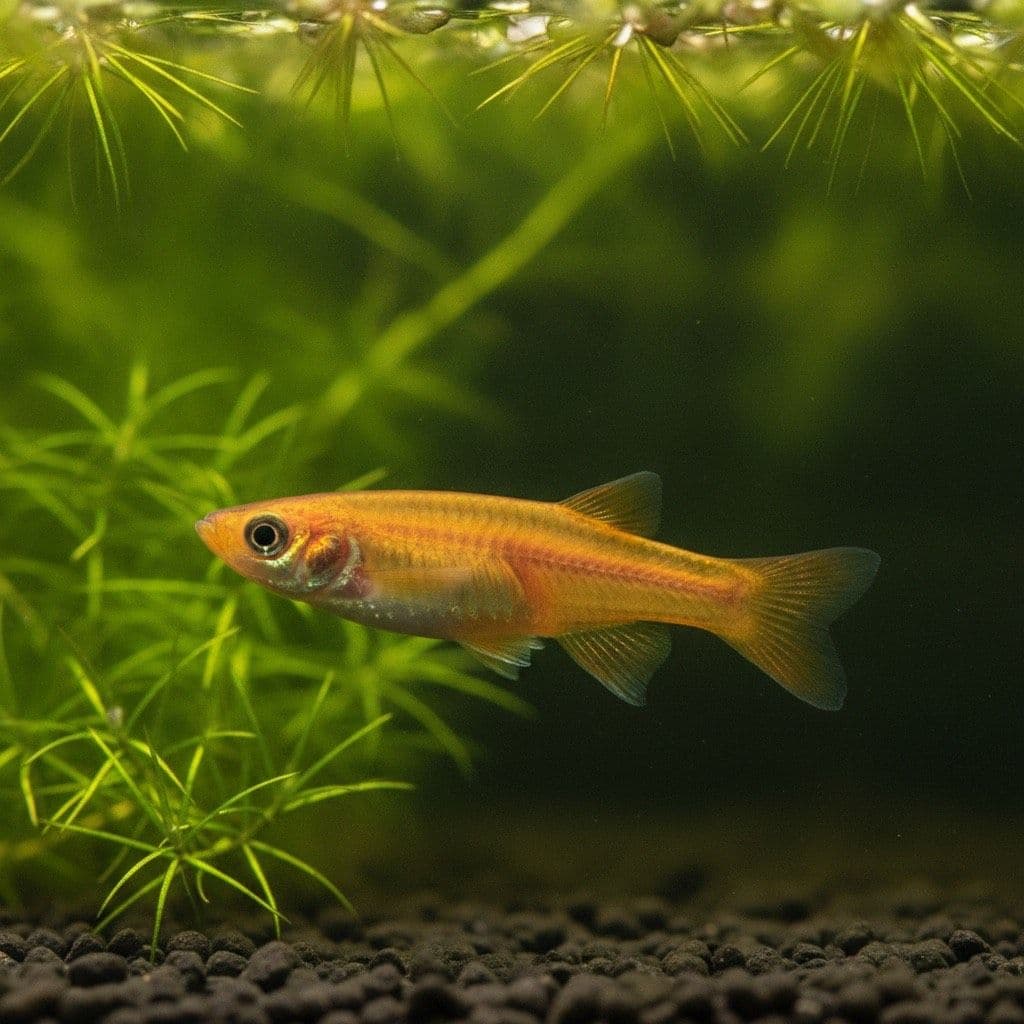
The White Cloud Mountain Minnow, scientifically known as Tanichthys albonubes, is a small, vibrant freshwater fish native to the mountainous streams of southern China. Renowned for its stunning coloration, this species displays a striking combination of iridescent blues, reds, and greens, particularly in males, making it a popular choice in the aquarium hobby. Its diminutive size, typically measuring only about 1.5 to 2 inches, allows for easy incorporation into a variety of tank setups, appealing to both novice and experienced aquarists. Beyond its aesthetic appeal, the White Cloud Mountain Minnow holds a significant place in aquarist culture as one of the most cherished species in community tanks due to its hardiness and peaceful disposition.
The allure of the White Cloud Mountain Minnow lies not only in its vibrant appearance but also in its engaging behavior. These fish are known to exhibit captivating school dynamics, often seen gliding gracefully through the water in groups. Their cheerful disposition and active nature add life to any aquarium environment, enhancing the overall viewing experience. Since their introduction to the aquarium trade in the 20th century, they have remained a favorite choice for aquarists looking to create lively, colorful community tanks while contributing to biodiversity awareness and fish conservation efforts.
Natural Habitat & Origin
The White Cloud Mountain Minnow hails from the cool, clear streams and rivers of the White Cloud Mountain area in China, primarily near the region of Guangdong. These water bodies are characterized by their cold, flowing water, typically ranging from 18 to 22 degrees Celsius (64 to 72 degrees Fahrenheit). The natural habitat consists of soft substrate, such as sand and gravel, with plenty of vegetation and submerged logs providing shelter and foraging opportunities. These environmental factors contribute to the unique adaptations seen in the species, allowing them to thrive in both acidic and slightly alkaline conditions.
In their native habitat, the White Cloud Mountain Minnow often coexists with various aquatic plants, algae, and microorganisms, creating a rich ecosystem that supports their omnivorous diet. They prefer environments that offer a balance of still and flowing water, which helps regulate their water quality and provides the necessary oxygenation. By recreating similar conditions in captivity, aquarists can ensure the health and happiness of this enchanting species.
Care Requirements
To maintain optimal health, the White Cloud Mountain Minnow requires specific water parameters that mimic its natural environment. Ideal water conditions include a pH range of 6.0 to 8.0, a temperature of 18 to 22 degrees Celsius (64 to 72 degrees Fahrenheit), and moderate hardness between 5 to 19 dGH. These parameters create an inviting habitat that promotes both growth and vitality in these fish.
In terms of tank setup, a minimum aquarium size of 10 gallons is recommended, allowing ample swimming space for these active fish. The substrate can be composed of fine gravel or sand, complemented by live or artificial plants that provide cover and enriching environments for schooling behavior. Lighting should be moderate to simulate natural sunlight, promoting plant growth while avoiding excessive algae blooms. Implementing floating plants can help diffuse light and create shaded areas, which add variety to the tank's layout.
Diet & Feeding
The White Cloud Mountain Minnow is an omnivorous species that thrives on a varied diet. In captivity, they can be fed a mixture of high-quality flake foods, micro pellets, and frozen or live foods such as brine shrimp and daphnia. It’s essential to offer a balanced diet, incorporating both plant and protein-based foods, to ensure optimal health and coloration. Regular feeding should occur 2 to 3 times a day in small amounts, with any uneaten food removed promptly to maintain water quality.
Supplementing their diet with occasional treats, such as finely chopped vegetables or specialized sinking foods, will enrich their nutritional intake and encourage natural foraging behavior. Maintaining a diverse diet not only supports their health but also enhances their vibrant colors, making them even more attractive in the aquarium setting.
Behavior & Temperament
The White Cloud Mountain Minnow is known for its peaceful and sociable nature, making it an excellent addition to community tanks. These fish thrive in shoals, ideally in groups of six or more, as schooling helps mitigate stress and encourages natural behavior. Typically, they exhibit a calm demeanor, coexisting harmoniously with many other freshwater species. However, it is essential to monitor their interactions with larger, more aggressive fish, as they may become intimidated or stressed.
In terms of vertical placement, the White Cloud Mountain Minnow predominantly occupies the upper and middle levels of the tank. They are known to swim actively at different depths, making the use of a tall aquarium with varied decor particularly beneficial. Offering both open swimming space and areas of vegetation will allow them to express their natural behavior while providing hiding spots for added security.
Tank Mates
When selecting tank mates for the White Cloud Mountain Minnow, it's crucial to choose fish that share similar water parameter needs and exhibit compatible temperaments. Ideal companions include smaller and non-aggressive species such as Neon Tetras, Guppies, Corydoras Catfish, and Cherry Barbs. These species complement the minnow's schooling behavior and create a vibrant, lively community atmosphere.
Conversely, there are several species that should be avoided as tank mates. Aggressive fish such as Cichlids, larger barbs, and certain bettas may pose a threat to the White Cloud Mountain Minnow, leading to stress or injury. It's essential to create a balanced ecosystem that promotes harmony among all inhabitants, ensuring the well-being of this exceptional fish.
Breeding
Breeding White Cloud Mountain Minnows in captivity can be a rewarding experience for aquarists. These fish are egg-layers, and spawning occurs best in soft, acidic water conditions, typically at a pH of around 6.0 to 7.0. Setting up a separate breeding tank with dim lighting, fine-leaved plants, or spawning mops will encourage the fish to lay their eggs. The females can lay up to 100 eggs, which will become attached to the vegetation.
To ensure a successful breeding environment, it's essential to provide the proper temperature range of about 20 to 22 degrees Celsius (68 to 72 degrees Fahrenheit). After spawning, it is advisable to remove the adult fish, as they may eat the eggs or young fry. The eggs will typically hatch within 24 to 48 hours, and once they are free-swimming, the fry can be fed infusoria or finely crushed flake food.
Common Health Issues
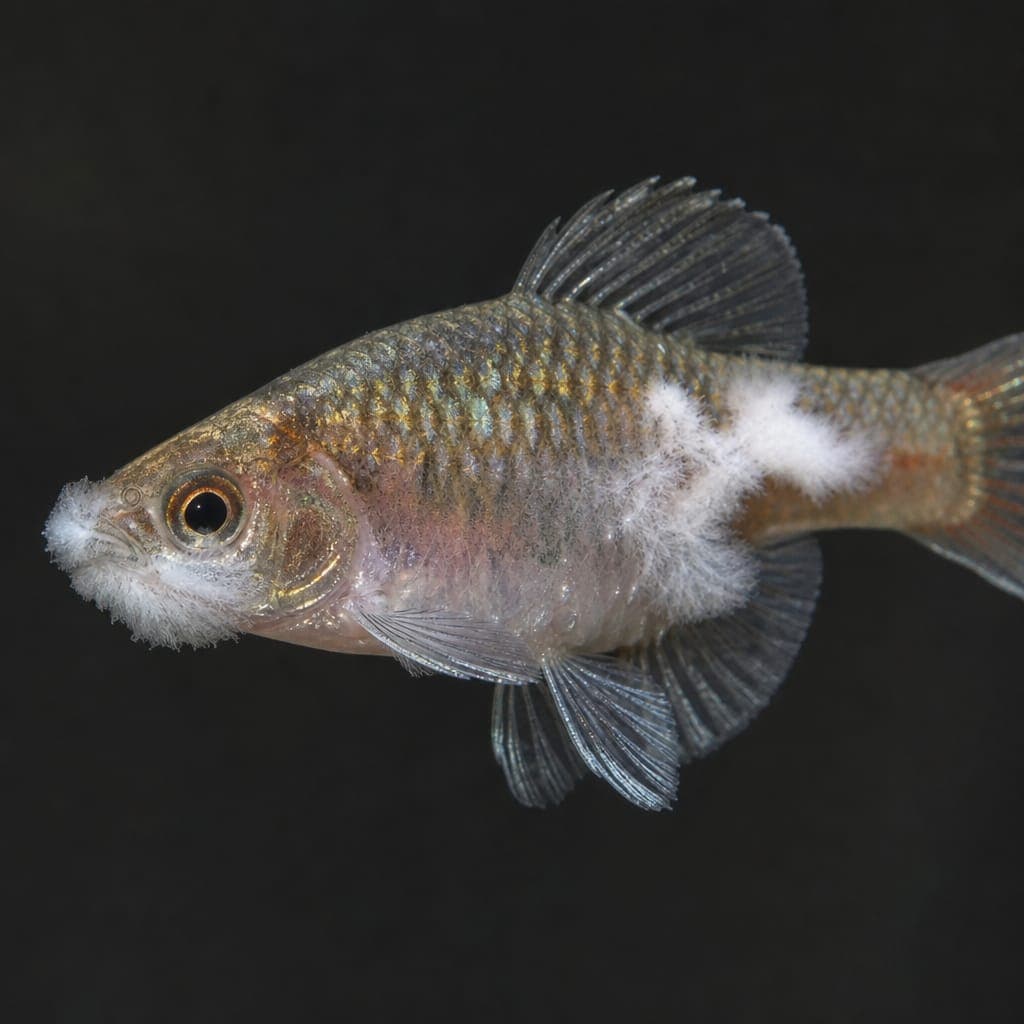
White Cloud Mountain Minnows are generally hardy fish; however, they can be susceptible to certain health issues typical in freshwater species. Common ailments include Ichthyophthirius multifiliis (Ich), fin rot, and various fungal infections. Maintaining stable water parameters, ensuring proper tank hygiene, and providing a balanced diet can help prevent these health issues.
Quarantine any new fish before introducing them to the main tank to minimize the risk of disease transmission. Regularly monitoring water quality, performing routine water changes, and ensuring effective filtration will contribute to a healthy environment for the White Cloud Mountain Minnow, allowing them to thrive and flourish in your aquarium.