Whitespotted Pufferfish
A 50cm puffer with real intelligence and a beak that needs hard-shelled food. Needs 1,500L+ and no invertebrates at all.
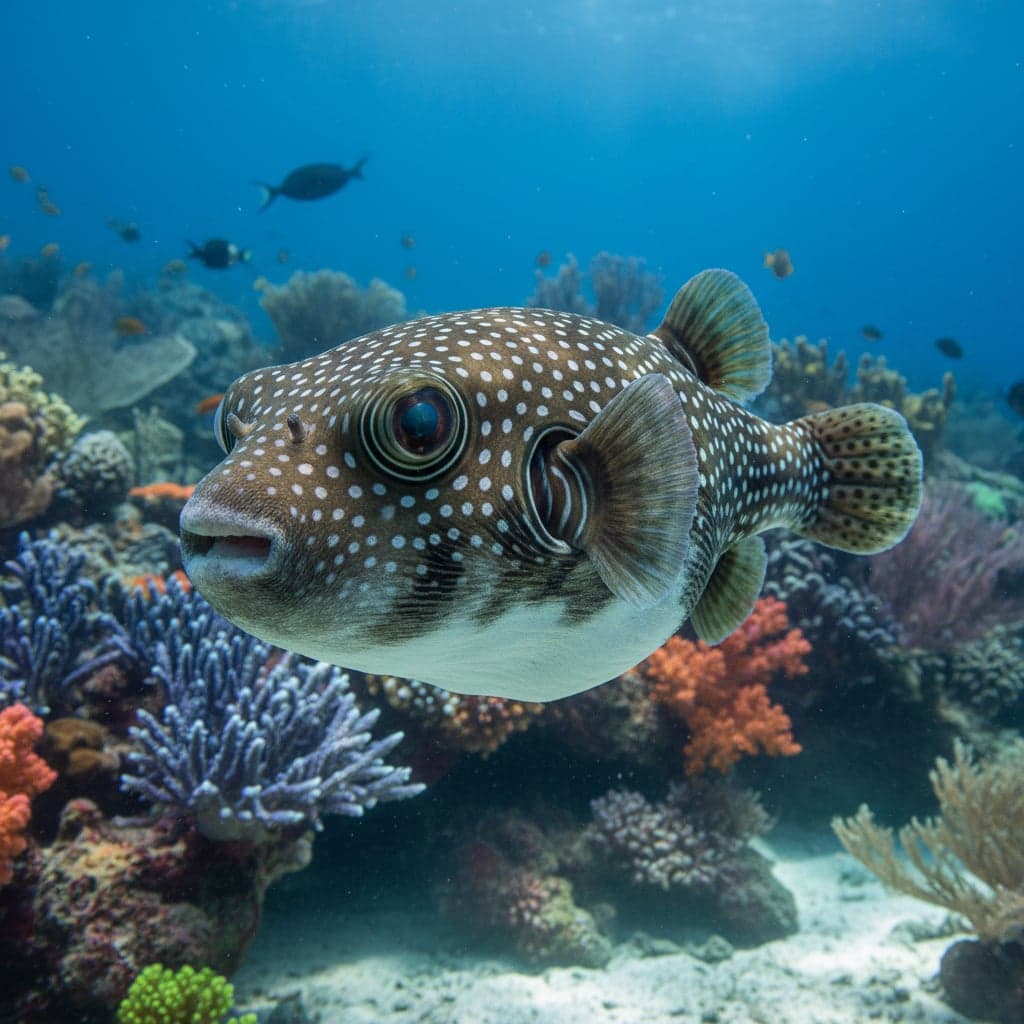
Whitespotted Pufferfish
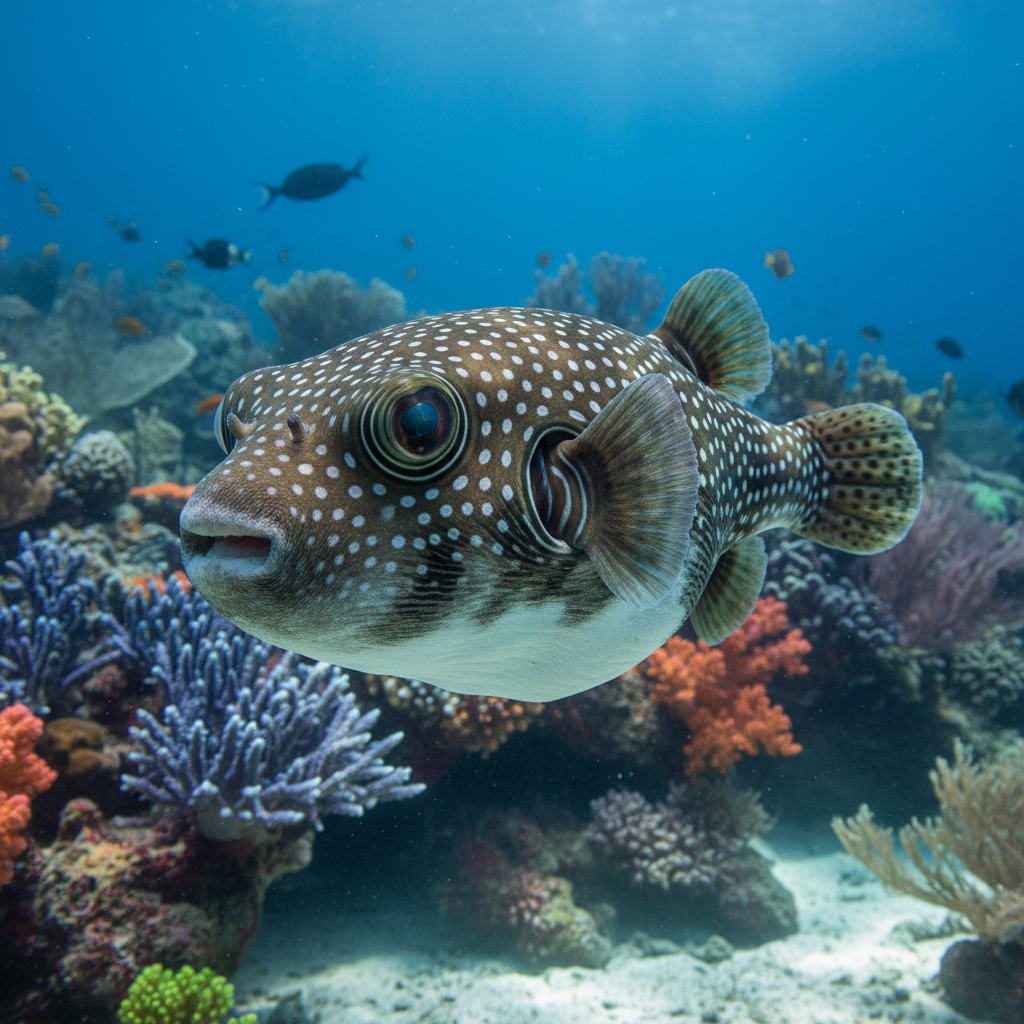
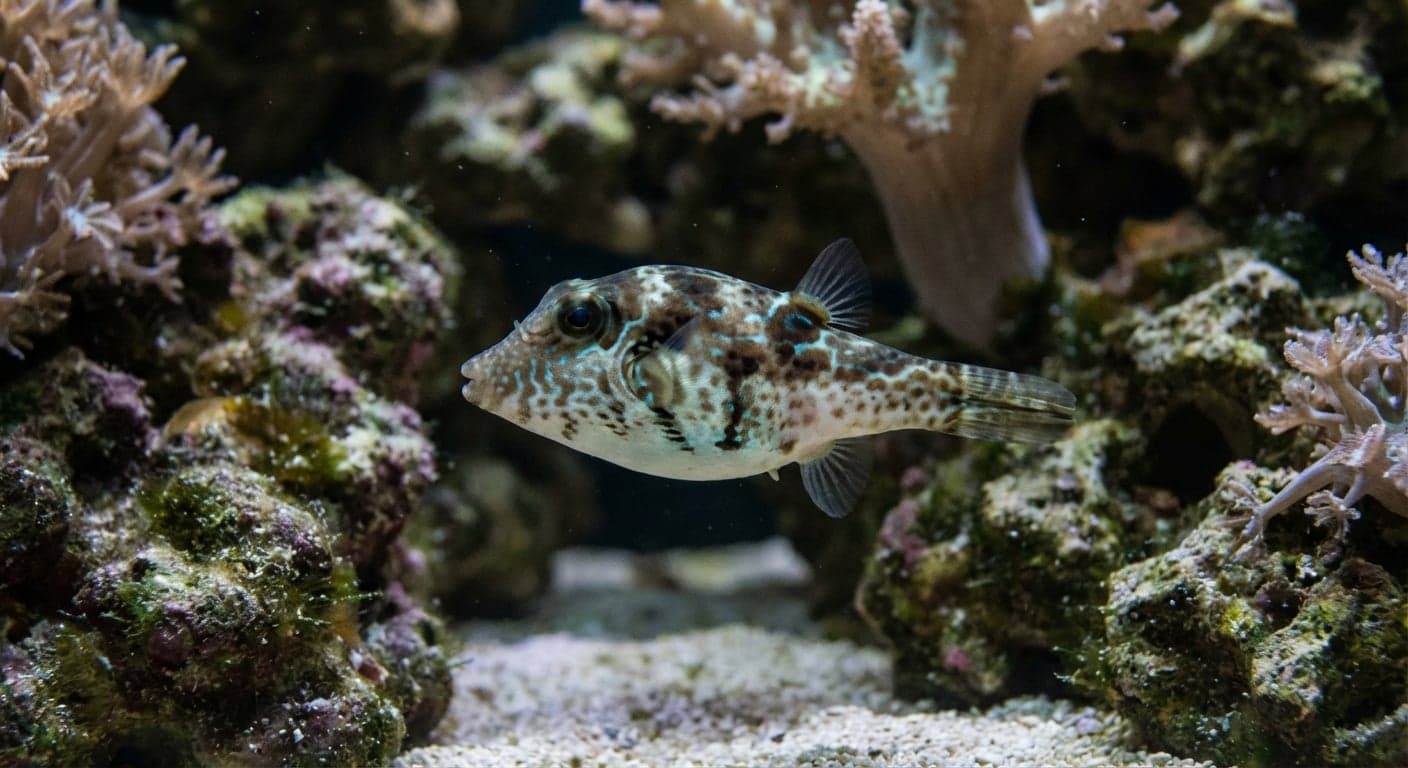
The Whitespotted Pufferfish, scientifically known as Tetraodon spp., is a fascinating and exotic addition to the aquarium hobby, well-regarded for its distinct visual appeal and unique behaviors. With its beautifully patterned body covered in white spots against a backdrop of varying shades of green or brown, this fish is instantly recognizable and creates an eye-catching centerpiece in any tank. Beyond aesthetics, the Whitespotted Pufferfish is celebrated for its playful personality and intelligence, frequently showcasing curious behaviors as it interacts with its environment. Its high level of interactivity with both aquatic decor and its human caretakers makes it a beloved choice for seasoned aquarists.
In addition to its striking appearance, the Whitespotted Pufferfish holds a significant place in the aquarium trade due to its relatively rare availability and unique care requirements. Unlike many popular freshwater species, this pufferfish necessitates a more specialized environment and diet, setting it apart for aquarists who seek to create a more dynamic and challenging aquarium experience. As a fish that often requires more attention and consideration in its care, the Whitespotted Pufferfish serves to educate and fascinate hobbyists on the complexities of aquatic ecosystems, promoting deeper understanding of species preservation and responsible fishkeeping.
Natural Habitat & Origin
The Whitespotted Pufferfish predominantly hails from the shallow waters of brackish environments found in coastal regions ranging from Southeast Asia to parts of India. This species thrives in estuarine habitats where fresh and saltwater intermingle, allowing it to adapt to different salinity levels. The waters are typically characterized by a sandy substrate with patches of mangroves and seagrass, providing both shelter and foraging opportunities. Given its natural habitat, the Whitespotted Pufferfish is accustomed to nutrient-rich waters that encourage a rich biological diversity, making it a fascinating subject for both study and admiration in the aquarist community.
In the wild, this species often inhabits areas with plenty of organic debris, which plays a vital role in its dietary preferences. The environmental conditions where the Whitespotted Pufferfish is found include moderate temperatures averaging between 24°C to 28°C (75°F to 82°F) and a pH range of 7.0 to 8.0. Understanding the geographical origin and specific habitat requirements of the Whitespotted Pufferfish is essential for aquarium enthusiasts aiming to replicate these conditions within a freshwater or brackish setting.
Care Requirements
To successfully care for the Whitespotted Pufferfish, it is crucial to create an environment that mimics its natural brackish habitat. A minimum tank size of 1,500 litres (400 gallons) is recommended for this 50cm Arothron — serious swimming room and volume for a large, beak-armed puffer that will destroy invertebrates. The ideal water parameters include a temperature range of 24°C to 28°C (75°F to 82°F), a pH level between 7.0 and 8.0, and a water hardness of 10-20 dGH. Additionally, filtration is essential to maintain water quality, as the Whitespotted Pufferfish is sensitive to fluctuations in water parameters.
For tank setup, a sandy substrate is recommended to reflect its natural environment and allow for digging behavior. Incorporating natural decorations such as rocks, driftwood, and caves will provide hiding spots and territories for the fish, which will help reduce stress. Lighting should be moderate, as brighter settings may cause discomfort; using soft, ambient lighting will create a more natural ambiance. Adding hardy aquatic plants that can tolerate brackish conditions, such as Java fern or anubias, can enhance the tank's aesthetic and contribute to water quality.
Diet & Feeding
The Whitespotted Pufferfish is an omnivorous feeder with a diet primarily consisting of crustaceans, mollusks, and plant matter in the wild. In a home aquarium setting, it is crucial to provide a varied diet to maintain its health and vibrancy. High-quality pellets designed for carnivores or omnivores serve as a staple diet, alongside occasional treats of frozen or live foods such as bloodworms, brine shrimp, and snails. The latter is particularly important, as it helps keep the pufferfish's beak-like teeth trimmed, preventing overgrowth.
While flakes can be used to supplement their diet, they should not be the primary food source as they may lack the necessary nutrients. It's also advisable to introduce vegetable matter, such as finely chopped spinach or algae wafers, to ensure a balanced diet. Feeding should occur at least two to three times a day, with careful monitoring of the fish's appetite and overall health. Always remove uneaten food promptly to prevent water quality issues.
Behavior & Temperament
The Whitespotted Pufferfish is known for its fascinating behaviors and intelligence, making it an engaging species for aquarists. Generally, this fish is curious and social, often exploring its environment and interacting with decorations and tank mates. However, it is worth noting that it tends to be territorial, especially as it matures, and may exhibit aggressive tendencies towards other fishes that enter its perceived space. This characteristic emphasizes the importance of providing adequate hiding spots to minimize conflict and ensure a peaceful coexistence in the aquarium.
While the Whitespotted Pufferfish may not require schooling, it is often beneficial to keep them in pairs or small groups, provided that the tank size and complexity can accommodate them. They are usually found swimming at various levels within the tank, enjoying both the midwater and bottom areas. Observing their behavioral patterns can provide immense satisfaction to hobbyists, as their interaction with their environment can be both amusing and educational.
Tank Mates
Choosing compatible tank mates for the Whitespotted Pufferfish can be challenging due to their territorial and sometimes aggressive nature. Ideal companions include larger, robust species that can defend themselves and are less likely to be bullied or nibbled at by the pufferfish. Suitable tank mates may include:
- Rainbowfish
- Larger danios
- Gouramis (be cautious)
- Some barbs like tiger barbs (ensure plenty of room)
Species to avoid include small or peaceful fish, as they are likely to be targeted as food or bullied. This category includes neon tetras, guppies, and any other small or weak fish. Additionally, avoid keeping the Whitespotted Pufferfish with bottom-dwelling species like corydoras or shrimp, as they may be viewed as prey. Maintaining closely monitored tank dynamics and an adequately sized aquarium will help ensure a peaceful aquatic community.
Breeding
Breeding the Whitespotted Pufferfish in captivity can be quite challenging, as their specific spawning conditions are not often replicated in home aquariums. To encourage breeding behavior, a brackish water setup that mimics their natural habitat is essential. A separate breeding tank with a minimum volume of 30 gallons, equipped with good filtration and a gentle water flow, is recommended for this purpose. The pH level should be maintained between 7.5 and 8.0, with a water temperature at approximately 26°C to 28°C (79°F to 82°F).
During the breeding process, the male will often display courtship behaviors, which may include chasing the female and displaying his fins. It is crucial to provide ample hiding spots and flat surfaces for spawning, as the female will deposit eggs on hard surfaces where the male fertilizes them. After spawning, remove adults if they start eating eggs, keep parameters stable, and provide gentle aeration. Fry rearing is rarely successful in home aquariums, so most keepers enjoy this species as a display fish.
Common Health Issues
Whitespotted Pufferfish can develop ich, bacterial infections, or internal parasites when water quality slips or diet is poor. Keep brackish parameters stable, change water regularly, and offer snails or other crunchy foods to wear down their teeth. Quarantine newcomers and watch for white spots, clamped fins, laboured breathing, or loss of appetite, treating promptly in a hospital tank. Avoid copper around sensitive invertebrates. With clean water and a varied diet, they remain curious, hardy display puffers for years.