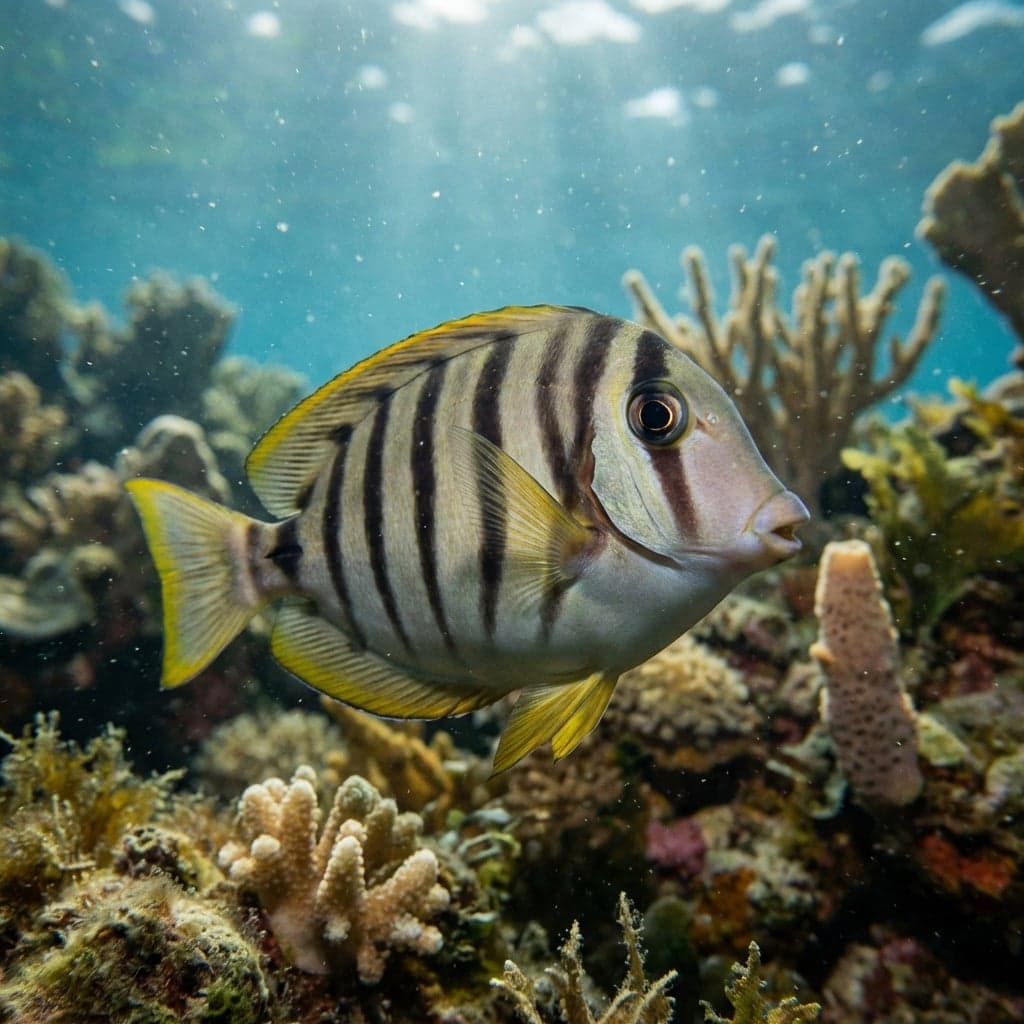
Whitespotted Tang
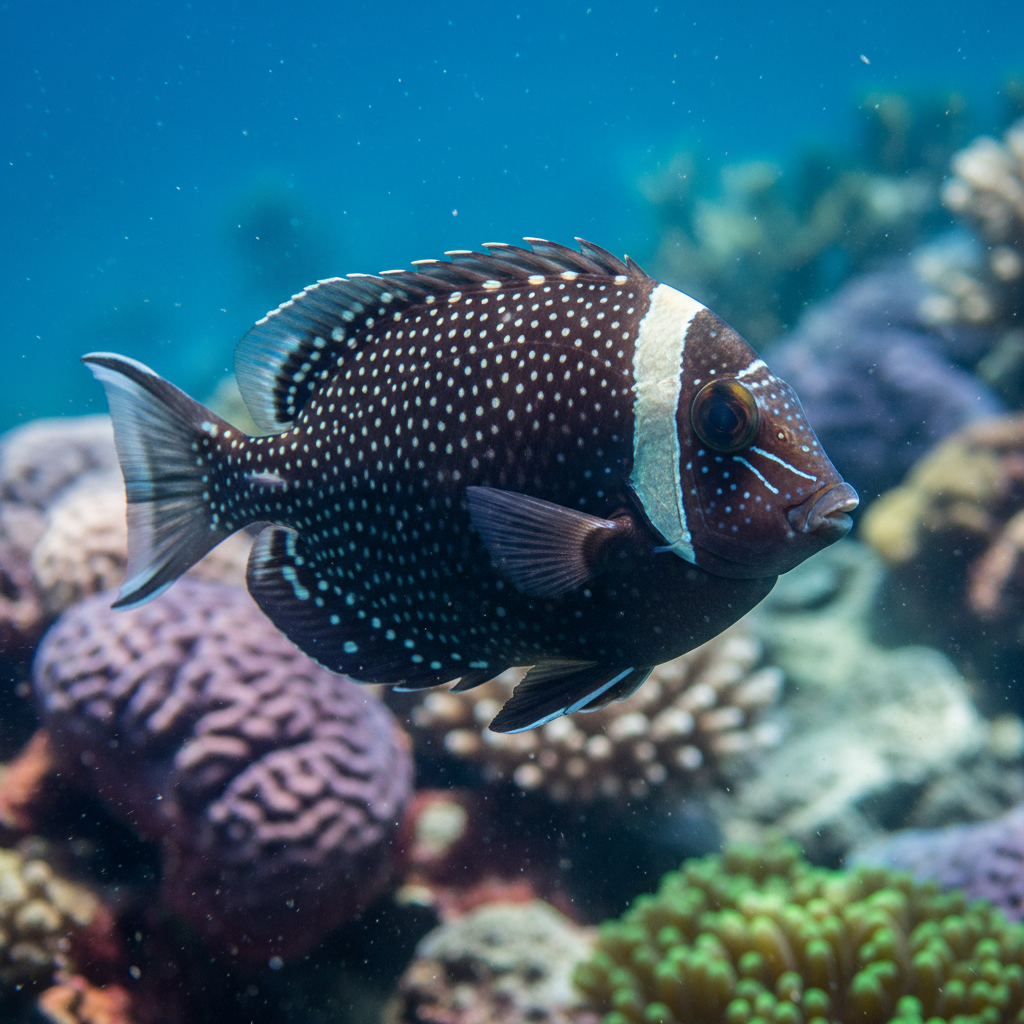
A 27cm tang with fine white spotting. Needs 900L+, constant algae grazing and strong flow, and it spars with other tangs.
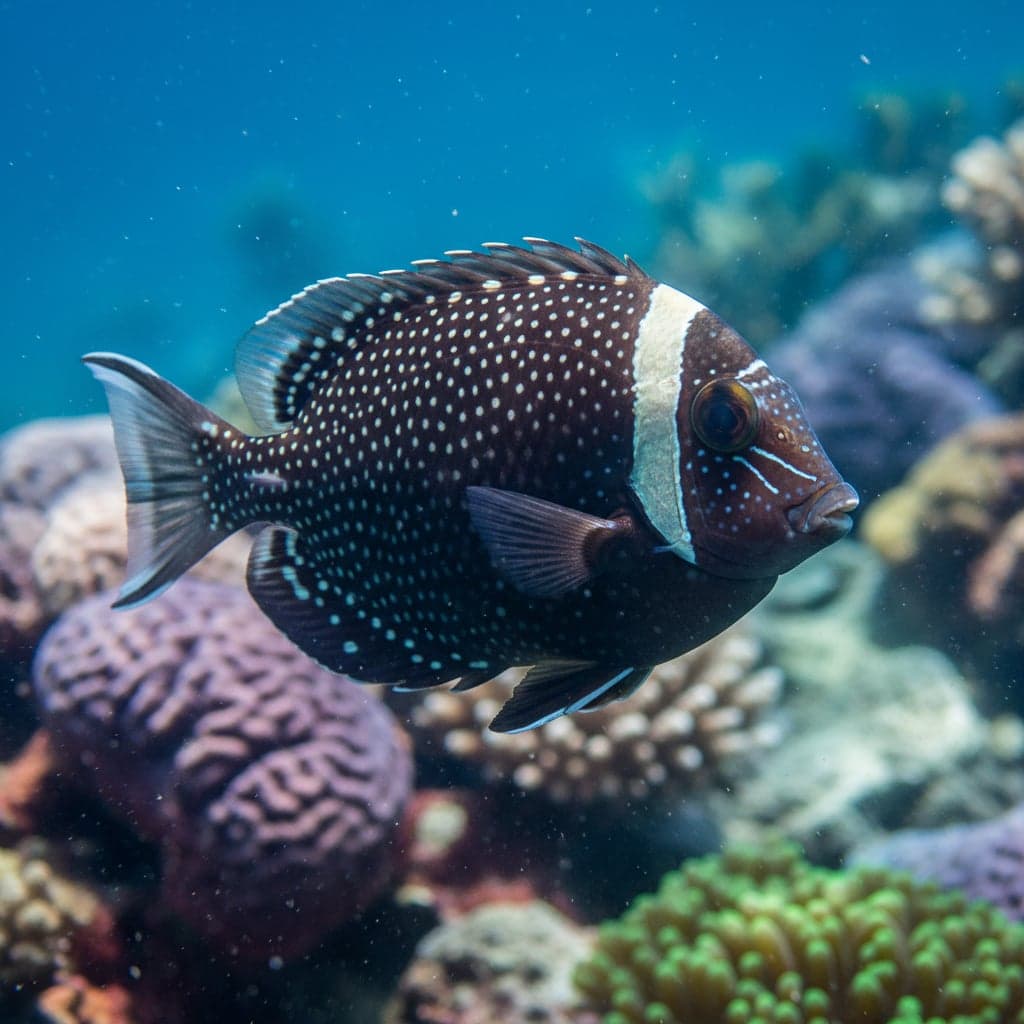
Whitespotted Tang
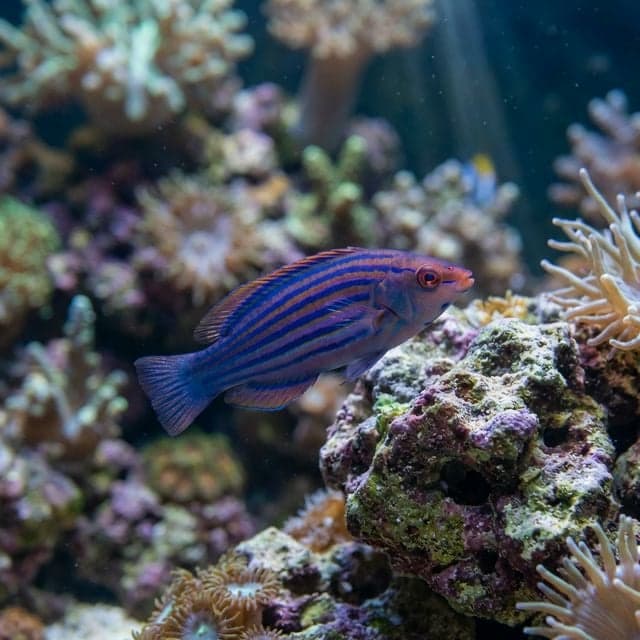
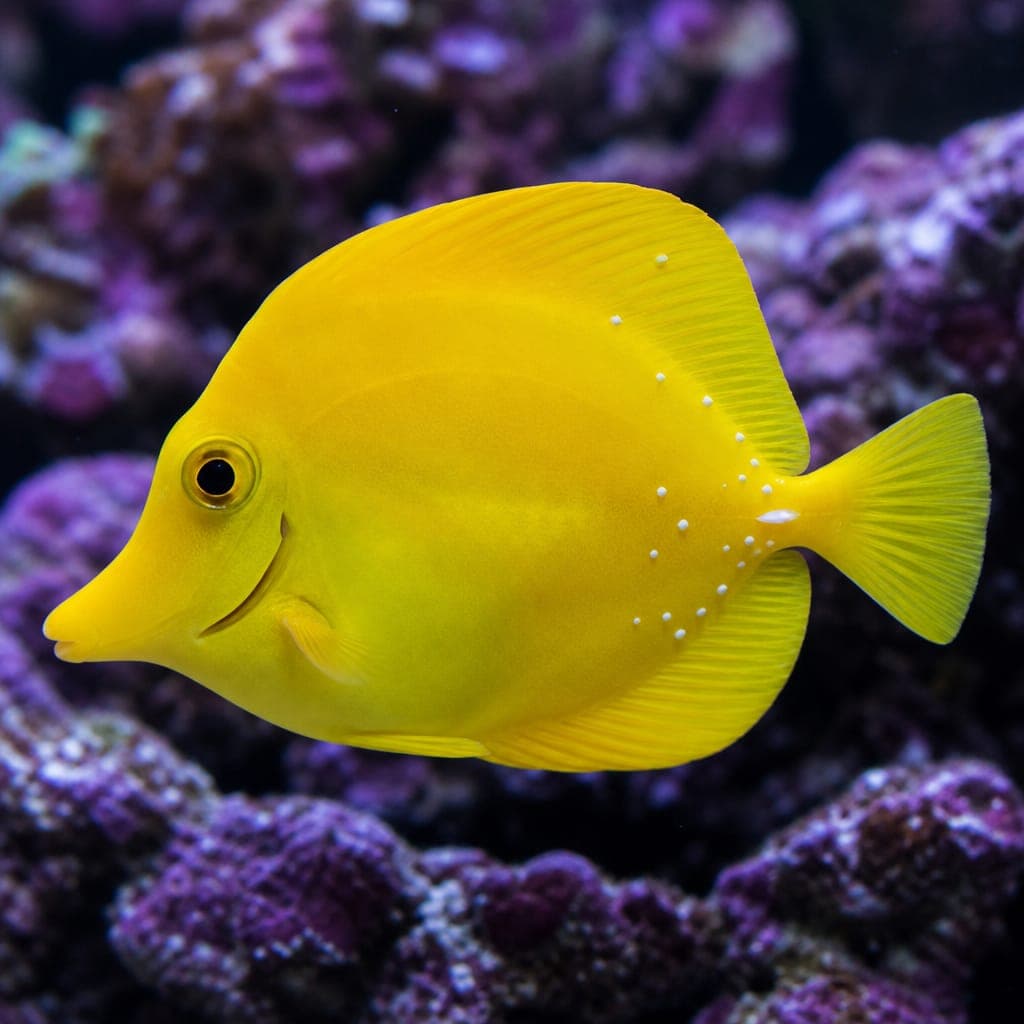
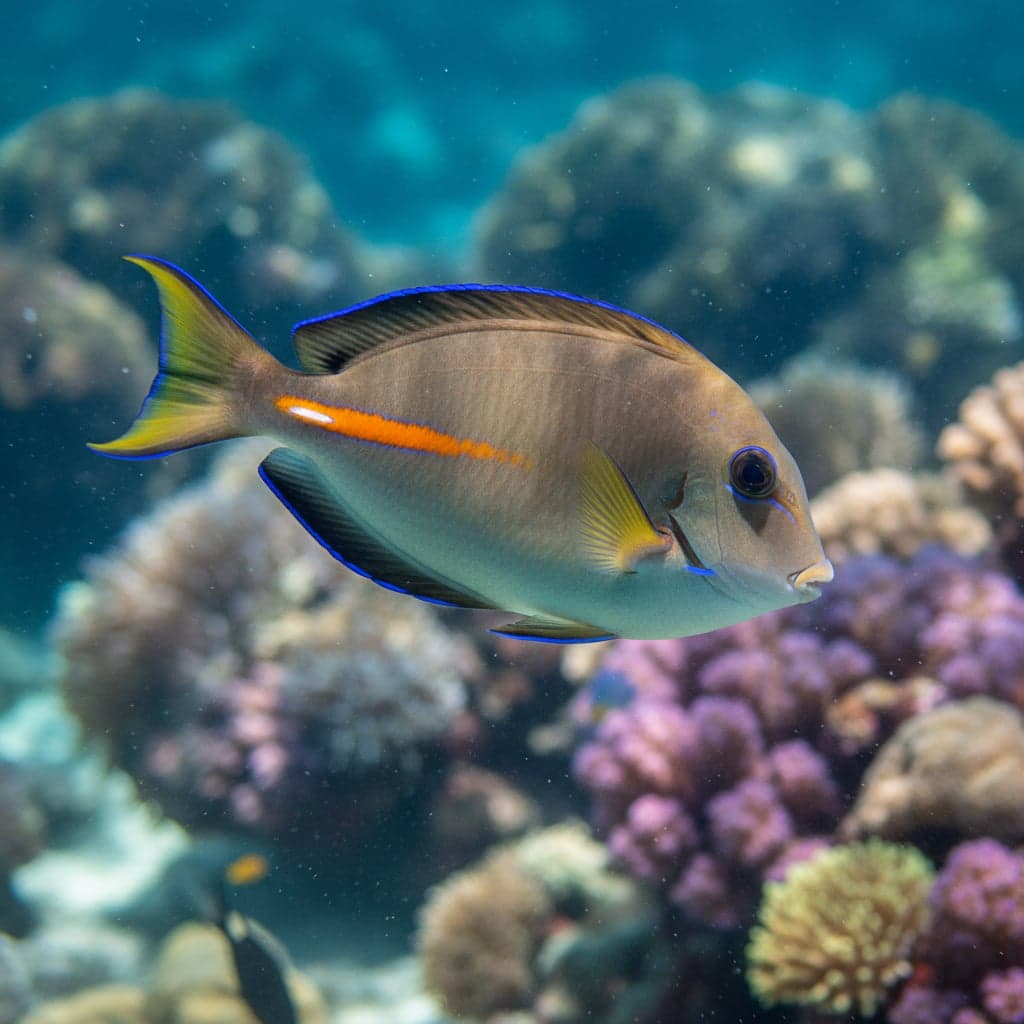
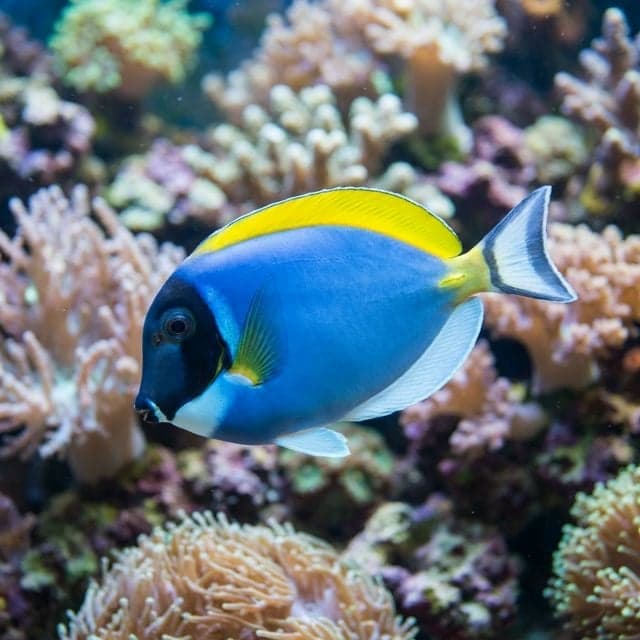
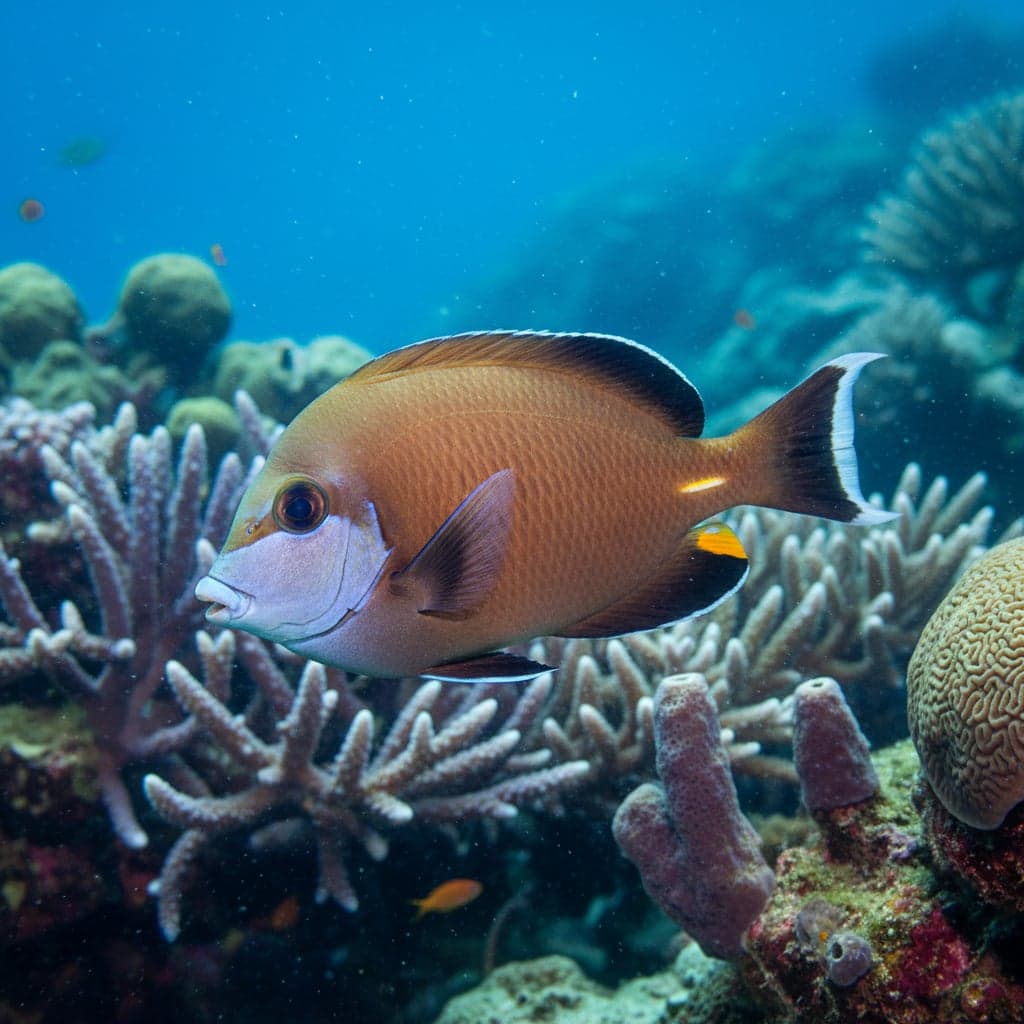
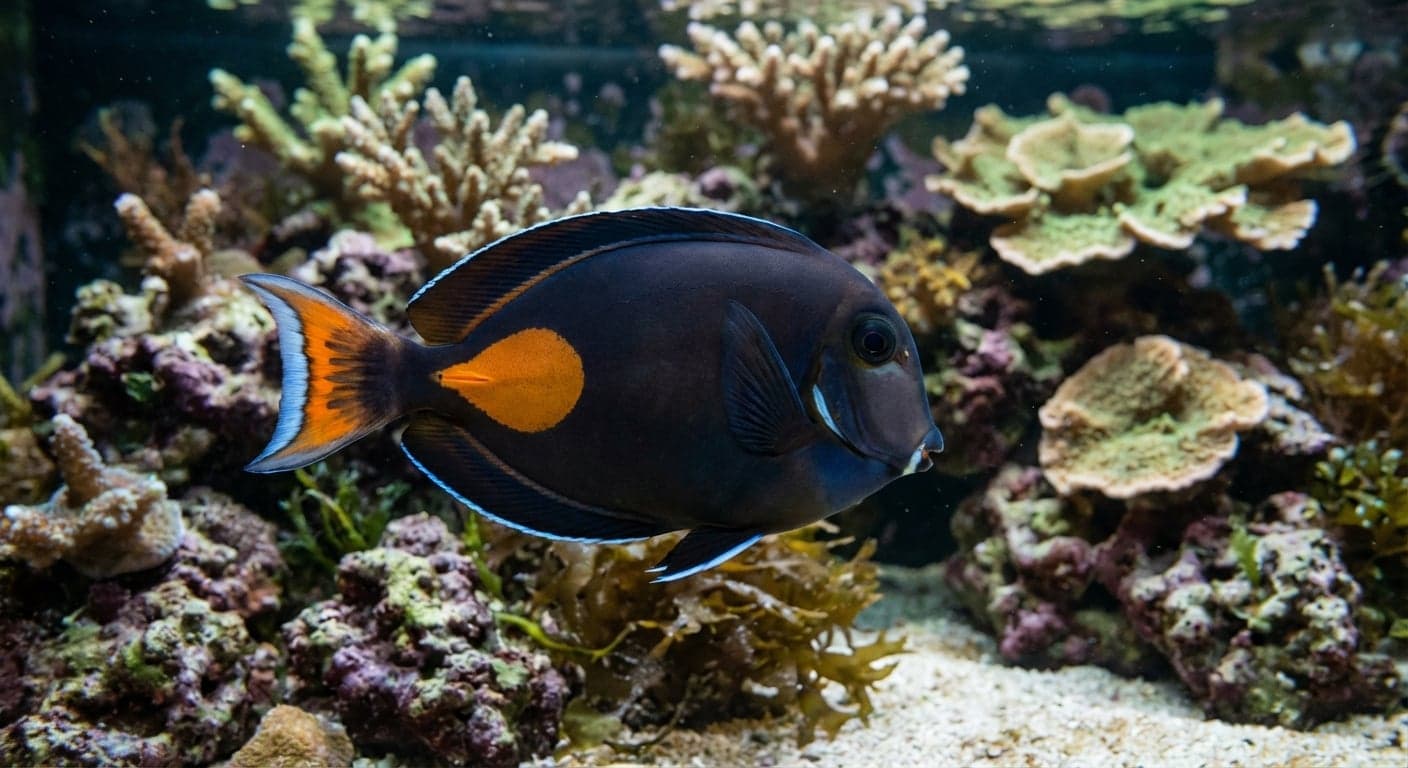
The Whitespotted Tang (Acanthurus guttatus) is an eye-catching marine fish regarded for its vibrant colors and unique patterns. This species usually exhibits a striking blue and yellow body adorned with white spots, providing a visually stunning addition to any aquarist's collection. The lure of the Whitespotted Tang is not just upon its beauty; it embodies a spirited disposition that makes it among the favorites in the aquarium hobby. Hobbyists often admire its active swimming behavior and elegant movements, which can transform an ordinary aquarium into a dynamic underwater landscape.
Beyond aesthetics, the Whitespotted Tang holds cultural significance within the aquarist community, symbolizing the vibrant marine biodiversity of its native habitats. Known to possess a robust personality, this fish serves as an indicator of a well-balanced marine ecosystem. Its hardiness and distinctive characteristics make it a great subject for both novice aquarists and seasoned marine enthusiasts. Adopting a Whitespotted Tang can inspire broader interest in marine conservation and the importance of preserving its natural environment, elevating its status from mere aquarium inhabitant to a representative of the ocean’s ecological wonder.
Natural Habitat & Origin
The Whitespotted Tang is native to the warm, tropical waters of the Indo-Pacific region, specifically ranging from the Red Sea to the coral reefs of the Pacific Ocean. They are often found in coral-rich environments where they can blend in amongst the vibrant corals, providing them with both food and shelter from potential predators. This species thrives in clear, warm waters typically associated with coral reefs, where they rely on a diverse range of marine flora for sustenance. The specific environmental context of its habitat includes both shallow lagoons and steep outer reefs, making it a versatile inhabitant of the marine ecosystem.
These fish prefer a clean and stable environment characterized by specific water parameters, including moderate salinity levels that reflect their natural settings. Observing their habitat in the wild emphasizes the importance of creating a suitable aquarium ecosystem that mirrors their native conditions, which plays a pivotal role in their health and longevity.
Care Requirements
When caring for a Whitespotted Tang in captivity, maintaining optimal water parameters is essential. The ideal pH range for their environment is between 8.1 and 8.4, with a temperature maintained between 74°F and 82°F (23°C - 28°C). The water hardness should be in the range of 8-12 dGH. Additionally, a well-filtered aquarium is critical to ensure water quality, as these fish are sensitive to changes in their environment.
For tank setup, a minimum aquarium size of 900 litres (240 gallons) is recommended for this 27cm Acanthurus guttatus — it needs length for constant algae grazing and room when it spars with other tangs. The substrate should consist of fine sand or small pebbles that replicate their natural environment. Incorporating live rocks and artificial corals can provide both shelter and a foraging area. Lighting should mimic a natural sunlight intensity, usually achieved with a combination of LED and fluorescent fixtures. Live plants are generally not suitable, as Whitespotted Tangs are known to be prone to disturbing and uprooting them, favoring a more open-swim space.
Diet & Feeding
The Whitespotted Tang is an omnivore, which means it thrives on a diverse diet consisting of both plant-based and animal-based foods. To ensure a balanced and nutritious diet, it is recommended to provide a variety of foods, including high-quality flake food, algae pellets, and frozen or live foods such as brine shrimp and mysis shrimp. Providing fresh algae on a feeding clip or incorporating seaweed sheets can cater to their grazing behavior, promoting healthy digestion and overall longevity.
In addition to standard fish foods, incorporating varied feeding sources not only offers nutritional benefits but also stimulates natural foraging instincts, contributing to their overall mental and physical well-being. The key is to ensure a varied diet while being mindful of portions to avoid overfeeding, which can lead to health problems.
Behavior & Temperament
The Whitespotted Tang exhibits a dynamic and active swimming behavior, making it an engaging addition to any aquarium. Generally, these fish are known for their sociable nature, often found swimming in small groups in their natural habitats. While they are typically peaceful, caution is advised when housing them with other tangs or similarly-shaped species, as they may exhibit territorial behavior, especially in confined spaces. It is important to note their vertical placement within the tank, as they enjoy swimming both mid-water and near the surface.
Despite their generally friendly nature, certain Whitespotted Tangs may show aggression if they feel threatened or overcrowded, especially during feeding time. Providing plenty of hiding spots and retreat areas within the tank can help reduce any stress and territoriality.
Tank Mates
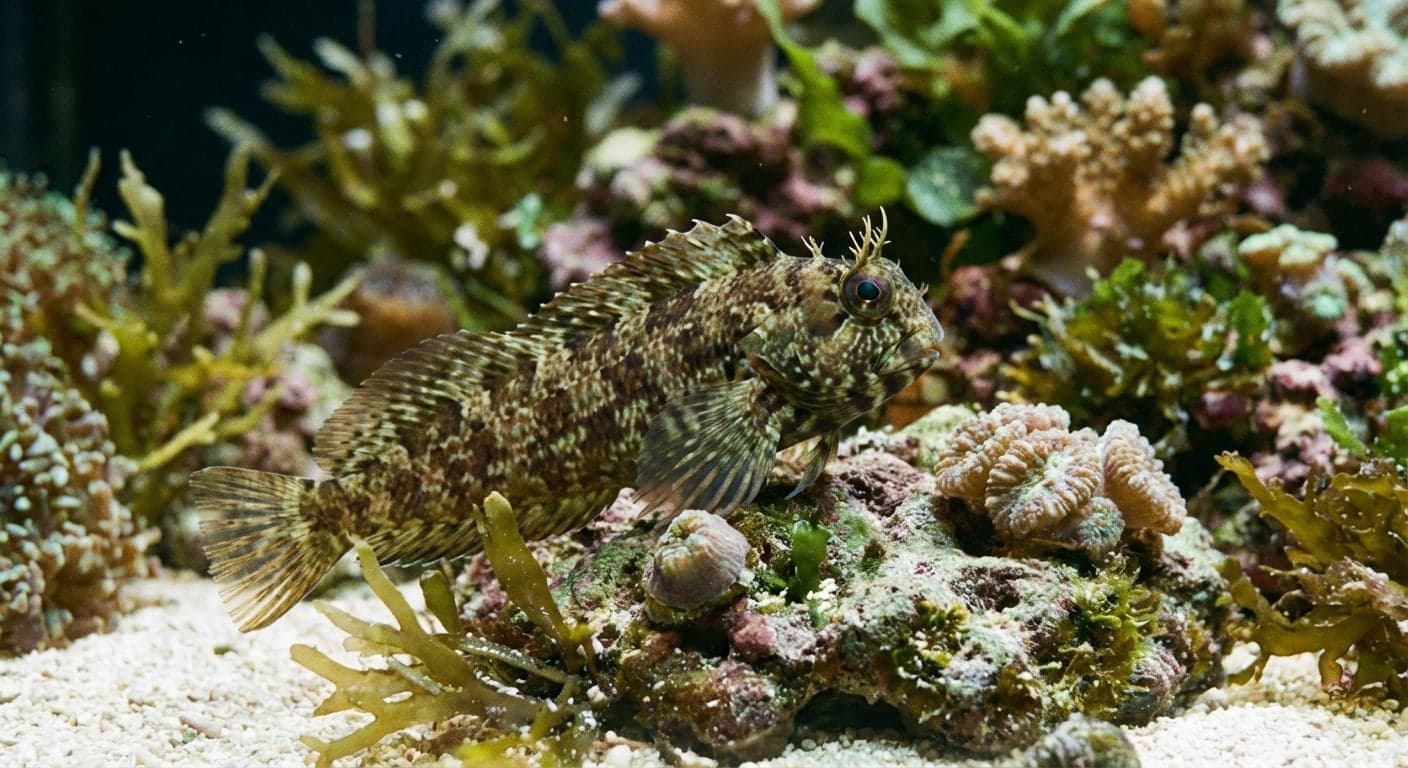
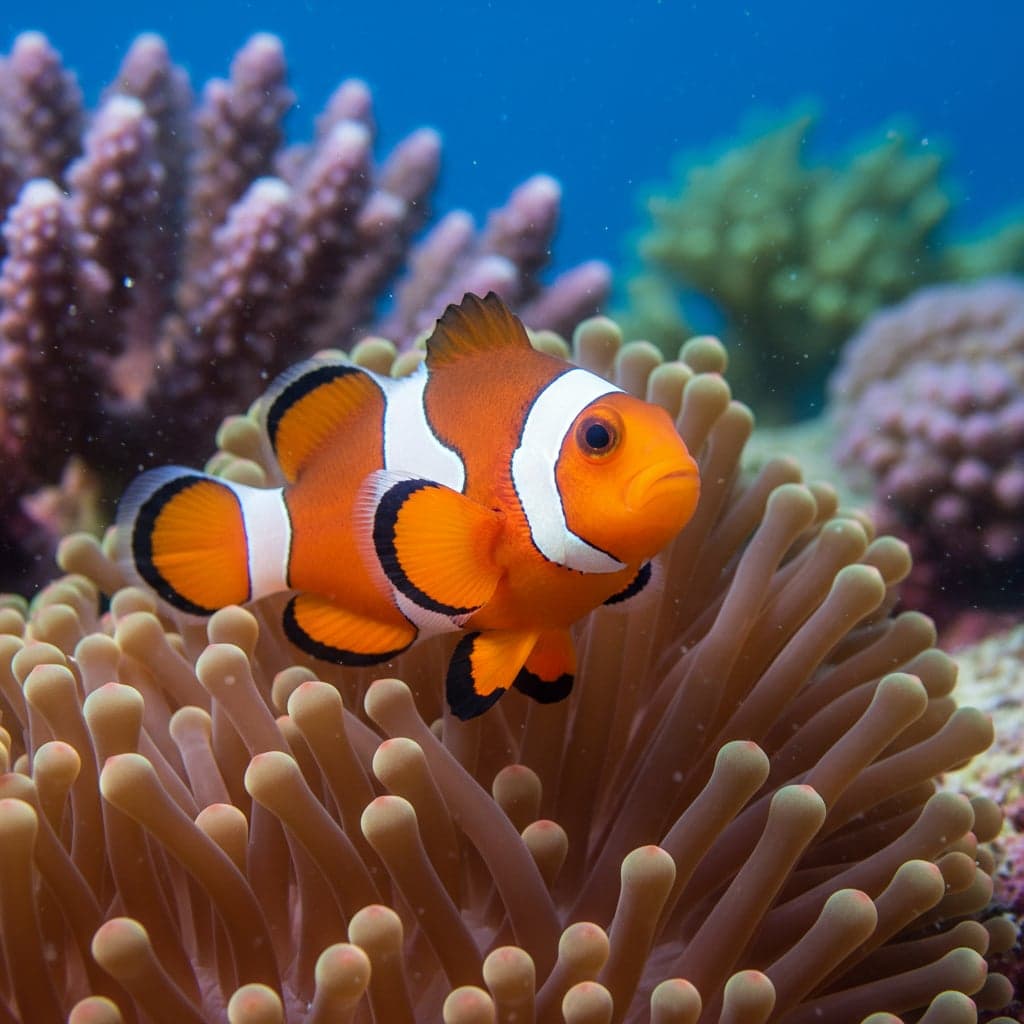
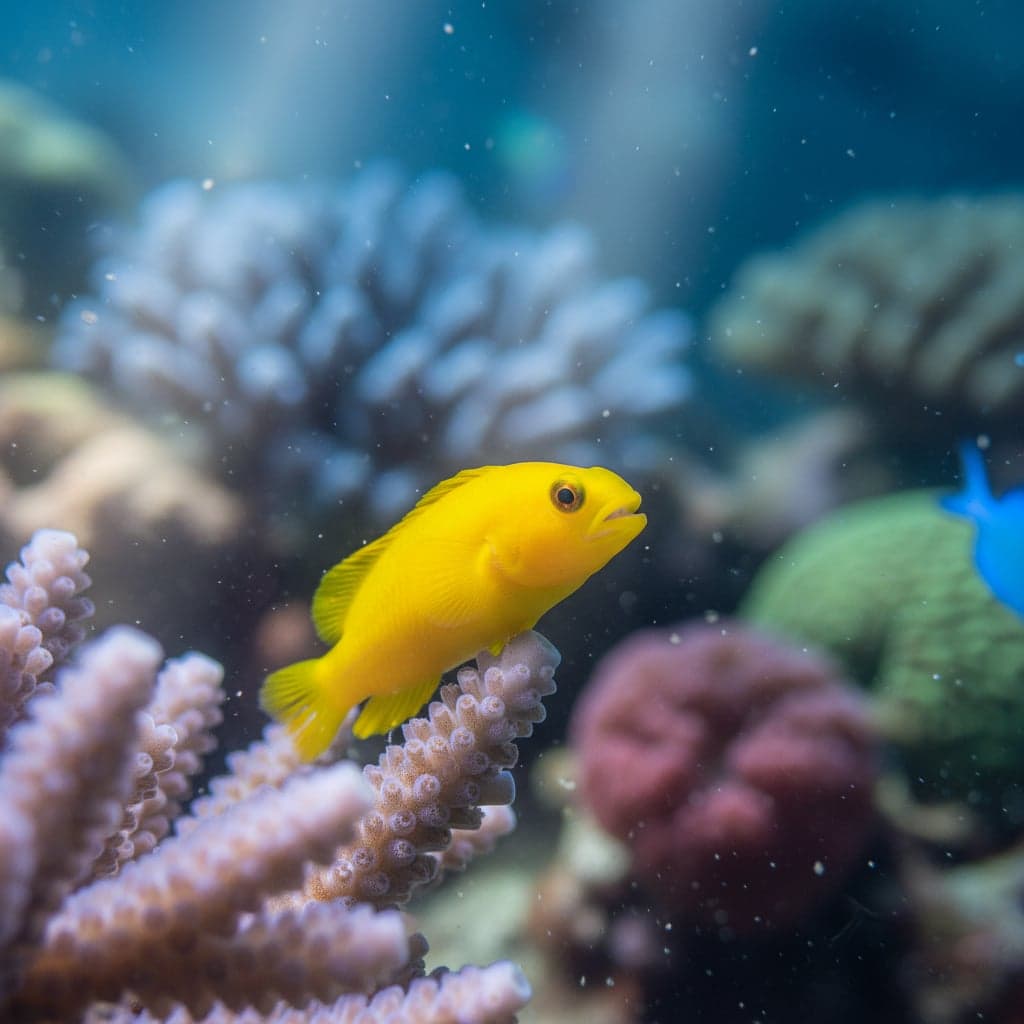
When selecting tank mates for the Whitespotted Tang, various species can coexist harmoniously, including clownfish, fairy wrasses, and certain gobies. Other peaceful marine species like cardinals, hawkfish, and blennies are also excellent choices, as they typically do not compete for territory or resources. However, caution should be exercised when adding other tangs or larger aggressive fish, as this could result in conflicts. It’s advisable to avoid species such as lionfish, triggers, and aggressive damselfish that may provoke stress or unfair competition for food.
The key to a successful community tank lies in selecting compatible species that share similar water parameter needs and temperaments, ensuring a harmonious environment for all inhabitants.
Breeding
Breeding the Whitespotted Tang in captivity can prove quite challenging, as they typically exhibit complex spawning behaviors in the wild. These fish are known to spawn in pairs, often conducted in open water, where the female releases her eggs, followed closely by the male fertilizing them. Successful breeding in captivity requires a spacious breeding tank equipped with ample swimming room and hiding spots to mimic their natural breeding grounds.
Maintaining optimal water quality and consistent parameters is critical during this period, with increased aeration to support oxygen levels for the developing eggs. Due to their sensitivity, aquarists may need to implement specific techniques, such as creating a simulative environment and utilizing appropriate triggers for spawning, to foster successful breeding events.
Common Health Issues
Like many marine species, the Whitespotted Tang can be susceptible to specific health issues, such as ich (Marine Ich), velvet disease, and fin rot. Preventative measures including maintaining exemplary water quality, ensuring proper diet, and lowering stress levels are critical in protecting their health. Regular observation for any signs of illness—such as changes in appetite, abnormal swimming patterns, or visible signs of disease—can lead to early intervention.
Furthermore, acclimatizing any new arrivals slowly and carefully can help reduce stress and the risk of disease transmission. Quarantining new arrivals before introduction into an established tank can also protect the health of the Whitespotted Tang and other tank inhabitants. Regular tank maintenance, including water changes and testing, will support a thriving aquatic environment.