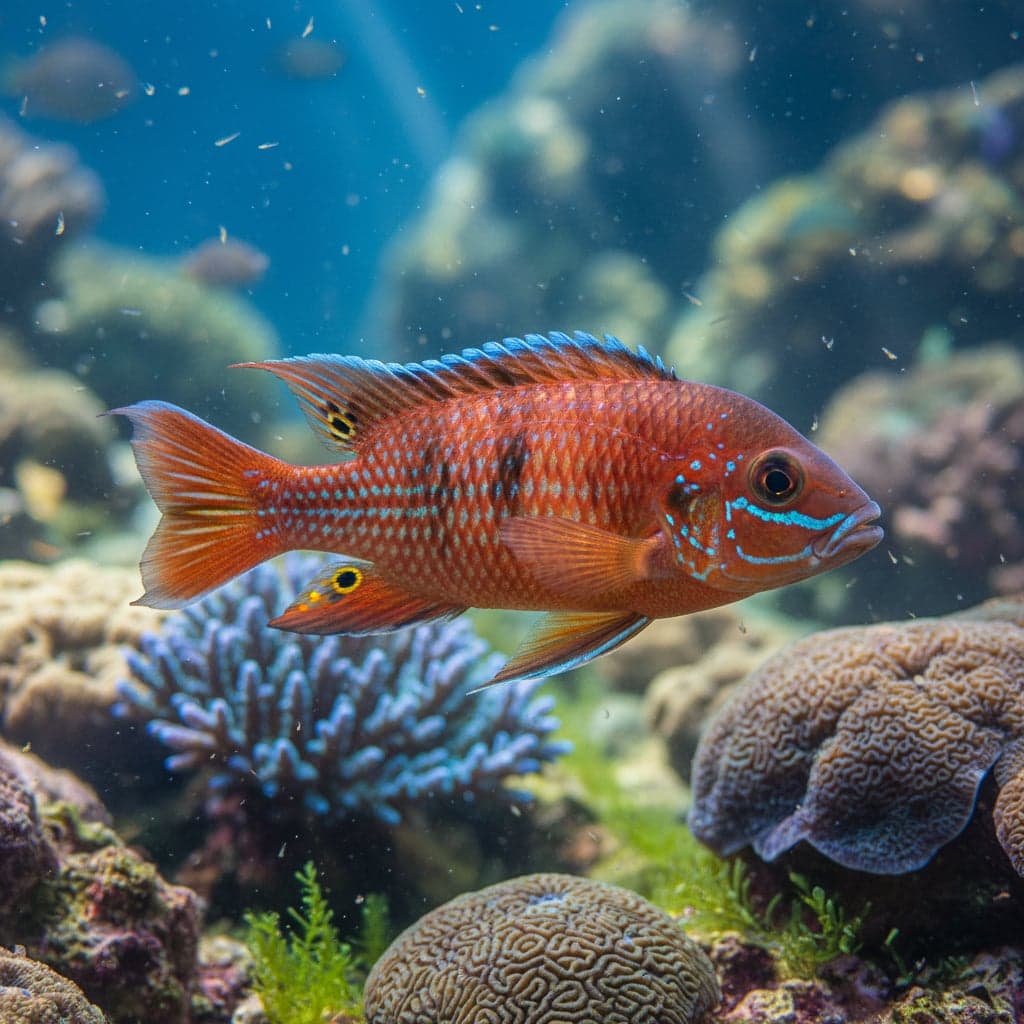
Whitetail Black Acei: Pseudotropheus elegans 'ngara'
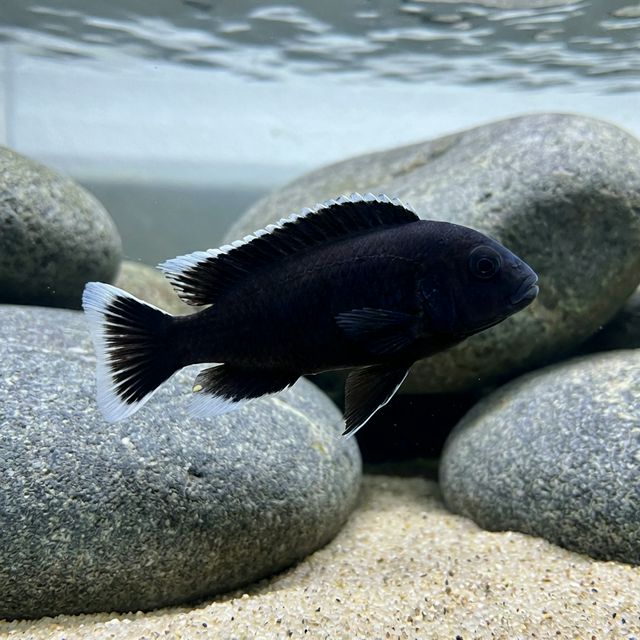
A striking mbuna with a distinct contrast, featuring a deep black body and a vibrant white tail, making it a standout addition to any Lake Malawi aquarium.
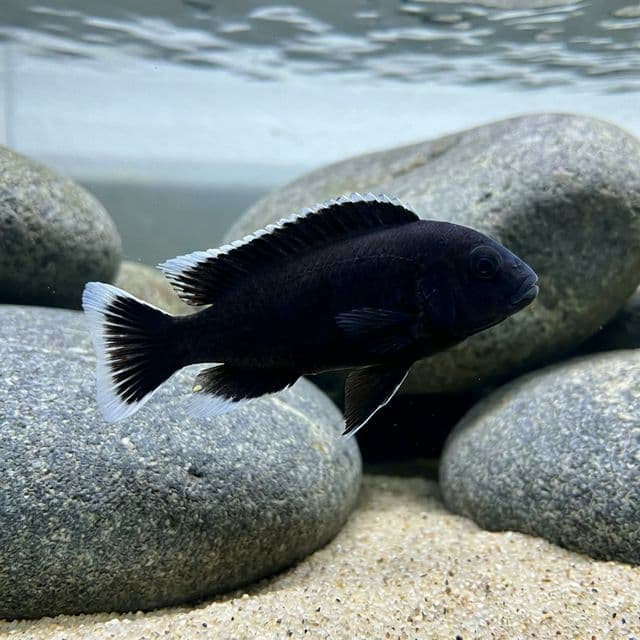
Whitetail Black Acei
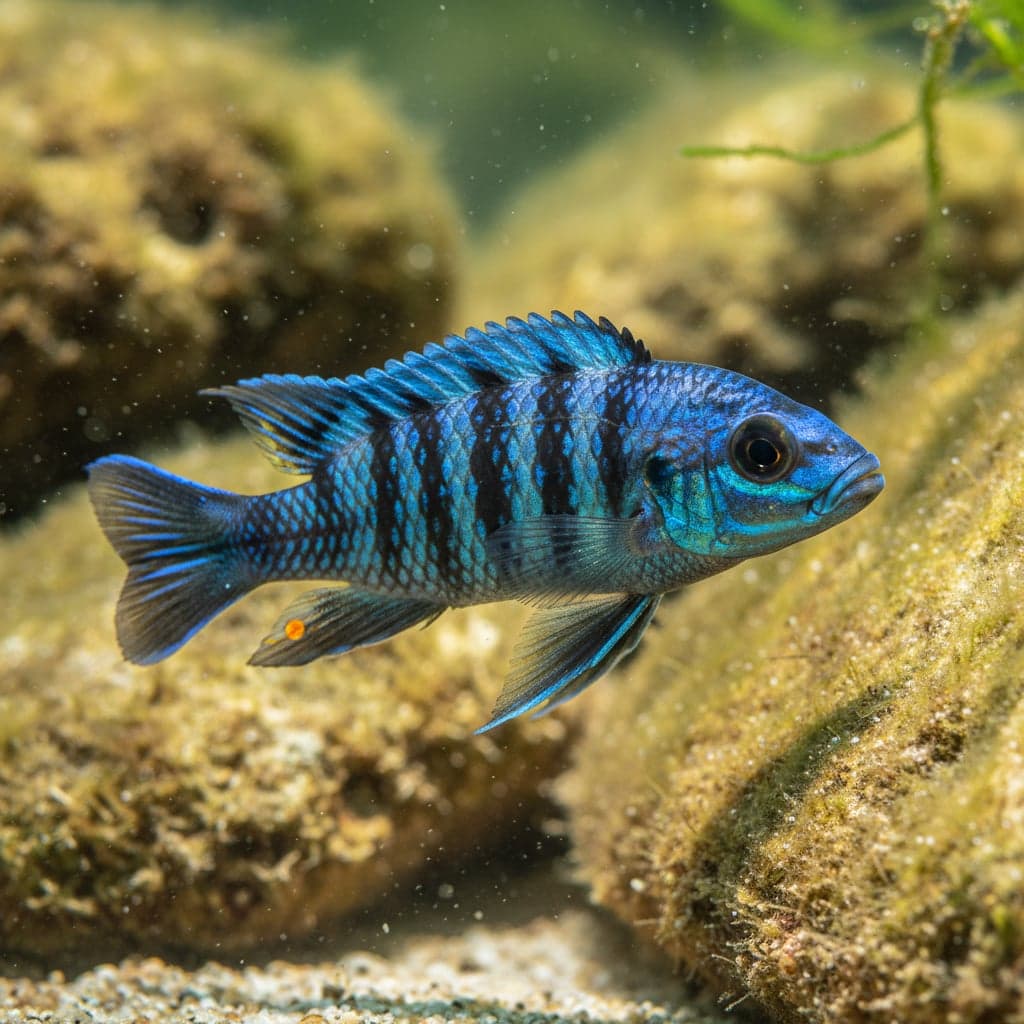
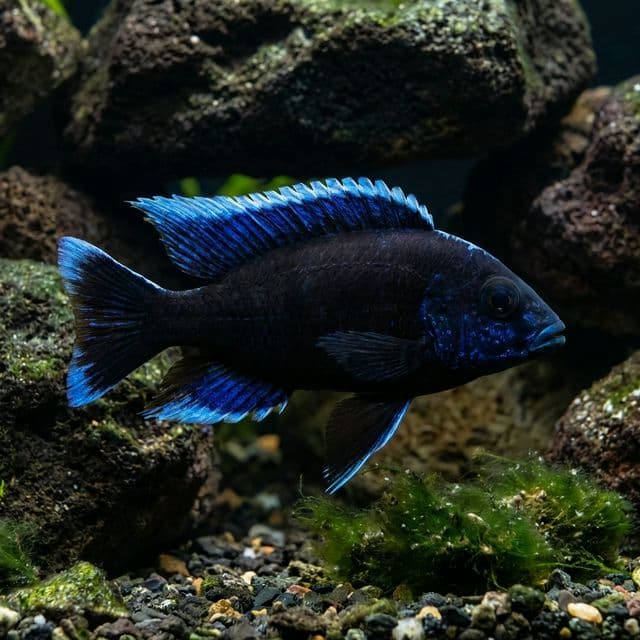
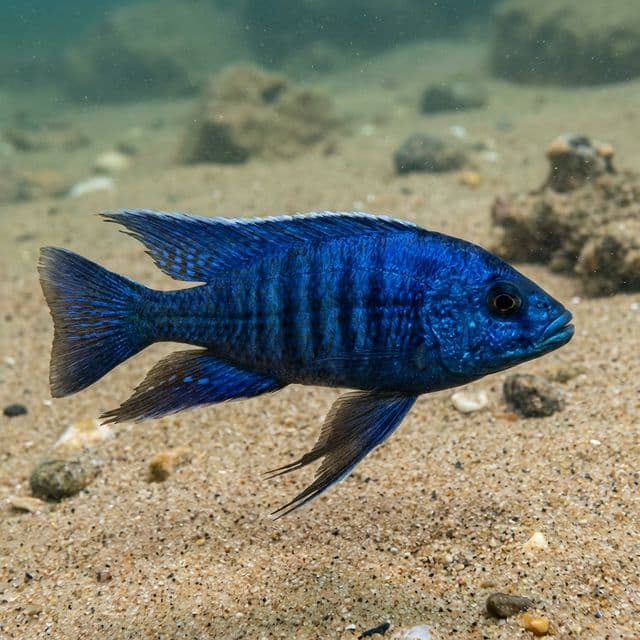
The Whitetail Black Acei, scientifically known as Pseudotropheus elegans 'ngara', is a stunning freshwater fish native to the African Great Lakes, particularly Lake Malawi. This fish is revered among aquarists for its striking appearance characterized by a glossy dark body, accentuated by vivid white or yellow markings on its dorsal and tail fins. As adults, they can grow to about 4-6 inches in length, making them an excellent centerpiece fish in a suitably sized aquarium. Their bold coloration and unique body shape make them a favorite among both beginner and experienced hobbyists, bringing a splash of elegance and a sense of allure to aquatic setups.
Aside from their visual appeal, Whitetail Black Aceis are significant to the aquarium hobby due to their compatibility with other cichlids and their hardy nature, making them relatively easy to care for. They are an excellent choice for those looking to create a vibrant community tank with similar species. Beyond aesthetics, these fish exhibit fascinating behavioral traits, such as their territoriality and social hierarchies, making them a joy to observe. Their adaptability to a variety of water conditions also contributes to their popularity, allowing aquarists to explore diverse tank setups while enjoying the dynamic life of this captivating species.
Natural Habitat & Origin
The Whitetail Black Acei hails from the rocky shores and clean waters of Lake Malawi, where it inhabits a unique environment characterized by varied substrates, from sandy bottoms to rocky crevices. The water in this region is typically alkaline, with a pH ranging from 7.8 to 8.6, and moderately hard, featuring high mineral content and stable temperatures between 75°F and 82°F (24°C to 28°C). The Whitetail Black Acei thrives in clear water with moderate to high water flow, which helps maintain oxygen levels and supports their natural feeding habits.
In their natural habitat, these cichlids spend much of their time foraging among the rocks, where they search for food and establish territories. The complex underwater landscape not only provides protection from predators but also supports their social structures, as male Whitetail Black Aceis display territorial behavior to attract females during mating seasons. Understanding their natural habitat is critical for creating a viable environment in captivity that mimics their biological and behavioral needs.
Care Requirements
To create an optimal environment for the Whitetail Black Acei, a minimum tank size of 50 gallons is recommended, as this species prefers space to swim and establish territories. The aquarium should feature a substrate of fine to medium gravel or sand, which mimics their natural habitat. Additionally, incorporating a variety of rocks, caves, and structures will provide hiding spots and territorial boundaries vital for their social interactions.
Water parameters are crucial for the well-being of this fish; ideal conditions include a pH level of 7.8 to 8.6, a temperature range of 75°F to 82°F (24°C to 28°C), and a hardness between 10-20 dGH. Lighting should be moderate to strong to facilitate plant growth if live vegetation is included, though many aquarists choose a minimalist approach with rock formations. Regular water changes and filtration will help maintain the necessary water quality, as these cichlids prefer clean, well-oxygenated environments.
Diet & Feeding
The Whitetail Black Acei is primarily an omnivore, with a diet that can include both plant matter and protein sources. In a well-balanced aquarium diet, high-quality cichlid pellets and flakes should form the base of their nutrition. It is important to select foods specifically formulated for cichlids to ensure they receive the necessary nutrients. Additionally, incorporate frozen or freeze-dried options such as brine shrimp, bloodworms, and spirulina to provide variety and replicate their natural foraging behavior.
Vegetable matter is also essential for the Whitetail Black Acei, and providing blanched zucchini, spinach, or spirulina tablets can help enhance their diet. Feeding practices should include multiple small meals throughout the day rather than one large feeding to prevent overfeeding and maintain water quality. Monitoring their feeding habits and adjusting their diet accordingly will promote healthy growth and vibrant coloration.
Behavior & Temperament
The Whitetail Black Acei exhibits a mix of peaceful and territorial tendencies, making them a fascinating species to observe. In terms of social behavior, they thrive best in groups, ideally with a mix of males and females. However, males can become aggressive when establishing dominance, particularly during breeding or territory disputes. Therefore, providing ample space and hiding spots can mitigate aggression and ensure harmony within the tank.
These fish tend to inhabit the mid to upper levels of the aquarium, frequently swimming actively in the open water. Owners must monitor their interactions closely and be mindful of tank mates, as competition for resources can lead to stress or aggression. Overall, creating a well-structured environment with adequate space and decor can lead to a thriving community for the Whitetail Black Acei and their tank mates.
Tank Mates
Selecting compatible tank mates for the Whitetail Black Acei is essential for creating a harmonious community tank. Ideal companions include other Lake Malawi cichlids that share similar temperamental and environmental needs, such as the Yellow Lab (Labidochromis caeruleus), Red Zebra Cichlid (Metriaclima estherae), and the Electric Yellow Cichlid (Labidochromis caeruleus).
However, it is important to avoid housing them with overly aggressive species, as this can lead to stress and territorial disputes. Fish to avoid include larger cichlids such as the Mbuna species and any aggressive freshwater species such as Red Devil Cichlids (Amphilophus labiatus) or larger barbs. Aim for a diverse community of similarly sized, non-aggressive fish to enhance the overall tank dynamics and the well-being of the Whitetail Black Acei.
Breeding
Breeding the Whitetail Black Acei in captivity is an exciting endeavor for fish enthusiasts. To encourage spawning, it is advisable to maintain a ratio of one male to several females to disperse aggression and create a more inviting breeding environment. Providing ample hiding spots and flat surfaces, such as smooth rocks or caves, will promote natural breeding behavior.
During the spawning process, the female will lay eggs on these surfaces, which the male fertilizes shortly afterward. Females typically exhibit mouthbrooding behavior, where they carry the eggs until they hatch, usually within 2-3 weeks. To increase the chances of successful breeding, maintaining stable water conditions and a slightly higher temperature within the acceptable range can stimulate reproductive behaviors.
Common Health Issues
While the Whitetail Black Acei is generally hardy, it can still fall prey to common freshwater fish diseases, particularly if water conditions are not adequately maintained. Some prevalent health issues include Ich (Ichthyophthirius multifiliis), which manifests as white spots on their body, and fin rot, which can result from poor water quality or physical damage.
Preventative measures include maintaining water quality through regular maintenance, ensuring proper filtration, and keeping tank conditions stable. Quarantining new arrivals before adding them to an established tank can also help minimize disease occurrence. Moreover, a balanced diet, routine observation of fish behavior, and prompt treatment of any observed health issues will go a long way toward protecting the school. Quarantine newcomers, keep hard alkaline water stable, and avoid overcrowding that fuels Malawi bloat. A vegetable-rich diet with spirulina and occasional protein treats supports digestion and immunity. Watch for white spots, clamped fins, lethargy, or loss of appetite, and treat promptly in a hospital tank when needed. With clean water, rockwork for territory, and attentive care, Whitetail Black Acei stay bold, active, and colourful for years in a proper African cichlid community.