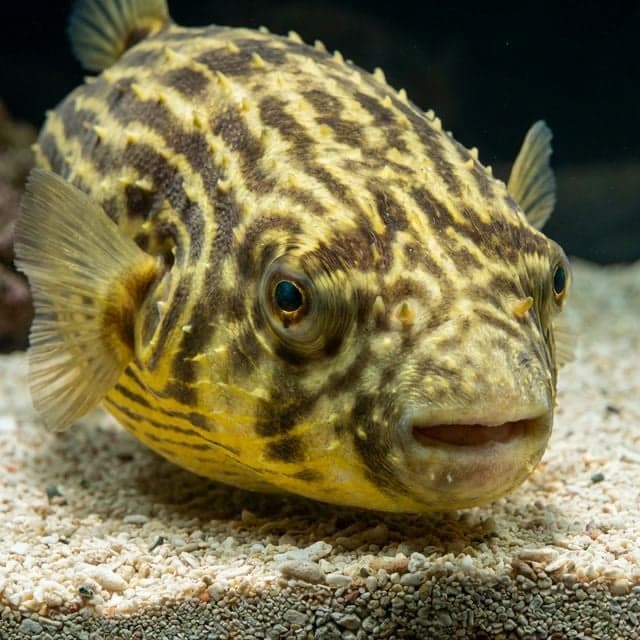
Wolf Cichlid: Parachromis dovii
One of the largest and most powerful New World cichlids, the Wolf Cichlid is a true apex predator known for its incredible size and territorial nature.
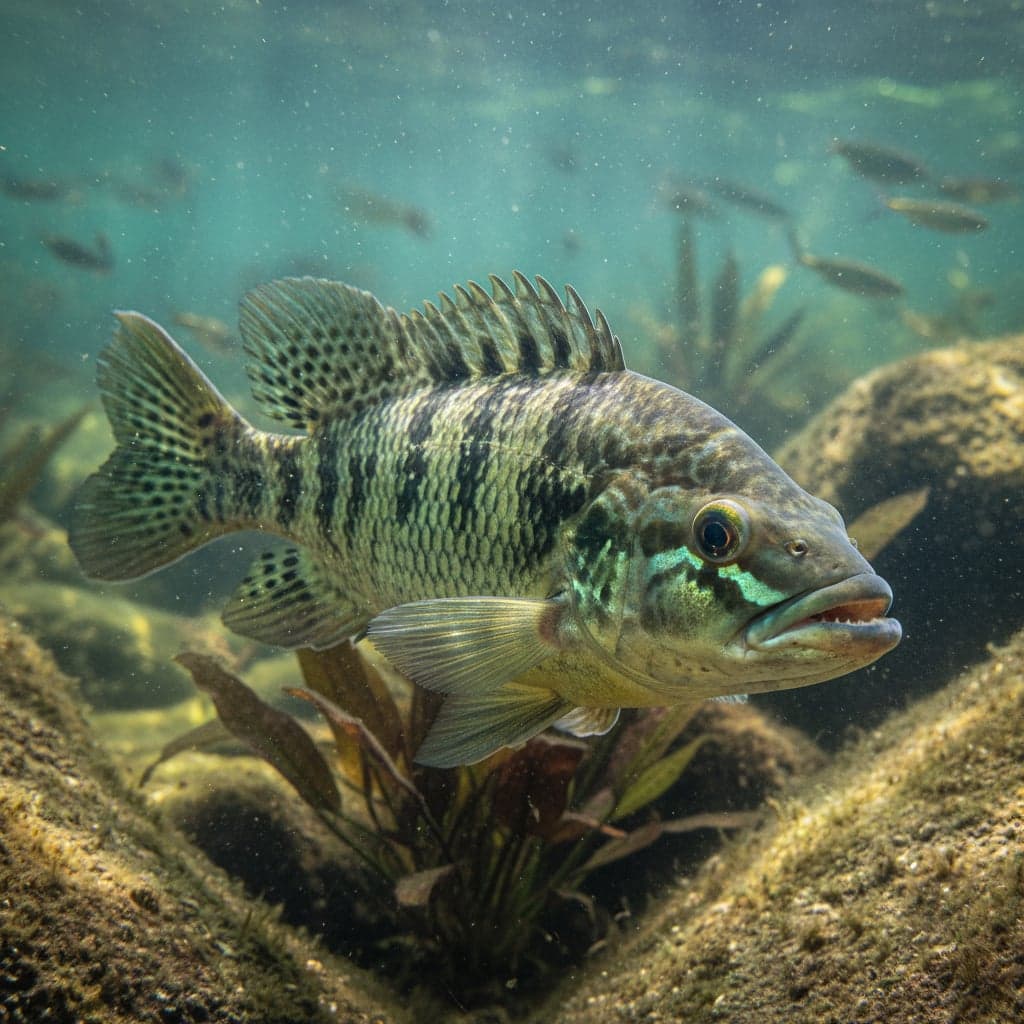
Wolf Cichlid
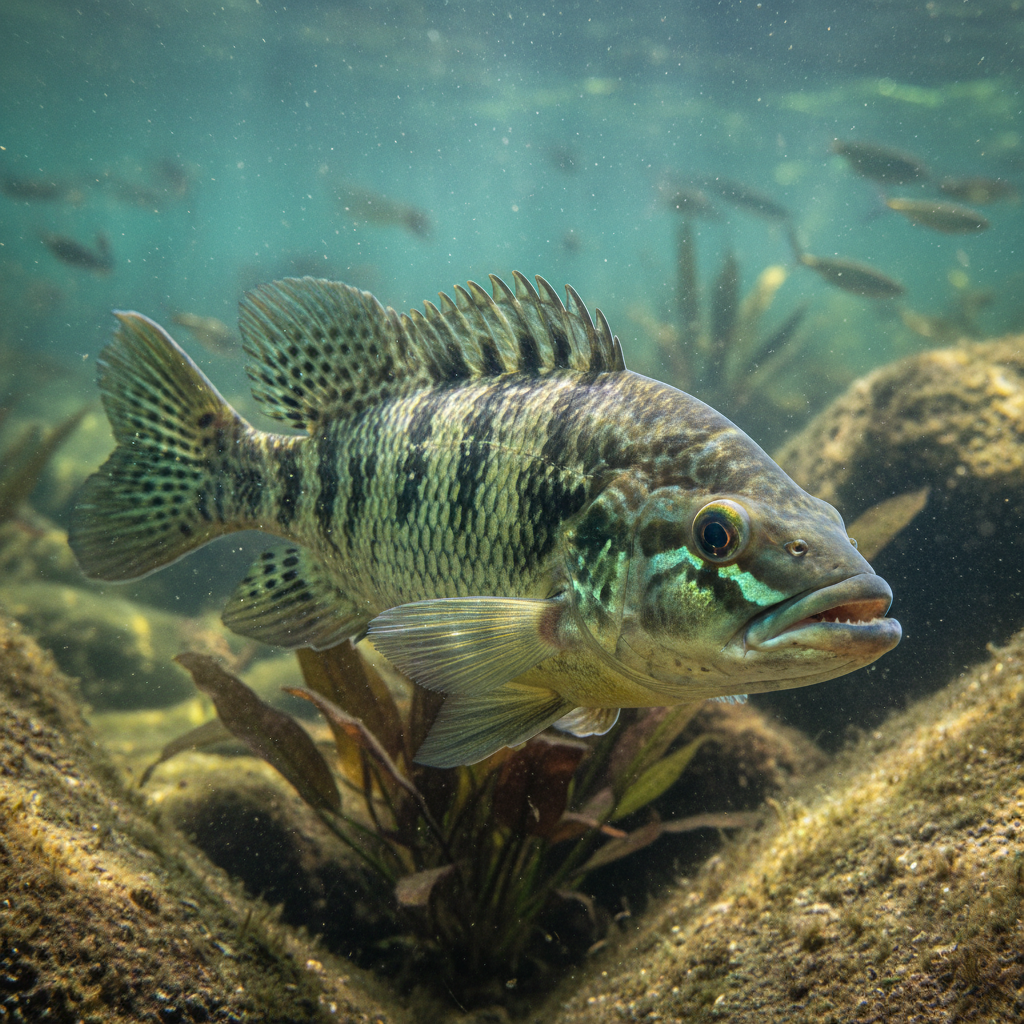
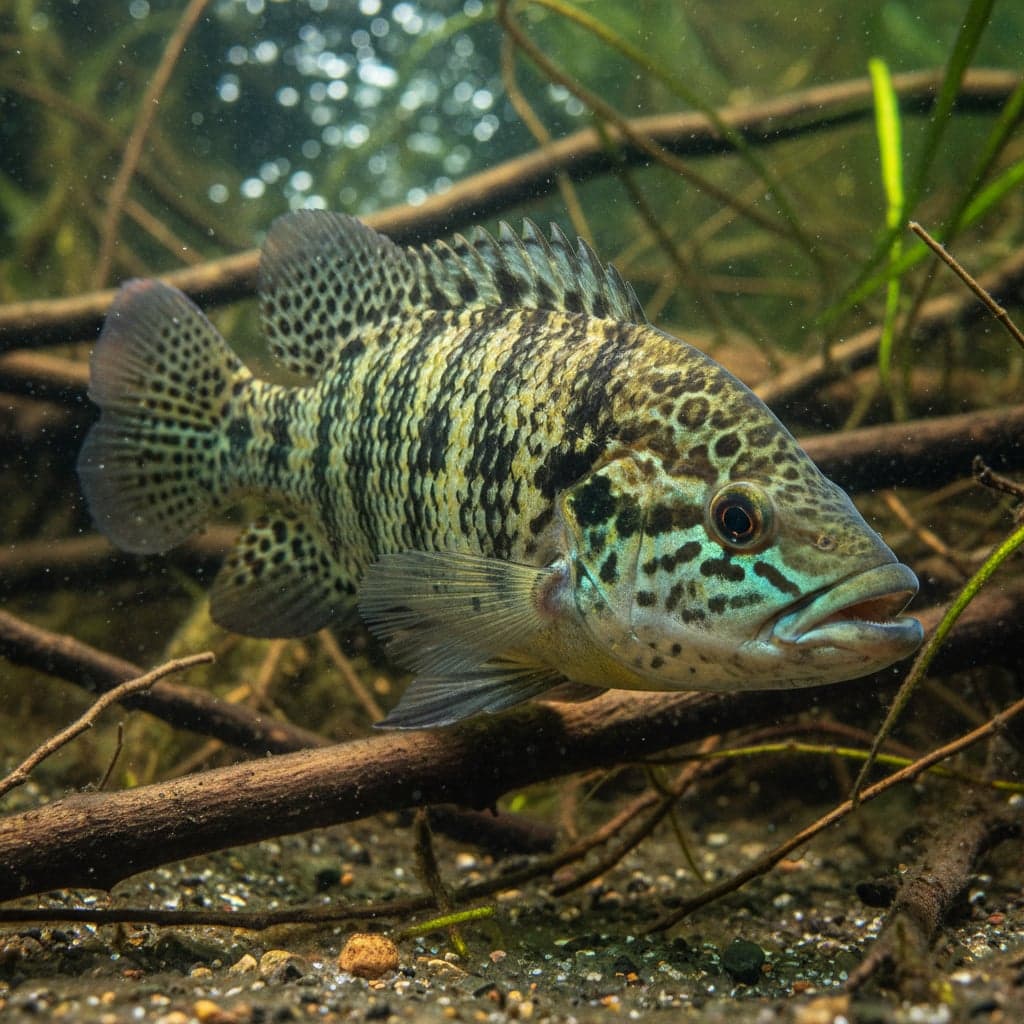
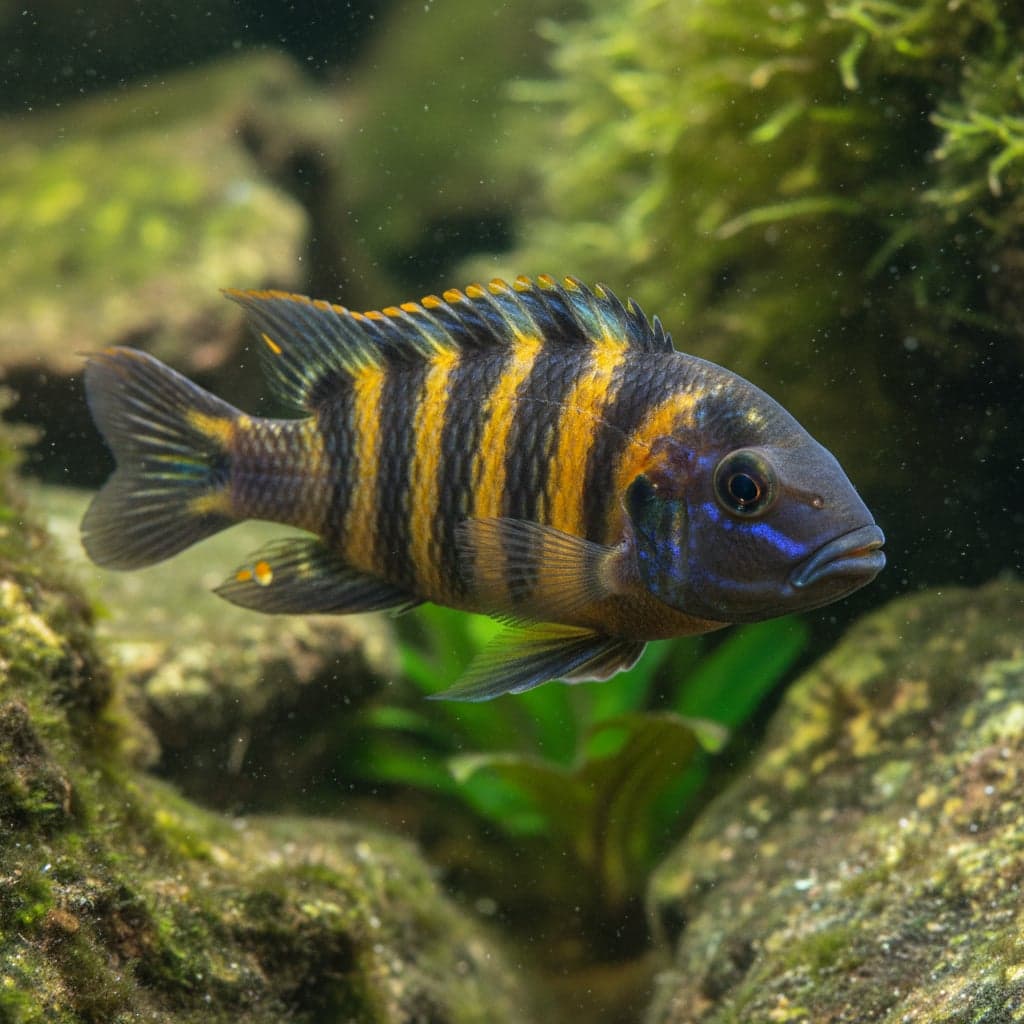
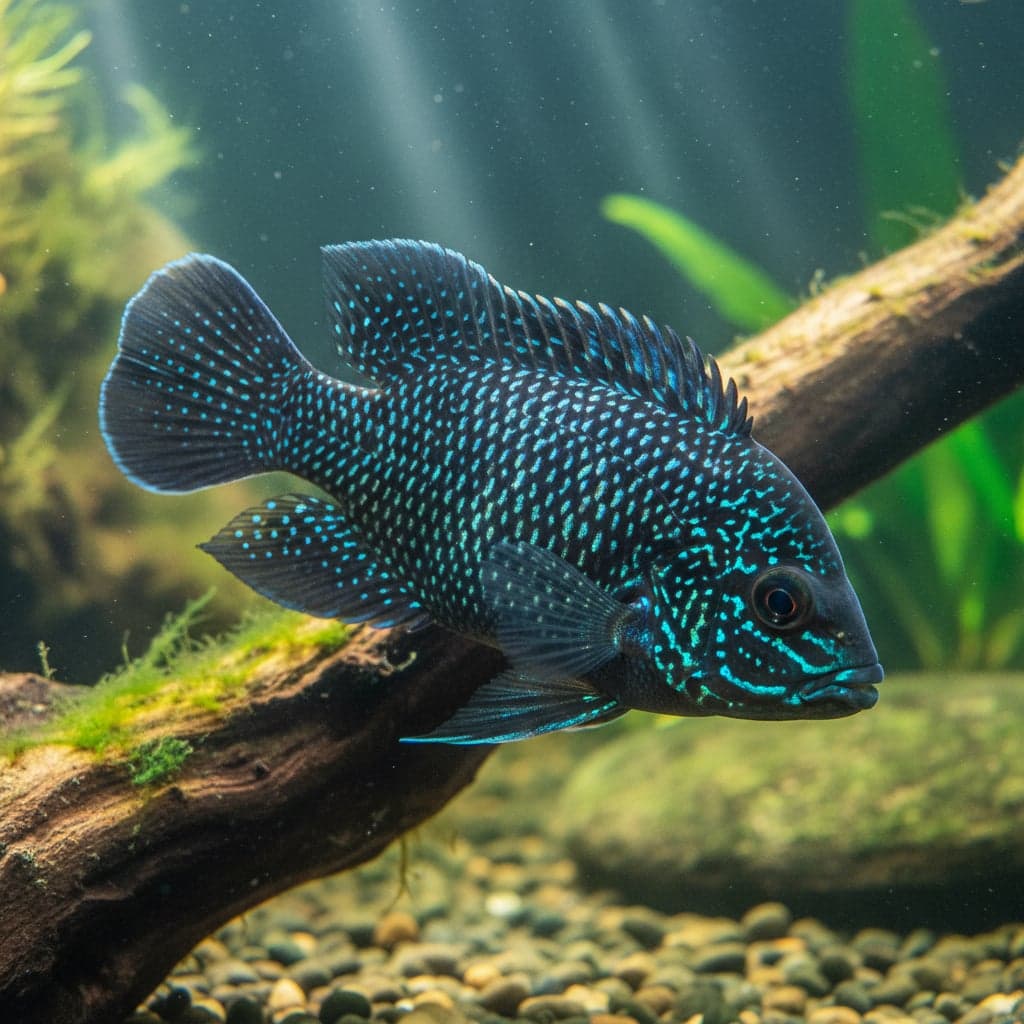
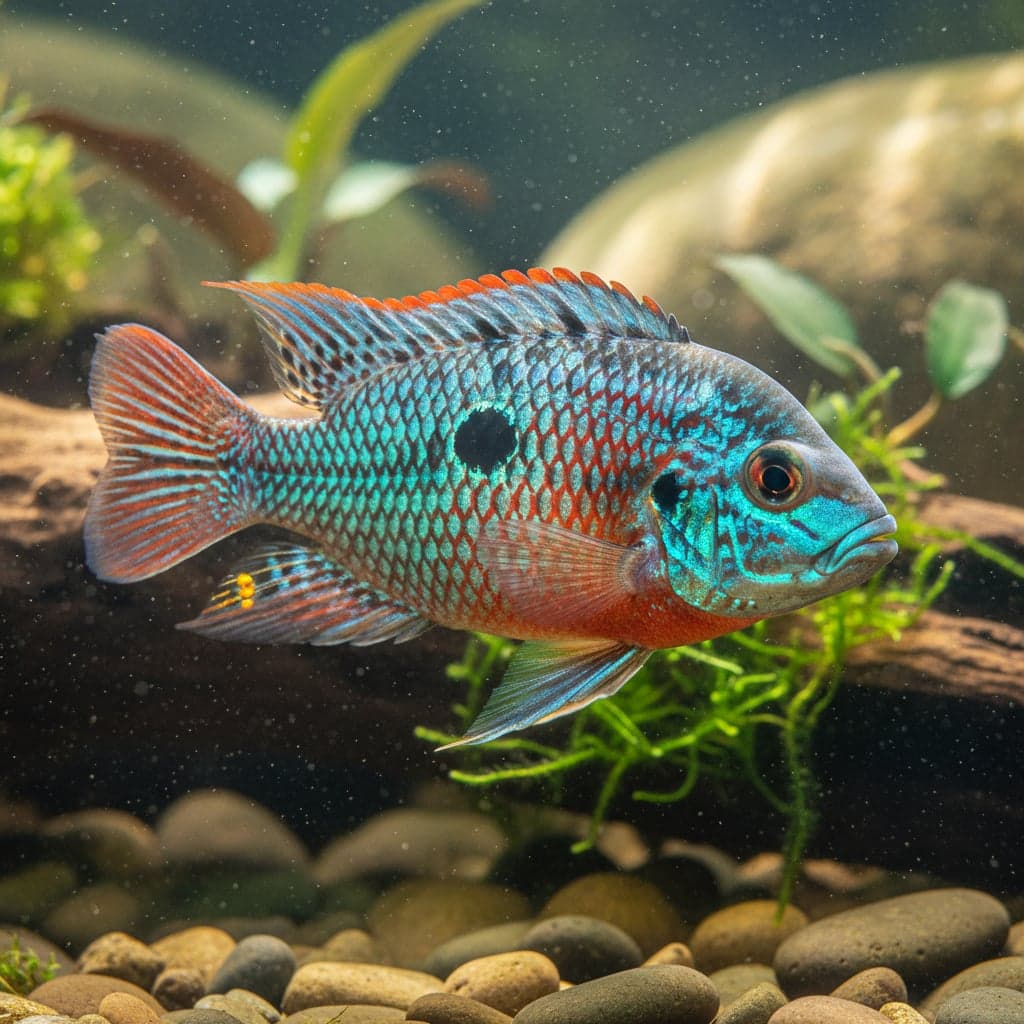
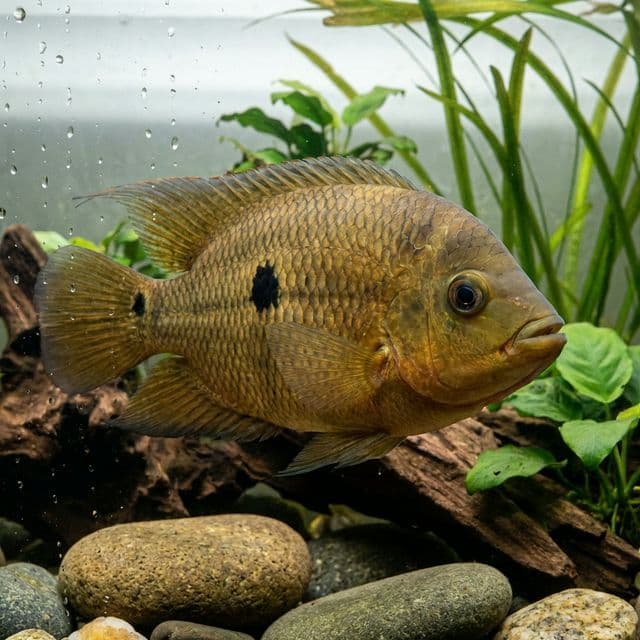
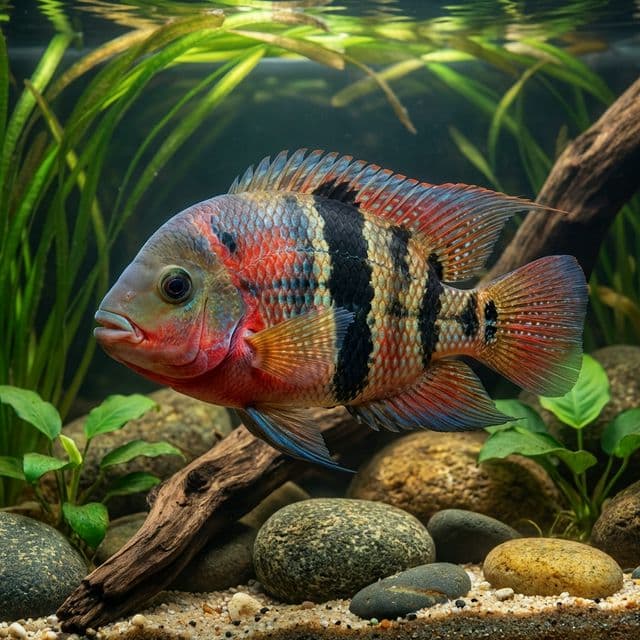
The Wolf Cichlid, scientifically known as Parachromis dovii, is a striking and formidable species that has garnered significant attention in the aquarium hobby due to its vibrant coloration and distinctive features. Native to Central America, particularly Central Nicaragua, this cichlid can grow to an impressive size of up to 24-28 inches (60-70 cm), making it one of the larger species in the aquarium trade. Its body is typically adorned with a brilliant mix of blues, greens, and yellows, often exhibiting a shimmering iridescent sheen that can captivate any aquarist. With a strong, elongated body and large dorsal fin, the Wolf Cichlid is not only visually stunning but also exhibits an array of fascinating behaviors that make it a centerpiece in any aquarium.
In addition to its visual appeal, the Wolf Cichlid holds a significant place in the aquarium hobby due to its reputation for intelligence and territoriality. As a highly adaptive fish, it has evolved to occupy various niches within its natural habitat, showcasing its adaptability and resilience. This species is often sought after by enthusiasts who appreciate its complex behaviors and dynamic presence in a community tank. However, due to its size and aggressive nature, careful consideration of tank mates and habitat conditions is crucial to ensure a thriving aquatic environment.
Natural Habitat & Origin
The Wolf Cichlid hails from the freshwater rivers and lakes of Central America, primarily found in Nicaragua, and is particularly abundant in the Lago de Nicaragua. This species is typically found in sandy and rocky substrates, where it can conceal itself and claim territory. The waters they inhabit are generally clear to slightly tinted, allowing sunlight to penetrate and support a range of aquatic flora. The natural environment of the Wolf Cichlid is characterized by a diverse ecosystem, featuring an array of organisms that contribute to its dynamic ecological interactions.
In their native environment, the water temperature ranges from 75°F to 82°F (24°C to 28°C), with a pH level between 6.5 and 8.0. The hardness of the water can vary, but it typically falls around 5 to 20 dGH. These conditions are vital for the health and well-being of the Wolf Cichlid, and replicating them in an aquarium setting is crucial for successful keeping.
Care Requirements
To successfully keep a Wolf Cichlid, it is imperative to meet its specific care requirements. The recommended tank size for a single adult is a minimum of 100 gallons, as these fish need ample space to swim and establish territories. The substrate should be fine sand or smooth gravel, which mimics its natural habitat and minimizes the risk of injury. Rock formations and caves are essential for providing hiding spots and territories, as Wolf Cichlids can be quite territorial. When it comes to lighting, moderate to bright lighting is suitable, along with hardy aquatic plants that can tolerate aggressive behaviors.
Maintaining optimal water parameters is critical. Ideal conditions include a pH of 7.0 to 8.0, a water temperature of around 76°F to 82°F (24°C to 28°C), and hardness levels between 5 to 15 dGH. Regular water changes and a strong filtration system are essential to maintain water quality, as Wolf Cichlids can be sensitive to poor water conditions.
Diet & Feeding
The dietary preferences of the Wolf Cichlid are primarily carnivorous, making them natural hunters in the wild. They thrive on a varied diet consisting of high-quality pellets, flakes, frozen foods, and live offerings. Flake products should be formulated for carnivorous fish to ensure they receive appropriate nutrition. Protein-rich foods like bloodworms, brine shrimp, and other live or frozen offerings should be included to meet their dietary needs. Omnivorous pellets can also be offered, but the main focus should be on meaty foods for robust growth and coloration.
Feeding frequency should be adjusted based on the fish's size and activity level, typically two to three times daily, ensuring that the food is consumed within a few minutes to prevent water quality issues. Offering a diverse diet will support the overall health, vigor, and vibrant coloration of the Wolf Cichlid.
Behavior & Temperament
The Wolf Cichlid is known for its complex behavior and assertive temperament. In their natural habitat, they display a territorial nature, often establishing extensive territories that they fiercely defend against potential intruders. As solitary or pairing fish, they are not typically schooling fish and prefer to occupy their designated space within the tank. While they can exhibit cautious behavior when first introduced to a new environment, they quickly adapt to their surroundings and display bold, curious behaviors.
As a species with a high aggression level, particularly during breeding, it is essential to monitor the Wolf Cichlid's interactions with tank mates and provide plenty of hiding spaces to minimize stress and aggression. The vertical placement within the tank can vary; they thrive in mid to upper water levels, showing off their impressive dorsal fin and strong swimming abilities.
Tank Mates
Choosing compatible tank mates for the Wolf Cichlid can be challenging due to its territorial nature and aggressive tendencies. Larger, robust fish that can hold their own, such as other cichlids (e.g., Jaguar Cichlids, Green Terrors) or larger South American species like Silver Dollars, can be suitable companions. However, it is crucial to avoid smaller, more timid species that may become targets for aggression. Other fish to consider include certain species of catfish, large rainbowfish, and even some types of robust barbs.
Species to avoid include smaller cichlids or fish that display bright colors and long fins, as these may provoke aggression from the Wolf Cichlid. With proper tank conditions and careful mate selection, cohabitation can be successful, but ongoing observation is essential to ensure harmony within the aquarium.
Breeding
Breeding the Wolf Cichlid in captivity can be a rewarding experience, provided that the appropriate conditions are met. These cichlids exhibit interesting spawning behavior, often forming a strong pair bond before breeding. When ready to spawn, they will clear a flat surface, typically a rock or substrate area, to lay their eggs. A successful breeding setup should include a dedicated breeding tank of at least 75 gallons, optimal water parameters (pH 7.2 to 8.0, temperature 78°F to 82°F), and minimal disturbances.
After the eggs are laid, both parents usually take turns guarding the eggs, displaying aggressive behavior toward any perceived threats. The incubation period for the eggs is about three to four days, after which the fry will begin to swim freely. Providing high-quality infusoria or finely crushed food will help the fry thrive during their early development stages, with careful monitoring of water quality to ensure a healthy environment for growth.
Common Health Issues
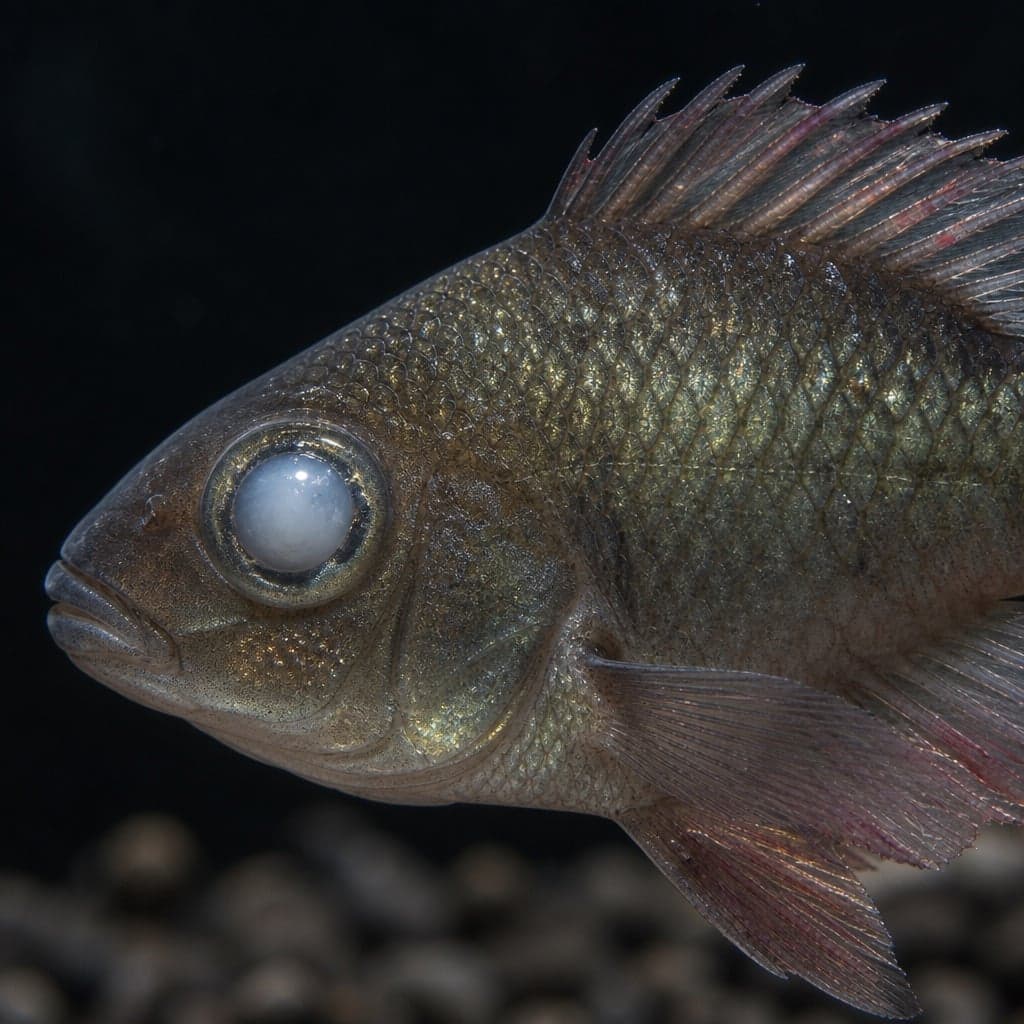
While the Wolf Cichlid is generally hardy, it can be susceptible to specific health issues, particularly in less than optimal environments. Common diseases include ich (Ichthyophthirius multifiliis), fin rot, and drop eye, a condition where the eyes sink into their sockets. Preventative measures include maintaining impeccable water quality, regular tank cleanings, and quarantining new arrivals to avoid introducing pathogens.
Monitoring for signs of stress—such as excessive scratching against tank decor, changes in appetite, or abnormal swimming patterns—can help catch issues early before they escalate into serious disease outbreaks. Treat promptly in a hospital tank when needed, and never ignore cloudy eyes, frayed fins, loss of appetite, or prolonged hiding. Stable hard water, ample territory, and a protein-rich diet strengthen resilience. With vigilant observation and clean water, Wolf Cichlids remain powerful, healthy centrepieces rather than chronically stressed predators in the home aquarium.