X-Ray Tetra: Pristella maxillaris
A hardy and visually striking tetra with translucent scales and vibrant bicolored fins, making it a classic favorite for freshwater community aquariums.
X-Ray Tetra
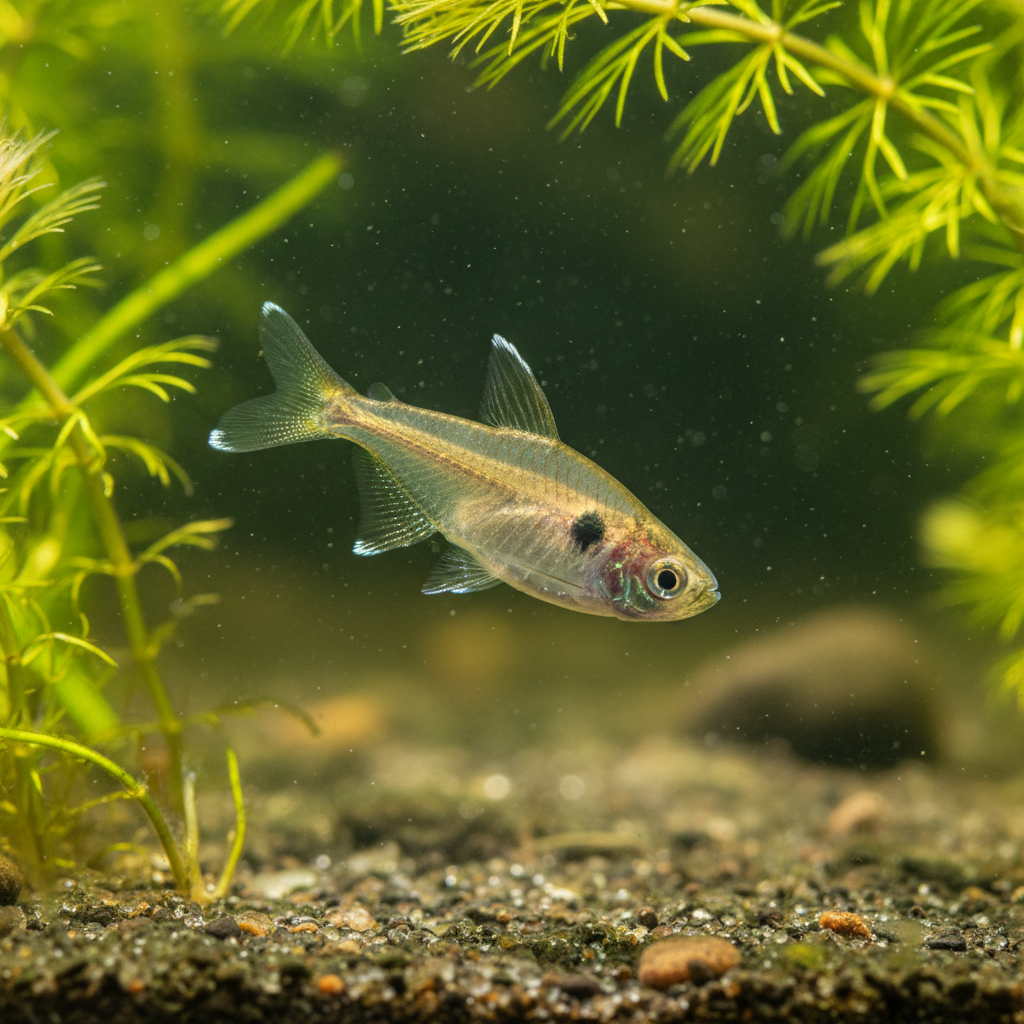
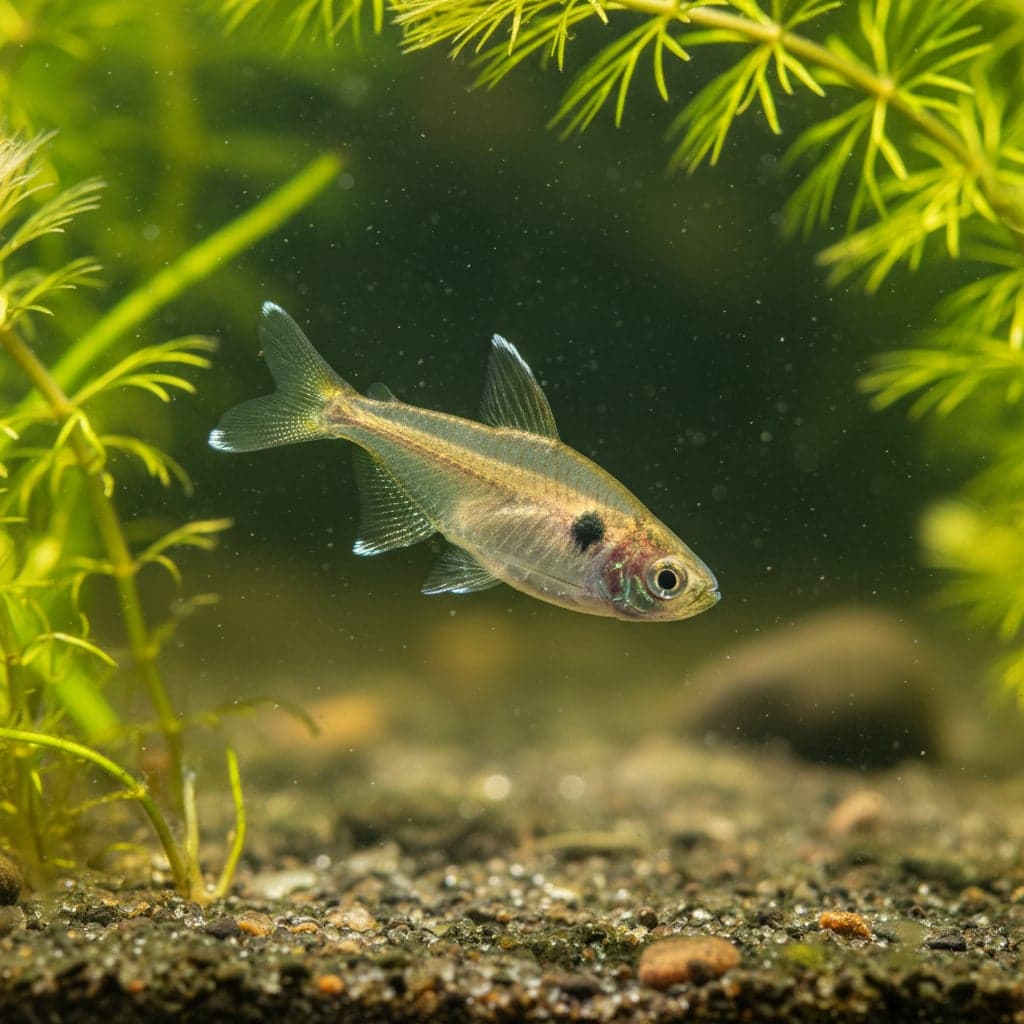
The X-Ray Tetra, scientifically known as Pristella maxillaris, is a small, vibrant freshwater fish that has captured the hearts of aquarium enthusiasts around the world. Renowned for its translucent body that showcases a delicate internal skeletal structure, this species offers both visual appeal and an intriguing glimpse into the underwater world. The shimmering sheen of the X-Ray Tetra, combined with the soft, iridescent glow of its fins, creates a captivating display that makes it a popular choice for community tanks. Its peaceful nature and active swimming style further contribute to its significance as a staple in the aquarium hobby.
Originating from the waterways of South America, particularly the Amazon River basin, the X-Ray Tetra is not only an aesthetic delight but also a representation of biodiversity in freshwater ecosystems. Its presence in aquariums serves as a reminder of the importance of conservation efforts in preserving these unique habitats. As more aquarists seek to replicate natural environments, the X-Ray Tetra plays a crucial role in fostering an appreciation for freshwater life and promoting sustainable practices within the hobby.
Natural Habitat & Origin
The X-Ray Tetra hails primarily from the clearwater and blackwater regions of the Amazon River basin, which spans across Brazil, Colombia, and Peru. These environments are characterized by slow-moving streams and rivers that are often enriched with vegetation and leaf litter, creating a dark, tannin-stained water column. The acidity of the water in its natural habitat typically ranges from 5.5 to 7.0 pH, presenting a soft and slightly acidic environment conducive to the species’ overall health and well-being. The natural habitat's rich biodiversity, including various other fish species and aquatic plants, enhances the X-Ray Tetra’s social behaviors and adaptability.
The unique environmental conditions of the Amazon basin inform the care requirements for the X-Ray Tetra in captivity. Understanding its origin helps aquarists create a more suitable habitat that closely mimics its natural surroundings, ensuring a healthier and more stress-free experience for both the fish and its caretakers.
Care Requirements
To thrive in an aquarium setting, X-Ray Tetras require specific water parameters and a well-maintained tank setup. The optimal pH range is between 6.5 and 7.5, with a temperature that should ideally be maintained between 22 to 28 degrees Celsius (72 to 82 degrees Fahrenheit). A water hardness level of 2-15 dGH is recommended to mimic their native waters.
In terms of tank setup, a minimum tank size of 20 gallons is advised to accommodate a small school of X-Ray Tetras, ideally 6 or more individuals. A sandy or fine gravel substrate mimics the natural riverbed while providing them a comfortable bottom to explore. Emphasizing an environment rich with plants, aquarists should incorporate hardy species such as Java fern, Amazon sword, and floating plants that offer cover and shade. Lighting should be moderate to dim, which helps emphasize the Tetra’s colors while reducing stress from overly bright conditions.
Diet & Feeding
The X-Ray Tetra is classified as an omnivore, feeding on a varied diet that consists of both plant and animal matter. In captivity, they thrive on quality flake foods and micro-pellets that are high in protein and essential nutrients. A varied diet that includes frozen or live foods such as brine shrimp, daphnia, and bloodworms can significantly enhance their health and coloration. It is crucial to maintain a feeding schedule that provides small amounts of food 1-2 times a day to prevent overfeeding and maintain water quality. Supplementing their diet with fresh vegetables, like blanched spinach or peas, can further support their nutritional needs and promote overall well-being.
Behavior & Temperament
X-Ray Tetras are known for their friendly temperament and are considered one of the most peaceful fish available in the aquarium trade. They exhibit schooling behavior, thriving in groups of six or more to feel secure and reduce stress. In the tank, X-Ray Tetras are often found swimming in the upper and mid-levels, darting about playfully, especially during feeding times. They are generally non-aggressive, but it’s essential to monitor interactions with other species to mitigate any territorial disputes that may arise within smaller communities.
Given their social nature, it’s beneficial to mimic their natural environment by providing ample swimming space and hiding spots, allowing them to exhibit their natural behaviors while feeling secure in their surroundings.
Tank Mates
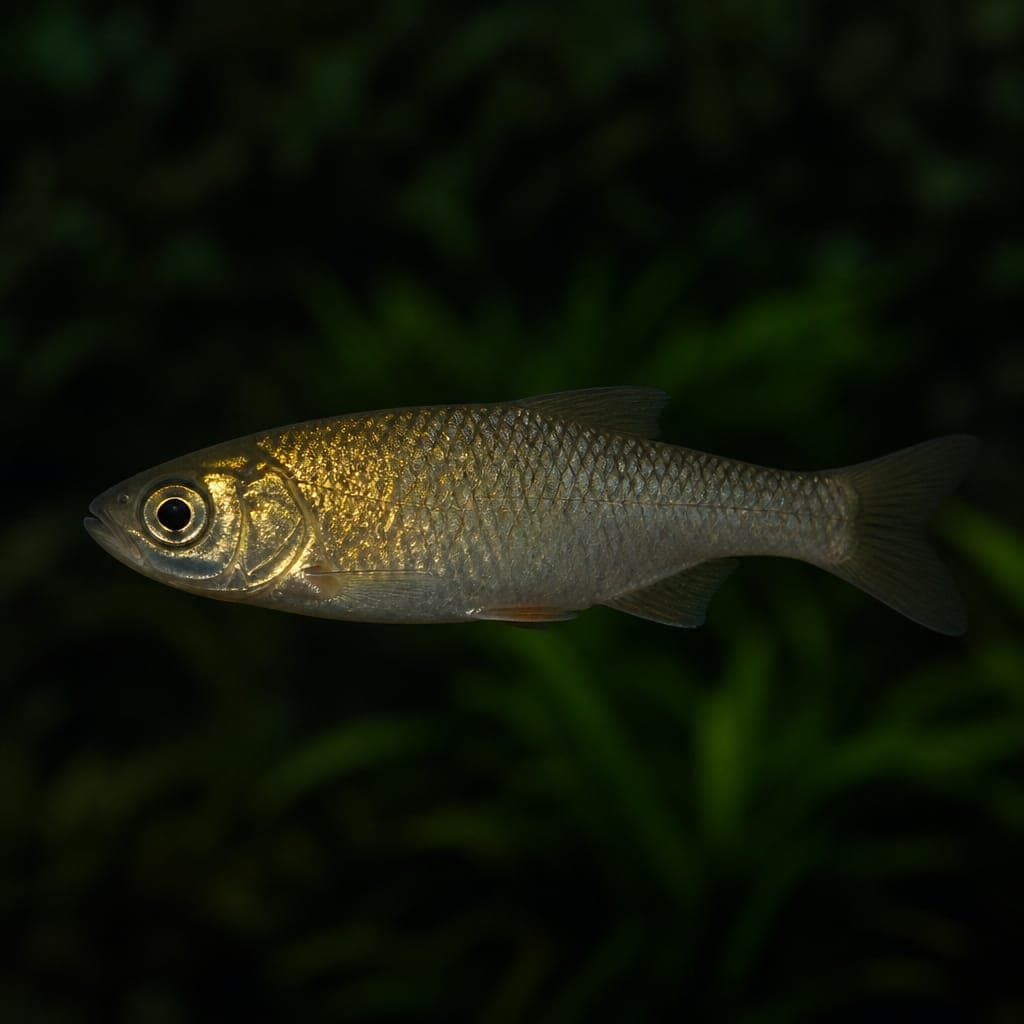
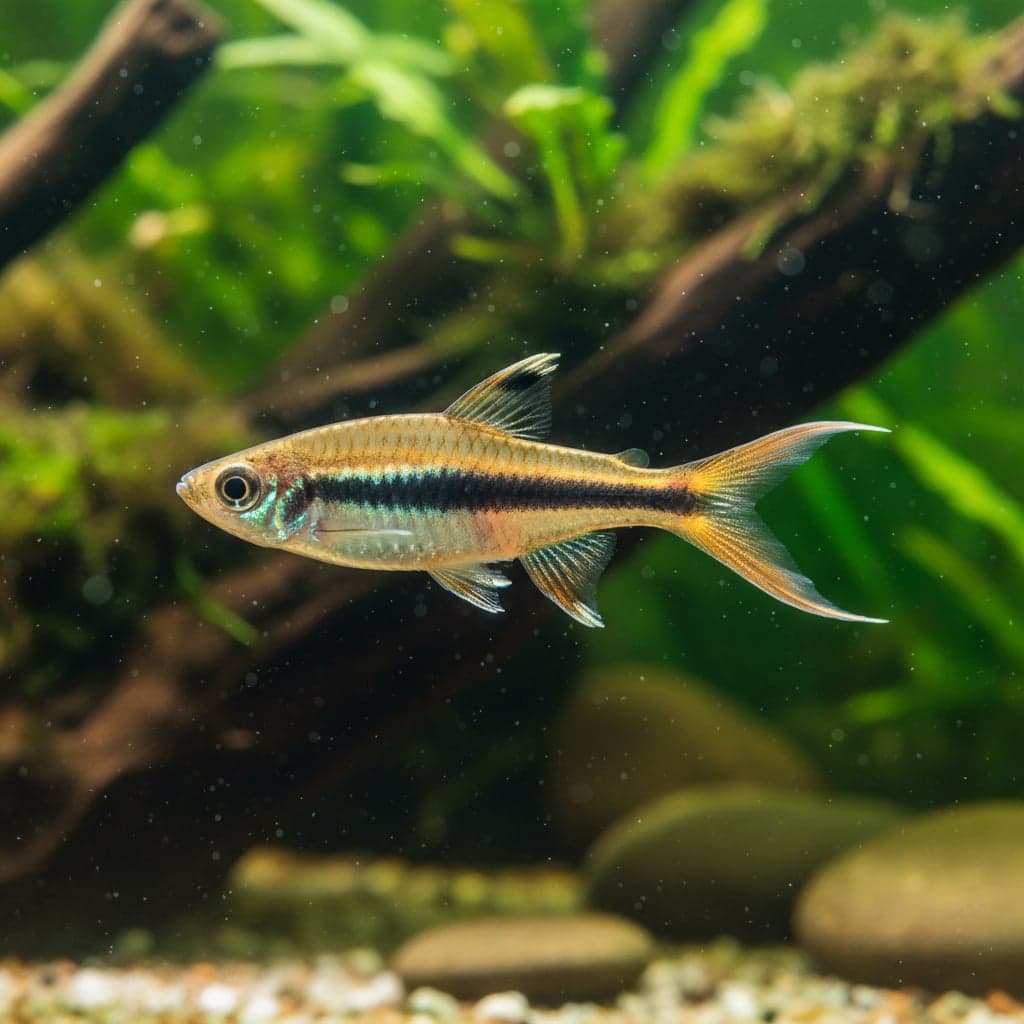
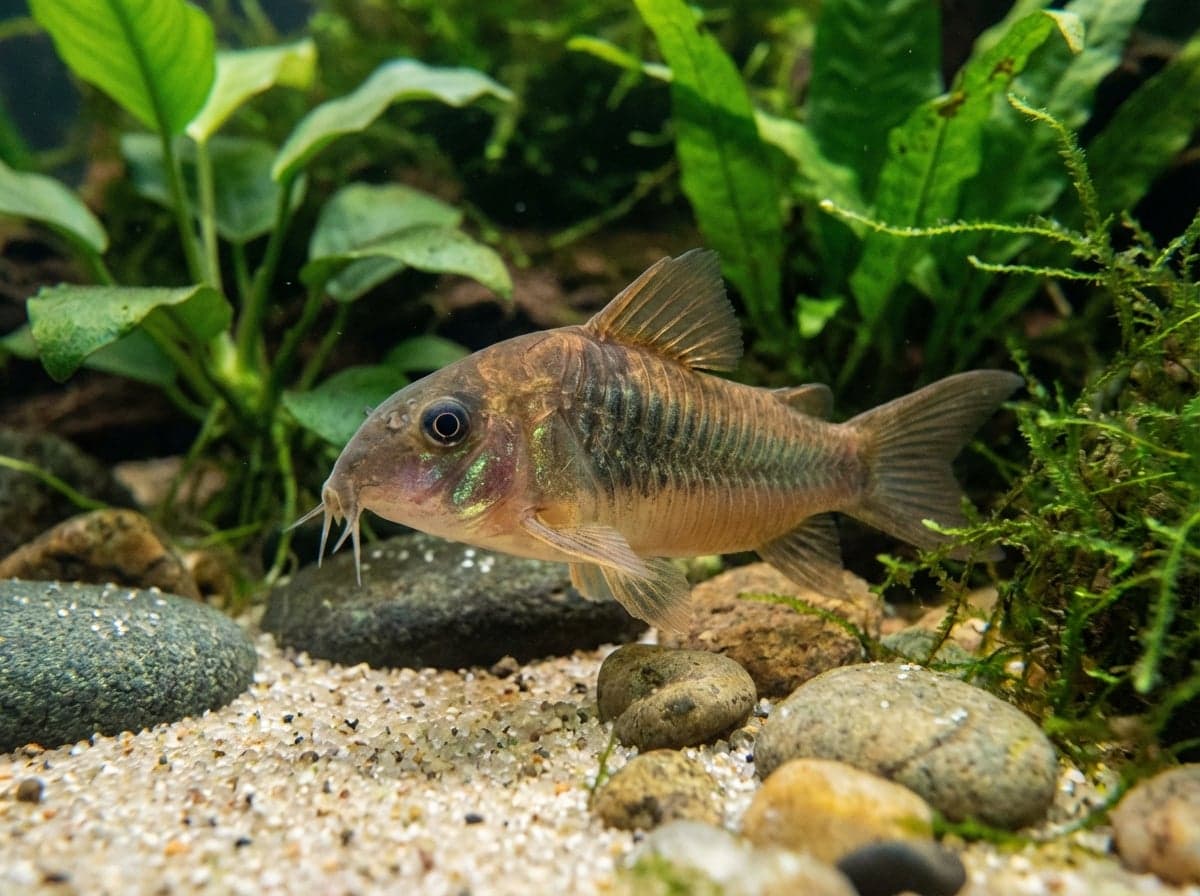
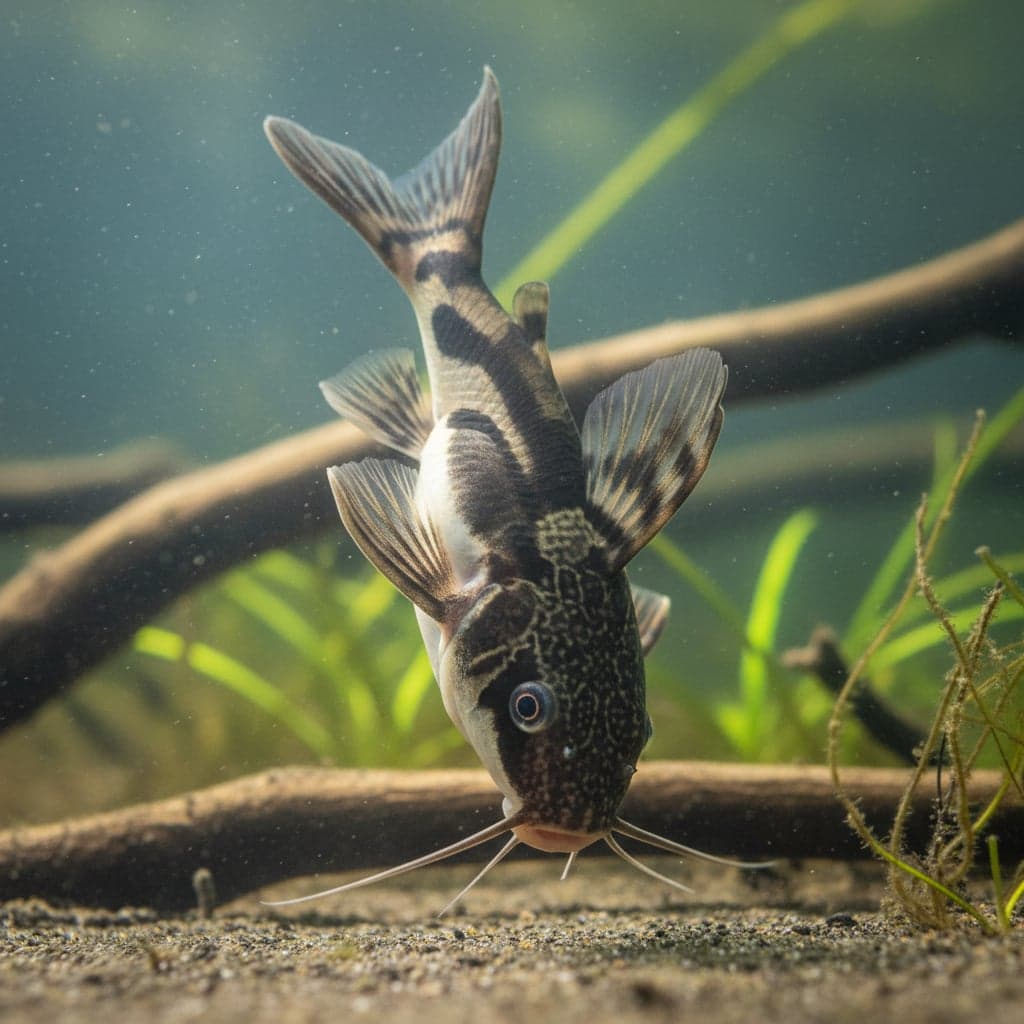
When considering compatible tank mates for the X-Ray Tetra, it is essential to select peaceful species that share similar water parameters. Ideal companions include other small schooling fish, such as Neon Tetras, Rasboras, and Guppies. Additionally, bottom dwellers like Corydoras catfish can coexist harmoniously with them.
However, it’s advisable to avoid aggressive or larger species capable of preying on the X-Ray Tetra, such as Cichlids and larger barbs. Similarly, fast swimmers like some species of gouramis may intimidate the Tetra, leading to stress or injury. Ensuring a balanced community by selecting suitable tank mates will promote a harmonious aquarium environment.
Breeding
Breeding X-Ray Tetras in captivity can be a rewarding experience, though it requires specific conditions to encourage spawning behavior. To initiate breeding, set up a breeding tank with soft, acidic water (pH 6.0 to 6.5) and a temperature of approximately 26 to 28 degrees Celsius (79 to 82 degrees Fahrenheit). Incorporating spawning mops or fine-leaved plants provides suitable sites for female X-Ray Tetras to deposit their eggs, which are adhesive.
Once breeding occurs, typically in the early morning hours, adult fish should be removed from the breeding tank, as they may consume the eggs. After 24-36 hours, the eggs will hatch, and the fry will become free-swimming after about five days. A diet of infusoria or finely crushed flakes is essential for nurturing the young until they are large enough for more substantial food options.
Common Health Issues
Although X-Ray Tetras are generally hardy fish, they can be prone to certain health issues, particularly if water quality is not adequately maintained. Common diseases include ich (white spot disease), fin rot, and velvet disease. Preventative measures include maintaining a consistent water quality with appropriate filtration, performing regular water changes, and ensuring that tank mates do not exhibit aggressive behaviors.
Observing fish for signs of stress, such as changes in behavior or appearance, allows for early detection of health issues. Prompt treatment with established medications and ensuring good husbandry practices will significantly enhance the longevity and health of X-Ray Tetras in the aquarium.