Yellow Firemouth: Thorichthys pasionis
A beautiful and relatively peaceful Central American cichlid, featuring golden-yellow highlights and a less aggressive demeanor than its famous red relative.
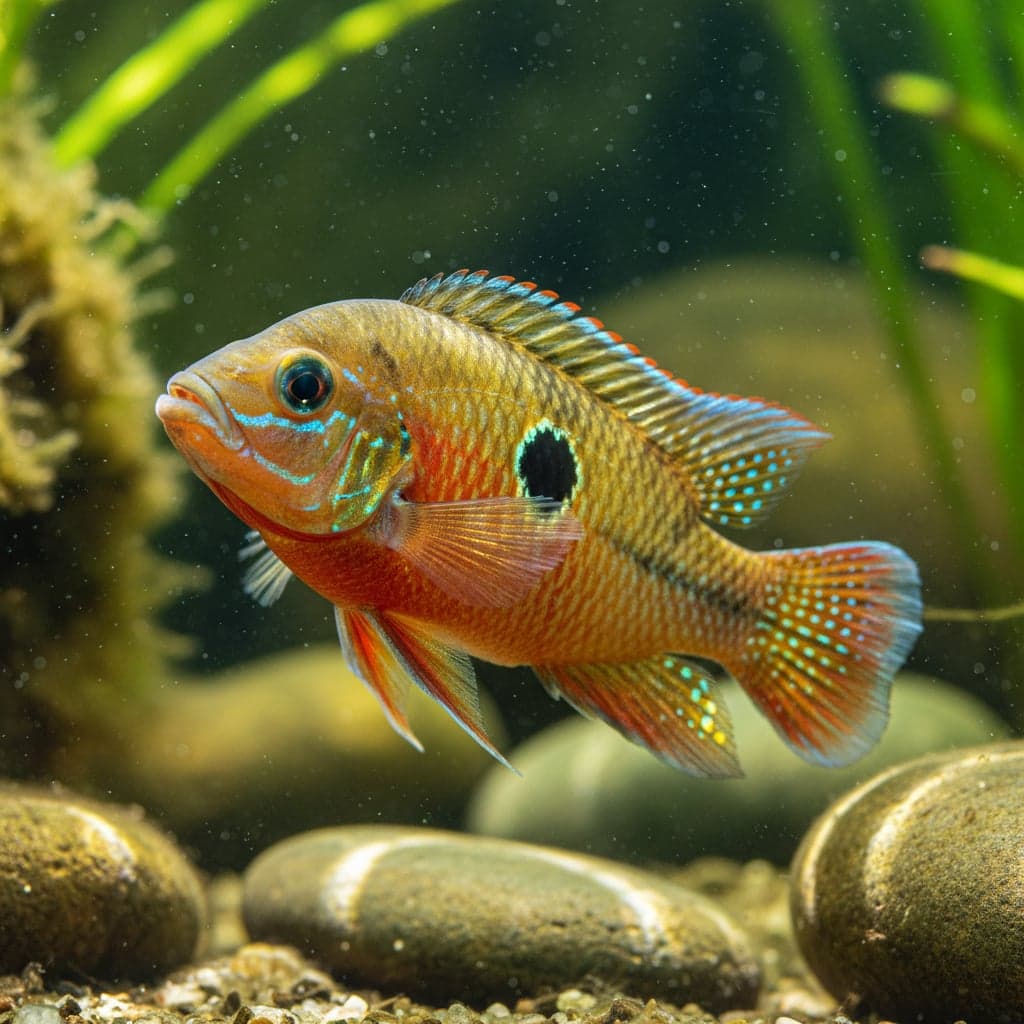
Yellow Firemouth
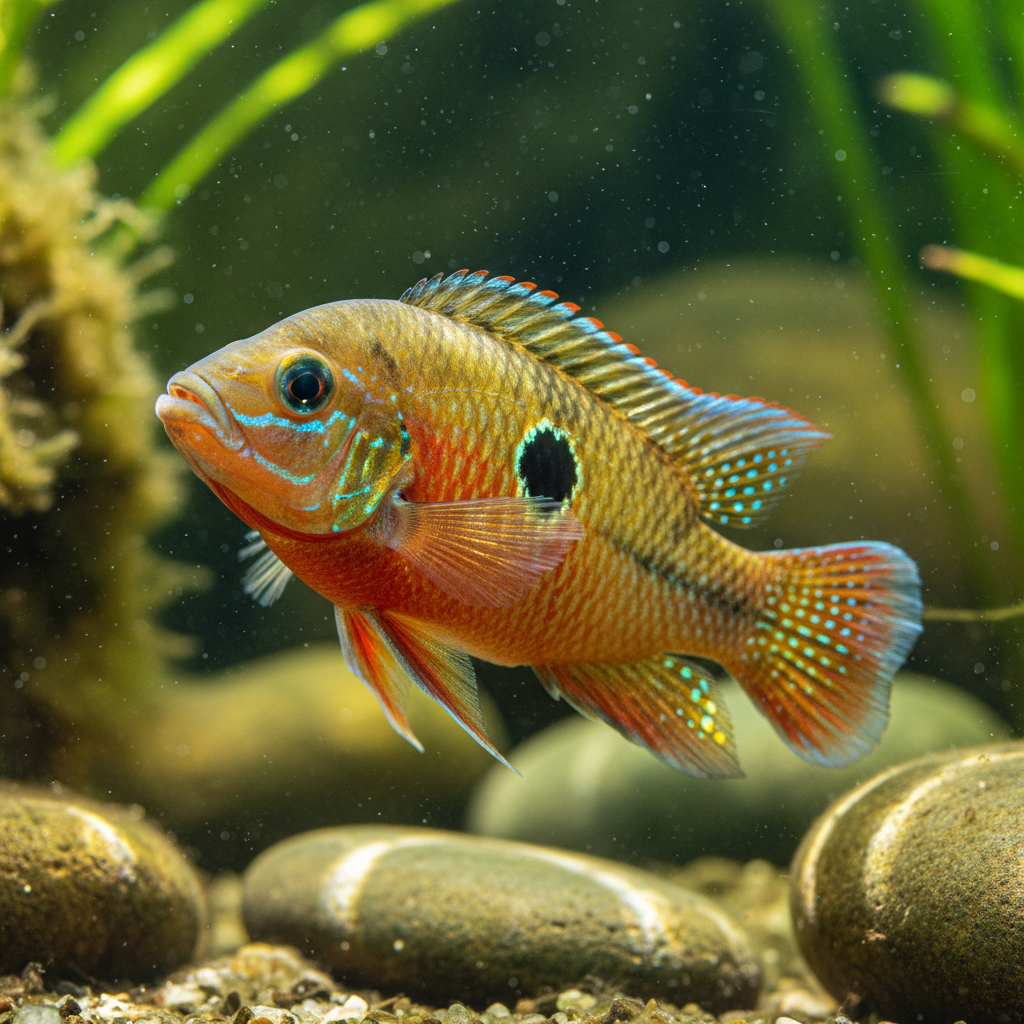
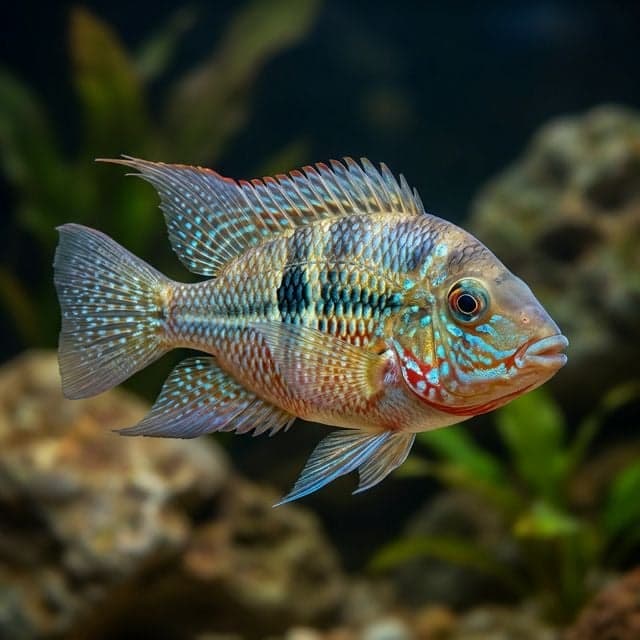
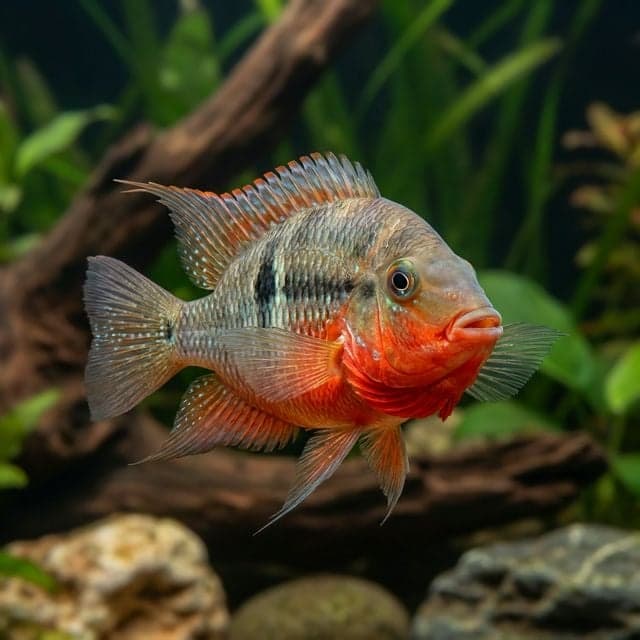
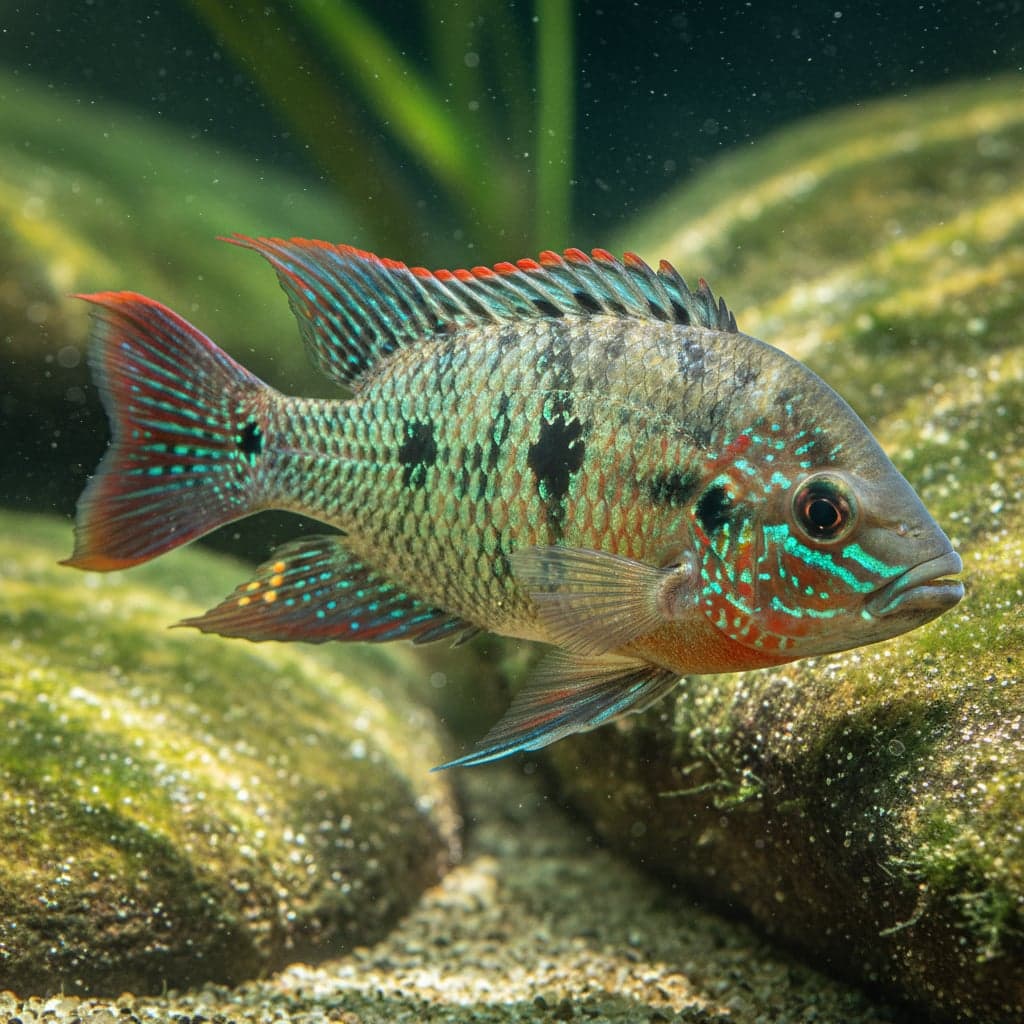
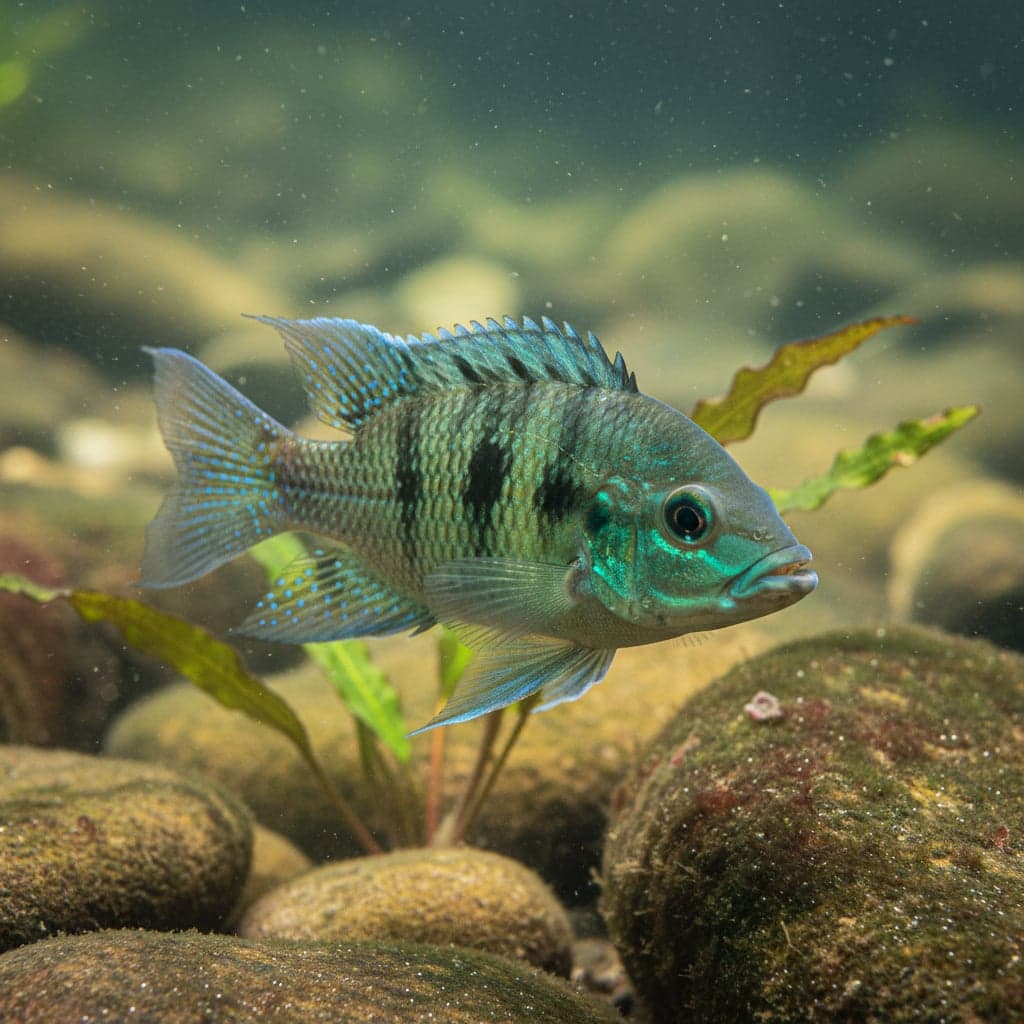
The Yellow Firemouth (Thorichthys pasionis) is a striking cichlid known for its vibrant coloration and dynamic behavior, making it a prized addition to the aquarium hobby. With its bright yellow-orange belly contrasted against a dark blue body and a distinctive red-orange blaze on its throat, this species captivates aquarists and offers a stunning visual display. They are not only appreciated for their aesthetic beauty but also for their engaging personalities. Their semi-aggressive nature and interactive behavior when kept in community tanks provide enthusiasts with a lively aquarium experience.
Beyond their visual appeal, Yellow Firemouths hold significance for aquarists interested in the cichlid family. They are relatively hardy fish that can adapt to various environments, making them suitable for both seasoned aquarists and beginners seeking to delve into the world of cichlid keeping. Their fascinating breeding behaviors and the ability to create complex social structures within a tank contribute to their popularity. As such, understanding their care and specific requirements is crucial for maintaining a thriving community and ensuring the health and happiness of these vibrant fish.
Natural Habitat & Origin
The Yellow Firemouth is native to the freshwater lakes and rivers of Central America, particularly found in countries such as Nicaragua, Honduras, and Costa Rica. This species typically inhabits slow-moving waters surrounded by dense vegetation and rocky substrates. They are often found in areas with soft or moderately acidic water, which plays a crucial role in their overall health and well-being. The ecological conditions of their natural environment are predominantly characterized by clear to slightly stained waters, with abundant hiding spots that provide security from predators.
These cichlids thrive in habitats where they can engage in natural behaviors, such as digging and establishing territories. The warm waters of their native regions generally range from 75°F to 82°F (24°C to 28°C), with a pH typically between 6.5 and 7.5. Understanding this natural habitat is key to replicating conditions in captivity, thereby promoting optimal health and encouraging natural behaviors in the aquarium.
Care Requirements
Maintaining the Yellow Firemouth requires attention to specific water parameters to ensure a healthy environment. The ideal water temperature ranges from 75°F to 82°F (24°C to 28°C), with pH levels between 6.5 and 7.5. Hardness should be moderate, around 10-15 dGH, to mimic their natural habitat effectively. For tank setup, a minimum size of 30 gallons is recommended to provide ample swimming space and territories for these semi-aggressive fish.
The substrate is best when composed of smooth gravel or sand, allowing the Yellow Firemouth to exhibit natural digging behaviors without injury. It is advisable to include plenty of decorations such as rocks, caves, and plants to create hides and boundaries within the tank. Lighting can be moderate, as these fish can appreciate slightly dimmed areas that mimic their natural environment. Use sturdy plants such as Java fern or Anubias, ensuring they are securely anchored to avoid uprooting.
Diet & Feeding
The Yellow Firemouth is an omnivorous species, requiring a well-balanced diet that incorporates both protein-rich and plant-based foods. In captivity, they thrive on high-quality flakes and pellets specifically formulated for cichlids. Supplementing their diet with high-protein options such as frozen or live foods, including brine shrimp, daphnia, and bloodworms, can enhance their health and coloration. Additionally, offering blanched vegetables or spirulina can provide essential nutrients, contributing to their overall well-being.
It is important to feed Yellow Firemouths small amounts multiple times a day, rather than one large meal, to mimic their natural feeding habits and prevent overfeeding. Ensuring dietary variety will help maintain their health and promote vibrant coloration, further enhancing their appeal in a community tank.
Behavior & Temperament
The Yellow Firemouth is known for its active and engaging behavior in the aquarium. These cichlids are generally territorial and may display aggression, particularly during breeding season or when establishing dominance. While they can coexist peacefully in a properly-sized community aquarium, it is essential to provide enough space and hiding spots to reduce stress and territorial disputes among tank mates.
These fish prefer to occupy the mid to lower areas of the tank, often claiming caves and sheltered areas as their territory. They typically exhibit inquisitive behavior and will interact with their environment, making them fascinating to observe. However, caution should be exercised when introducing new fish, as Yellow Firemouths may exhibit aggression towards unfamiliar species.
Tank Mates
Choosing compatible tank mates for the Yellow Firemouth can enhance the communal tank experience, but care should be taken to avoid overly aggressive or timid species. Suitable companions include other similarly-sized cichlids, such as the Blue Acara (Andinoacara pulcher), Rainbow Cichlid (Herotilapia multispinosa), and various species of tetras that can withstand their mild aggression.
Conversely, it is advisable to avoid smaller fish species, as they may be perceived as prey. Species such as guppies, neon tetras, and other tiny community fish may not thrive in the presence of Yellow Firemouths. Additionally, larger, more aggressive cichlid species should also be avoided to prevent conflict. Creating a balanced community tank will promote a healthier environment for all inhabitants.
Breeding
Breeding the Yellow Firemouth is a rewarding endeavor for aquarists willing to provide the right conditions. These fish are substrate spawners, often laying eggs on flat surfaces, such as rocks or ceramic tiles, in secure areas of the tank. Successful breeding can be achieved by providing a breeding pair with stable water parameters and a well-structured tank environment.
To encourage spawning, maintain a slightly elevated temperature of around 78°F to 80°F (26°C to 27°C) and ensure optimal water quality. The female Yellow Firemouth will lay clusters of small, typically 300 to 600 eggs, which are then fertilized by the male. After hatching, both parents are known to exhibit protective behavior towards their fry, guiding them to safe areas within the tank. Providing ample hiding spots for fry is crucial, as it ensures their safety until they are large enough to join the larger community.
Common Health Issues
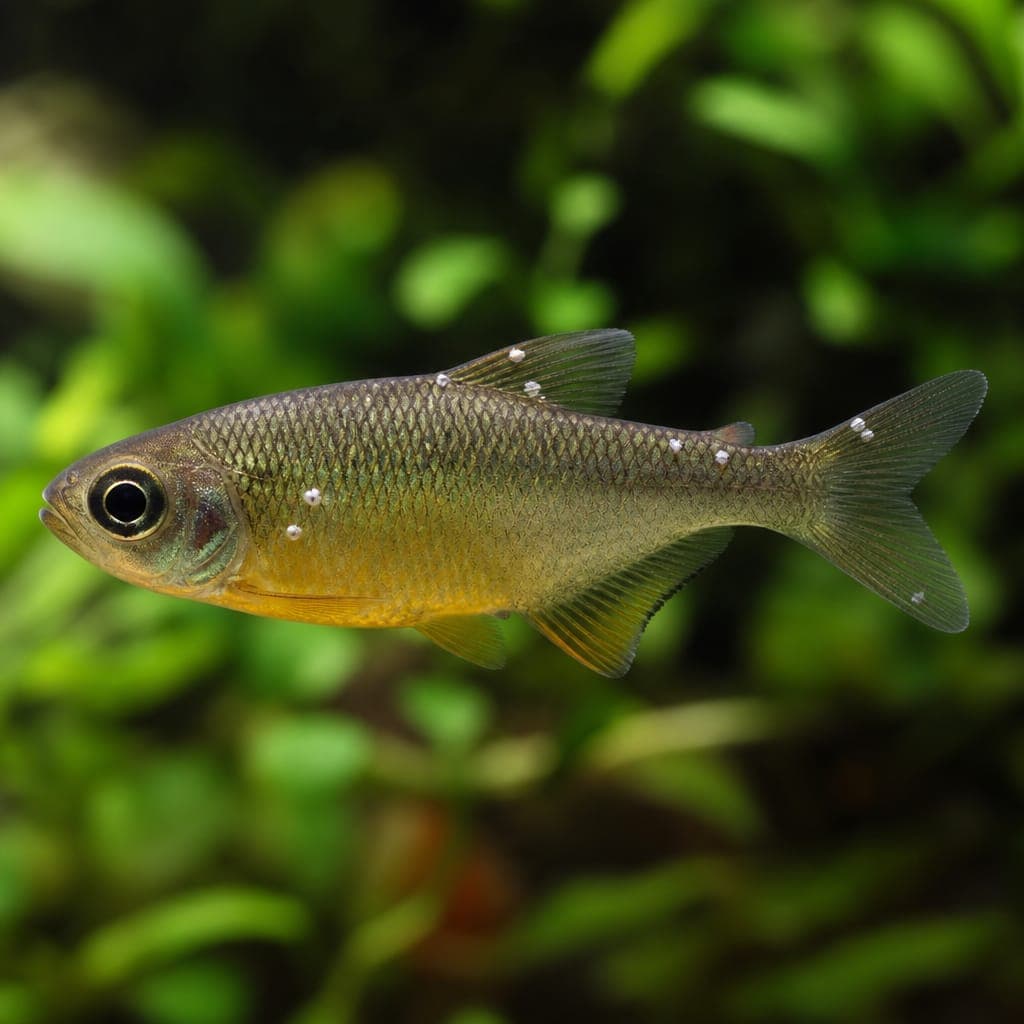
While generally hardy, Yellow Firemouths may be susceptible to certain health issues. Common ailments include ich (Ichthyophthirius multifiliis), fin rot, and swim bladder disease. Preventative measures involve maintaining optimal water quality through regular testing and performing partial water changes to keep the tank clean. Quarantining new arrivals and avoiding overcrowding can help prevent the introduction of diseases into the tank.
Monitoring fish for signs of stress or illness—such as changes in behavior, appetite, or physical appearance—can aid in early detection and treatment. Providing a balanced diet and reducing stress through proper tank conditions are key factors in maintaining the health of Yellow Firemouths. Regular observation and timely intervention are essential for the long-term success of these captivating fish in the aquarium.