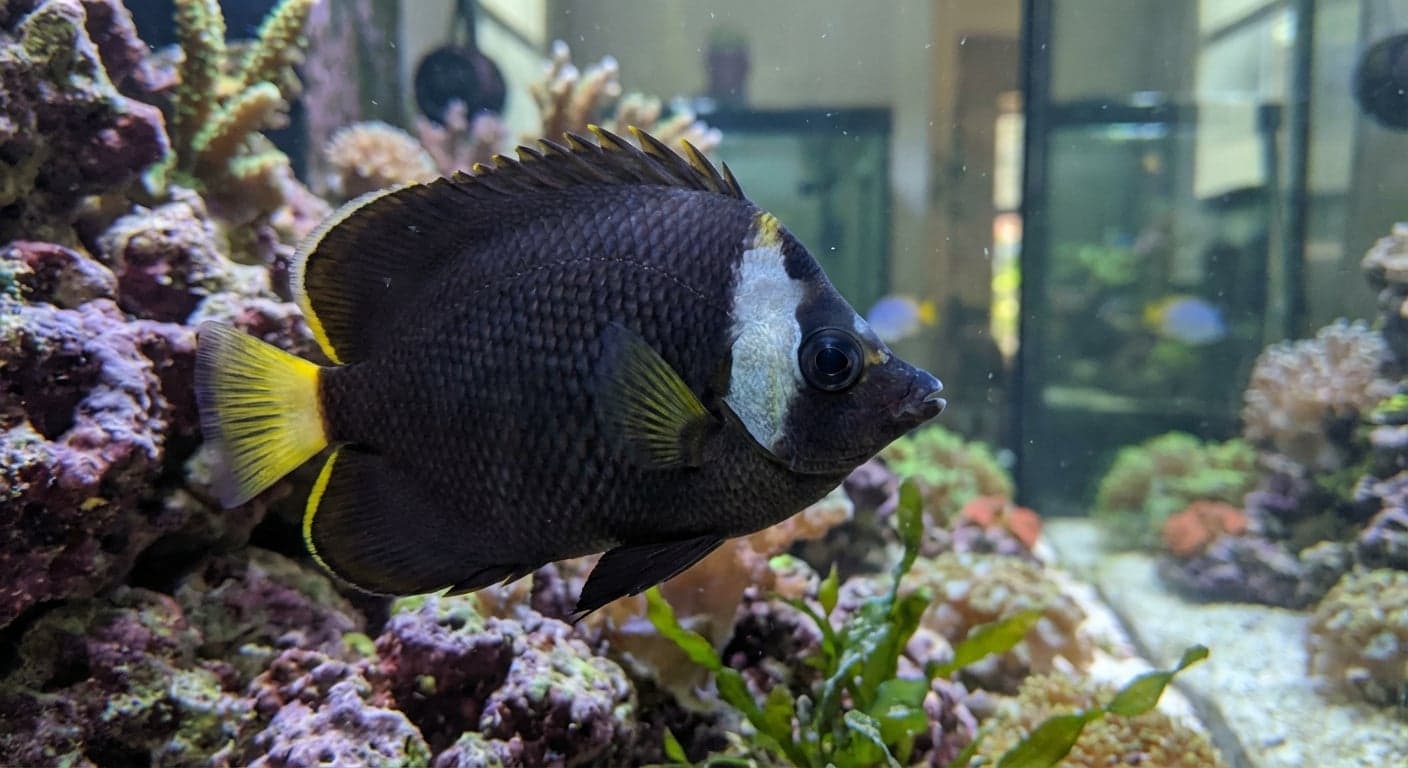
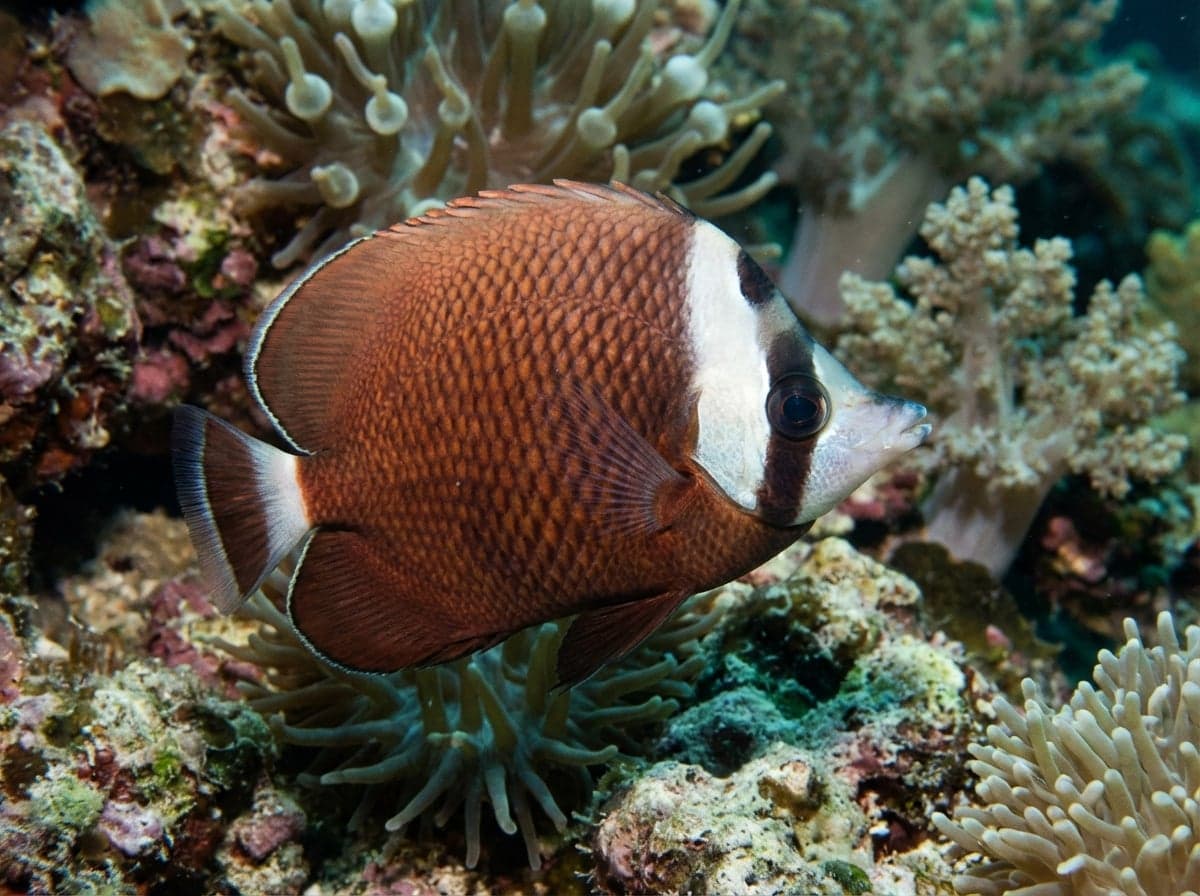
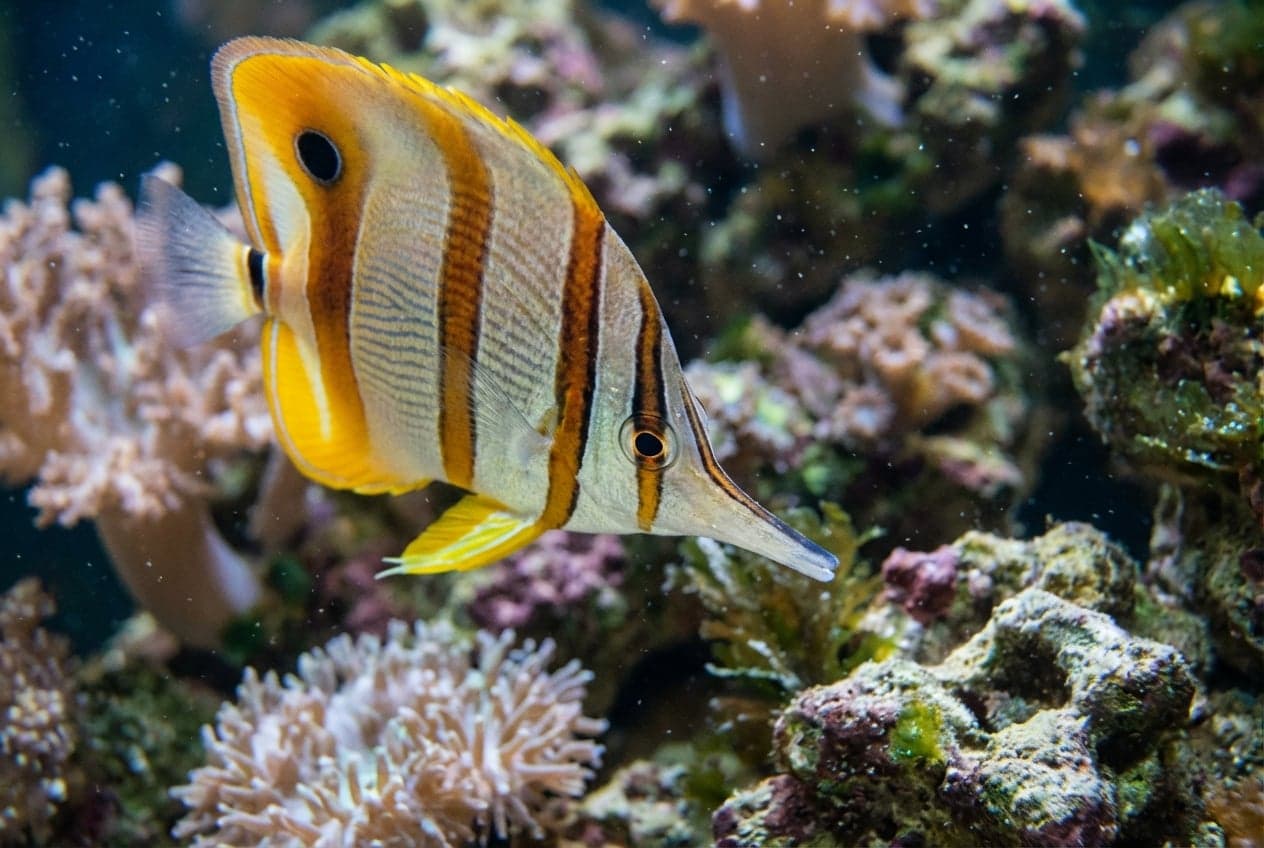
Yellow Longnose Butterflyfish
A 22cm butterflyfish with a long snout for picking crevices. One of the hardier butterflies, but still a risk around corals.
Yellow Longnose Butterflyfish
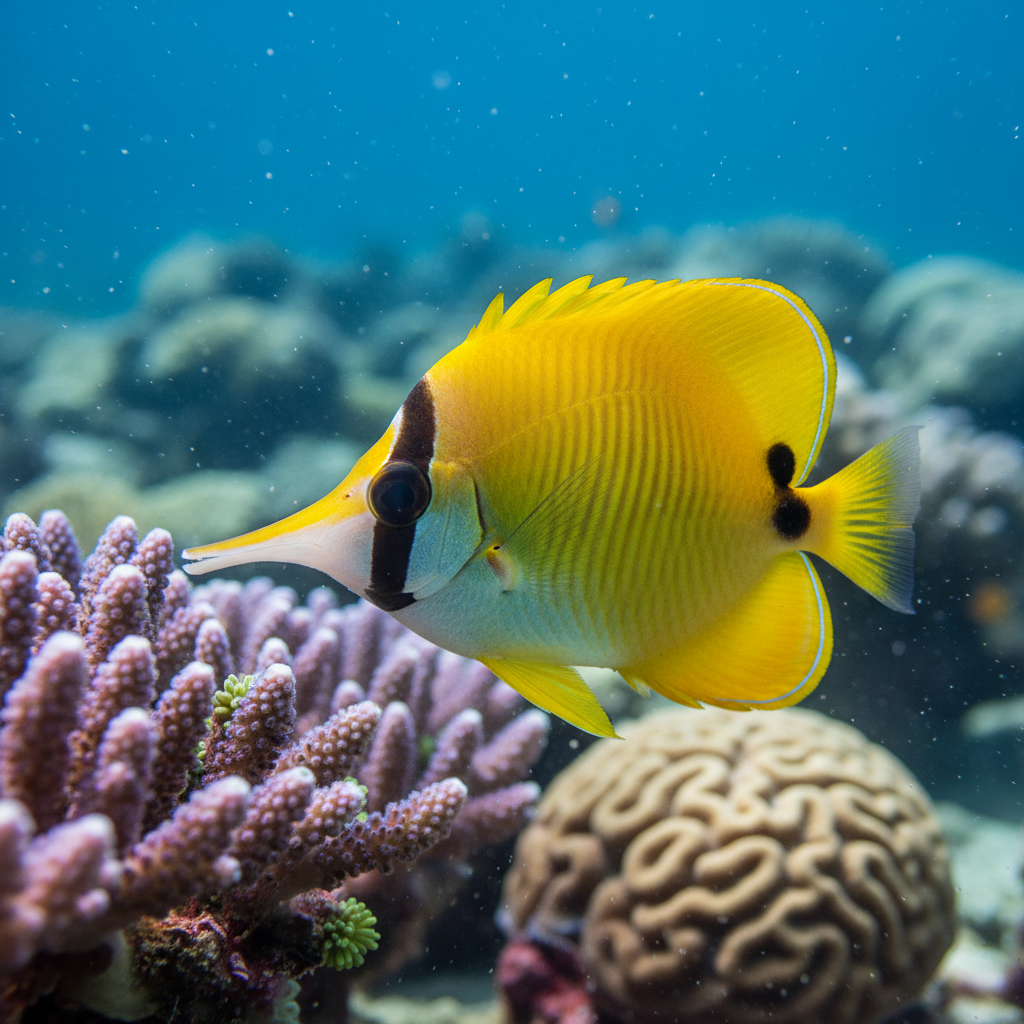
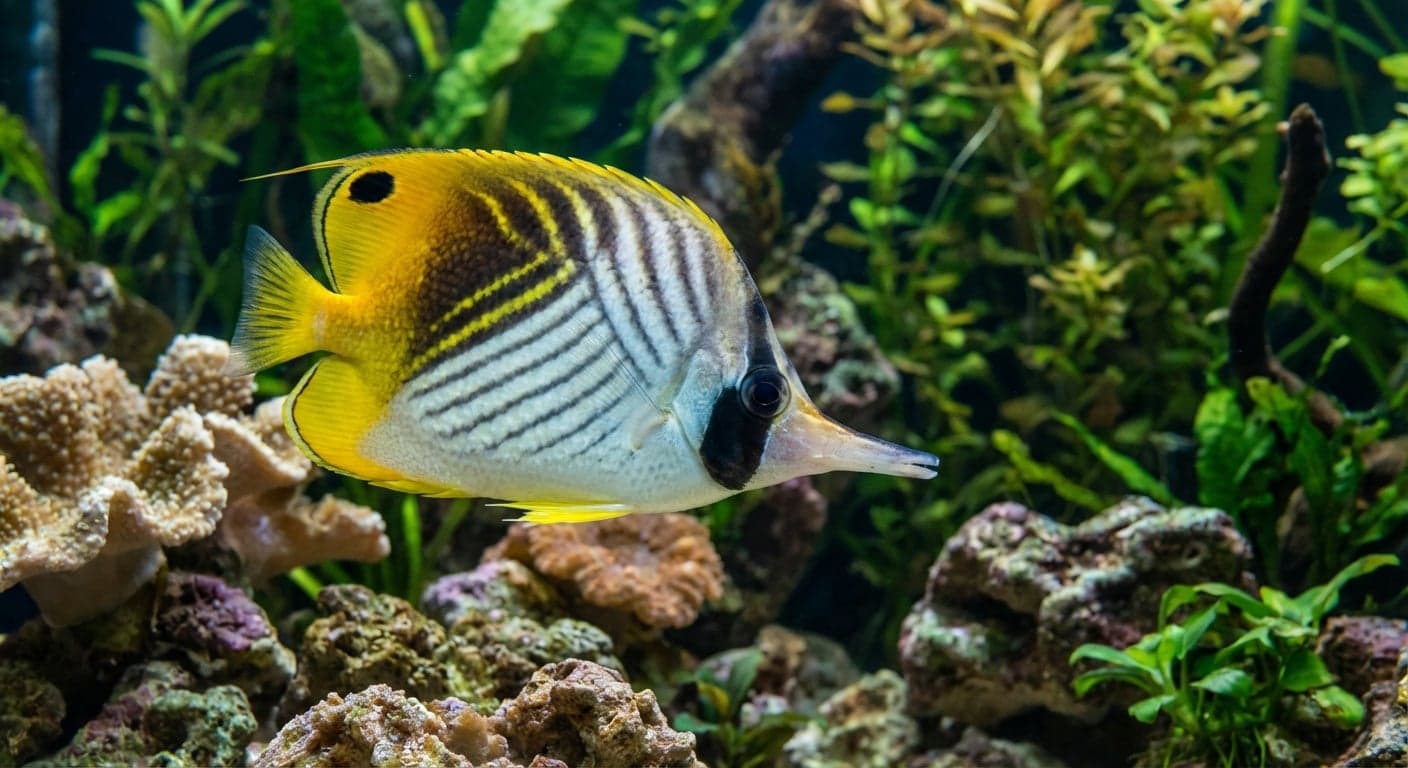
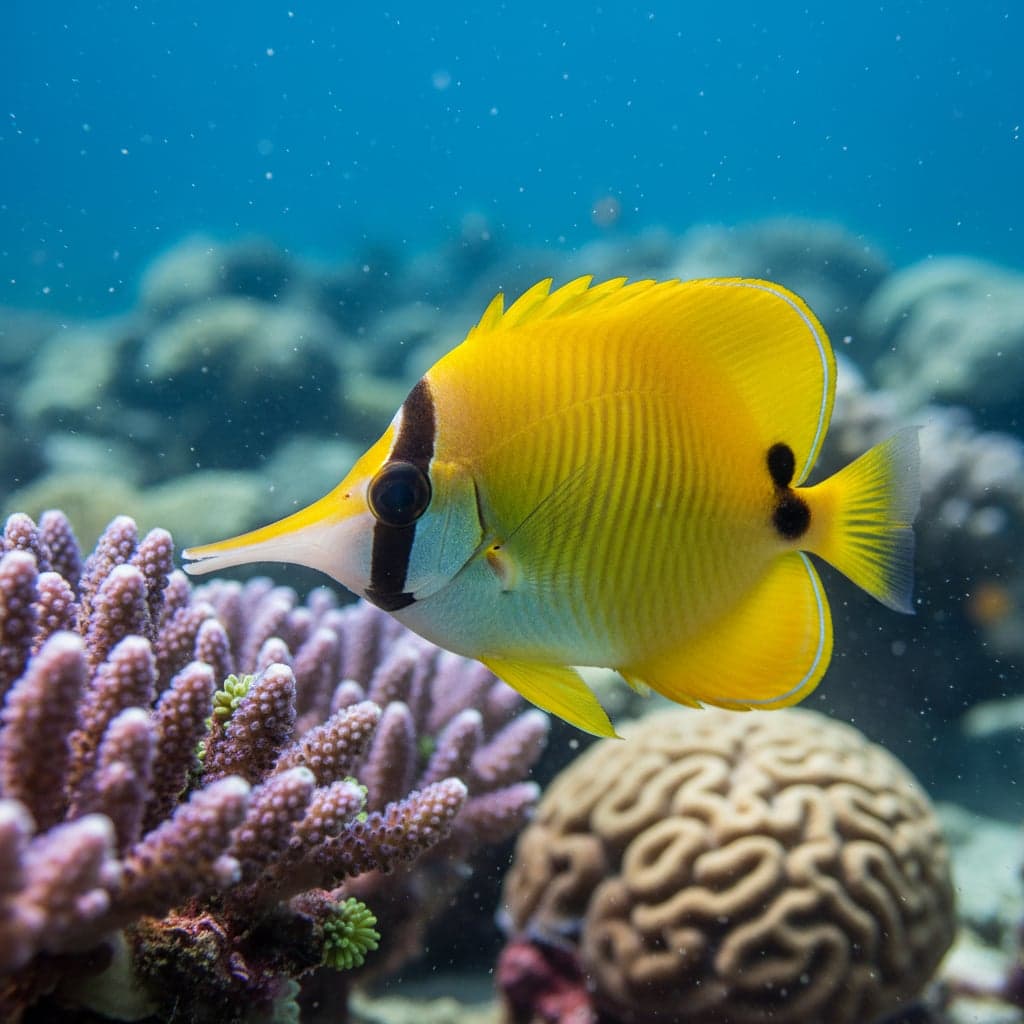
The Yellow Longnose Butterflyfish, scientifically known as Forcipiger flavissimus, is a stunning marine fish that captivates aquarium enthusiasts with its vibrant coloration and unique morphology. Displaying striking yellow and black markings, this fish features a long, slender snout that is perfectly adapted for feeding in crevices and among coral reefs. The combination of its elongated body and vivid hues not only makes it visually appealing but also adds a dynamic element to any marine aquarium. As a member of the Chaetodontidae family, this species is known for its graceful movements and elusiveness, enriching the aquarium experience with its enchanting presence.
In the aquarium hobby, the Yellow Longnose Butterflyfish holds significant popularity due to its adaptability and relative hardiness compared to other butterflyfish species. Its charismatic demeanor, notable feeding behavior, and compatibility with select tank mates make it a favored choice for both novice and experienced aquarists. Notably, this fish serves an ecological role in its natural habitat by helping to control algal growth on coral formations, thus contributing to the overall health of reef ecosystems. Its uniqueness and essential role in marine biodiversity underscore its value in both natural and captive environments.
Natural Habitat & Origin
The Yellow Longnose Butterflyfish is native to the warm waters of the Indo-Pacific region, specifically ranging from the Red Sea to the coasts of Eastern Africa, and across the central Indo-Pacific Islands, including the Great Barrier Reef. Typically found in coral-rich areas, this fish thrives in the clear waters of shallow reef habitats, usually within depths of 3 to 50 meters (10 to 164 feet). Preferring environments that exhibit moderate water movement, these fish are often seen darting around coral structures, showcasing their vibrant colors against the backdrop of intricately structured reefs, which serve as both shelter and hunting ground.
In terms of environmental context, the Yellow Longnose Butterflyfish favors habitats characterized by rich biodiversity, including various coral formations and associated marine life. It resides in tropical, saltwater ecosystems with good water quality, which is crucial for its health and longevity in captivity. Understanding its natural habitat can help aquarists create a similar environment that supports the fish's well-being and behavior in the aquarium.
Care Requirements
For successful care of the Yellow Longnose Butterflyfish, specific water parameters must be maintained. The ideal pH range is between 8.1 and 8.4, with a temperature range of 75°F to 82°F (24°C to 28°C). Additionally, the hardness of the water should be between 8-12 dKH to emulate the conditions of its natural habitat. Regarding tank setup, a minimum tank size of 400 litres (105 gallons) is recommended for this 22cm Forcipiger flavissimus — enough swimming run and reef structure for its long-snout foraging style. The substrate should consist of fine sand to mimic natural reef environments, while live rock and coral arrangements offer essential hiding spots and feeding grounds.
Lighting in the tank should be moderate to strong, simulating the bright conditions of a coral reef while promoting the growth of beneficial algae. It's also advantageous to incorporate live plants along with decorative corals and rock structures, as these additions provide both aesthetic appeal and functional habitats. Regular water changes and proper filtration are crucial components of care to maintain high water quality and overall health for the Yellow Longnose Butterflyfish.
Diet & Feeding
As an omnivore, the Yellow Longnose Butterflyfish has a diverse diet that primarily consists of small invertebrates, such as bristle worms, and algae, supplemented with zooplankton and detritus. In captivity, it is essential to provide a varied diet to ensure optimal health. High-quality marine flakes and pellets designed for carnivorous fish can serve as the staple diet. Additionally, offering frozen or live foods such as mysis shrimp, brine shrimp, and spirulina-based items will encourage natural foraging behavior and enhance nutritional intake. Regular feeding routines and meal variety are critical to prevent any nutritional deficiencies and to maintain this fish's vivacity in an aquarium setting.
Behavior & Temperament
The Yellow Longnose Butterflyfish exhibits a generally peaceful demeanor, making it a suitable choice for community tanks when paired with compatible species. These fish are often described as curious and social, engaging in both solitary and small group behavior within their habitat. They are not schoolers by nature; however, keeping them in pairs can lead to interesting interactions and a more enjoyable viewing experience. This species tends to occupy the upper and mid-level zones of the aquarium, darting around rock formations and coral structures, showcasing their graceful swimming style.
While generally non-aggressive, the Yellow Longnose Butterflyfish can display territorial tendencies, especially towards members of its own species or similar-looking fish. It is recommended to introduce these fish in a large tank with ample space and hiding spots to mitigate any potential aggression. By ensuring a well-planned tank environment, aquarium owners can enjoy the captivating behaviors of these beautiful fish.
Tank Mates
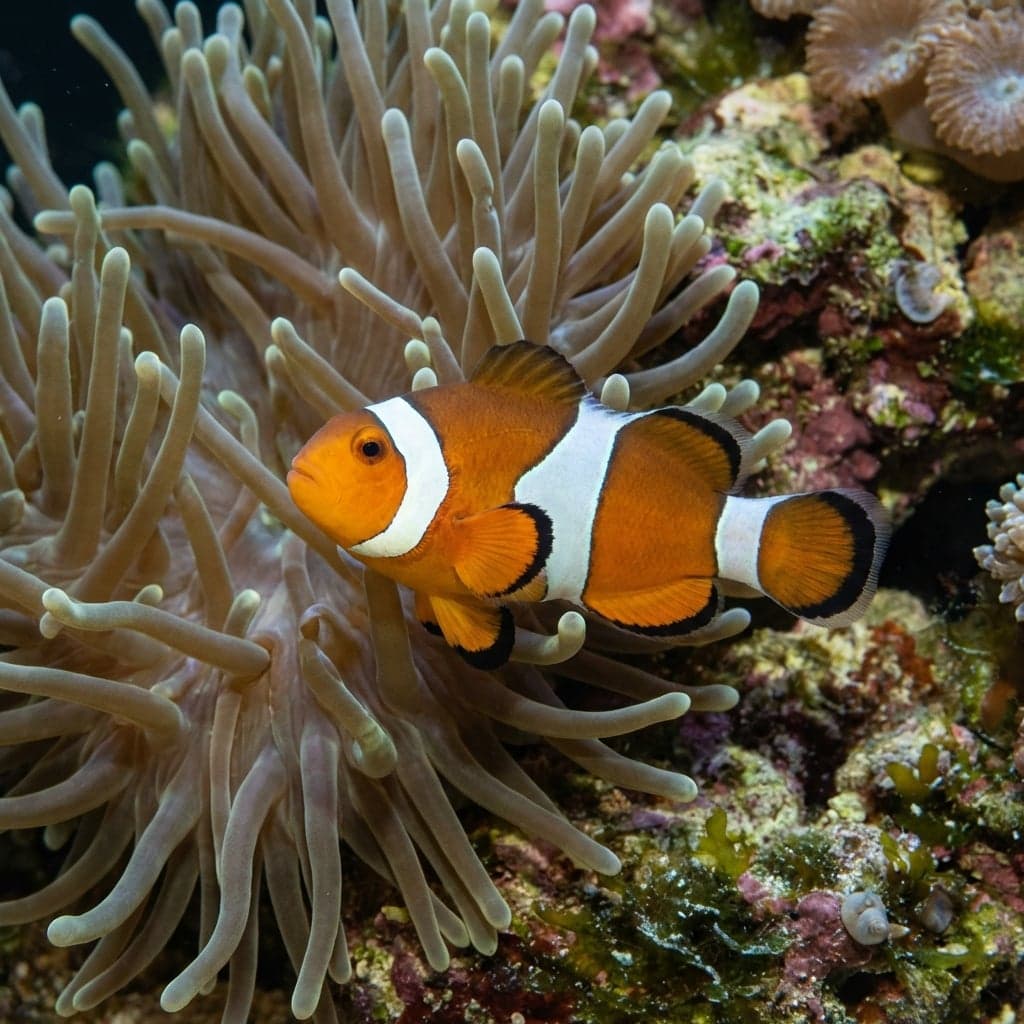
When selecting tank mates for the Yellow Longnose Butterflyfish, it's crucial to choose species that share similar temperaments and environmental needs. Compatible tank mates include peaceful reef-safe fish such as clownfish, gobies, grunts, and dottybacks. Marine invertebrates like shrimp and certain snails can also coexist harmoniously, enriching the ecosystem. However, it is essential to avoid aggressive species, such as large wrasses or triggerfish, as well as other butterflyfish, which may elicit territorial behavior or compete for resources.
As a general guideline, the best approach is to introduce fish into the aquarium gradually, ensuring all species are compatible and reducing the chances of aggression. Additionally, consideration should be given to the size of the tank and the social dynamics of the species involved, allowing for a balanced and harmonious aquatic community.
Breeding
The Yellow Longnose Butterflyfish has not been successfully bred in captivity, which makes breeding efforts a complex endeavor. Natural spawning usually occurs in the presence of a well-established breeding pair under ideal conditions, which simulate their natural environments with appropriate water parameters, tank size, and diet. In the wild, these fish are known to exhibit a courtship display where the male will perform specific movements to attract the female before spawning.
Creating an environment that mimics their natural habitat, with ample rock structures and ample swimming space, can encourage breeding behaviors. However, aquarists should be prepared for potential challenges, including eggs being eaten by other fish or not adhering to the surfaces within the tank. For those interested in breeding this species, observing the pair's behavior and ensuring a healthy diet leading up to breeding attempts are essential.
Common Health Issues
Like many marine fish, the Yellow Longnose Butterflyfish is susceptible to various health issues, with the most common being ich (Marine Ich), flukes, and bacterial infections. Ich presents as small white spots on the fish's body and fins, often leading to stress and weakened immunity. Implementing preventive measures such as maintaining optimal water quality, avoiding stress during acquisition, and quarantining new fish can significantly lower the risk of disease outbreaks.
Additionally, due to their somewhat delicate nature, the Yellow Longnose Butterflyfish may experience stress, which can lead to further complications if not managed appropriately. Regular observation, a nutritious diet, and maintaining stable water parameters can help ensure the long-term health of these captivating fish in the aquarium.